EMX micro
Decreased size, increased performance.
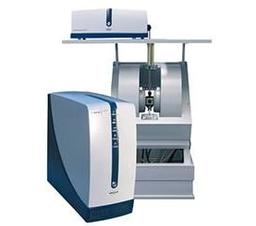

The supplier does not provide quotations for this product through SelectScience. You can search for similar products in our Product Directory.
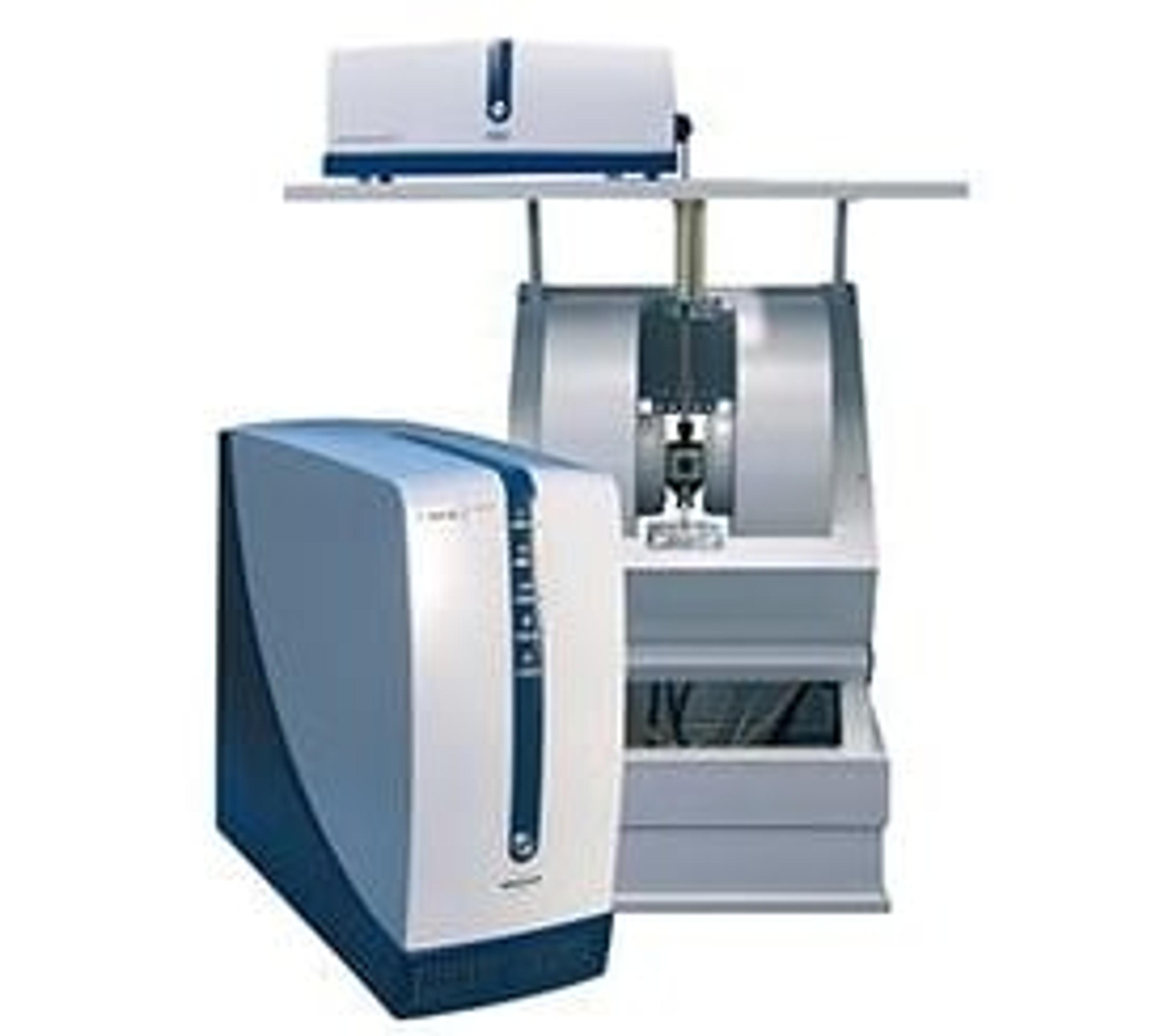
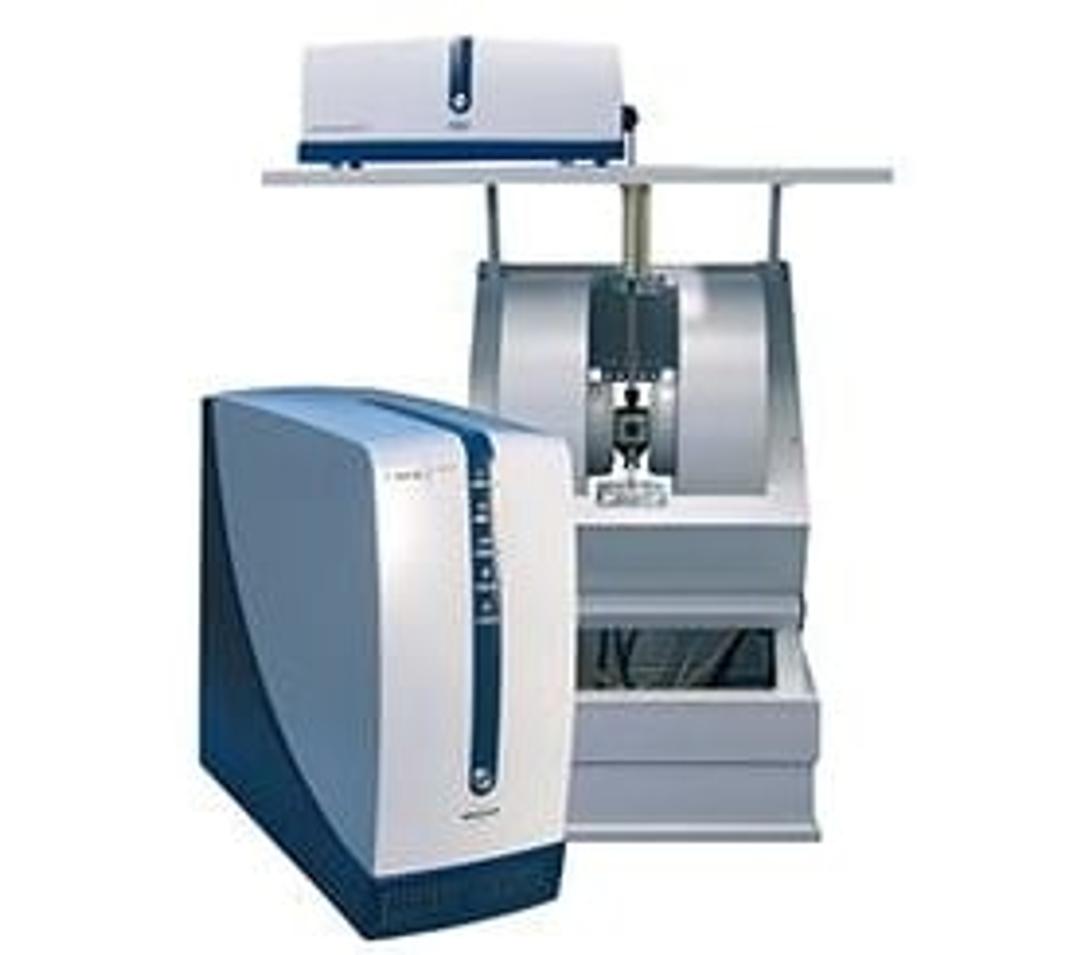
The EMXmicro represents a new digital generation of CW-EPR spectrometers: It is a highly integrated digital spectrometer featuring field controller and signal processor with unsurpassed resolution and precision.
Being a micro spectrometer, the EMXmicro frees lab space by integrating these devices plus an optional temperature controller in the footprint of a tower PC. The EMXmicro represents an unparalleled performance-to-footprint ratio. The whole spectrometer electronics including the optional variable temperature unit (ER4141VT) comes in a tower-like console with a footprint as small as a tower PC. While the footprint decreased, the spectroscopic performance has been increased substantially in both magnetic field resolution and signal resolution.

EPR Detection of the Superoxide Free Radical with the Nitrone Spin Traps DMPO and BMPO
In general, the most direct method for measuring and characterizing free radicals in chemistry, biology and medicine, is detection by EPR spectroscopy. However, due to their high reactivity and short half-lives, direct EPR detection of many free radicals (e.g., superoxide, hydroxyl radical, alkyl radicals, etc.) is virtually impossible in solution at room temperature. Spin trapping is a technique developed in the late 1960s in which a nitrone or nitroso compound reacts with a target free radical to form a stable and identifiable free radical that is detected by EPR spectroscopy. The spin trapping technique involves the addition of the reactive free radical across the double bond of a diamagnetic ‘‘spin trap’’ to form a much more stable free radical (a ‘‘radical adduct’’) which can then be measured with EPR.
Measuring Oxidation of Cooking oil using EPR Spin Trapping
The staling of vegetable oil is a major problem in several food related industries. Rancidity is caused by a free radical process that is both oxygen and temperature dependent. The result is the degradation of long chain free fatty acids to the smaller aldehydes, ketones and alcohols that give rancid foods their characteristic foul odor and flavor. Efforts to decrease the rate of rancidity formation and methods to measure rancidity are of great importance to the food industry