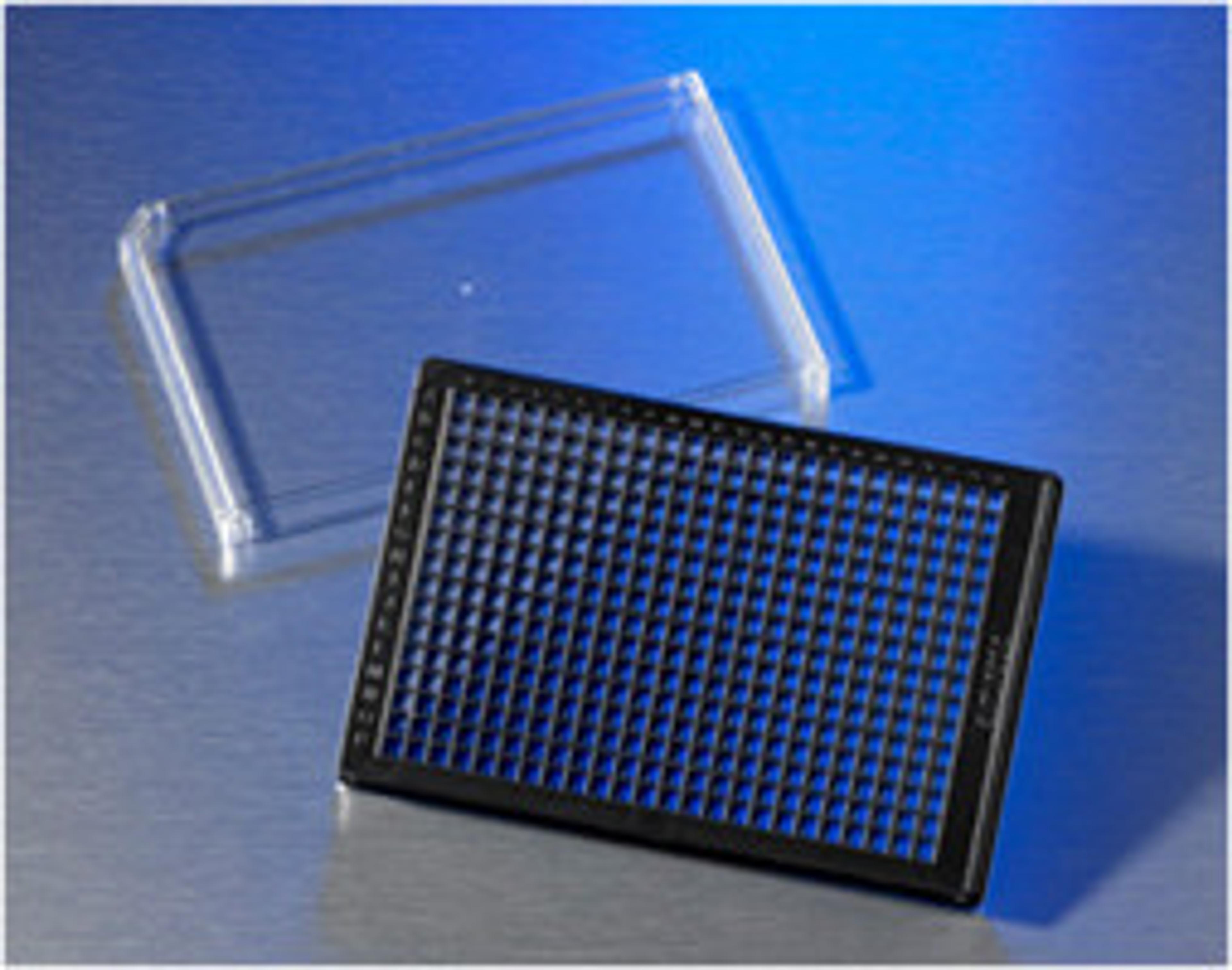
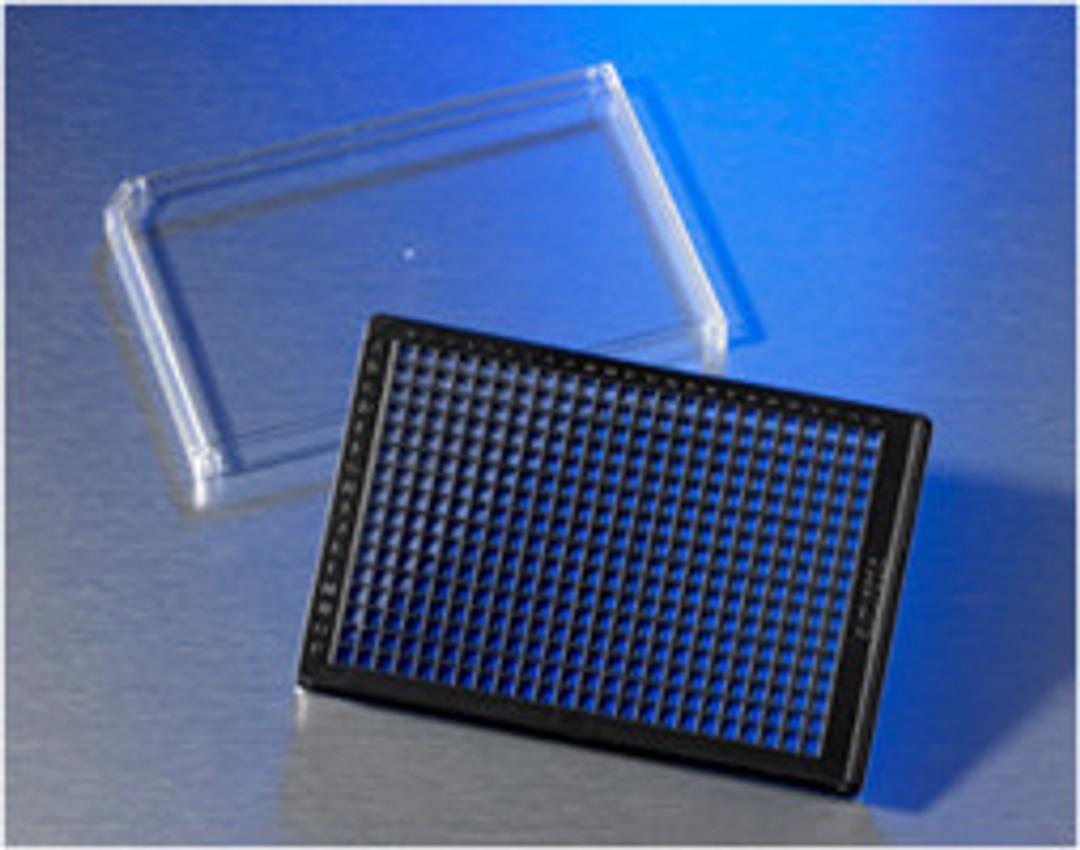
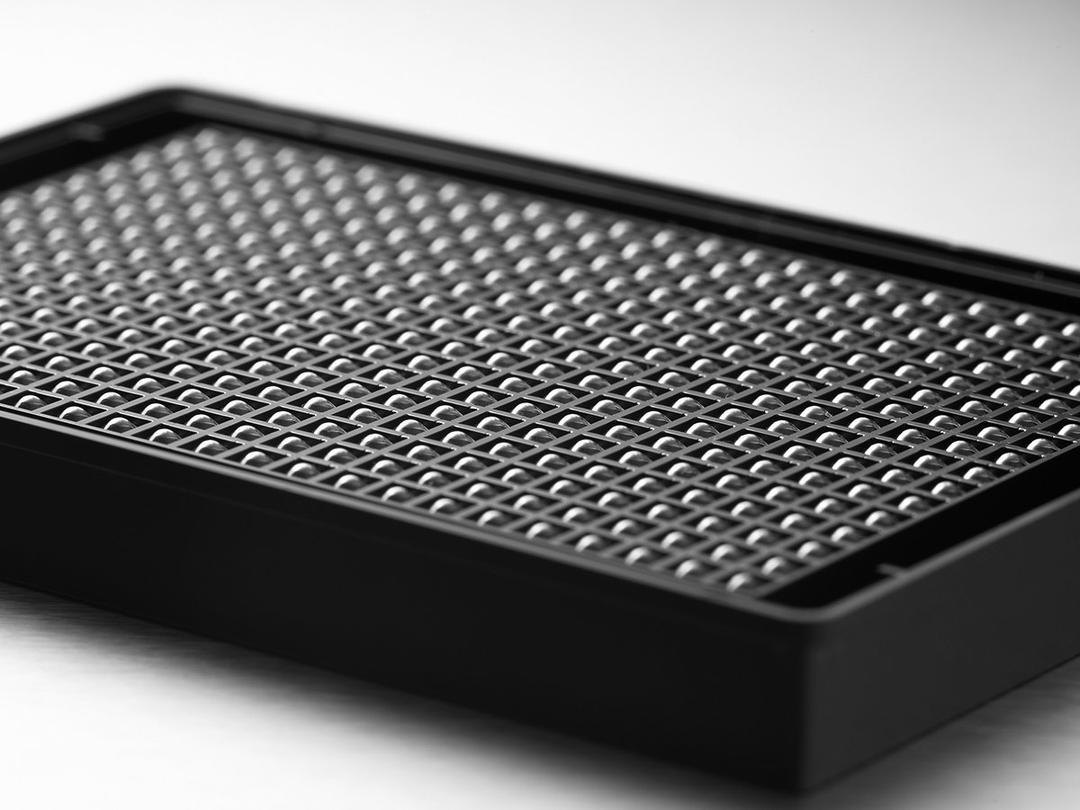
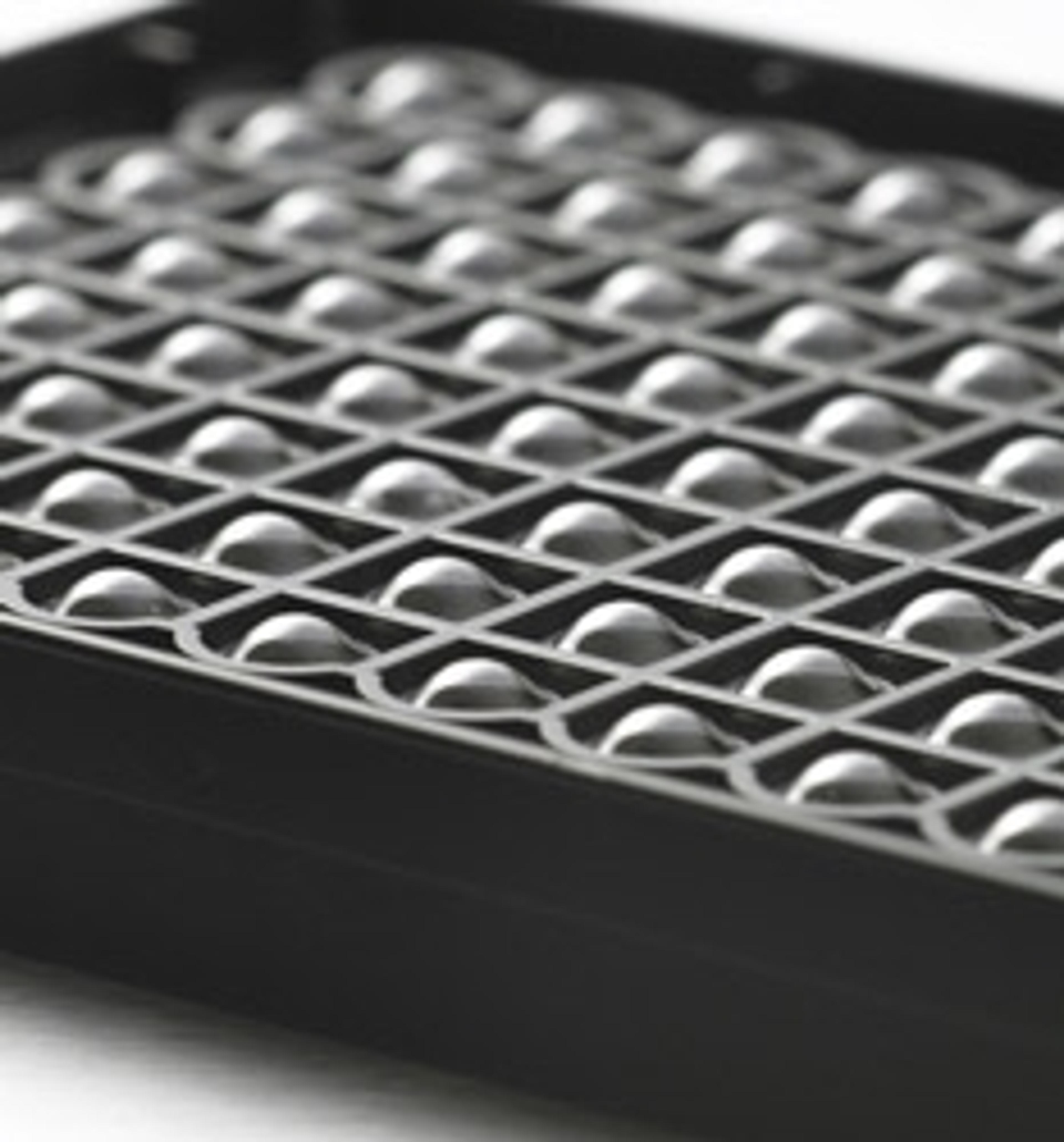
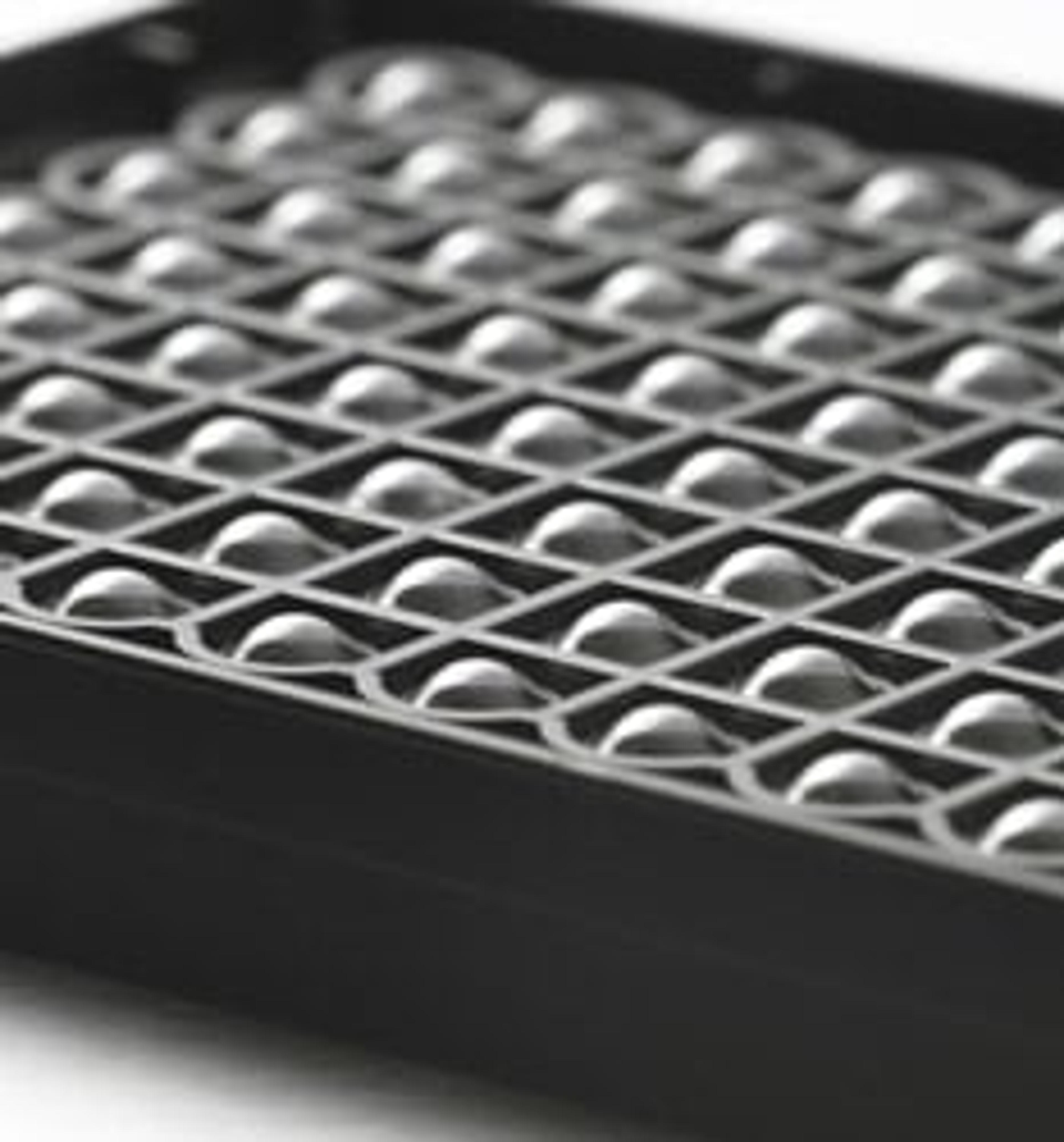
Corning® 384-well Black/Clear Round Bottom Ultra-Low Attachment Spheroid Microplate, Bulk Packed 10 per Bag, with Lid, Sterile
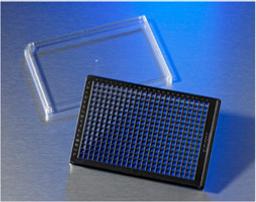
Ultra-Low Attachment microplates feature a covalently bound hydrogel layer that effectively inhibits cellular attachment Surface minimizes protein absorption, enzyme activation and cellular activation Surface is noncytotoxic, biologically inert and nondegradable Sterilized by gamma irradiation Black wall microplates have low background fluorescence, minimal light scatter and reduced crosstalk Opaque walls to prevent wel…

The supplier does not provide quotations for this product through SelectScience. You can search for similar products in our Product Directory.
The end users like this product because of the good end results.
Tissue culture
The sales rep and the manager are very helpful in providing the technical data or information we need for Corning products. Also a great team to work with for pricing.
Review Date: 12 Feb 2020 | Corning Life Sciences
- Ultra-Low Attachment microplates feature a covalently bound hydrogel layer that effectively inhibits cellular attachment
- Surface minimizes protein absorption, enzyme activation and cellular activation
- Surface is noncytotoxic, biologically inert and nondegradable
- Sterilized by gamma irradiation
- Black wall microplates have low background fluorescence, minimal light scatter and reduced crosstalk
- Opaque walls to prevent well-to-well crosstalk
- Can be used for both top and bottom reading instruments
- Bulk packed 10 per bag
- Novel well geometry aids formation of spheroids in center of well
- Optically clear round bottom with black opaque microplate body
Brochures

Corning® Spheroid Microplates Take the Guesswork Out of 3D Cultures with Stephanie Ravenscroft
5 questions with Stephanie Ravenscroft, Senior scientist, Cyprotex Discovery.
Corning® Spheroid Microplates Take the Guesswork Out of 3D Cultures with Brad Larson
5 questions with Brad Larson, Principal Scientist Applications Group, BioTek Instruments, Inc.
Analysis of RNA transcript levels reveals upregulation of hypoxia markers for pancreatic cancer cells cultured in 3D
Pancreatic ductal adenocarcinoma (PDAC) is a notoriously aggressive tumor type due to its high levels of metastasis and recurrence and is the fourth leading cause of cancer-related deaths in the Western world. Pancreatic tumors typically lack vasculature and are hypoxic due to oxygen diffusion limitations. In this study, the PDAC cell line PANC-1 was seeded at densities ranging from 500 to 5,000 cells in Corning spheroid microplates and the relative expression of hypoxia markers HIF-1α, GLUT-1, and CA IX were analyzed compared to 2D culture using RT-qPCR to assess the correlation between spheroid size and hypoxia marker expression.
Corning Matrigel matrix 3D plates for high-throughput 3D assays
The study presented within this scientific poster highlights the use of Corning® Matrigel® matrix 3D plates to generate MDCK cysts for screening modulators of forskolin-induced cyst swelling, which can be used to screen potential therapies for diseases such a polycystic kidney disease.
A Study of Drug-Induced Liver Injury Using 3D Primary Human Hepatocytes
This application note demonstrates how 3D primary human hepatocyte (PHH) spheroids demonstrate increased sensitivity to drug-induced liver injury in comparison to 2D PHH monolayer culture.
Spheroid Microplates User Guide
In vitro 3D cell culture models are widely recognized as more physiologically relevant systems compared to 2D formats. The 3D models reflect more accurately the complex in vivo microenvironment and have been used in many research areas, such as cancer biology, hepatotoxicity, neurology, pancreatic studies, nephrology, and stem cell biology. These studies have revolutionized understanding of cellular behavior both in culture and in vivo. However, adoption of 3D cell culture models in high throughput screening (HTS) platforms has been slow due to the limitations of the current technologies. Problems include increased variability, low throughput, difficulty to automate, and high cost.
Spheroid Formation Protocol
In vitro 3D cell culture models are widely recognized as more physiologically relevant systems compared to 2D formats. To recapitulate features of native tumor microenvironments, cancer cells can be cultured in Corning spheroid microplates, which combine the Corning Ultra-Low Attachment surface with innovative well geometry to provide an ideal tool for generating, culturing, and assaying 3D multicellular spheroids in the same plate, without the need for a transfer step. This protocol describes a basic method for generating and culturing tumor spheroids in a 96-well spheroid microplate format. This basic protocol for culture and assay can be adapted for all spheroid microplates.
A Novel Three-Dimensional Glioma Blood Brain Barrier Model for High-Throughput Testing of Tumoricidal Capability
The blood brain barrier, BBB, acts as a defense preventing foreign particulates and pathogens from entering the brain's vascular system. This poster demonstrates the development of a three-dimensional model to study BBB transport and drug cytotoxicity, developed using Corning® 96-well spheroid microplates and the Corning HTS transwell®-96 tissue culture system.
Bulk Production of Cell Aggregates in Microcavity Vessels and Dispensing to Corning® Microplates for High-Throughput Screening
Three-dimensional cell culture is increasing in pharmaceutical and biotechnology research. The Corning Microcavity vessel platform was developed as a tool for scientists working with 3D cell aggregate models in order to easily scale up their 3D culture production. This poster demonstrates the production of 3D cell aggregrates in bulk format using the Microcavity platform, followed by sorting and dispensing.
3D High-Content Screening of Liver Spheroids
More accurate in vitro toxicity assays are required to detect adverse drug effects, such as drug induced liver injury (DILI), in earlier phases of drug development. 3D cell models demonstrate the formation of functional bile canaliculi and have increased albumin secretion and CYP expression, as well as longer stability in culture compared with two dimensional (2D) cultures, making them ideal for DILI studies. Here, efficacious drug screening is demonstrated by combining Corning® Hepatocells with Corning spheroid microplates to create the 3D cell cultures necessary for testing.
Spheroid Processing and Embedding for Histology
In this application note, learn a procedure for the fixation of spheroids, followed by transfer to an embedding medium for processing and imaging.
CAR-T Cell Screening in Tumor Spheroids using Corning® Spheroid Microplates
Chimeric antigen receptor (CAR)-T cells, which are engineered to recognize target cell surface antigens expressed on tumor cells, have shown promise to effect complete remission in patients with B-cell malignancies. In combination with KILR Cytotoxicity Assays and ProMab CAR-T cells, the Corning spheroid microplate provides a high throughput platform for culturing and screening tumor spheroids with CAR-T cell assays.
Take Your Research 3D in 3 Easy Steps
In this video, find out why you should grow 3D cell cultures and how to take your research 3D in 3 easy steps.
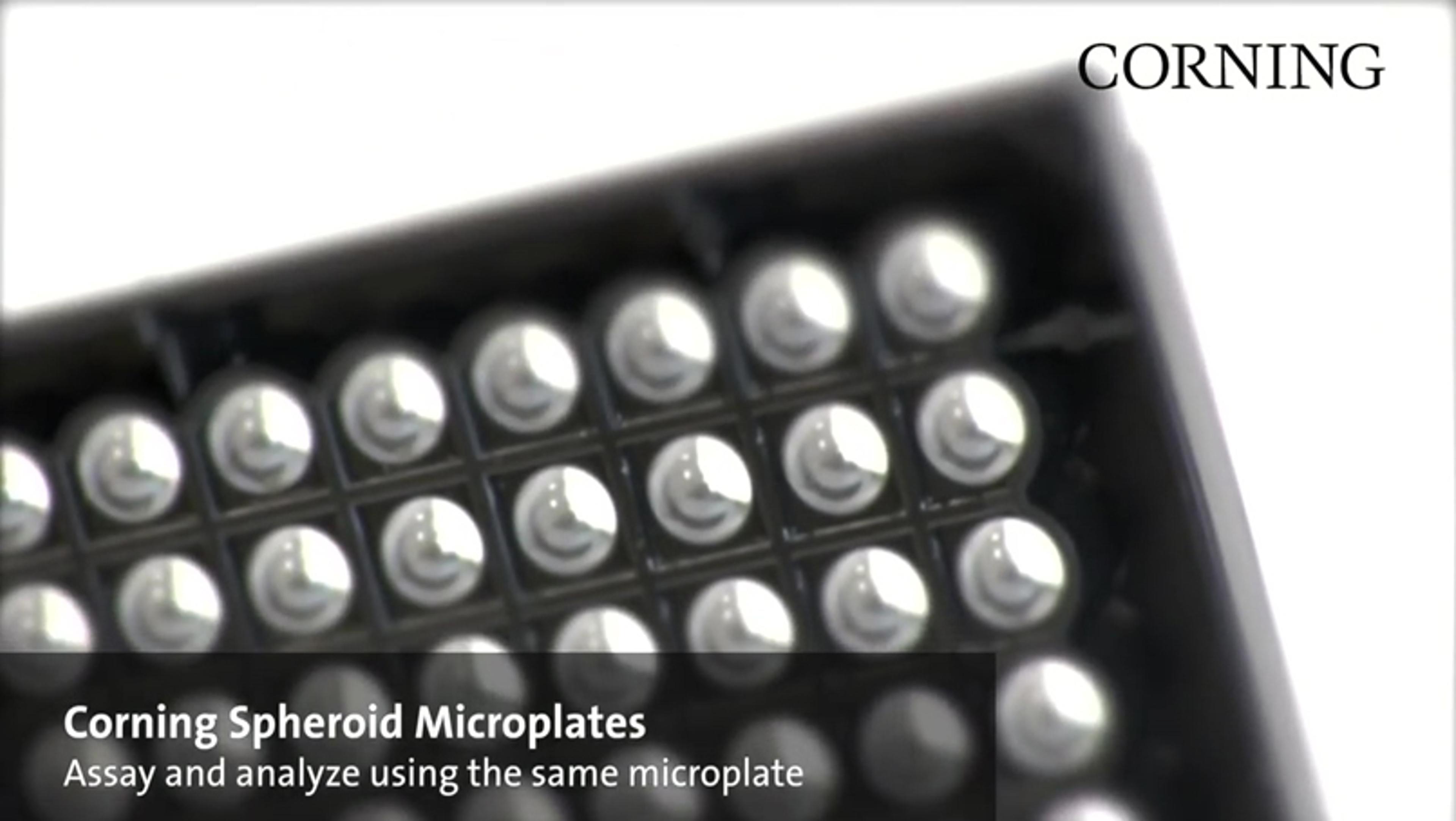
Corning® Spheroid Microplates: Assay and Analyze 3D Spheroids in the Same Microplate
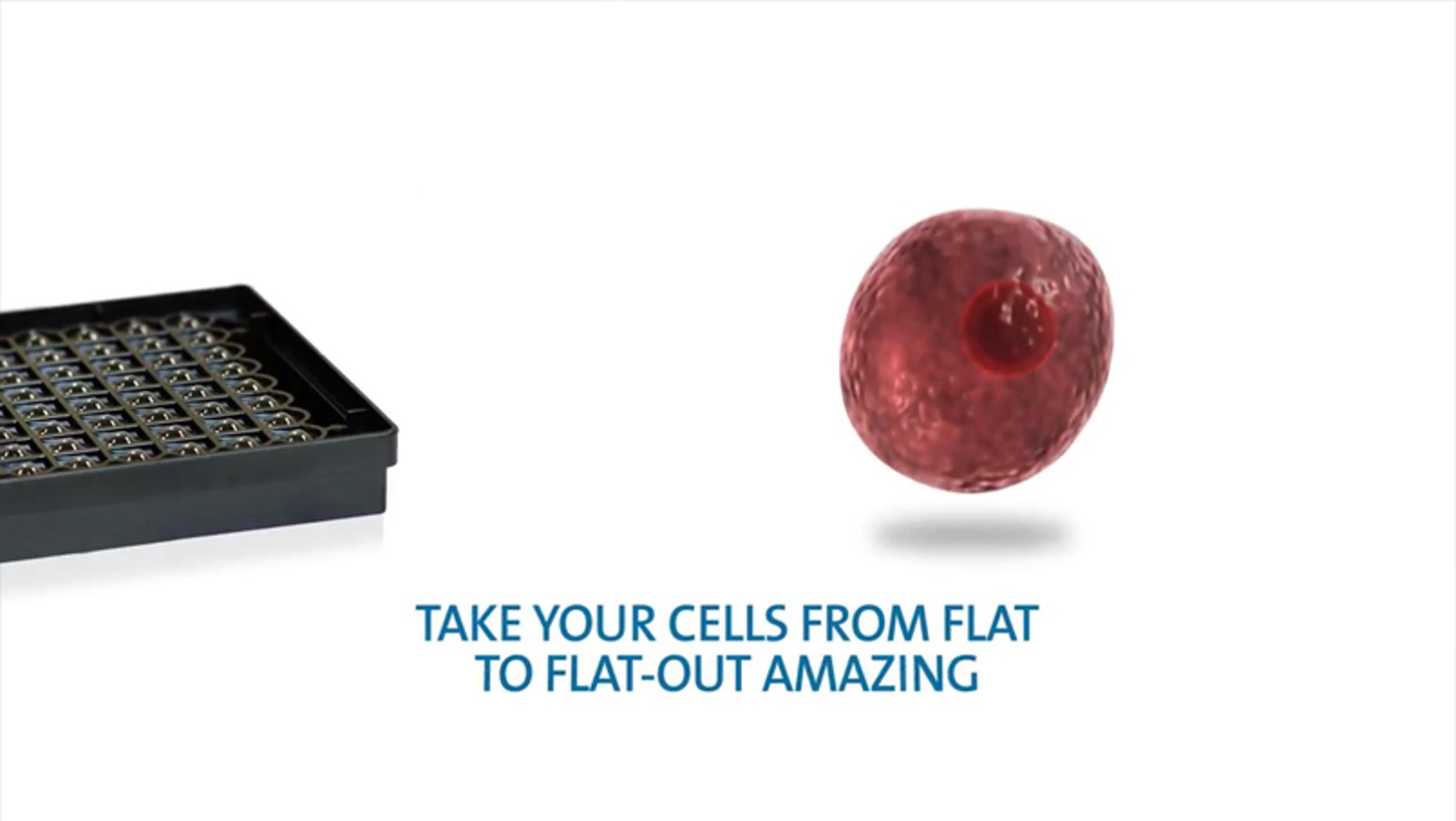
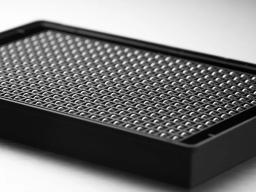
With their novel and proprietary design, these microplates are ideal for generating and analyzing 3D multicellular spheroids in the same microplate. The Ultra-Low Attachment surface enables uniform and reproducible 3D multicellular spheroid formation. The black opaque microplate body shields each optically clear, round bottom well from well-to-well crosstalk.
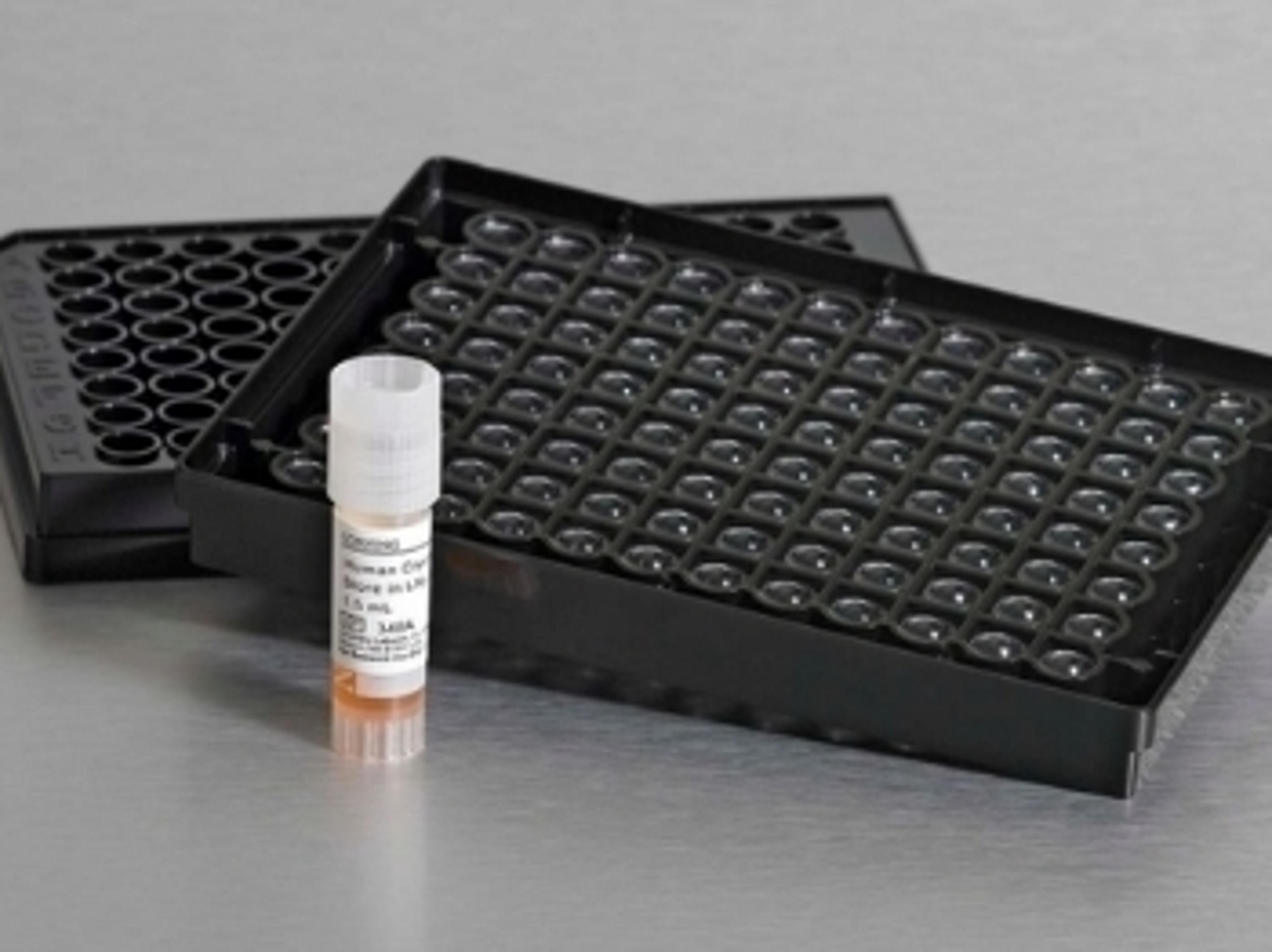
Corning launches HepGo™ assay-ready 3D liver spheroid kits
Corning expands cell culture portfolio with 3D liver models that better recapitulate in vivo behavior and deliver a more physiologically relevant model for improved drug safety and efficacy screening
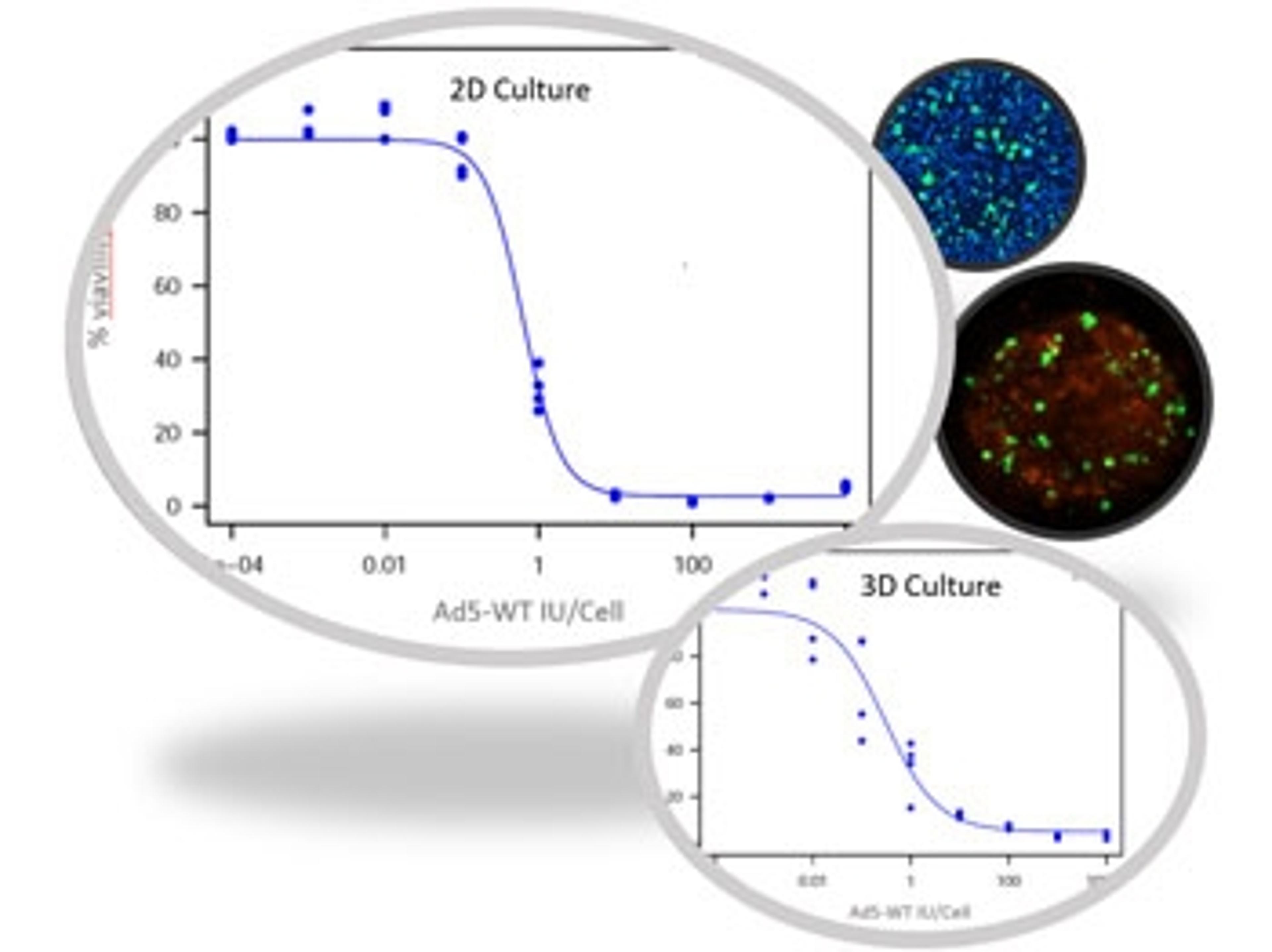
Predictive pharmacology: Novel 3D drug testing systems for improved predictive accuracy
Meet the preclinical contract research organization that specializes in the pharmacology of spheroids

Your 2019 Scientists' Choice Awards Winners for Drug Discovery & Development Announced at SLAS
Dr. David Baker, Mimi Roy, Promega and Thermo Fisher Scientific among those recognized in Washington, D.C., for their parts in advancing the drug discovery and development

How to Optimize Your 3D Cell Culture with Organoids, Scaffolds and Hydrogels
Dr. Richard M. Eglen of Corning Life Sciences shares expertise on optimizing 3D cell culture assays with the latest technologies
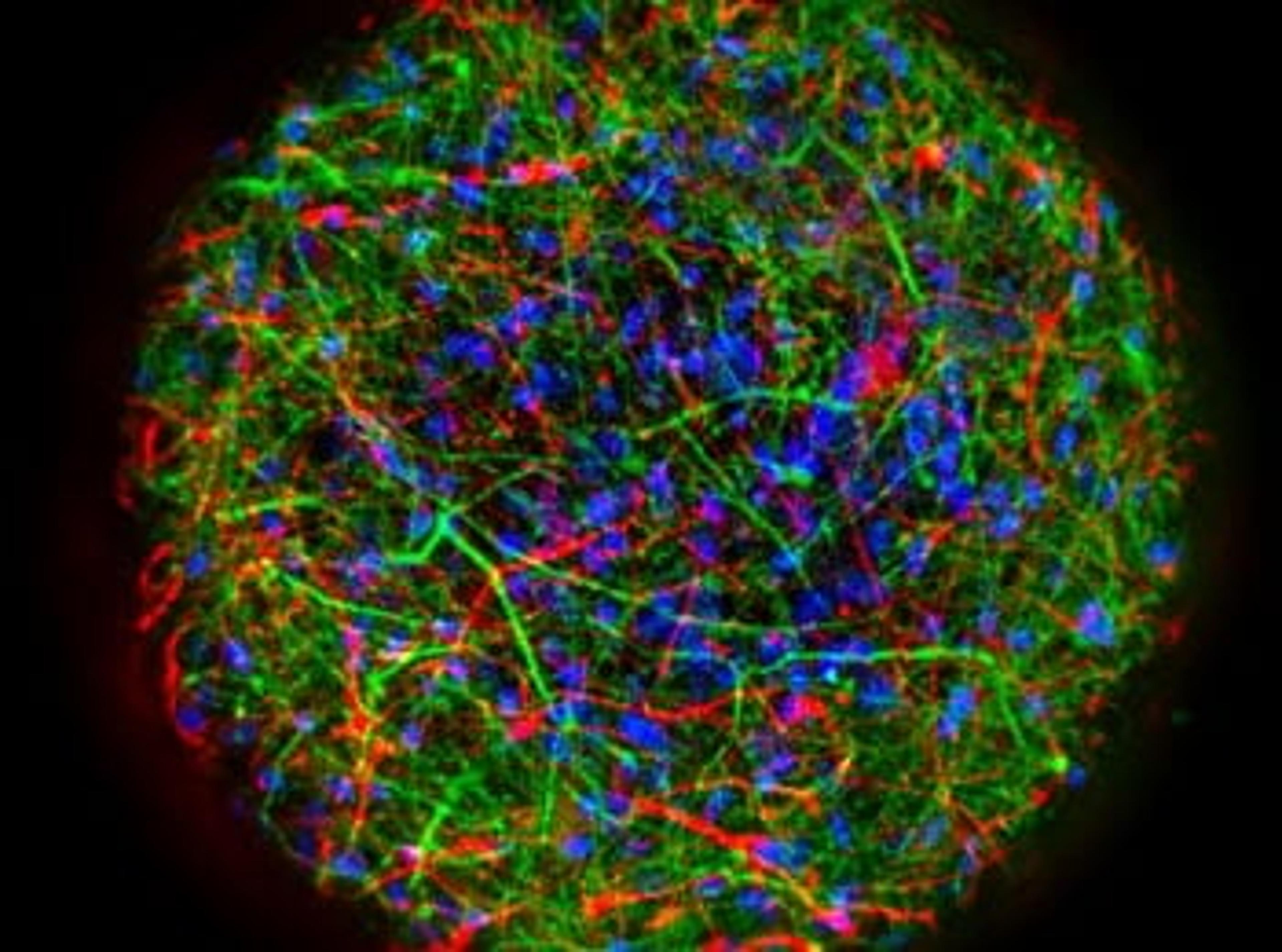
3D Human Spheroids as a Predictive Model in Drug Discovery
Dr. Ryan Gordon, VP of Business Development and Commercialization at StemoniX, discusses the potential of human spheroids in predictive assays
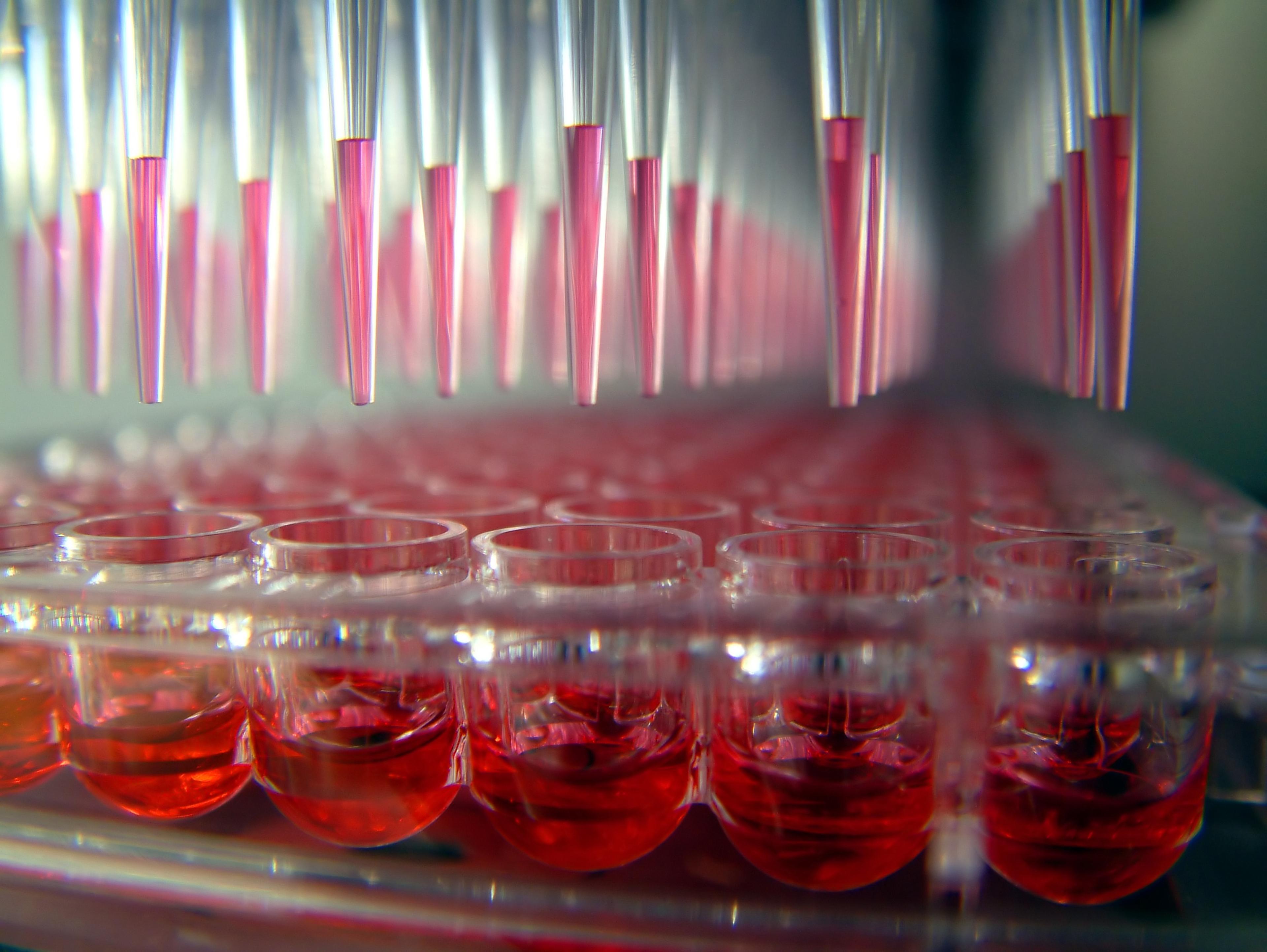
Discover the Latest Innovations in Cell-Based Automation
New application notes, videos and technologies
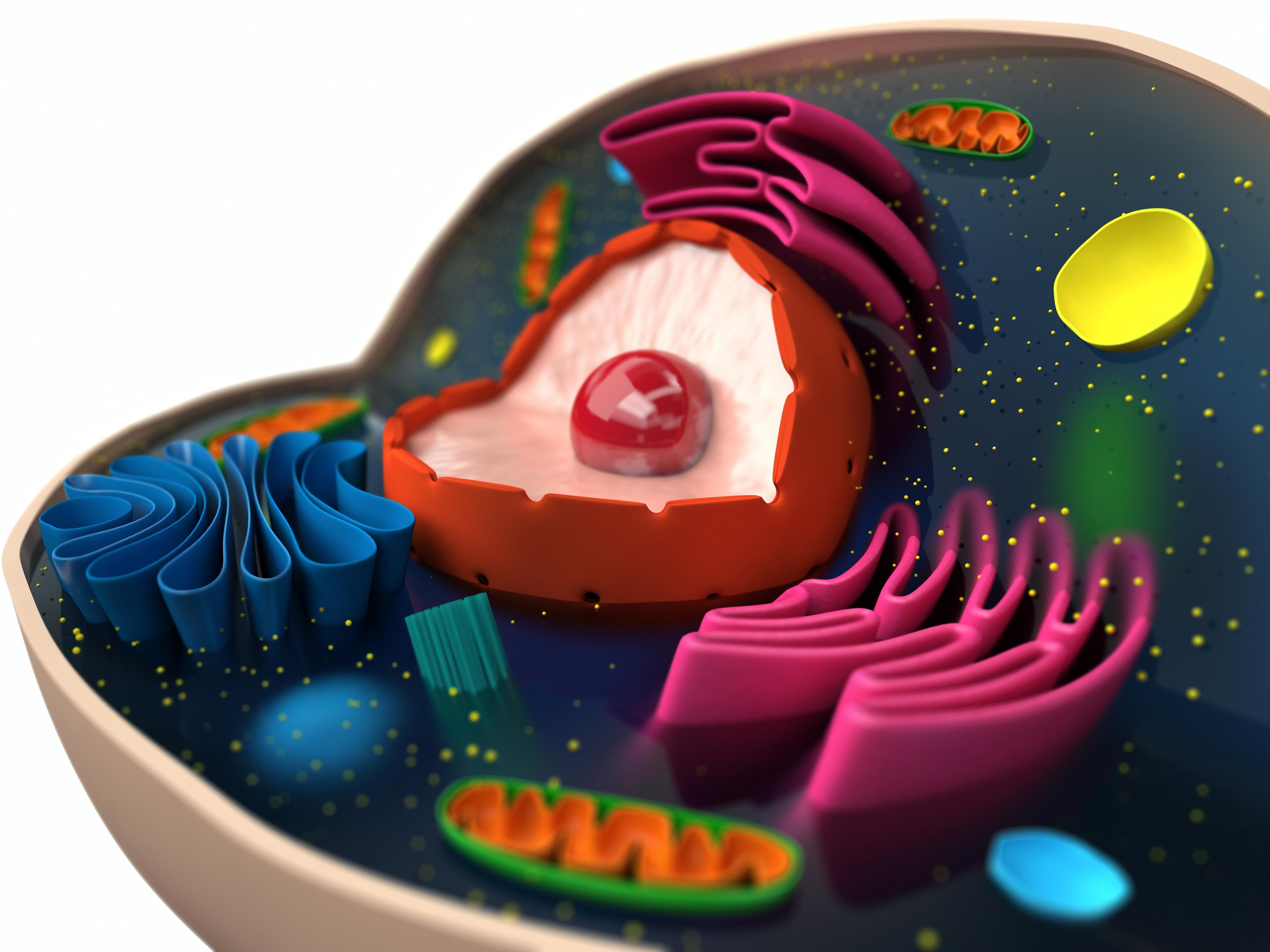
The Latest Cell Biology News, Techniques and Technology
Discover the most exciting new developments in cell biology research this month
Visit Corning Life Sciences at SLAS2016
Optimize Assay Performance and Streamline High Throughput Screening
Corning Expands Drug Discovery Offering at SLAS2016
Corning Life Sciences vice president and general manager to showcase growing portfolio