
Advances in 3D Cell Culture for High Throughput Drug Screening
27 Apr 2016
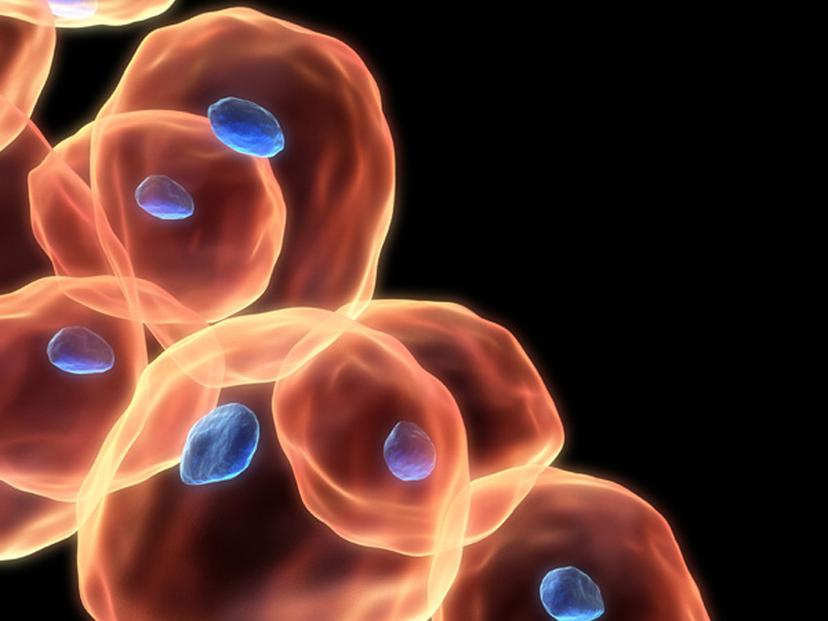
Image: Sebastian Kaulitzki/Shutterstock
Dr Timothy Spicer, Assistant Professor of Molecular Therapeutics and Lead ID Director of Discovery Biology & HTS at The Scripps Research Institute, Florida, USA talked to SelectScience® about advances in cancer drug screening, being driven by 3D cell culture automation.
Dr Spicer’s research is focused on developing and optimizing technologies for high throughput screening (HTS) of any biological target, with an unmet therapeutic need. There is a huge drive in the field of cancer research to accelerate screening and maintain disease relevancy.
3D Cell Culture and HTS Screening
3D cell cultures, where cells are allowed to grow in vitro in all three dimensions, compared with traditional monolayer methodologies, are more physiologically relevant. This makes them ideal for compound screening in drug discovery. However, replacing large-scale 2D cell culture has been challenging. Dr Spicer is working in collaboration with Corning Life Sciences to improve 3D cell culture screening technology, by developing and validating non-adherent 1536-well spheroid plates. As Dr Spicer explains, “The work we’re doing now is really focused on improving the technologies. A lot of researchers have been doing 2D or a monolayer format for screening, for a long time, and they’ve found reasonable leads but ultimately most of them have failed.” These new 1536-well plates are designed to enable fast development of spheroids on a large-scale, high-density format to facilitate the screening of a huge volume of compounds. Dr Spicer remarked that it would be possible to screen the entire Scripps Drug Discovery Library, of over 650,000, compounds in less than two weeks, using this technology. The team at Scripps with Corning Life Sciences have developed, tested and validated the 1536-well spheroid plates, which are compatible with existing HTS facilities such as imagers, readers and automated workstations.
Future Perspectives
This successful collaboration is now focused on validating the 1536-well plates by screening potential cancer therapies. However, this technology will be applicable to any area of drug discovery, including central nervous system disorders, infectious, cardiovascular and metabolic diseases. The ability to produce consistent 3D cell cultures, on a large-scale, is set to transform the field of drug discovery. Enormous numbers of compounds can be screened rapidly, in a more physiologically relevant model, which will accelerate their development into the clinic and ultimately lead to new and more efficacious treatments.
Watch the video and visit the website to learn more about Dr Spicer’s work at the Scripps Institute. Find out more about Corning’s high content screening plates in this video.
Do you use Corning’s 96- and 384-well spheroid microplates or 1536-well spheroid microplates? Tell us what you think, leave a review.
Related products
Request Quote for All Products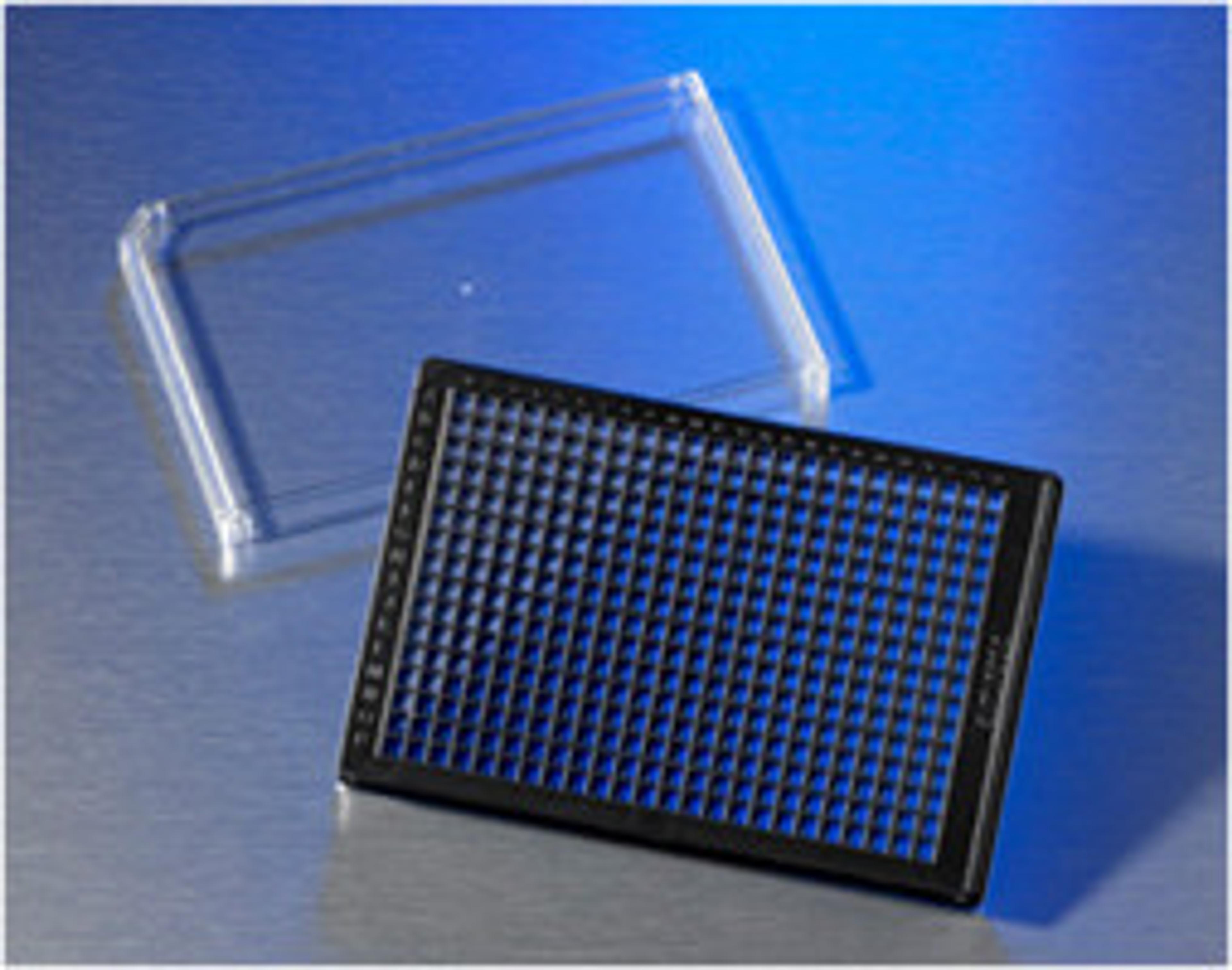
Corning® 384-well Black/Clear Round Bottom Ultra-Low Attachment Spheroid Microplate, Bulk Packed 10 per Bag, with Lid, Sterile
Corning Life SciencesUltra-Low Attachment microplates feature a covalently bound hydrogel layer that effectively inhibits cellular attachment Surface minimizes protein absorption, enzyme activation and cellular activation Surface is noncytotoxic, biologically inert and nondegradable Sterilized by gamma irradiation Black wall microplates have low background fluorescence, minimal light scatter and reduced crosstalk Opaque walls to prevent well-to-well crosstalk Can be used for both top and bottom reading instruments Bulk packed 10 per bag Novel well geometry aids formation of spheroids in center of well Optically clear round bottom with black opaque microplate body
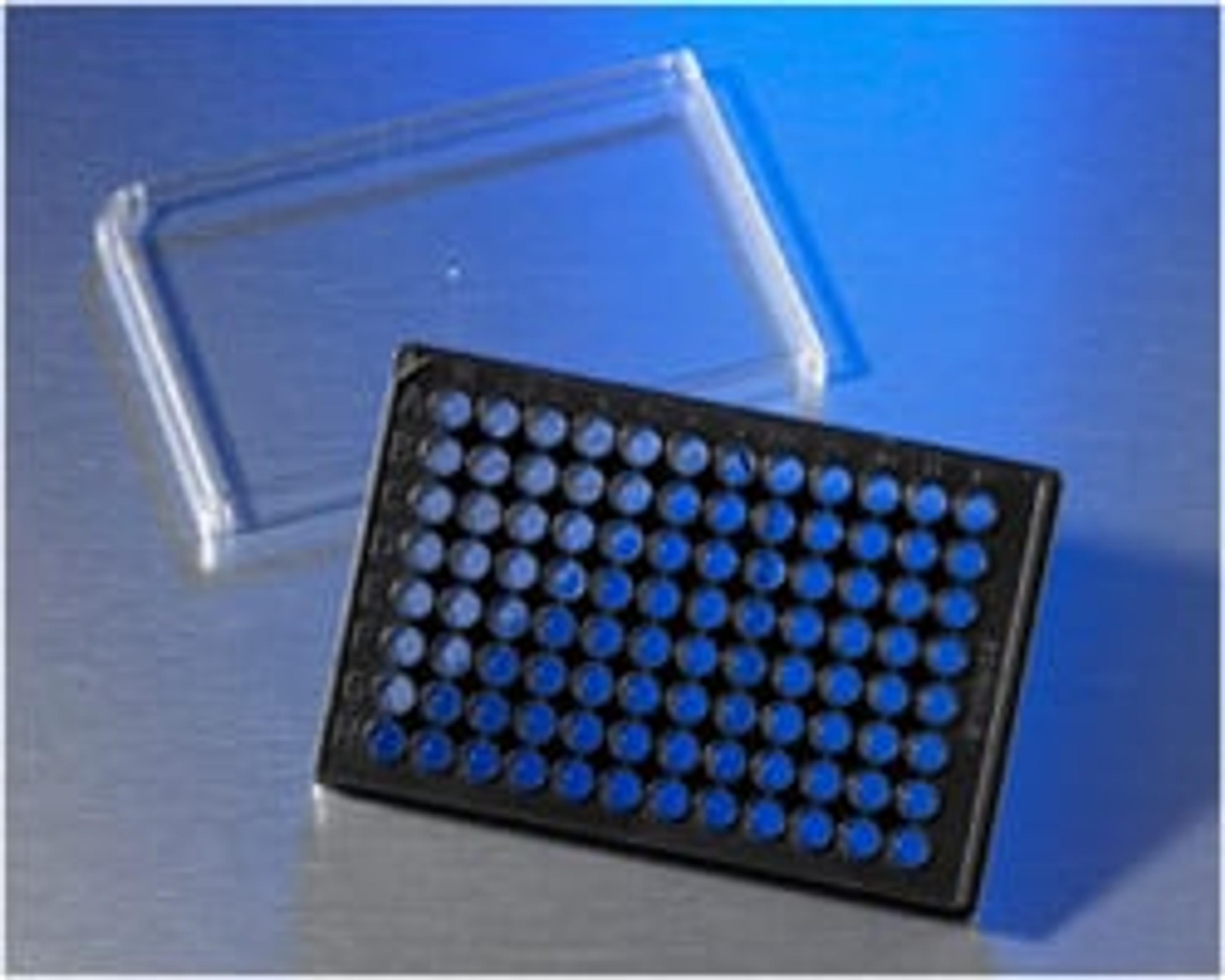
Corning® 96-well Black/Clear Round Bottom Ultra-Low Attachment Surface Spheroid Microplate, Bulk Packed, with Lid, Sterile, 10/Bag
Corning Life SciencesUltra-low attachment surface with covalently bonded hydrogel that minimizes cell attachment, protein absorption, enzyme activation and cellular activation The surface is noncytotoxic, biologically inert and nondegradable Round bottoms with 300 µL total volume Recommended working volumes of 0.075 to 0.30 mL Sterilized by gamma radiation Novel well geometry aids formation of spheroids in center of well Optically clear round bottom with black opaque microplate body