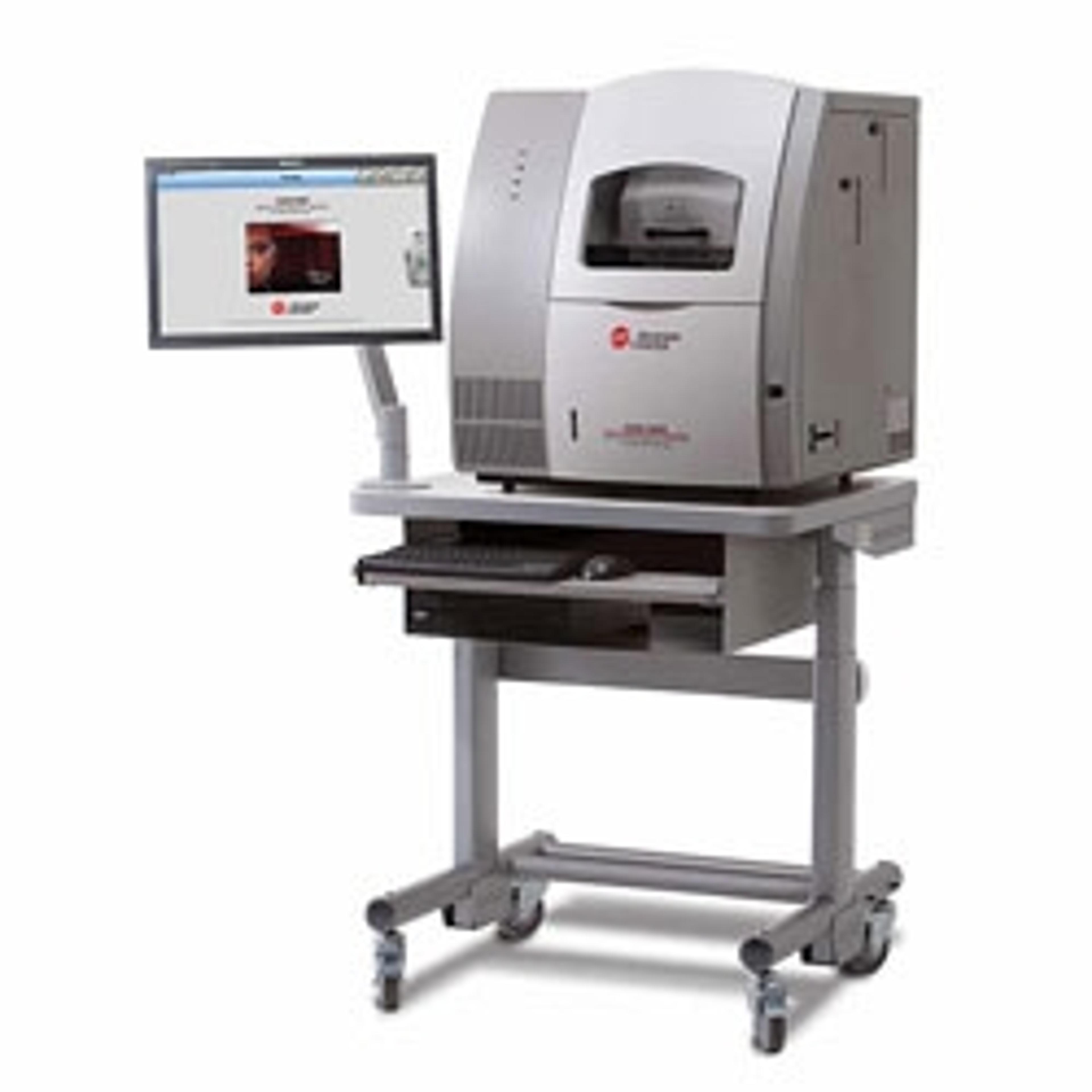
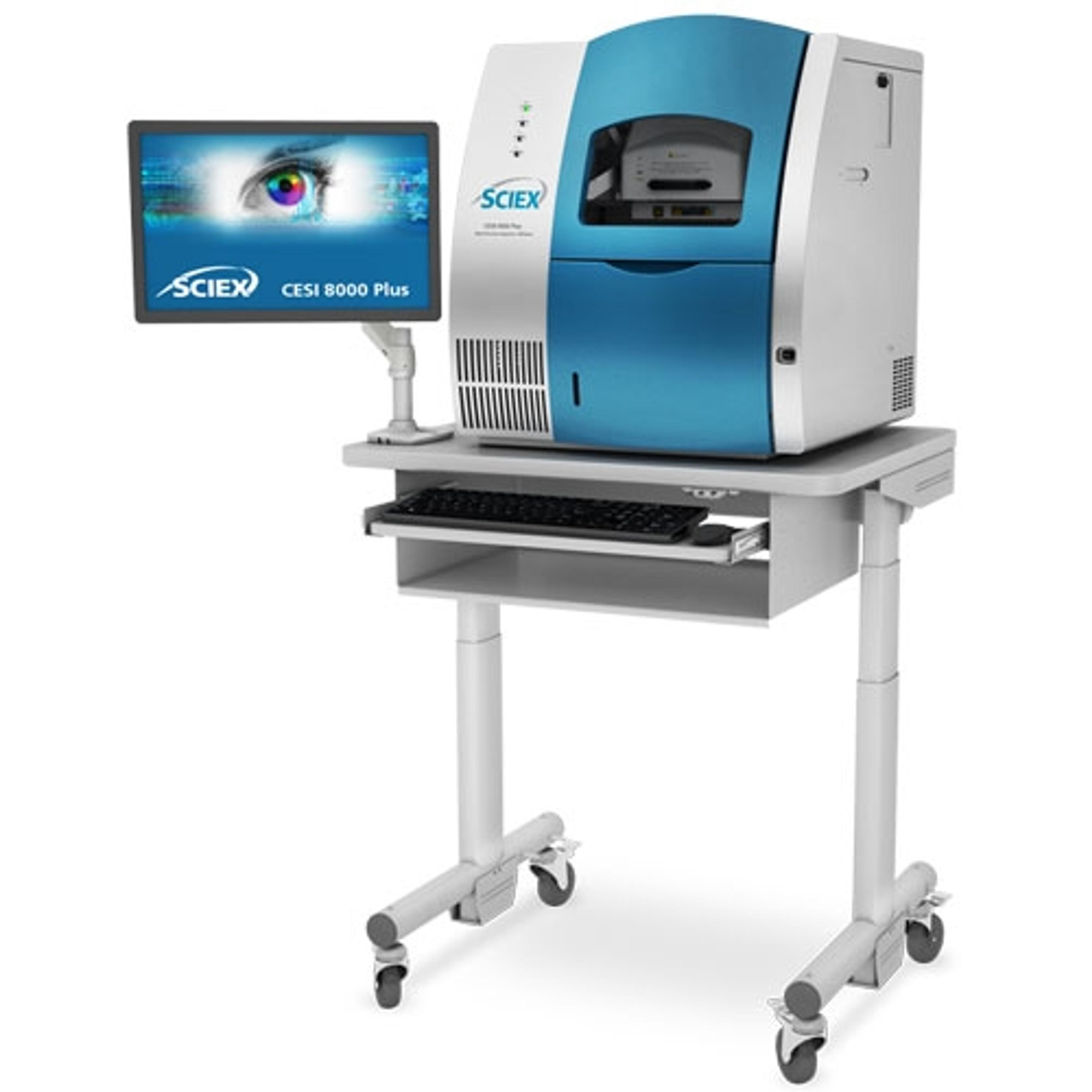
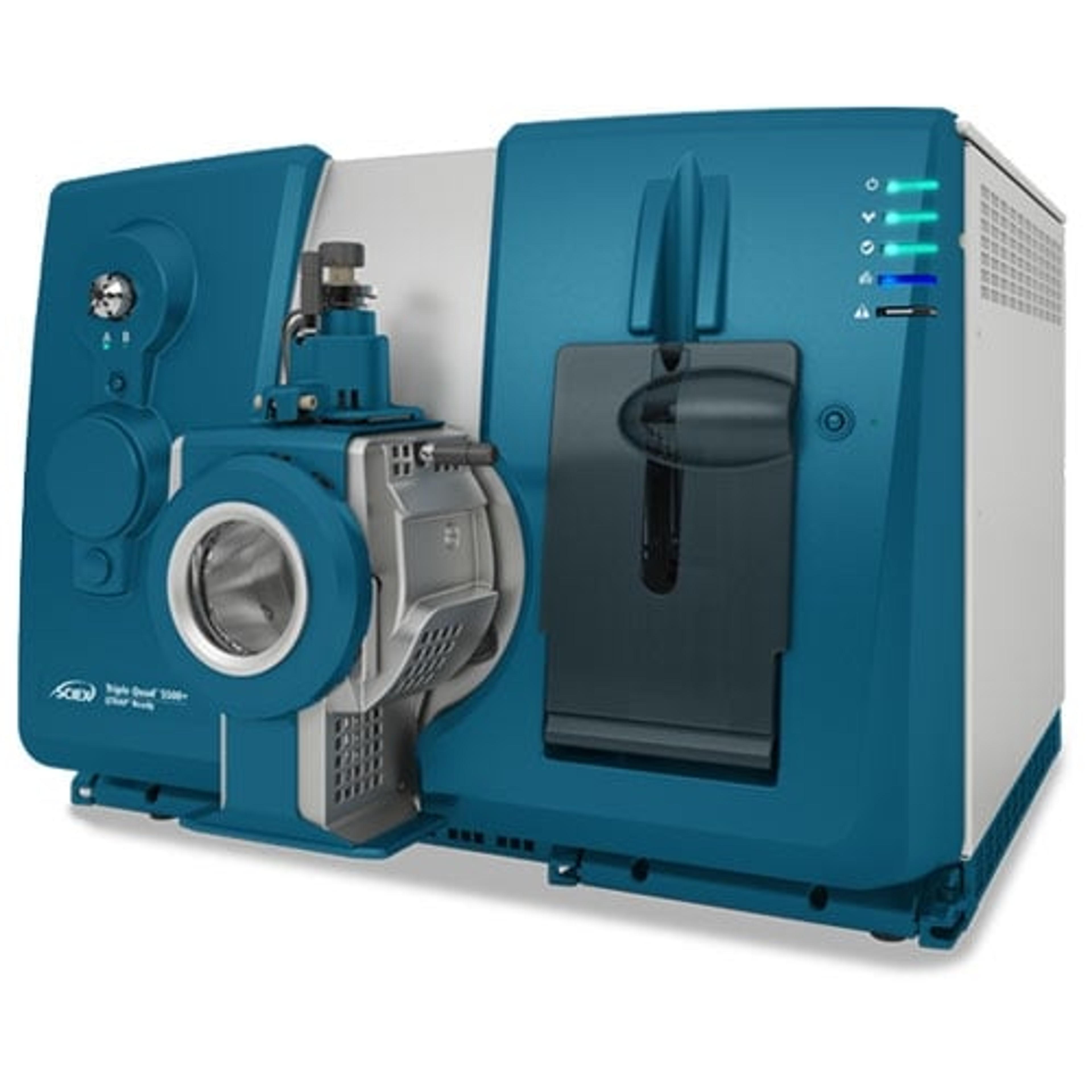
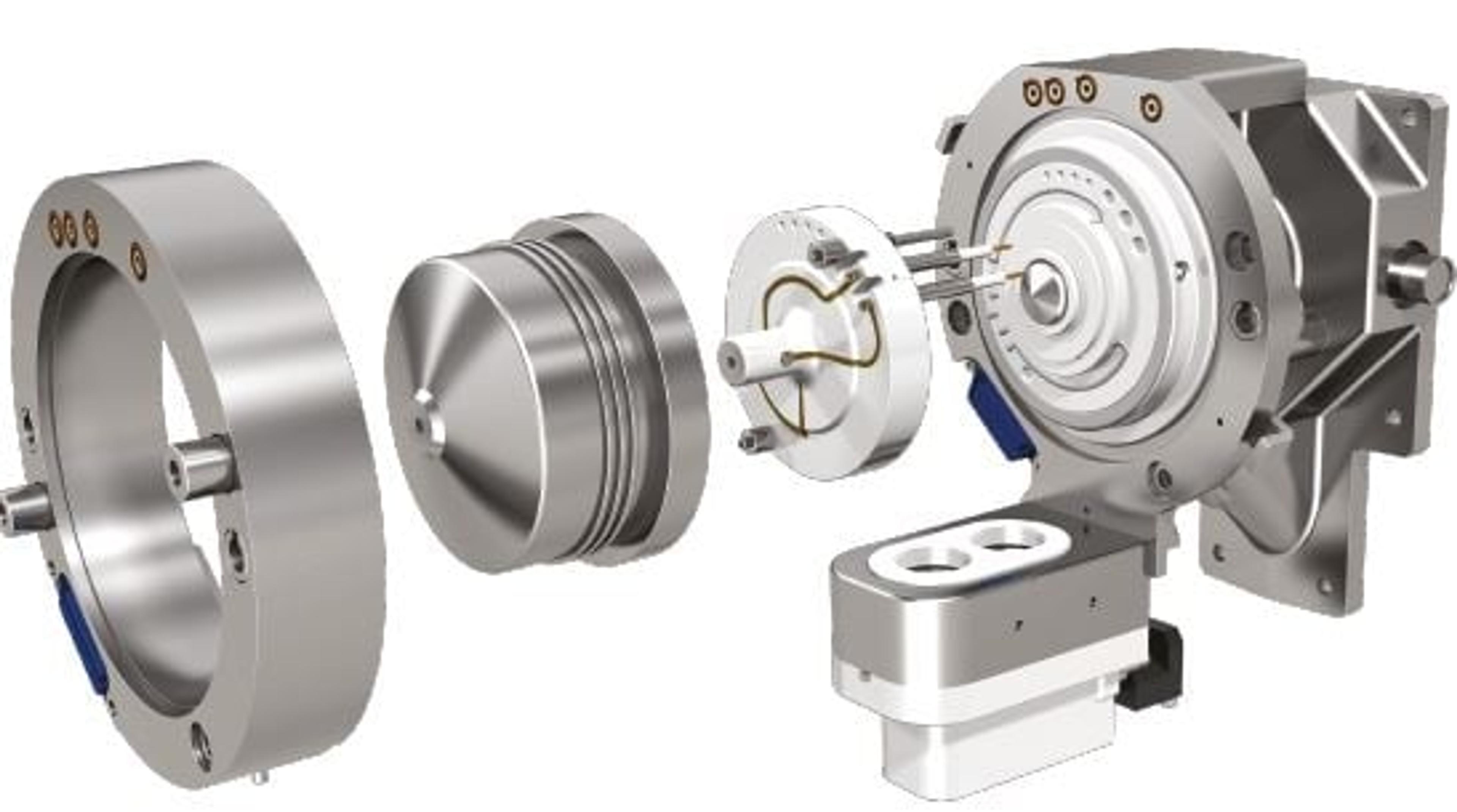
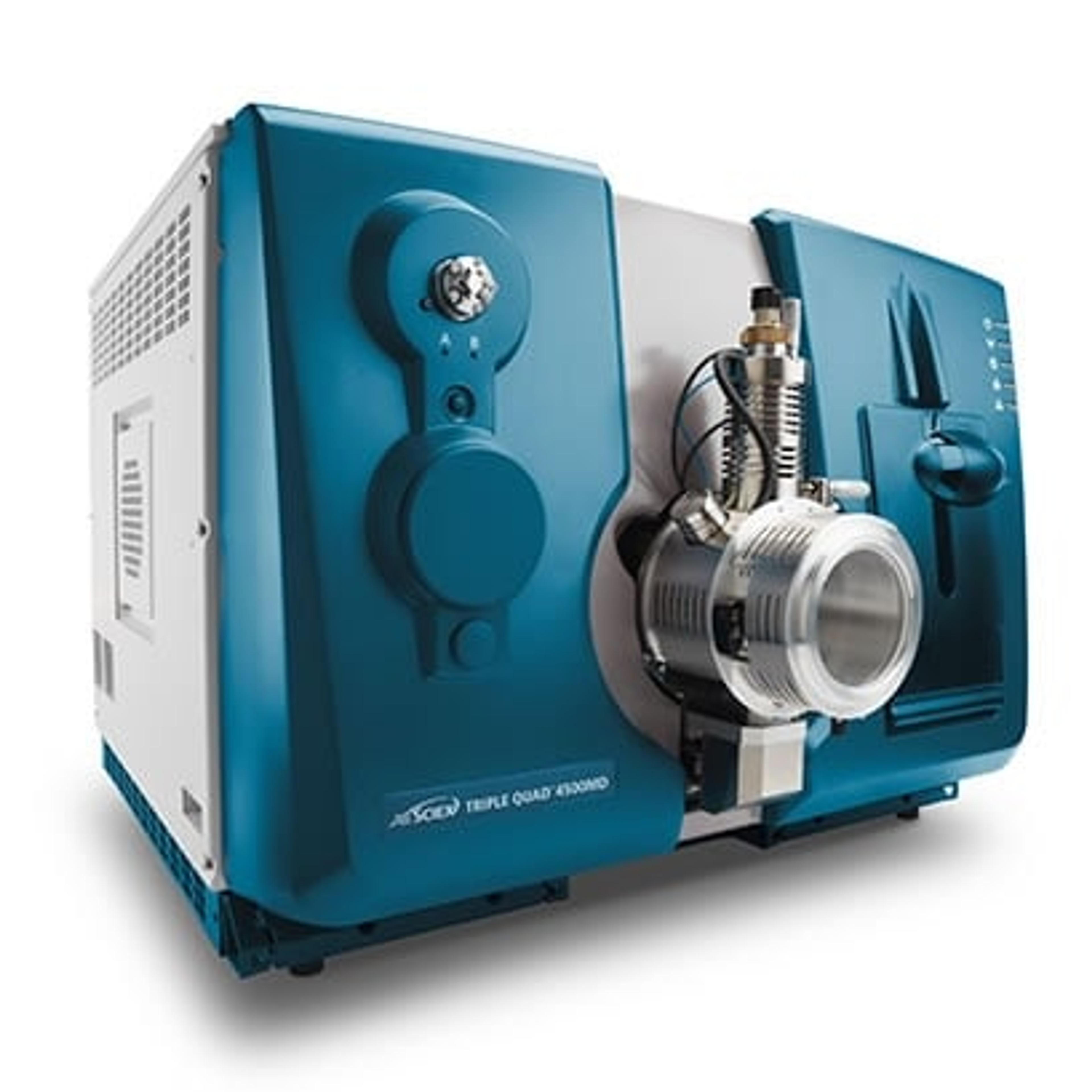
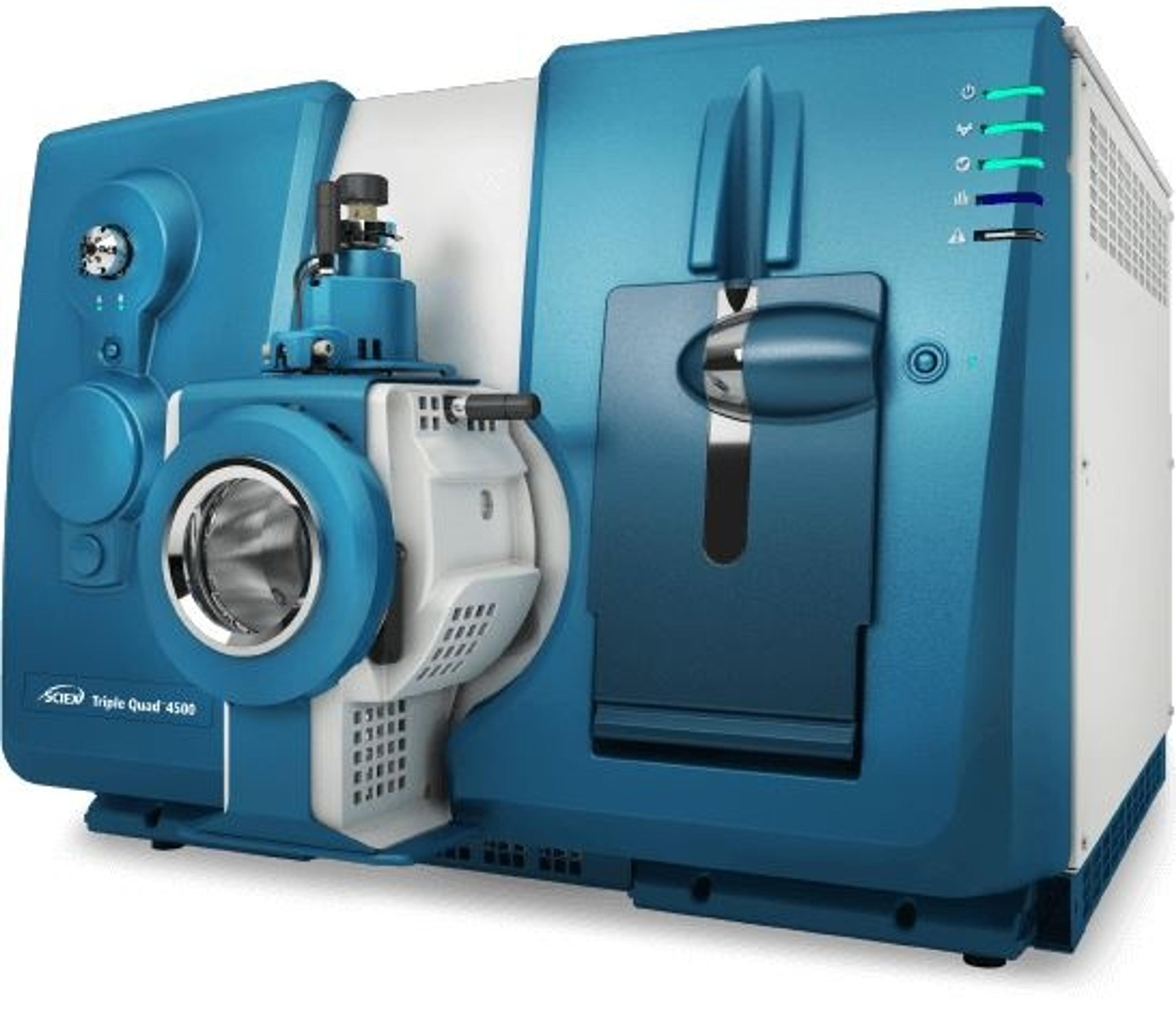
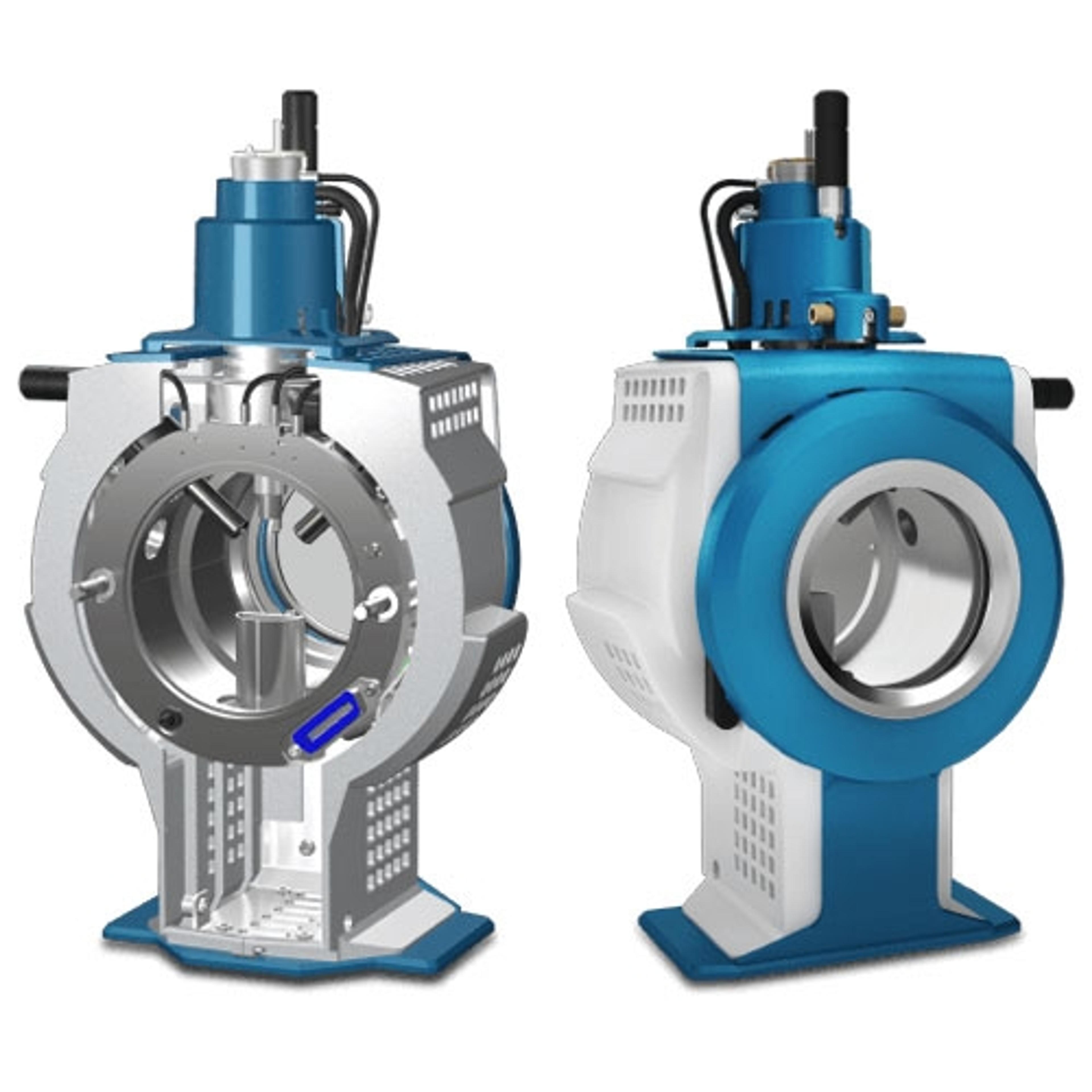
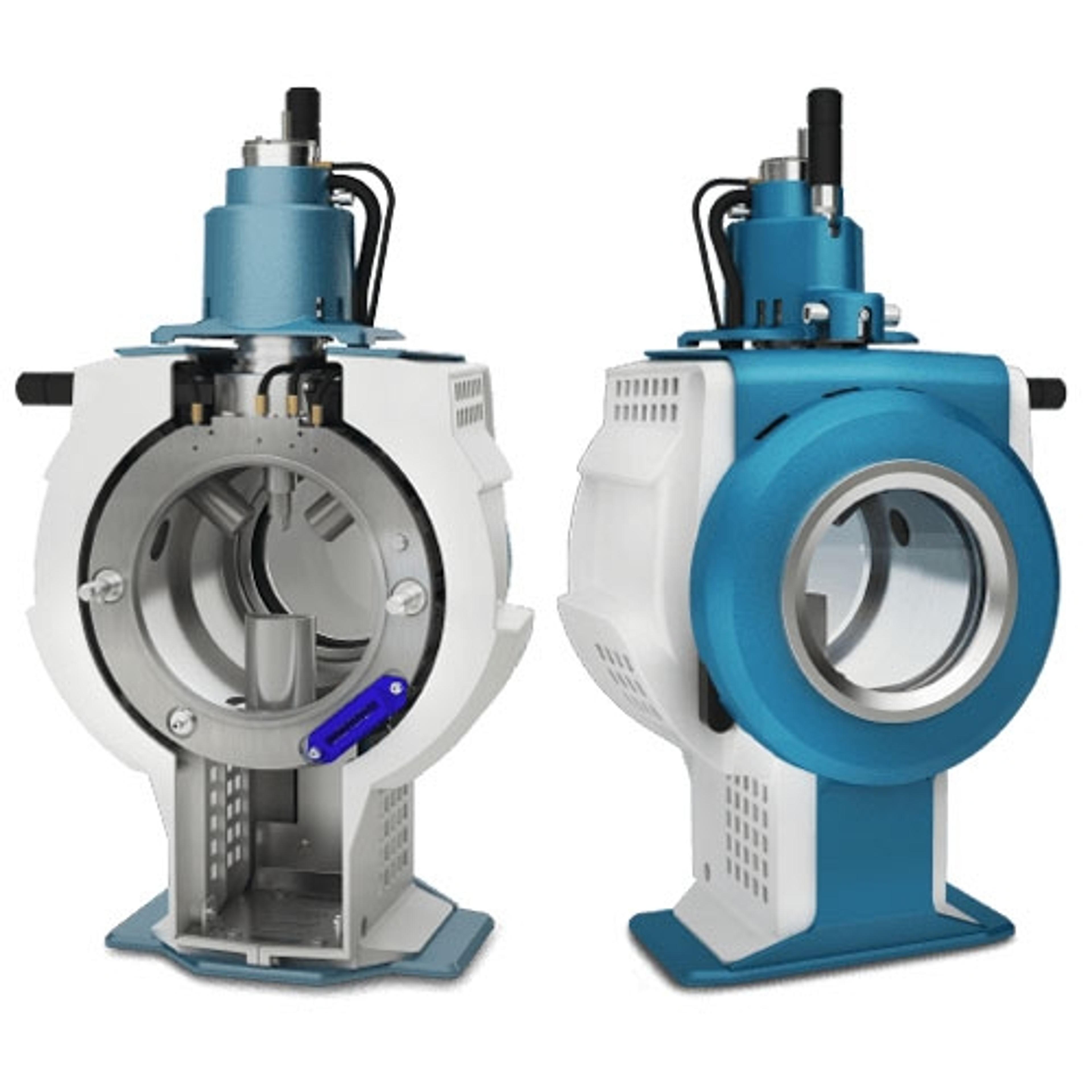
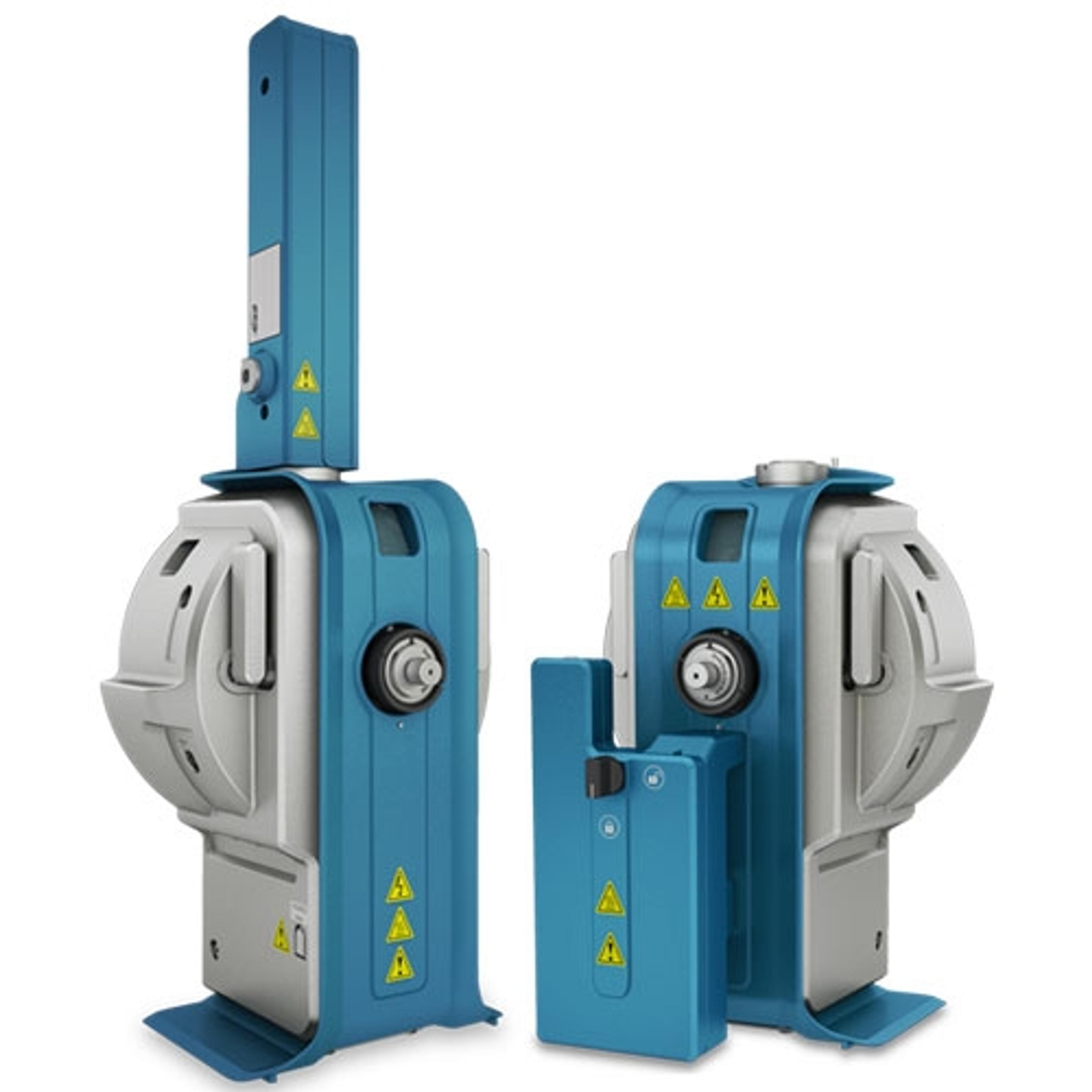
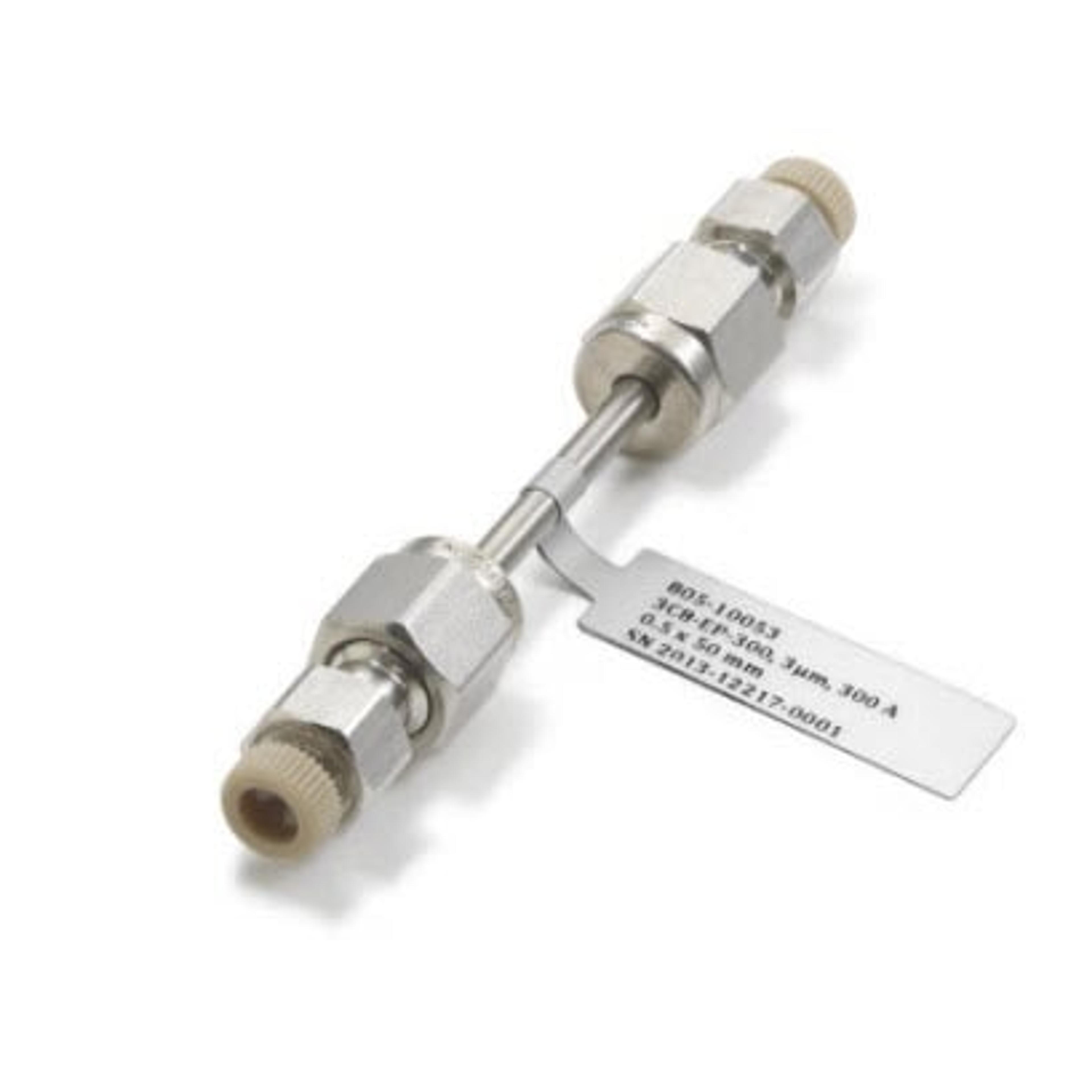
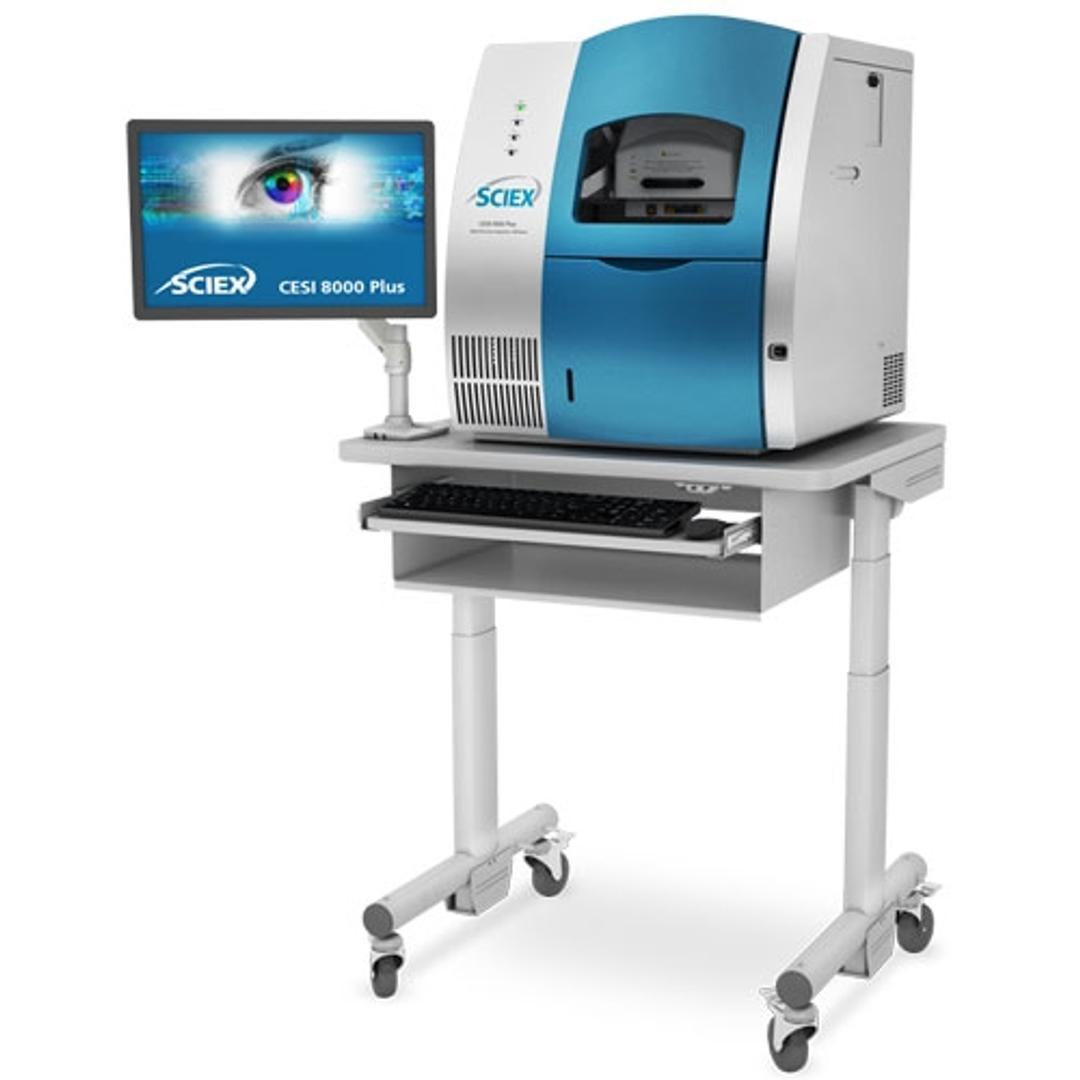
CESI 8000 Plus system
Extending the reach of your mass spectrometer. Mass spectrometry (MS) has become an indispensable technology for the analysis of compounds of biological interest. Our improvements in assay sensitivity and reduction in ion suppression reveal new information that is critical to your research, whether you’re characterizing a therapeutic protein, identifying the proteins that make up a specific proteome, analyzing post-transiti…

Receive your quote directly from the manufacturer.
Extending the reach of your mass spectrometer.
Mass spectrometry (MS) has become an indispensable technology for the analysis of compounds of biological interest. Our improvements in assay sensitivity and reduction in ion suppression reveal new information that is critical to your research, whether you’re characterizing a therapeutic protein, identifying the proteins that make up a specific proteome, analyzing post-transitional modifications, or studying a metabolomic fingerprint. We developed a new front-end separation and ionization technology called CESI, which combines the high efficiency and ultra-low flow of capillary electrophoresis (CE) with an integrated electrospray ionization source. This optimization of electrospray ionization (ESI) into the nanoflow region has been shown to greatly improve assay sensitivity and reduce ion suppression.

Ultra-Sensitive Host Cell Protein Detection Using CESI-MS with SWATH® Acquisition
Host cell proteins (HCPs) are undesired impurities in biologic preparation processes and can negatively affect biotherapeutic quality, potency, and safety. The integration of capillary electrophoresis (CE) and electrospray ionization (ESI) into one process (CESI) presents the possibility to improve the sensitivity of HCP quantitation through reduced ion suppression and improved ionization efficiency at ultralow nanoliter per minute flow rates. This application note demonstrates the use of CESI-MS with SWATH acquisition for the ultrasensitive detection of HCPs in a representative mAb preparation.
Comprehensive Characterization of Trastuzumab using a Single-Shot Peptide Mapping Approach with CESI-MS
Capillary electrophoresis (CE) has exceptional separation efficiency and capabilities for peptide mapping of mAbs by mass spectrometry. Technology involving an electrospray ionization (ESI) emitter integrated with capillary electrophoresis (CE) has been developed, combining CE separation and ESI into a single dynamic process (CESI). This poster presents data for the bottom-up proteomic peptide mapping of a leading, representative monoclonal antibody, Trastuzumab (Herceptin) using a single protease, trypsin. A Beckman Coulter CESI 8000 system sold through SCIEX Separations, a part of AB SCIEX, coupled to a Thermo Q-Exactive was used for the analysis.
Evaluating the Integration of CE, ESI and Mass Spectrometry for the Quantitative Analysis of Amino Acids in the Cationic Metabolome
Metabolomics can be defined as a comprehensive analytical approach for the study of all low-molecular-weight species present in a given biological system of interest. Development in recent years of an integrated interface technology composed of a capillary and emitter to form a seamless integrated process with electro-spray ionization, CESI, holds the promise of orders of magnitude in improvement of detections levels. This poster demonstrates the use of the CESI 8000 High Performance Separation - ESI Module from Sciex Separations for the quantitative analysis of amino acids in the cationic metabolome.
CESI-MS: An Essential Complement to nanoLC-ESI-MS for Complex Proteome Analysis
When analyzing enzymatic digests of selected proteomes using LC-ESI-MS phosphorylated proteins, glycopeptides and low and high molecular weight proteins are often under-represented. This article presents a novel method that integrates capillary electrophoresis with ESI for more comprehensive proteome coverage.

SCIEX Launches the CESI 8000 Plus, a High Performance CESI-MS Platform that Delivers High Resolution and Ionization Efficiency
The next generation CESI-MS system extends capabilities for biopharmaceutical, proteomics and metabolomics researchers