Automatic TLC Sampler (ATS 4)
The basis for quality and reproducibility of the analysis
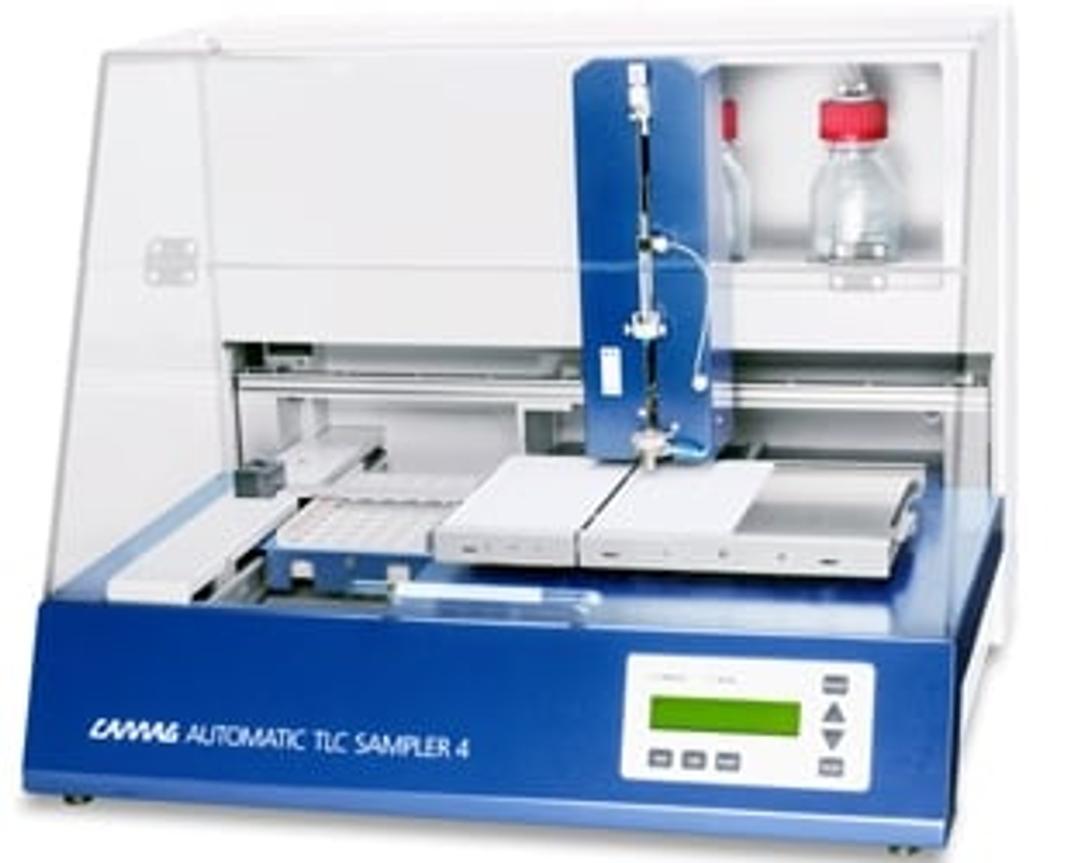
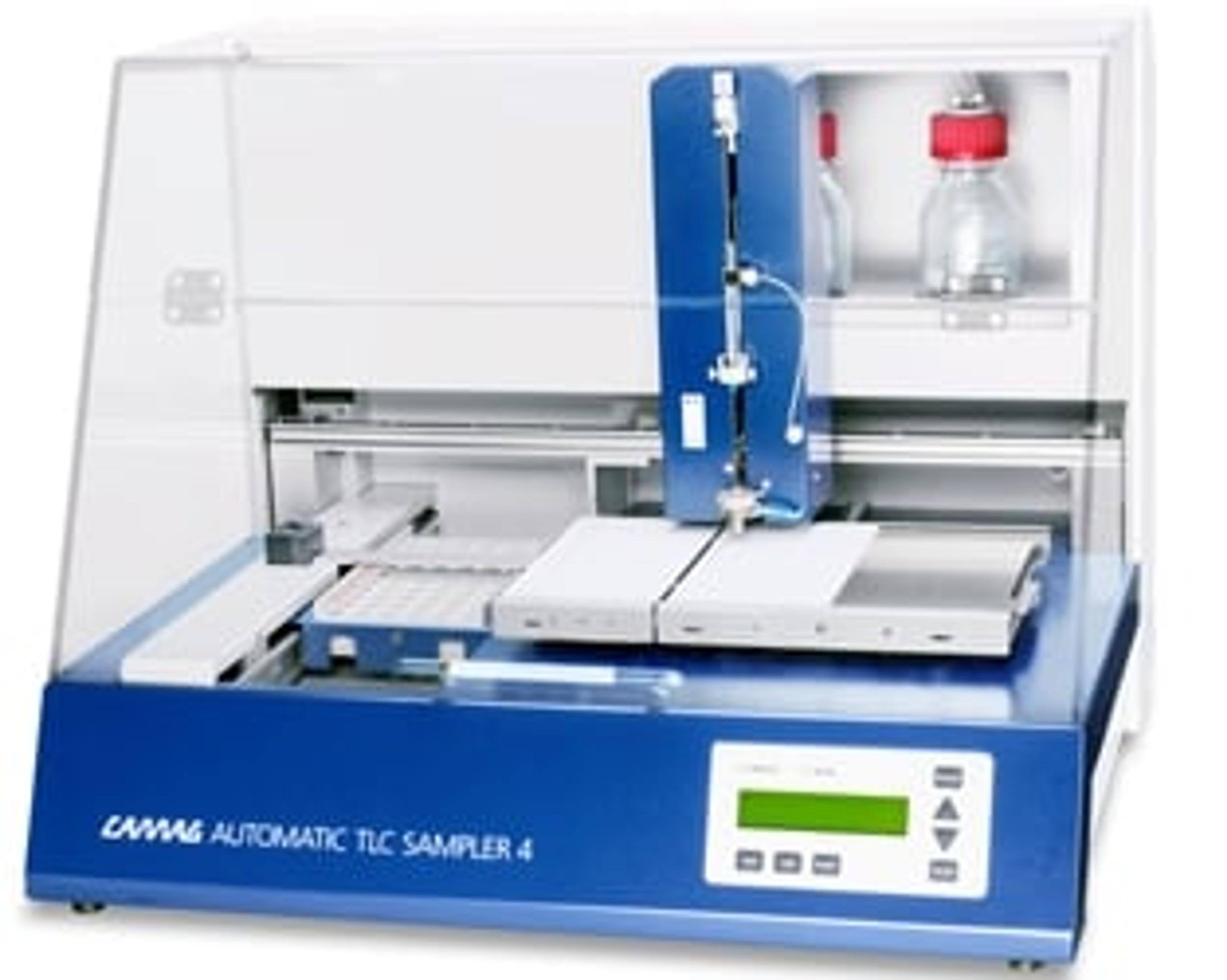
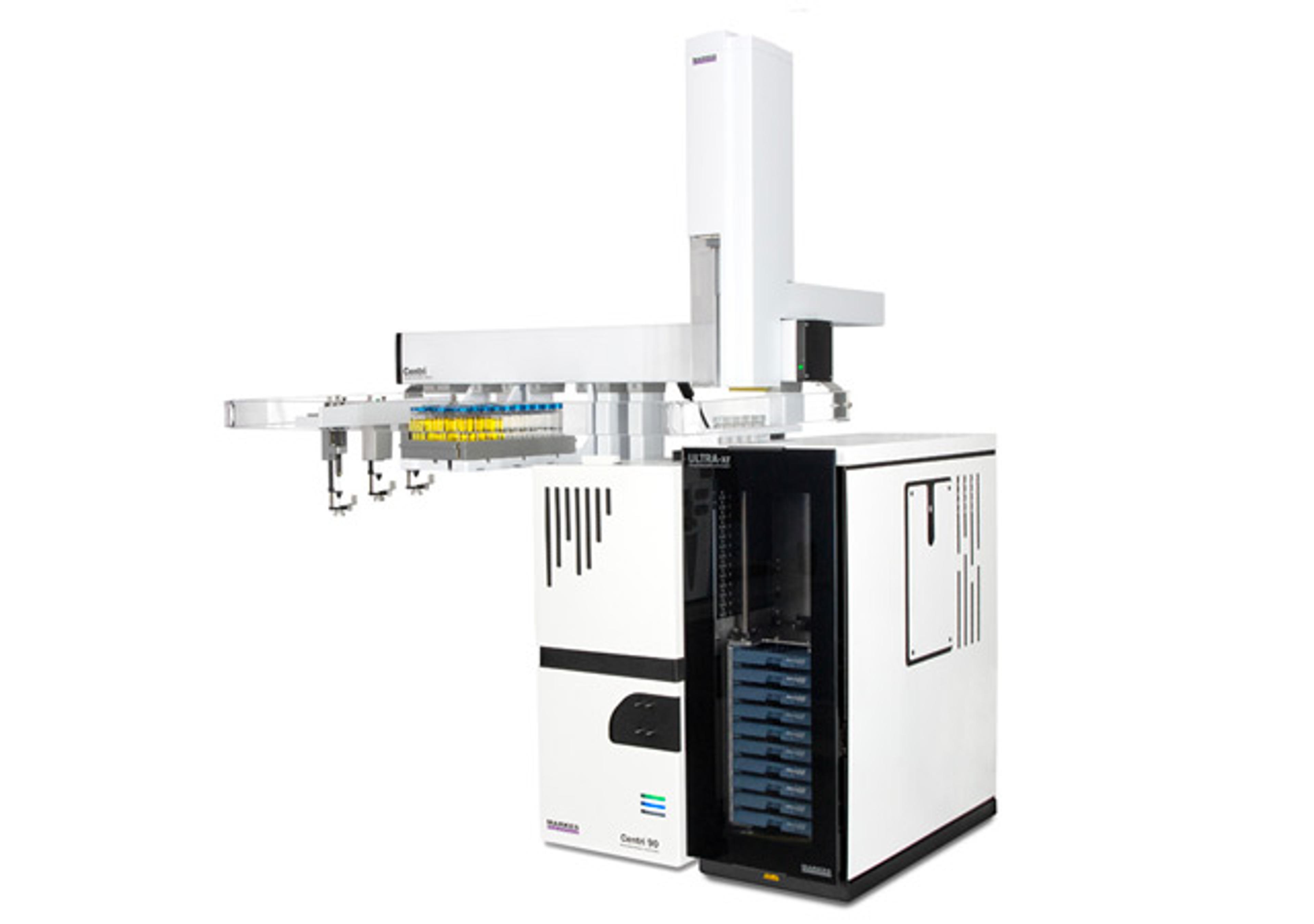
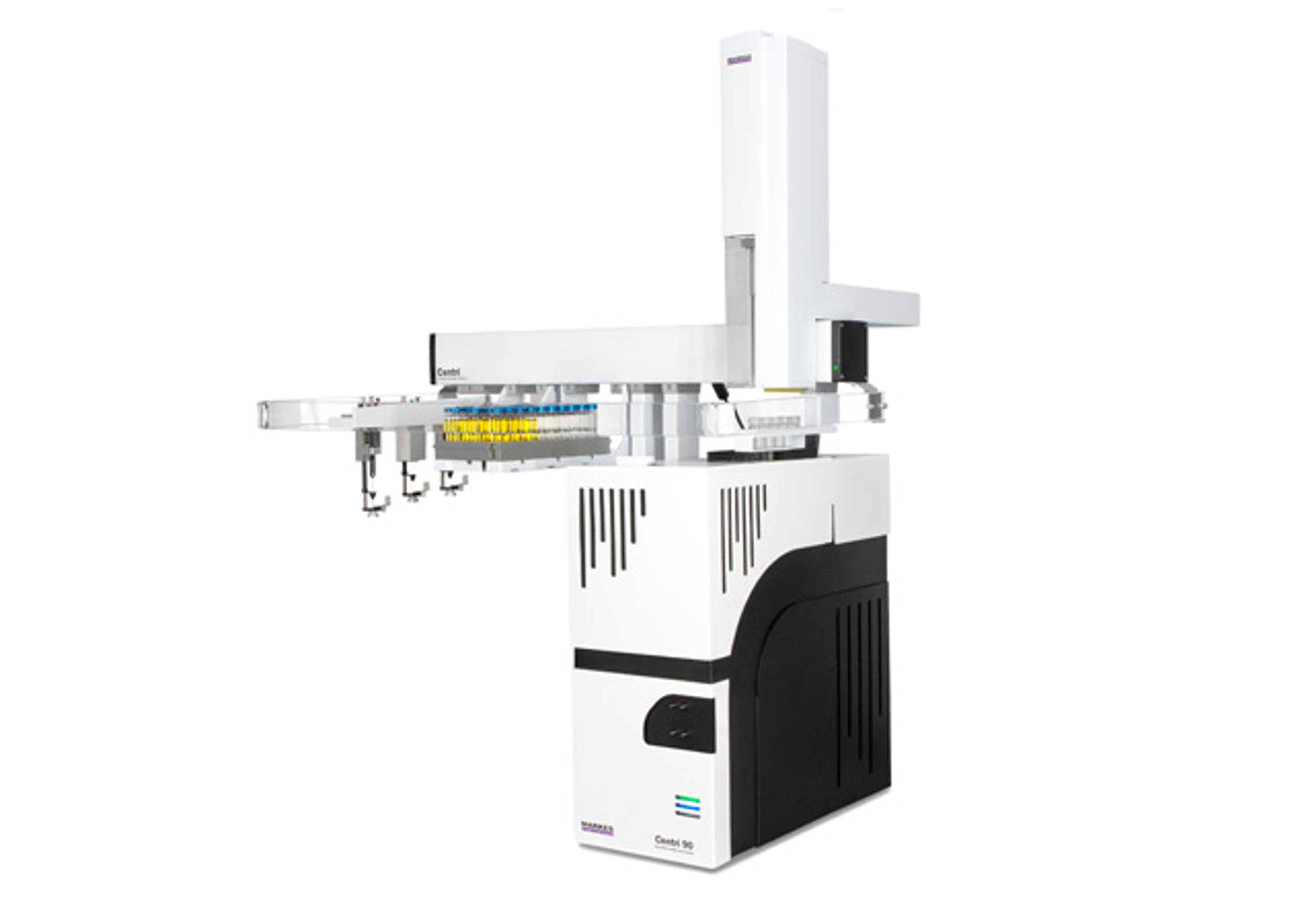
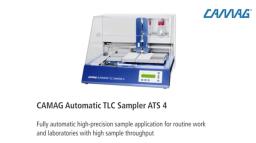
CAMAG® Automatic TLC Sampler 4 (ATS 4)

The supplier does not provide quotations for this product through SelectScience. You can search for similar products in our Product Directory.
Great result and user friendly.
HERBAL PRODUCTS QUANTIFICATION
The instrument is very effective and easy to use.
Review Date: 14 Jul 2022 | CAMAG
A great instrument in research
Herbal products quantification
Highly effective and the results and reproducible.
Review Date: 12 Jun 2022 | CAMAG
Cost-effective and precise analytical tool for natural products.
Natural product chemistry
The HPTLC system is so effective for the purpose of identification and quantification of natural drugs. Sampling is cost-effective, precise, and reproducible. Multiple samples can be analyzed simultaneously.
Review Date: 8 Feb 2021 | CAMAG
Sample application is the first step of Planar Chromatography and essentially determines the quality of the analysis. The degree of automation and relating thereto productivity are key factors for the HPTLC laboratory. Designed for routine use and high sample throughput, the automated ATS 4 is suited for qualitative and quantitative analyses as well as for preparative separations.
The ATS 4 is capable of applying samples as bands, spots or rectangles using the spray-on technique (spots as well through contact transfer). Starting zones in the form of narrow bands offer the best separation attainable with a given chromatographic system. Application in the form of rectangles allows precise application of large volumes without damaging the layer. Prior to chromatography, these rectangles are focused into narrow bands with a solvent of high elution strength.
The ATS 4 allows “overspotting”, i.e. a sequential application from different vials onto the same position. This technique can be used e.g. in pre-chromatographic derivatization, spiking, etc.
Key Features
- Fully automated sample application
- Application of bands, spots, or rectangles
- Any plate format up to 20 x 20 cm
- Spray-on application or contact transfer
- Software-controlled by visionCATS
- Heated Spray Nozzle (option)

Detection of chemical warfare agents by HPTLC
Chemical warfare agents pose a significant threat to human health and can cause a range of symptoms from irritation to death. It is important for law enforcement agencies and military personnel to have the knowledge and tools necessary to detect and prevent exposure to these harmful substances. High-Performance Thin-Layer Chromatography (HPTLC) is a reliable and widely used analytical technique for the identification of chemical warfare agents including nerve agents, blistering agents, irritants and arsenic agents. Explore CAMAG's collection of a range of studies where HPTLC is used to identify and quantify a variety of chemical warfare agents, critical in securing the safety of individuals and communities.
USDA compliant testing of the total THC content in hemp
This application note by CAMAG describes a method for testing hemp in compliance with the USDA rule for "Establishment of a Domestic Hemp Production Program".
Ensuring quality and authenticity in mushroom supplements using HPTLC
The functional mushroom extract market is experiencing rapid growth, yet the quality and authenticity of many products remain questionable due to a lack of validated identification methods.
Join Dr. Melanie Broszat, Professor of Analytical Chemistry at Offenburg University of Applied Sciences and Editor of CAMAG’s CBS Journal, and Coleton Windsor, Analytical Chemist at Nammex, a leader in mushroom extract production and quality testing, as they introduce a fit-for-purpose, validated HPTLC method. This new method enhances quality control transparency and reliability by addressing industry concerns over mislabeling and product efficacy, setting new standards for quality testing in mushroom extract markets. Find out how this cutting-edge technique was specifically designed for the accurate identification of multiple fungi species.
Key learning objectives
- Understand the significance of accurate species identification in the mushroom extract food and dietary supplement industries
- Learn how the HPTLC method enhances quality control by differentiating between authentic mushroom and myceliated grain products
- Gain insights into composition and quality differences between commercially available fungi products, as well as the challenges associated with mislabeling
Who should attend?
- Quality control professionals in the dietary supplement and functional food industries.
- Product developers and manufacturers of mushroom-based supplements.
- Regulatory and compliance specialists focused on product authenticity and labeling.
- Researchers and scientists interested in mushroom identification and analysis.
- Industry stakeholders seeking to improve transparency and trust in mushroom products.
Certificate of attendance
All webinar participants can request a certificate of attendance, including a learning outcomes summary, for continuing education purposes

2nd HPTLC Online User Meeting, hosted by the HPTLC Association
Promoting the use of HPTLC in plant analysis and other analytical fields is the main purpose of the International Association for the Advancement of High-Performance Thin-Layer Chromatography (HPTLC Association). For this, we bring together representatives from academia, industry, research, regulatory, and standard setting bodies.The “HPTLC Online User Meetings” shall facilitate a worldwide exchange of knowledge between HPTLC users and share the spirit of working in an exciting analytical field!
Using just classical Silica gel 60? There is more!
The stationary phase most commonly used in basic and High-Performance Thin-Layer Chromatography is the classic Silica gel 60 layer. It is also referred to as the normal phase. However, for many applications the choice of a modified silica gel layer could lead to a much better chromatographic result. Plus, the corresponding mobile phase may permit the use of less hazardous solvents. This session will discuss the diverse properties of available stationary phases, and present unique application examples to illustrate the possible improvements of separation conditions.
How to assess the safety of food products in absence of toxicological data
Assessing the safety of food is challenging as foods are complex mixtures containing thousands of known and unknown substances occurring at various concentrations. What is the best method to detect chemicals of most concern on which further toxicological investigations should be focused? Recent progress using Thin-Layer Chromatography (HPTLC) coupled to bioassays has been proposed as a breakthrough solution to fill some of the gaps identified with standard bioassays. In this session, HPTLC effect-direct analysis (EDA) for toxicologically relevant endpoints will be presented, anchoring bioassays and chemical analysis in complex mixtures of unknown composition with the goal to optimize and speed up decision-making in Food Safety.
Space for discussions – Meet the speakers and representatives from the HPTLC Association in a follow-up meeting held via Zoom at 15:15 BST
Take the opportunity to engage in discussions with speakers, colleagues, and representatives from the HPTLC Association in a moderated Zoom meeting, scheduled immediately after the main event. A separate registration for the Zoom meeting is not required – registrants for the main event will receive an email invitation with an access link one day prior to the event. Additionally, a QR code and a shortlink will be displayed after the Q/A session to bridge the gap, enabling a seamless transition from the webinar platform to the Zoom meeting also for last minute registrants.
Key learning objectives
- Extend your knowledge about HPTLC and understand the benefits of HPTLC for diverse applications.
- Get insights into the daily work of HPTLC users.
- Learn how to optimize your HPTLC application(s).
Who should attend?
- Researchers
- Students
- Analysts
- Technicians
- Scientists
- Members of the HPTLC Association
Certificate of attendance
All webinar participants can request a certificate of attendance, including a learning outcomes summary, for continuing education purposes.
This event is sponsored by:
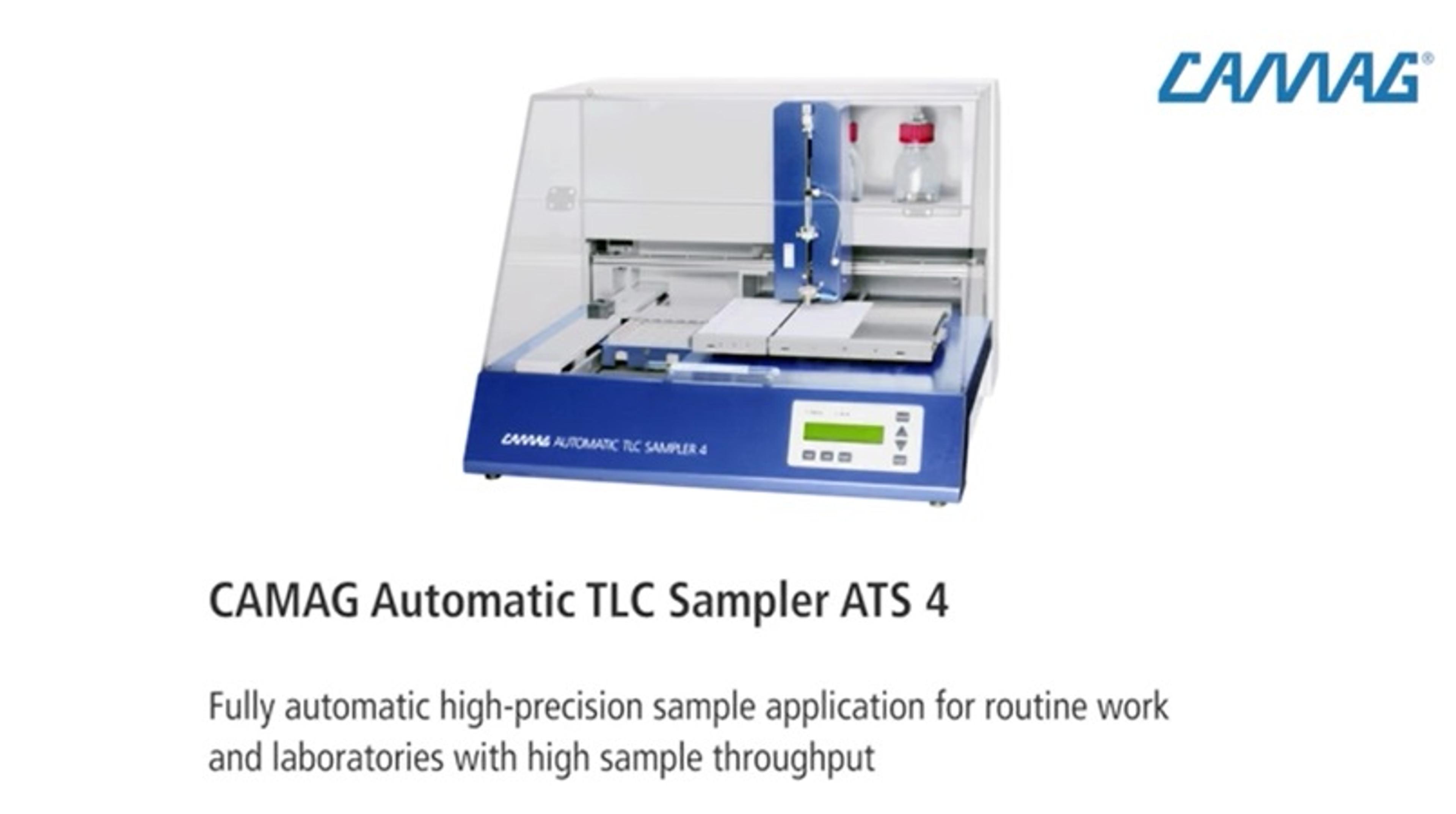
Introducing the Automatic TLC Sampler (ATS 4)
In this video, CAMAG introduces the Automatic TLC Sampler (ATS 4), designed for fully automated sample application onto TLC and HPTLC plates.