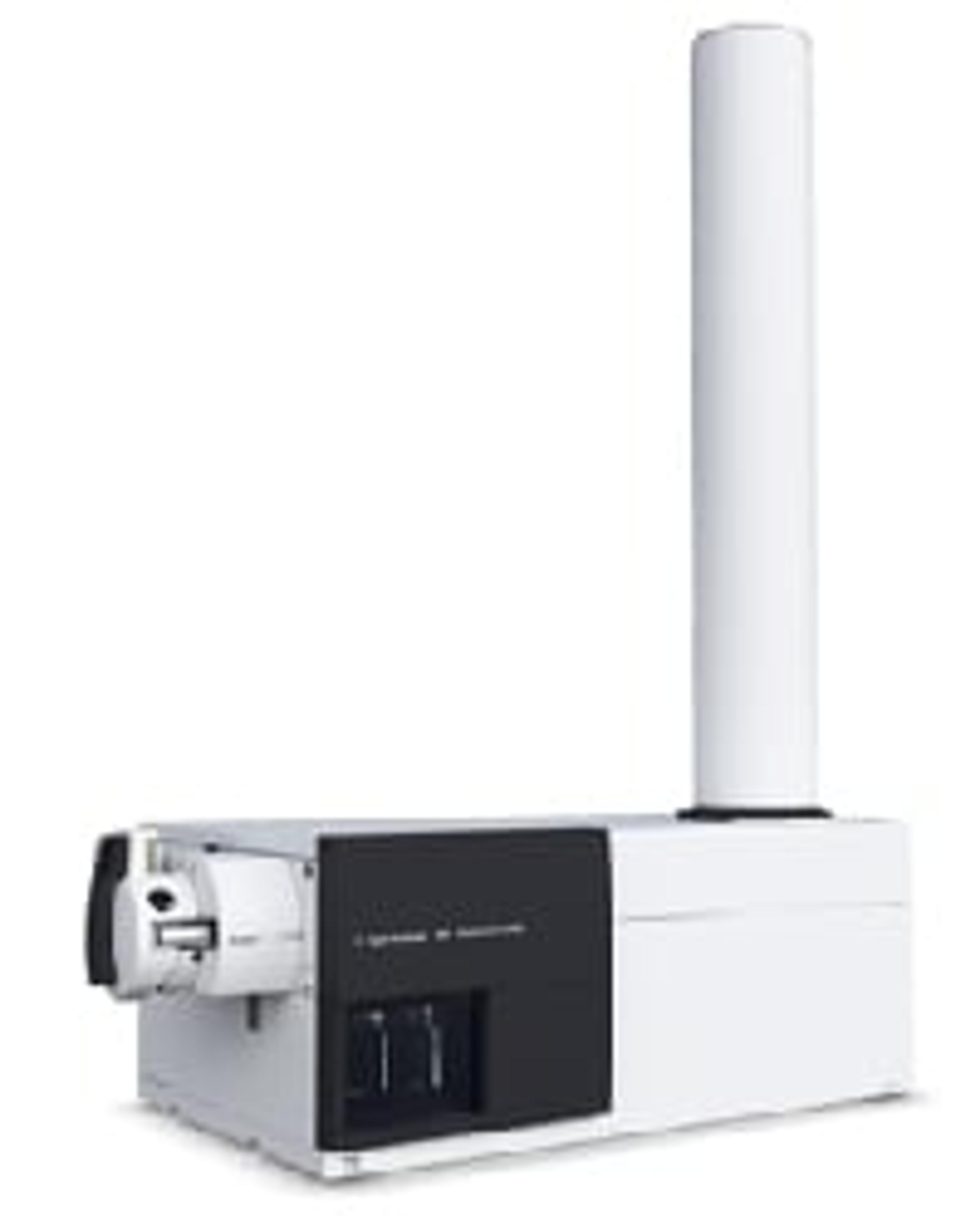
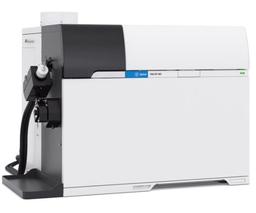
Agilent 7900 ICP-MS
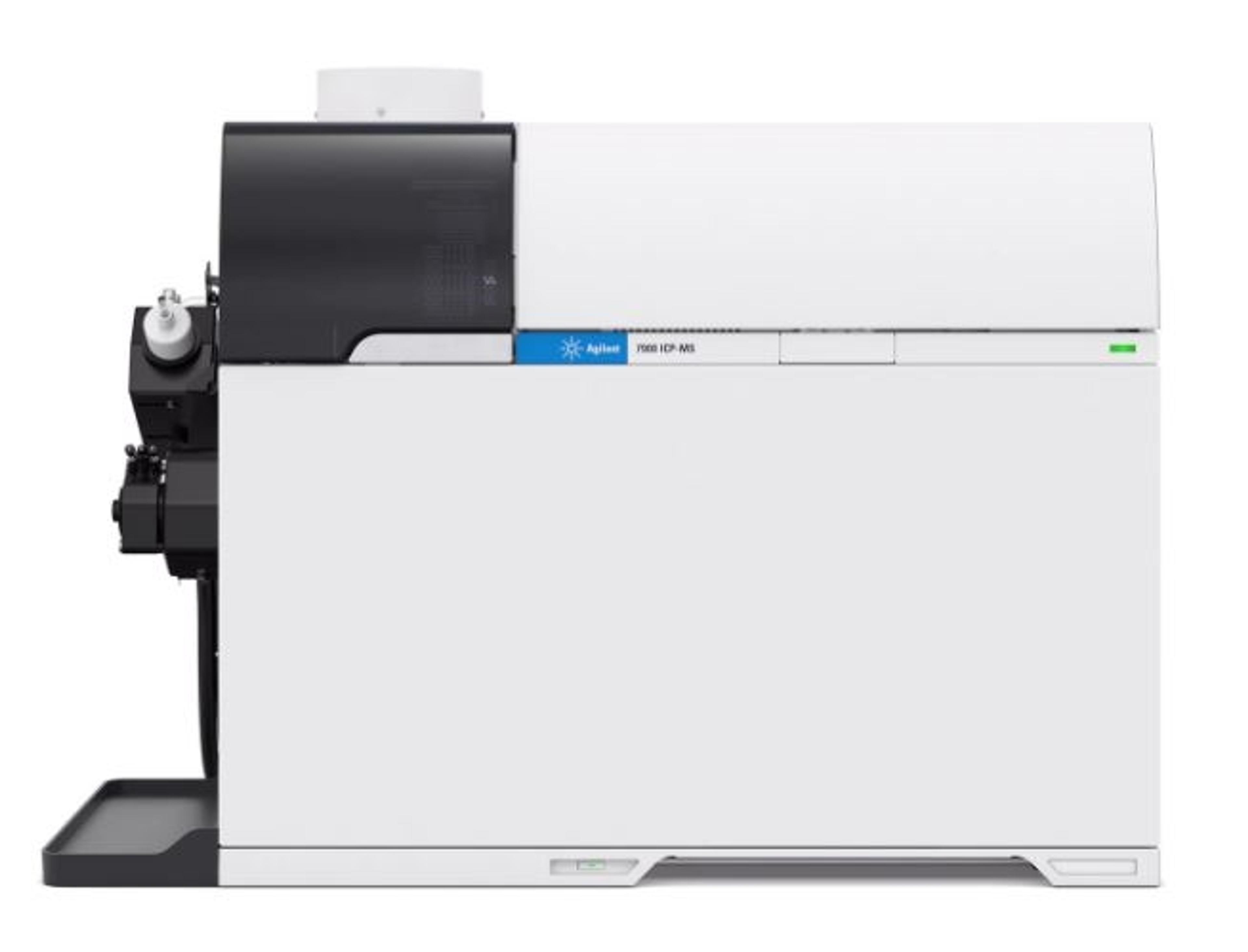
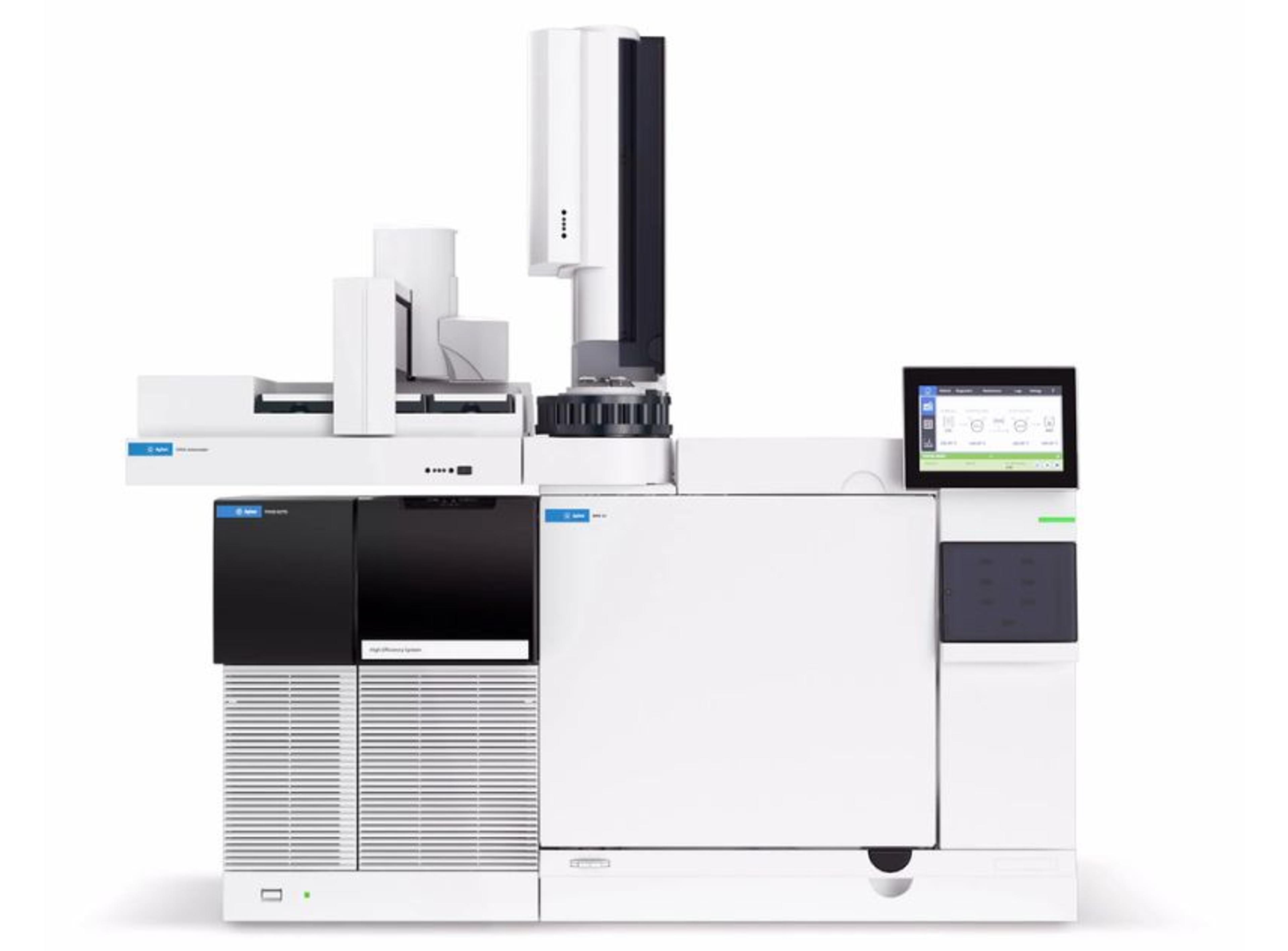
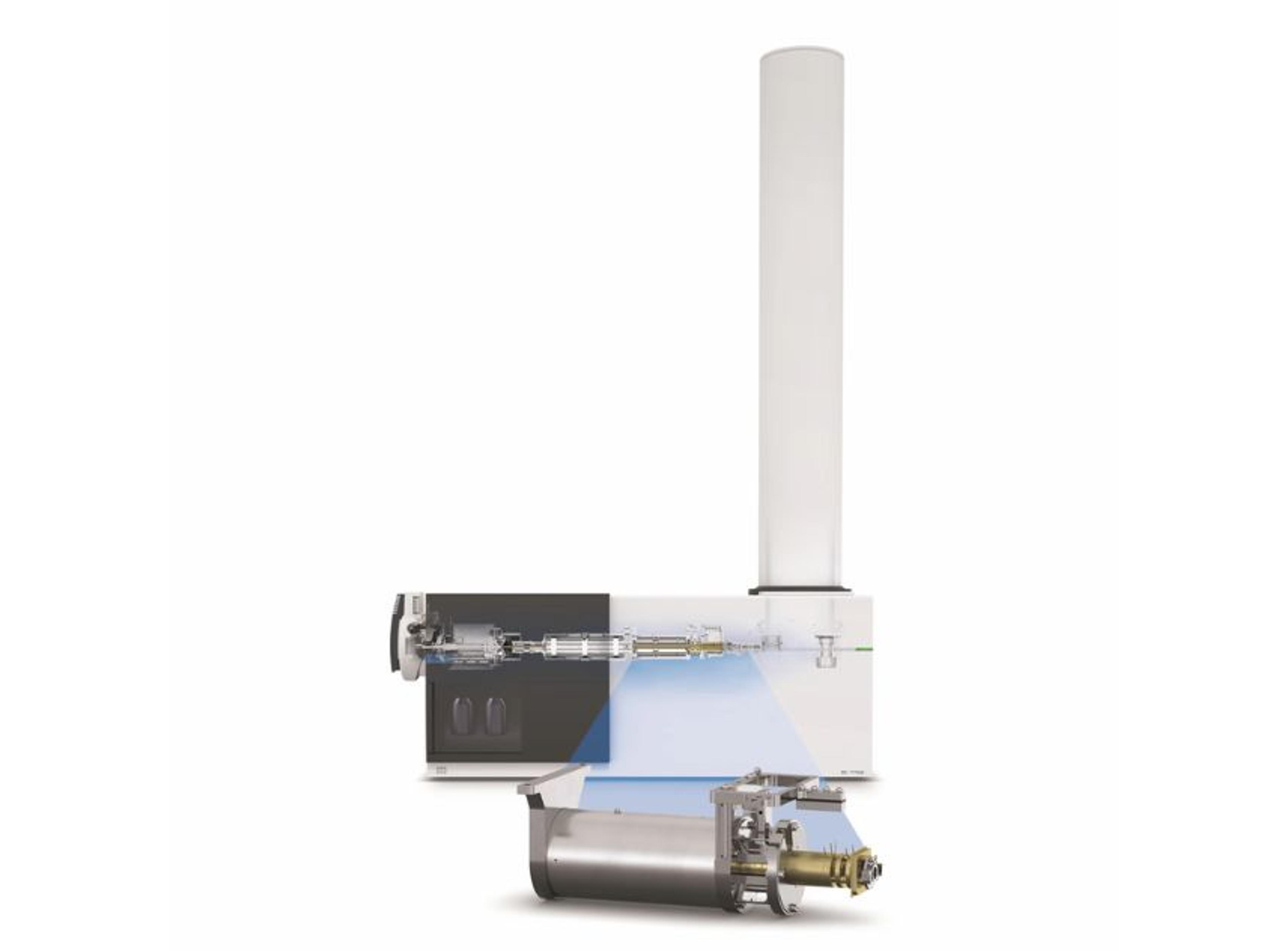
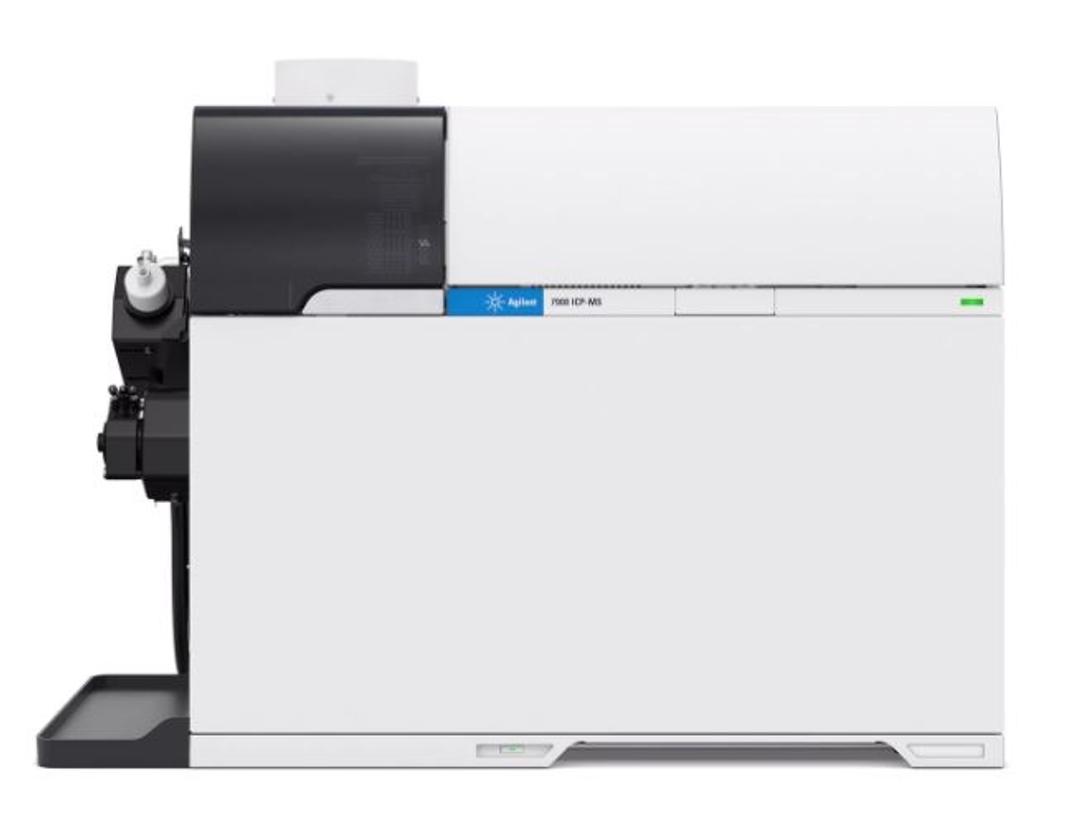
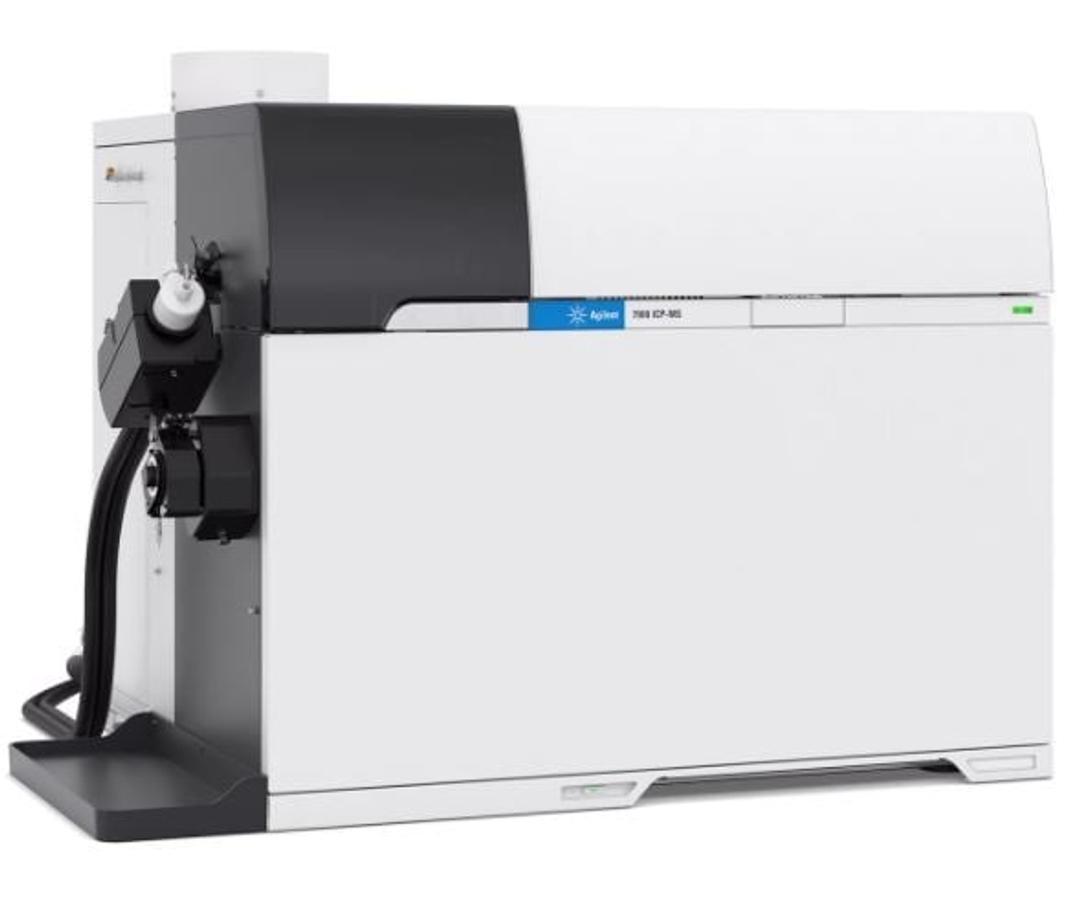
The Agilent 7900 ICP-MS is a flexible single quadrupole ICP mass spectrometer that provides the industry’s best matrix tolerance, most effective helium collision mode, lowest detection limits, and widest dynamic range. As a result, you can be confident you are reporting accurate data every time, even at trace levels, whatever your sample types.

Receive your quote directly from the manufacturer.
Good quality product
Heavy Metals
As I have used last fifteen years, products are good.
Review Date: 21 Jan 2026 | Agilent Technologies
Challenging environmental analysis
Environmental analysis
Easy to use and trustable system allowing challenging levels of analysis with total confidence.
Review Date: 25 Nov 2025 | Agilent Technologies
Great instrument!!
Elemental impurities in APIs
This instrument requires some degree of infrastructural rebuild or planning, but once all of that is shored up, the installation, qualification, and use of the instrument is very straightforward. High reliability and accuracy, much superior in very many ways to ICP-OES. Collison cell for polyatomics also a nice feature.
Review Date: 23 Jan 2024 | Agilent Technologies
Best instrument for metals
Elements on Food
Instrument used for the analysis of metals on food. Robust, reliable and easy to use instrument
Review Date: 19 May 2023 | Agilent Technologies
Good for potent drug analysis.
Analysis of pharmaceutical sample
It is very sensitive but does not give reproducible results.
Review Date: 16 May 2023 | Agilent Technologies
Great results!! Highly recommend!!
toxic metal analysis
This equipment is very user-friendly. We achieve reproducible results each time during analysis. I highly recommend this instrument due to its durability, use, and cost.
Review Date: 23 Mar 2023 | Agilent Technologies
Very robust
Academic and Research
High Quality reproducible results...if you know what you are doing. It just works. So many applications
Review Date: 20 Jan 2023 | Agilent Technologies
In general, stable instrument with user friendly software
Analyze metabolites in cell culture media and samples
The only concern I've had with the system is that the ISTD curve is not as stable as they claim for running matrix even if you use the high matrix mode and higher dilution factor for the sample preparation. Although all the TDS gets lower than 0.2%, the curve is not as smooth as the ones shown in the application notes. I have gone through all the troubleshooting with Agilent technical service but nothing has changed and the curve varies from run to run even for the same samples.
Review Date: 15 Jul 2022 | Agilent Technologies
Great instrument. I am glad I switched to Agilent 5 years ago.
Drinking Water Trace metal analysis
Easy to operate using the mass hunter software. Low maintenance and very stable. Compact desktop model.
Review Date: 1 Apr 2022 | Agilent Technologies
Good and clear results.
Soil and plant tissue analysis
It very easy to use. With easily extracted data.
Review Date: 11 Dec 2021 | Agilent Technologies
The Agilent 7900 ICP-MS is a flexible single quadrupole ICP mass spectrometer that provides the industry’s best matrix tolerance, most effective helium collision mode, lowest detection limits, and widest dynamic range. As a result, you can be confident you are reporting accurate data every time, even at trace levels, whatever your sample types.
The 7900 ICP Mass Spec provides the highest performance for demanding commercial and industrial applications, with the flexibility needed for research and advanced analysis such as speciation. High sensitivity and fast acquisition of transient signals – necessary for analysis of single nanoparticles (spICP-MS), single cells, and for laser ablation – give you the edge over the competition.
Features:
- The industry’s most robust (low CeO/Ce) plasma delivers unprecedented matrix tolerance
- Ultra High Matrix Introduction (UHMI) technology enables you to run samples with 25% total dissolved solids (TDS)
- Helium (He) cell gas mode improves accuracy by providing reliable control of polyatomic interferences
- Off-axis lens provides high sensitivity and low detection limits across the mass range
- Wide dynamic range detector allows you to measure majors and trace in one run
- Fast integration (0.1 ms dwell time) supports analysis of fast transient signals such as single nanoparticles (spICP-MS)
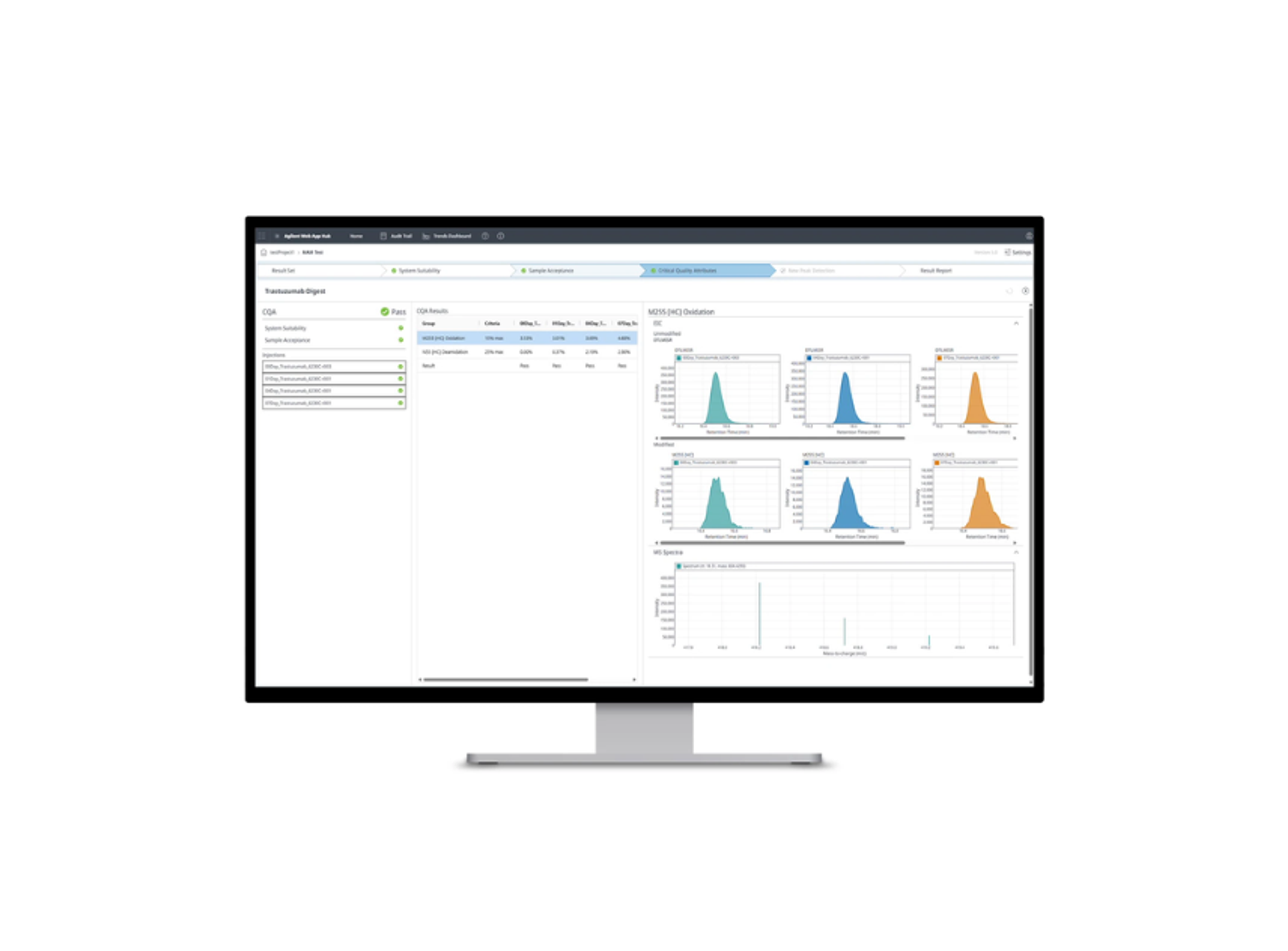
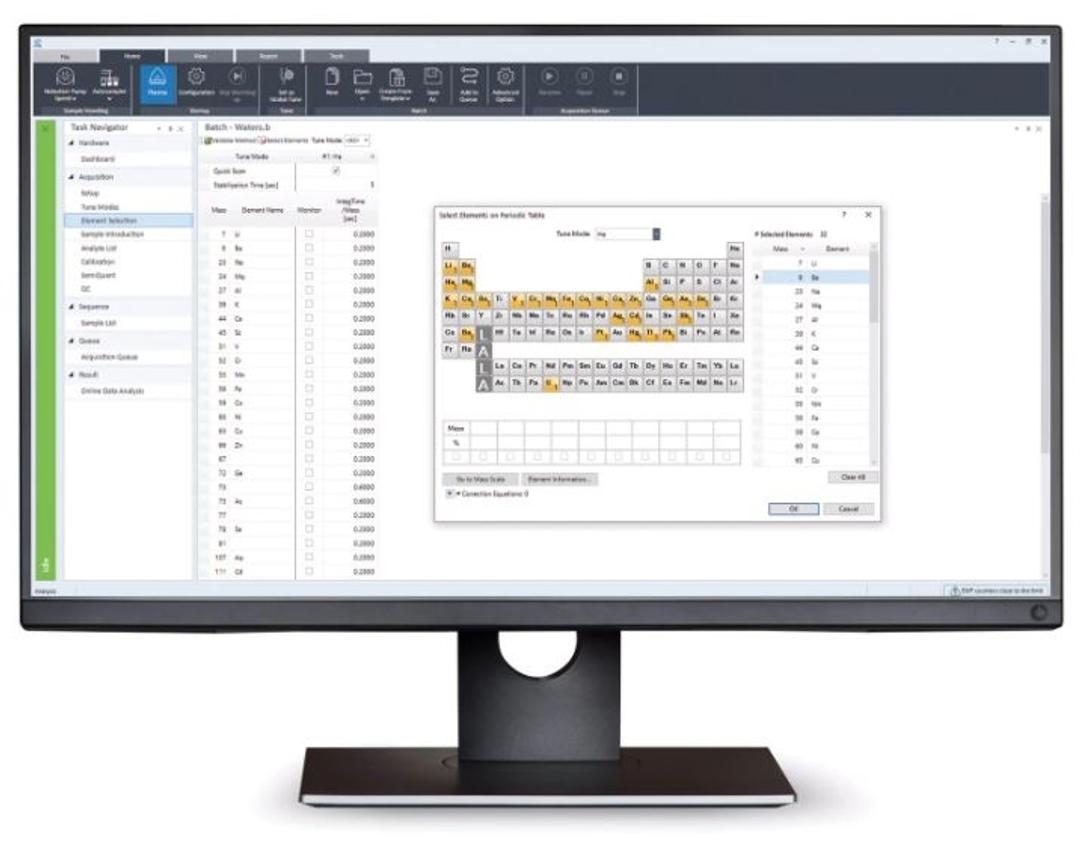
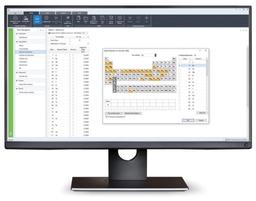
- ICP-MS MassHunter Method Wizard builds your methods automatically
- Flexible configuration easily connects to optional accessories and peripherals for advanced applications
Brochures

Agilent automation for ICP workflows
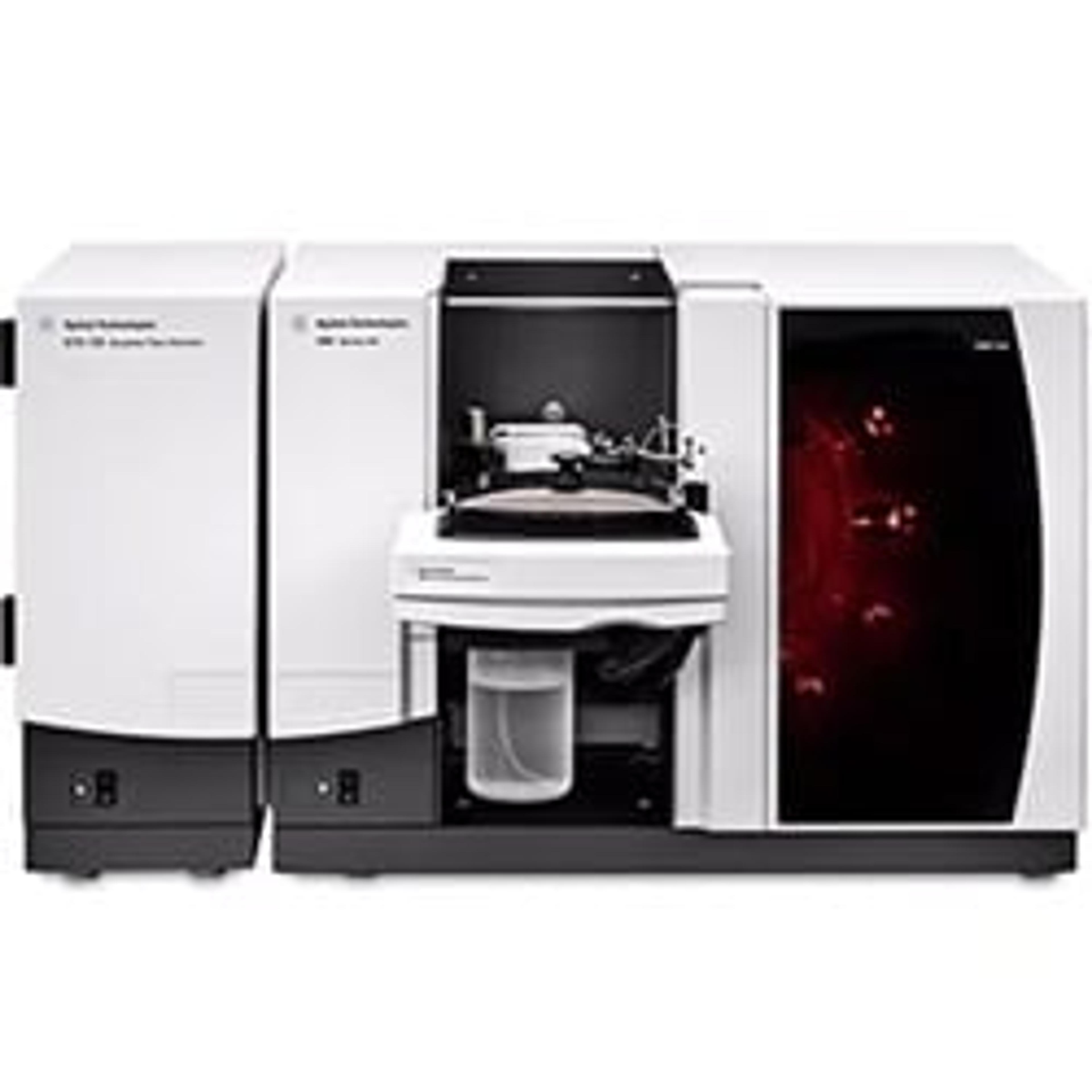
Agilent Technologies offers a completely integrated ICP workflow automation system – comprising hardware, software, and support – designed to free up analysts for more productive pursuits. Agilent's simple and reliable single-vendor solution integrates automated calibration, dilution, analysis, and reporting to lower cost-per-sample and turnaround time while improving the quality of results. Explore the features of Agilent's ICP workflow automation system, comprising the ADS 2 Autodilutor, Advanced Valve System, and SPS 4 Autosampler, fully integrated with the ICP-OES and ICP-MS instruments. Learn how the system can increase productivity and improve workflow efficiency in the lab.
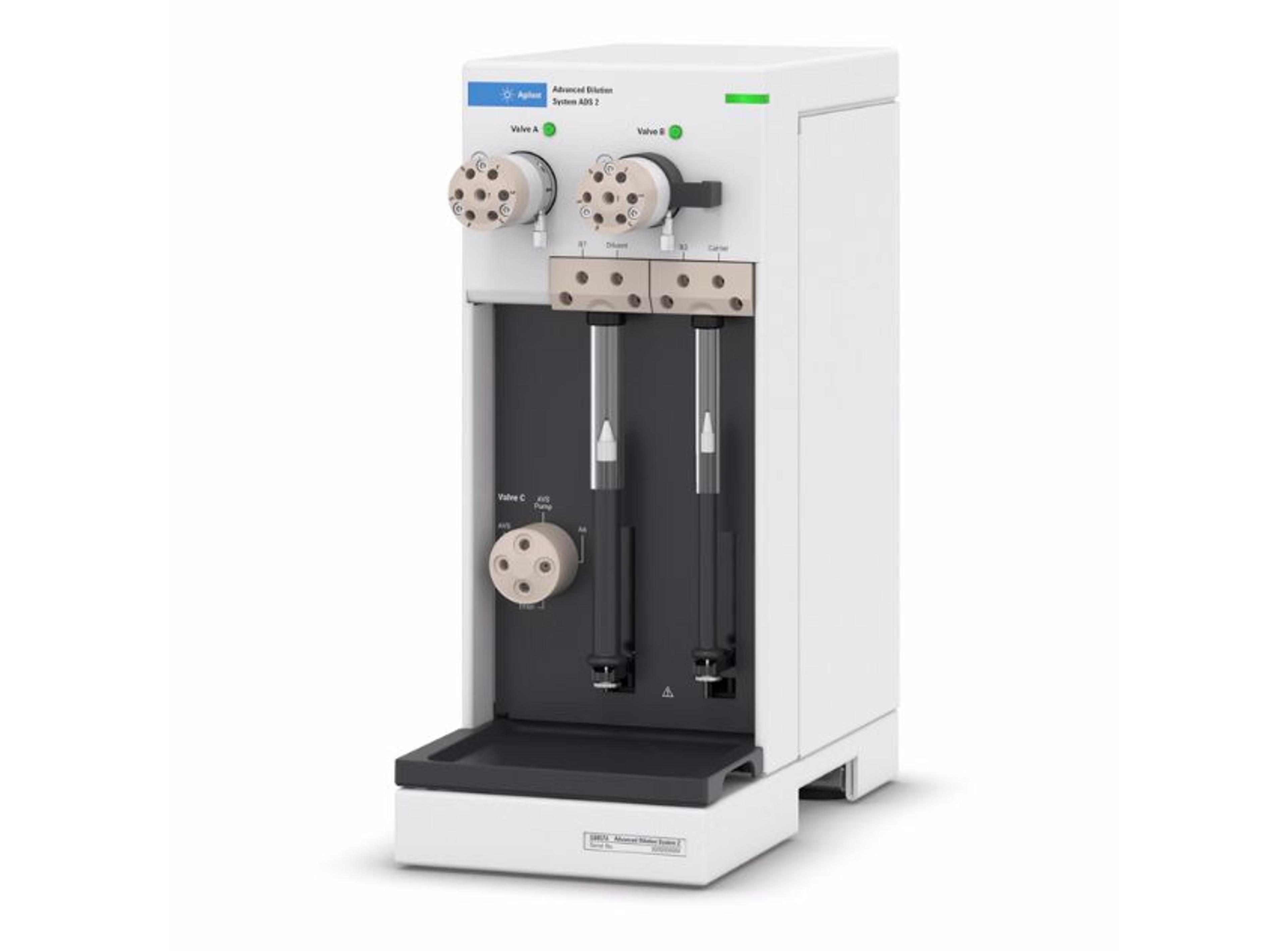
Capabilities and operation of Agilent's Advanced Dilution System 2
To increase the efficiency of labs equipped with Agilent ICP-OES or ICP-MS instrumentation, Agilent Technologies has developed the Advanced Dilution System 2 (ADS 2) – a fully integrated inline autodilution system designed for routine, high-throughput applications. The ADS 2 can automatically dilute stock standards and samples up to 400 times, making it ideal for the auto-preparation of calibration standards and samples, or dilution of over-range samples. Explore the features, applications, and benefits of AGS 2 that are helping to automate calibration and sample dilution for ICP-OES and ICP-MS technologies.
Characterization of iron nanoparticles in hydrocarbon matrices by single particle (sp)ICP-MS
In this application note, the spICP-MS acquisition mode of the Agilent 7900 ICP-MS was used with transmission electron microscopy to characterize synthesized gold and iron nanoparticle reference nanomaterials from nanoComposix.
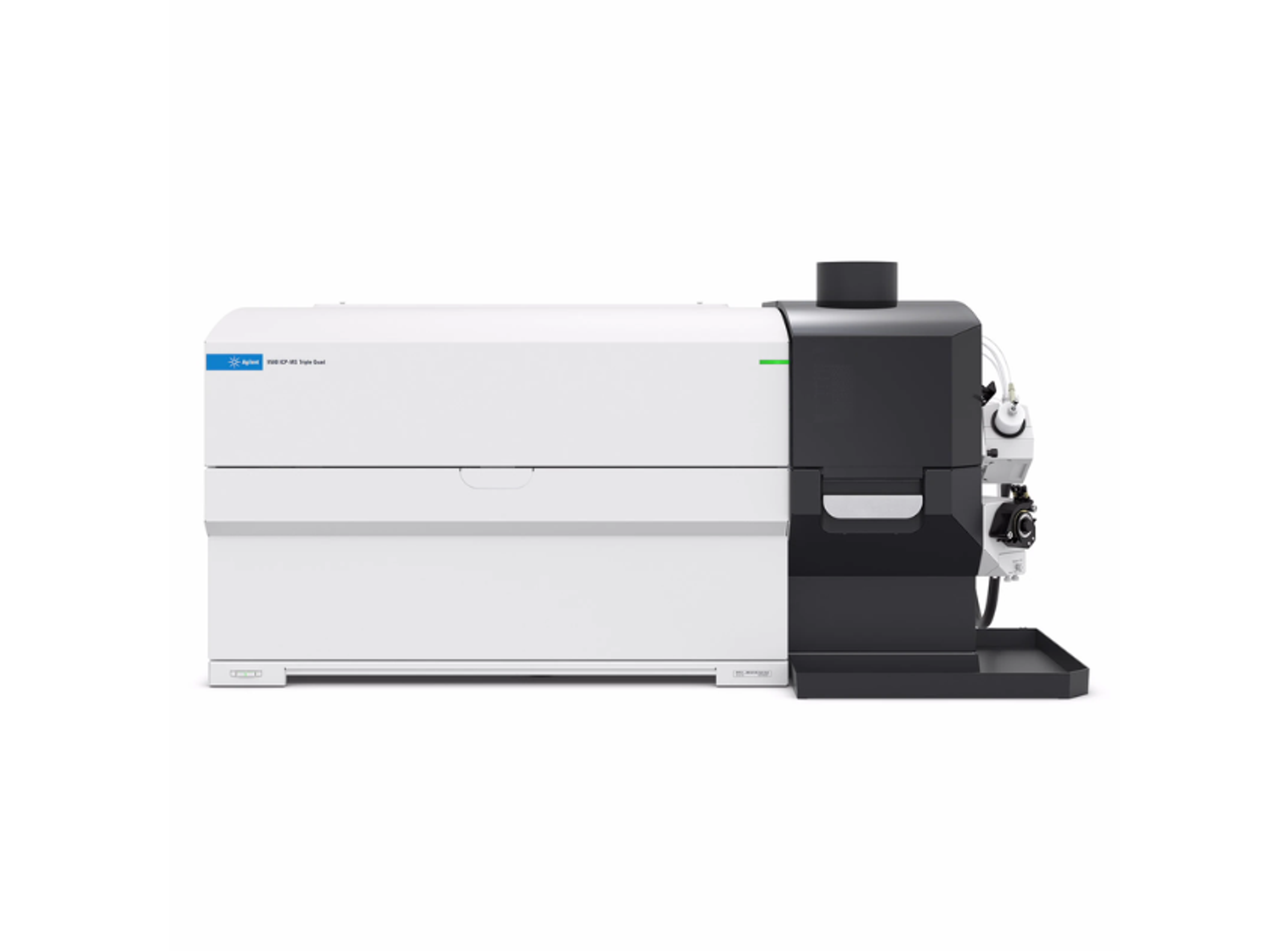
Single quadrupole ICP-MS vs triple quadrupole ICP-MS
Agilent offers two configurations of quadrupole ICP-MS:
Conventional or “single quadrupole” ICP-MS, and
“Triple quadrupole” ICP-MS, also known as ICP-QQQ, ICP triple quad, or “TQ”.
Download this application note to see which configuration is best for your needs.
Measuring multiple elements in nanoparticles using spICP-MS
In this application note, Agilent Technologies demonstrates how to acquire nanoparticle data for up to 16 elements in Rapid Multi-Element Nanoparticle Analysis Mode, utilizing the Agilent 7900 ICP-MS.
Methodologies for food fraud: Tips for robust experimental results
As a researcher investigating the validity of product labeling or supply chain integrity, determining the composition of foods can be an enormous challenge. In this application note by Agilent, learn about the latest workflow options for identifying food authenticity markers.
Novel, automated, and highly selective phosphopeptide enrichment for identification and localization
Variation in reproducibility and selectivity makes phosphopeptide enrichment one of the most challenging sample preparation steps available for LC/MS analysis. In this application note, Agilent discusses highly sensitive and automated phosphopeptide enrichment used during collision-induced dissociation (CID) experimentation.
Infographic of Agilent's Pharma Lab Leaders Survey Results
Agilent sought to understand the unique challenges in the pharmaceutical industry, any current laboratory pain points, and the overall goals for the future. This infographic illustrates the results of this global survey and reveals the key focus areas to drive improvements in human health.

Overcoming high matrix sample analysis challenges by optimizing ICP methods
May 7, 2025 at 16:00 BST / 17:00 CEST / 11:00 EDT / 08:00 PDT
Performing trace and ultra-trace elemental analysis is important to meet regulations in various industries including environmental and food testing. However, often the presence of high total dissolved solids (TDS) in samples introduces challenges in spectroscopy analysis such as spectral interferences, nebulizer blockages, and the need for frequent dilutions. These issues can result in sample re-runs and increased instrument maintenance.
Discover an innovative solution that prioritizes both the hardware and software of Inductively Coupled Plasma-Optical Emission Spectroscopy (ICP-OES) and Inductively Coupled Plasma-Mass Spectrometry (ICP-MS) instruments, that can help analysts generate high-quality data easier and more quickly with less user intervention.
Join Dr. Raimund Wahlen, Product Specialist at Agilent Technologies, and Dr. Pierre Burckel, Application Engineer in Atomic Spectroscopy, at Agilent Technologies as they introduce the IntelliQuant feature on Agilent ICP platforms.
Learn how this semiquantitative analysis tool can quickly provide a full picture of the entire sample composition for method development and thereby guide the analyst in deciding which wavelengths, or isotopes, are the best options for target analytes or internal standard elements.
Different high TDS nebulizers are compared and evaluated in terms of their sensitivity, precision, tolerance to total dissolved solids, particle size handling, and maintenance requirements. Finally, automated hardware features to address high levels of dissolved solids in solutions will be discussed.
Certificate of attendance
If you attend the live webinar, you will automatically receive a certificate of attendance, including a learning outcomes summary, for continuing education purposes.
If you view the on-demand webinar, you can request a certificate of attendance by emailing editor@selectscience.net.
Webinar details
- Cost: Free to attend
- Location: Online
- Duration: 60 minutes
Registration is required to secure your place. If you register but can’t attend live, you will receive a link to the on‑demand recording once it becomes available.

Survey of Laboratory Leaders Uncovers Challenges in Workflows and Efficiencies
The results from Agilent’s Pharma Lab Leaders Survey have provided insight into customer and industry challenges as well as overall goals for the future