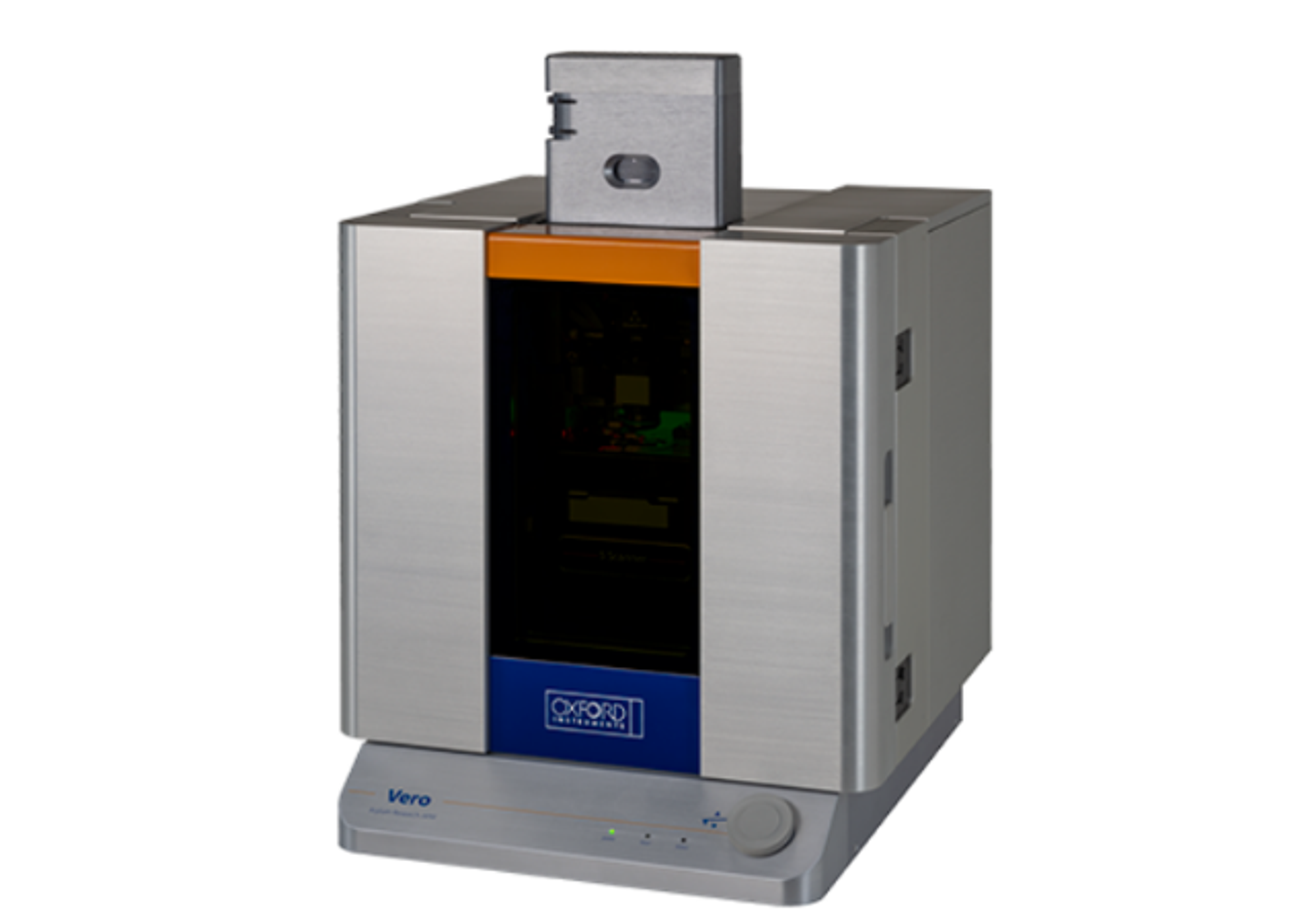
UMT TriboLab
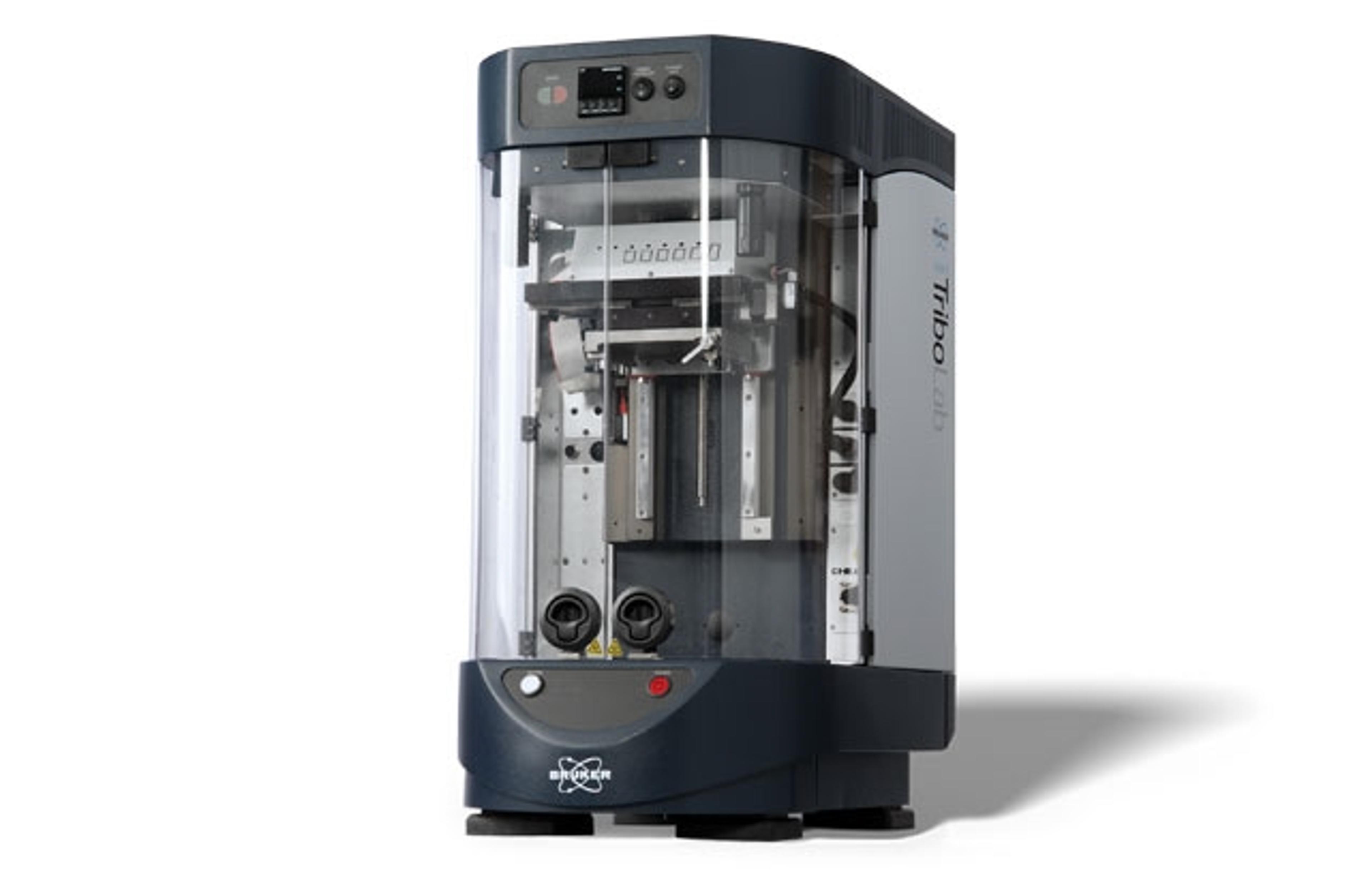
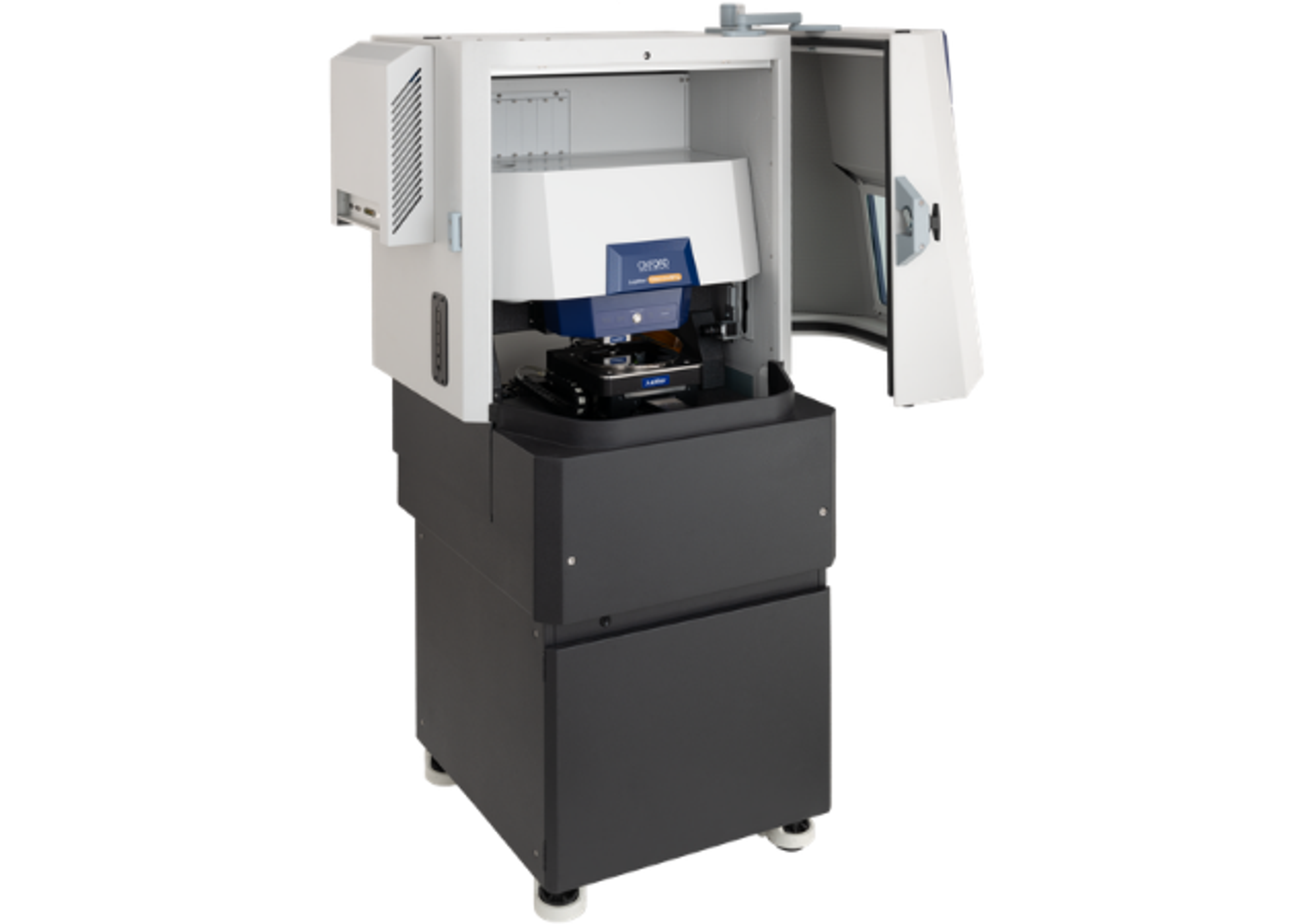
Bruker’s Universal Mechanical Tester (UMT) platform has been the most versatile and widely used tribometer on the market since the first model debuted in 2000. Newly designed from the ground up, the UMT TriboLab has a unique modular concept that harnesses more functionality than ever before. In fact, the UMT TriboLab offers higher speeds, more torque, and better force measurement than any of its competitors, plus it introduce…
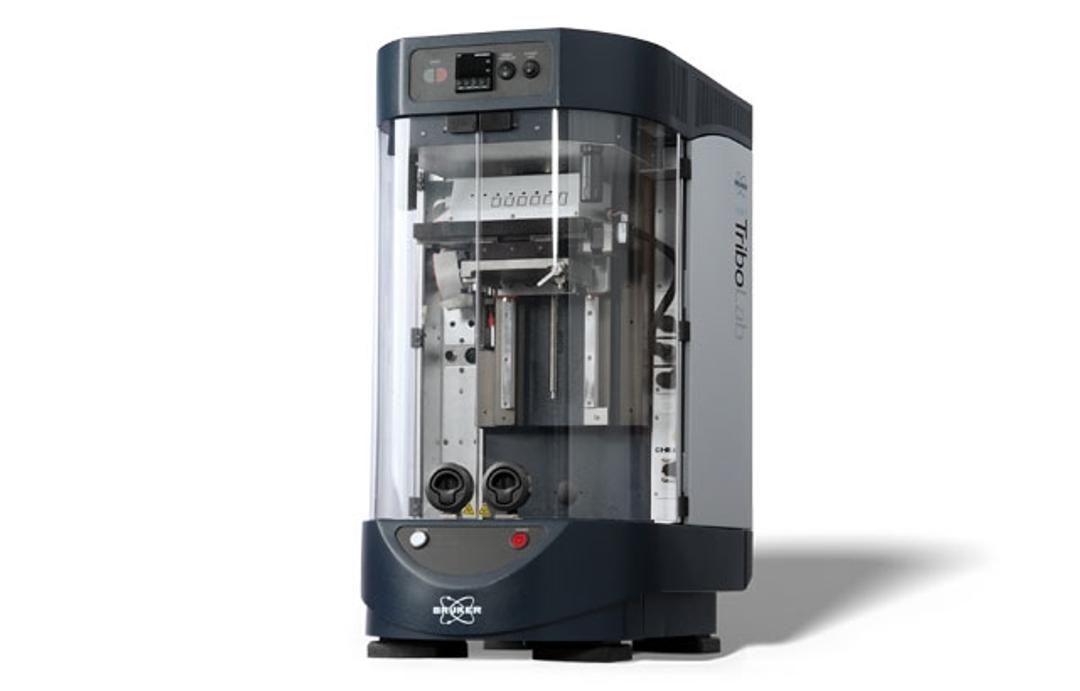
UMT TriboLab tribology system
The supplier does not provide quotations for this product through SelectScience. You can search for similar products in our Product Directory.
Comprehensive materials testing for mechanical and triobological properties.
Bruker’s Universal Mechanical Tester (UMT) platform has been the most versatile and widely used tribometer on the market since the first model debuted in 2000. Now, newly designed from the ground up, the UMT TriboLab builds on that legacy of versatility with a unique modular concept that harnesses more functionality than ever before — all without any compromise in performance. In fact, the UMT TriboLab offers higher speeds, more torque, and better force measurement than any of its competitors, plus it introduces powerful new features for improved efficiency and ease-of-use.
The UMT TriboLab has exceptional modularity, broad capabilities, and unmatched ease-of-use:
- A single high-torque motor integrated into the base system accommodates the full range of speeds and torques.
- Interchangeable lower drives power the motion for nearly every possible tribology test on one compact platform.
- Eleven different force sensors from µN to kN enable an unprecedented breadth of testing.
- Heating chambers to 400°C or 1000°C, cooling modules to -25°C, and humidity chambers can be added at any time for a full range of environmental testing.
- The unique Tribo ID feature recognizes all attached components to automatically reconfigure user menus based on configuration, and uploads appropriate sensor calibration data and serial numbers.
- Quick-connects and blind-mate electrical connections provide easy, tool-free drive changeover— no tools, no screws, no cables needed.
Brochures

Explore the UMT TriboLab
In this brochure from Bruker, explore how the Universal Mechanical Tester (UMT) platform has been the most versatile and widely used tribometer on the market for over 20 years. Furthermore, discover the newly designed from the ground up UMT TriboLab™ that builds on that legacy of versatility with a unique modular concept that harnesses more functionality without any compromise in performance.
Characterization of lubricants for research and development, quality control and application engineering
In this application note, Bruker highlights the significance of lubricants in machinery and the need for comprehensive evaluation methods. Lubricants play a crucial role in reducing friction, wear, and performing other essential functions. Bruker's universal mechanical tester (UMT) Nano+Micro Tribometer offers a versatile platform for evaluating lubricant performance through various tests such as rotary, reciprocating, block-on-ring, pin-and-vee, and four-ball tests. This system enables efficient lubricant development, formulation optimization, and selection of suitable lubrication solutions for improved machine performance and durability. The UMT system's capabilities for data gathering and rapid screening facilitate the development of superior lubricants in a highly efficient manner.
Thin film and coating testing using Bruker's UMT testers
In this application note, Bruker discusses its tribo-testers, which are used to evaluate the mechanical properties of thin films and coatings. These instruments enable in-situ analysis of thin films, measuring properties such as load, friction, acoustic emission, and resistance. The integrated system allows for mechanical tests and detailed imaging through atomic force microscopy or optical microscopy. The note explores experimental applications, including nanoindentation for optoelectronics, scratch testing on wafers, and scratch-adhesion on LCD display samples. Bruker's tribo-testers offer flexibility and precise testing for a wide range of thin films and coatings.
Automotive applications for tribometers
In this application note, Bruker addresses the challenge of finding versatile testing equipment for the automotive industry by introducing its universal mechanical tester (UMT) TriboLab™, which allows for multiple standard and custom tests on a single platform. The note provides examples of automotive component and material tests conducted using the TriboLab system, including friction properties comparison of clutch plates, lubricant testing on friction plates, adhesion testing on coated tires, and tribology testing on engine components. The TriboLab platform offers precise control over variables such as load, speed, and temperature, making it suitable for a wide range of automotive testing applications.
Generating a Stribeck curve in a reciprocating test (HFRR/SRV-type test)
This application note from Bruker discusses the Stribeck curve, which represents the frictional characteristics of a liquid lubricant under different conditions. The curve is divided into boundary, mixed, and hydrodynamic regimes based on film thickness to surface roughness ratio. Traditional tests used a journal-bearing geometry, but there is interest in using reciprocating test modes like the high-frequency reciprocating rig (HFRR) to evaluate lubricant friction. The note describes a test setup using a polished cylindrical dowel pin and a flat plate with a Bruker universal mechanical tester (UMT)-3 instrument. Reciprocating tests allow for evaluating lubricants in real-world scenarios. The conclusion highlights the capabilities of Bruker's UMTs for generating Stribeck curves in reciprocating tests, relevant for lubricant development in various engineering applications.
Using the UMT TriboLab and Stribeck curves to evaluate potential applications of lubricants
In this application note, Bruker discusses the significance of lubricants in reducing friction and wear between surfaces, as well as the growing lubricant market. The note highlights the challenge of finding a single tool to cover all regions of the Stribeck curve, which is commonly used for lubricant evaluation. Bruker's universal mechanical tester (UMT) TriboLab™, a versatile tribometer, is introduced as a solution to this challenge. It provides precise control and flexibility for comprehensive tribological testing. The note emphasizes the importance of testing lubricants in conditions that cover all three lubrication regimes and ranks lubricants based on their performance.
All-inclusive scratch testing of coatings and thin films using Bruker's universal test system
In this application note, Bruker discusses the importance of coatings and thin films in various applications and the critical attribute of adhesion strength for their proper functioning. The note highlights the challenge of finding suitable scratch test methods and parameters due to the limitations of regular scratch tools. Bruker's scratch test system, based on the universal mechanical tester (UMT) platform, is introduced as a versatile solution capable of accommodating various scratch test methods and delivering reliable data. The note presents examples of scratch test results on different coatings and thin films, showcasing the system's capabilities.
Precision force-displacement measurements on MEMS and computing input devices
In this application note, Bruker discusses the importance of force-displacement measurements for microelectromechanical systems (MEMS) and computing input devices. Bruker introduces its universal mechanical tester (UMT) TriboLab™ platform, which offers precise and reliable measurements across a wide range of forces and displacements. The note highlights the system's capabilities and features, including its modular design, intelligent hardware and software interfaces, and real-time control and data analysis software.
Versatile mechanical tester and tribometer advancing tribology and mechanical testing with integrity
In this application note, Bruker introduces its universal mechnical tester (UMT) TriboLab™. The UMT TriboLab offers exceptional modularity, allowing for specialized testing and operation with its interchangeable lower drives and Tribo ID™ components. It boasts the broadest capabilities, including a single motor with a wide speed range and high torque, along with 11 different force sensors for comprehensive testing.
Clutch friction material screening using UMT TriboLab
Smooth clutch operation in automatic transmissions is strongly tied to the velocity dependence of the coefficient of friction (COF). Full-scale clutch tests, such as the JASO M348 or any other OEM-specific test protocol run on the SAE No. 2 Friction Test Machine, are typically used to obtain friction data, but these tests are both expensive and time consuming. In this application note from Bruker, explore the benefits of this process using the Bruker UMT TriboLab™ benchtop tester.
Evolution of OCP during tribocorrosion
Open circuit potential (OCP) and its evolution during a tribocorrosion test give insight into the materials degradation process that sets in with the synergistic action of mechanical and electrochemical components. In this application note, explore how Bruker’s UMT TriboLab™ provides a means to track the evolution of OCP during a tribocorrosion test, combining tribology and electrochemistry capabilities into one system. Furthermore, consider how this technology is designed to help scientists and engineers develop novel materials that resist tribocorrosion, and thus are more reliable and durable in aggressive environments.