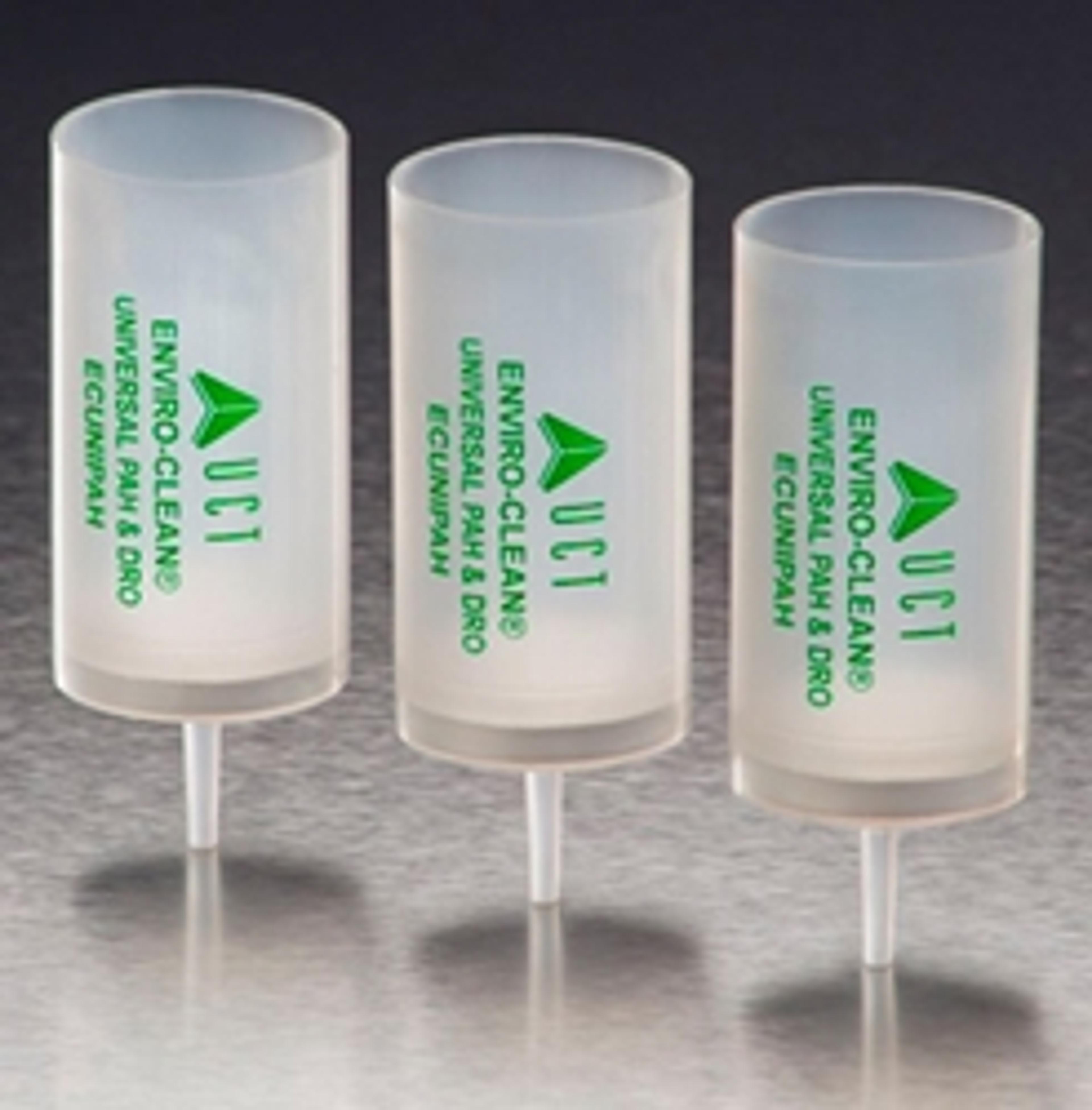
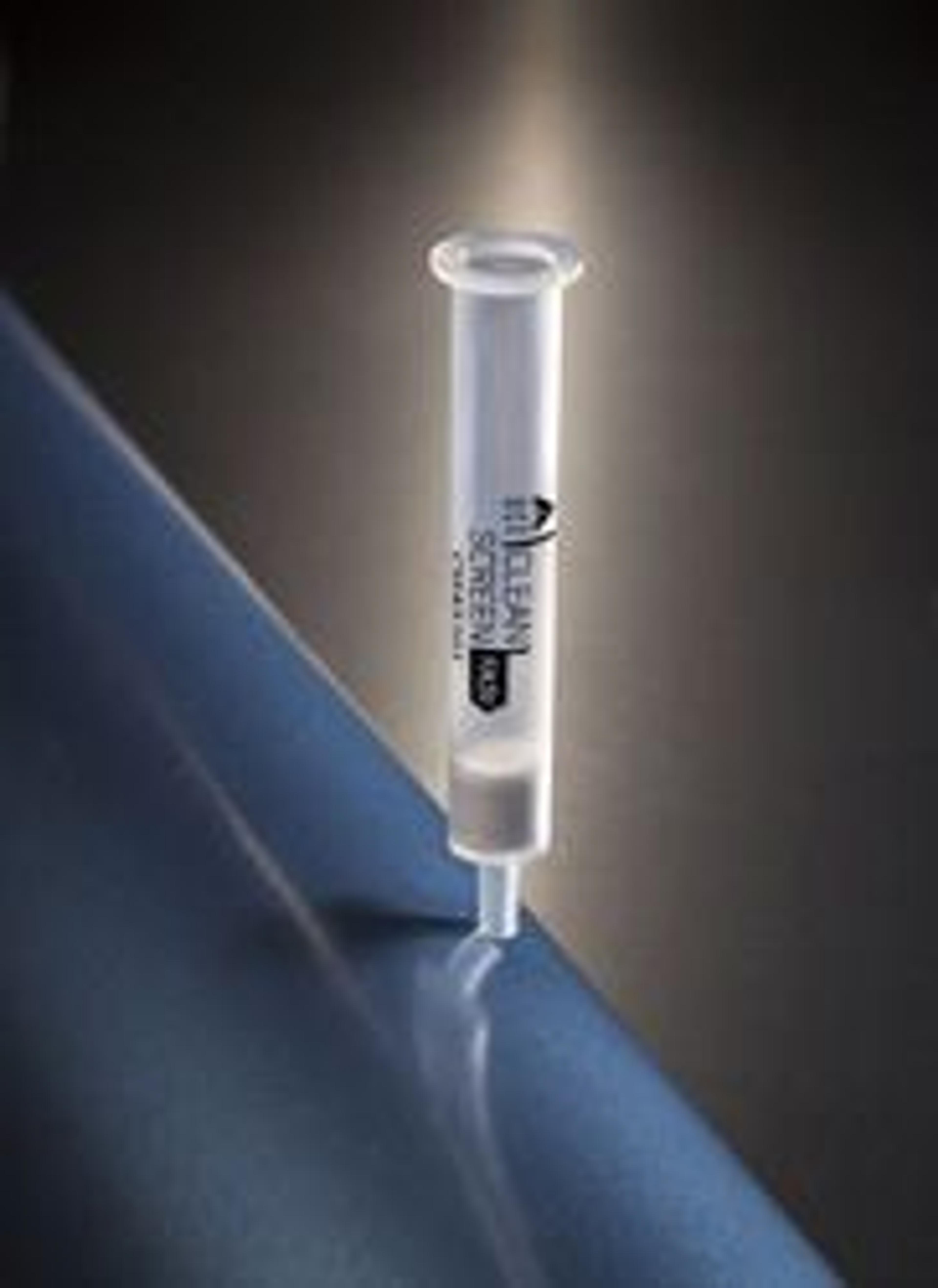
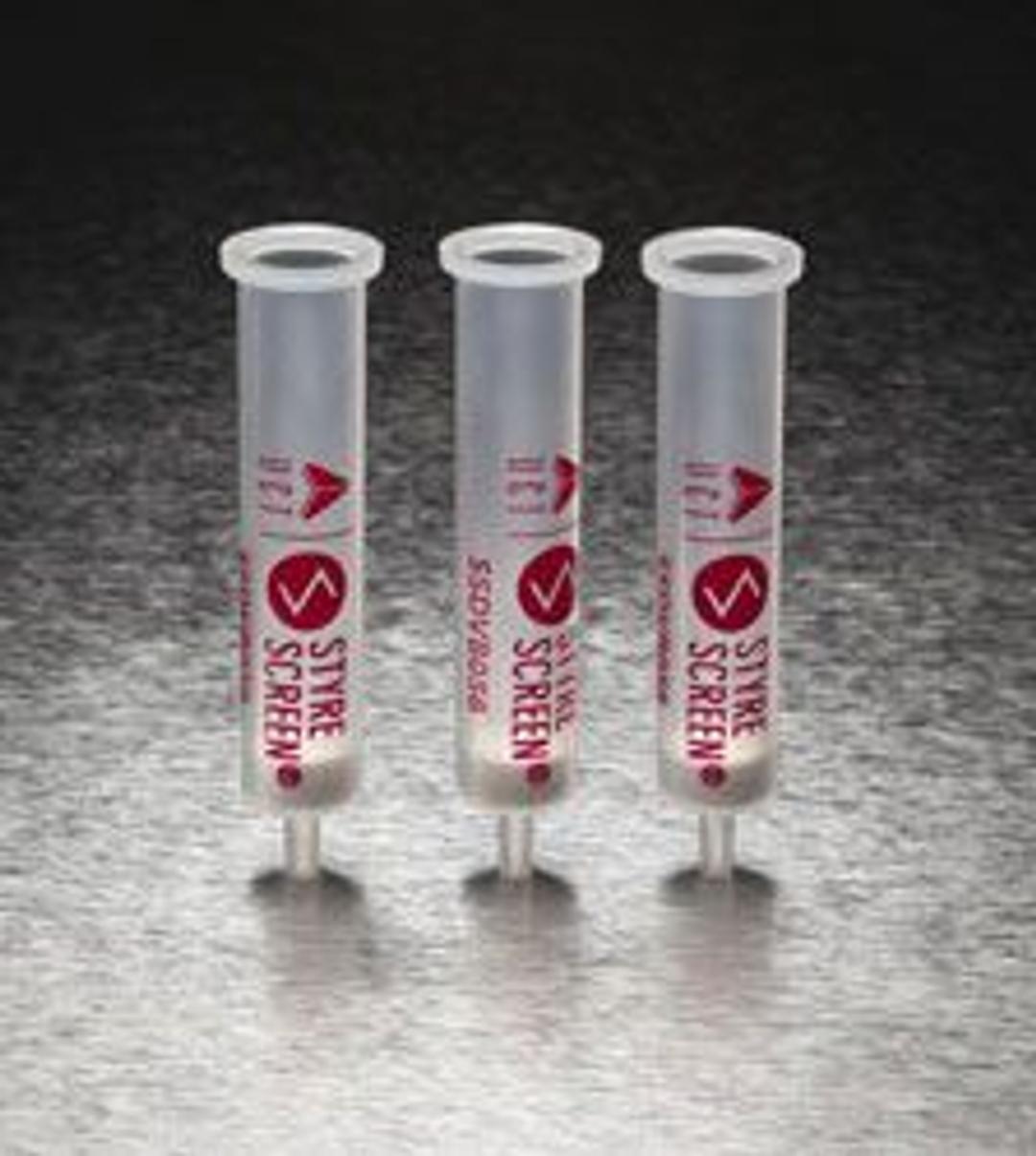
Styre Screen® Extraction Columns
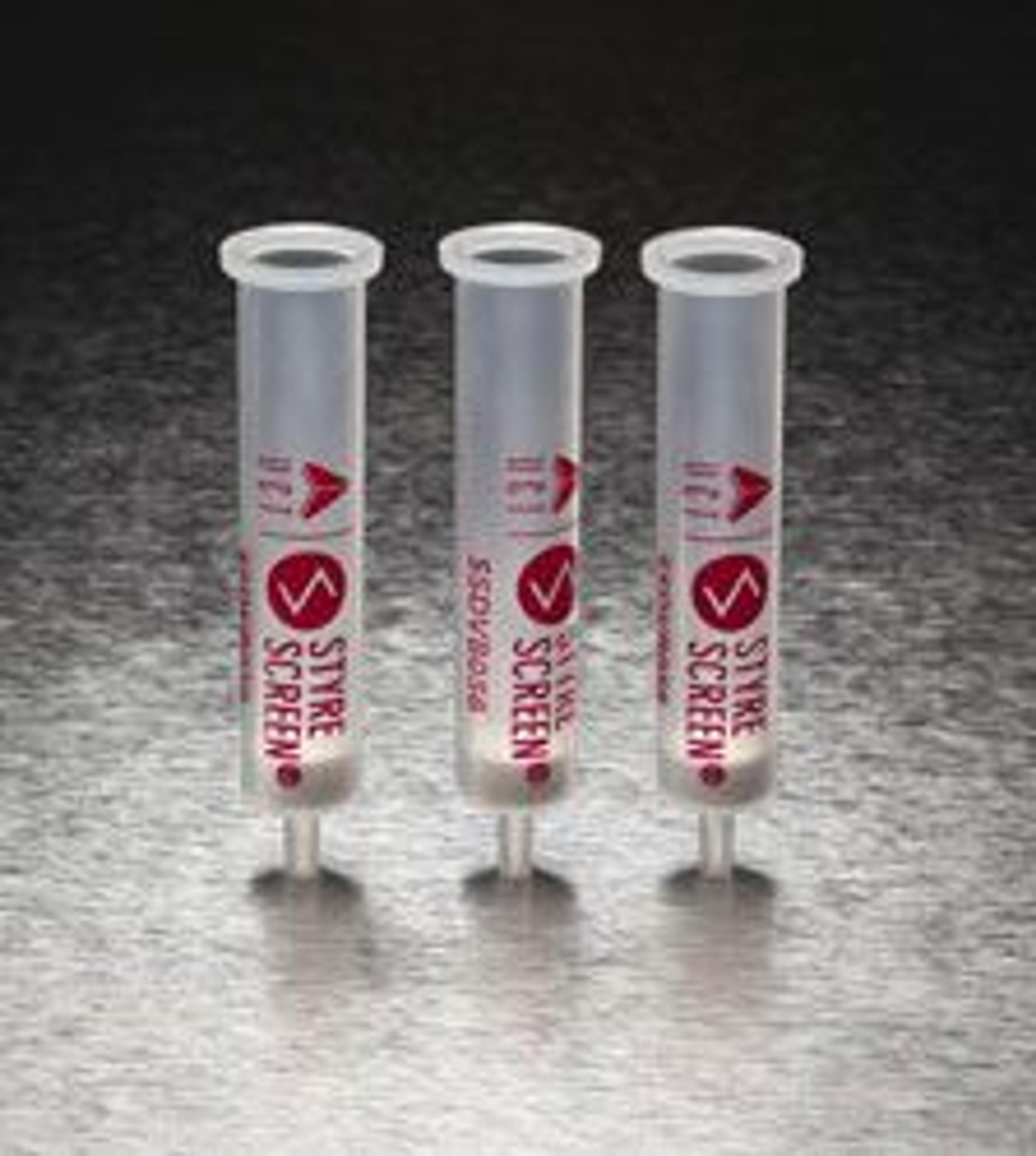
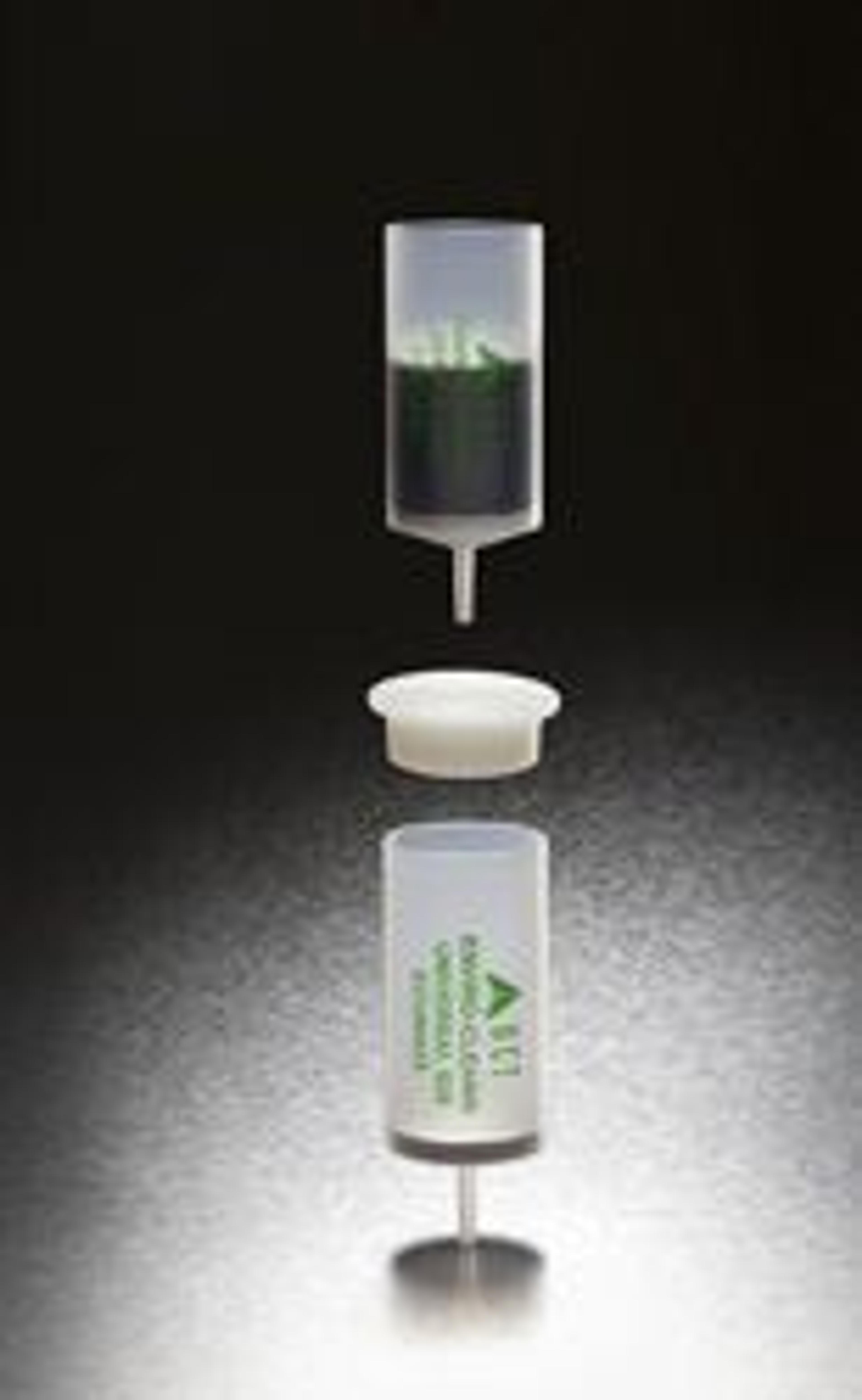
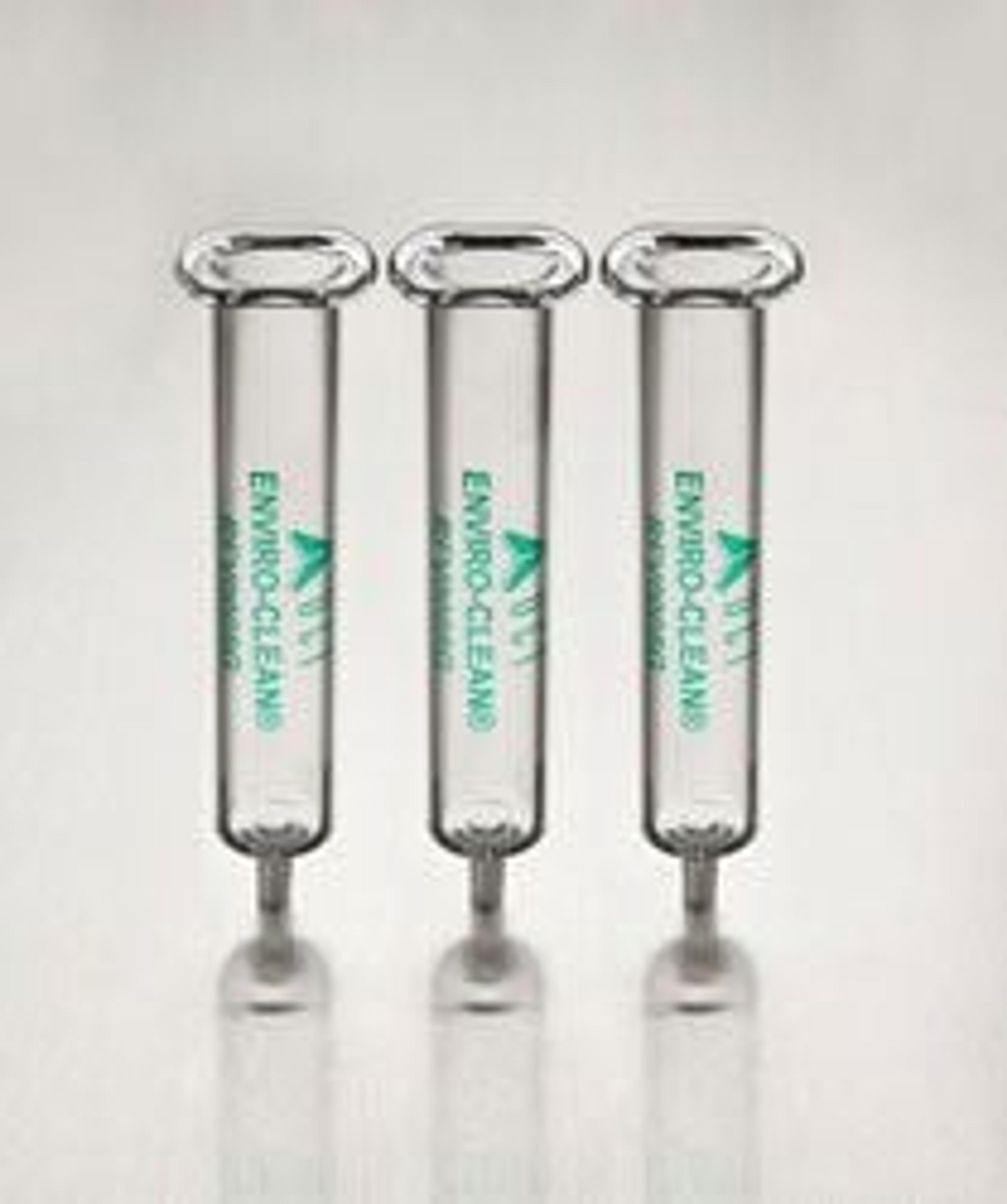
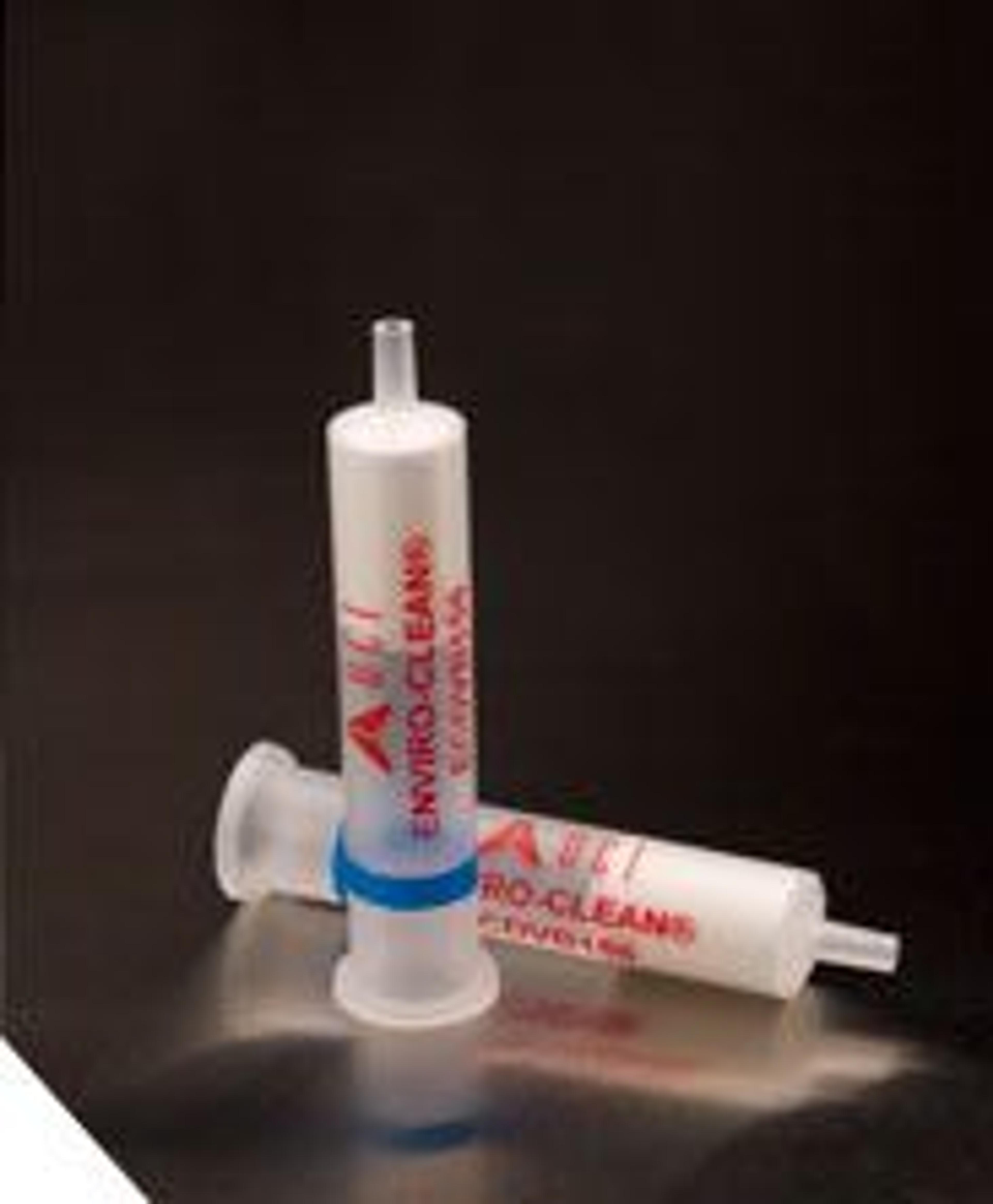
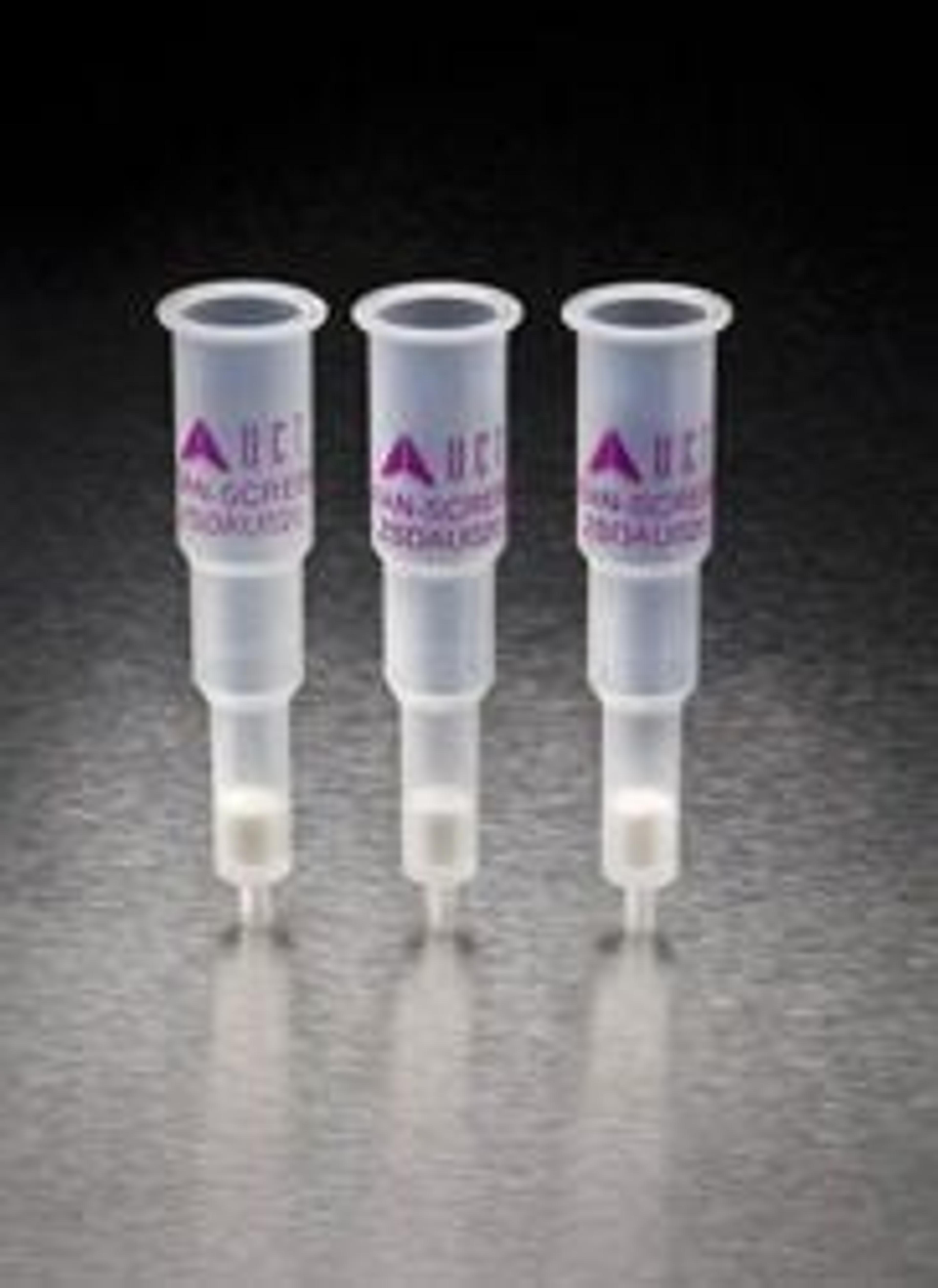
Styre Screen® Extraction Columns contain an ultra clean, highly cross-linked styrene and divinylbenzene copolymer. The Styre Screen particles have an average particle size of 30 microns and a very high analyte capacity making them ideal for standard solid phase extraction applications. The increased analyte capacity means that less sorbent bed mass is needed which results in faster flow rates and less solvent use. Higher th…

Receive your quote directly from the manufacturer.
Styre Screen® Extraction Columns contain an ultra clean, highly cross-linked styrene and divinylbenzene copolymer.
The Styre Screen particles have an average particle size of 30 microns and a very high analyte capacity making them ideal for standard solid phase extraction applications. The increased analyte capacity means that less sorbent bed mass is needed which results in faster flow rates and less solvent use. Higher throughput and less solvent waste disposal translate into significant savings in both time and money. In addition, no conditioning steps are required for most analyte applications.
Styre Screen® Extraction Columns Advantages:
- Copolymer allows for extraction of acids, neutrals and bases
- High and reproducible recoveries
- Clean extractions
- Highly cross-linked styrene/divinylbenzene polymer
- Reduction in sorbent mass
- Faster flow rates
- pH stable (1 to 14)
- Reduction in solvent use
- High sorbent capacity
- Methods for NIDA/SAMHSA 5 Drugs

Enhanced LC-MS/MS separation of Δ⁸ and Δ⁹-THC metabolites and other cannabinoids extracted from urine samples using a polymeric SPE column
In this application note, UCT, Inc. presents a method addressing the challenge posed by the increased use of Δ⁸-THC products. Drug testing labs face the need to separate parent THC isomers Δ⁸ and Δ⁹-THC. THC metabolites, particularly isomeric ones like Δ⁸-OH-THC and Δ⁹-OH-THC, present a challenge. Additionally, new cannabinoids such as Δ10 and Δ6a,10a-THC, and THC-O-Acetate are emerging. The note introduces an LC-MS/MS method employing UCT’s SelectraCore® PFPP column to separate 16 cannabinoids, including isomeric metabolites of Δ⁸ and Δ⁹ -THC. Solid-phase extraction from urine is detailed using UCT’s Styre Screen® HLB column.
Solid phase extraction of natural cannabinoids and metabolites from blood and urine
In this application note, UCT, Inc. outlines two separate extraction methods for four natural cannabinoids and Δ9-THC metabolites from blood and urine using UCT's Clean Screen® THC and Styre Screen® HLB.
Simultaneous analysis of 19 novel synthetic cannabinoids in urine using SPE and LC-MS/MS
This application note outlines a solid-phase extraction (SPE) and LC-MS/MS method for the analysis of 19 synthetic cannabinoids in urine. These specific compounds were selected based on positivity rates from several key testing labs in the area. The use of UCT’s Styre Screen® HLD highly crosslinked polymeric SPE sorbent ensures efficient extraction of the synthetic cannabinoids while removing undesired matrix components and yielding clean extracts
Extraction of Synthetic and Naturally Occurring Cannabinoids in Urine Using SPE and LC-MS/MS
Synthetic cannabinoids is the term given to a family of compounds which produce the same effects of marijuana. It is becoming more and more important for labs to develop new methods for testing for these compounds and staying ahead of the growing market. This application note describes a method which can test a sample for synthetic cannabinoids as well as natural cannabinoids simultaneously.
Solid Phase Extraction Method for Analysis of Psilocin and Psilocybin in Urine
This application note describes a method that can be used for the extraction of Psilocin and Psilocybin in urine. LC/MS/MS instrumentation is used for analysis with a linear range of 10 ng/mL to 1000 ng/mL with average recoveries of individual cannabinoids found to be greater than 85%.
Solid Phase Extraction Method for Analysis of AM2201 and Metabolites in Urine
This application note presents a method for the extraction of AM2201 and metabolites in urine. LC/MS/MS instrumentation is used for analysis with a linear range of 1 ng/mL to 100 ng/mL with average recoveries found to be greater than 90%.