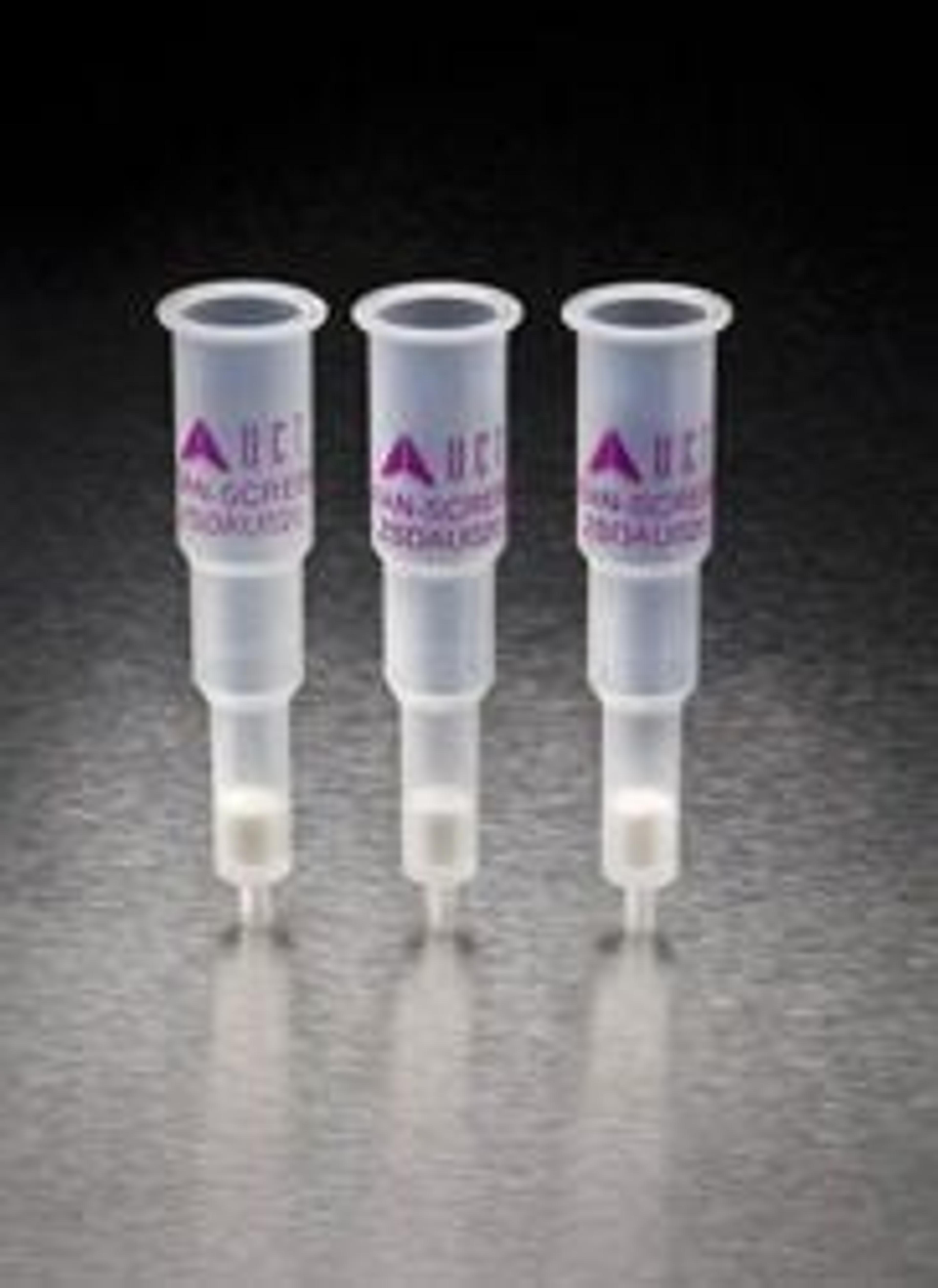
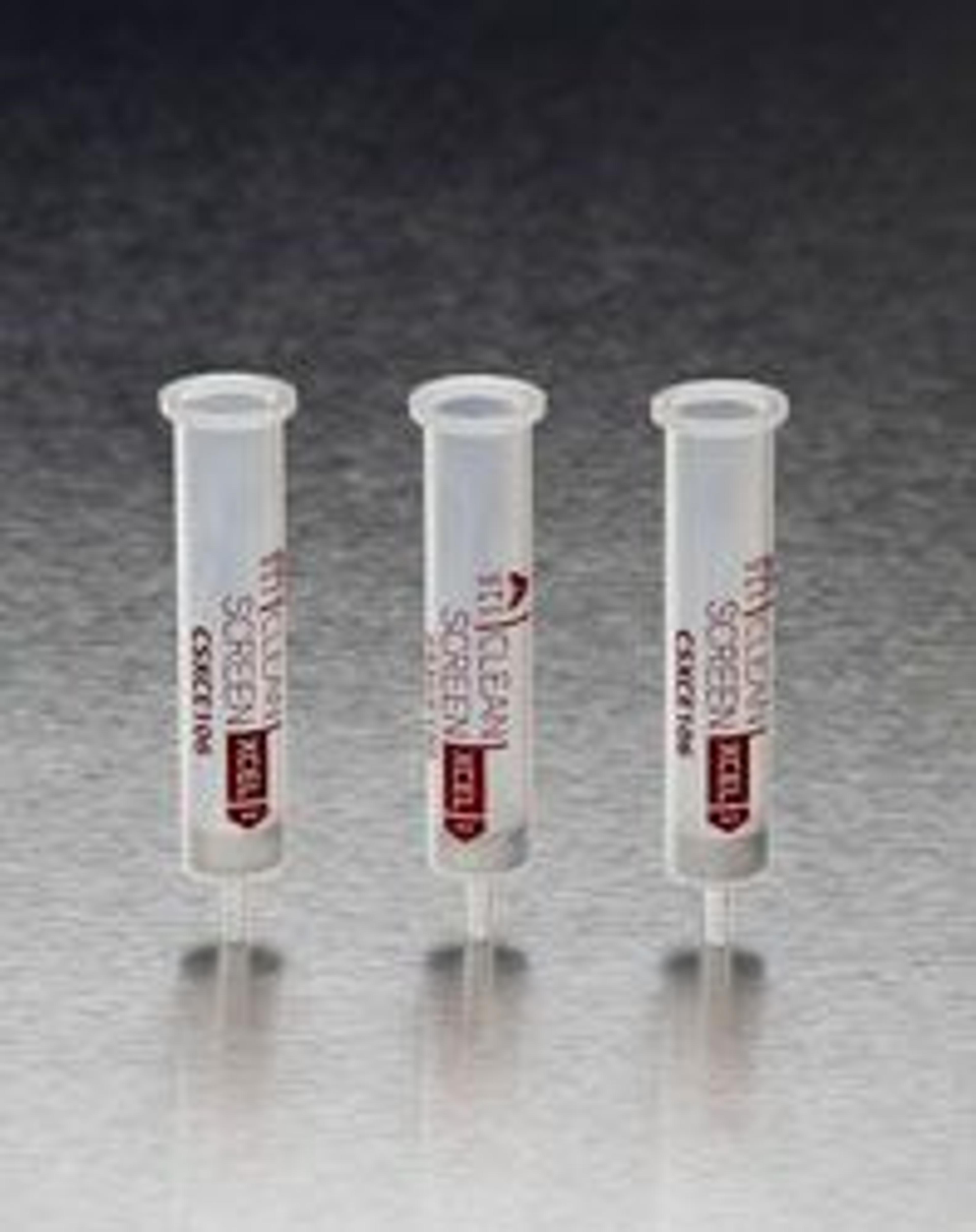
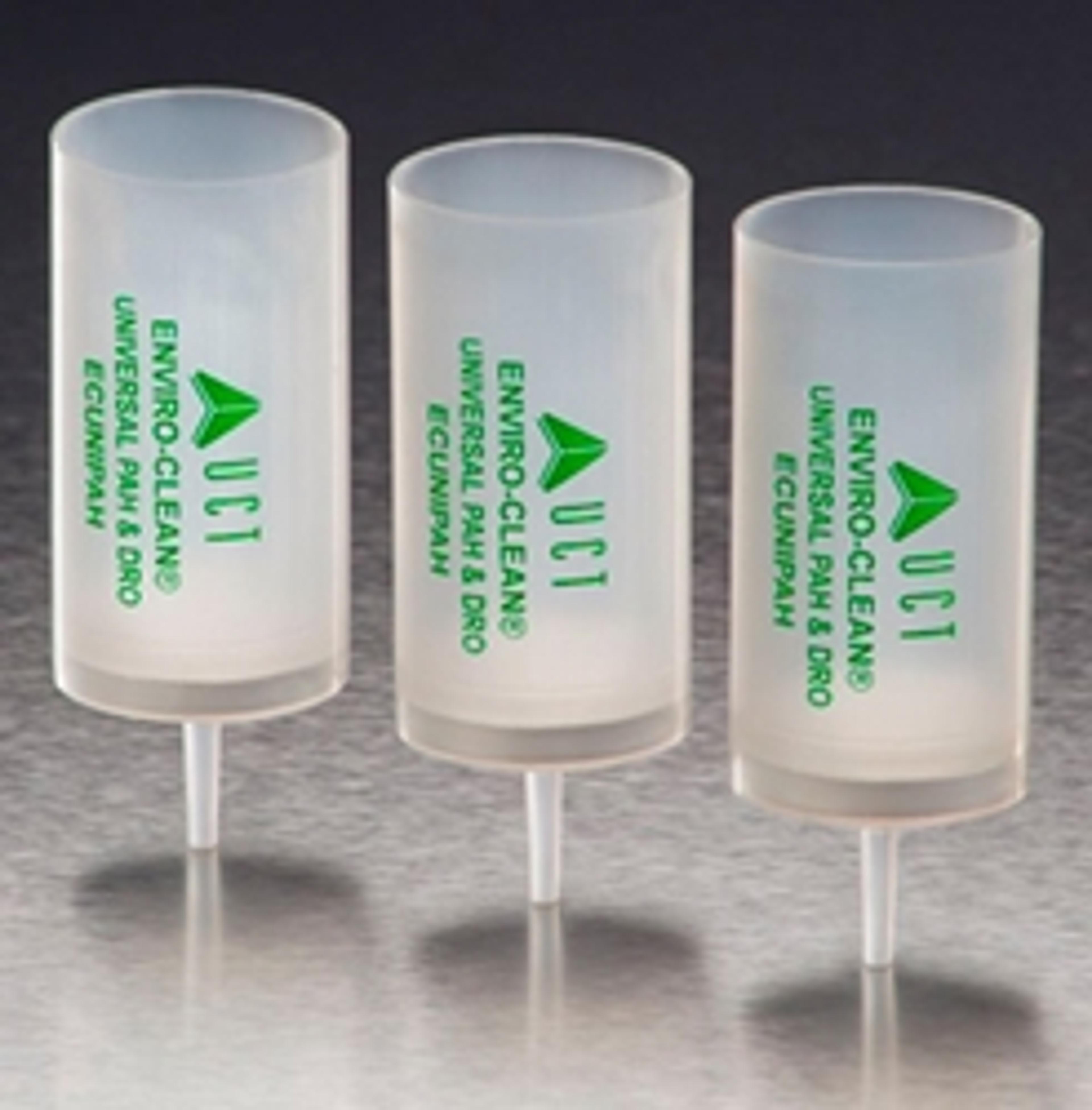
ChloroFiltr® for QuEChERS dSPE Clean-Up
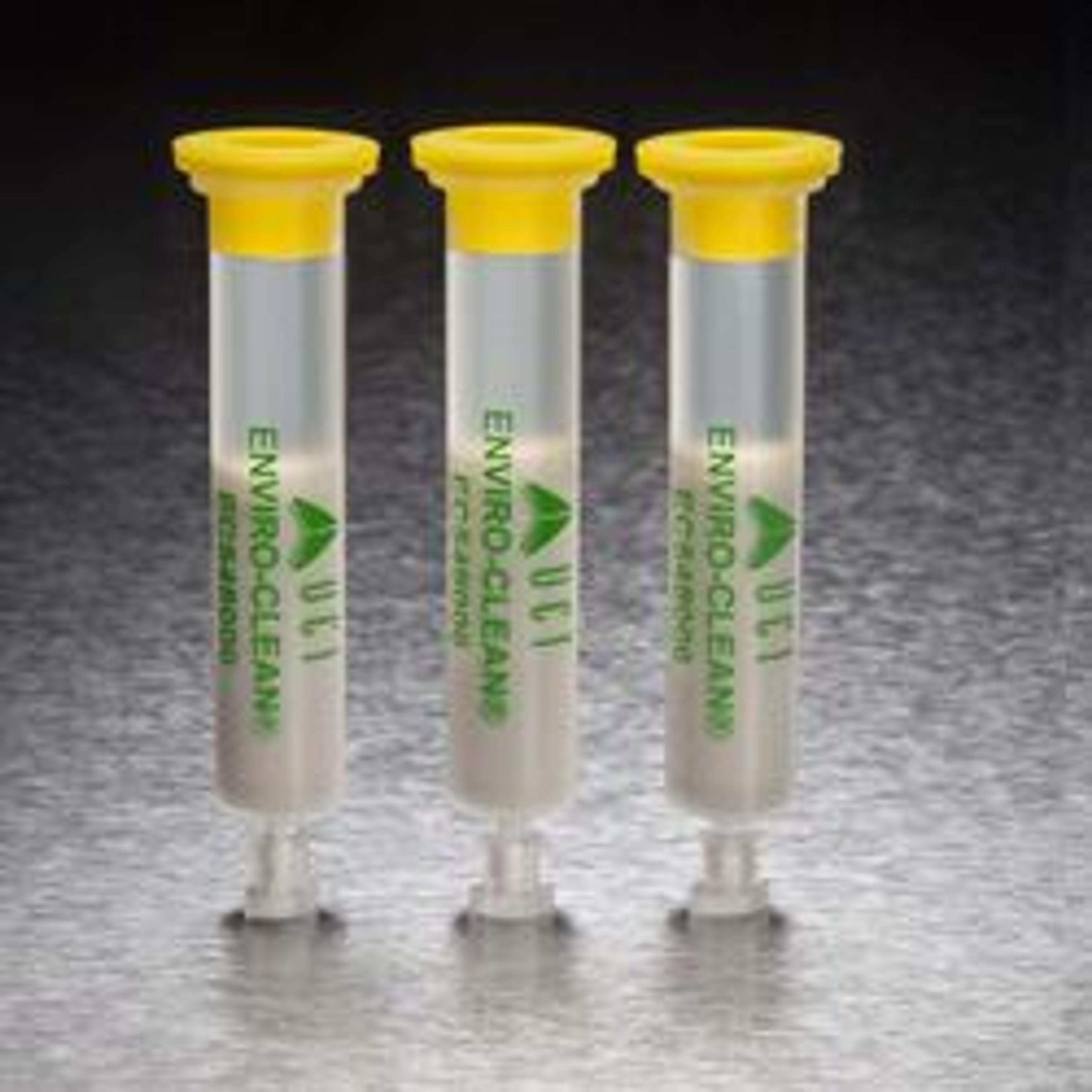
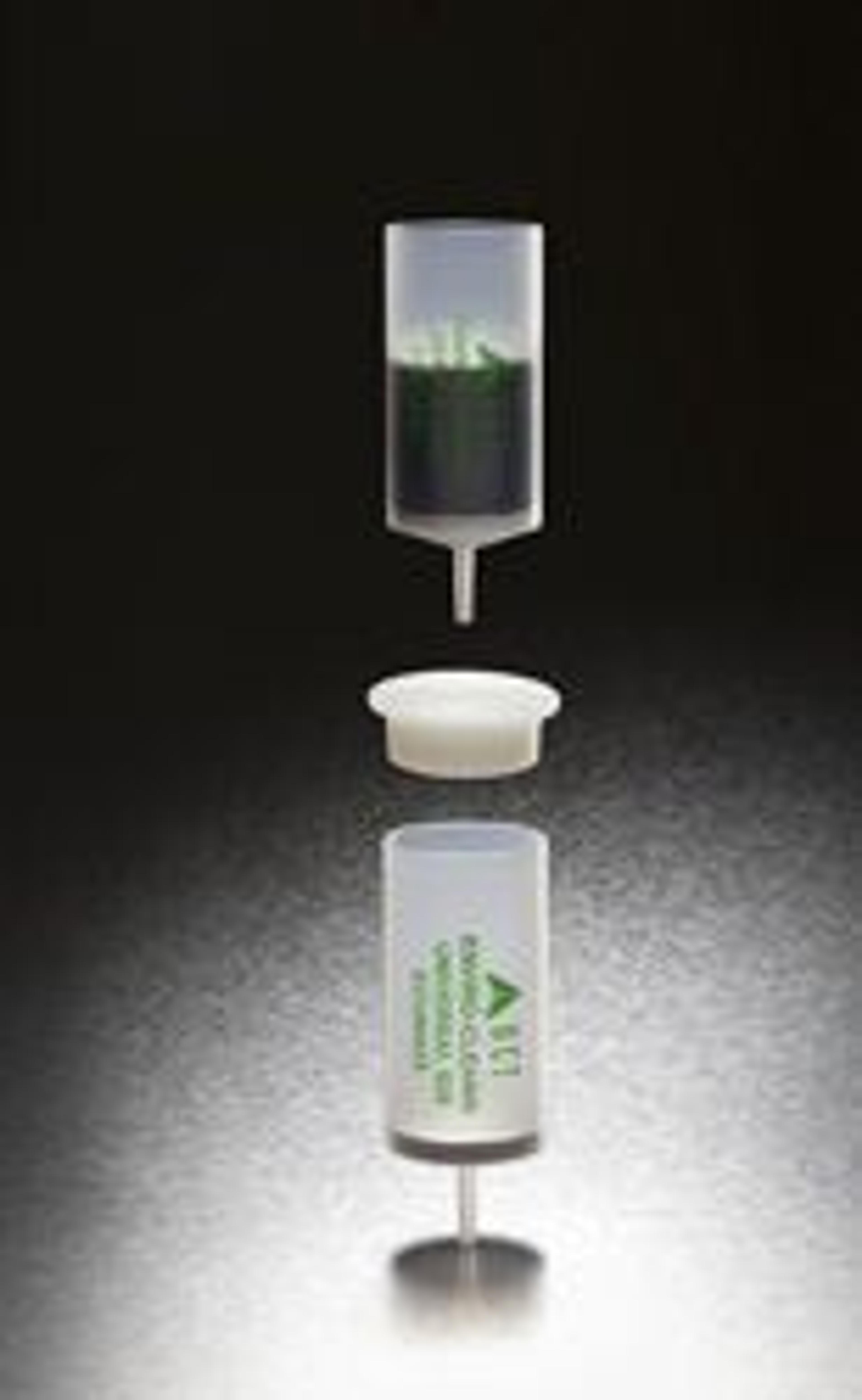
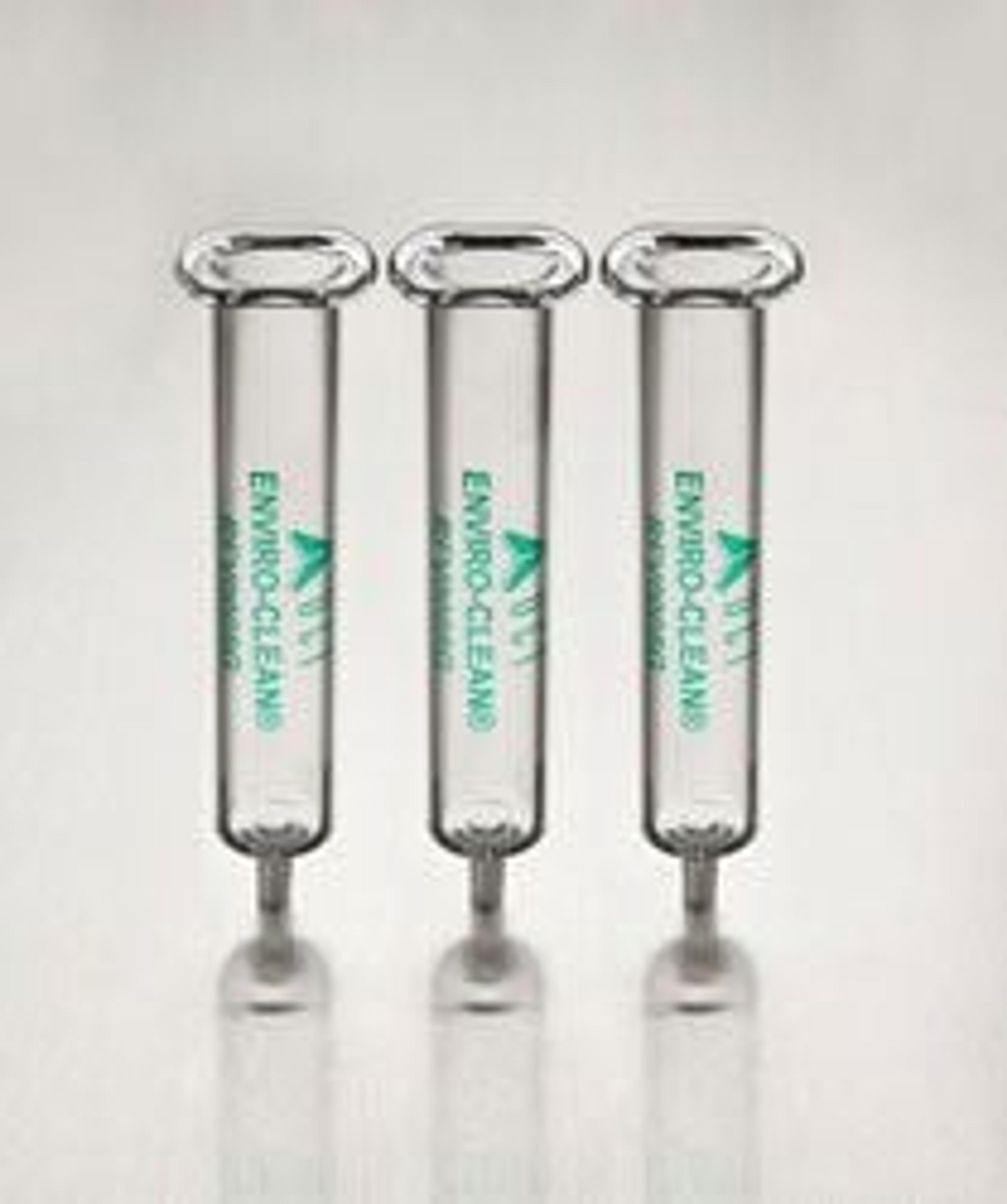
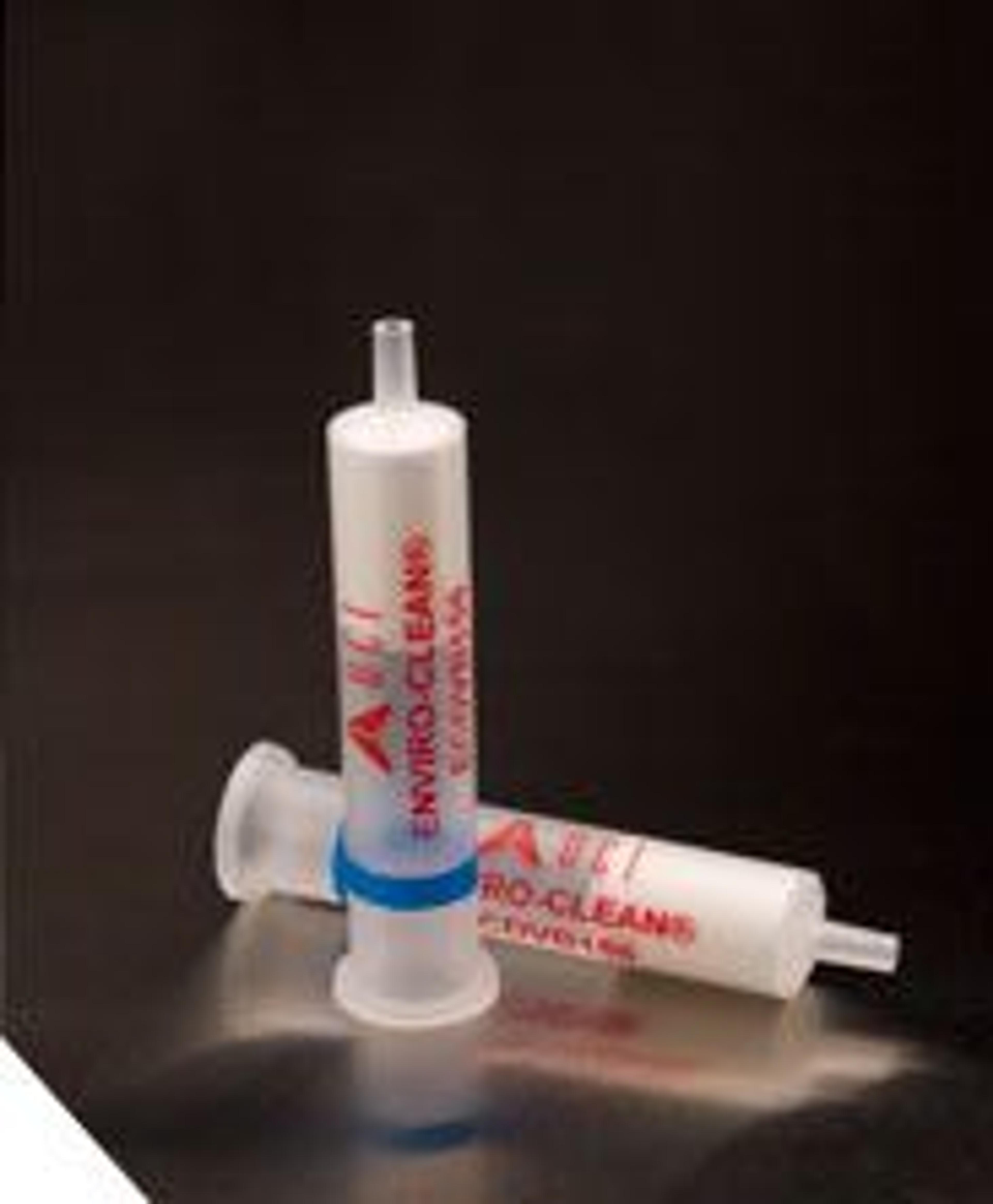
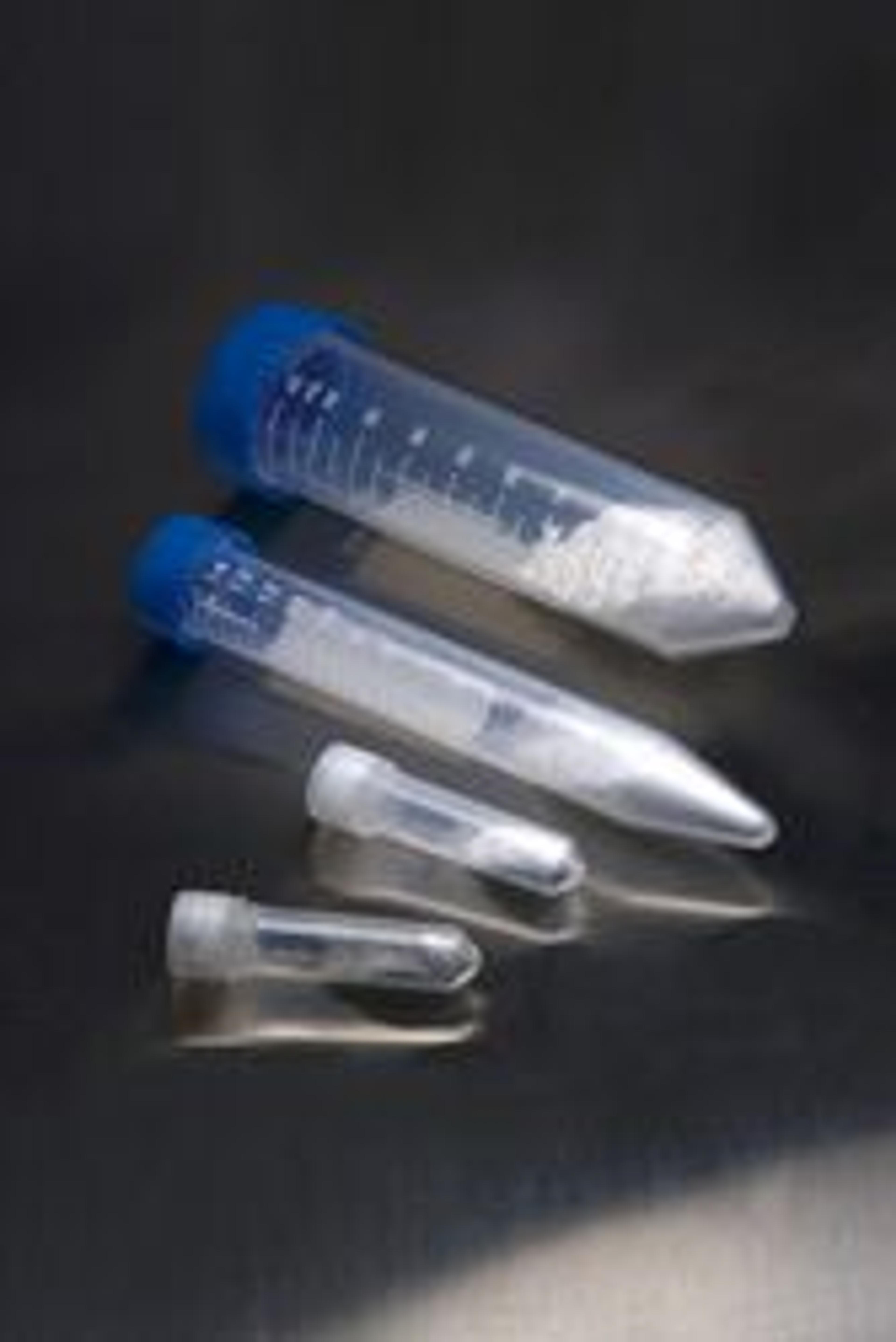
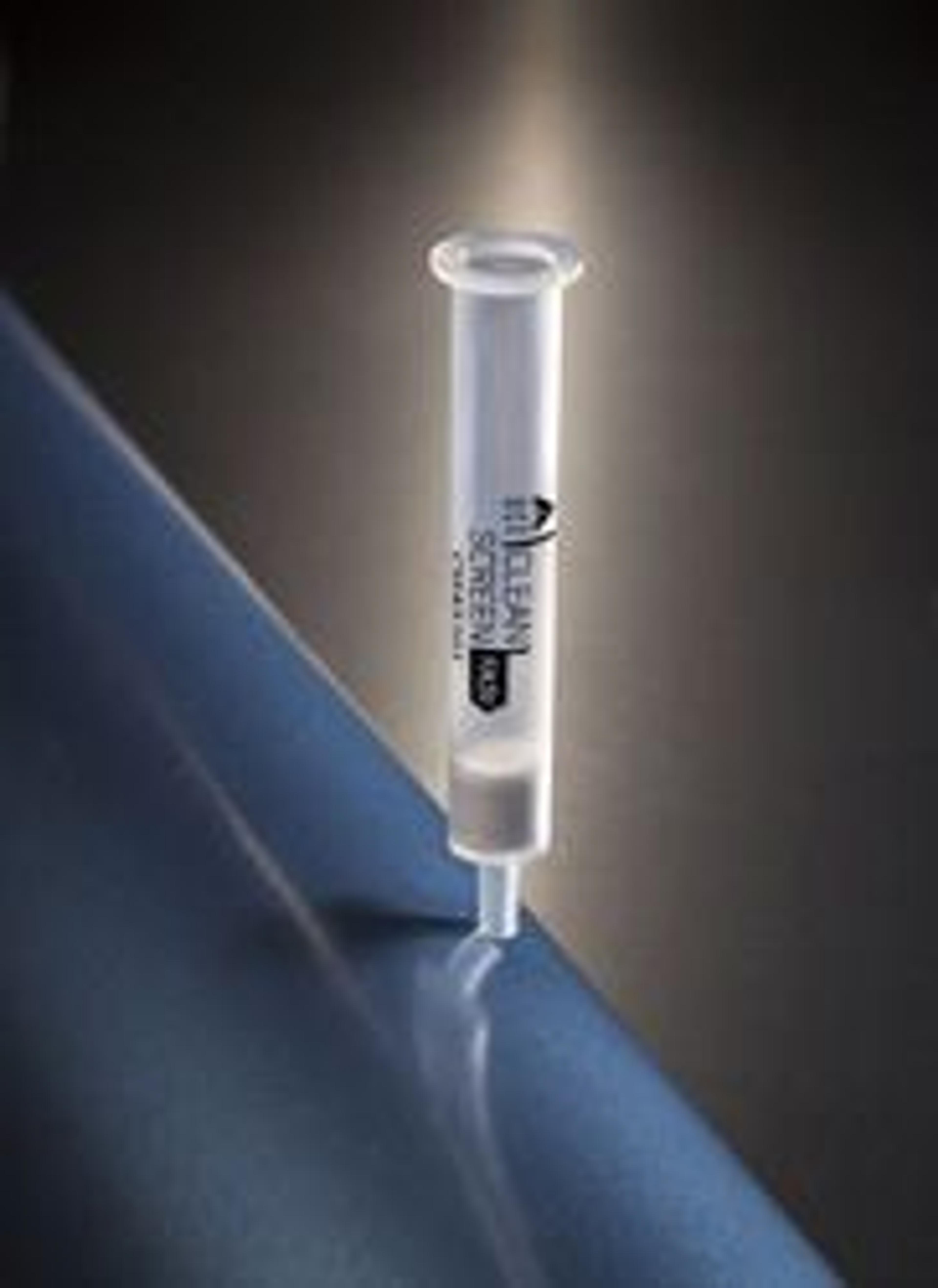
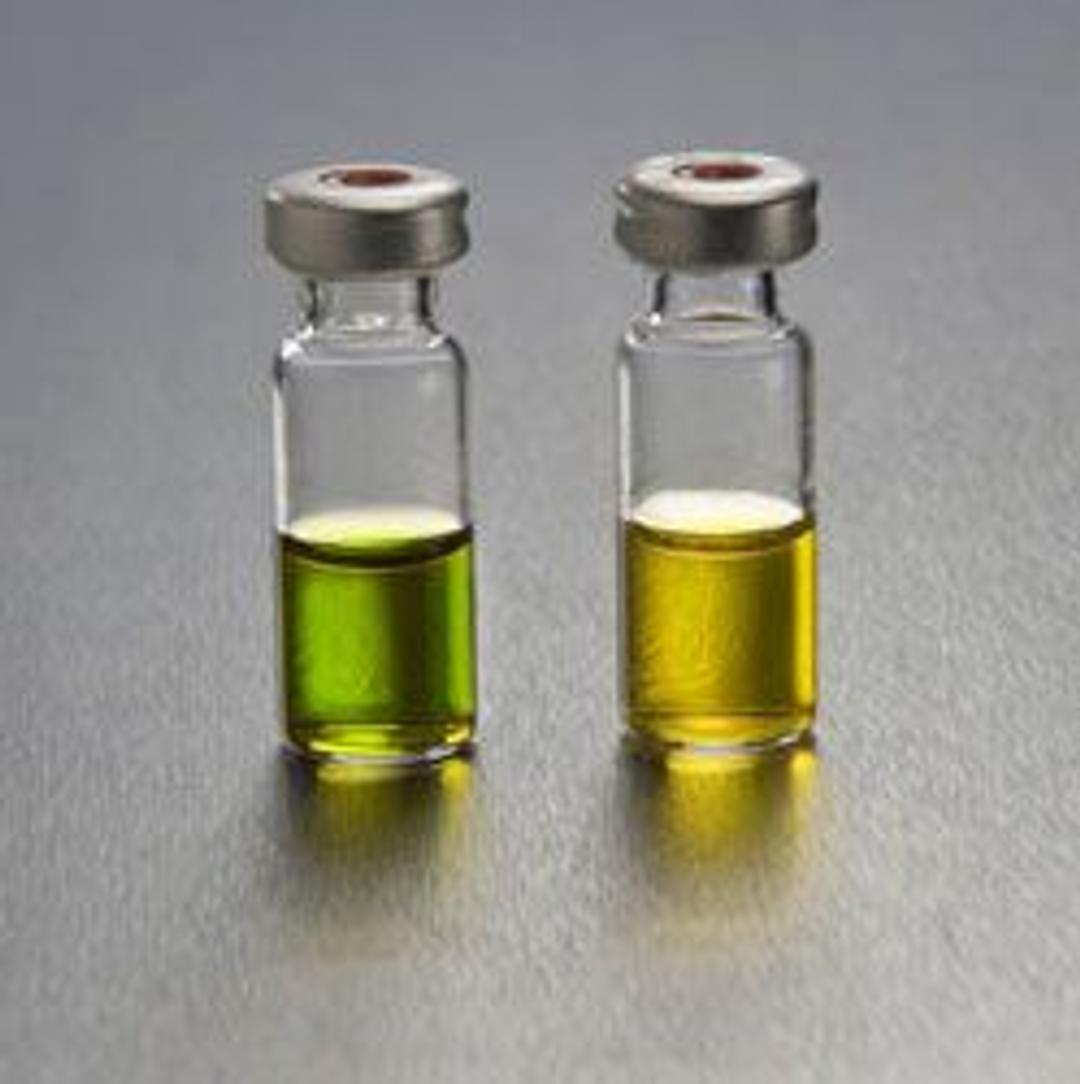
Chlorophyll in QuEChERS extracts must be removed to reduce potential instrument downtime. This is removed from extracts using graphitized carbon black (GCB) Unfortunately, GCB also removes planar analytes reducing analytical accuracy. ChloroFiltr®, used in place of GCB in dSPE tubes, removes unwanted chlorophyll without removing pesticides or environmental analytes. No change in procedure are required.

Receive your quote directly from the manufacturer.
Chlorophyll in QuEChERS extracts must be removed to reduce potential instrument downtime. This is removed from extracts using graphitized carbon black (GCB) Unfortunately, GCB also removes planar analytes reducing analytical accuracy. ChloroFiltr®, used in place of GCB in dSPE tubes, removes unwanted chlorophyll without removing pesticides or environmental analytes. No change in procedure are required.

Analysis of pesticide and mycotoxin residues in cannabis using QuEChERS extraction, ChloroFiltr dSPE cleanup and LC-MS/MS
UCT addresses the increasing interest in cannabis and cannabis-based products following recent legalization trends. These products, including concentrated oils and edibles, have raised concerns about pesticide and mycotoxin residues that can pose health risks upon chronic exposure. The favorable conditions for cannabis cultivation also promote mold and fungi growth, leading to the production of harmful mycotoxins like ochratoxin A and aflatoxins. Therefore, testing for the presence of pesticides and mycotoxins in cannabis is crucial to ensure consumer safety. UCT offers a straightforward method that can be valuable for research or production facilities seeking to implement regulatory testing in the context of widespread cannabis legalization.
Analysis of Pesticide Residues, Mycotoxins and Potency in Cannabis using QuEChERS Extraction, ChloroFiltr® dSPE Cleanup and LC-MS/MS
This application note outlines an all-in-one QuEChERS method for the simultaneous analysis of cannabis for 47 pesticides, 5 mycotoxins and 3 cannabinoids. Sample purification is carried out using UCT’s new cleanup product SpinFiltr™.
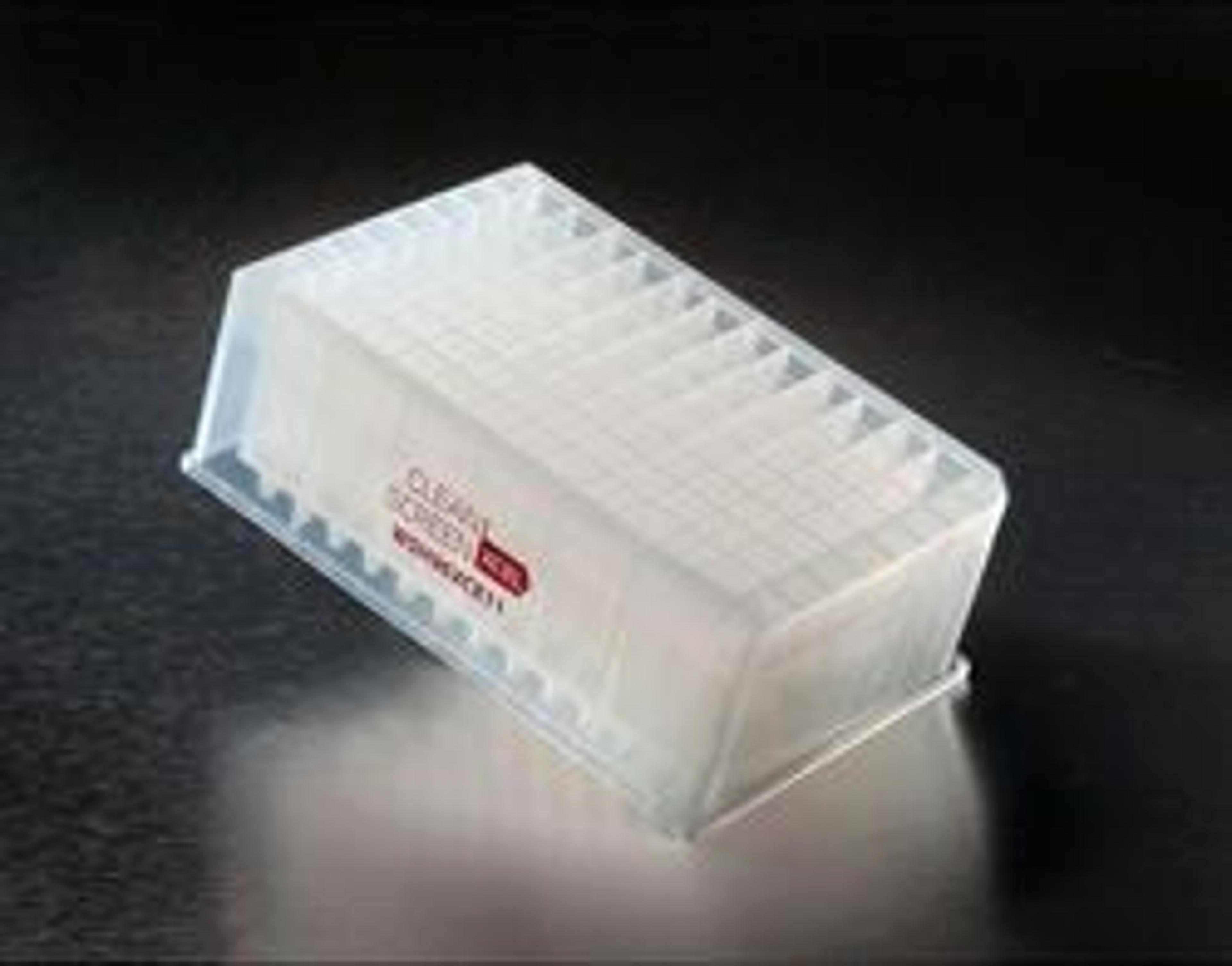
Analysis of 47 Pesticides in Cannabis for High Throughput Analysis: Traditional dSPE vs. Positive Pressure dSPE in a 96-well Plate
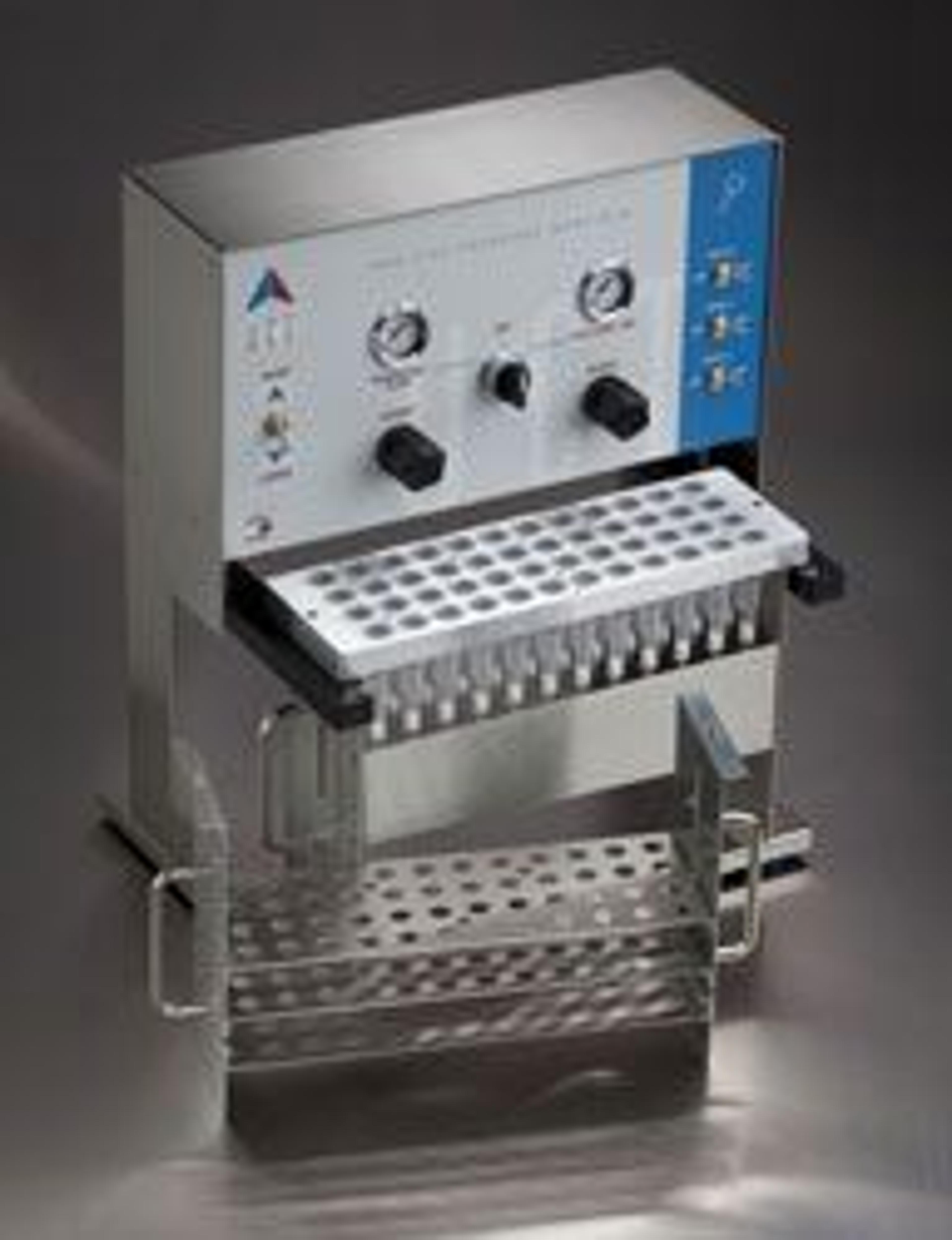
Cannabis markets are relatively new and vary significantly by state when it comes to the regulation of pesticides and mycotoxins, as well as uniform testing methods for potency. Therefore, quality control methods are necessary to ensure product safety and appropriate cannabinoid profiling. This study examines using a QuEChERS extraction approach coupled with either traditional dSPE clean-up versus UCT’s dSPE clean-up in well-plate format and Hamilton’s MPE2 Positive Pressure Extraction/Evaporation Module for the analysis of 47 pesticides in marijuana.
Thyroid Hormones in Serum and Plasma Using SPE Extraction and UHPLC-MS/MS Analysis
Thyroid hormones play an important role in many biological process such as growth, development and metabolism. Concentrations of circulating thyroid hormones are routinely used to assess thyroid function and diagnose thyroid disease, for correct diagnosis it is essential that the methods for quantifying the thyroid hormones are sensitive and accurate. In this application note a method development is described to measure the free and totally thyroid hormones using a mixed-mode SPE extraction procedure and UHPLCMS/MS analysis.
Determination of Mycotoxin Residues by LC-MS/MS Featuring Two Alternate Sample Extraction Procedures
Mycotoxins are toxic natural secondary metabolites and are produced by many species of fungi, while over 300 mycotoxins have been identified only a few of these pose a significant food or animal feed safety risk. They are still of concern however as they cannot be destroyed during food processing and heat treatment, therefore it is important that food can be analyzed to detect their presence. This application note describes a method to detect mycotoxins using LC-MS/MS with two different sample preparation steps.
Determination of Pesticide Residues in Marijuana by QuEChERS and LC-MS/MS
The medical use of marijuana has been legalized in many states in the USA. With this limited legalization and use of marijuana, the determination of pesticide residues becomes important. Patients taking medical marijuana in conjunction with other therapies may be more vulnerable to toxic substances, such as pesticides. This poster presents a robust and efficient method using the AOAC QuEChERS and LC-MS/MS techniques to determine pesticide concentrations in marijuana samples.
Determination of Carbendazim in Orange Juice using QuEChERS with LC/MS/MS Detection
The planar fungicide carbendazim (CASRN 10605-21-7) can be used to control mold on citrus crops but is not approved for use in the US or on imported products. This note presents a method where concentrations in citrus products can be rapidly and accurately determined using a QuEChERS extraction with dSPE cleanup. LOD and LOQ for this method are 0.4 and 1.4 ng/mL, respectively.