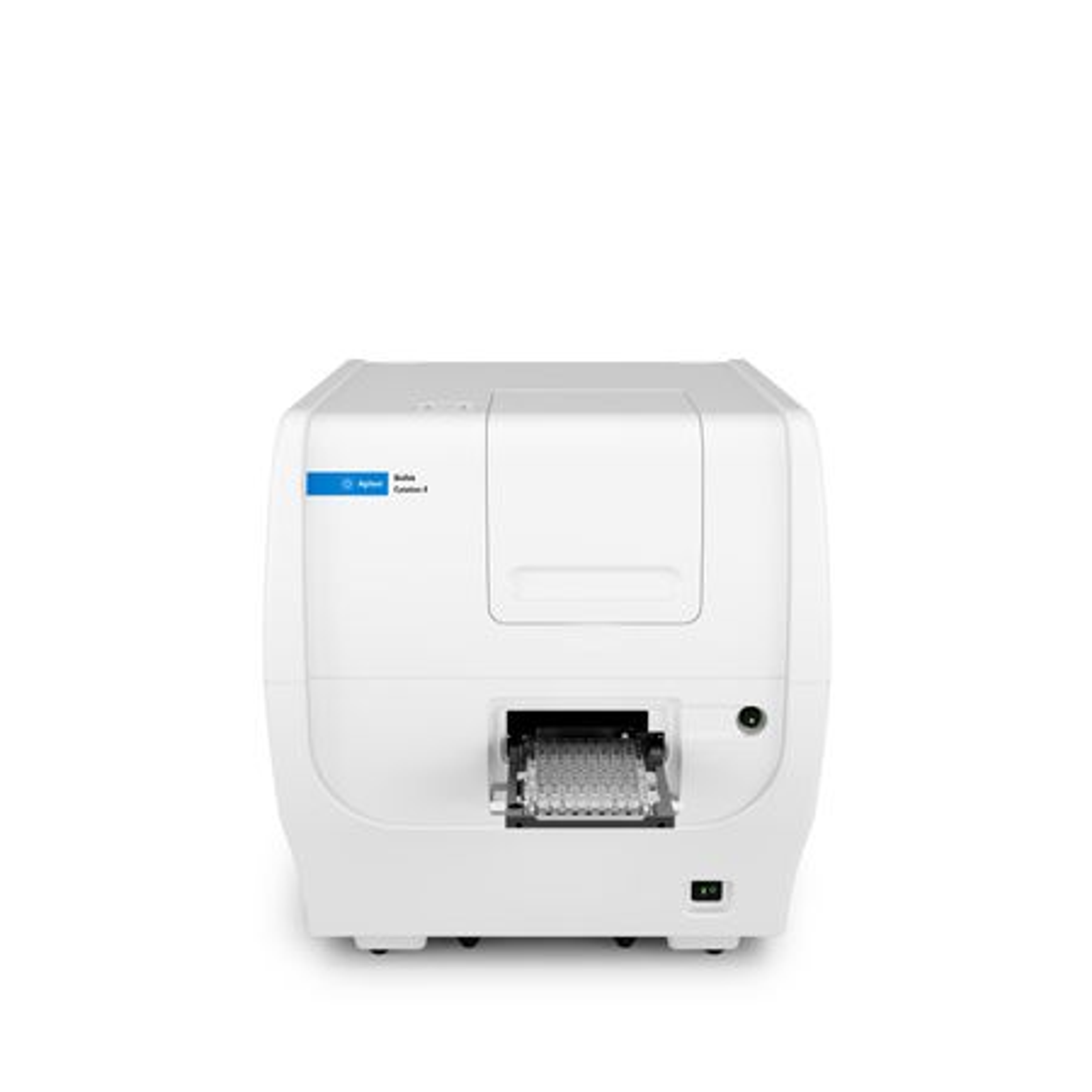
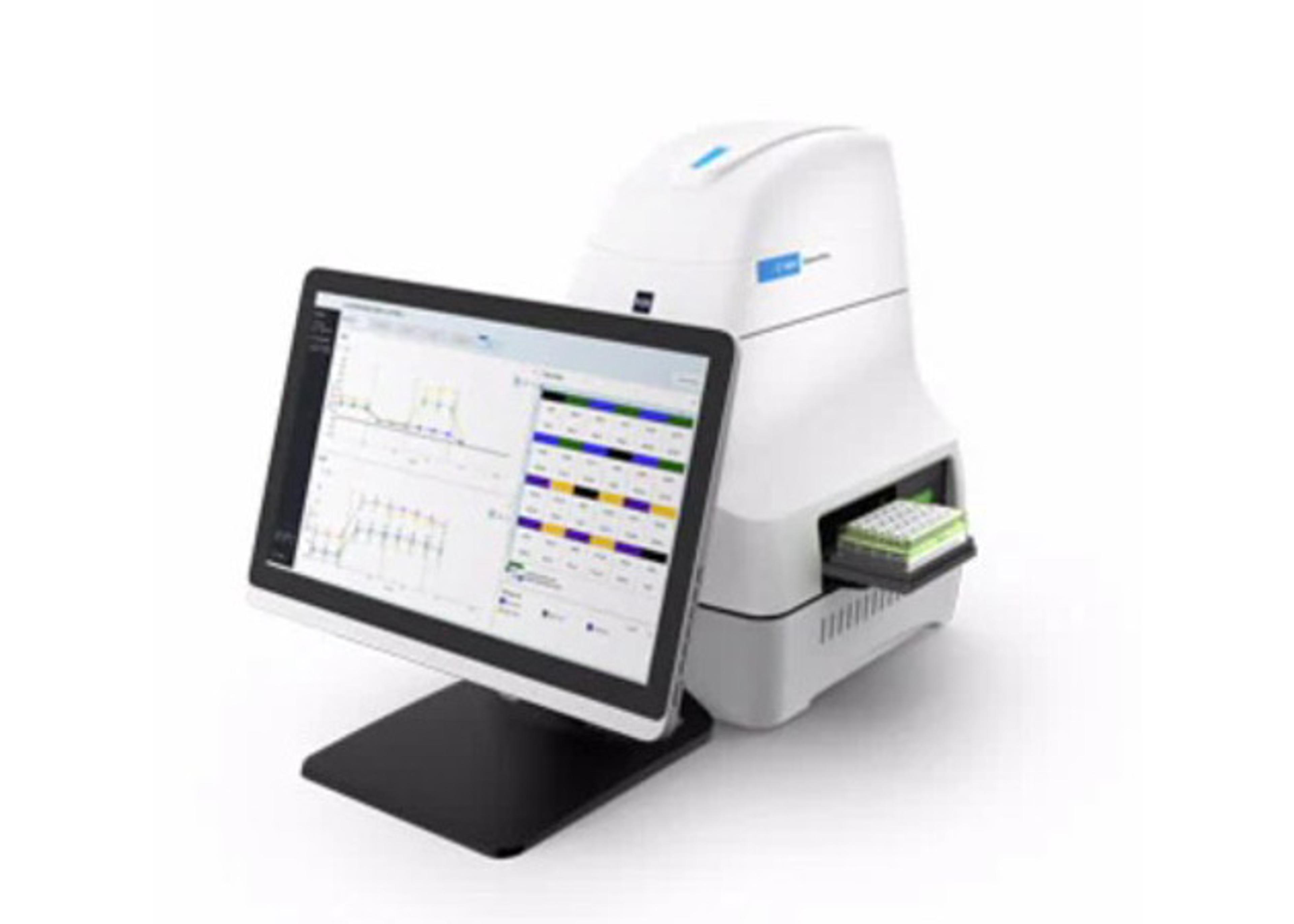
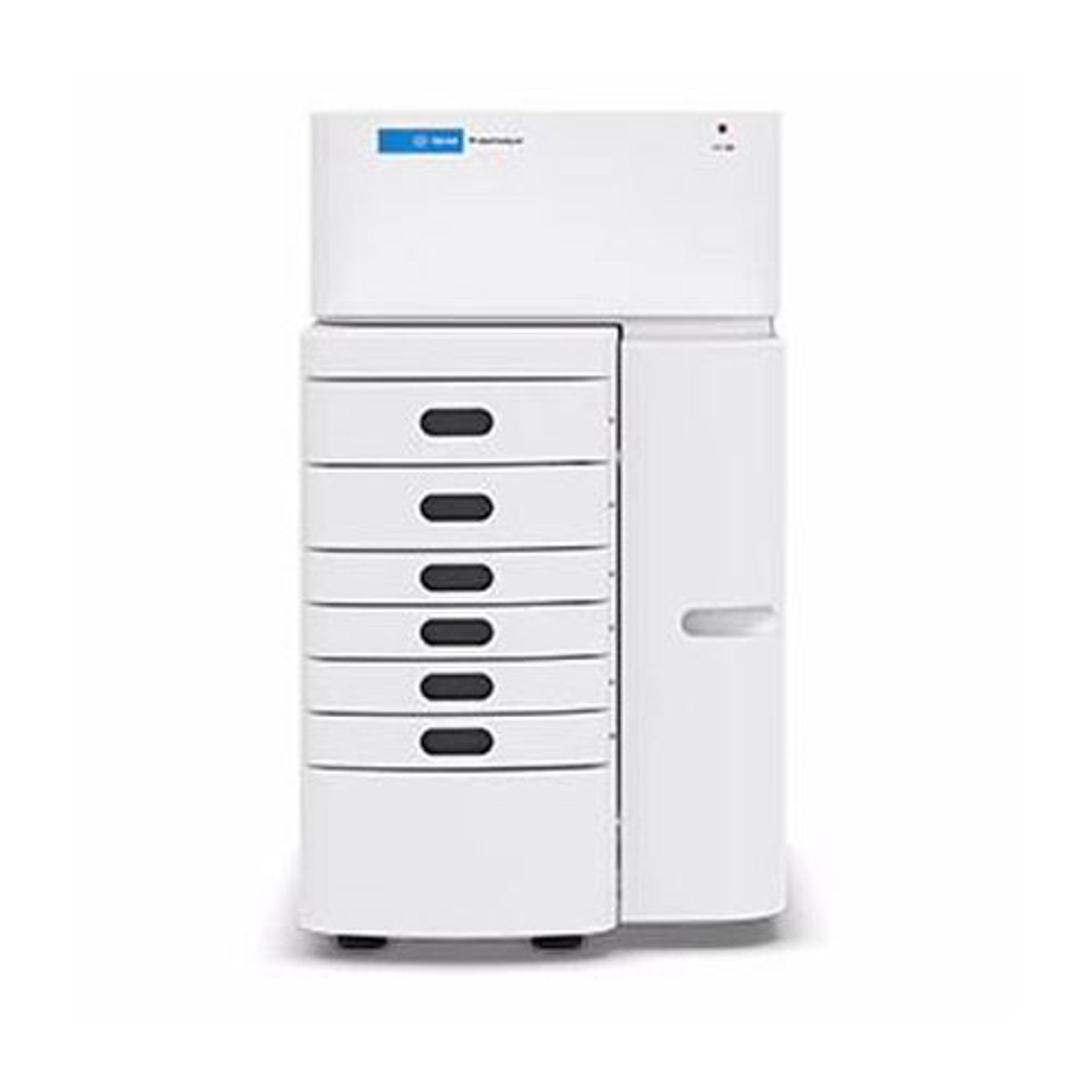
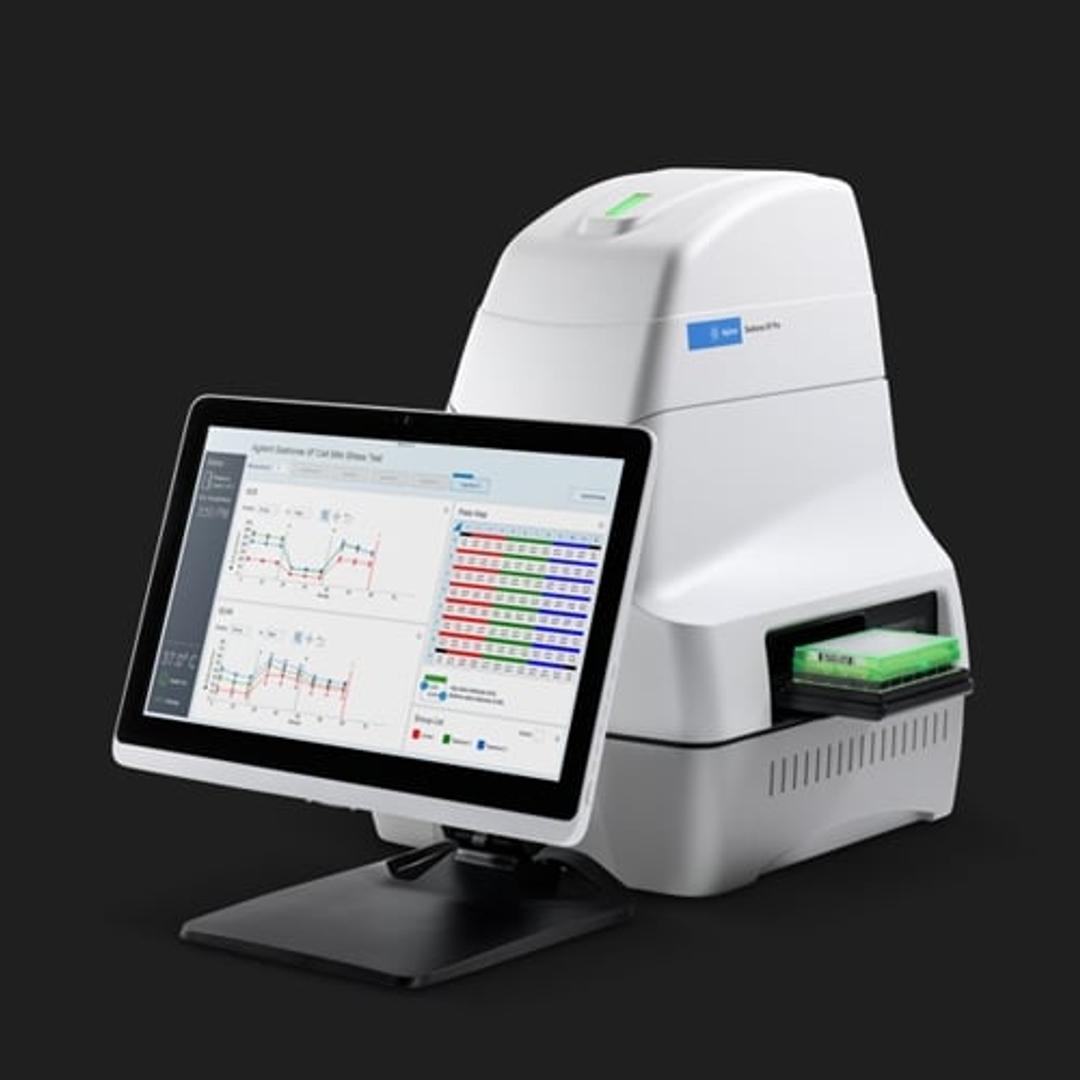
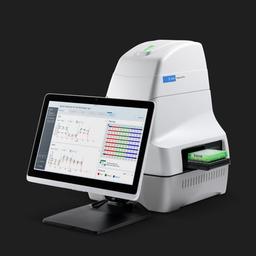
Seahorse XF Pro Analyzer
Measure mitochondrial respiration, glycolysis, and ATP production rates in live cells in a 96-well forma t, providing a system-level view of cellular energy metabolism and mitochondrial health. It combines enhanced sensitivity and data consistency with intuitive software and advanced data analytics, enabling users to streamline assay workflow from start to finish and generate and interpret metabolic data easily.




Receive your quote directly from the manufacturer.
Unmatched insights into cell metabolism
Cancer cell metabolism, innate immune cells
For us, this instrument has been critical for dissecting metabolic reprogramming in cancer and fibrosis models. Even subtle shifts in oxidative vs glycolytic balance are detectable, which has helped us define disease-specific bioenergetic fingerprints. Works well with primary cells, patient-derived samples, and established lines—important for both cancer, innate immunity, and fibrotic disease research. The ability to program multiple injections (substrates, inhibitors, drugs) within a single run allows mechanistic insights into mitochondrial function, stress response, and metabolic vulnerabilities. I like the option to have HTP assessments. Only thing to note- Specialized cartridges and sensor plates can be expensive, so planning experiments efficiently is important.
Review Date: 20 Sept 2025 | Agilent Technologies
Accurate data.
Biotechnology
User friendly software, used in different applications, effective results.
Review Date: 14 Feb 2023 | Agilent Technologies
Outstanding workstation!
Bioanalytical
Professional as always. Agilent provides the best methods than anyone else.
Review Date: 6 Feb 2023 | Agilent Technologies
200% this instrument is an integral part of my research, can't live without it.
Cancer Research
I have 7 years of experience with Seahorse and have been able to test several versions of the instrument over years. The XF Pro however met all my expectations. I was surprised that first I could get very stable signals with much lower number of cells, second, the measured values of OCR and ECAR were extremely accurate and third, the new analytic software helps also to identify outliers and indicates wells that need closer attention/verification. Additionally the new option of analyzing all assays in cloud base software space, is an additional advantage of this new released instrument. With hands on experience I can testify that XF Pro excels with its performance way beyond previous models and helps to extend the research questions confidently to immune oncology, aging and other related to metabolism urgent areas of research , helping to evaluate exhaustion of immune counterparts or identify mitochondrial toxicities in drug discovery setting. For me working with Seahorse its a jour
Review Date: 5 Feb 2023 | Agilent Technologies
Consistent data generation
Metabolomics
Very precise, easy to use, very efficient with data generation. Service is excellent.
Review Date: 3 Feb 2023 | Agilent Technologies
Great results
Metabolism in early drug discovery
The Agilent Seahorse XF is an easy experiment that give a lot of information related to the metabolism of the cells. Allows you compare treated cells with control. The cost of the experiment is cheap and the information about mitochondrial bioenergetic is a lot.
Review Date: 23 Jan 2023 | Agilent Technologies
Best instrument
OCR/ECAR
XF pro analyzer is effective to enhance critical aspects of live cell analysis which intern is helping researchers to expedite immunotherapy research
Review Date: 21 Jan 2023 | Agilent Technologies
Great results!
Metabolic analysis
Easy to use platform with amazing software, performance is good and very beautiful instant results
Review Date: 20 Jan 2023 | Agilent Technologies
Tricky at first, but a "must have" for all metabolism-related projects!
Crll Biology, Metabolism, Drug development
The Seahorse XF Analyzers are the unique pieces of equipment able to efficiently measure energy metabolism from alternative sources with live cells in real time. It can also be adapted to characterize freshly isolated organelles, and its design is optimized to test the effect of drugs. It may be tricky to setup the assays at the beginning, and replicates are mandatory if cells do not attach firmly to the wells surface. But once optimized, its results are unvaluable!
Review Date: 20 Jan 2023 | Agilent Technologies
Agilent Seahorse XF Pro Analyzers measure the oxygen consumption (OCR) and extracellular acidification rate (ECAR/PER) of live cells in a 96-well format. The XF Pro Analyzer features better OCR precision at low rates, verified instrument performance and repeatability specifications, optimized temperature control, and is automation enabled.
OCR and ECAR or PER are key indicators of mitochondrial respiration and glycolysis as well as ATP production rate. Together, these measurements provide a systems-level view of cellular metabolic function in cultured cells and ex vivo samples.
Advanced data analytics are now available with Agilent Seahorse Analytics. Agilent Seahorse XF Pro software features new tools for easier plate set up, plate layout importation, heat map view, and dose response curve view. A new data quality view automatically flags erroneous data and makes it easier to reject outlier data points.
Brochures

Agilent Seahorse XF live-cell metabolism solutions for immunology research
Immune cells are highly integrated, and rely on a cascade of signaling, networks, and checkpoints to regulate cellular processes. Conventional analytical approaches such as immunophenotyping, cytokine assays, and pathway profiling provide a comprehensive view of immune cell fate and function after the immune cell is committed to a particular outcome. Download this brochure to see how the Agilent Seahorse XF Analyzer provides real-time monitoring of energy metabolism for insights into the immediate-to-early functions of immune cells, and for a more complete understanding of immune cell biology.
Understanding toxicity and formation of chlorinated products of 1,3 diphenylguanidine (DPG) in water
In this application note, Agilent Technologies presents the evaluation of 1,3-diphenylguanidine (DPG) and five of its chlorinated derivatives’ effects on cell heath and bioenergetics using the Agilent xCELLigence RTCA eSight and Agilent Seahorse XF96 extracellular flux analyzer. 1-(2,4-dichlorophenyl)-3-phenylguanidine (CC15) and 1-(4-chlorophenyl)-3-(2,4-dichlorophenyl) guanidine (CC11) were the least and most cytotoxic compounds, respectively, except for DPG, which was the most cytotoxic. Real time cell analysis (RTCA) results were similar to traditional alamarBlue cell viability assay results. The Seahorse XF96 analyzer results indicated that, except for 1,3-bis-(2-chlorophenyl) guanidine (CC04), all of the DPG compounds tested had adverse effects on cell bioenergetics. While the compounds’ limited effects on mitochondrial basal respiration and ATP production might be short lived, the significant effect on proton leakage suggested irreversible mitochondrial damage.
Identifying metabolic phenotype switches in cancer cells in an hypoxic environment
Decreased oxygen levels, or hypoxia, and hypoxic-mediated signaling play an important role in the pathology of diseases including stroke, ischemic heart disease, renal fibrosis, and cancer. In this application note, learn more about the metabolic differences in MCF-7 human breast cancer cells cultured and assayed at either ambient or 5 % oxygen levels, by measuring mitochondrial respiration and glycolytic activity using the Agilent Seahorse XF Analyzer and XF Hypoxia Rate Calculator.
Assessing T cell bioenergetic poise and spare respiratory capacity using extracellular flux analysis
The Agilent Seahorse XF T Cell Metabolic Profiling kit is a robust solution for the complete real-time assessment of T cell metabolism. In this application note, learn more about using the Agilent kit to assess the impact of the medium composition during T cell expansion following the XF T Cell Persistence Assay workflow. This workflow allows for the evaluation of glycolysis and mitochondrial activity and capacity simultaneously, providing a comprehensive metabolic profile of T cells that can be incorporated into monitoring and improving the design and development of T cell therapies.
Investigating the effects of respiratory syncytial virus infection on host cell mitochondrial function
Pathogenic viruses have different strategies to ensure ideal environments for their replication and spread, and have evolved to alter numerous host cell pathways. A greater understanding of these metabolic alterations required for viral replication may lead to innovative therapeutic tactics through targeted modification of specific mitochondrial functions or pathways. In this application note, learn about how the Agilent Seahorse XF technology delivers a real-time view of the fundamental processes of energy metabolism in live cells. Understand how this capability enables convenient interrogation of the metabolic implications of pathogen infection on host cells, including those specific to mitochondrial function, offering new insights on key host-pathogen interactions.
A customized XF workflow for detection and characterization of mitochondrial toxicity
Learn more about the Agilent Seahorse XF Mito Tox Assay, a customized XF solution that allows the detection and quantitative assessment of compounds eliciting mitochondrial toxicity. This application note provides proof of concept and examples for compound screening, dose-response experiments using the XF Mito Tox assay, and interpretation of resulting data using the Mito Tox Index (MTI). It also presents a discussion of strategic assay design, performance metrics, and specific cases when using the XF Mito Tox Assay.
Using extracellular flux analysis to assess T cell bioenergetic poise and spare respiratory capacity
In this application note, learn more about the use of the Agilent XF T cell metabolic profiling kit. This new product uses an improved uncoupler (BAM15) for more consistent and accurate measurements of T cell bioenergetic capacity with less concentration optimization required than FCCP. It can be used to assess the impact of the medium composition during T cell expansion following the Agilent XF T Cell Persistence Assay workflow. This workflow allows for the evaluation of glycolysis and mitochondrial activity and capacity simultaneously, providing a comprehensive metabolic profile of T cells that can be incorporated into monitoring and improving the design and development of T cell therapies.
Rapid bioenergetic functional screening of anticancer drug candidates
The regulation of cellular bioenergetics is recognized as a key driver of cancer cell proliferation. A new workflow for rapid functional screening of agents modulating cancer cell metabolism is applied using the Agilent Seahorse XF Real-Time ATP rate assay combined with up-to-date data analysis software. This application note introduces how informative the XF Real-Time ATP rate assay data is in selecting metabolic modulators and evaluating drug potency. A workflow of anticancer drug screening with a kinase inhibitor library is also demonstrated. This workflow can be used to identify drug compounds targeting cancer cell metabolism or druggable targets that impact mitochondrial and glycolytic metabolism.
Mitochondrial toxicity in drug discovery
Mitochondria are critical regulators of normal cell function and health; consequently, their dysfunction plays a central role in many diseases. Drug-induced mitochondrial dysfunction has been linked to compound attrition, organ toxicity, black-box warnings, and market withdrawals, therefore it is important to identify mitochondrial toxicity during the early stages of the drug discovery process. Download this infographic to explore the impact of mitochondrial toxicity and learn of the benefits of novel in-vitro strategies for drug safety.

Rewiring the metabolism of CAR-T cells
Join Professor Mercedes Rincon, University of Colorado Anschutz School of Medicine, as she discusses the groundbreaking advancements in adoptive T cell therapy, particularly chimeric antigen receptor (CAR) T cell therapy. While CAR-T therapy has achieved impressive complete remission rates in 60–90% of patients with relapsed/refractory B-cell acute lymphoblastic leukemia (r/r-B-ALL), challenges such as treatment failures and relapses remain significant obstacles.
Metabolism plays a critical role in T cell function, shaping immune responses. While glycolysis is essential for T cell expansion, it can restrict the self-renewal capacity of CAR-T cells during manufacturing. Mitochondrial respiration is vital for their survival and effectiveness. Recent findings have highlighted MCJ, a protein that negatively regulates mitochondrial function in CD8 cells. Loss of MCJ enhances mitochondrial respiration, cytokine secretion, and anti-tumor activity. Targeting MCJ to boost mitochondrial metabolism presents a promising strategy to enhance the efficacy of CAR-T cells and advance adoptive T cell therapies.
Key learning objectives
- Understand the current landscape of adoptive T-cell therapy
- Explain the role of metabolism in T cell function, highlighting the significance of glycolysis and mitochondrial respiration in enhancing CAR-T cell efficacy
- Identify the potential of MCJ as a therapeutic target to improve mitochondrial metabolism, cytokine secretion, and overall effectiveness of CAR-T cell therapies
Who should attend?
- Researchers and scientists specializing in CAR T-cell therapy, immunotherapy development, cell metabolism, glycolysis, and mitochondrial respiration.
Certificate of attendance
All webinar participants can request a certificate of attendance, including a learning outcomes summary, for continuing education purposes.
In process assessment of critical process parameters impacting CAR T-cell potency, metabolic fitness and phenotype
Thursday, January 9 at 16:00 GMT | 17:00 CET | 11:00 EST | 08:00 PST
Chimeric Antigen Receptor (CAR) T-cell therapy has emerged as a promising therapeutic approach for several cancers. Despite the growing interest, the widespread use of CAR T-cell therapies has been restricted due to their high cost and the challenges that arise when compared with traditional methods for manufacturing and product QC. Developing sensitive and reliable analytics to characterize CAR-T products' critical quality attributes (CQAs) and tailoring the cell expansion process to achieve these CQAs provides tools for a more consistent manufacturing process.
Join Dr. Laurissa Ouaguia, Scientist, Reagents and Application Development, Agilent Technologies, as she discusses Agilent’s portfolio of cell analysis tools. She will also demonstrate how they can be applied during the production of CAR T-cells using the functionally closed and automated Lonza Cocoon® Platform for cell manufacturing. This approach provides a deeper understanding of the immune phenotype, metabolic fitness, and cytotoxic function of the CAR T-cells throughout the production, allowing for more informed process development.
Certificate of attendance
If you attend the live webinar, you will automatically receive a certificate of attendance, including a learning outcomes summary, for continuing education purposes.
If you view the on-demand webinar, you can request a certificate of attendance by emailing editor@selectscience.net.
Webinar details
- Cost: Free to attend
- Location: Online
- Duration: 60 minutes
Registration is required to secure your place. If you register but can’t attend live, you will receive a link to the on‑demand recording once it becomes available.
Explore how the Agilent Seahorse XF Pro Analyzer can identify cancer malignancy
In this video from Agilent Technologies, learn more about how accessibility to appropriate tools enables the progression of science by being able to answer questions in a relevant way. Discover the Agilent Seahorse XF Pro Analyzer which has enabled the research of metabolism during cell equilibrium, transforming the ability to address discrete metabolic phenotypes and correlate them with cancer malignancy.

The biopharma innovations transforming patient health
Explore innovations such as oligonucleotide therapeutics, bi-specific antibodies, CAR-T therapy and CRISPR

The top 10 products accelerating pharmacology
Advancing drug discovery and development through cutting-edge innovations

Superior CAR T-cells: Safe and effective serial killers of solid tumors
Discover how bispecific-antibody-armed, metabolically enhanced headless CAR T-cells mediate high levels of cytotoxicity directed at solid tumors