
Understanding toxicity and formation of chlorinated products of 1,3 diphenylguanidine (DPG) in water
1 Nov 2023In this application note, Agilent Technologies presents the evaluation of 1,3-diphenylguanidine (DPG) and five of its chlorinated derivatives’ effects on cell heath and bioenergetics using the Agilent xCELLigence RTCA eSight and Agilent Seahorse XF96 extracellular flux analyzer. 1-(2,4-dichlorophenyl)-3-phenylguanidine (CC15) and 1-(4-chlorophenyl)-3-(2,4-dichlorophenyl) guanidine (CC11) were the least and most cytotoxic compounds, respectively, except for DPG, which was the most cytotoxic. Real time cell analysis (RTCA) results were similar to traditional alamarBlue cell viability assay results. The Seahorse XF96 analyzer results indicated that, except for 1,3-bis-(2-chlorophenyl) guanidine (CC04), all of the DPG compounds tested had adverse effects on cell bioenergetics. While the compounds’ limited effects on mitochondrial basal respiration and ATP production might be short lived, the significant effect on proton leakage suggested irreversible mitochondrial damage.
Related products
Request Quote for All Products
Seahorse XF Pro Analyzer
Agilent TechnologiesMeasure mitochondrial respiration, glycolysis, and ATP production rates in live cells in a 96-well forma t, providing a system-level view of cellular energy metabolism and mitochondrial health. It combines enhanced sensitivity and data consistency with intuitive software and advanced data analytics, enabling users to streamline assay workflow from start to finish and generate and interpret metabolic data easily.
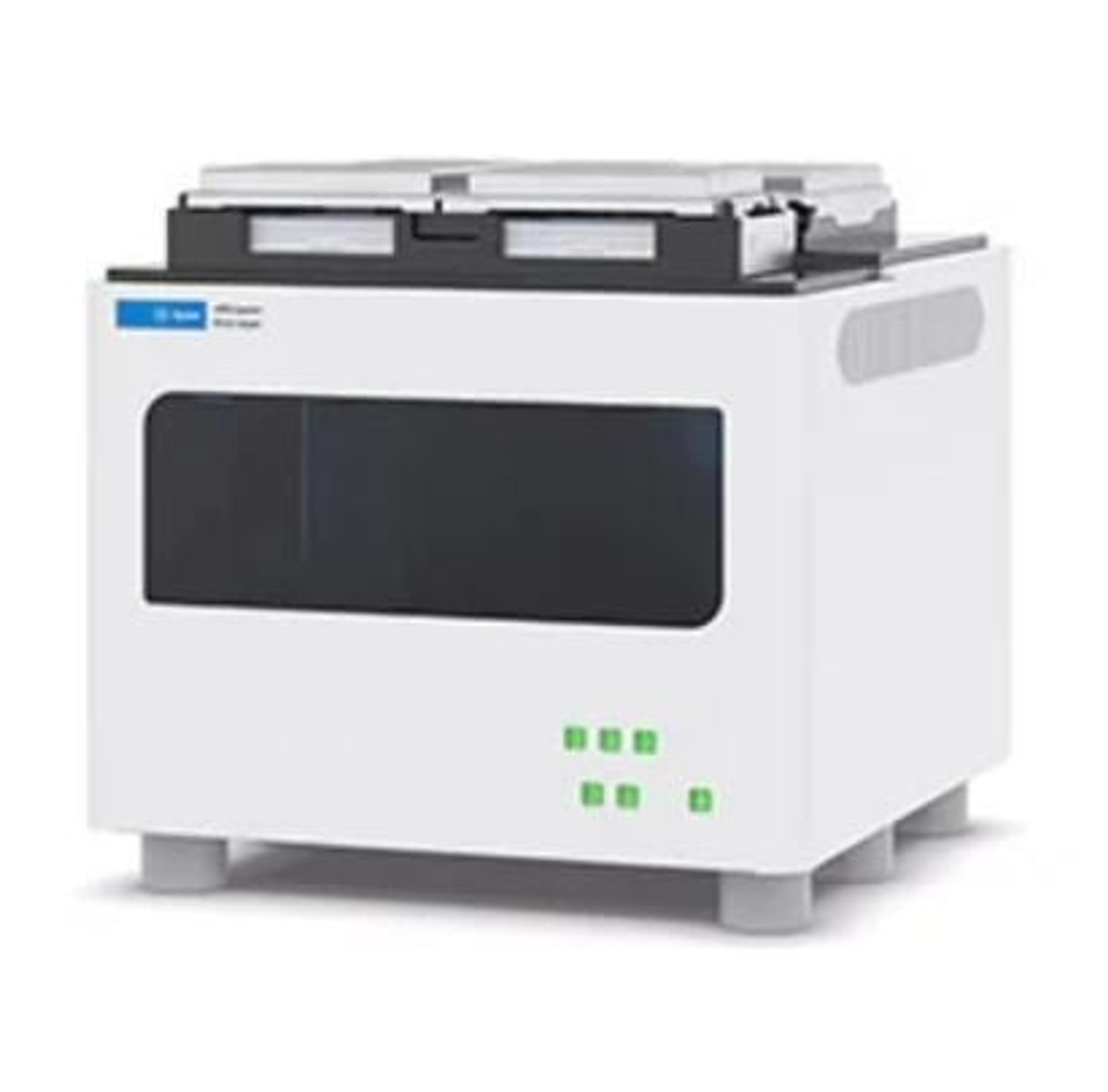
xCELLigence RTCA eSight
Agilent TechnologiesThe power of live cell imaging now combined with the sensitivity of xCELLigence Biosensor RTCA Technology