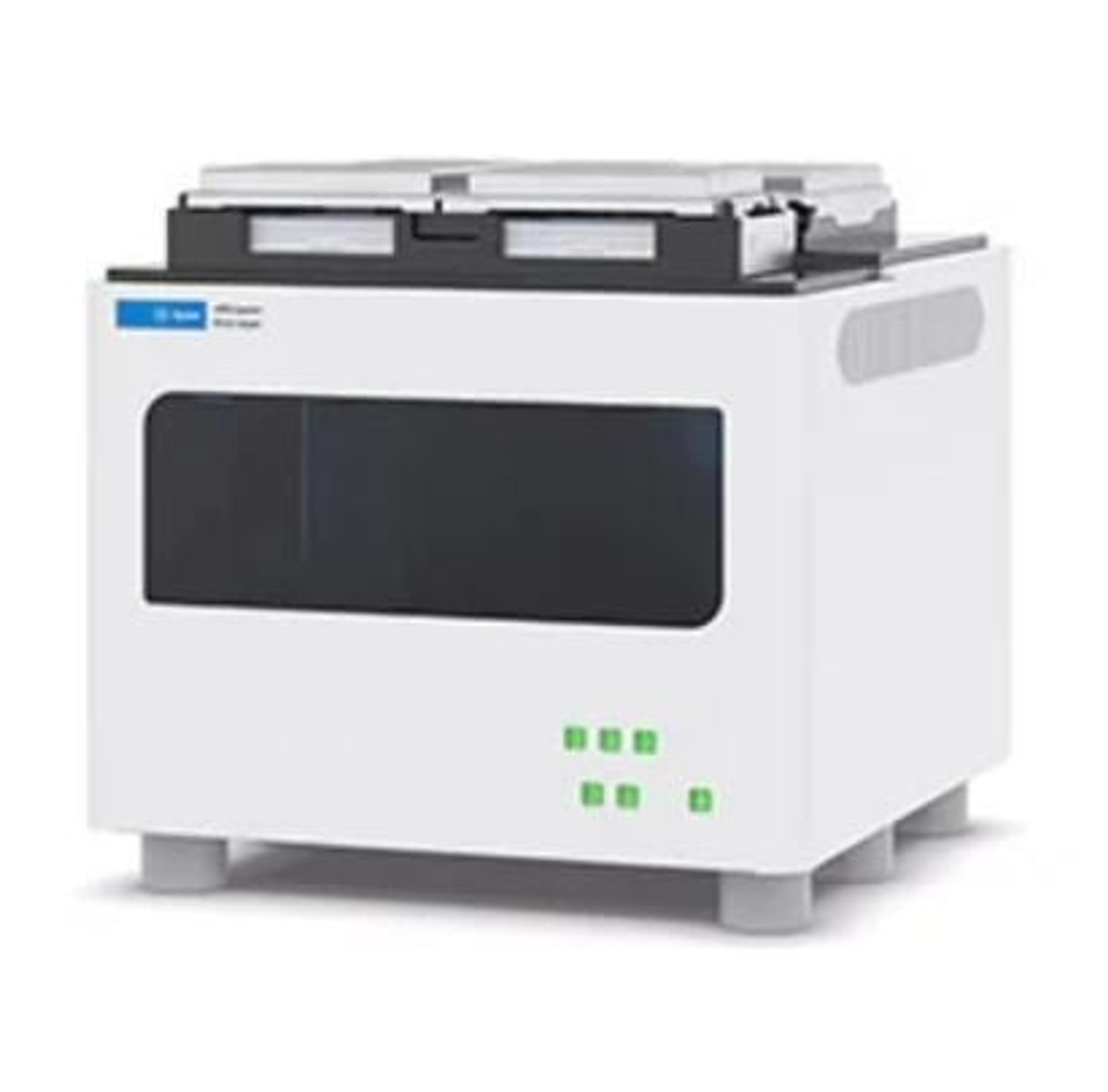
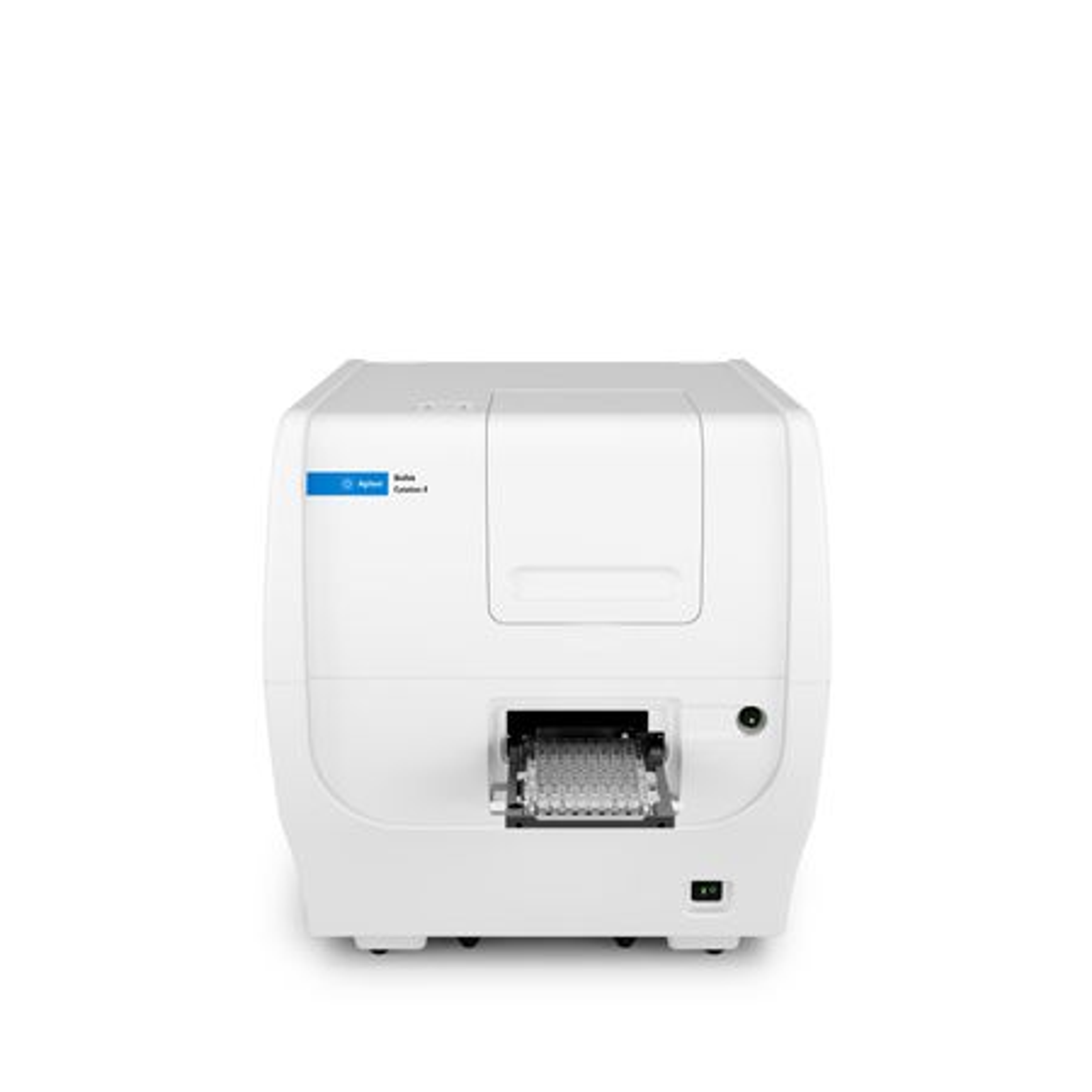
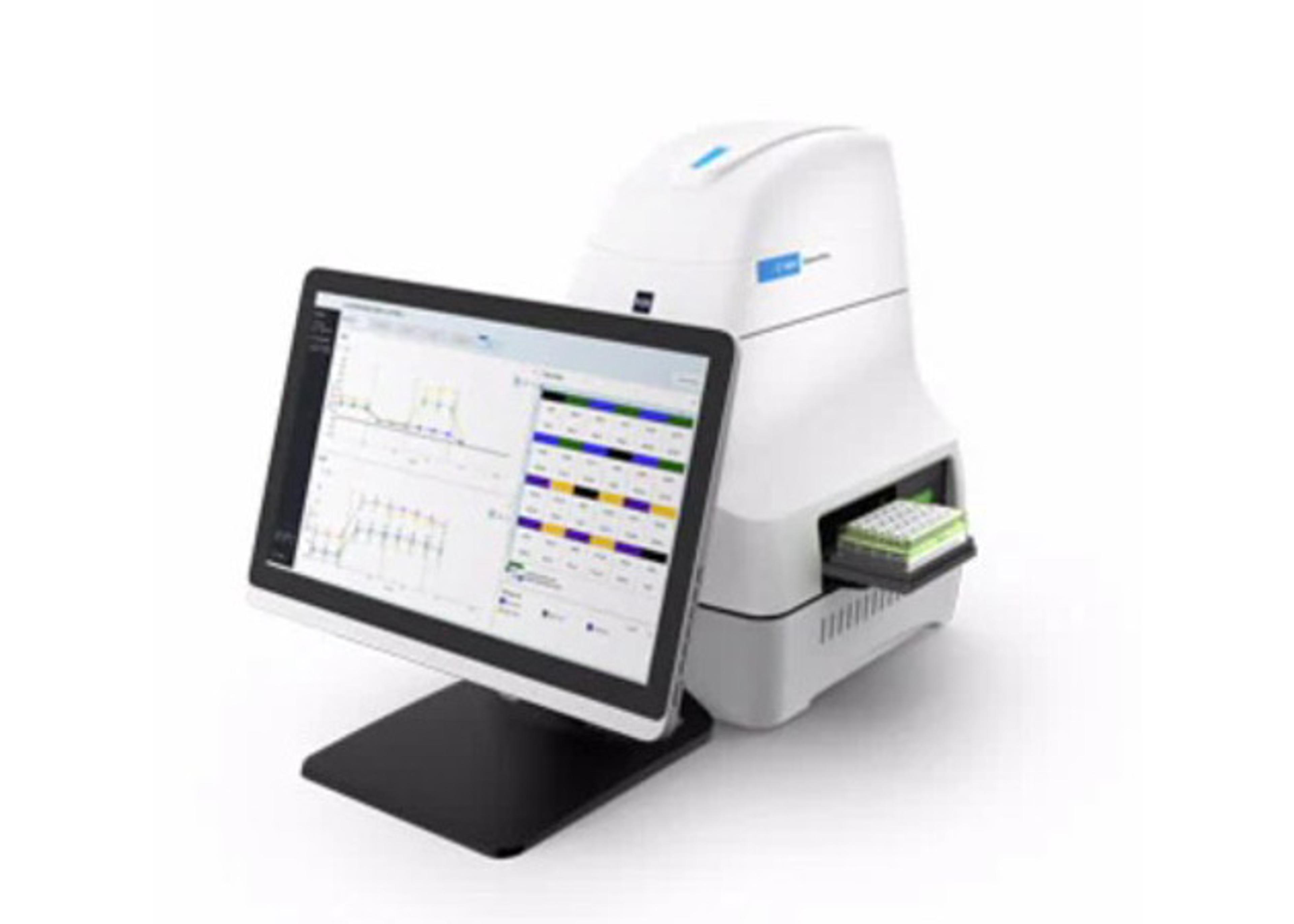
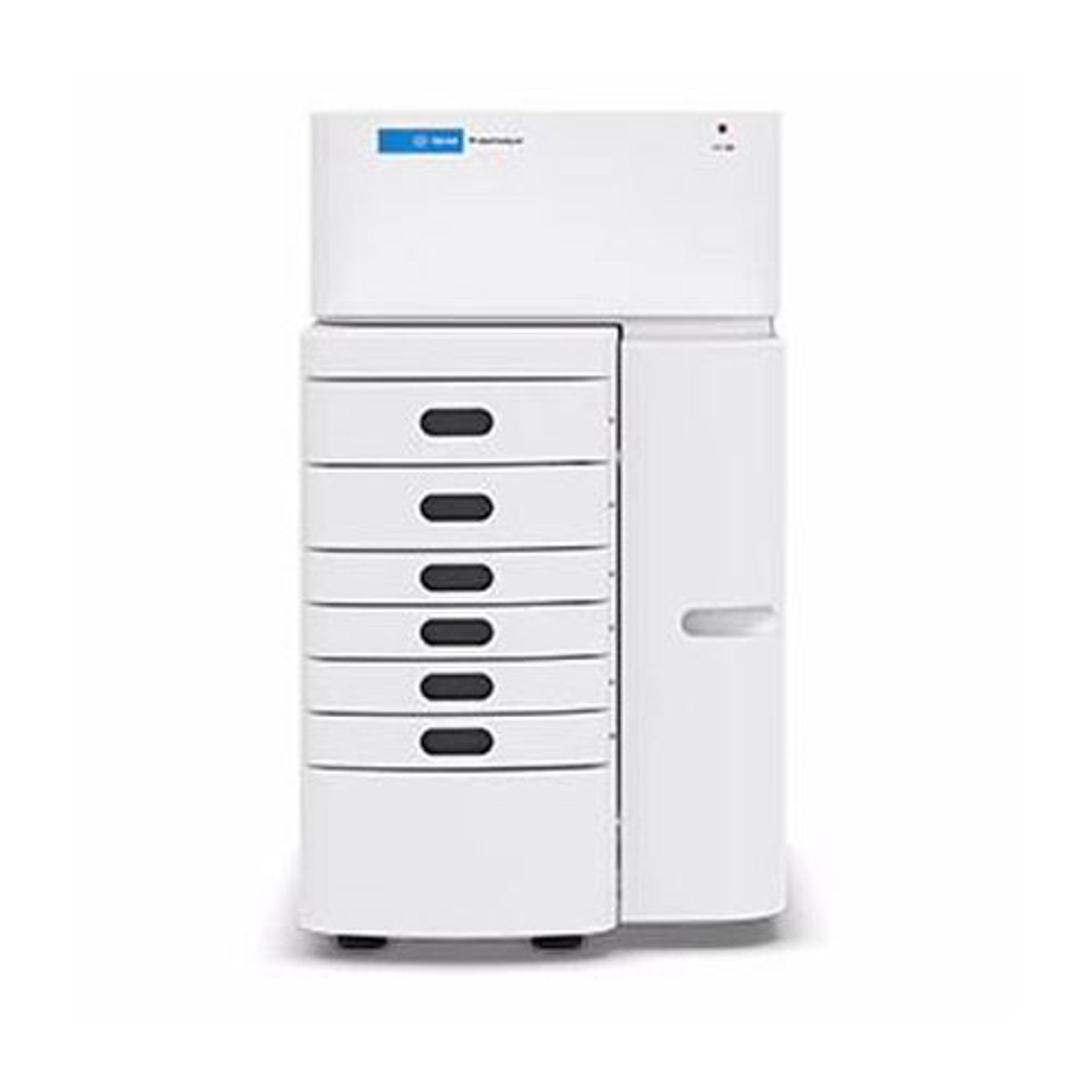
xCELLigence RTCA eSight
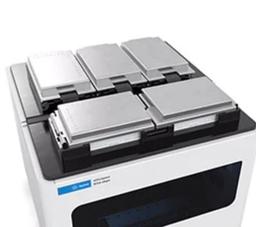
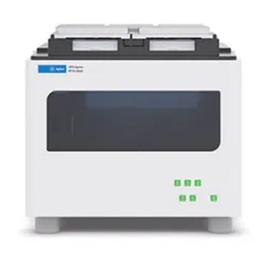
The power of live cell imaging now combined with the sensitivity of xCELLigence Biosensor RTCA Technology


Receive your quote directly from the manufacturer.
All great, easy to use, many applications, great software, multitasking
Cell death
All is amazing
Review Date: 27 Oct 2025 | Agilent Technologies
Tool to advance cell-based immunotherapies
NK cell cytotoxicity
A sophisticated tool for advancing cell-based cytotoxicity assays to monitor long-term effects. It not only measures cell-induced tumor killing but also offers insights into the survival and functional retention of effector cells within tumor microenvironments or other immunosuppressive conditions.
Review Date: 13 Oct 2025 | Agilent Technologies
Excellent system
Immunotherapy research
eSight system really benefits and expedites the progress of cell and gene therapy product development. It facilitates the evaluation of effector cell and gene products with real-time imaging and data collection on cell growth, cytotoxicity effect etc.
Review Date: 7 Oct 2025 | Agilent Technologies
Esight system
Cancer research
The Esight system is easy to use and it gives you cell killing activity of drug of interest in real-time and also provides images of cells. You can use Caspase-3 activity. This is very valuable simultaneous analysis with kinetics of killing and imaging of cells.
Review Date: 3 Oct 2025 | Agilent Technologies
Rich multiplexed data to build rigor
Cell adhesion, growth, apoptosis, senescence, 3D assays
It is difficult to build rigor in any experiment when conducting it with few endpoints in mind. Endpoint assays hide dynamics. eSIGHT allows us to track readouts over time, a powerful way to walk away with the peace of mind that cell death/adhesion/growth kinetics will not be missed. Real-time data allows monitoring kinetics. It also allows for multiple well formats. I also find it very intuitive and easy to use. When conducting 3D readouts, we have been able to monitor growth rates (but of course had to sacrifice impedance). Only drawback is that specialized E-Plates which are expensive, but totally worth it when one cares about dynamics.
Review Date: 20 Sept 2025 | Agilent Technologies
Great added-value, awesome instrument.
Immunotherapy
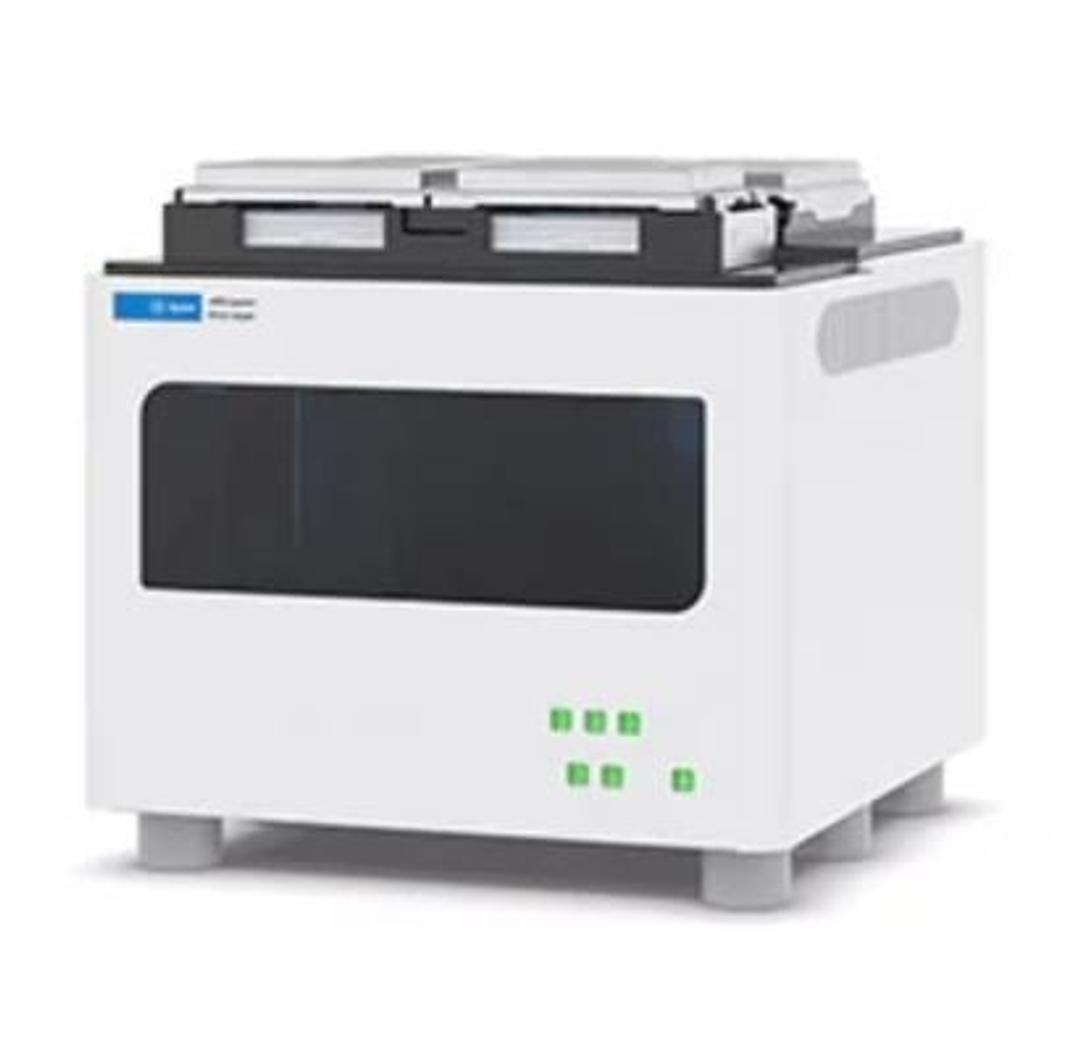
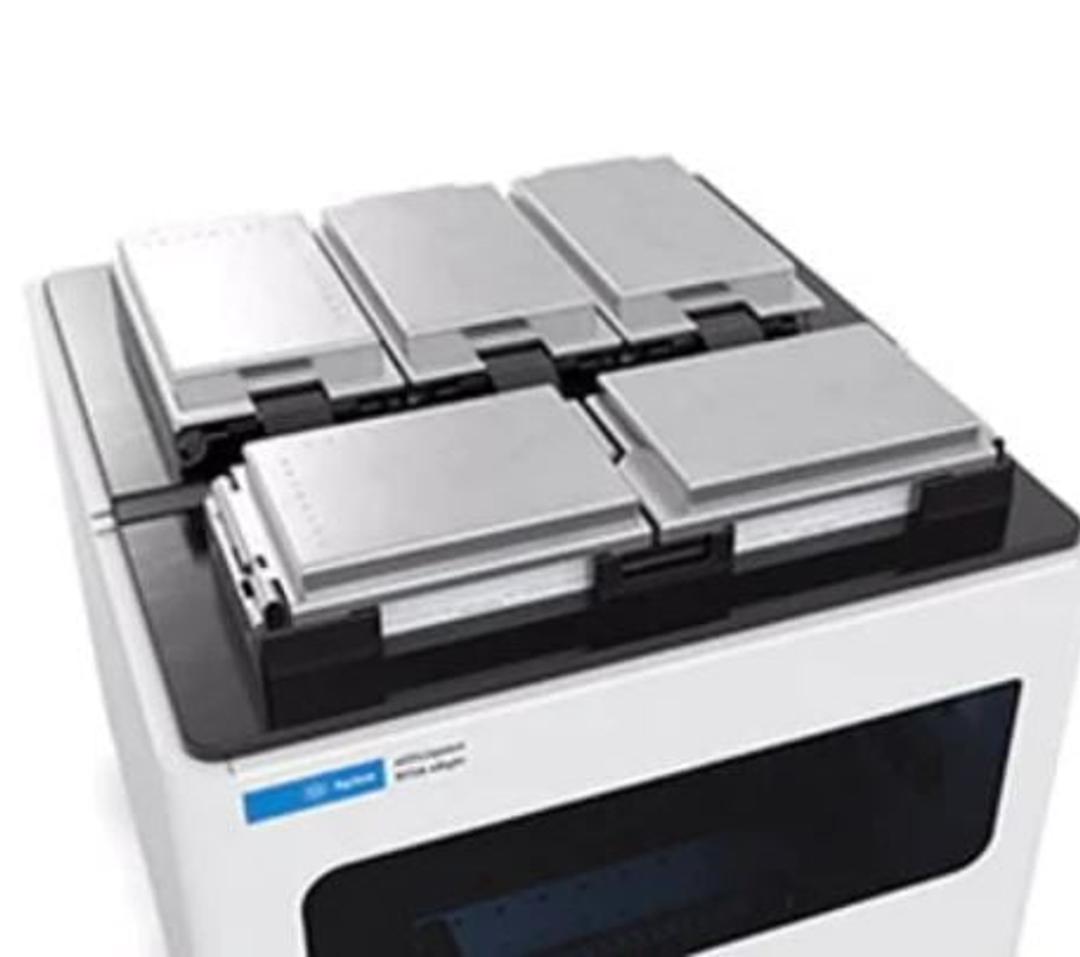
This instrument combines impedance measurement with imaging in 3 colors plus bright field. It offers 5 separate cradles for more flexibility. Plus it's easy to use! I love it!
Review Date: 14 Jun 2020 | Agilent Technologies
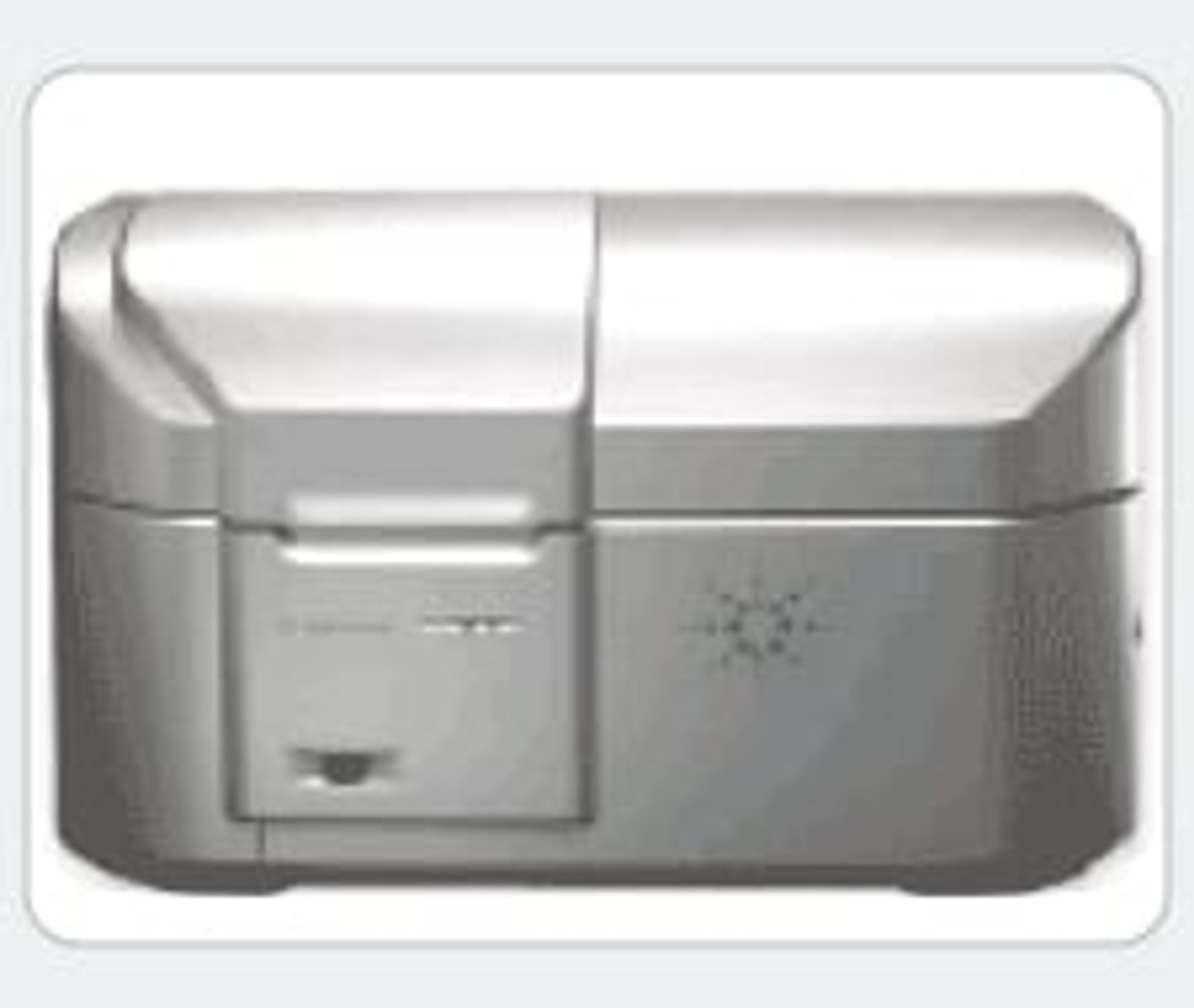
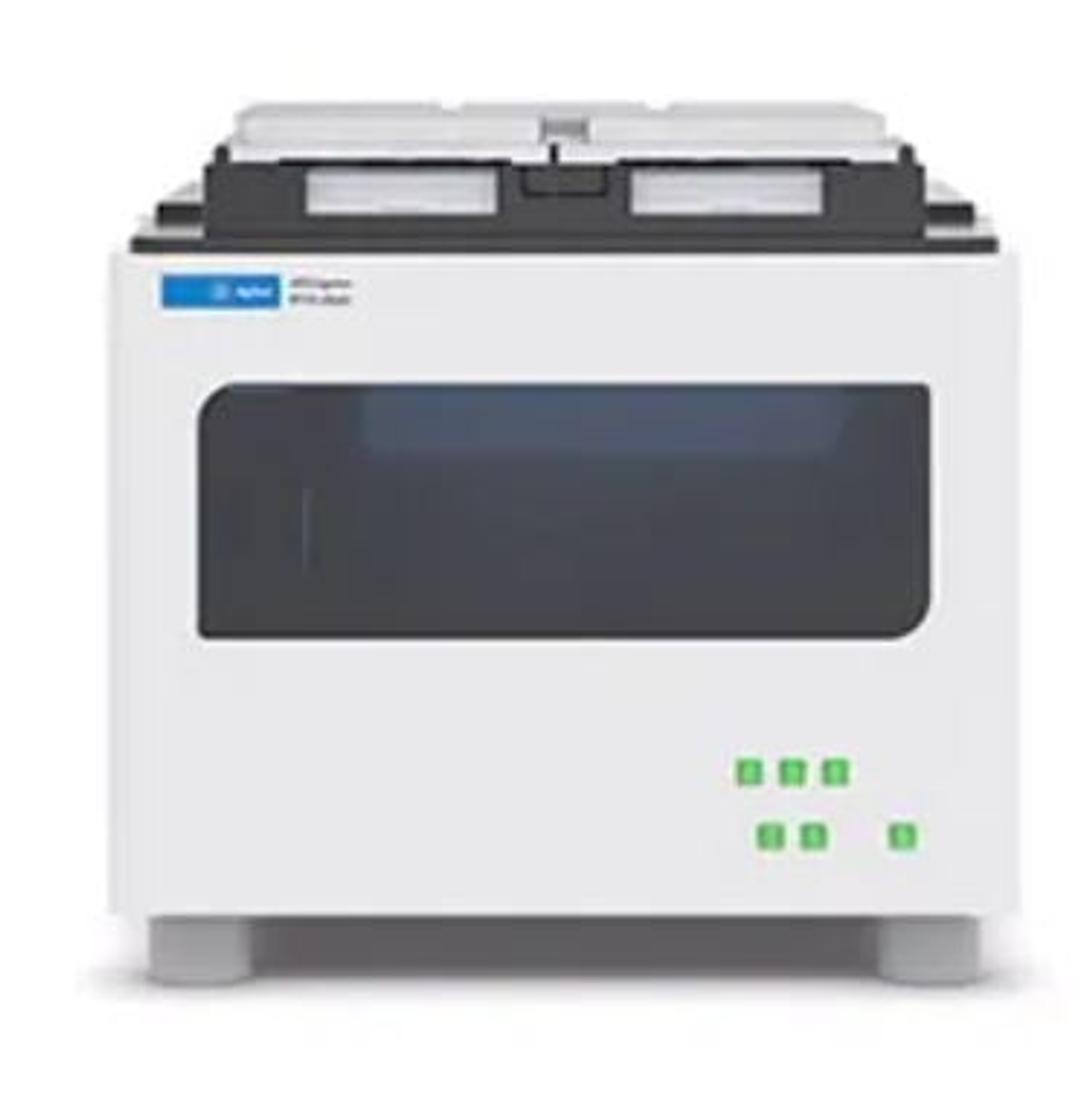
The xCELLigence RTCA eSight enables comprehensive insight into cell health, cell behavior, cell function, and cell biology processes using live, simultaneous, and real-time biosensor impedance-based and image-based measurements. The eSight system combines the label-free xCELLigence RTCA technology with live-cell imaging in 3 colors (red, green, and blue). This combination allows for informative live cell analysis and increased insight into cell health.
For Research Use Only. Not for use in diagnostic procedures.

Understanding toxicity and formation of chlorinated products of 1,3 diphenylguanidine (DPG) in water
In this application note, Agilent Technologies presents the evaluation of 1,3-diphenylguanidine (DPG) and five of its chlorinated derivatives’ effects on cell heath and bioenergetics using the Agilent xCELLigence RTCA eSight and Agilent Seahorse XF96 extracellular flux analyzer. 1-(2,4-dichlorophenyl)-3-phenylguanidine (CC15) and 1-(4-chlorophenyl)-3-(2,4-dichlorophenyl) guanidine (CC11) were the least and most cytotoxic compounds, respectively, except for DPG, which was the most cytotoxic. Real time cell analysis (RTCA) results were similar to traditional alamarBlue cell viability assay results. The Seahorse XF96 analyzer results indicated that, except for 1,3-bis-(2-chlorophenyl) guanidine (CC04), all of the DPG compounds tested had adverse effects on cell bioenergetics. While the compounds’ limited effects on mitochondrial basal respiration and ATP production might be short lived, the significant effect on proton leakage suggested irreversible mitochondrial damage.
New developments in live-cell analysis: The Agilent xCELLigence RTCA eSight System
As cell analysis in basic research, translational medicine, and cell therapies becomes ever more sophisticated, it is imperative that solutions provide multiparametric and data-rich information. In this application note, Agilent Technologies introduces its xCELLigence RTCA eSight for real-time cell analysis, featuring non-invasive impedance-based monitoring together with live-cell imaging, all inside your incubator. One experiment provides two simultaneous methods with 5 different readouts. Cellular impedance first provides sensitive and rapid information about cell viability, growth, morphology, and barrier function. Brightfield and three fluorescent channels monitor and quantify viability, toxicity, and apoptosis- validating cellular impedance readouts and further boosting confidence in your results. This combination of information enables for much wider sampling and the assessment of cellular processes and biology – all within a single experiment.
Breakthroughs in immunotherapy
Uncover the latest recommendations from leaders in immunotherapy research and their insights into exciting new immunotherapy developments. This eBook showcases new analysis tools for scientists developing innovative cell-based solutions.
xCELLigence real-time cell analysis
Explore functional potency assays for cancer immunotherapy research. This handbook includes topics such as antibody-dependent cell-mediated cytoxicity (ADCC), BiTEs, bispecific antibodies, checkpoint inhibitors, CAR-T cells and more.

Rewiring the metabolism of CAR-T cells
Join Professor Mercedes Rincon, University of Colorado Anschutz School of Medicine, as she discusses the groundbreaking advancements in adoptive T cell therapy, particularly chimeric antigen receptor (CAR) T cell therapy. While CAR-T therapy has achieved impressive complete remission rates in 60–90% of patients with relapsed/refractory B-cell acute lymphoblastic leukemia (r/r-B-ALL), challenges such as treatment failures and relapses remain significant obstacles.
Metabolism plays a critical role in T cell function, shaping immune responses. While glycolysis is essential for T cell expansion, it can restrict the self-renewal capacity of CAR-T cells during manufacturing. Mitochondrial respiration is vital for their survival and effectiveness. Recent findings have highlighted MCJ, a protein that negatively regulates mitochondrial function in CD8 cells. Loss of MCJ enhances mitochondrial respiration, cytokine secretion, and anti-tumor activity. Targeting MCJ to boost mitochondrial metabolism presents a promising strategy to enhance the efficacy of CAR-T cells and advance adoptive T cell therapies.
Key learning objectives
- Understand the current landscape of adoptive T-cell therapy
- Explain the role of metabolism in T cell function, highlighting the significance of glycolysis and mitochondrial respiration in enhancing CAR-T cell efficacy
- Identify the potential of MCJ as a therapeutic target to improve mitochondrial metabolism, cytokine secretion, and overall effectiveness of CAR-T cell therapies
Who should attend?
- Researchers and scientists specializing in CAR T-cell therapy, immunotherapy development, cell metabolism, glycolysis, and mitochondrial respiration.
Certificate of attendance
All webinar participants can request a certificate of attendance, including a learning outcomes summary, for continuing education purposes.
In process assessment of critical process parameters impacting CAR T-cell potency, metabolic fitness and phenotype
Thursday, January 9 at 16:00 GMT | 17:00 CET | 11:00 EST | 08:00 PST
Chimeric Antigen Receptor (CAR) T-cell therapy has emerged as a promising therapeutic approach for several cancers. Despite the growing interest, the widespread use of CAR T-cell therapies has been restricted due to their high cost and the challenges that arise when compared with traditional methods for manufacturing and product QC. Developing sensitive and reliable analytics to characterize CAR-T products' critical quality attributes (CQAs) and tailoring the cell expansion process to achieve these CQAs provides tools for a more consistent manufacturing process.
Join Dr. Laurissa Ouaguia, Scientist, Reagents and Application Development, Agilent Technologies, as she discusses Agilent’s portfolio of cell analysis tools. She will also demonstrate how they can be applied during the production of CAR T-cells using the functionally closed and automated Lonza Cocoon® Platform for cell manufacturing. This approach provides a deeper understanding of the immune phenotype, metabolic fitness, and cytotoxic function of the CAR T-cells throughout the production, allowing for more informed process development.
Certificate of attendance
If you attend the live webinar, you will automatically receive a certificate of attendance, including a learning outcomes summary, for continuing education purposes.
If you view the on-demand webinar, you can request a certificate of attendance by emailing editor@selectscience.net.
Webinar details
- Cost: Free to attend
- Location: Online
- Duration: 60 minutes
Registration is required to secure your place. If you register but can’t attend live, you will receive a link to the on‑demand recording once it becomes available.

Rapid functional evaluation of virus-neutralizing antibodies using multi-parametric live cell analysis: Your questions answered
Watch this on-demand webinar to learn about an alternative assay that aims to identify virus-neutralizing antibodies in as little as five hours
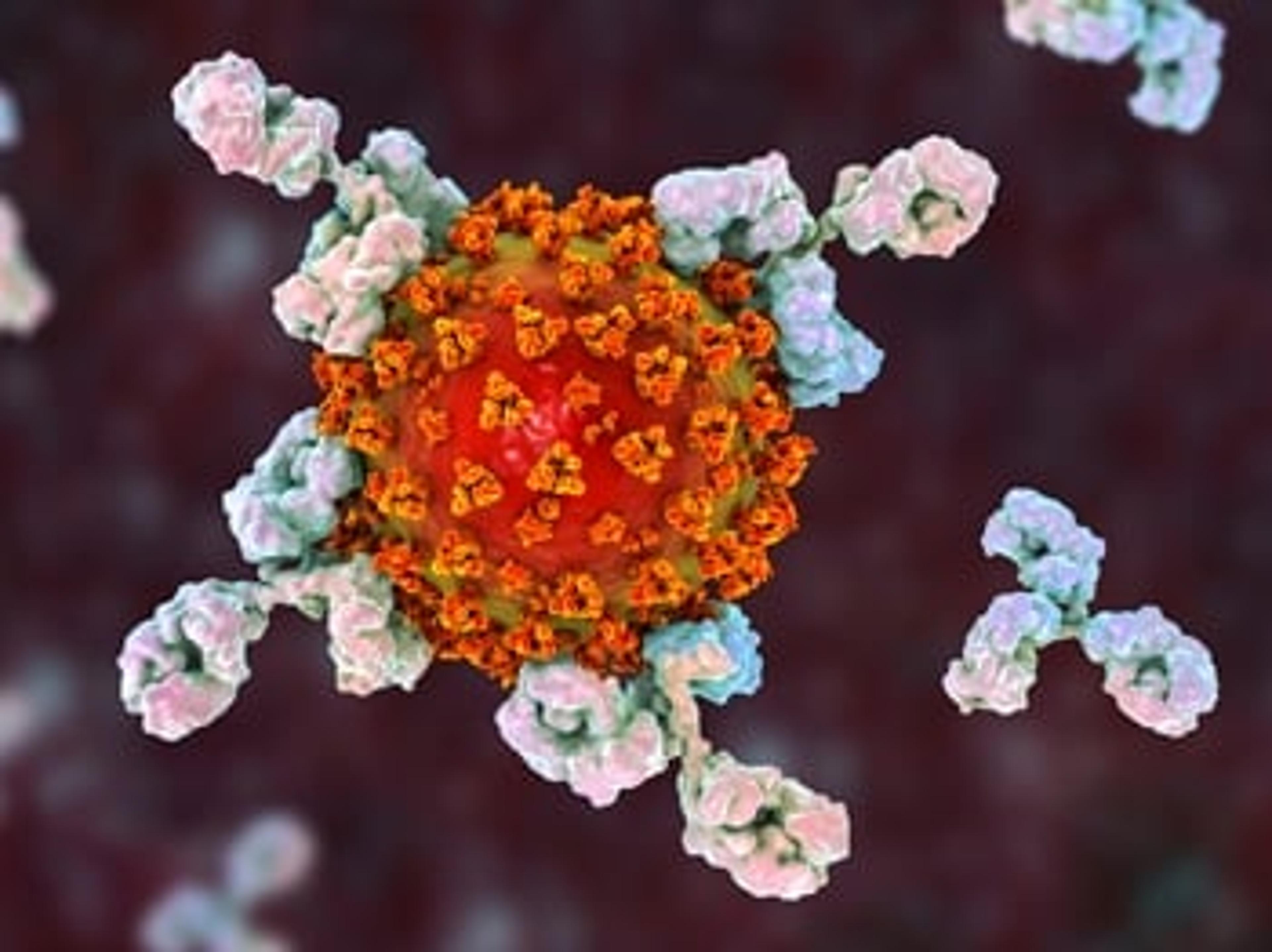
New methods to rapidly evaluate virus-neutralizing antibodies
Learn how high-throughput, real-time cell analysis can accurately detect and quantify virus-neutralizing antibodies and see how this technology is advancing COVID-19 research

Rapid and functional evaluation of virus-neutralizing antibodies using multi-parametric live cell analysis
Join us on Wednesday, August 26, to learn about an alternative assay that aims to identify virus-neutralizing antibodies in as little as five hours

Drug discovery & development award winners revealed at SLAS2020
Bruker, FortéBio, Biotix and Molecular Devices among the manufacturers recognized in San Diego