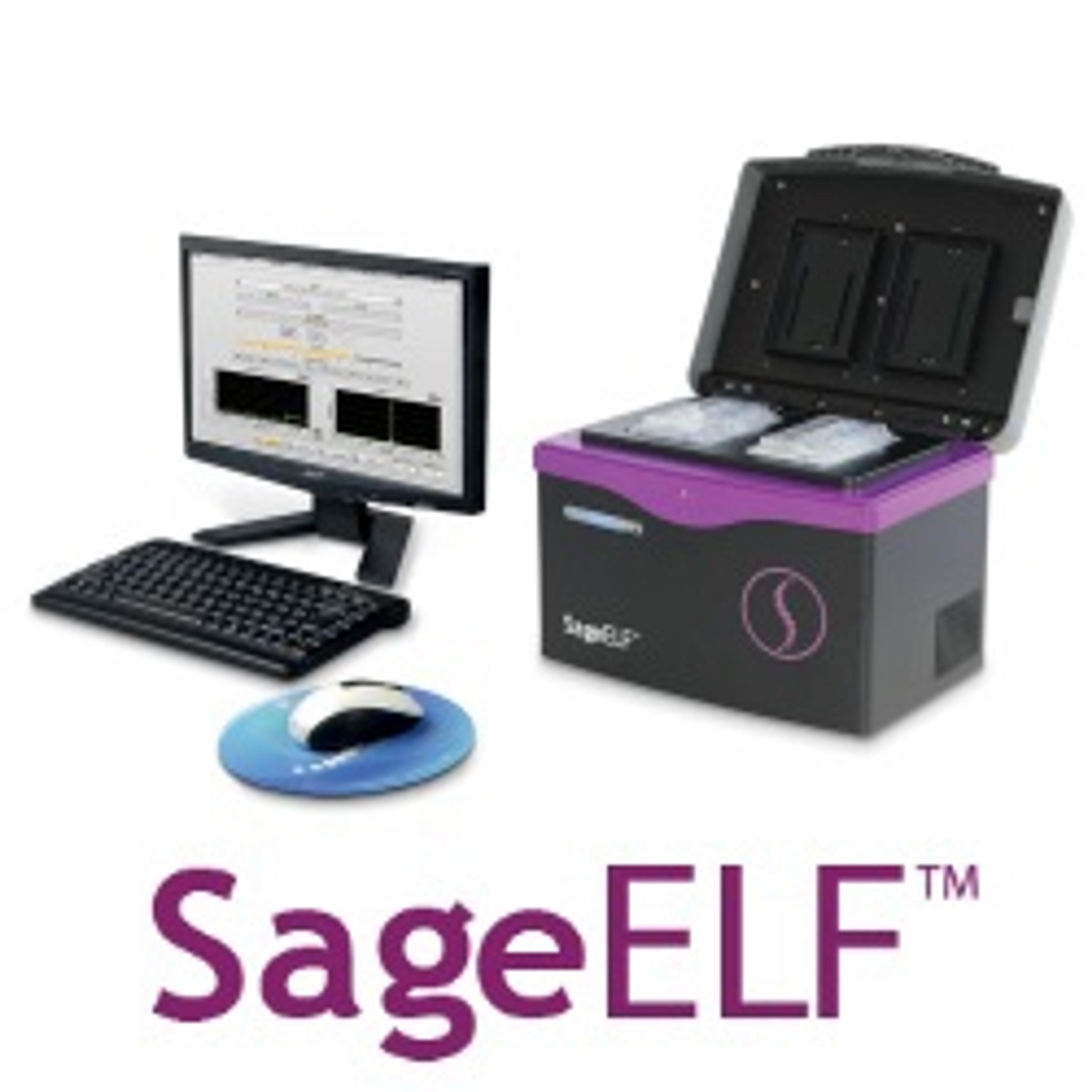
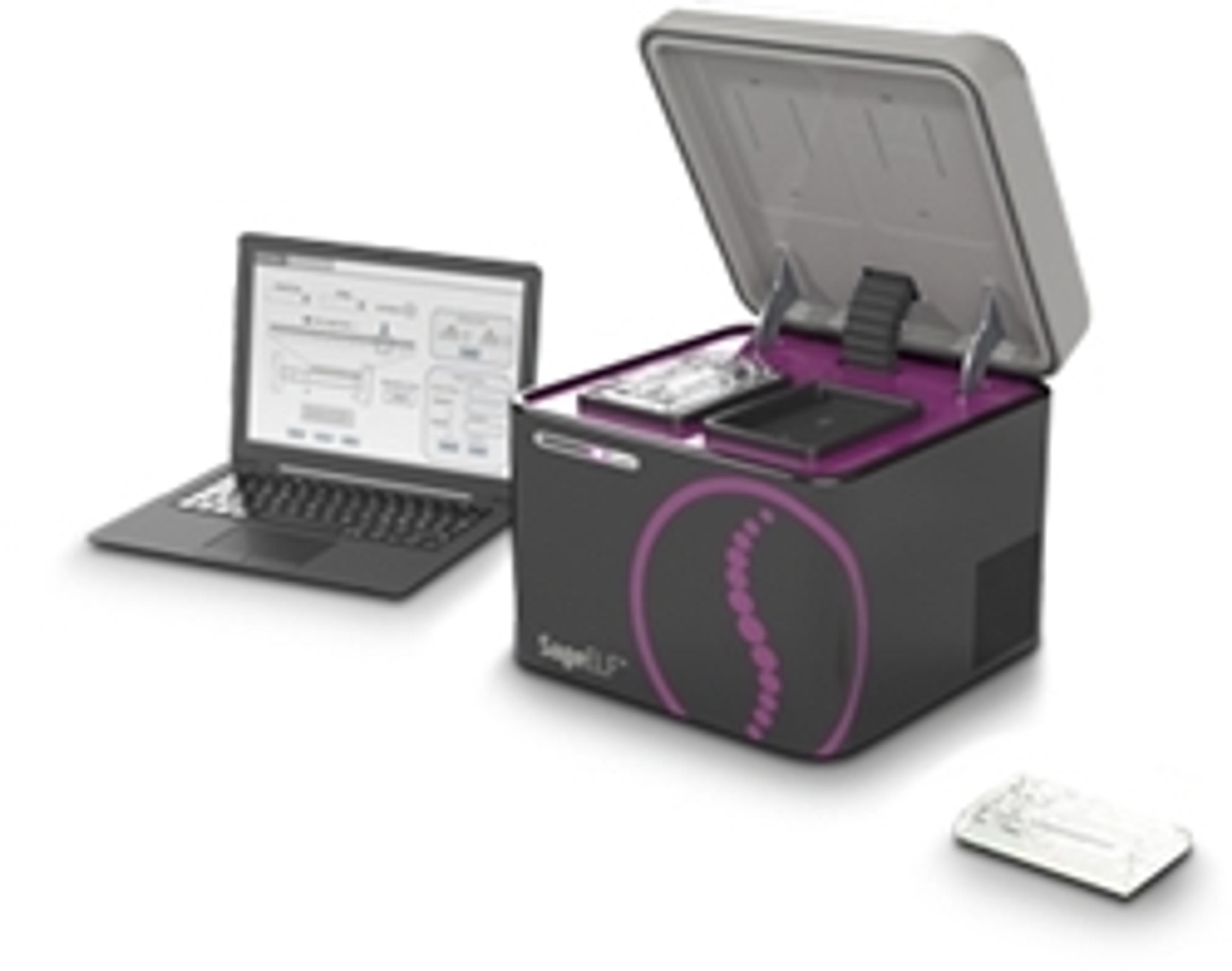
SageELF Sample Fractionator for DNA and Protein
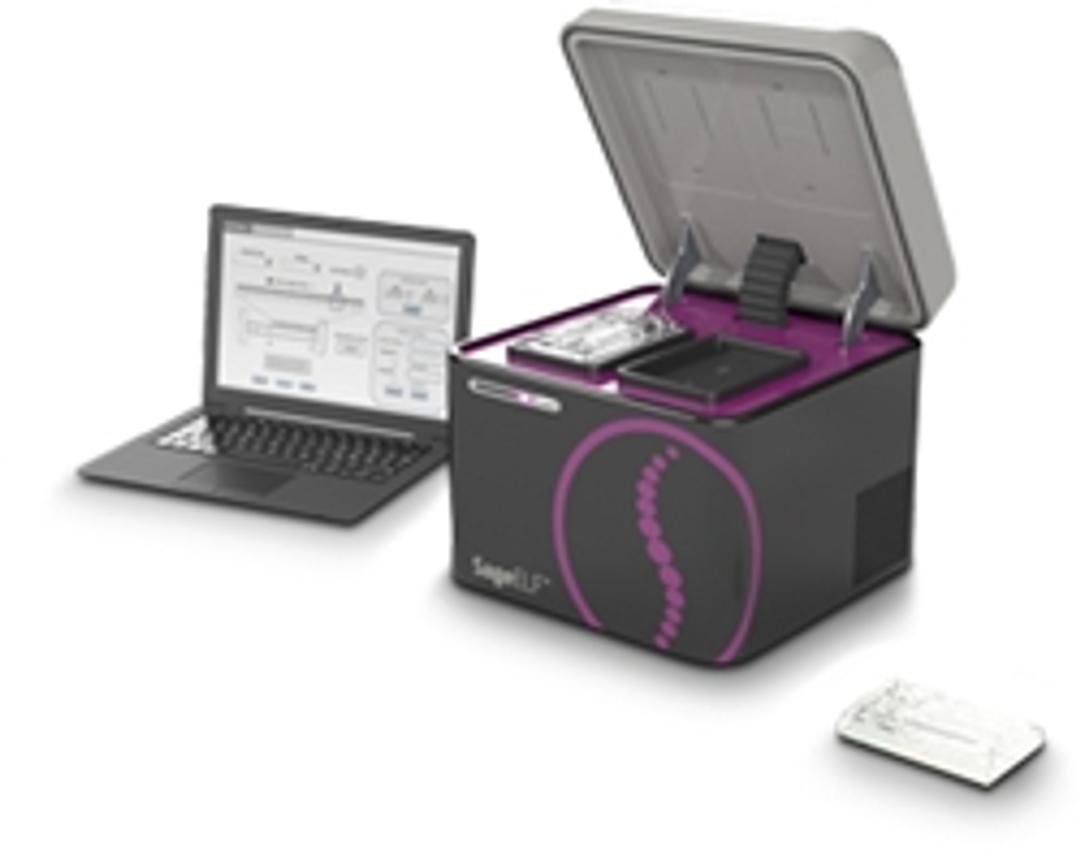
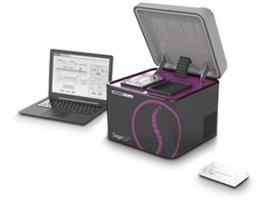
The SageELF is an automated, whole-sample fractionation system for NGS sample prep. SageELF, a whole-sample fractionation tool, is now shipping from Sage Science, developer of the Pippin automated DNA size selection system. The SageELF (short for Electrophoretic Lateral Fractionator) generates 12 contiguous fractions from a whole DNA sample, allowing scientists to generate libraries with multiple insert sizes from the same sa…

The supplier does not provide quotations for this product through SelectScience. You can search for similar products in our Product Directory.
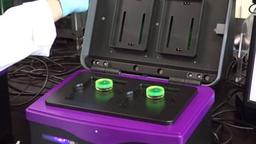
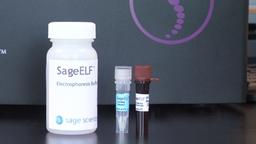
The SageELF is an automated, whole-sample fractionation system for NGS sample prep.
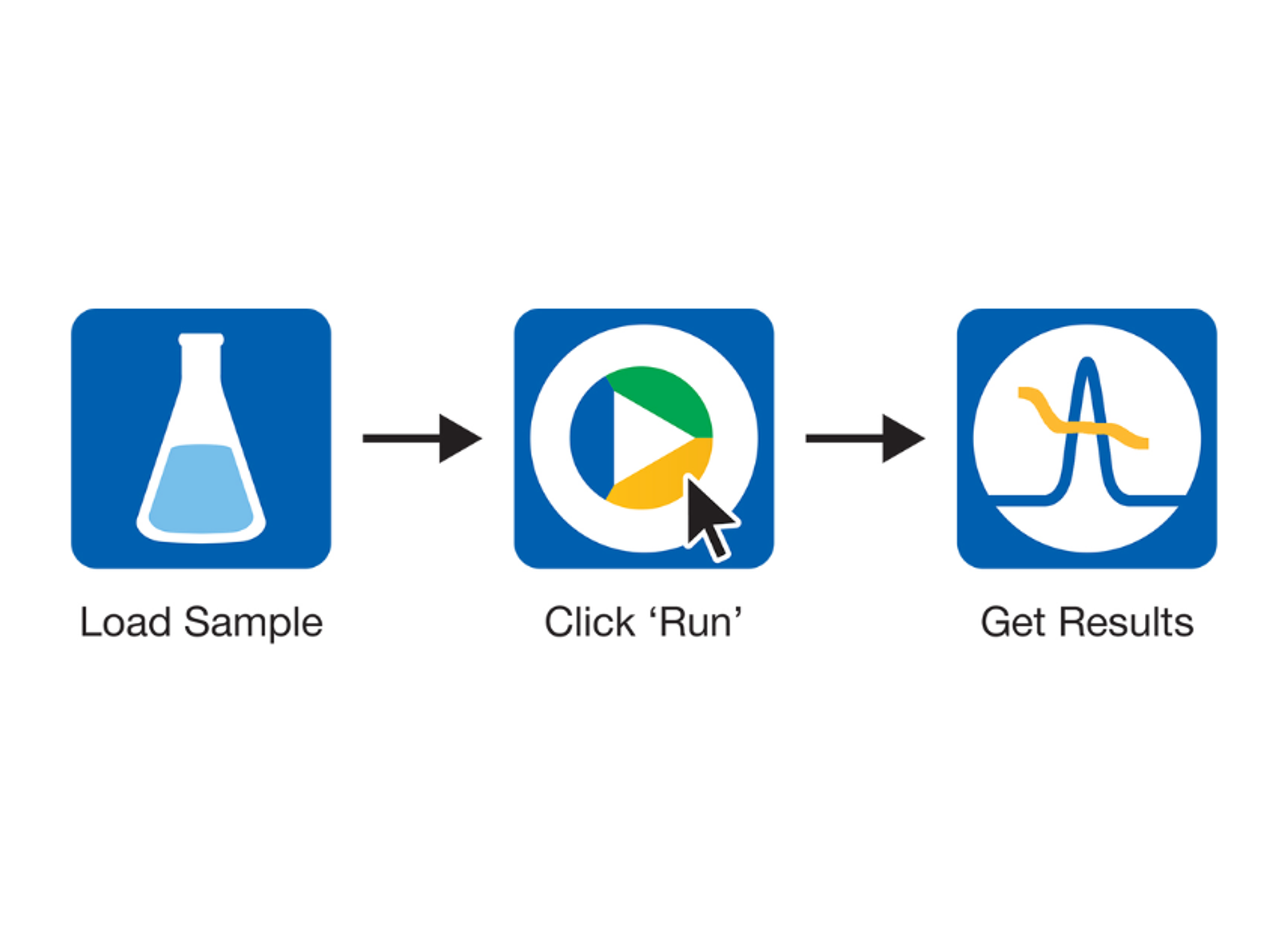
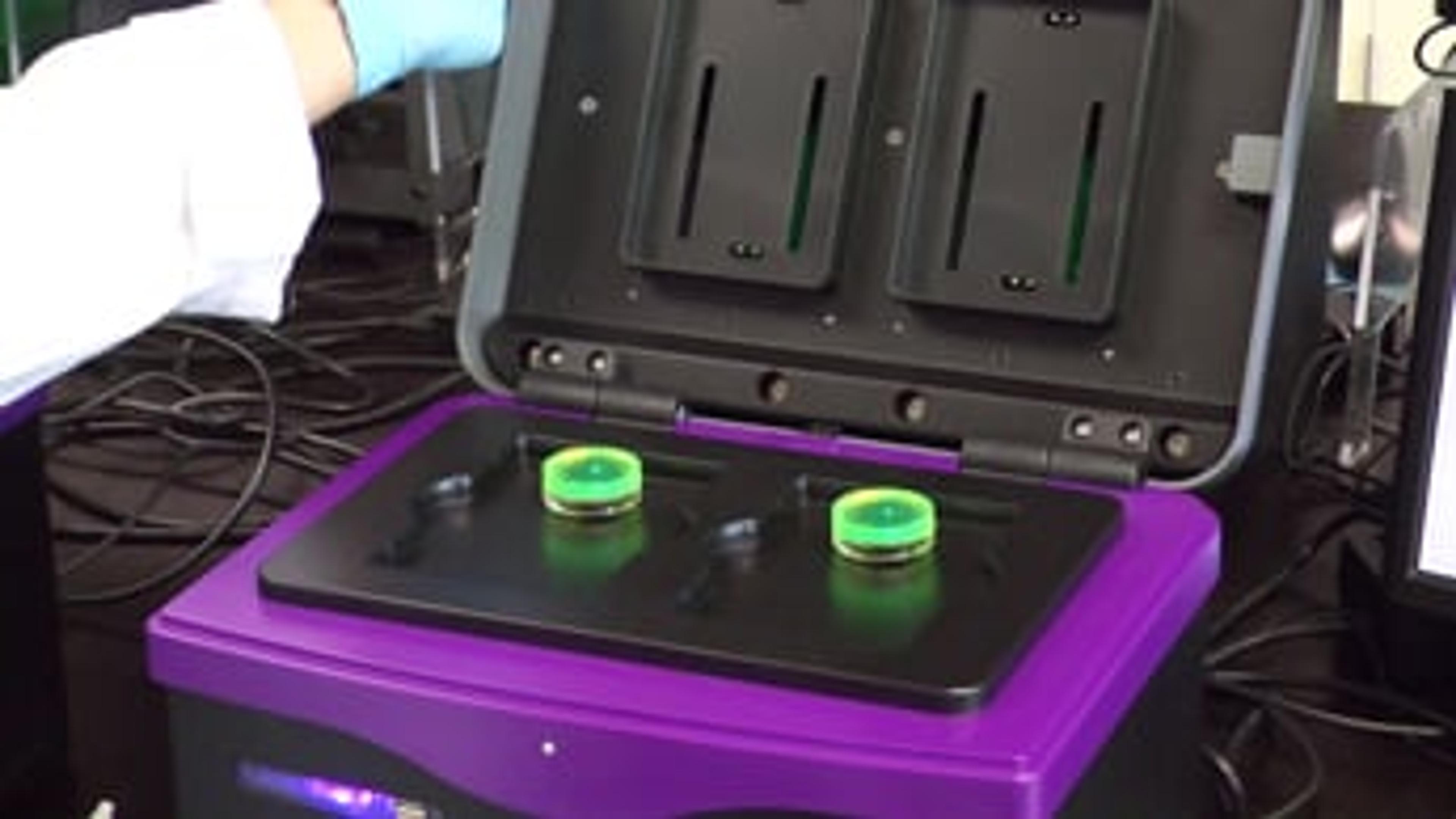
SageELF, a whole-sample fractionation tool, is now shipping from Sage Science, developer of the Pippin automated DNA size selection system. The SageELF (short for Electrophoretic Lateral Fractionator) generates 12 contiguous fractions from a whole DNA sample, allowing scientists to generate libraries with multiple insert sizes from the same sample, which has applications in genome sequencing, structural variant detection, and identification of rare splice variants. This sample prep instrument will also be especially useful for preserving precious samples. Users simply load their sample, start the run, and pipette out the fractions later. Unlike in-gel digestion, in which some DNA fragments never leave the gel, the whole DNA sample is electrophoresed into the elution modules.
Sage Science targets labor-intensive steps in the sample prep process where automation can offer improved precision and reproducibility. Precise size selection is critical for optimizing sequencing efficiency, improving genome assemblies, and reducing NGS project costs.
Features:
- Make libraries with multiple insert sizes from the same sample
- Ideal for rare or precious samples
- Automated for precise, reproducible results
Applications:
- Genome sequencing
- Structural variant detection
- Rare splice variant detection

SageELF and BluePippin Updates for Iso-Seq
This scientific poster provides workflow updates for Sage Science’s SageELF and BluePippin instruments, optimized for full-length transcript sequencing with Iso-Seq.
Enhanced Detection of Host-Cell Proteins in Biotherapeutic Preparations using Preparative Electrophoresis Followed by LC–Ion Mobility–MS
This application note investigates the use of an off-line preparative electrophoresis device to fractionate Host-cell proteins (HCPs) away from the biotherapeutic protein prior to LC-MS analysis. Host-cell proteins (HCPs) are proteins produced by the host cells during recombinant protein drug production. These HCPs contaminate the biotherapeutic drug protein at low levels (1-100 ppm) even after several steps of extensive purification. Since even low level HCPs can stimulate an immunogenic response, regulatory guidelines mandate that these HCPs must be identified and quantified to protect patient safety. Current HCP mass spectrometry (MS) characterization involves some level of pre-fractionation (i.e., electrophoresis, reversed-phase (RP) separation, 2D RP/RP LC, etc.) prior to analysis.
The ELF Preparative Electrophoresis System for Size-Based Proteome Fractionation
Although the resolution of LS-MS systems is improving every year, size fractionation of complex samples prior to MS analysis is still very useful for many proteomic studies. Despite the promise of automated 2D LC systems, SDS PAGE remains a popular, but laborious, pre-fractionation method for MS. This poster demonstrates an automated preparative electrophoresis system (the ELF system) to fractionate complex protein samples into 12 contiguous size fractions. The system uses a two-dimensional process: first, proteins are electrophoresed through an SDS agarose gel column to separate the proteins by size, and second, the separated proteins are electrophoresed sideways out of the agarose column into a linear array of membrane-bounded elution modules that are positioned alongside the separation gel column. The fractionated samples are recovered in SDS buffer, and can be processed for LC-MS using commercial detergent removal spin columns and standard trypsin digestion methods.
Total Protein Profiling Employing a Novel Protein Fraction Method Combined with Tandem Mass Tag Labelling
This application note evaluates how the accuracy of protein quantitation can be affected by fractionation at the protein level. Reproducible quantitation of cellular proteins is an important step in the analysis of cellular physiology. Protein-level fractionation in conjunction with tandem mass tag methods were used, using human gastric carcinoma cell line (MKN-45) as the example.
Enhanced Detection of Host-Cell Proteins in Biotherapeutic Preparations using Preparative Electrophoresis Followed by LC–Ion Mobility-MS
This application note explains the fractionation of Host-cell proteins (HCPs) away from biotherapeutic protein using an off-line preparative electrophoresis device, allowing for sub-ppm level HCP detection. HCPs are proteins produced by the host cells during recombinant protein drug production and can contaminate the therapeutic drug protein even at very low levels. Detection of HCPs was improved through fractionating both the intact and reduced monoclonal antibody.
ELF from Sage Science: A New Automated System for Size-Selection in NGS Library Construction
Sage Science’s new size selection system, called the ELF (Electrophoretic Lateral Fractionator) is designed to fractionate a single genomic sample into 12 contiguous size fractions. The system uses a two-dimensional process to separate DNA through an agarose column in a first direction, and then move the separated DNA fragments sideways into a linear array of buffer-filled elution modules that are positioned alongside the separation column. The instrument can operate in direct current mode for samples up to mid-single kilobases in size, or in pulsed field mode for samples up to 50 kilobases in size. Fractionation range is controlled by selection of voltage protocol, gel concentration, and run timing. Internal standards can be used to improve run-to-run reproducibility, and the instrument can read fluorescein-labeled markers.
Using Orthogonal Techniques for Protein-Peptide Separation to Generate Comprehensive HDMSe Mass Spectral Libraries from an <i>E. coli</i> Model System
This poster reports a library generation strategy that builds upon the benefits of existing empirical strategies by implementing orthogonal, multidimensional protein and peptide separation techniques to acquire a comprehensive HDMSe spectral library data set for E. coli.
SageELF – How it Works
This video describes the new size selection platform from Sage Science. The instrument takes a DNA or protein sample, separates the biomolecules by size, and then automatically fractionate the sample into 12 contiguous sub-fractions.
Tutorial: Loading and Starting a Run on the SageELF (Video 5)
This is the fifth of a series of instructional videos for users of the SageELF by Sage Science. The SageELF is a DNA or protein fractionator which uses electrophoresis to create up to 12 contiguous fractions from a biological sample.
Tutorial: Creating a Fractionation Protocol on SageELF (Video 3)
This the third of a series of instructional video for users of the SageELF by Sage Science. The SageELF is a DNA and protein fractionator which uses electrophoresis to create up to 12 contiguous fractions from a biological sample.
Tutorial: Optical Calibration for SageELF (Video 2)
This is the second of a series of instructional videos for users of the SageELF by Sage Science. The SageELF is a DNA and protein fractionator which uses electrophoresis to create up to 12 contiguous fractions from a biological sample.
Tutorial: Preparing Samples for the SageELF (Video 1)
This the first of a series of instructional video for users of the SageELF by Sage Science. The SageELF is a DNA or protein fractionator which uses electrophoresis to create up to 12 contiguous fractions from a biological sample.

New Methods to Improve Your Nucleic Acid and Protein Quantification
The latest technologies and methods for the molecular biology lab