
New Methods to Improve Your Nucleic Acid and Protein Quantification
The latest technologies and methods for the molecular biology lab
21 Oct 2015

New technologies to improve your DNA, RNA and protein quantification
Quantification of nucleic acid and protein is very important to ensure the integrity of downstream applications. Here we present some of the latest technologies and methods added to SelectScience to help you ensure accurate quantification from the start of your experiment. Plus, discover the answers to some of the most asked photometry questions.
Discover the new Thermo Scientific™ NanoDrop™ microvolume UV-Vis spectrophotometer. The instrument incorporates new capabilities that make it even faster and easier to evaluate DNA, RNA and protein samples. Read more>>
Eppendorf´s R&D team answers the most frequently asked questions about photometry - a basic application in molecular biology labs - in a series of videos. Watch episode one>>
This application note evaluates how the accuracy of protein quantitation can be affected by fractionation at the protein level. Reproducible quantitation of cellular proteins is an important step in the analysis of cellular physiology. Protein-level fractionation in conjunction with tandem mass tag methods were used, using human gastric carcinoma cell line (MKN-45) as the example. Download method>>
Watch this SelectScience interview to learn how researchers at the Biocontrol and Natural Products (BANP) Group at Swansea University use BioTek Synergy H1 to efficiently perform a range of analyses, including protein quantification. Watch video>>
This note from Trinean describes a new cDrop™ application suited for the quantification (ng/μl) of DNA extracted from blood samples using the Promega ReliaPrep™ DNA isolation kit. Download method>>
The DeNovix DS-11 FX series spectrophotometer / fluorometer combines fluorescence and microvolume absorbance methods in a single, compact instrument. Rapidly quantify nucleic acid and protein samples over seven orders of magnitude, selecting from your choice of fluorescence assays, 1 µL absorbance or cuvettes. Read more>>
Bio-Rad Laboratories, Inc. recently announced the launch of ddPCR™ Supermix for Residual DNA Quantification. Designed for use with Bio-Rad’s Droplet Digital™ PCR Systems, this supermix provides a highly precise and sensitive method for directly measuring host cell DNA (HCD) that contaminates biopharmaceutical products. Read more>>
- Download Exclusive Buying Guides
Download the free SelectScience UV/Vis Buying Guide and DNA and RNA Purification and Isolation Buying Guide to learn about important considerations when purchasing new products for molecular biology research.
Image copyright: Shutterstock hywards
Related products
Request Quote for All Products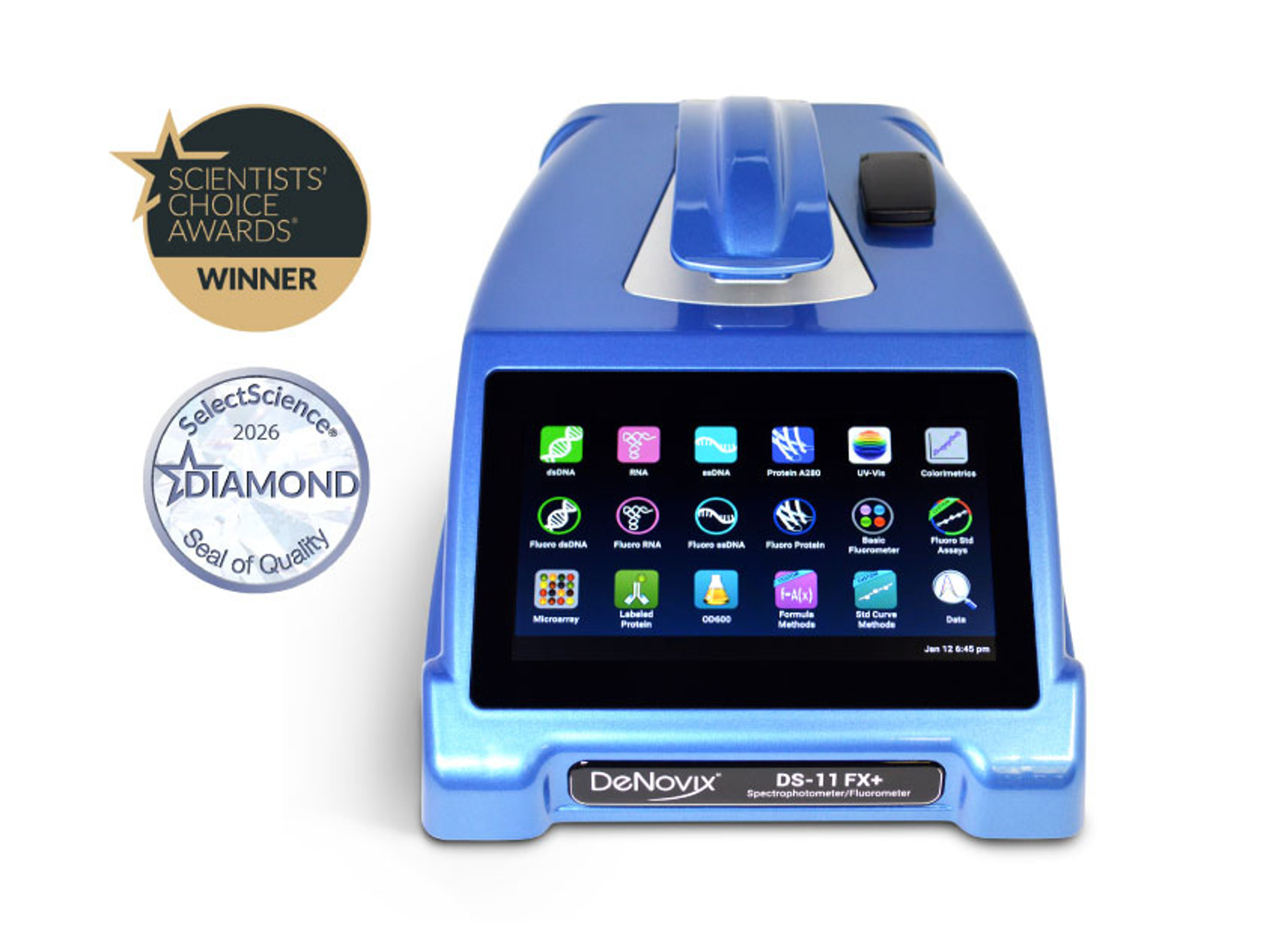
DS-11 Series Spectrophotometer / Fluorometer
DeNovixDeNovix takes spectrophotometry to a whole new level of performance with the DS-11 Series. This easy-to-use, compact spectrophotometer delivers full spectrum UV-Vis analysis and fluorescence capability, making it ideal for rapid nucleic acid and protein quality control.
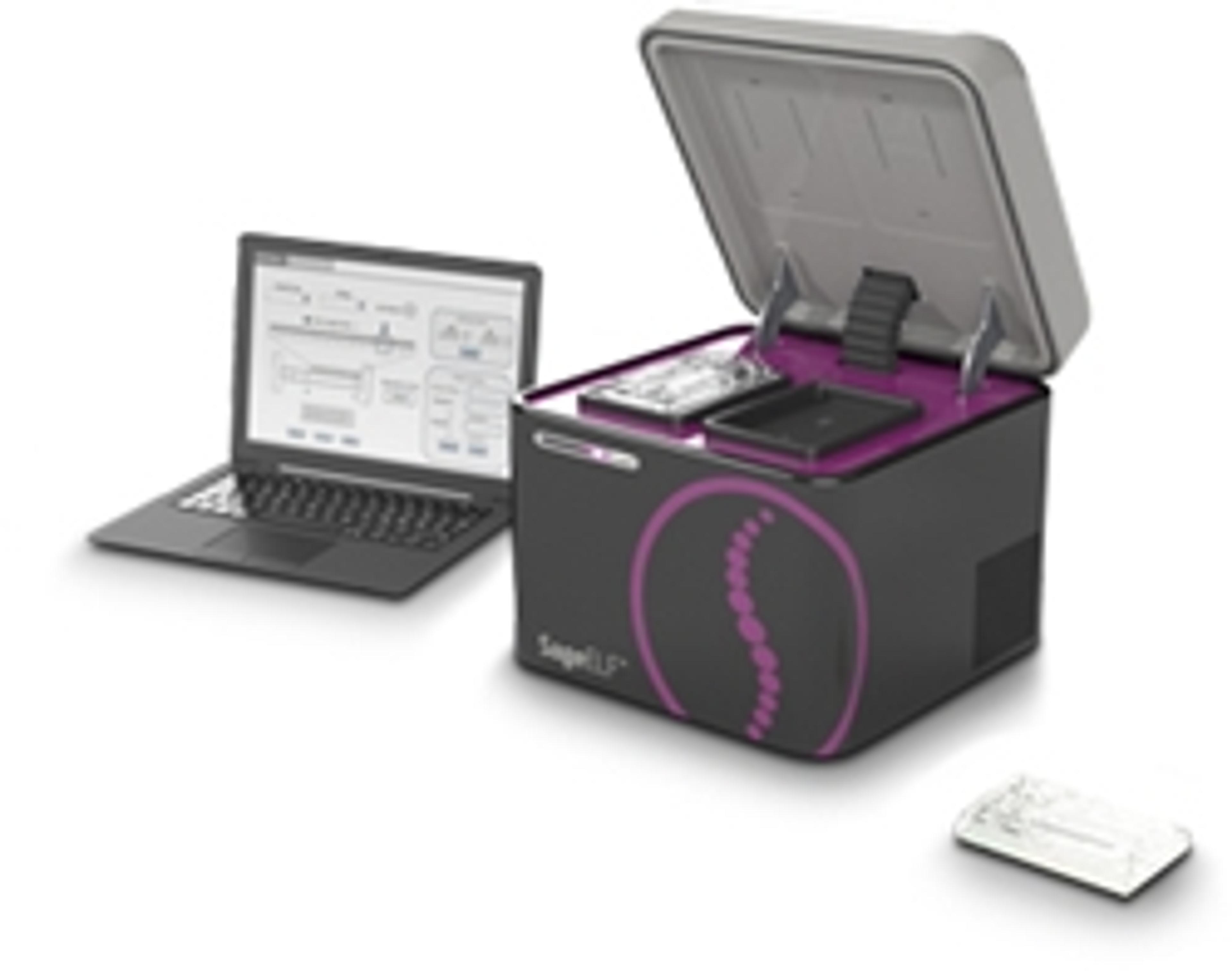
SageELF Sample Fractionator for DNA and Protein
Sage ScienceThe SageELF is an automated, whole-sample fractionation system for NGS sample prep. SageELF, a whole-sample fractionation tool, is now shipping from Sage Science, developer of the Pippin automated DNA size selection system. The SageELF (short for Electrophoretic Lateral Fractionator) generates 12 contiguous fractions from a whole DNA sample, allowing scientists to generate libraries with multiple insert sizes from the same sample, which has applications in genome sequencing, structural variant detection, and identification of rare splice variants. This sample prep instrument will also be especially useful for preserving precious samples. Users simply load their sample, start the run, and pipette out the fractions later. Unlike in-gel digestion, in which some DNA fragments never leave the gel, the whole DNA sample is electrophoresed into the elution modules.Sage Science targets labor-intensive steps in the sample prep process where automation can offer improved precision and reproducibility. Precise size selection is critical for optimizing sequencing efficiency, improving genome assemblies, and reducing NGS project costs.Features: Make libraries with multiple insert sizes from the same sample Ideal for rare or precious samples Automated for precise, reproducible results Applications: Genome sequencing Structural variant detection Rare splice variant detection