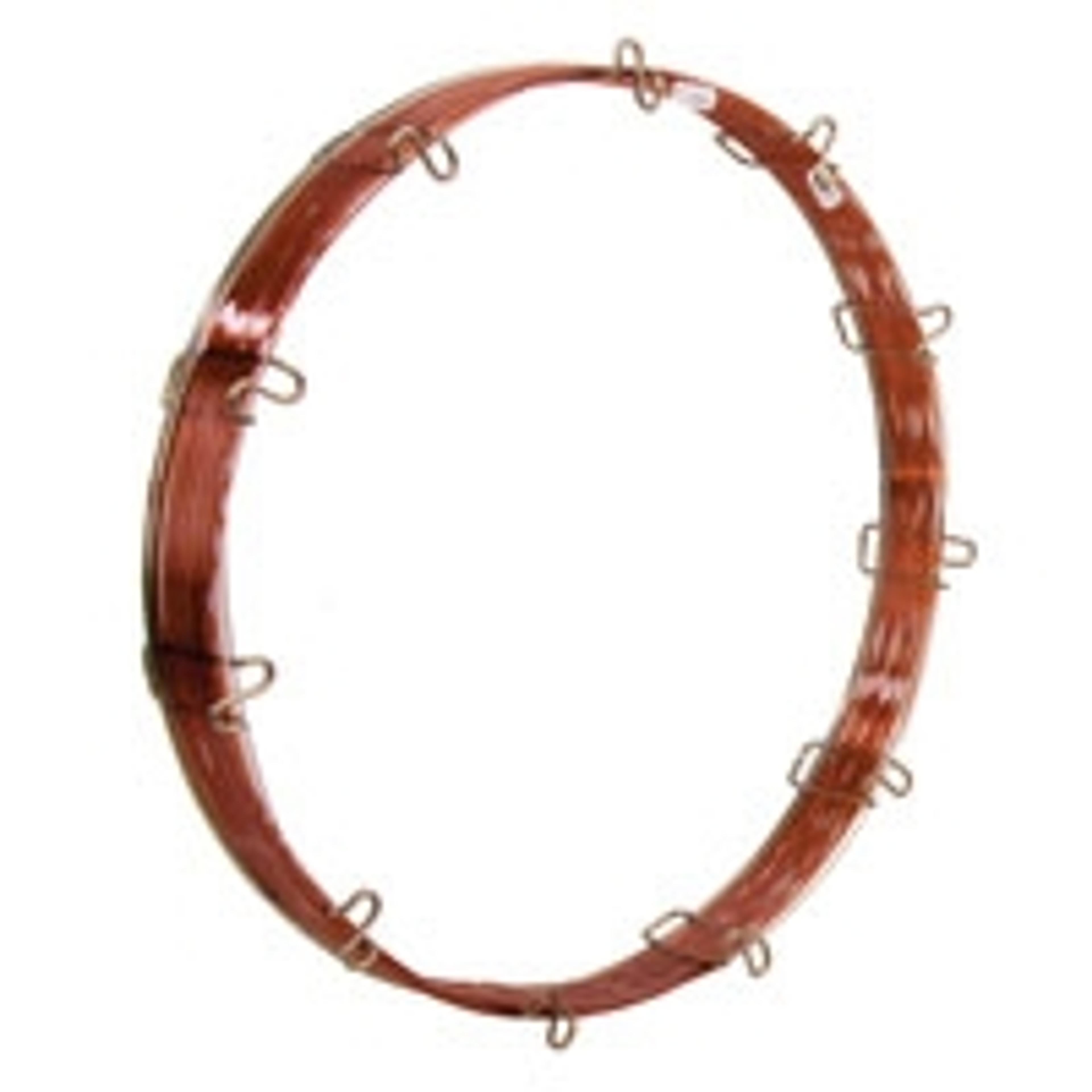
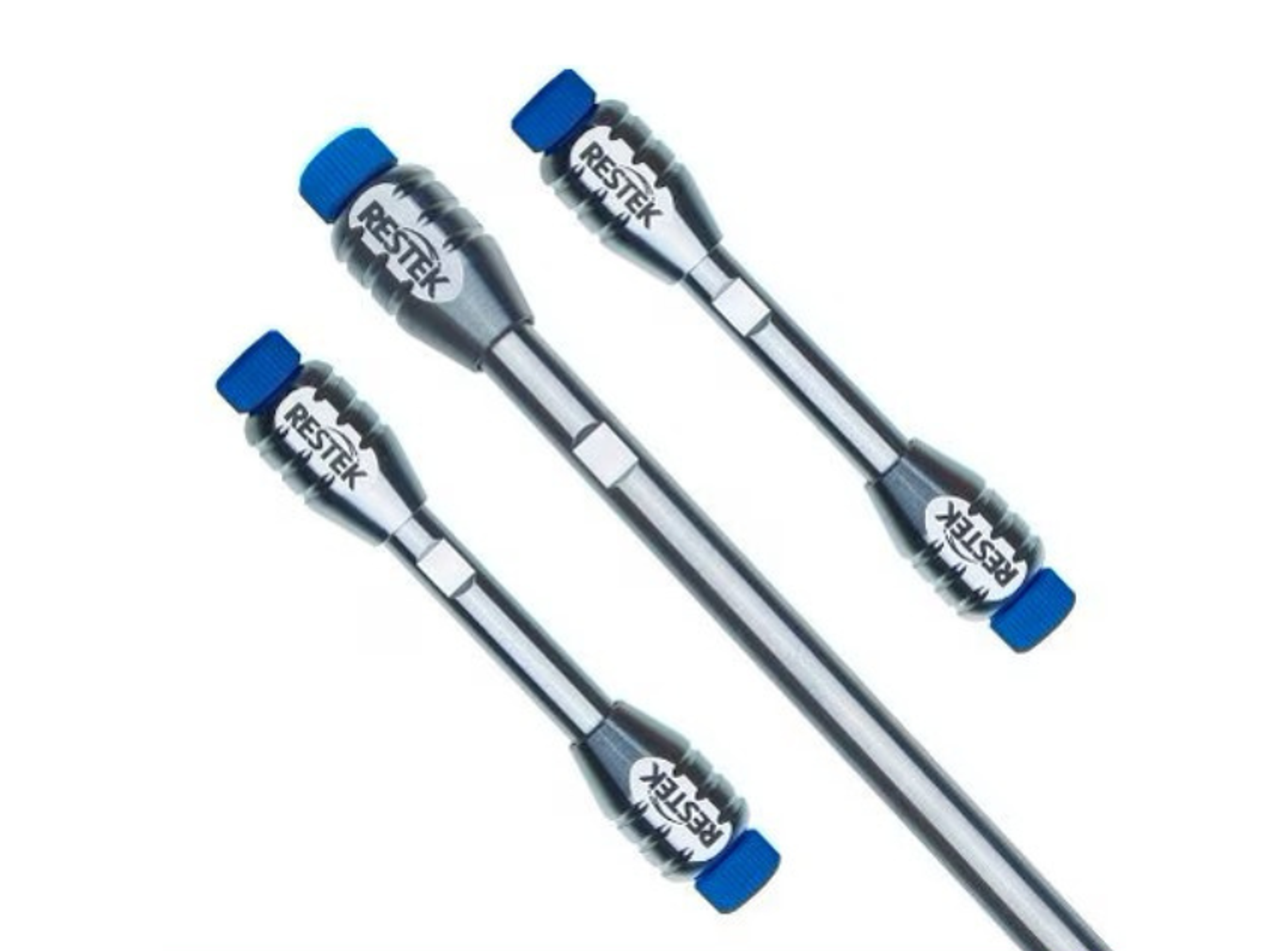
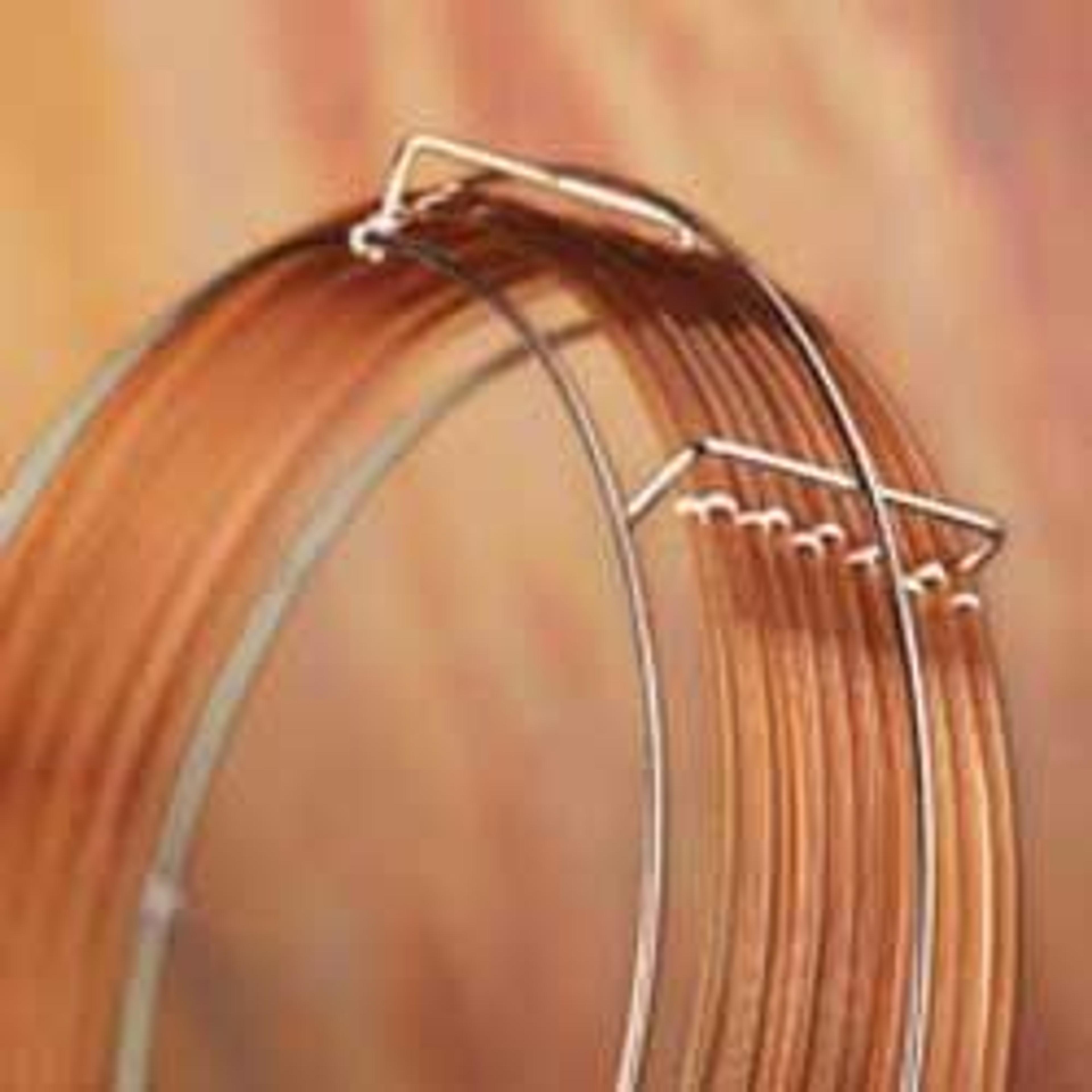
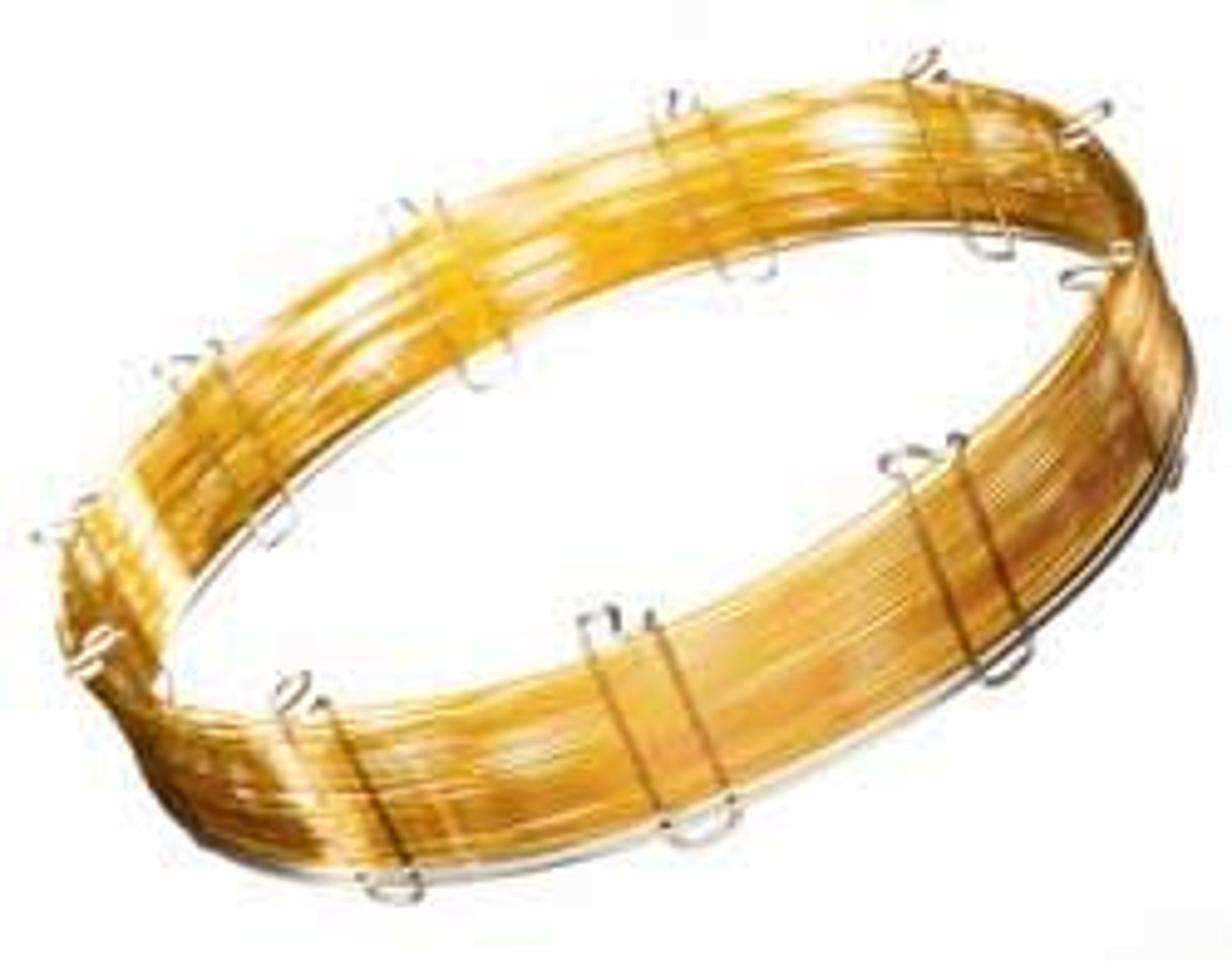
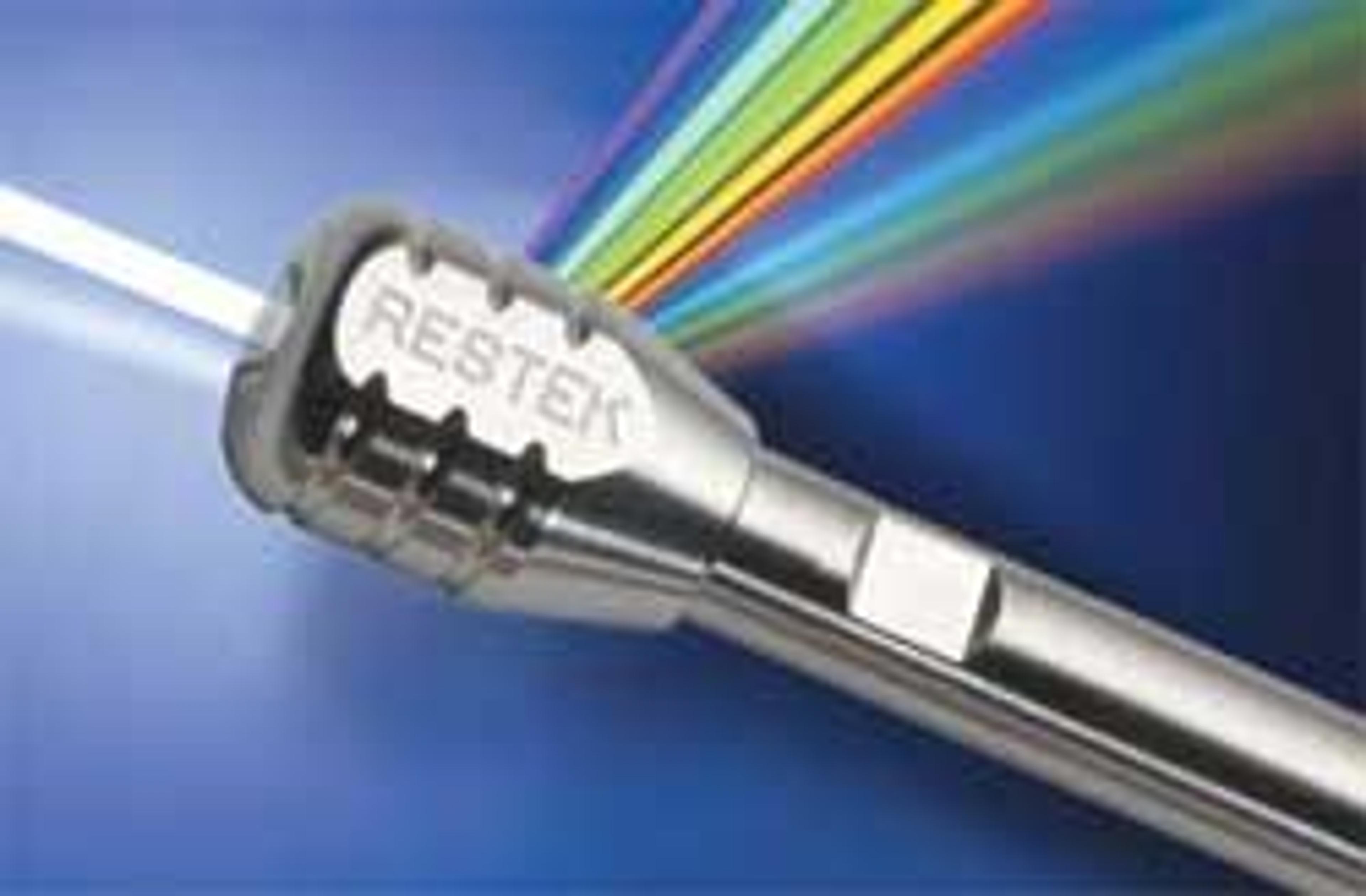
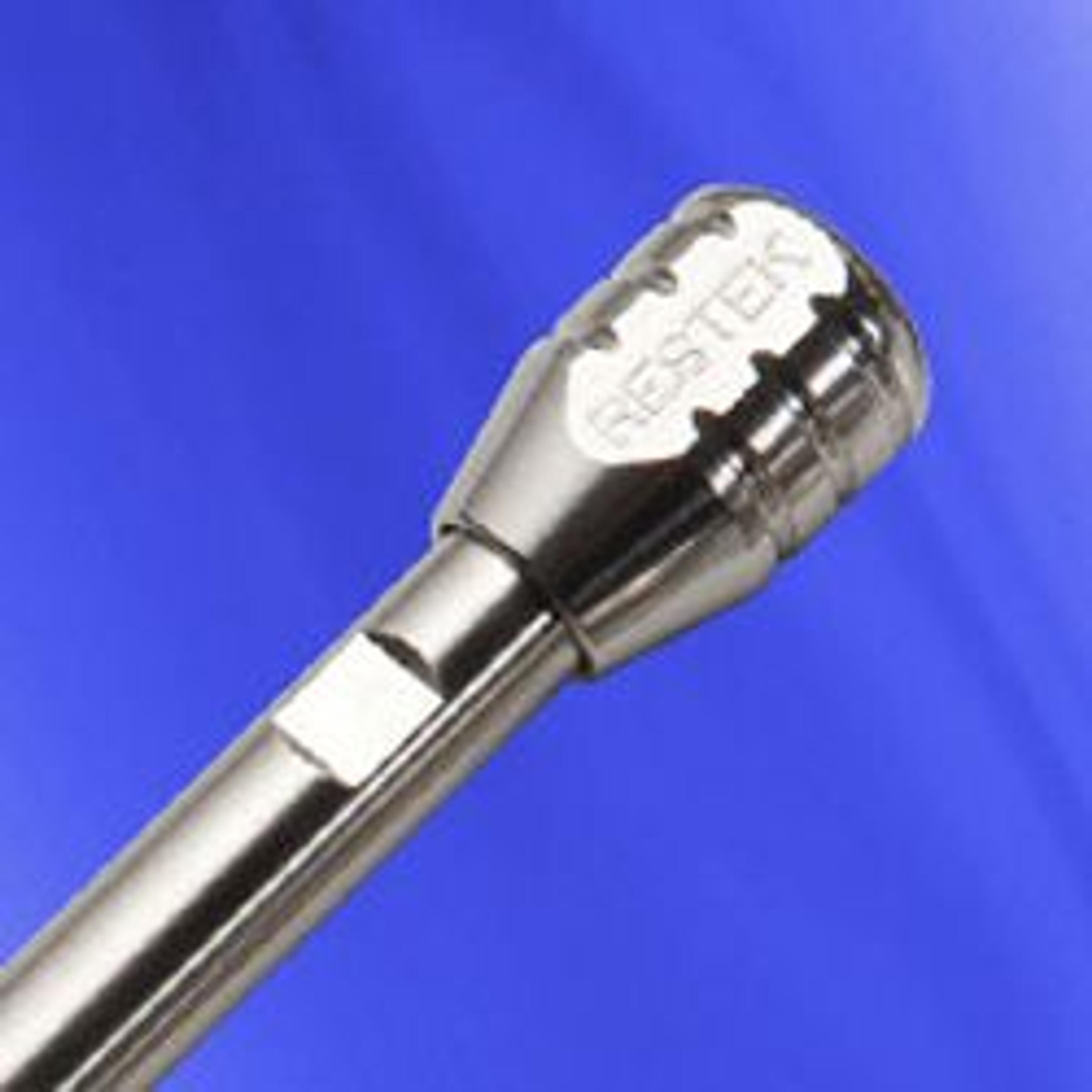
Rtx®-CLPesticides Columns
Improved resolution and faster analyses, compared to 1701 or phenyl phases, make these the pesticide columns of choice.

Receive your quote directly from the manufacturer.
Great results.
Analyze PCBs, pesticides and herbicides
Works great for analyzing PCBs, pesticides and herbicides.
Review Date: 16 Dec 2019 | Restek Corp.
Pretty good
Drinking Water
Fantastic resolution. Not the top of the line, but for the money, definitely gets the job done.
Review Date: 12 Apr 2019 | Restek Corp.
Great Columns. Covers all our analysis needs. Great Value. Long Lasting.
EPA 515.3, 504, 505. HAA5, 8082, 8121
We love this product it covers all the organic extraction that we preform in our laboratory. We have never had an issue with these column. They last for years.
Review Date: 27 Jul 2018 | Restek Corp.
Great column for HAA analysis.
Haloacetic Acid analysis
Haloacetic Acid analysis is a labor intensive and time consuming test. It is important to be able to trust the products being used, and this column delivers. It lasts longer than expected, especially when injecting such a volatile sample set. I have been very impressed.
Review Date: 27 Jul 2018 | Restek Corp.
Improved resolution and faster analyses, compared to 1701 or phenyl phases, make these the pesticide columns of choice.
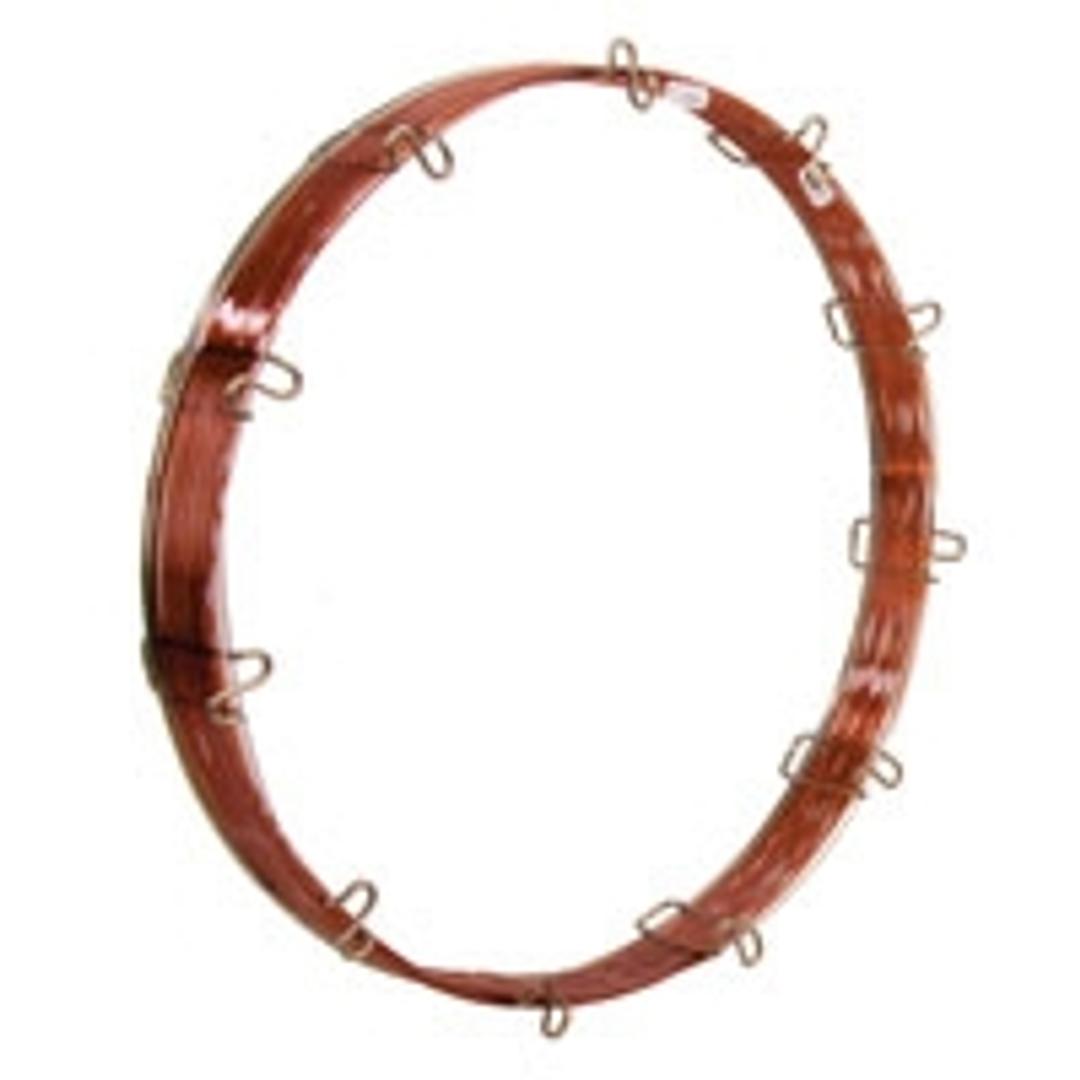
Rtx®-CLPesticides columns are specially designed to overcome the coelutions and analyte breakdown typically encountered in chlorinated pesticide analyses for EPA Methods 8081, 608, and CLP. By achieving baseline resolution of the 20 target analytes, more accurate qualitative data can be obtained, providing reliable identification without GC-MS.
Column bleed, measured by ECD, is extremely low at temperatures up to 330 °C, which is critical for baking-out the column to remove high-boiling compounds commonly found in pesticide/PCB extracts. An analysis time of less than 10 minutes improves throughput compared to other stationary phases.
Features:
- Application-specific columns for organochlorine pesticides and herbicides.
- Low bleed—ideal for GC-ECD or GC-MS analyses.
- Baseline separations in less than 10 minutes.
- Stable to 340 °C.
- Analyze EPA Method 8081B, 8082A, 8151A, 504.1, 515, 508.1, and 552.2 compounds without time-consuming column change.

Analysis of Halogenated Environmental Pollutants Using Electron Capture Detection
This guide discusses analytical methods for monitoring halogenated pollutants in a wide variety of matrices including water, solids (soils and plant materials), and biota (fish and animal tissue). Classes of compounds such as chlorinated pesticides, polychlorinated biphenyls (PCBs), chlorinated herbicides, disinfection byproducts, and fumigants are among the pollutants addressed here. Gas chromatography (GC) combined with electron capture detection (ECD) is a common technique used for analyzing these compounds.
Improve Results for GC-ECD Analysis of Chlorinated Pesticides
Many chlorinated pesticides have been banned for use because of their short- and long-term toxicity, carcinogenicity, and environmental persistence. An expanded list of these chemicals, some of which are still actively applied in the field, has been included in the updated U.S. Environmental Protection Agency (EPA) Method 8081B. Despite the fact that most of these chlorinated pesticides are now illegal to use, manufacture, and transport in the U.S., organochlorine compounds are still a potential source of pesticide poisoning. Although most of these chlorinated pesticides have limited water solubility and mobility, they do bioaccumulate and persist in the environment. Since there is an ongoing risk for exposure from a number of sources, it is still essential to test soils, wastewater, and sediments for their presence.
Fast, Simple QuEChERS Extraction and Cleanup of Pesticide Residue Samples
Quick, Easy, Cheap, Effective, Rugged, and Safe, the QuEChERS method for extracting pesticides from food is based on research by the US Department of Agriculture. In addition to using less solvent and materials versus conventional SPE methods, QuEChERS employs a novel and much quicker dispersive solid phase extraction cleanup (dSPE). QuEChERS methods, including an AOAC Official Method and modifications to the methods, have been posted on the internet. This application note discusses a general QuEChERS method and highlights the basic steps these methods have in common.
Prepare Olive Oil Samples for Pesticide Residue Analysis in Half the Time with a Fraction of the Solvent Using dSPE
Olive oil is considered a healthy fat source and is a staple in many recommended diets. However, concerns about potentially negative health effects associated with pesticide residues have increased consumer interest in testing. There are several existing methods for measuring pesticide residues in olive oil, all of which involve sample extraction and cleanup. The common goal of these methods is to remove lipids that are harmful to the analytical system. Efficient sample cleanup procedures are critical to maximizing sample throughput and minimizing labor and material costs. This application note demonstrates the efficiency of a dSPE cleanup procedure, as well as the capabilities of a method-specific analytical column.
Unique Rtx®-CLPesticide Column Provides Optimal Results for Organochlorine Pesticide Analysis Using Any Carrier Gas
This application note compares the performance of Rtx®-CLPesticides and Rtx®-CLPesticides2 columns to a competitor’s CLP column set using helium, hydrogen, and nitrogen carrier gases. These column sets differ in selectivity, and since proprietary Rtx®-CLPesticides and Rtx®-CLPesticides2 columns were developed specifically for organochlorine pesticides analysis by GC-ECD, their unique column selectivities provide optimal resolution and fast analysis times whether operated using helium, hydrogen, or nitrogen carrier gases.
Unique Rtx®-CLPesticides Column Set Provides Optimal Results for Organochlorine Pesticides GC-Micro-ECD Analysis Using Any Carrier Gas
Over the past few years, the increasing costs and uncertain availability of helium have prompted many labs to explore alternate carrier gas options. This application note compares the performance of Rtx®-CLPesticides and Rtx®-CLPesticides2 columns to a competitor’s CLP column set using helium, hydrogen, and nitrogen carrier gases for a frequently used dual-column GC-ECD method. These column sets differ in selectivity, and since proprietary Rtx®-CLPesticides and Rtx®-CLPesticides2 columns were developed specifically for organochlorine pesticides analysis by GC-ECD, their unique column selectivities provide optimal resolution and fast analysis times whether operated using helium, hydrogen, or nitrogen carrier gases.