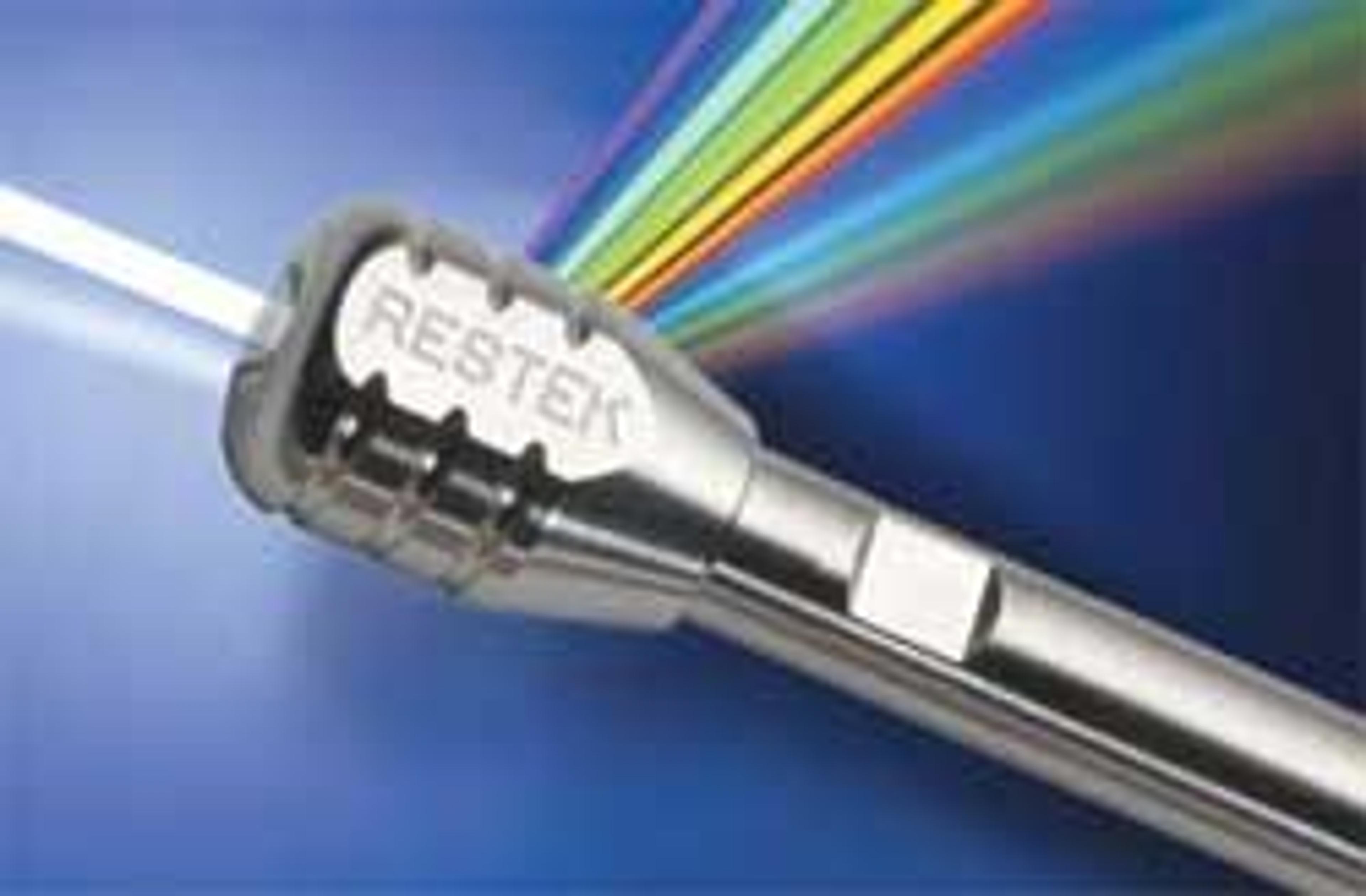
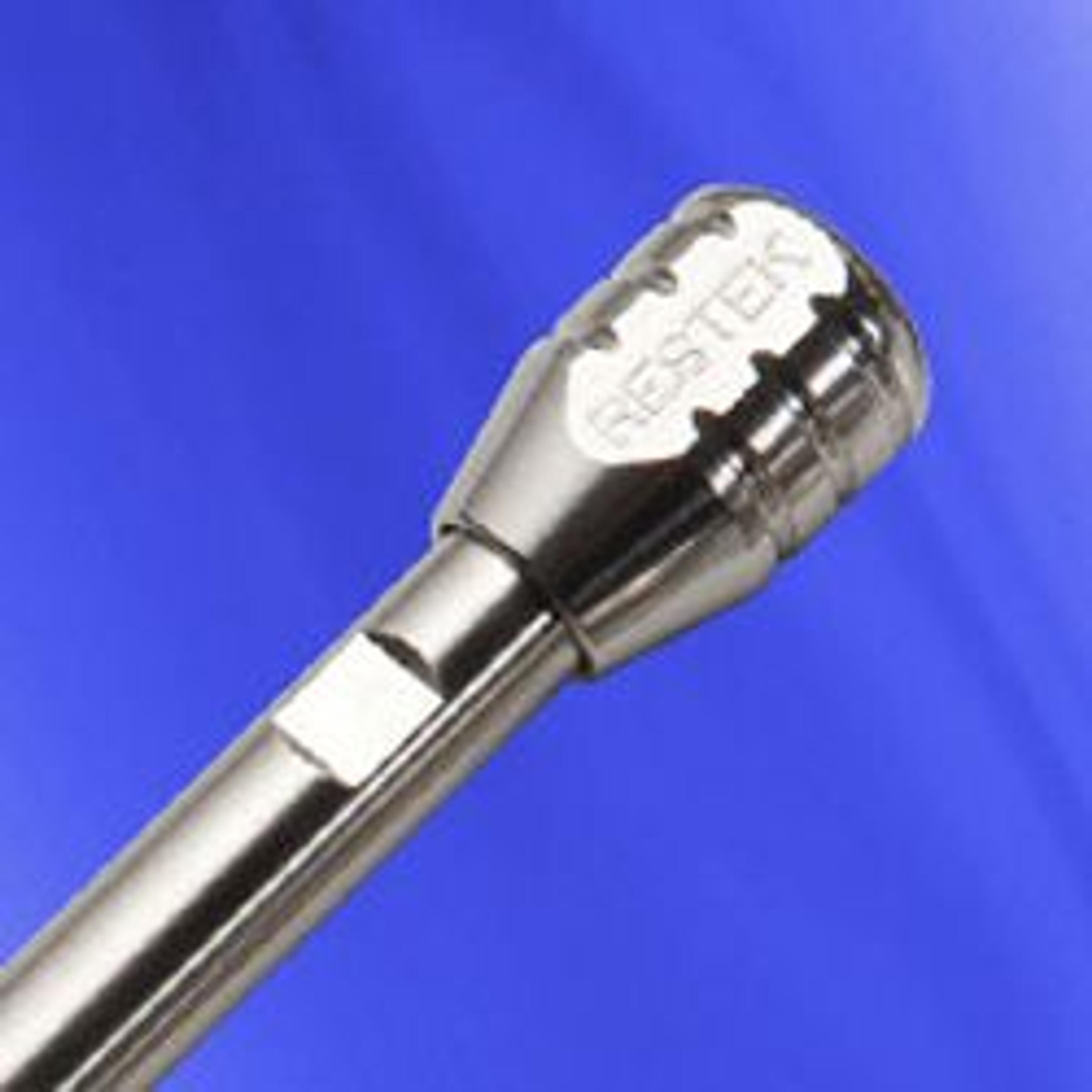
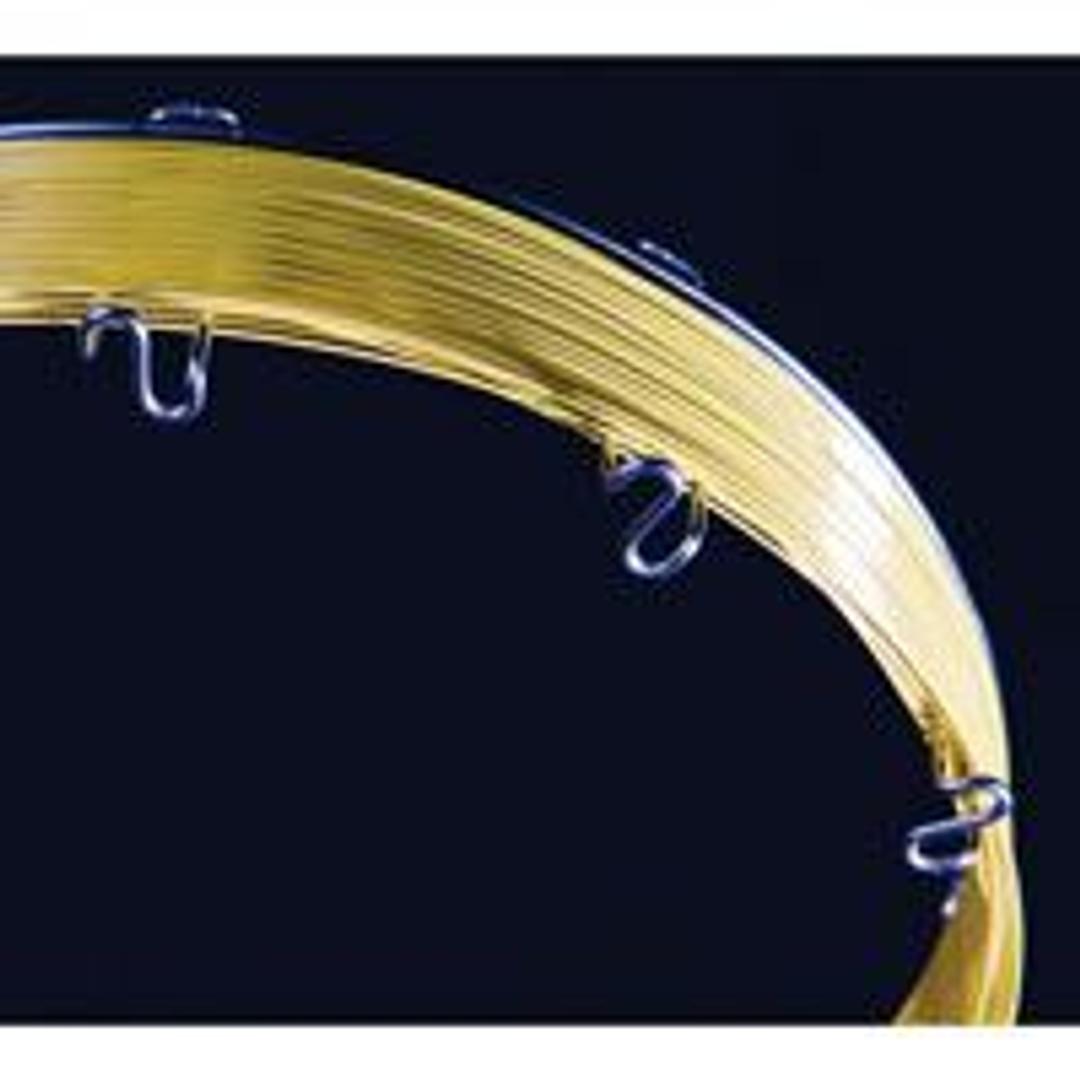
Rt®-Alumina BOND/MAPD Columns
•Optimized deactivation produces maximum response when analyzing trace levels of acetylene, methyl acetylene, and propadiene. Stable response factors make this column ideal for process-type applications where recalibration must be minimized. High loadability reduces peak tailing and improves separations.

Receive your quote directly from the manufacturer.
- Optimized deactivation produces maximum response when analyzing trace levels of acetylene, methyl acetylene, and propadiene.
- Stable response factors make this column ideal for process-type applications where recalibration must be minimized.
- High loadability reduces peak tailing and improves separations.
- Extended temperature range up to 250 °C for fast elution of high molecular weight (HMW) hydrocarbons and accelerated column regeneration following exposure to water.
Rt®-Alumina BOND/MAPD PLOT columns are made specifically for the analysis of petrochemicals and downstream products such as ethylene, propylene, butylenes, and butadiene.
Also available in metal MXT®-Alumina columns!

Analysis of Trace Hydrocarbon Impurities in 1,3-Butadiene
Identifying and quantifying trace impurities in 1,3-butadiene is critical in producing high quality synthetic rubber products. Standard analytical methods employ alumina PLOT columns which yield good resolution for low molecular weight hydrocarbons, but suffer from irreproducibility and poor sensitivity for polar hydrocarbons. In this application note, Rt®-Alumina BOND/MAPD PLOT columns were used to separate both common light polar contaminants, including methyl acetylene and propadiene, as well as 4-vinylcyclohexene, which is a high molecular weight impurity that normally requires a second test on an alternative column.
Analysis of Trace Hydrocarbon Impurities in 1,3-Butadiene
In this study trace impurities of 1,3-Butadiene are separated into both common light polar contaminants, including methyl acetylene and propadiene, as well as 4-vinylcy¬clohexene, which is a high molecular weight impurity. By using an extended temperature program 4-vinylcyclohexene, as well as all of the typical low molecular weight impurities, can be analyzed in a single test.