Raptor FluoroPhenyl LC Column
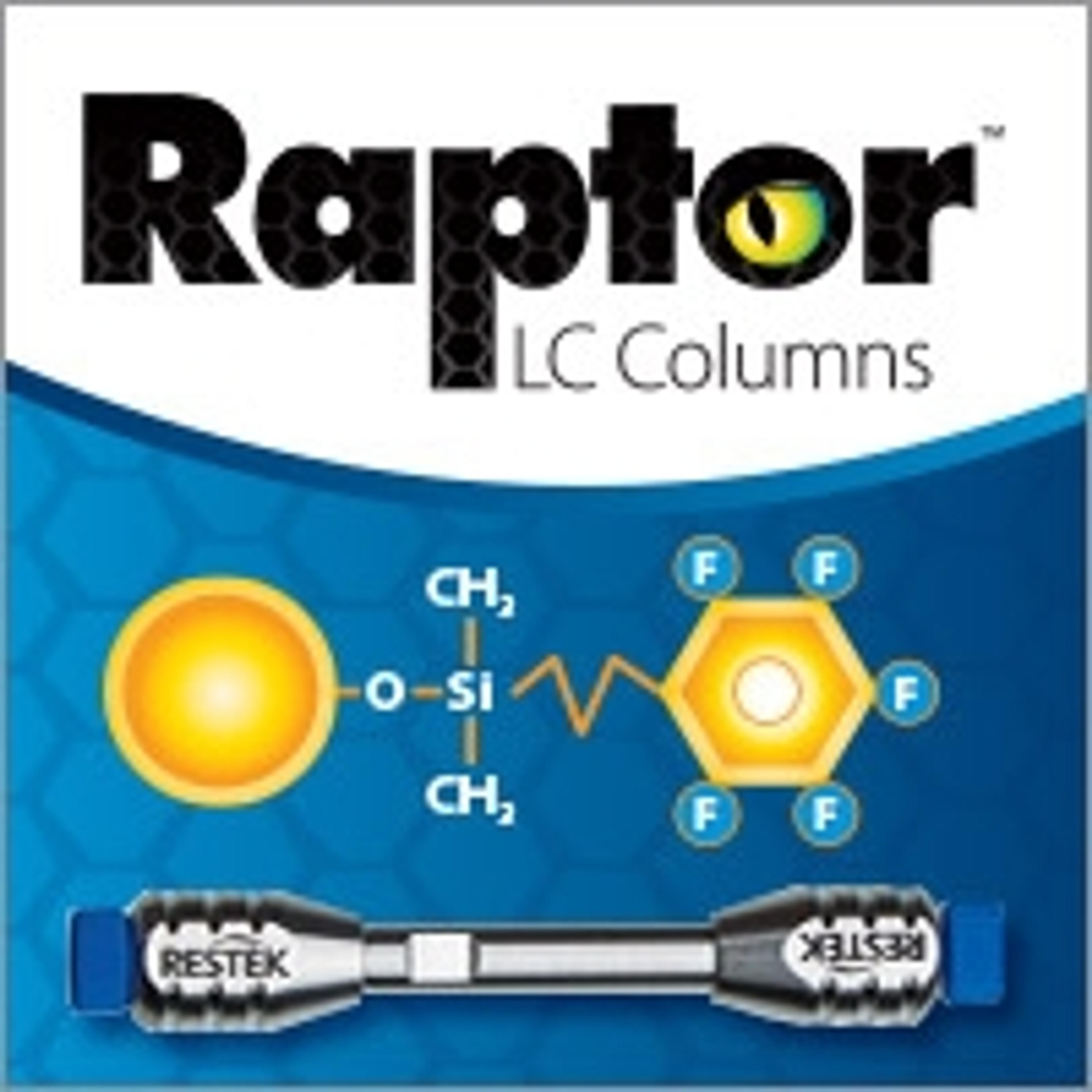
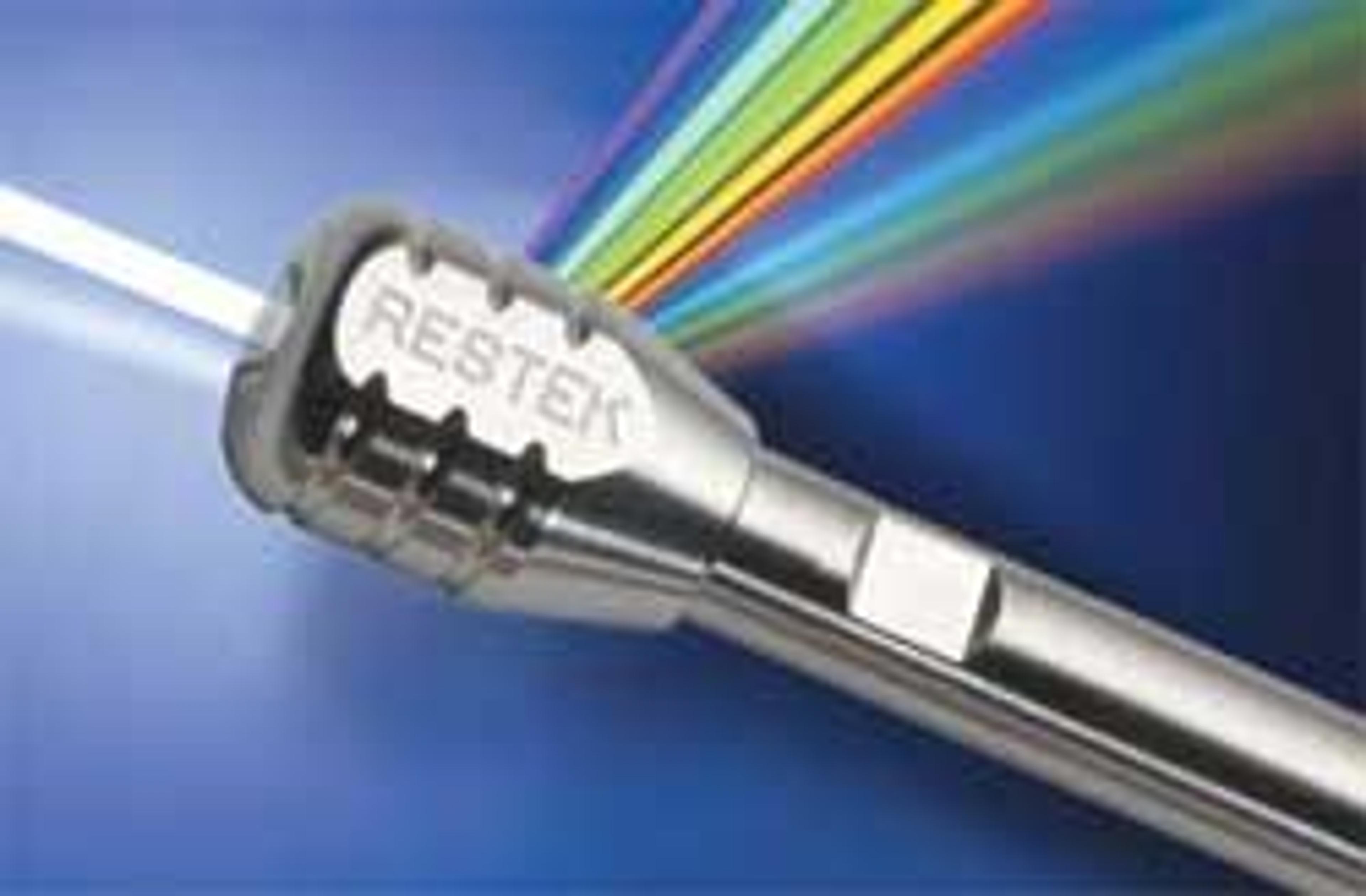
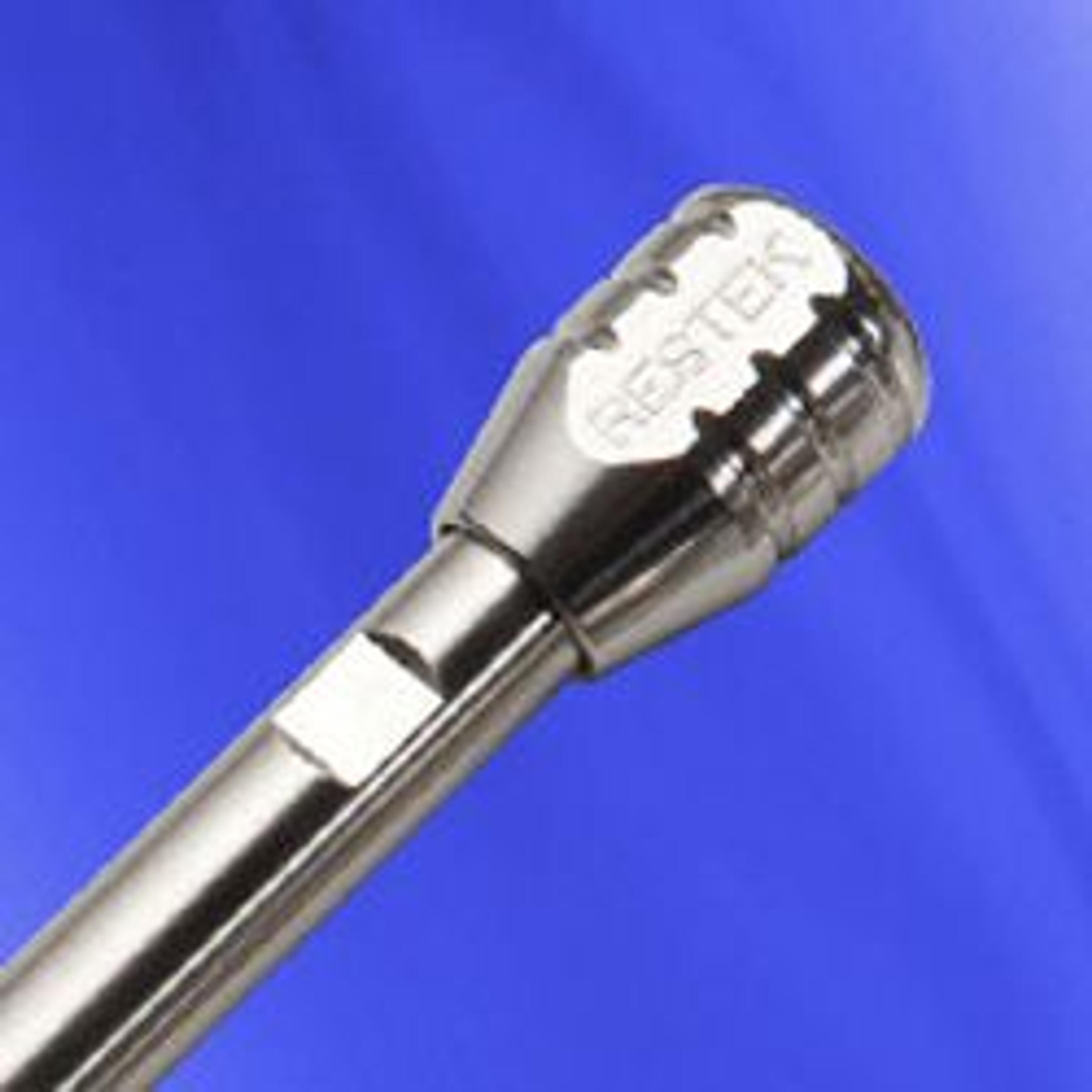
Restek's Raptor FluoroPhenyl column offers the ability to run in reversed-phase or HILIC mode for a variety of compounds. It is ideal for increasing sensitivity and sensitivity in LC-MS analyses.

Receive your quote directly from the manufacturer.
Restek's Raptor FluoroPhenyl column offers the ability to run in reversed-phase or HILIC mode for a variety of compounds. It is ideal for increasing sensitivity and sensitivity in LC-MS analyses.
Restek chemists became the first to combine the speed of superficially porous particles (also known as SPP or “core-shell” particles) with the resolution of highly selective USLC technology. This new breed of chromatographic column allows you to more easily achieve peak separation and faster analysis times without expensive UHPLC instrumentation.
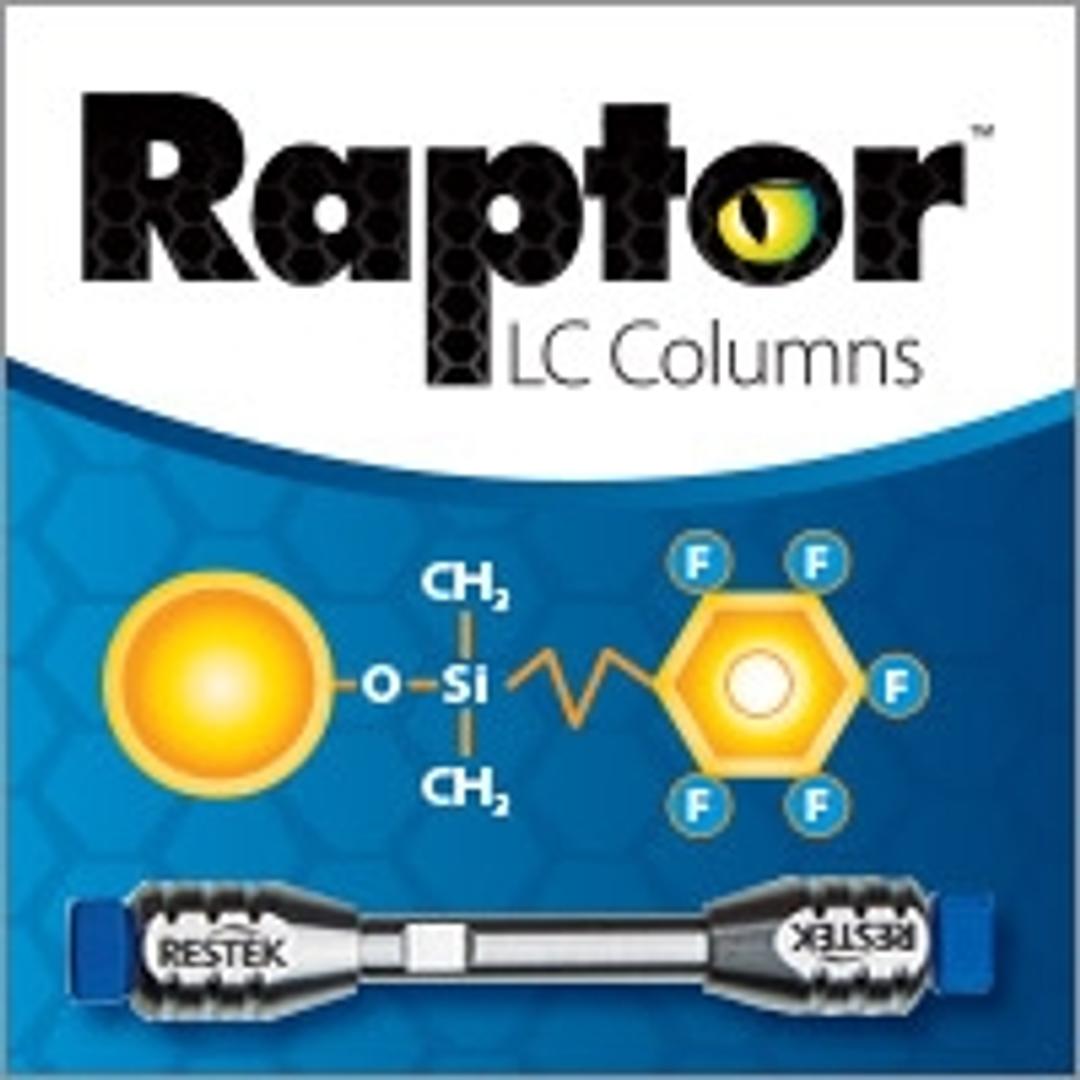
Restek has now extended the speed and reliability of Raptor column technology into the HILIC realm with the addition of Raptor FluoroPhenyl columns. Restek's Raptor FluoroPhenyl phase offers chromatographers the ability to run in reversed-phase or HILIC mode for a variety of compounds. The Restek Raptor FluoroPhenyl column is also amenable to LC-MS because it is extremely reliable and efficient with acidic mobile phases.
Raptor™ FluoroPhenyl LC Columns Feature:
- Capable of both reversed-phase and HILIC separations.
- Ideal for increasing sensitivity and selectivity in LC-MS analyses.
- Offers increased retention for charged bases.
- Part of Restek’s Raptor LC column line featuring 2.7 and 5 μm SPP core-shell silica.
- Switch to a Raptor FluoroPhenyl LC column when you need more retention and selectivity for basic and hydrophilic compounds than you can achieve on a C18.

Improved Analysis of Aldehydes and Ketones in Air Samples with Faster, More Accurate Methodology
Accurate analysis of aldehydes and ketones in air samples is an important part of monitoring air pollution and protecting human health around the world. These airborne carbonyls from industrial and vehicle emissions are precursors to ozone in smog and are associated with respiratory and pulmonary problems. The following application note details an improved methodology for this analysis.
Analysis of Synthetic Cannabinoids and Metabolites: Adding New Compounds to an Existing LC-MS/MS Method
The analysis of synthetic cannabinoids and their metabolites can be a difficult and challenging task. Keeping up with the ever-growing list of synthetic cannabinoids that illicit drug makers produce further complicates the analysis. This application note shows how the retention and selectivity of the Raptor Biphenyl column enable new drugs to be added to an existing LC-MS/MS method.
Rapid Analysis of C3 Epimers of 25-Hydroxyvitamin D in Serum by LC-MS/MS
The C3 epimers of 25-hydroxyvitamin D have lower bioactivity than the primary metabolites and, unless they are chromatographically separated, can cause clinical vitamin D levels to be overestimated. This application note demonstrates that Raptor FluoroPhenyl columns provide baseline resolution of all key compounds, and the method established here allows accurate quantification in a fast, 5-minute analysis time (7-minute total cycle time). This method is recommended for labs interested in reporting C3 epimer concentrations separately in order to obtain more accurate results for the clinical diagnosis of vitamin D status.
LC-MS/MS Analysis of Vitamin D on Raptor FluoroPhenyl Column
The application notes describe the use of the Raptor FluoroPhenyl column, in the analysis of C3 Epimer of 25-Hydroxyvitamin D. Vitamin D analysis has increased in clinical practice, due to its association with multiple human diseases. This column is high-throughput and the results produced are highly reproducible and accurate.
Reliable HILIC LC-MS/MS Analysis on Raptor FluoroPhenyl Columns
The application notes describe the use of the Raptor FluroPhenyl column, in the analysis of 4-Methylimidazole, a possibly carcinogenic substance, found as a byproduct of food coloring agent manufacturing. This column is high-throughput and the results produced are highly reproducible.