Nano-Glo® Dual-Luciferase® Reporter Assay System
Switch Seamlessly from Your Current Dual-Luciferase® Assay!

Receive your quote directly from the manufacturer.
Great luciferase assay system! Extremely sensitive and precise!
Identifies Plasmodium ookinete parasites in in vitro assays to quantify parasite inhibition
Identifies Plasmodium ookinete parasites in in vitro assays to quantify parasite inhibition. It is an extremely sensitive luciferase that helps identify these gentle parasitic stages. The RLU reported are great for dose response generation curves
Review Date: 22 Mar 2023 | Promega Corp.
Super sensitive with small size vector!
Measure the activation of transcription factor
This very sensitive reporter assay is suitable for reporters that are less active. Also, the small size of NanoLuc luciferase makes large vectors such as lentiviral vector possible with high titer
Review Date: 26 Oct 2019 | Promega Corp.
Great products!
Targetted Protein Degradation
I have been using many products from Promega, such as Nano-glo HiBiT Lytic detection system, Dual-luciferase Reporter assay system, NanBiT Protein: Protein Interaction System, Nano BRET. I like these systems. They always deliver high quality of data. I will continue to use them and expose new products.
Review Date: 25 Oct 2019 | Promega Corp.
The dual NanoGlo reagent coupled with a coincident FLuc/NanoLuc reporter saved time
reporter gene assays
Reagent can be used to detect firefly luciferase and NanoLuc luciferase in the same assay well using the coincident reporter system. This greatly reduced reporter biased compounds.
Review Date: 24 Feb 2016 | Promega Corp.
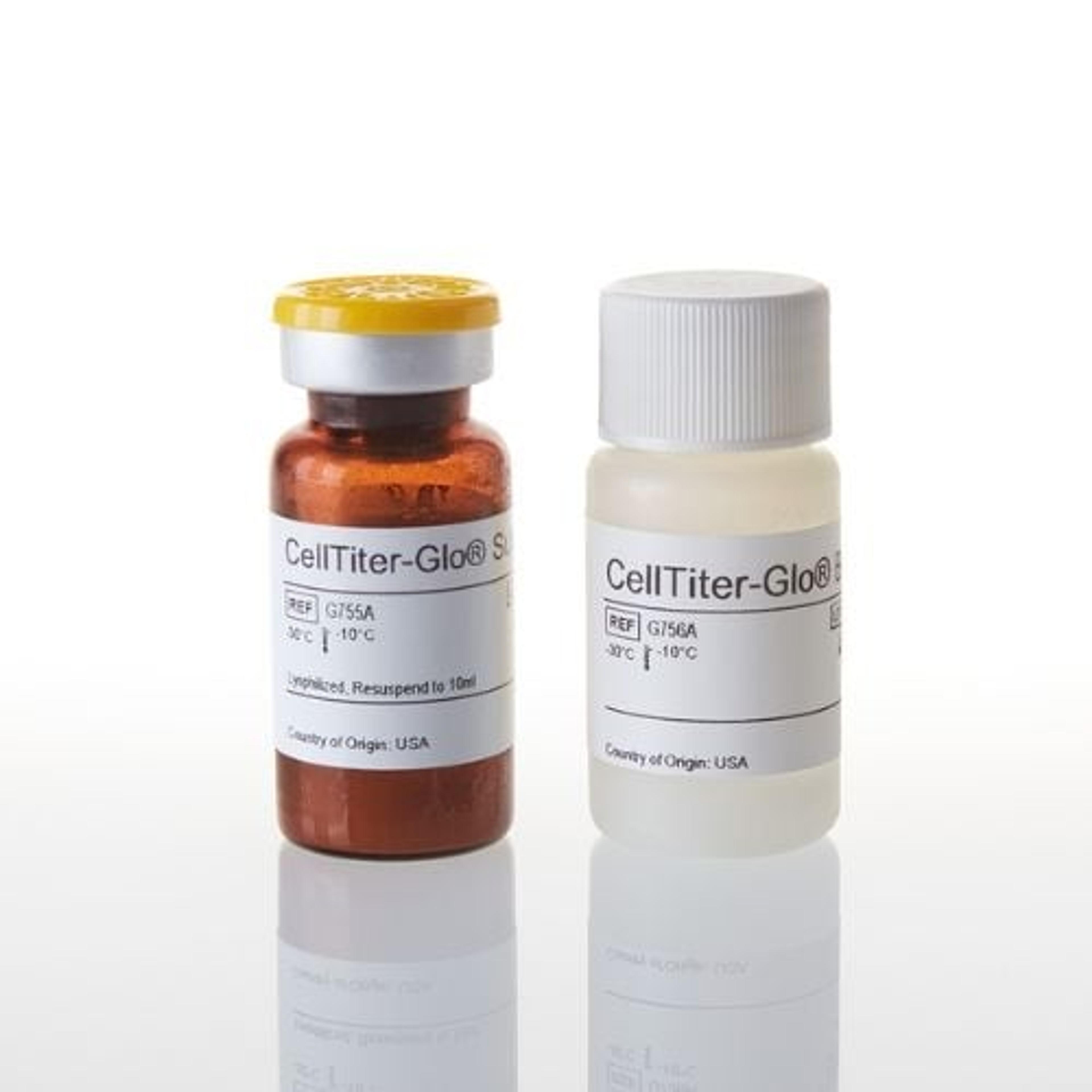
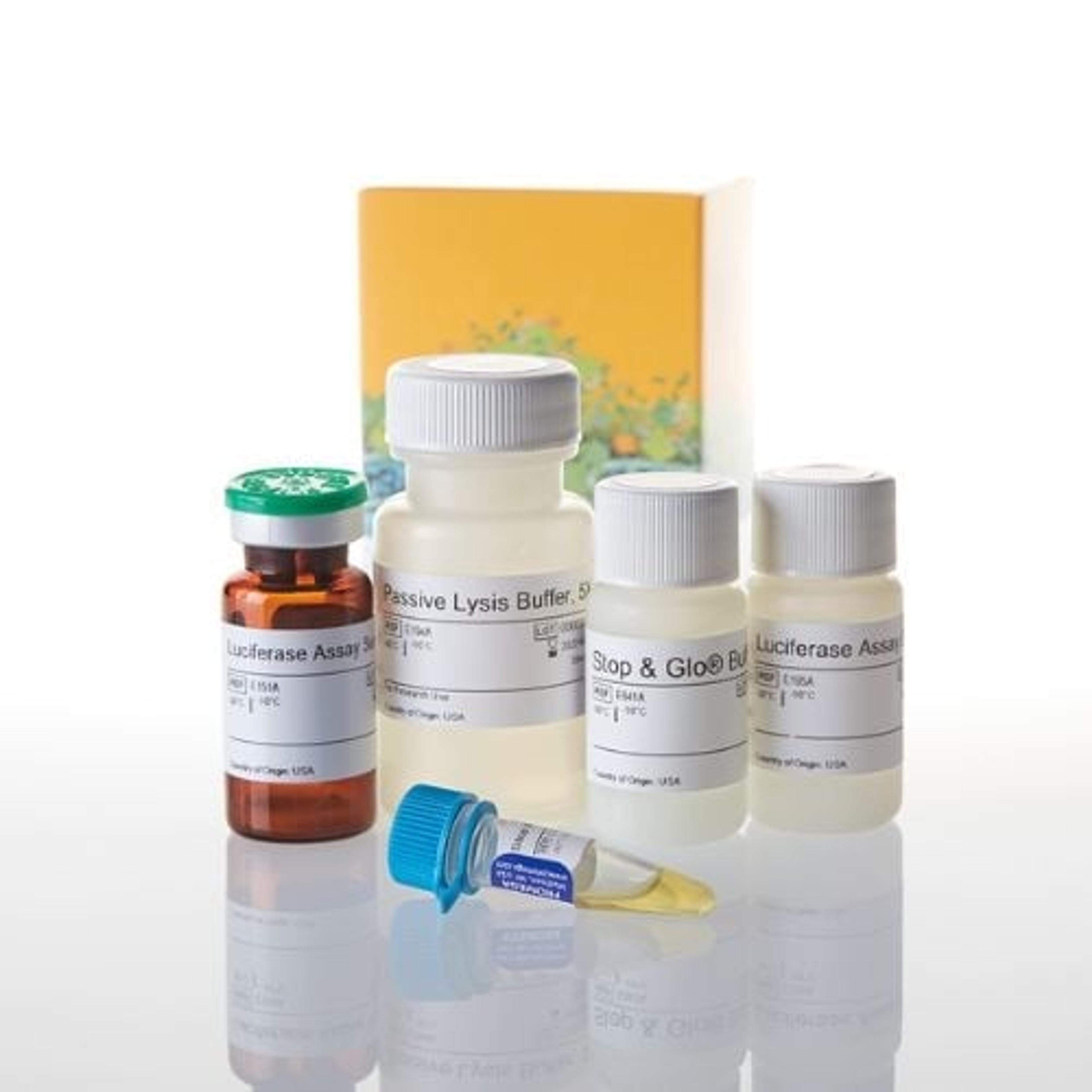
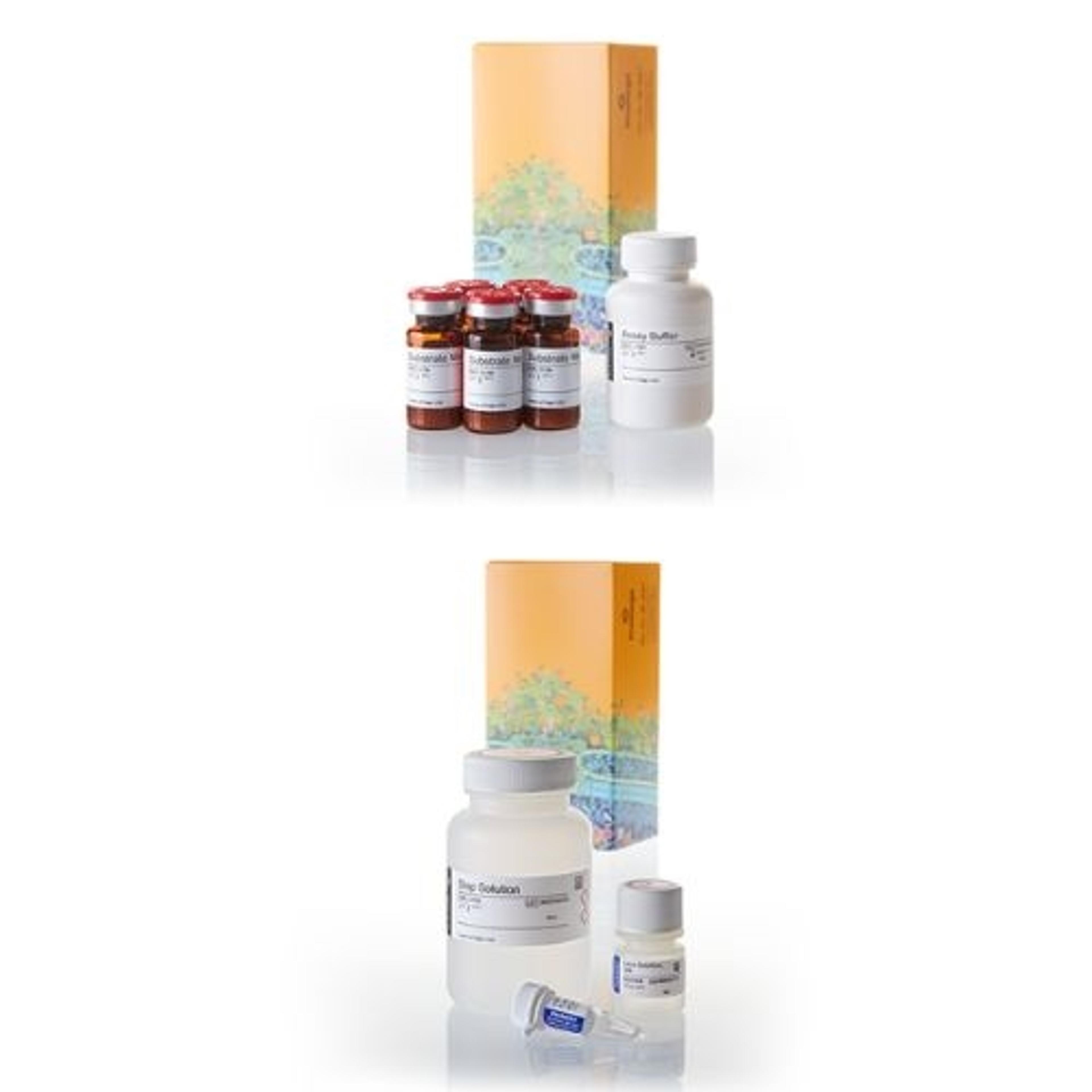
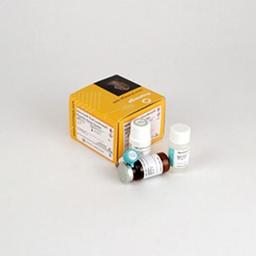
The Nano-Glo® Dual-Luciferase® Reporter (NanoDLR™) Assay System is a homogeneous reagent system that allows you to sequentially detect the activities of firefly (Photinus pyralis) luciferase and NanoLuc® luciferase (Nluc) from a single sample.
The firefly luciferase (Fluc) activity is measured first using ONE-Glo™ EX Luciferase Assay Reagent. NanoDLR™ Stop & Glo® Reagent is added to quench the firefly signal and provide the furimazine substrate needed to measure Nluc activity. This convenient “add-read-add-read” format generates stable glow-type luminescent signals for both reporters directly from cells with no lysis or cell preconditioning steps required.
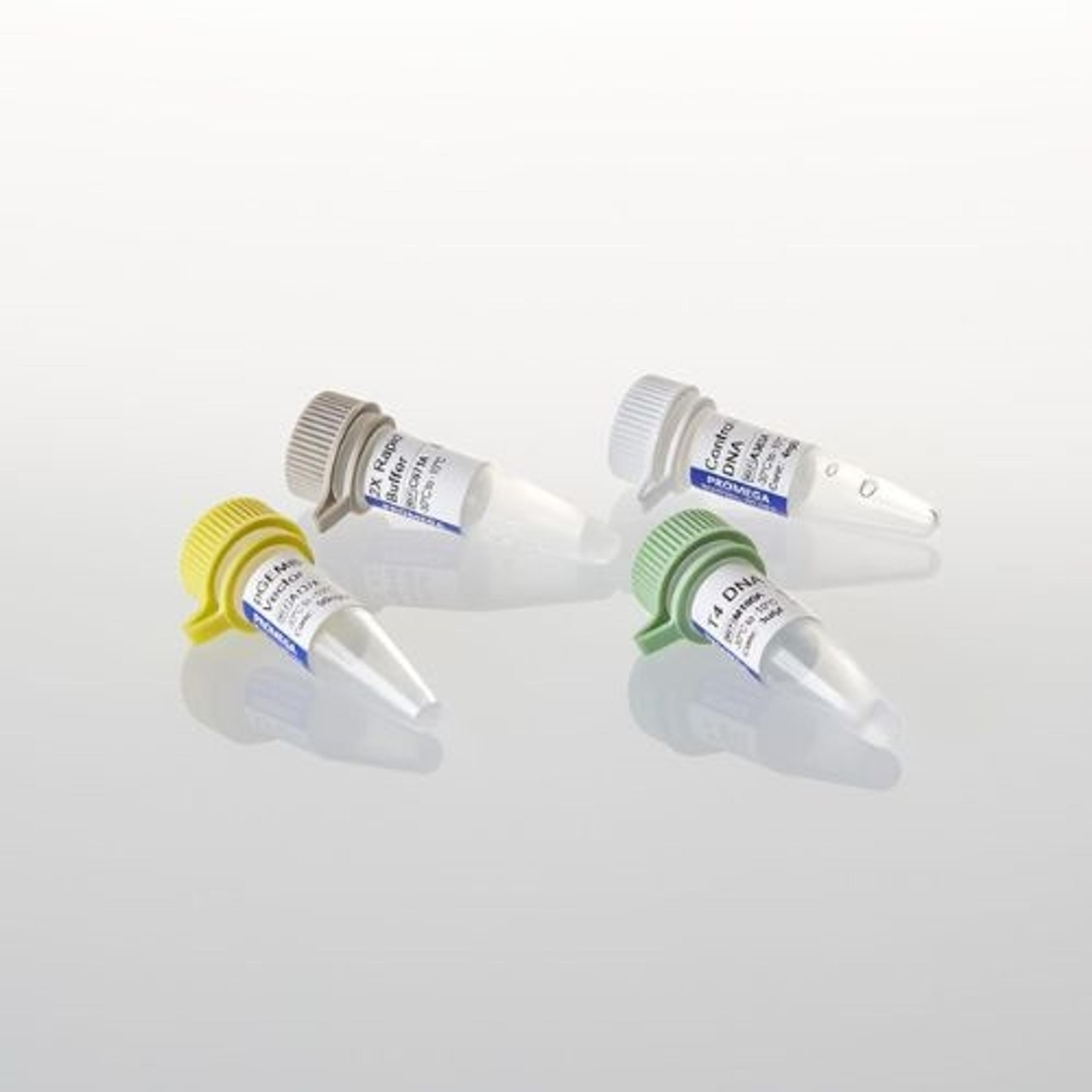
Potent Fluc inhibition coupled with the high-intensity Nluc luminescence create a dual assay in which both reporters have maximum sensitivity in an assay format that is both easy-to-use and flexible. The NanoDLR™ workflow is compatible with assays or screens in any plate size, supports batch processing, and is ideal for any luminometer with no specific filter or injector requirements. Excellent signal separation allows for use of either Nluc, Fluc or both as the dynamic experimental reporter. Co-reporter control vectors expressing either Nluc or Fluc from a variety of promoters are available individually or can be obtained in reagent/vector bundles that provide the NanoDLR™ reagent with the TK or PGK control vector of choice for simple adoption of the NanoDLR™ Assay.
Features:
- Experience Improved Assay Performance: Better quenching of the Fluc signal and the bright Nluc co-reporter in a homogeneous assay format with stable signal kinetics for convenient “add-read-add-read” processing.
- Achieve Greater Sensitivity: An Nluc signal up to 1,000 times brighter than Renilla luciferase and efficient separation of the Nluc and Fluc signals allow greater sensitivity, improved signal:background ratios and two independent reporters at full dynamic range.
- Choose Your Assay Configuration: Use either Fluc or Nluc as the experimental reporter with the other as an internal normalization control, or multiplex with two experimental reporters for maximum data or expanded applications.
- Notice Improved Ease-of-Use: Optimized reagents have greater stability, reducing requirements to aliquot and freeze, offer reduced reagent odor, and demonstrate decreased sensitivity to culture components.
- Take Advantage of Workflow Flexibility: Designed as an “add-read-add-read” assay that can be used directly on cells; also compatible with injection-based protocols and cell lysates allowing use with any plate size up to 1,536-well format with minimal instrument limitations.

Comparative Analysis of Dual-Luciferase® Assay Technologies in a High Throughput Microplate Format
This application note describes a study to investigate the performance of several luciferase variants and assay formats adapted to a high throughput screening compatible, 384-well format across a range of compatible microplate readers, including Synergy HTX.
New Cellular Reporter Technologies Using X‐MANTM Cell Models
X‐MAN™ (gene‐X Mutant And Normal) cell lines provide genetically defined, patient‐relevant, predictive in vitro models of genetic disease. This scientific poster presents the extended applications within targeted drug discovery with the development of new reporter disease models using our GENESIS™ gene engineering technology. These models combine X‐MAN™ cell lines with the endogenous gene reporting capabilities in the form of NanoLuc™ luciferase and HaloTag® reporter technologies.
Miniaturized GloSensor cAMP Assay by Promega, Using the Echo® Liquid Handler
As biological assays used for HTS and uHTS are miniaturized, it is critical to maintain assay sensitivity while minimizing reagent volumes and maximizing throughput. The GloSensor cAMP Assay provides an extremely sensitive and easy to use, real-time luminescent assay format for the interrogation of over-expressed or endogenous GPCRs that signal via changes in the intracellular concentration of cAMP. This scientific poster demonstrates optimization of the GloSensor cAMP Assay in low-volume format using a stably transfected HEK293 cell line model expressing the melanocortin 4 receptor (MC4R) and a cAMP-sensing variant of firefly luciferase.
Novel pGL4 Vectors to Monitor Cellular Stress
Promega has created a portfolio of bioluminescence-based reporter gene assays to identify pathways involved in cellular stress. These assays can help identify the cellular mechanisms used by cells to adapt to a perturbation, gaining insight into the potential toxicity of compounds. This scientific poster investigates the efficacy of Promega’s suite of reporter gene assays in detection of activated cellular stress pathways.
A GloMax® Multi Microplate Luminometer Method for Dual-Luciferase® Reporter Assay System
The Dual-Luciferase® Reporter Assay (DLR) from Promega is ideal as a dual genetic reporting luminescence-based assay system for quantitation of gene expression. Two different luciferase reporter enzymes, the firefly (Photinus pyralis) and Renilla (sea pansy or Renilla reniformis), are expressed simultaneously in each cell creating an efficient means of performing two reporter assays in a single sample. The GloMax® Multi Microplate Luminometer with dual injectors provides a convenient, rapid, and sensitive method for quantifying gene expression when used with the Dual-Luciferase® Reporter (DLR) Assay kit. The superior sensitivity and wide dynamic range of the GloMax® Multi Microplate Luminometer make it highly suited for the Dual-Luciferase® Reporter (DLR) Assay application. The GloMax® Multi Microplate Luminometer detects less than 1x10-19 moles of firefly luciferase enzyme using Luciferase Assay Reagent II (LAR II) and 1x10-18 moles of Renilla enzyme using Stop & Glo® Reagent. The GloMax® Multi Microplate Luminometer offers superior sensitivity and dynamic range for luminescence detection, such as the luminescence based dual-reporter assays.