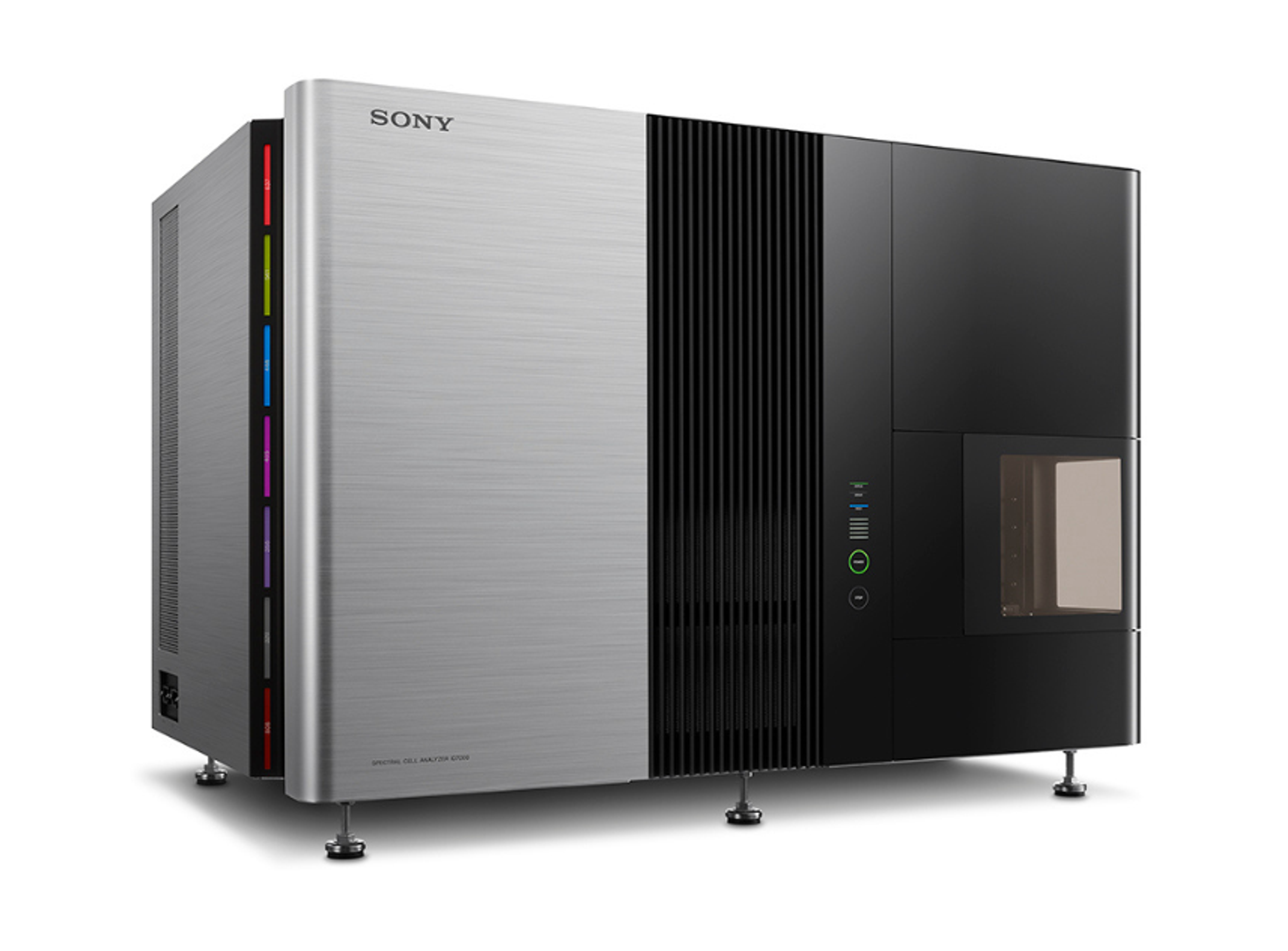
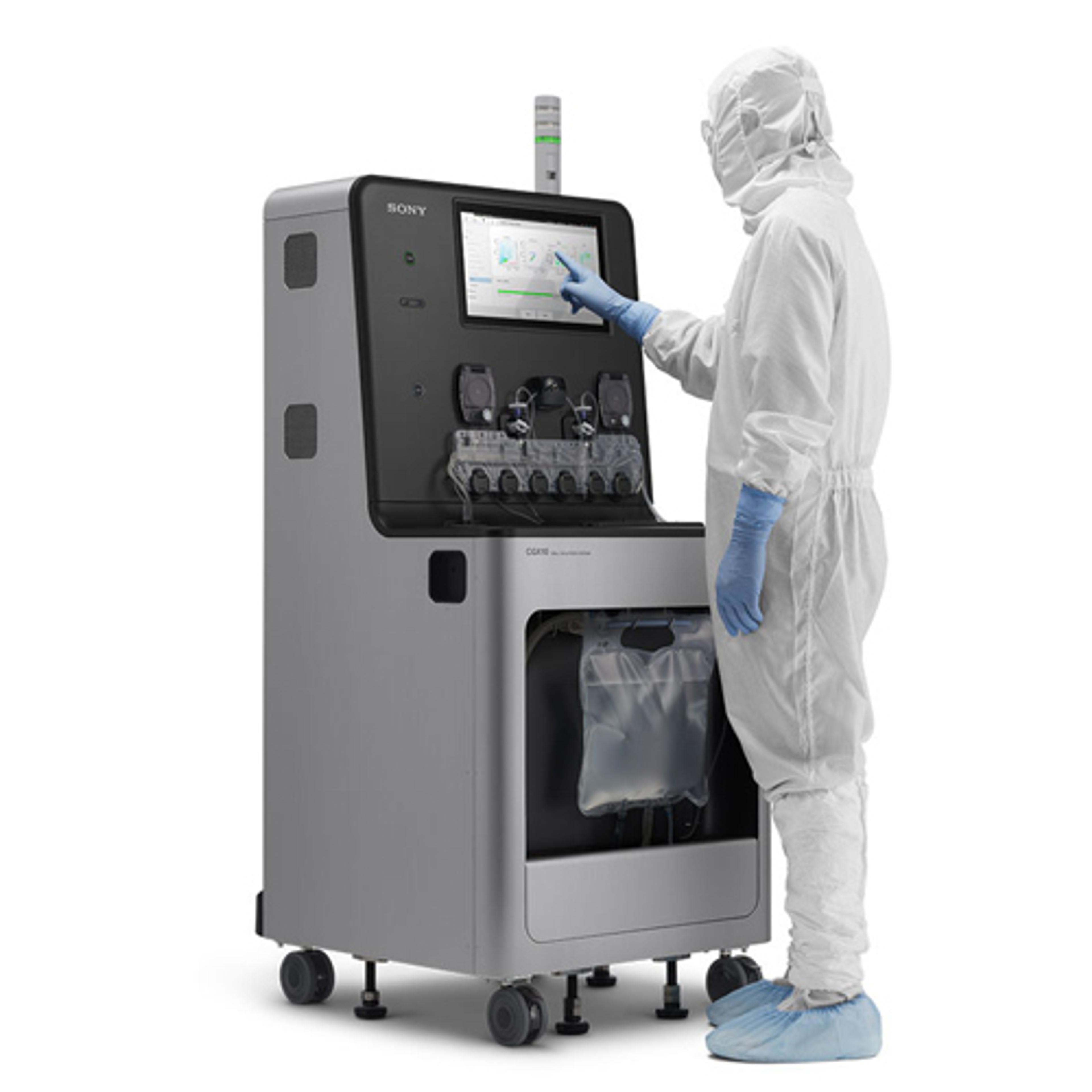
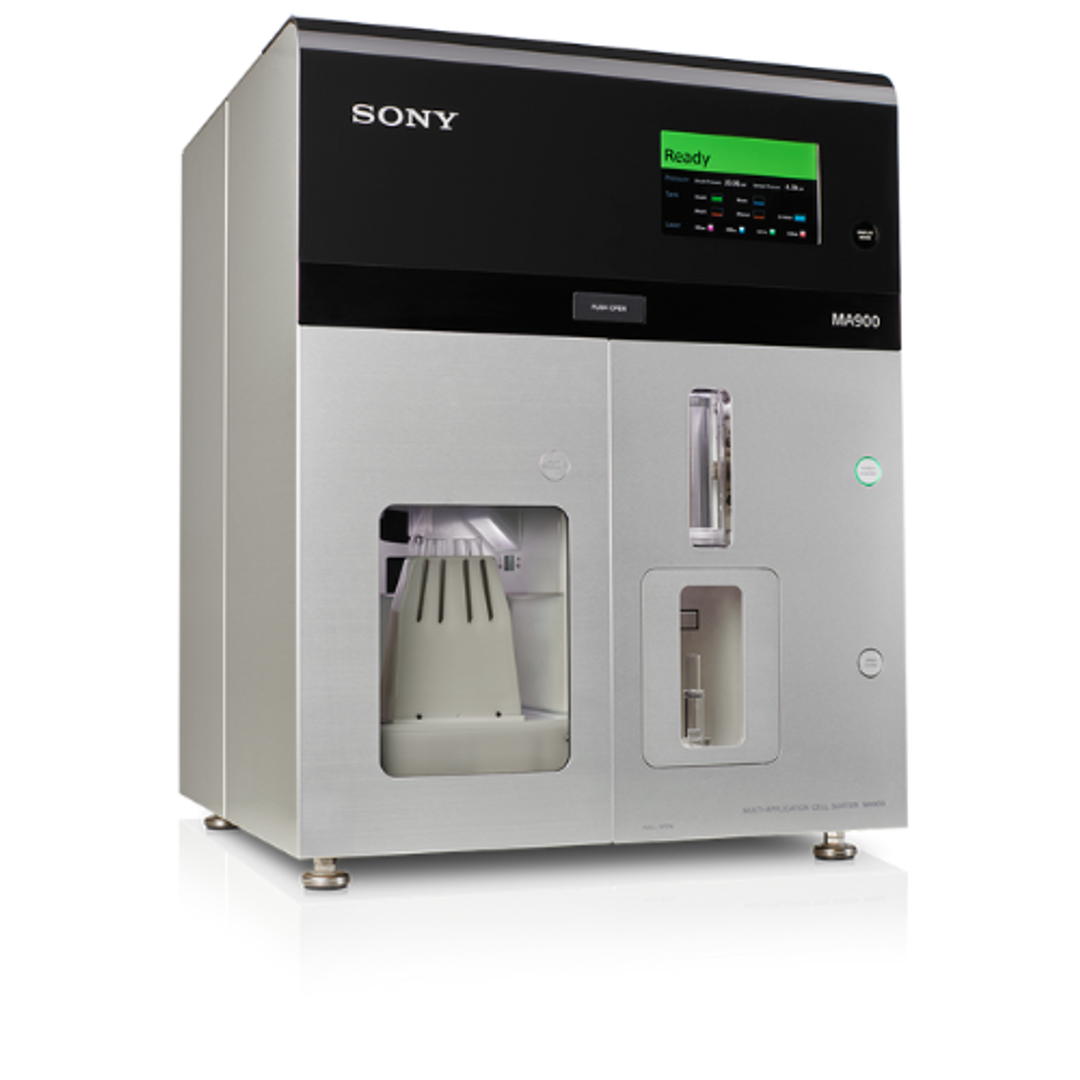
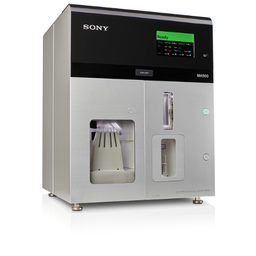
MA900 Multi-Application Cell Sorter
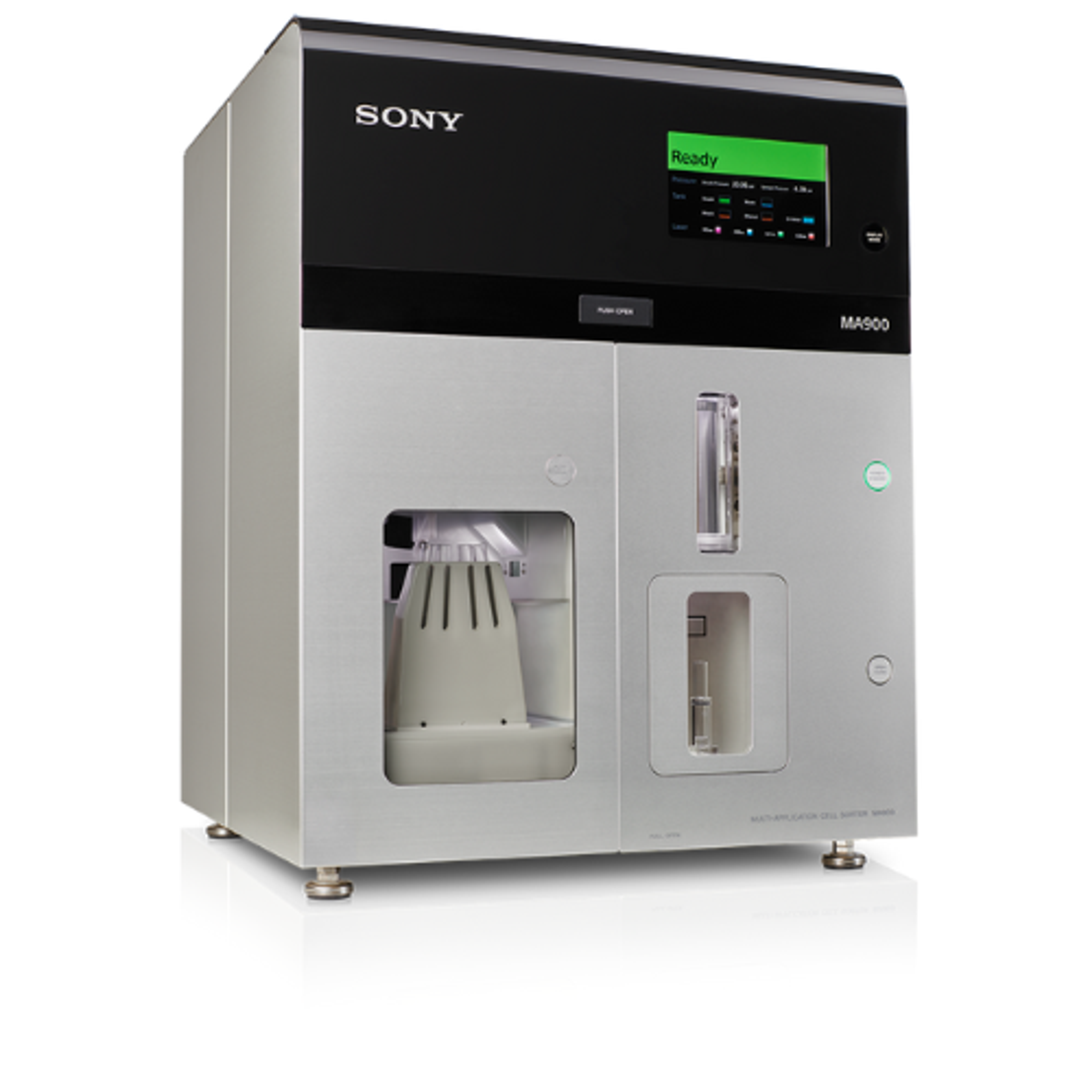
The MA900 from Sony meets the needs of most sorting applications, supporting 12 fluorescence parameters and 4-way sorting. Powerful, modern technologies built into the MA900 system include a patented micro fluidic chip-based design, comprehensive fluidic controls, and advanced automation that dramatically simplifies operation to make sorting less subjective and improve reliability.







Receive your quote directly from the manufacturer.
Useful, but sterility issues
Cell Sorting
Well-utilised for 96 well plate format. Somewhat limited by size - hard to place in a BSC for sterile sorting.
Review Date: 1 Dec 2025 | Sony Biotechnology
We really like our Sony MA900, and we will be depending on it for a long time.
Flow Cytometry
A great instrument that allows us to sort single cells by using up to 12 FL channels. Very easy to use and take care of, and a big step up from the Sony SH800 sorter. After sales service could be a little better.
Review Date: 10 Feb 2023 | Sony Biotechnology
Love this instrument
Cell sorting
The instrument is very user friendly. The wizards are nice and takes the user through the application step by step. It would be nice if the compensation wizard prompted the user to look at the fully stained sample before recording but the rest of it is good. Users love the the manual compensation button and the arrow that allows one to correct compensation with ease. The results are reproducible and the template feature is great. Saving experiments for archiving is proving to be a challenge as a core facility though
Review Date: 14 Apr 2022 | Sony Biotechnology
Great result and must have in core facility or in lab.
RNA isolation from PBMC, T cells sorting
Very user friendly, application software is amazingly simple, and anyone can learn very quickly, and the software will tell you what to do next. the sorting quality is exceptionally good and RNA quality is great. I have sorted many times and for RNA-seq and results are fairly good. I recommend this machine.
Review Date: 14 Dec 2021 | Sony Biotechnology
Great results, can't live without this instrument!
Cell sorting on distribution of gfp signal based on gene expression
The Sony's MA900 cell sorter is always reliable for clean, accurate, and efficient cell sorting. We have three of them in our lab along with 3 other SH800s. They're perfect for all applications our users have in our lab and super easy to use. Data is always reliable and reproducible.
Review Date: 1 Oct 2021 | Sony Biotechnology
Amazing results from machine, Thank you very much Sony.
Immunology of T cells in infectious diseases and cancer
I used and am using this sorter machine. It is a very user friendly machine and life becomes very easy with this sorter. It has step by step instruction while running, I like this.
Review Date: 24 Sept 2021 | Sony Biotechnology
Very good cell sorter.
Cell sorting
What do you look for in a cell sorter? Ease of use - yes! Intuitive software - yes! Automated setup and calibrations - that would be nice - yes! Instrument stability - yes! Reproducible results - yes! Consumables, instrument price and service cost - yes! The Sony MA900 cell sorter checks all these boxes. In today's world with all the COVID restrictions, I've been able to easily train new users remotely on how to use the MA900. The software is intuitive, the sort chip and sort drop delay calibrations are fully automated processes. The results obtained have been of very high quality and very reproducible. Users new to the field of flow cytometry can be easily trained and sort on their own in a very short time. Sorting into multi-well plates is easily done and compensation can be automated or performed manually. The only bad things I can say about are 1) the sort chips are only good a for 24 hour period and 2) there is no batch analysis report - you have to create a report for one sample at a time.
Review Date: 22 Jan 2021 | Sony Biotechnology
Revolutionized the workflow.
B lymphocyte characteristics
Very reproducible results, extremely easy to use given the built-in workflows. Students seldom ask me about how to use it. It's great!
Review Date: 29 May 2020 | Sony Biotechnology
Great results.
Blood samples
Easy and great results. Highly recommended for research use.
Review Date: 19 Nov 2019 | Sony Biotechnology
Excellent sorter.
Stem cell sorting
Automatic setup is the best feature. I love it, I don't need to be an experienced operator, the MA900 always give me a perfect sort.
Review Date: 23 May 2019 | Sony Biotechnology
MA900 Multi-Application Cell Sorter Highlights
Up to 14 parameters from 4 lasers
The MA900 offers choice and flexibility, enabling the detection of up to 14 parameters. Choose from 4 excitation lasers—488 nm, 405 nm, 561 nm, and 638 nm—on two beam spots. Free-form PMTs enable detection of fluorescence signals from each beam spot, allowing detection of up to 12 fluorescence parameters and two scatter parameters.
Automation across the workflow
The MA900 offers a high level of automation. Startup, aseptic cleaning, QC, and sort setup operate with a touch of a button to ensure optimal daily alignment of the flow cell to lasers, precise targeting, and fast recovery from clogging. Wizard-based cleaning cycles simplify maintenance and can be customized for aseptic sorting.
Easy to learn and use
The MA900 software guides operation. Advanced controls enable customization, and powerful tools let you focus on the biology, not the cytometer.
Brochures

Automate your cell sorting using the MA900 Multi-Application Cell Sorter
The MA900 from Sony meets the needs of most sorting applications, supporting 12 fluorescence parameters and 4-way sorting. Powerful, modern technologies built into the MA900 system include a patented microfluidic chip-based design, comprehensive fluidic controls, and advanced automation that dramatically simplifies operation to make sorting less subjective and improve reliability.
Sorting a 12-color immunophenotyping pannel
In this application note, the MA900 cell sorter was used for analysis and sorting of a 12-color immunophenotyping panel. Human peripheral blood mononuclear cells (PBMCs) were stained with reagents for analysis of common T-cell, B-cell, NKcell, and monocyte subsets. These subsets were identified using different gating strategies, and sort performance was evaluated by performing 4-way sorting of T cells, NK cells, B cells, and monocytes, followed by post-sort analysis.
Free-Form PMT Layout Setup on the MA900 Cell Sorter
Multi-user laboratories sort a variety of cells, which demands flexibility in a sorter’s optical design. Previously, the only approach to meet this demand was to purchase a cell sorter preconfigured with multiple parameters across many lasers. Though many fluorescence channels in such a flow cytometer might not be used simultaneously, labs could change their panel design without having to reconfigure or upgrade their instrument for each application. The MA900 is the first cell sorter to offer an affordable option to labs that need flexible detection capability.

Introducing the Large Particle Sorting Upgrade for Sony Benchtop Cell Sorters
Thursday, December 4, at 16:00 GMT | 17:00 CET | 11:00 EST | 8:00 PST
Advances in cell therapy, cancer biology, and immunology increasingly require analytical tools that can accommodate complex models and functional assays. Emerging applications involving large cells, aggregates, and “lab-on-a-particle” platforms demand reliable characterization and sorting of these samples. Conventional flow cytometers have challenges with larger particles such as clogging, low sort efficiency and reduced recovery.
In this webinar, we will introduce the new Large Particle Sorting Upgrade for the SH800 and MA900 Cell Sorters from Sony Biotechnology, designed to expand compatibility with large and/or structurally complex sample types. Attendees will gain an overview of the key software features, along with data demonstrating their impact on sort recovery and purity. We will also share case studies highlighting applications in cell-cell interaction studies, functional characterization of immune cells, and spheroid sorting.
Join us to learn how this new capability enables researchers to seamlessly integrate next-generation large-particle assays into routine flow cytometry workflows.
Certificate of attendance
If you attend the live webinar, you will automatically receive a certificate of attendance, including a learning outcomes summary, for continuing education purposes. If you view the on-demand webinar, you can request a certificate of attendance by emailing editor@selectscience.net.
Webinar details
- Cost: Free to attend
- Location: Online
- Duration: 60 minutes
Registration is required to secure your place. If you register but can’t attend live, you will receive a link to the on‑demand recording once it becomes available.

Linking phenotype and function: Single-cell insights with Nanovials and large particle sorting using the SH800 cell sorter
Wednesday, November 5, at 16:00 GMT | 17:00 CET | 11:00 EST | 8:00 PST
Advances in cell therapy and immunology increasingly demand technologies that move beyond surface marker profiling to capture the true functional properties of single cells.
This SelectScience® webinar showcases the use of the Nanovial technology from Partillion Bioscience in conjunction with the new Large Particle Sorting Option available for SH800 and MA900 cell sorters from Sony Biotechnology.
Nanovial technology uses a microparticle platform that captures cytokine secretion while preserving cell viability, thus enabling direct linkage of phenotype to function for deeper insights into immune biology and therapeutic development.
This webinar will discuss the use of Nanovials for:
- high-throughput screening of CAR libraries and the recovery of rare antigen-specific TCRs with demonstrated tumor-targeting efficacy; and
- immune profiling of T-cell subsets and simultaneous measurement of surface markers and secretion of resting T-cell phenotypes.
Our expert speakers will also introduce the new Large Particle Sorting Option available for Sony cell sorters, which are suitable for these types of applications. This software feature is designed to expand compatibility with Nanovials, organoids, and hydrogel platforms, making it easier than ever to integrate functional assays into routine flow cytometry workflows.
Certificate of attendance
If you attend the live webinar, you will automatically receive a certificate of attendance, including a learning outcomes summary, for continuing education purposes.
If you view the on-demand webinar, you can request a certificate of attendance by emailing editor@selectscience.net.
Webinar details
- Cost: Free to attend
- Location: Online
- Duration: 60 minutes
Registration is required to secure your place. If you register but can’t attend live, you will receive a link to the on‑demand recording once it becomes available.

Evaluating the heterogeneity of B cells and TLS in lung cancer patients for improved immunotherapeutics
Immunotherapy has revolutionized treatment options for multiple solid tumors, including non-small cell lung cancer (NSCLC). However, these approaches are effective in only 20–30% of NSCLC patients. Current immunotherapies do not consider or target B cells or tertiary lymphoid structures (TLS) despite their predominance in the tumor microenvironment and key role in the adaptive immune response. B cells can help generate potent, long-term immune responses against tumor cells by educating T cells within TLS and producing tumor-specific antibodies.
Join this webinar to hear how Dr. Tullia Bruno’s team at the University of Pittsburgh Medical Center is evaluating the role of B cells and TLS in lung cancer. Using a multi-omics approach that combines cytometry, single-cell RNA sequencing, and multispectral imaging, the team has examined the determinants of TLS heterogeneity in healthy and patient lung tissue samples.
Who should attend?
This webinar will provide insights to researchers who are studying the role of B cells in tumor-response mechanisms. Participants will learn more about how to integrate multi-omic approaches to evaluate lung cancer biomarkers and targets for early intervention in COPD patients and immunotherapeutic strategies for NSCLC.
Key learning objectives
- Understand the role of B cells and tertiary lymphoid structures in the tumor microenvironment
- Learn how flow cytometry, single-cell RNA sequencing, and multispectral imaging can be used together to identify key biomarkers in lung cancer immune response
Certificate of attendance
All webinar participants can request a certificate of attendance, including a learning outcomes summary for continuing education purposes.

Decoding disease by applying cell sorting and epigenomics technologies to tissue macrophages
Susceptibility to many diseases is regulated by genetic variation, which occurs most often in non-coding regulatory regions of the genome, including enhancers and silencers. Functionally, enhancers and silencers fine-tune gene expression with cell type and/or context specificity. Therefore, understanding disease mechanisms may be improved by assessing dynamic changes in enhancer and silencer function using highly purified cell populations from disease-relevant tissues. Data from these approaches can nominate candidate transcription factors and upstream signaling pathways responsible for disease-induced gene expression changes.
Join this webinar to learn how sorted hepatic cells and nuclei were used with RNA-seq, ATAC-seq, and ChIP-seq to decode gene expression of Kupffer cells, the major liver resident macrophage. Kupffer cell differentiation, niche-fitness, and transcriptional reprogramming during nonalcoholic fatty liver disease will be discussed.
Key learning objectives
- Learn about cell type-specific gene regulation and the relevance to understanding disease
- Understand strategies that include cell sorting and single cell transcriptomics for developing in vivo gene regulatory atlases for disease-relevant cell types
- Hear how collaborative interactions of LXR and ATF3 control disease-associated gene expression in Kupffer cells
Who should attend
This webinar will provide insights for researchers who want to learn strategies for decoding disease through combinatorial application of cell sorting and genomics technologies. This strategy will be presented through the lens of hepatic macrophages in health and disease.

Optimizing cryopreserved tissue samples using cell sorting to study cellular heterogeneity
The availability of fresh human tissue remains an impediment to the study of solid tumor indications. The generation of a highly-annotated™ cryopreserved dissociated tissue biobank provides the opportunity to develop highly focused study cohorts to understand the complex cellular heterogeneity of human tissues. Performing “-omics” analyses on heterogeneous biological tissue samples can, however, lead to biased results, particularly when the target cells are present in relatively low numbers.
Join this webinar to understand how Discovery Life Science’s cell services laboratory processes primary human tissue for downstream analytical evaluation. Sony’s MA900 cell sorter is an integral part of multiple workflows that support both the analyses of cell populations and preparation of specimens for multiple downstream applications. Experimental data showing single cell resolution of protein expression and results using 10x Genomics single cell RNA-seq (scRNA-seq) technology will be discussed.
Learning objectives:
- Learn how the dissociation and cryopreservation of primary solid tissues can accelerate preclinical pipelines
- Review the workflow used by Discovery that combines cell sorting, cellular debris clean up, and immunophenotyping of primary human tissue into one step to generate single cell data
- Discuss the latest approaches such as 10x Genomics and custom cell culture studies used in downstream single cell applications
Who should attend:
This webinar will provide insights to researchers who want to learn how to utilize cryopreserved primary solid tissues to accelerate preclinical pipelines. Attendees will learn how to optimize the samples from biobanked tissue using cell sorting to perform single cell transcriptomics studies.

Designing CAR-T cell therapy for clear cell renal cell carcinoma: preclinical evaluation using cell sorting and single cell sequencing
Chimeric antigen receptor (CAR)-T cell therapy is a new type of “living drug” that has proven to be a powerful immunotherapy for hematologic malignancies. However, this success has not yet been transferred to solid tumors due to inefficient homing of CAR-T cells, the immunosuppressive tumor microenvironment (TME), and on-target off-tumor toxicities due to the shared epitopes on healthy tissues. The tumor associated antigen carbonic anhydrase IX (CA-IX) is overexpressed on clear cell renal cell carcinomas (ccRCC) and many other solid tumors.
Join this webinar to learn how engineered anti–CA-IX targeted CAR-T cells secreting human anti-programmed death ligand 1 (PDL-1) antibodies at the tumor site restore active anti-tumor immunity. An elevated expression of pro-inflammatory genes, downregulation of inhibitory immune modulator genes, and less regulatory T-cell differentiation of 4-1BB are observed during the CAR-T mediated response. In addition, anti–PDL-1 secreting CAR-T cells exhibit superior efficacy and less exhaustion and reverse the TME.
Key learning objectives
- Learn how engineered CAR-T cells are purified using the microfluidics chip based MA900 cell sorter for downstream functional assays.
- Review the workflow for evaluating the efficacy and long-term persistence of CAR-T cells in preclinical studies and for profiling enriched tumor infiltrating lymphocytes using single cell RNA sequencing.
- Understand how ex vivo engineered T cells represent an innovative approach to achieving a durable, long term, complete response against solid tumors.
Who should attend?
- This webinar will provide insights to researchers who want to learn how CAR-T cells secreting PDL-1 antibodies can be engineered for targeting solid tumors such as ccRCC.
Certificate of attendance
All webinar participants can request a certificate of attendance, including a learning outcomes summary, for continuing education purposes.

MA900 Cell Sorter: Increasing the capability of multi-user labs by combining automation and technology to support multi-application needs
Automated cell sorters provide streamlined workflows for instrument and sort setup, enabling researchers of all expertise levels to intuitively operate them. Multi-user labs and shared facilities often sort different cell types including biohazardous samples and therefore need cell sorters that address their operational challenges.
The Sony MA900 Multi-Application Cell Sorter brings ease-of-use to a variety of applications performed in multi-user labs. Anchored on the utility of an exchangeable microfluidics chip, it eliminates the need for precision handling of nozzles, O-rings, and manual troubleshooting of sample clogs. Seamless system calibration with chips of different sizes reduces downtime between users sorting different cell types.
Key learning objectives
Join this webinar to learn how the MA900 cell sorter offers a streamlined approach to a variety of sorting applications. In this webinar you will:
- Learn how an automated and streamlined sort setup can increase the capabilities within a multi-user lab
- Review how the MA900 enables seamless setup and exchange of different chips without instrument downtime between users
- Understand how the MA900 system can be maintained in multi-user labs for successful, high-throughput, and gentle sorting of various cells
Who should attend?
This webinar will provide insights to researchers who are new to sorting or who operate shared flow facilities on how the Sony MA900 can support varied user needs with automated functions and guided workflows for sorting.
Certificate of attendance
All webinar participants can request a certificate of attendance, including a learning outcomes summary, for continuing education purposes.

Minimizing particulate contamination in single-use systems
Particulate contamination is an important consideration in ophthalmic applications, pharmaceutical production, and even more so in cell and gene therapy production and delivery. Every source of contamination must be considered in the biomanufacturing process, drug formulation, and drug delivery. One potential source of contamination is single-use systems (SUS) and components.
In this webinar, learn about the risks of potential contamination and how to monitor and mitigate these risks. Several key aspects of particle contamination control will be reviewed, including:
- Technical and regulatory concerns
- Clean manufacturing environment
- Continuous testing
Key learning objectives
- Understand regulatory expectation on visible and sub-visible particulates
- Learn how to test for particulate contamination
- Discover manufacturing practices to minimize particle contamination
- Learn how to stay ahead of emerging regulations and standards
Who should attend?
- Scientists and engineers working in biomanufacturing, cell therapy, gene therapy, SVP/LVP, and ophthalmic production
- Validation and qualification experts
- QA experts for single-use consumables
- Single use systems and consumables manufacturers
Certificate of attendance
All webinar participants can request a certificate of attendance, including a learning outcomes summary, for continuing education purposes.
Flow cytometry unlocks secrets of the gut-immune connection
In this SelectScience interview, Professor Gianluca Matteoli from KU Leuven's Lab of Mucosal Immunology (Translational Research Center for Gastrointestinal Disorders - TARGID) discusses the interplay between immune cells, gut homeostasis, and potential new therapies for conditions like inflammatory bowel disease (IBD) and food allergies. Explore groundbreaking research on gut immune system regulation and chronic inflammatory diseases, and learn how advanced flow cytometry and patient-derived cells are driving this translational research.
Cutting-edge flow cytometry technologies drive innovation at Columbia University
The Flow Cytometry Core Facility at Columbia Stem Cell Initiative (CSCI) serves over 60 labs and supports a wide range of research fields, including neuroscience, cancer biology, immunology, bioengineering, and orthopedics. With a user base of approximately 400 independent researchers, the facility offers advanced flow cytometry and single-cell analysis services. In this video, Michael Kissner highlights the importance of providing users with independent access to technologies and emphasizes the significance of system design, usability, and automation in selecting equipment. Here, Kissner highlights how the facility has found great success in this endeavour with the Sony MA900 instruments, praising their performance, ease of use, and robustness.

Flow cytometry accelerates gut immunology research
See how the Laboratory of Mucosal Immunology at KU Leuven uses flow cytometry and cell sorting to advance our understanding and uncover new therapeutic targets for chronic gastrointestinal diseases

Powerful flow cytometry technology accelerates stem cell research
Learn about the pioneering work of the Columbia Stem Cell Initiative and how technological advancements are helping drive scientific breakthroughs at its Flow Cytometry Core Facility

The role of TGF-ß in the chronic immune response in severe COVID-19
Watch this on-demand webinar to discover the role played by TGF-ß in the chronic immune reaction in severe cases of COVID-19

What to look for in a flow cytometer: We ask a technical specialist and a cancer researcher
Two flow cytometry experts share the new capabilities and diverse applications of the technology for deeper biological insights

Optimizing cryopreserved tissue samples using cell sorting to study cellular heterogeneity
Watch this on-demand webinar to learn how the dissociation and cryopreservation of primary solid tissues can accelerate preclinical pipelines

6 webinars to take your research to the next level
Gain insights on topics from laboratory ergonomics, quality control, cell counting, mRNA vaccines, and more
6 upcoming webinars to support your research
Gain insights on a range of current topics, including clinical microbiology, vaccine design, cell viability and more

Cancer immunotherapies: How single-cell sequencing can aid informed decision-making
An insider’s view on leveraging the latest single-cell technologies, including cell sorting and single-cell sequencing, to understand what drives response or resistance in checkpoint therapies
Sample prep and cell isolation for multiplexed, single-cell sequencing analysis
Learn how to optimize sample preparation and obtain quality data from a multiplexed, single-cell sequencing assay in this on-demand webinar
Best practices in cell sorting from the specialists
Join us on Thursday, October 17, for a masterclass on how to achieve optimal results from cell sorting