Kinetex 2.6 µm PS C18
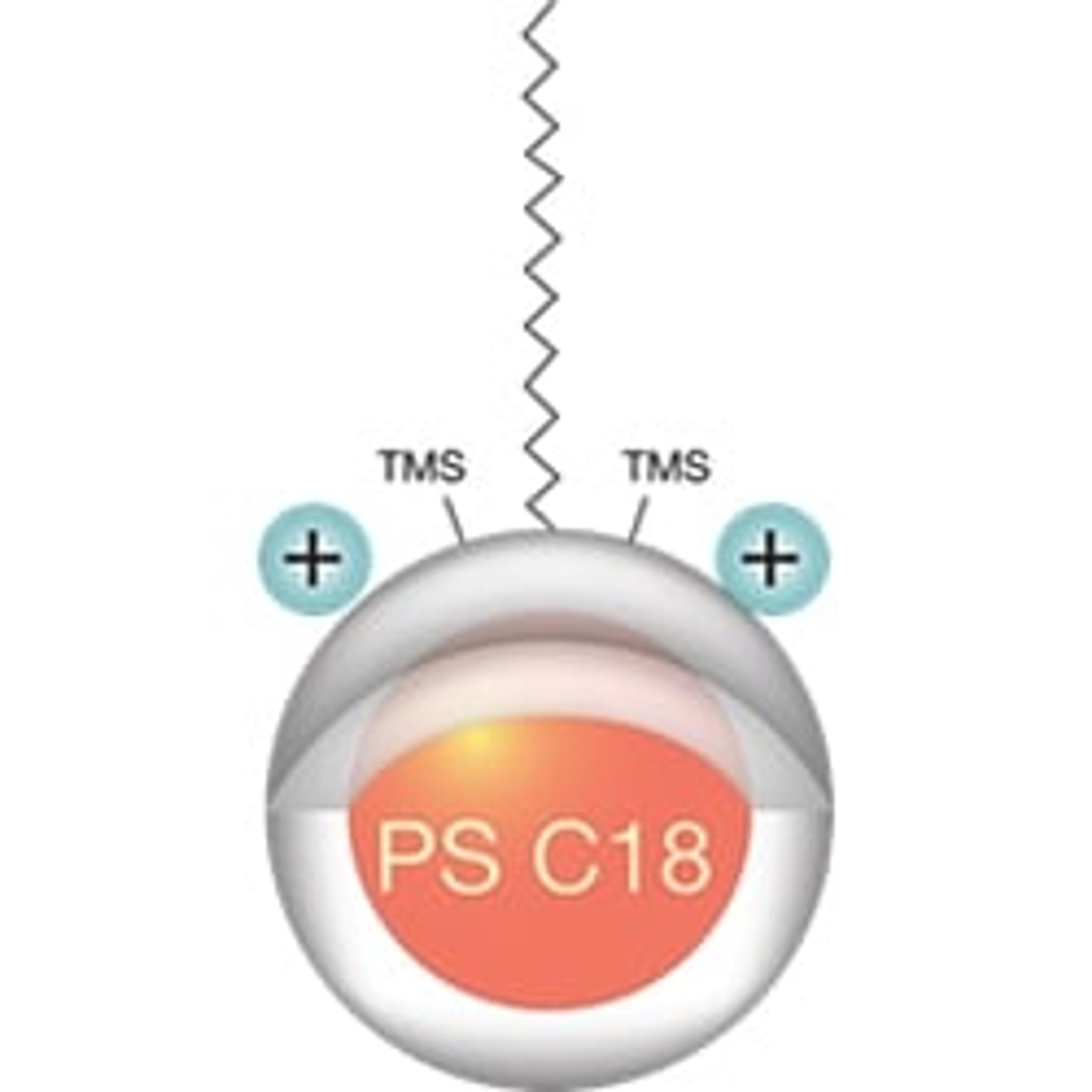
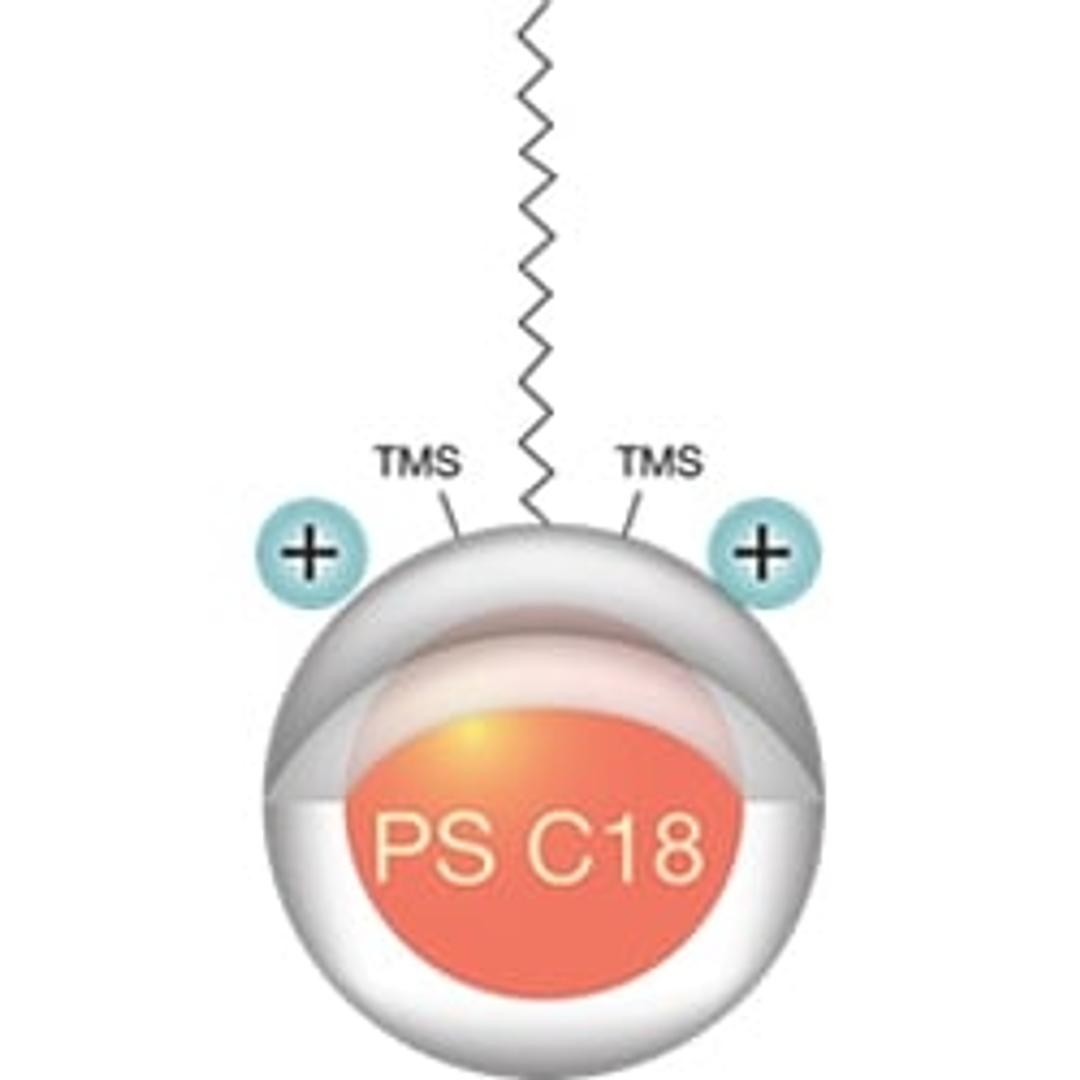
The new Kinetex 2.6 µm PS C18 phase is beneficial for all types of compounds (acids, bases, neutrals), but especially for the analysis of polar basic compounds. The phase has demonstrated increased polar analyte retention, improved peak shape for troublesome basic analytes under typical reversed phase conditions, and a unique multi-modal interaction selectivity making it indispensable tool for multi-compound and metabolite pro…

The supplier does not provide quotations for this product through SelectScience. You can search for similar products in our Product Directory.
Provides really nice chromatographic results with nice peak shapes and stability.
Textile dye analysis by means of liquid chromatography
Our new C18 column has provided tremendous chromatographic benefits regarding the analysis of disperse dyes found in many textile products, especially polyester materials manufactured in Asia.
Review Date: 30 Oct 2020 | Phenomenex Inc
The new Kinetex 2.6 µm PS C18 phase is beneficial for all types of compounds (acids, bases, neutrals), but especially for the analysis of polar basic compounds. The phase has demonstrated increased polar analyte retention, improved peak shape for troublesome basic analytes under typical reversed phase conditions, and a unique multi-modal interaction selectivity making it indispensable tool for multi-compound and metabolite profile screens.
- Kinetex® 2.6µm PS C18 Core-Shell Column’s Chromatographic Performance and Unique Reversed Phase Selectivity in Comparison to a Conventional Fully Porous UHPLC Column
- Demonstrating the Kinetex PS C18 HPLC/UHPLC Column’s Resistance to Dewetting and 100% Aqueous Stability
- Improved Loading for Impurity Profiling of Basic Compounds using the Kinetex® PS C18 HPLC/UHPLC Column
- A Screen of 22 Common Antibiotics that Demonstrates the Unique Reversed Phase Selectivity and Improved Chromatographic Performance for Bases using a Kinetex® PS C18 HPLC/UHPLC Column
- Demonstrating Kinetex® PS C18 HPLC/UHPLC Column’s Unique Reversed Phase Selectivity and Improved Chromatographic Performance through the Analysis of the Polar Base Berberine
- Reversed Phase Selectivity Poster

Comparison of two clean up techniques and a quick analysis of 39 pain management drugs from serum
In this application note, serum was cleaned up and compared with both a single protein precipitation protocol and also by the addition of a phospholipid removal product. The analysis was analyzed with a Kinetex 2.6 µm Biphenyl LC column to show the separation similarities. The phospholipid traces show the differences between the two clean up techniques and displays why Phree is a necessary addition to the clean up steps along with the comparative recoveries for the two techniques.
How to Analyze Polar Base Berberine using Kinetex PS C18 HPLC/UHPLC Column’s
This application note demonstrates how Kinetex PS C18 HPLC/UHPLC column’s unique reversed-phase selectivity and improved chromatographic performance through the analysis of the polar base berberine
How to Improve Loading for Impurity Profiling of Basic Compounds using the Kinetex PS C18 HPLC/UHPLC Column
In this application note, discover how the Kinetex PS C18 selectivity is particularly applicable for the analysis of polar basic compounds that contain basic functionality and typically exhibit poor selectivity/peak performance on traditional C18 phases.
A Comparison of the Kinetex C18 Core-Shell Column’s Performance in Comparison to a Conventionally Fully Porous UHPLC Column
This application note investigates the Kinetex 2.6 µm PS C18 HPLC/UHPLC column’s improved chromatographic performance and unique multi-interaction selectivity when applied to a screen of 36 tricyclic antidepressants (TCA). Because the Kinetex 2.6 µm core-shell (superficially porous) particle morphology provides ultra-high column efficiency on any HPLC or UHPLC system, the investigation also included a comparison to a conventual fully porous 1.9 µm UHPLC column.
Discover the Kinetex PS C18 HPLC/UHPLC Column’s Resistance to Dewetting and 100 % Aqueous Stability
This application note outlines a procedure for investigating potential retention time variation under high aqueous (> 99 % water) mobile phases conditions. The procedure involves stopping and restarting flow rate cycles and monitoring the retention of two polar basic probes (Dopamine and Epinephrine).