Eppendorf BioFlo® 320
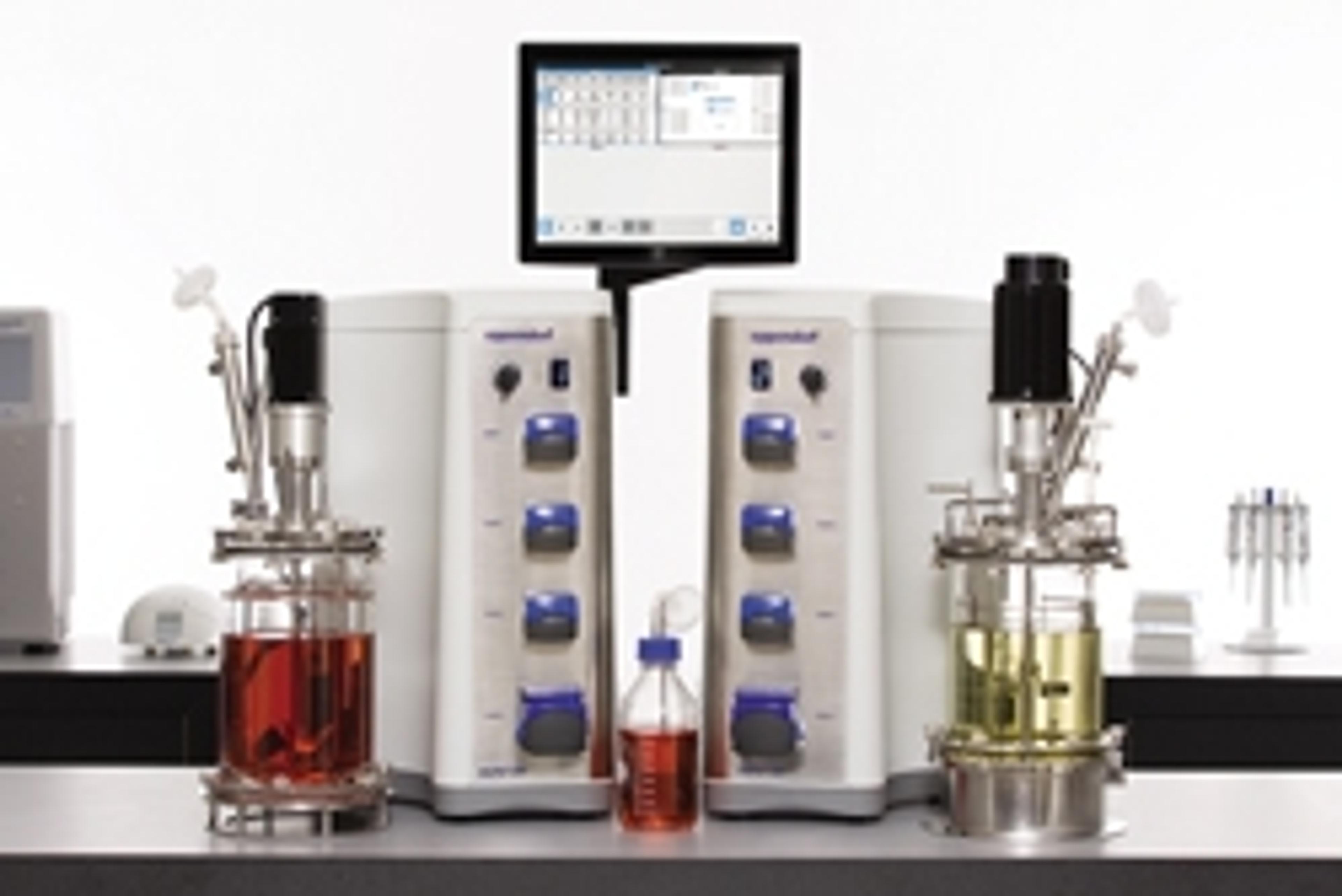
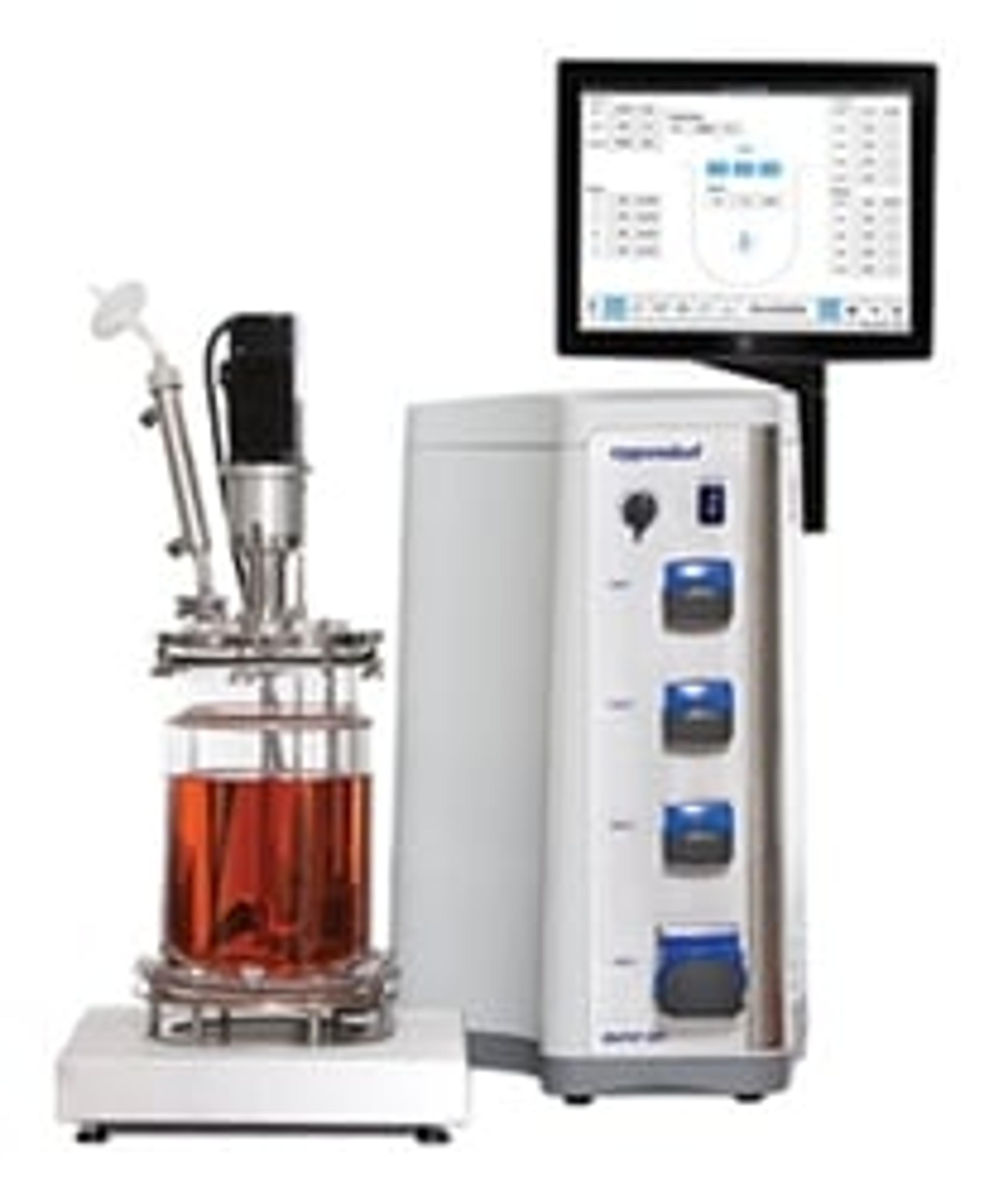
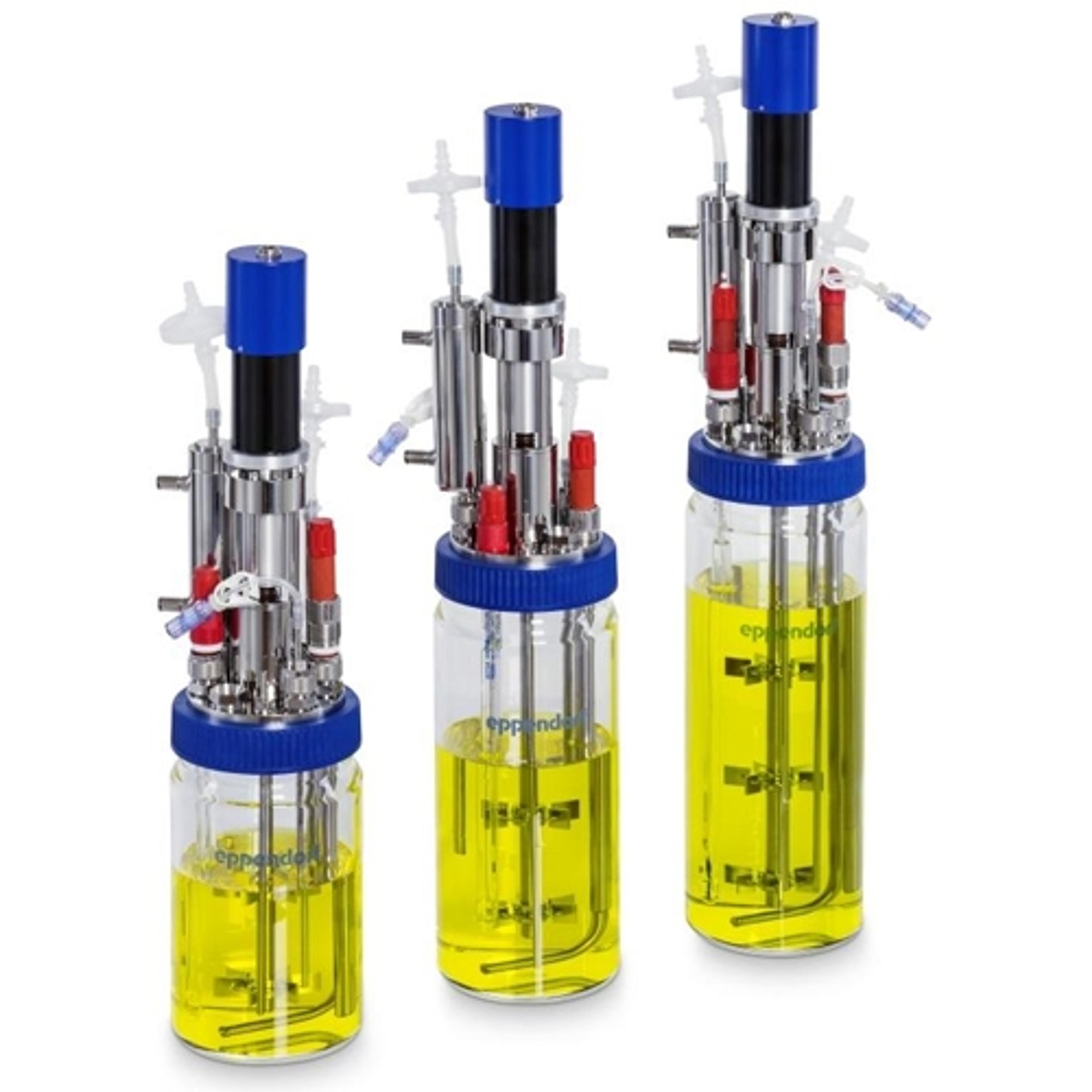
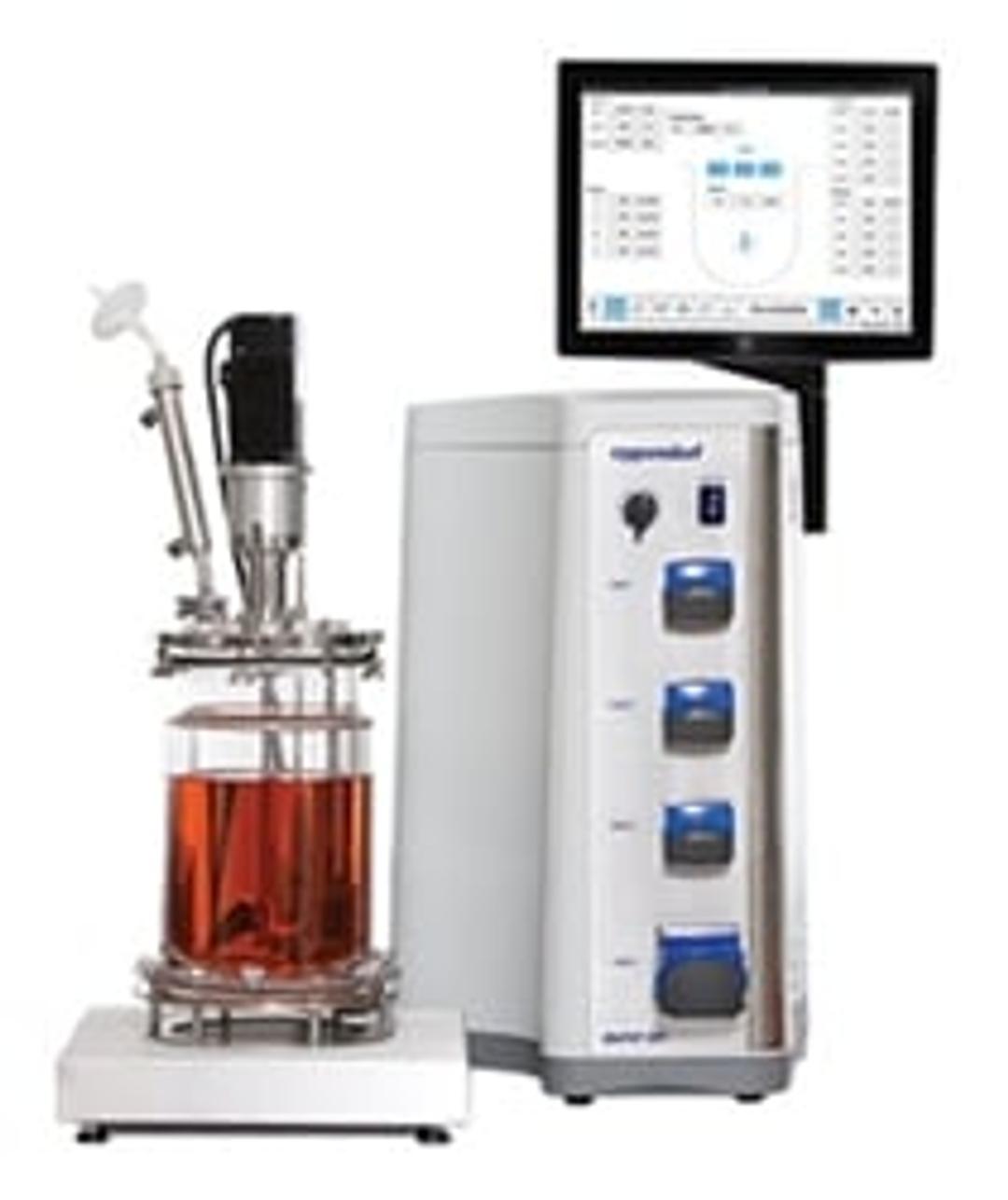
The BioFlo 320 seamlessly blends beauty and utility in one all-inclusive package. A new industrial design, flexibility between interchangeable autoclavable and single-use vessels, intelligent sensors, Ethernet connectivity, and a new software package are only a few of the features that set it apart from the competition

Receive your quote directly from the manufacturer.
The best product of my lab!
Fermentation
The product is fantastic to my fermentations and make the difference in the publications of my lab.
Review Date: 30 Nov 2021 | Eppendorf
Great results!!! A good option for researchers around the world!!!
Production of enzymes and secondary metabolites from microorganisms
Bioflo 320 meets with excellence my demand for the production of enzymes and other metabolites of interest from microorganisms. Its use is easy to handle, in addition to having an excellent after-sales consultancy and money value.
Review Date: 20 Sept 2021 | Eppendorf
The BioFlo 320 seamlessly blends beauty and utility in one all-inclusive package. A new industrial design, flexibility between interchangeable autoclavable and single-use vessels, intelligent sensors, Ethernet connectivity, and a new software package are only a few of the features that set it apart from the competition.
Extensive options give you the customizable solution your lab requires. Combined with the strict quality standards that all Eppendorf products are held to, the BioFlo 320 truly is the new premium choice in benchtop bioprocess systems.
Features:
- Interchangeable autoclavable and BioBLU® single-use vessels
- Integrated Mettler Toledo Intelligent Sensor Management (ISM) platform
- Control up to eight (8) systems from a single-user interface
- Universal control for both microbial and cell culture applications
- Field-upgradable TMFC drawers for sparge and overlay gas
- Enhanced software package with new cascade and time profile features
- Built-in optical pH sensing technology for use with the BioBLU® single-use vessels
- Ethernet communication for multi-unit control, Eppendorf SCADA software, and IP addressing
- Up to six (6) integrated pumps capable of operating in variable speed mode
- Eight (8) independently controlled process gas supplies
Applications:
- Research and Development in cell culture and microbiology
- Laboratory and pilot scale fermentation of aerobic and anaerobic bacteria, yeasts and fungi
- Cultivation of mammalian, insect, and human cell lines
- Specialized applications such as stem cell culture or biofuel/biopolymer development
- Specialized packed-bed impeller for vaccine production in anchorage and non-anchorage dependent cell lines
- Suitable for batch, fed batch, and continuous processes
- Validation packages available for GMP regulated processes
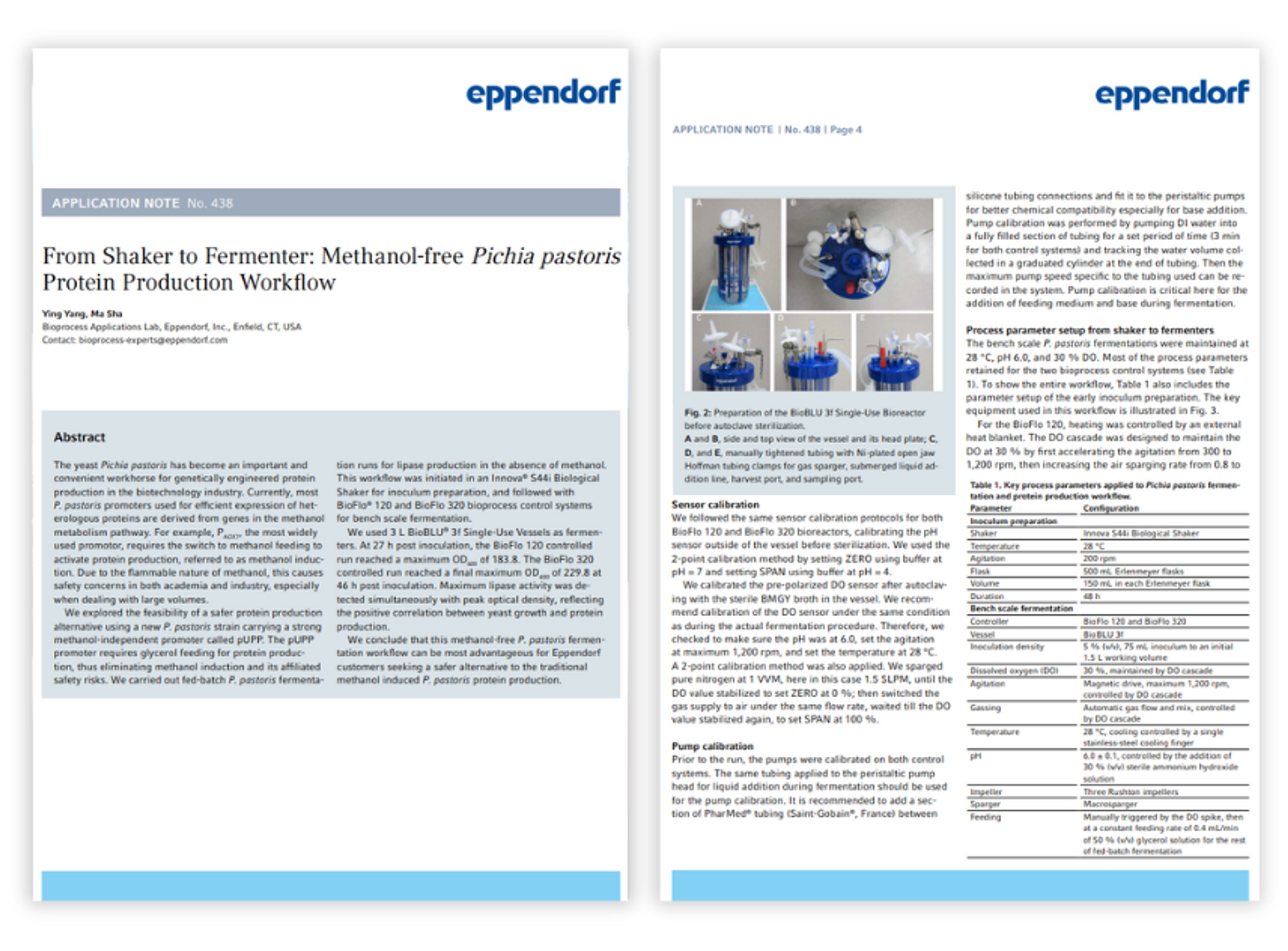
From shaker to fermenter, a methanol-free Pichia pastoris protein production workflow
Pichia pastoris is widely employed for producing recombinant proteins. Traditional systems depend on methanol-inducible promoters like PAOX1, which pose safety concerns due to methanol’s flammable nature.
Find out more about a new strain of P. pastoris that carries a glycerol-inducible promoter, pUPP, that enables safe, methanol-free expression of proteins under glycerol feeding for high‑density fed‑batch fermentation.

Developing a highly robust, efficient, and cost-effective monoclonal antibody workflow
Since the COVID-19 pandemic, pressure has increased to develop more products for treating unexpected viral diseases at reduced costs, under safe conditions and in a timely manner. Monoclonal antibodies (mAbs) may hold great promise to fill this gap as an addition to vaccines and anti-viral drugs. Eppendorf has curated a mAb workflow to increase reproducibility and productivity of mAb research and development process. Explore how you can optimize process development, scale up, and device management to maximize yields and prevent instrument downtime.
Beginner's guide to CHO culture: Understanding batch, fed-batch, and perfusion bioprocesses
In this application note, Eppendorf explains the differences between batch, fed-batch, and perfusion cell culture bioprocesses using Chinese Hamster Ovary (CHO) cells at bench scale. The importance of tracking specific parameters is explained to achieve inoculation of bioreactors at high viability. The data obtained from sampling is discussed in terms of growth rate, production yields, and bioreactor feeding or perfusion rates. These principles may be applicable to other suspension cell culture processes at smaller or larger scales.
Dissolved oxygen control proportional–integral–derivative (PID) tuning for cell culture applications
This application note introduces a method developed to optimize the PI values on Eppendorf bioprocess controllers. The method is based on pre-programmed delivery of chemical oxygen scavengers to accurately simulate the oxygen demand throughout a bioreactor cell culture process. This chemical simulation allows for quick and accurate tuning of PI values for cell culture dissolved oxygen control.
Speed up your monoclonal antibody discovery
In this scientific poster, discover Eppendorf's comprehensive portfolio of mAb equipment, which promises to streamline workflows while reducing procedural steps and costs, keeping efficient drug discovery on track.
Bioprocessing: Solutions for vaccine development
Vaccination has remained one of the most effective methods in the fight against viral diseases such as influenza. In this COVID-19 era, unprecedented pressure has been placed on the vaccine industry due to a surge in demand for efficient and quickly available vaccine technology.
Download this eBook to understand how the COVID-19 pandemic has altered the landscape of global vaccine development, and discover the workflows and technologies that could accelerate your vaccine research. Filled with application notes, product guides, and expert insights to support your vaccine research and development, this bioprocessing eBook provides you with content including:
- Learnings from a pandemic
- Handling & storage of viral samples
- Cell lines, media & bioreactor options
- HEK293 suspension culture
- Easy perfusion for anchorage-dependent cell culture
- High-density Vero cell perfusion culture
Scale-up of a biosimilar production process with CHO cells from small to bench scale
Bioprocess scale-up from small development scale to pilot and production scale is a fundamental part of process development in the biopharmaceutical industry.
In this application note, Eppendorf scaled up a CHO cell culture bioprocess from 1 L using a DASGIP® Parallel Bioreactor System to 5 L using a BioFlo® 320 Bioprocess Control Station.
Dissolved oxygen control PID tuning for cell culture applications
In this protocol, Eppendorf introduces a method developed at the Eppendorf Bioprocess Applications Lab to optimize the PI values on Eppendorf bioprocess controllers, including the BioFlo® 320.
A guide to Pichia pastoris fermentation in single-use stirred-tank bioreactors
In this protocol, Eppendorf describes the detailed procedure of Pichia pastoris fermentation in a BioBLU ®3f Single-Use Bioreactor controlled by a BioFlo® 320 bioprocess control system.
Dissolved oxygen control PID tuning for cell culture applications
In this application note, Eppendorf introduces a method to optimize PI values on Eppendorf bioprocess controllers. This application note outlines a chemical simulation that allows for quick and accurate tuning of PI values for cell culture dissolved oxygen control.
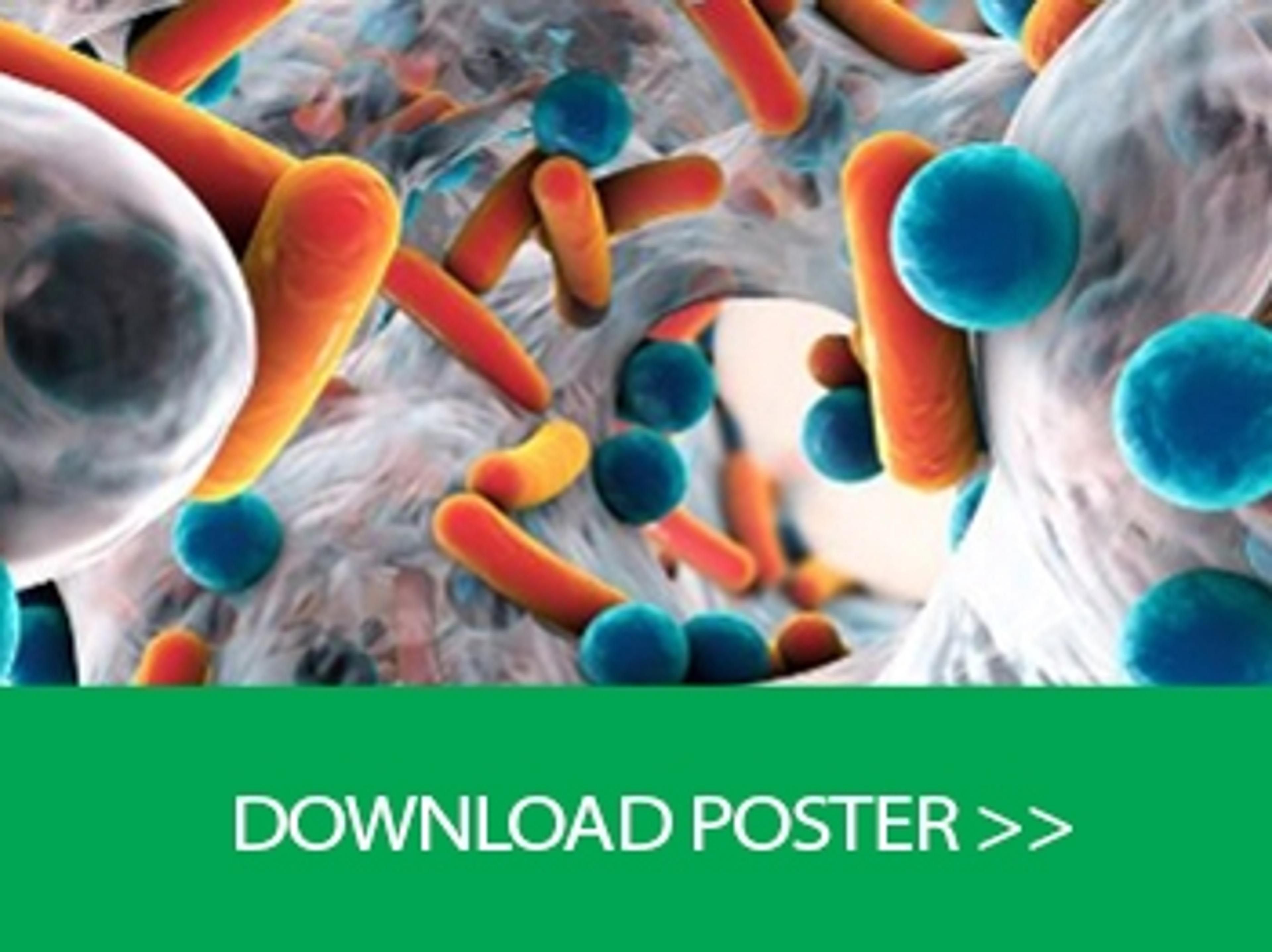
Standardizing microbiome research: culture from discovery to production
Download the microbiome workflow poster from Eppendorf