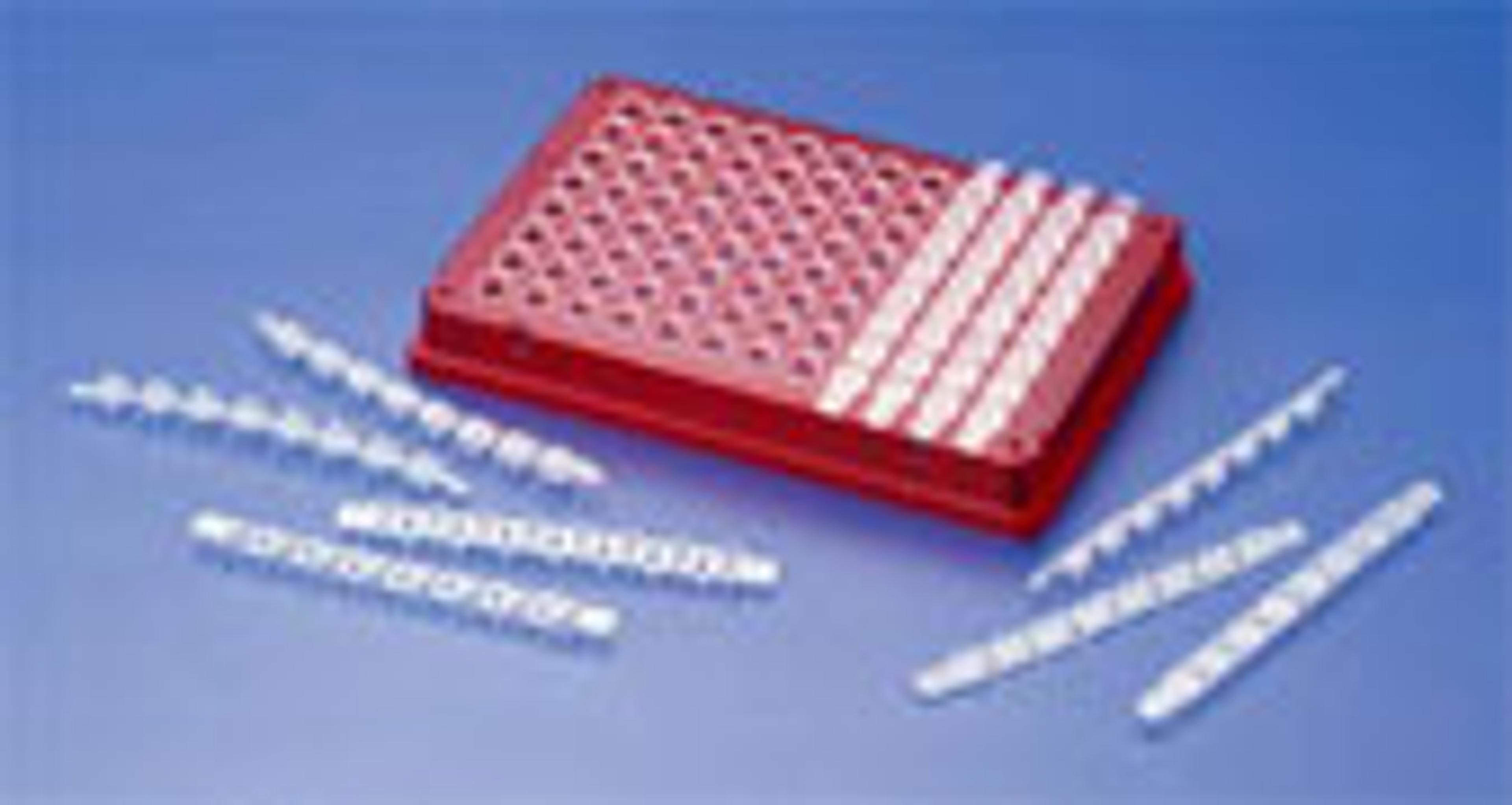
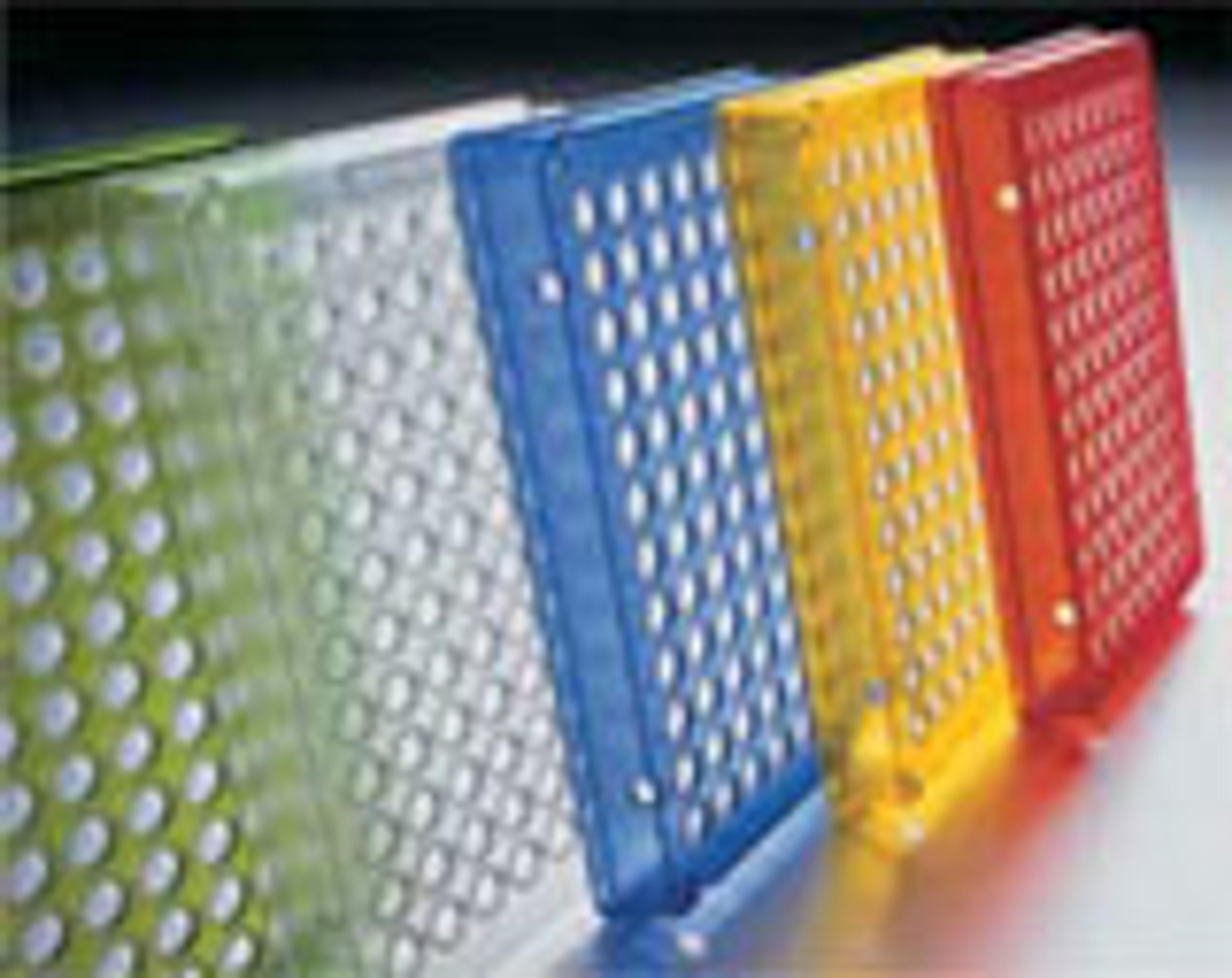
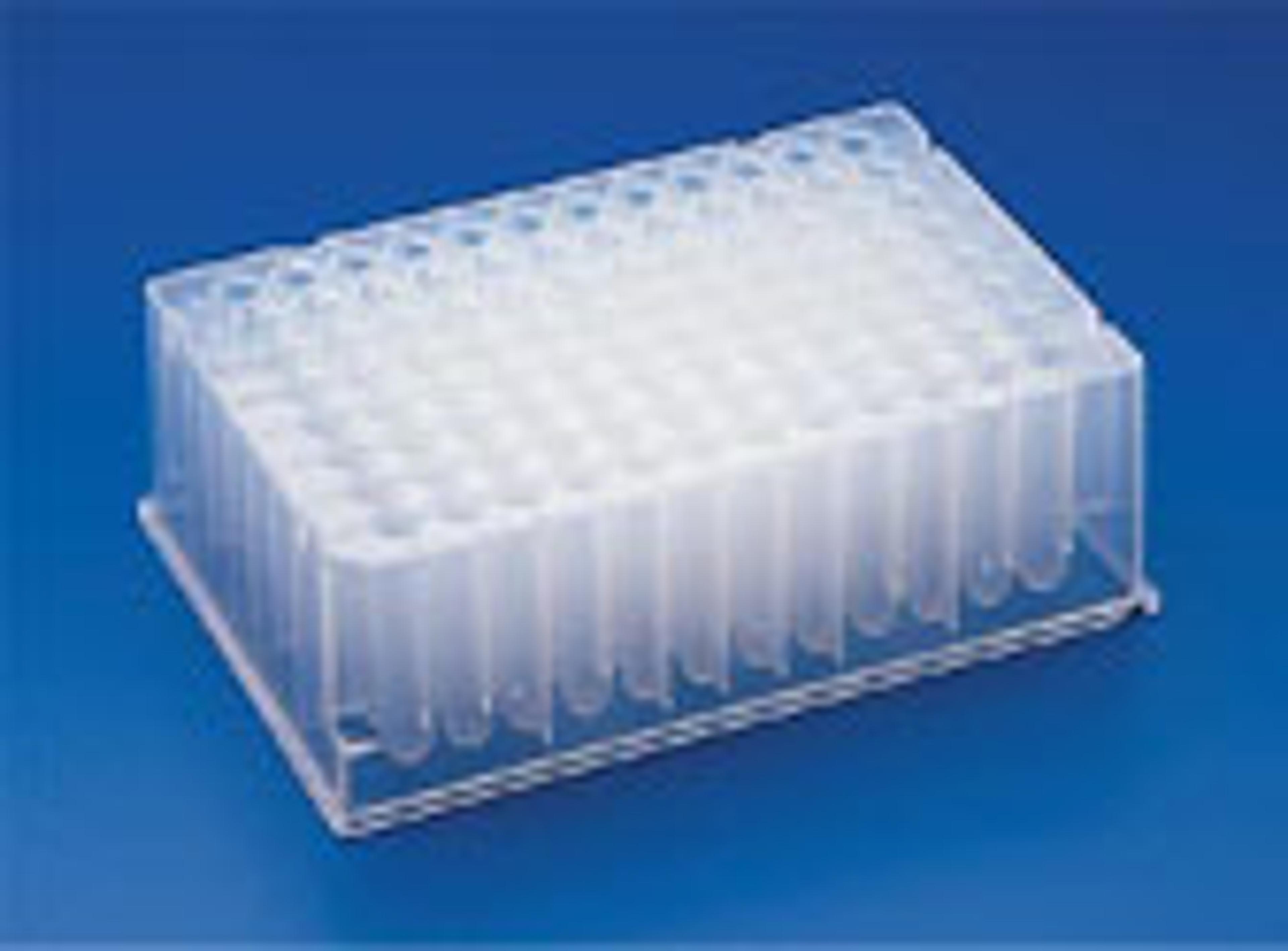
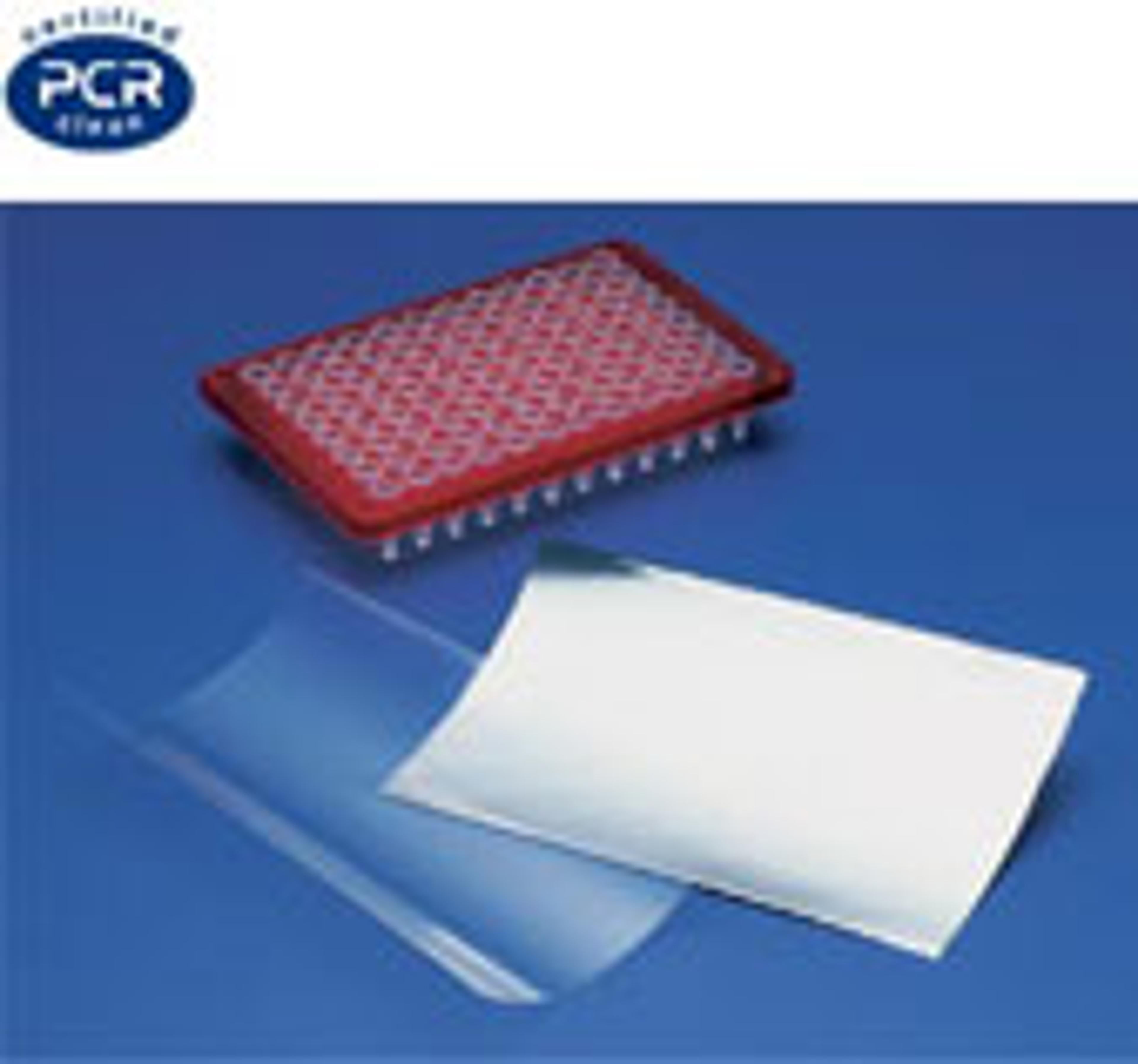
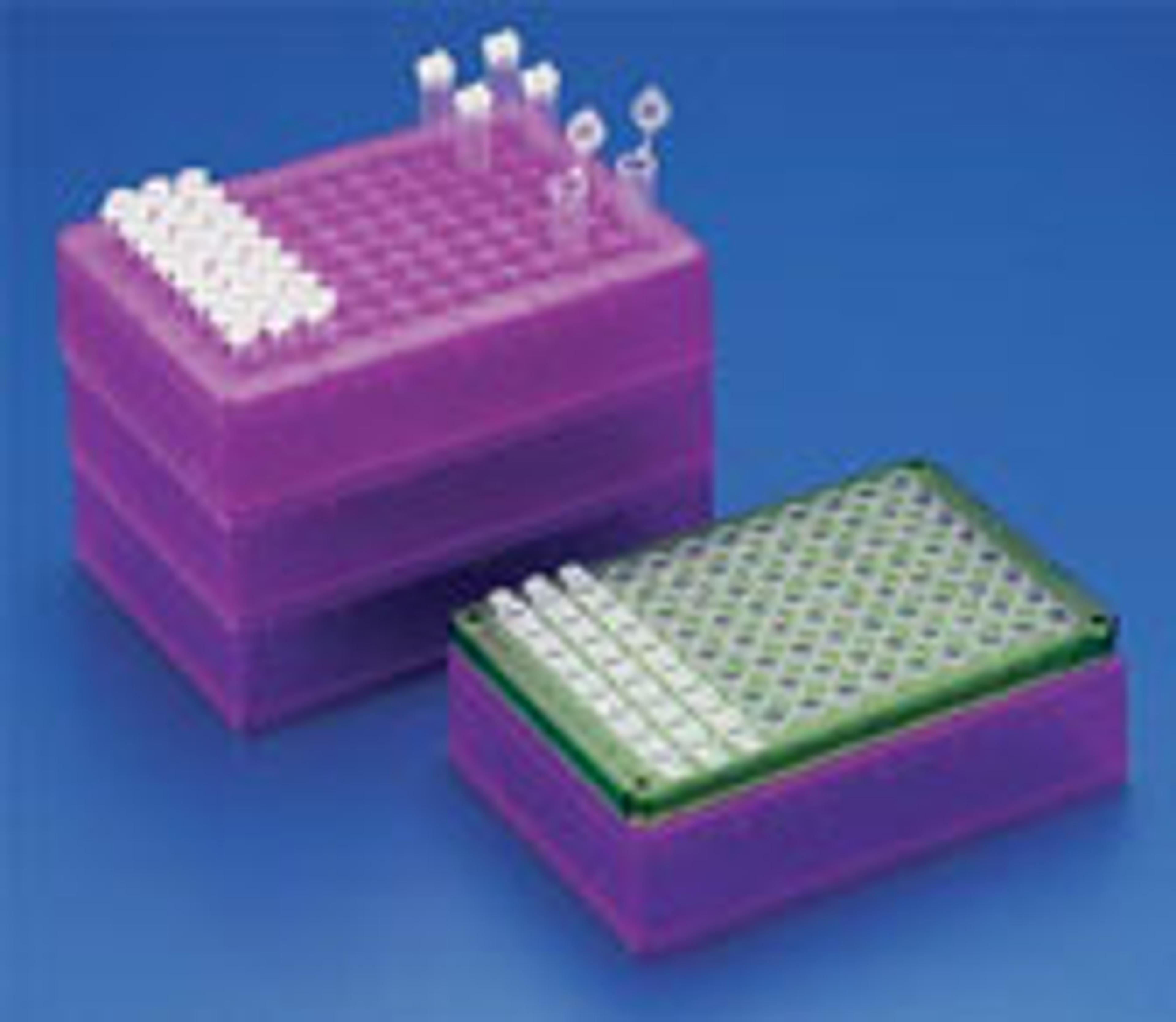
Deepwell Plates 96 and 384
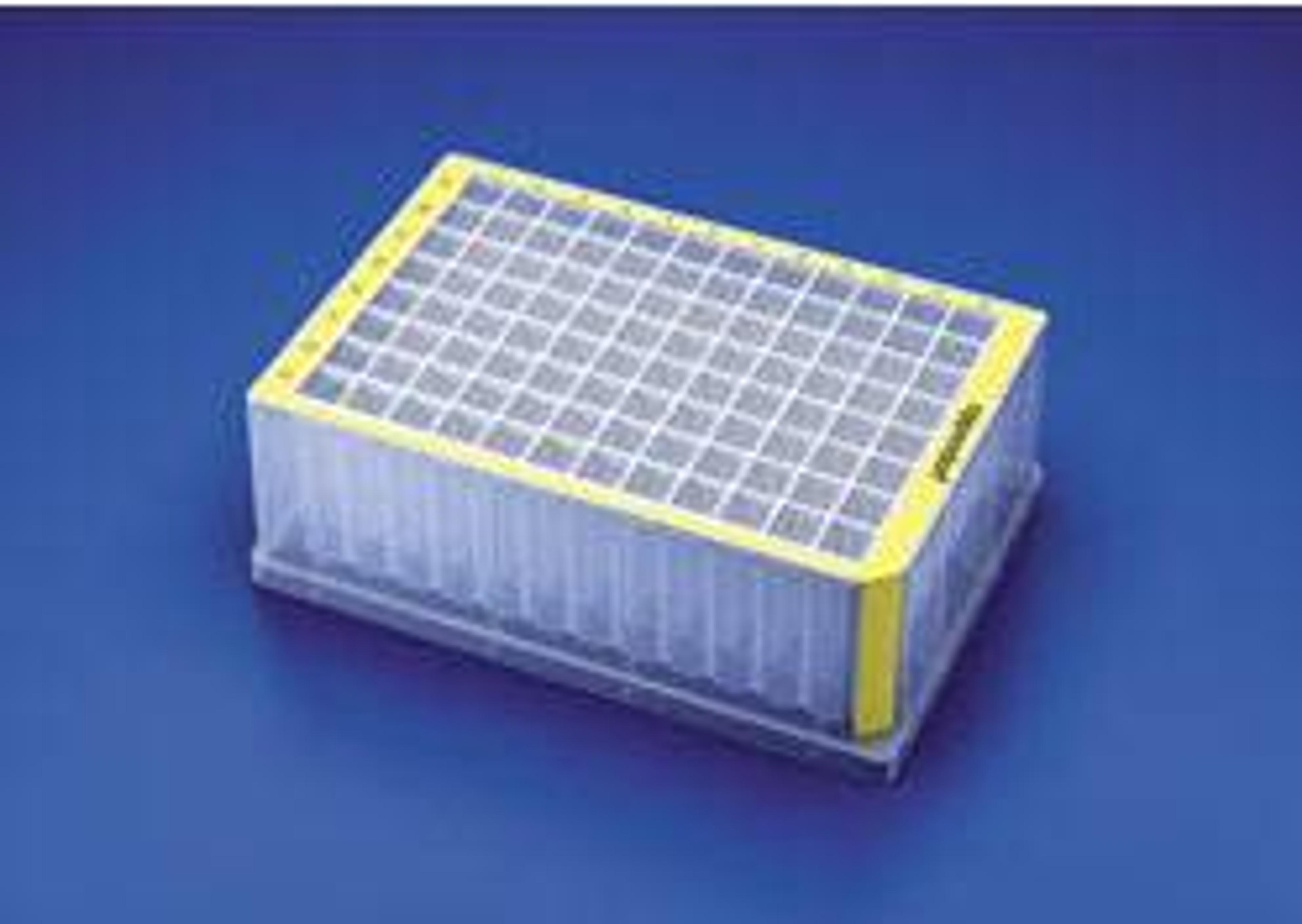
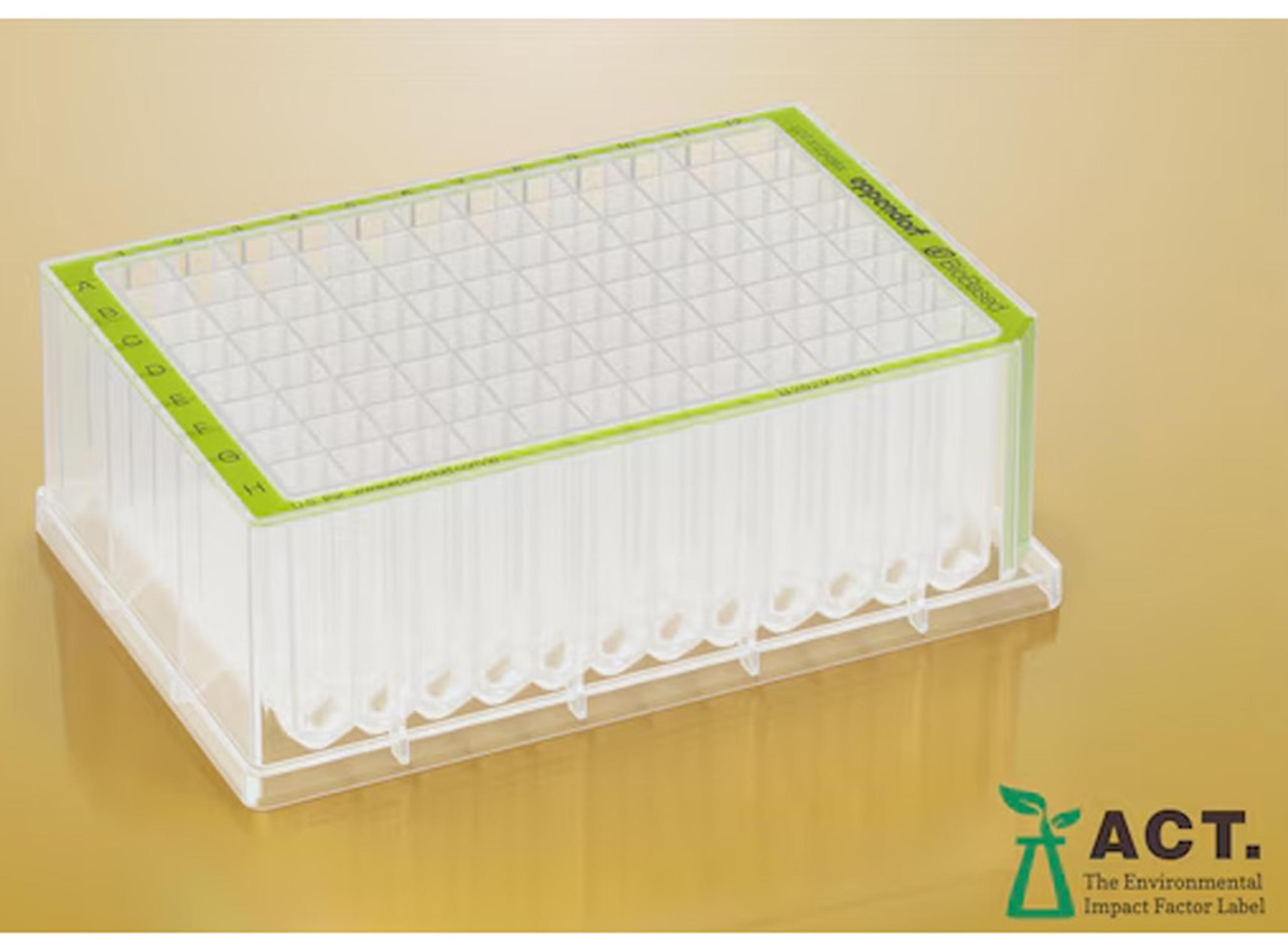
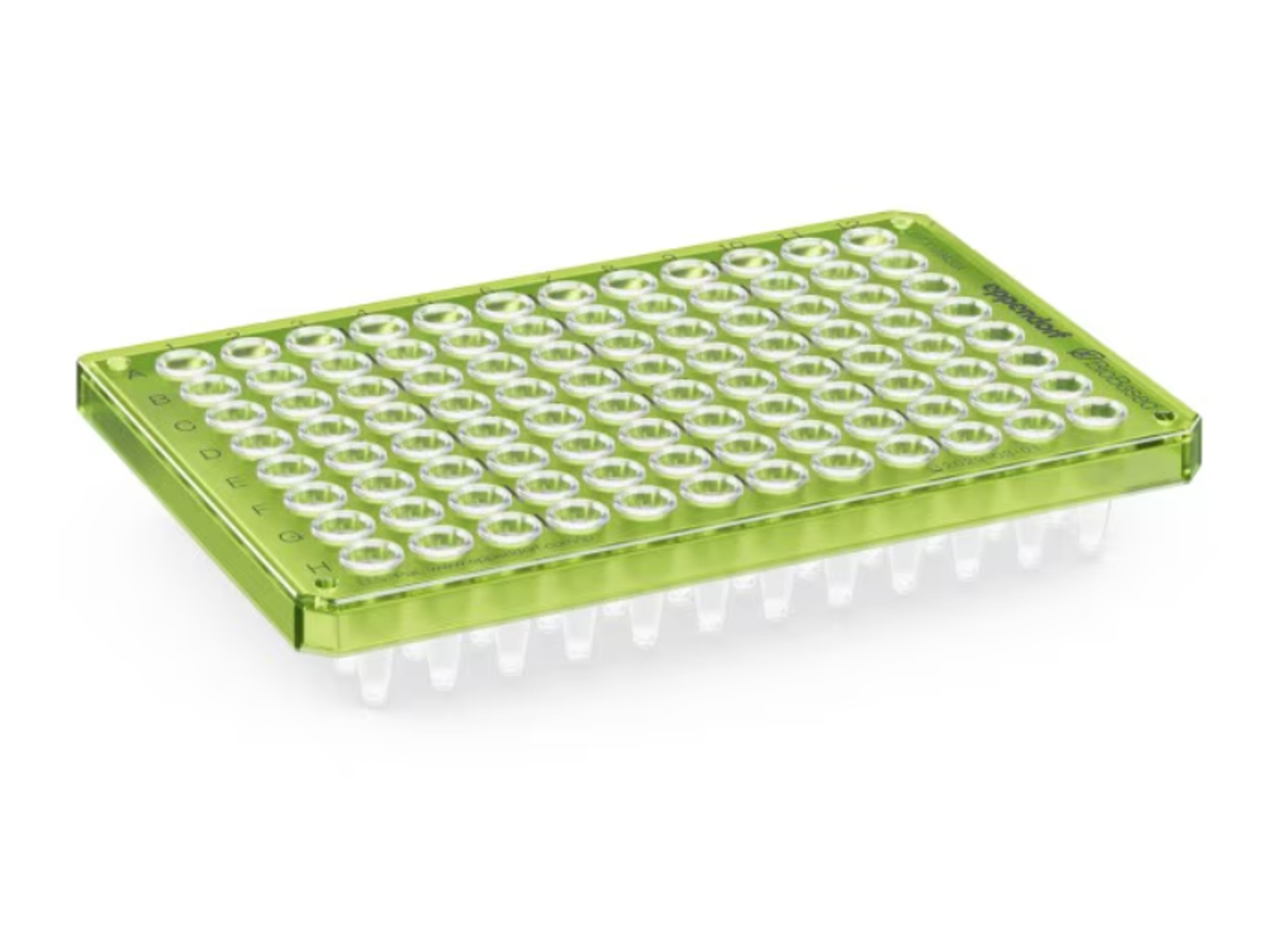
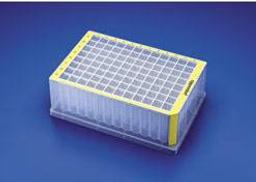
Eppendorf sets the new standard for deepwell plates with new RecoverMax well designs. The well geometry enables high-speed pipetting, excellent mixing and high-speed centrifugation to accelerate your manual as well as your automated work processes. Sophisticated colors and coding make reading, orientation and manual handling easier and faster. The plates, made of virgin polypropylene, are available as Standard, Sterile, DNA…
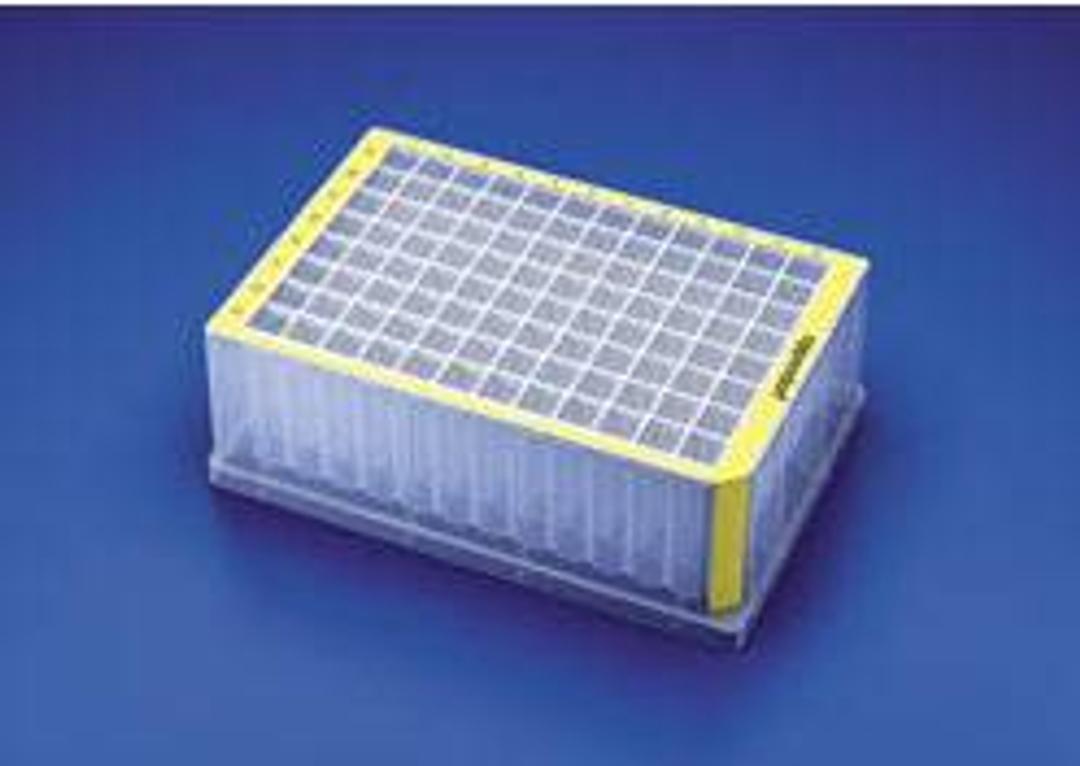



Receive your quote directly from the manufacturer.
Eppendorf sets the new standard for deepwell plates with new RecoverMax well designs. The well geometry enables high-speed pipetting, excellent mixing and high-speed centrifugation to accelerate your manual as well as your automated work processes. Sophisticated colors and coding make reading, orientation and manual handling easier and faster.
The plates, made of virgin polypropylene, are available as Standard, Sterile, DNA LoBind (also for RNA) and Protein LoBind qualities. Each type comes in 4 different volumes. Ease of stacking, multiple sealing options as well as high chemical and tempera ture resistence make the plates excellent, multipurpose tools. The plates fulfill current guidelines: SBS*1, IvD, EN ISO 9001/13485.
*1 Societ for Biomolecular Screening.

The Best Material for Original Eppendorf Tubes® and Plates: Properties and Chemical Resistance of Polypropylene
Consumables in the laboratory should be made from a material which is able to withstand strong mechanical and thermal stress, while at the same time possessing high chemical resistance. This Technical Report provides information about general properties and advantages of polypropylene, the material which is used for the manufacturing of the Eppendorf Tubes® and Plates. Important quality criteria of Eppendorf products regarding raw material and production are described.
Eppendorf Plate Deepwell 96 / 384
The optimized well geometry of the Eppendorf Plate Deepwell enables high-speed pipetting by best recovery rates. Its high rigidity and dimensional stability enables centrifugation at high g-forces (up to 6,000 x g), and even cell disruption processes with steel balls are possible. .