Eppendorf BioBLU® Single-use Vessels
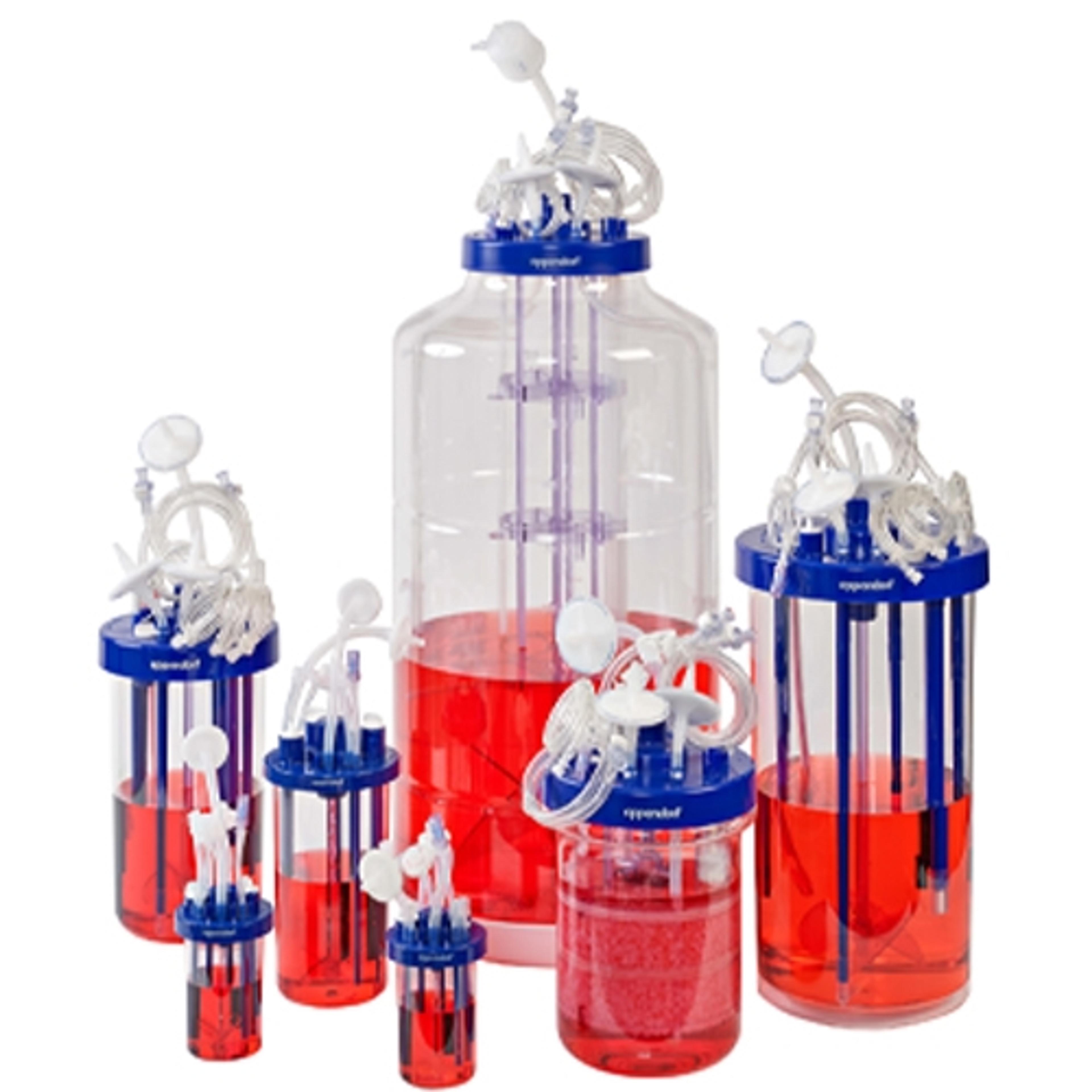
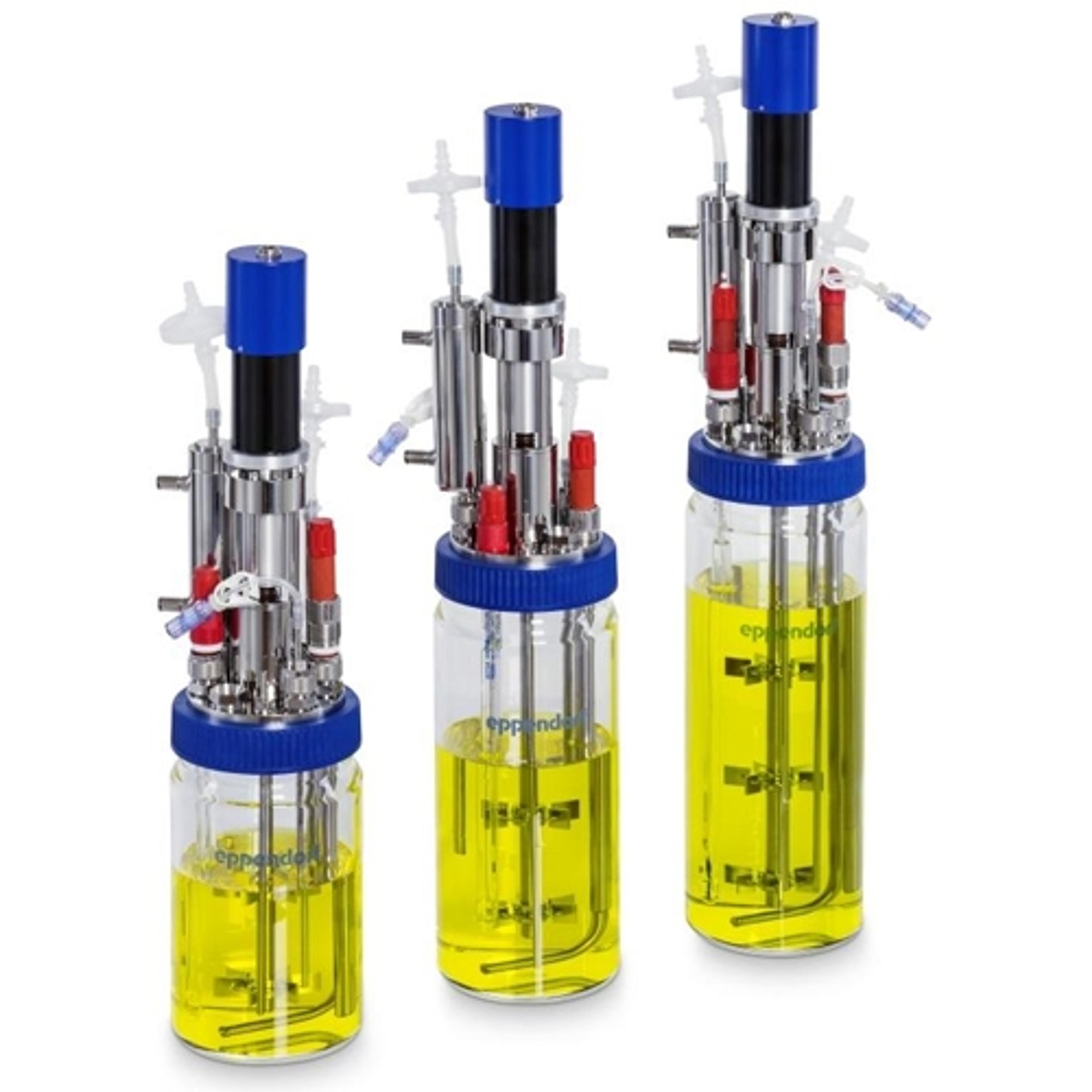
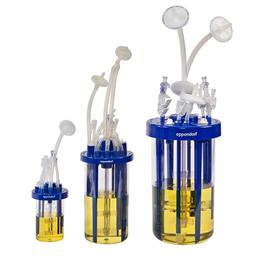
Eppendorf BioBLU Single-use Vessels combine all the advantages of single-use technology with the trusted performance and scalability of a stirred-tank design.
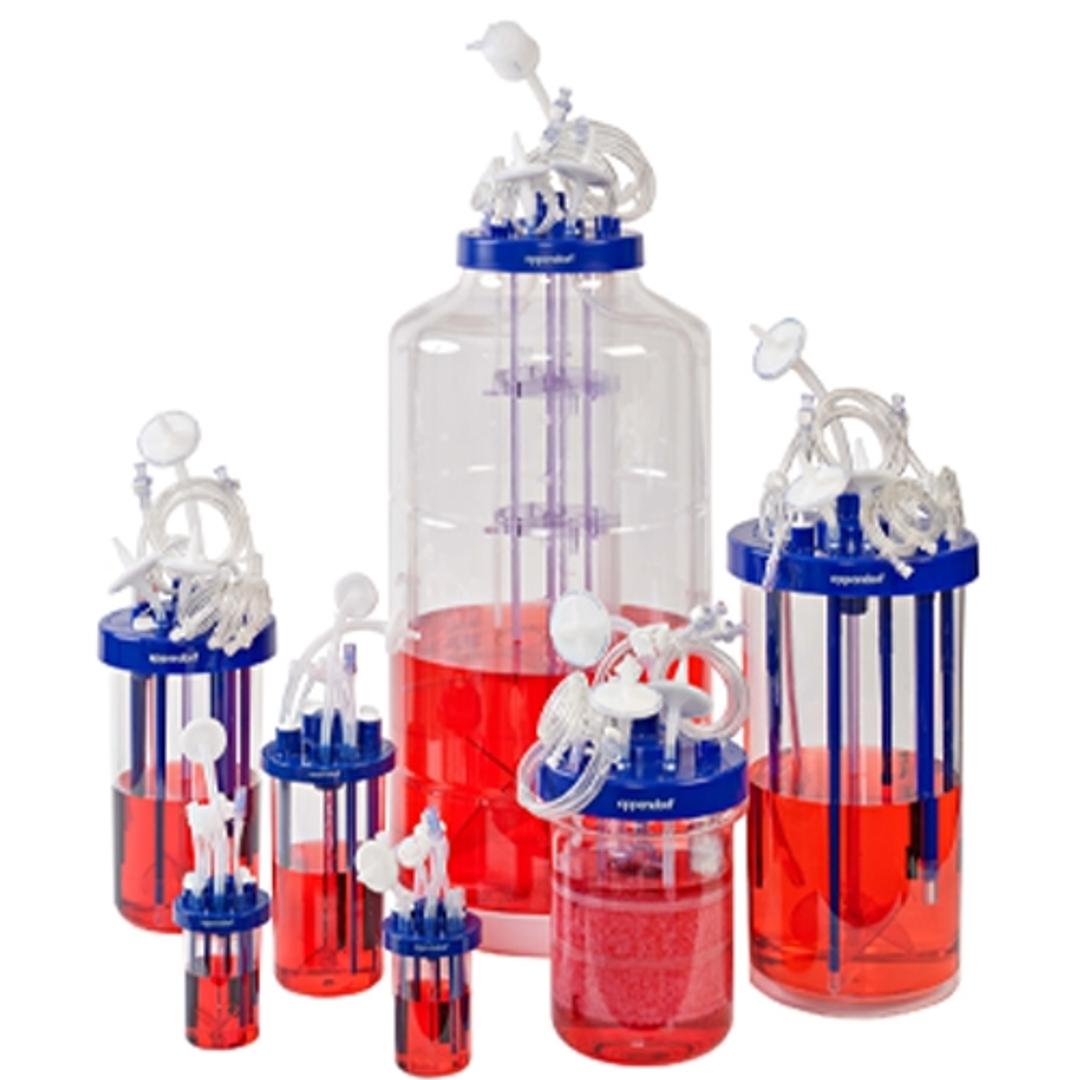
BioBLU c (cell culture)
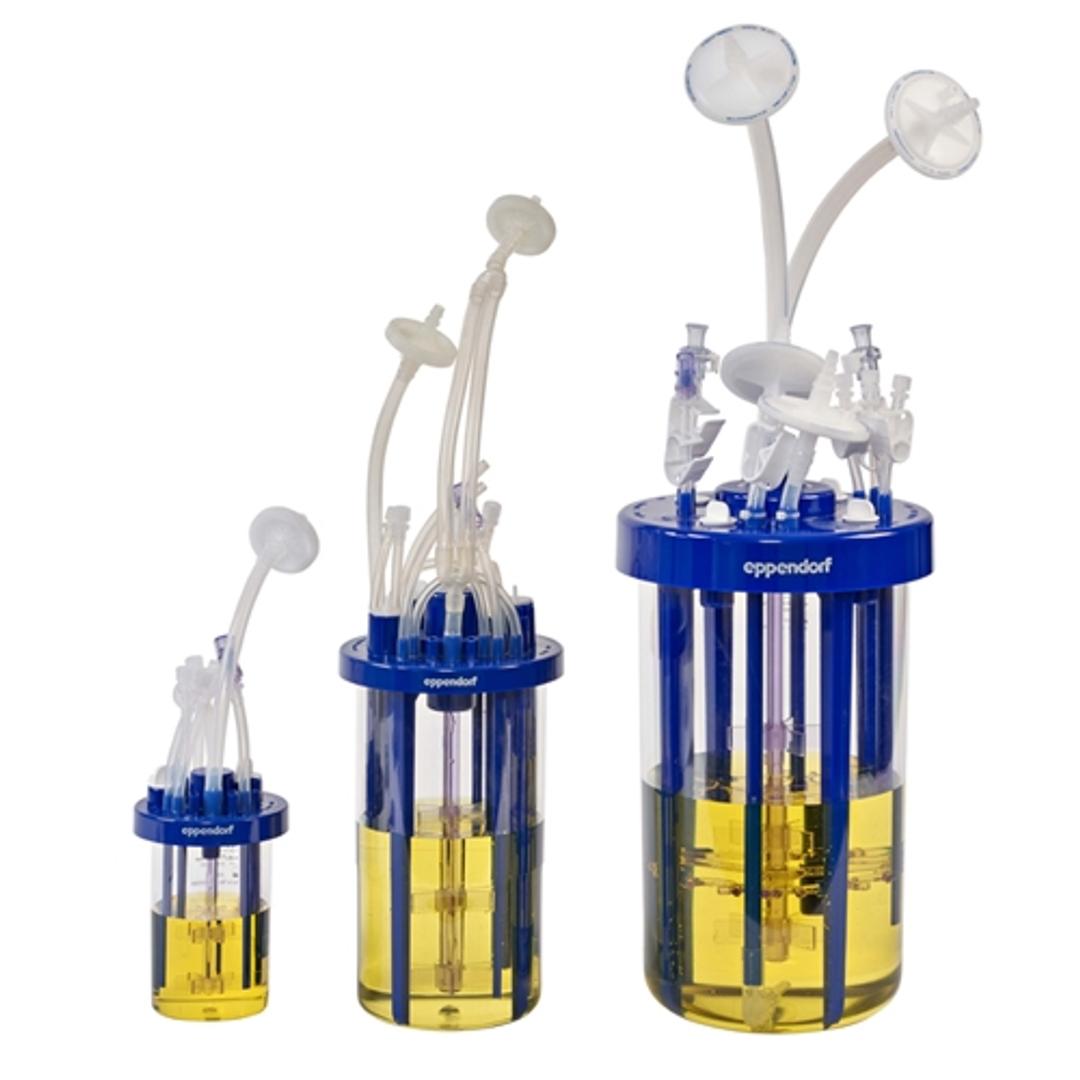
BioBLU f (fermentation)


Place your order directly with the manufacturer.
Excellent product as single use
Manufacturing of recombinant protein
Excellent product. Being single-use saves a lot of time in cleaning, assembly, and sterilization.
Review Date: 16 Feb 2018 | Eppendorf
Best single use system
Manufacturing of therapeutic protein
Very useful single-use system. easy to use and cost-effective. Superior technology as always by Eppendorf
Review Date: 5 Dec 2017 | Eppendorf
Love this vessel
cell culture seed train
very convenient and cell growth friendly. Although little pricey but worth the cost.
Review Date: 20 Dec 2016 | Eppendorf
Eppendorf BioBLU Single-use Vessels combine all the advantages of single-use technology with the trusted performance and scalability of a stirred-tank design.
Single-use vessels eliminate autoclaving, improve turn-around time, simplify validation, and reduce overall costs. The BioBLU portfolio has grown to accommodate users from early research and development through manufacturing, across a wide variety of processes, including shear sensitive cell cultures, robust microbial applications, and adherent cell line development.
The BioBLU 0.3f and BioBLU 1f Single-use Vessels allow microbial process development at the highest level. These rigid wall stirred-tank single-use vessels have been specifically designed for high cell density fermentation with bacteria, fungi and yeast. BioBLU f vessels can be used with the Eppendorf DASbox® and DASGIP® Parallel Bioreactor Systems.
Compared to cell culture applications, fermentation processes require much higher kLa values for proper mass transfer as well as suitable heating and cooling options. Proven stirred-tank design, powerful overhead drives featuring Rushton-type impellers and innovative baffles for cooling make the BioBLU f vessels achieve these demands.
Eppendorf BioBLU® Single-use Vessels Features:
- Market leading portfolio of single-use, stirred-tank, rigid-walled vessels available in sizes ranging from 65 mL to 40 L working volumes.
- All BioBLU c vessel sizes available with pitched blade impellers for cell culture applications.
- BioBLU 5p vessels with packed-bed impeller, pre-loaded with Fibra-Cel® disks.
- BioBLU 0.3f and 1f vessels with Rushton-type impellers for microbial applications.
- Unique non-invasive pH and DO sensor technology drastically reduces contamination risks (industry standard autoclavable pH sensors available for pH measurement).
- Sealed magnetic drive with fully enclosed bearings maintain vessel sterility.
- Raw materials used to produce BioBLU vessels comply with USP Class VI standards and are BSE/TSE free.
- Vessels are assembled with sparger, overlay, and exhaust filters as well as penetrations for pH, DO, temperature, liquid additions, sampling and harvest.
- For use with DASbox Mini Bioreactor System, DASGIP Parallel Bioreactor Systems and New Brunswick CelliGen BLU controllers.
- Adaptor kits for legacy and 3rd party bioreactor controllers available (BioBLU 1, 5 and 14, and 50).
- Validation packages available upon request.
Applications:
- Insect, mammalian and human suspension cell lines, and stem cells Adherent cells Bacteria, yeasts and fungi.
- Adherent cells.
- Bacteria, yeasts and fungi.
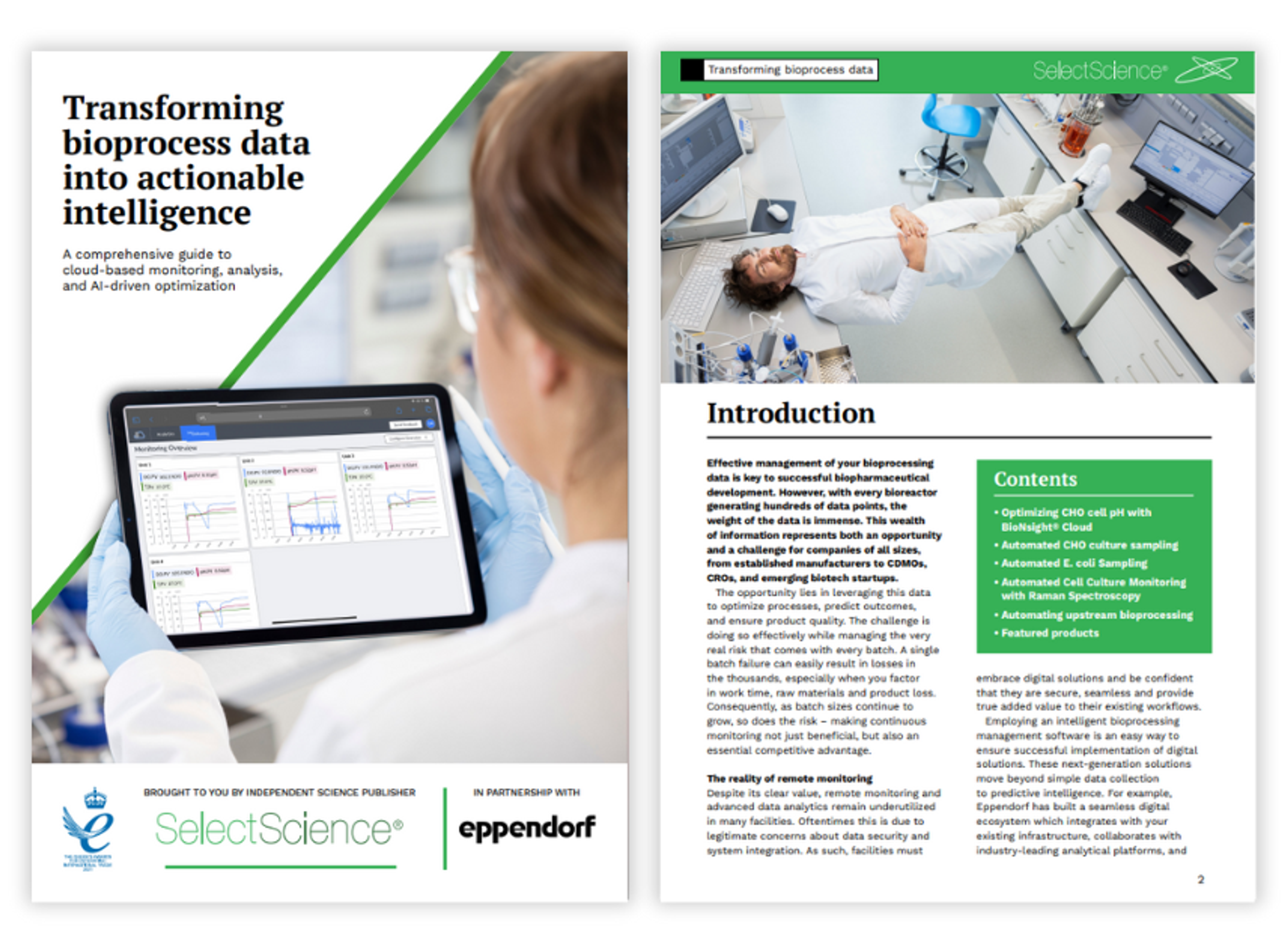
Transforming bioprocess data into actionable intelligence
Managing the weight of bioprocessing data can often overwhelm laboratories, but effective data management is both achievable and critical to successful biopharmaceutical development.
This SelectScience application eBook highlights advanced instruments and digital tools that integrate seamlessly into laboratory infrastructure, enabling continuous monitoring and streamlined data management. With remote accessibility, these solutions empower scientists to maintain oversight and control of bioprocessing data beyond the physical lab environment.
Download this SelectScience guide to learn:
- How to conduct accurate and efficient real-time monitoring of Chinese hamster ovarian (CHO) cultivation using the BioNsight®
- Case studies using automated technologies for sampling CHO and E.coli cultures to understand growth conditions, and improve experimental throughput.
- The potential of Raman spectroscopy to accurately track critical process parameters
Resource details:
- Document type: SelectScience guide
- Page count: 49
- Read time: 72 mins
- Edition: 1st

Biocompatibility studies on CHO cell culture in X-ray irradiated BioBLU Single-Use Bioreactors
The potential leakage of toxic or inhibitory chemicals from plastic materials from single-use bioreactors is increasingly known within cell culture. Leachables are particularly problematic, as they can migrate from the plastic into the process fluid under process conditions and can inhibit cell growth or affect the final product quality. By strictly adopting the 'DECHEMA Recommendation for Leachables Studies – Standardized cell culture test for the early identification of critical films', Eppendorf demonstrates the absence of negative impacts caused by leachable compounds from the X-ray irradiated material on growth, viability, and metabolic profile of the CHO cell line tested.
Optimizing cell and gene therapy workflows
In this guide, Eppendorf provides detailed information on optimizing cell and gene therapy workflows and options for scaling up cell cultures with advanced bioreactor systems. Cell and gene therapies are emerging fields of transformative medicine where diseases are treated by restoring or reconditioning cells or genes. Cells and genetically engineered cells demonstrate vastly different properties than traditional medicines and surgery. Akin to “living drugs”, they can heal and replace diseased organs and thus have the potential to provide curative therapies for various diseases.
A flexible controller for all your bioprocess needs
In this application note, Eppendorf demonstrates the capability of fed-batch cell culture and the flexibility of the SciVario twin platform, including its capability to control two bioreactors in parallel or individually across a wide range of vessel sizes.
Microaerobic fermentation within gut physiological conditions
There is growing interest across the food and feed and biofuel industries in microaerobic fermentation, a process occurring at close to anaerobic conditions, but still requiring small amounts of oxygen. This application note describes the microaerobic fermentation of a probiotic strain, Lactobacillus acidophilus, at a very low oxygen level using BioFlo® 120 and 320 control stations.
A Beginner’s Guide to Bioprocess Modes
In this application note, Eppendorf explains the differences between batch, fed-batch, and continuous fermentation and how these influence culture growth, using E. coli fermentation processes as an example.
Growth of Methanotrophic Bacteria in Chemostat Mode in Eppendorf BioBLU f Single-Use Vessels
To investigate the methanol metabolism of Methylomicrobium alcaliphilum researchers at the San Diego State University analyzed bacterial growth and substrate utilization in chemostat mode. They used a parallel DASbox® Mini Bioreactor System equipped with BioBLU 0.3f Single-Use Vessels. Parallel experimentation using single-use equipment saved time and reduced possible sources of fluctuation between replicates.
High-Density Vero Cell Perfusion Culture
Vero cells are anchorage-dependent cells that are widely used as a platform for viral vaccine production. In this application note, Vero cells are grown on the alternative attachment matrix, Fibra-Cel®. A high cell density is achieved, demonstrating great potential for Vero-cell-based vaccine production using Fibra-Cel packed-bed vessels.
Parallel CHO Cell Cultivation in Eppendorf BioBLU Single-Use Bioreactors
The development of industrial bioprocesses is time-consuming and costly, yet the employment of single-use equipment alongside parallel experimentation considerably reduces development time. Parallel processing enables the testing of multiple parameters in one run, and single-use bioreactors omit the need to carry out extensive sterilization procedures. In this application note, Eppendorf, in collaboration with Dieter Eibel and his team at Zurich university, evaluate the DASbox Mini Bioreactor parallel cell culture system with BioBLU single-use vessels for their suitability in bioprocess development.
Expansion of Human Bone Marrow-Derived Mesenchymal Stem Cells in BioBLU® 0.3c Single-Use Bioreactors
This application note demonstrates the successful expansion of hMSCs-BM in an Eppendorf DASbox Mini Bioreactor System equipped with BioBLU 0.3c Single-Use Vessels. Furthermore, expansion in BioBLU 0.3c Single-Use Vessels did not affect the hMSC multipotency and they conserved their ability to differentiate into osteocytes and chondrocytes.
Eppendorf Receives Reviewers' Choice Award for Best Customer Service of 2017
Recognized by scientists worldwide for the second year running, Eppendorf again won the Reviewers' Choice Award for best customer service. Watch the video to discover Dr. Andreas Hochberger's thoughts on winning the award.
Harnessing the latest bioprocessing technology in cell and gene therapy
Discover how the latest innovations in upstream bioprocessing are serving the cell and gene therapy industry

Discover the Digital Eppendorf Exhibition Booth at LABVOLUTION 2019
Visitors to LABVOLUTION 2019 can keep up to date with important information and exhibition highlights with the “Meet Eppendorf” app
9 Steps to Better Cell Biology - Special Feature
From cell signaling to single-cell isolation to cell culture practices, we bring you the latest in cell biology to accelerate your research

Eppendorf Introduces the New BioFlo® 120 Bioprocess Control Station
Life science company Eppendorf introduces the BioFlo 120, their latest bench scale fermenter/bioreactor system for research and development
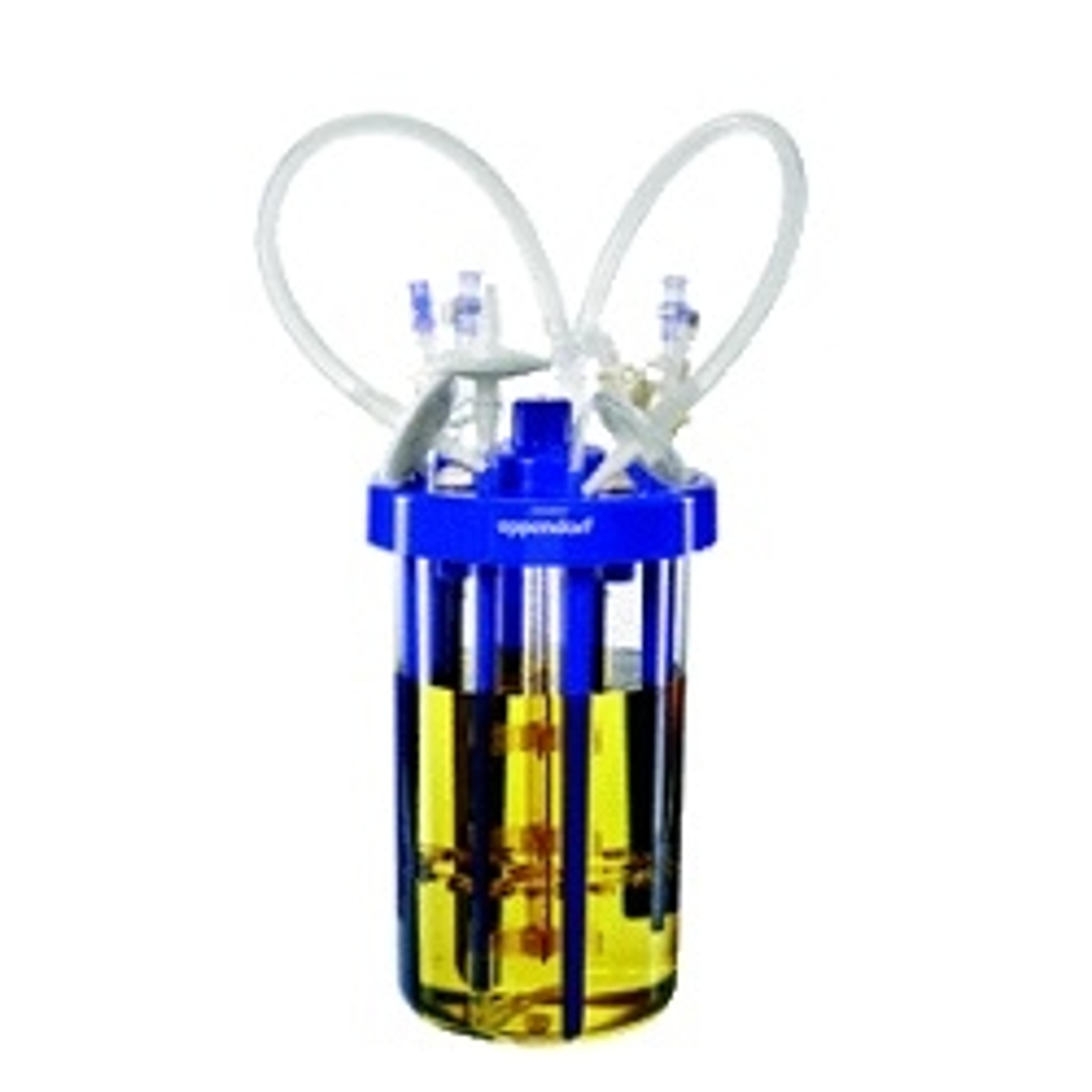
Eppendorf Expands Single-Use Vessel Portfolio for Microbial Fermentation
Eppendorf expands its portfolio of rigid-wall single-use vessels for fermentation