

Omics: Genes, Proteins, & Beyond
Find the latest expert insights and technologies supporting shaping the field of multiomics
How are advances in omics helping researchers see the bigger biological picture?
From genes and proteins to metabolites and other molecular signals, omics technologies are giving researchers a more detailed view of how biological systems work. Rather than studying one molecule or pathway at a time, scientists can now explore how different layers of biology interact and influence health and disease.
Advances in sequencing, mass spectrometry, data analysis, and multiomics workflows are making these studies faster, more accessible, and more informative. They are helping researchers uncover disease mechanisms, identify potential biomarkers, and find new routes towards more precise diagnostics and treatments.
In this SelectScience® Editorial Feature, discover expert insights, product resources, and emerging technologies across genomics, proteomics, metabolomics, and beyond. Explore the tools helping scientists turn complex molecular data into a clearer understanding of biology.
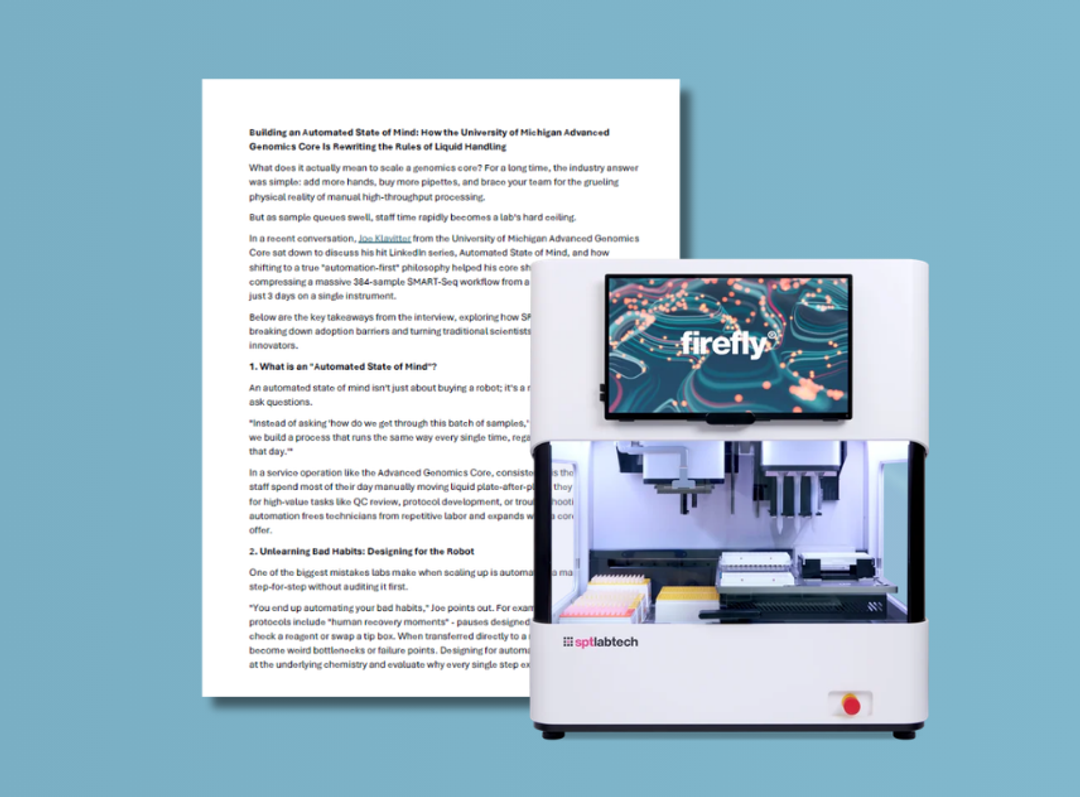
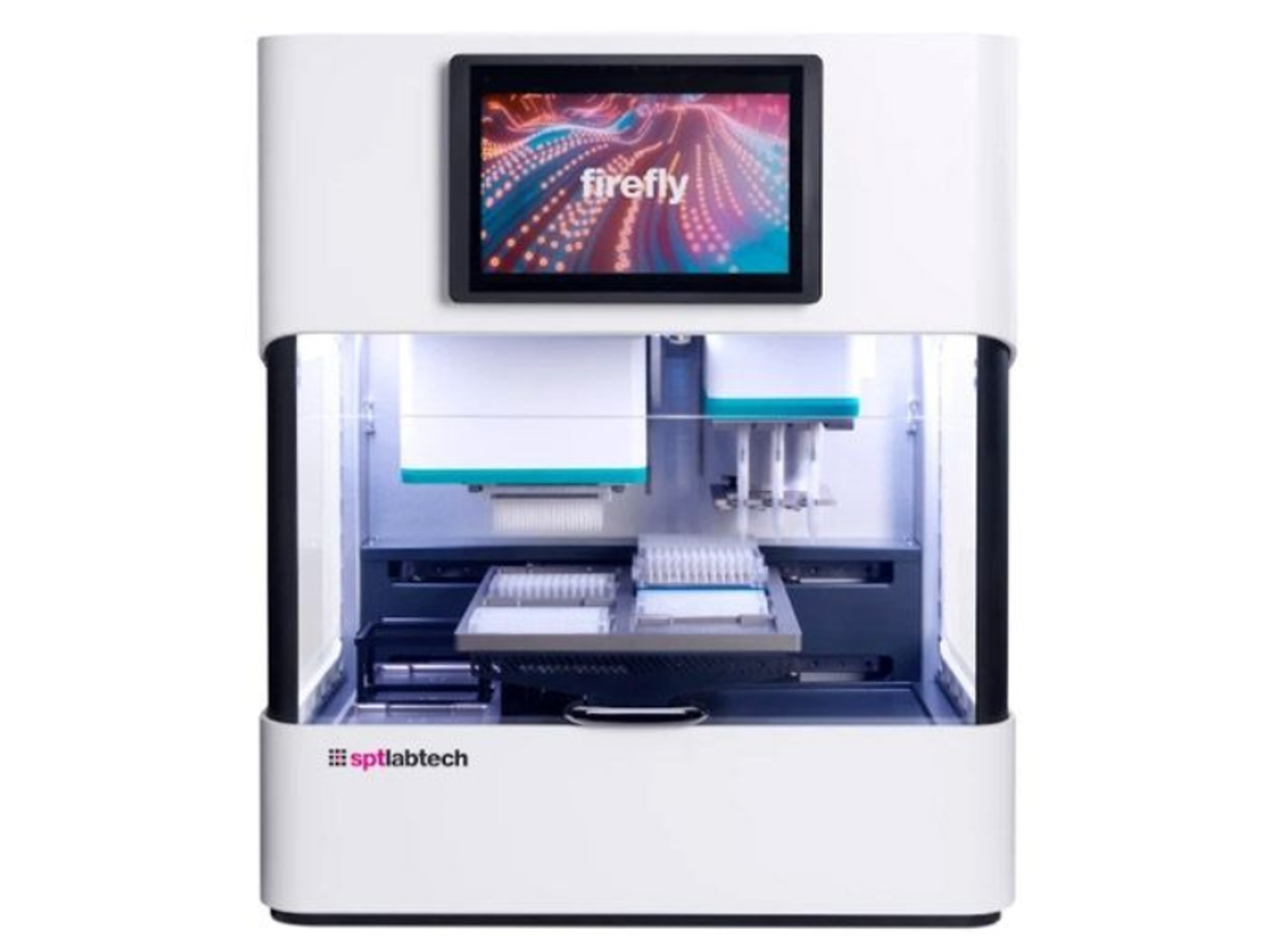
How the University of Michigan Advanced Genomics Core is rewriting the rules of liquid handling
The University of Michigan Advanced Genomics Core reduced turnaround time for a 384-sample SMART-Seq workflow from 10–12 days to just three with an automation-first approach to liquid handling. Discover how in SPT Labtech’s latest case study.
Download resource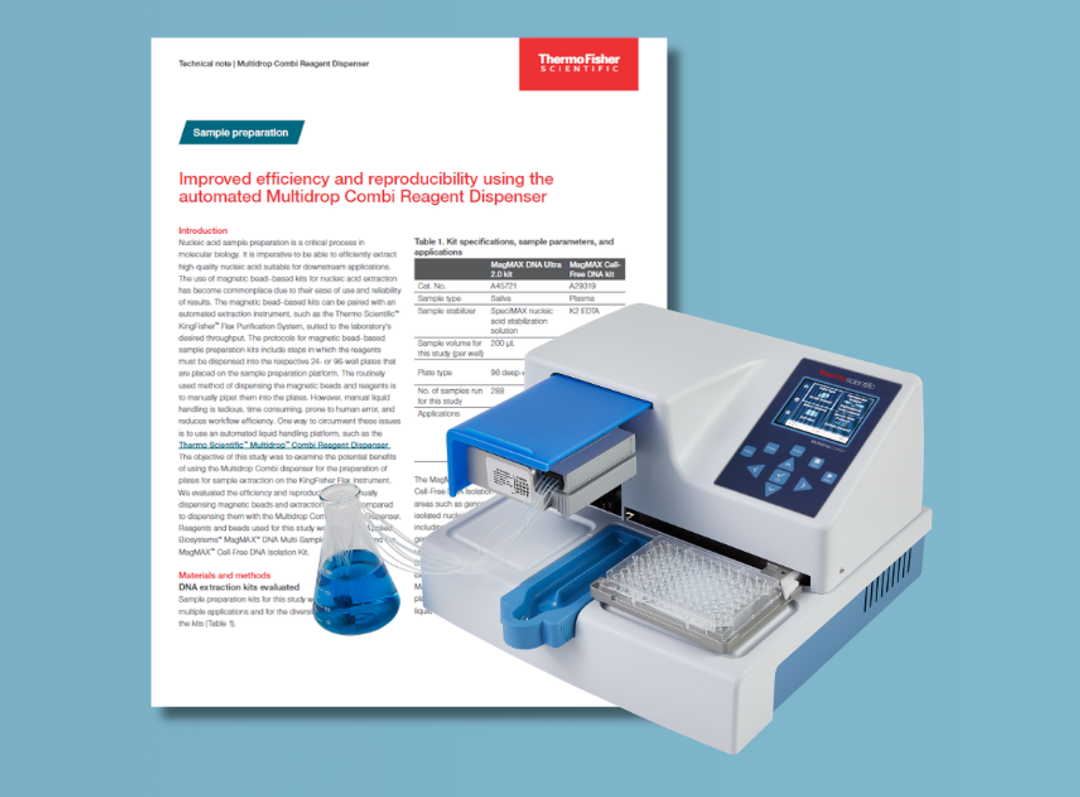
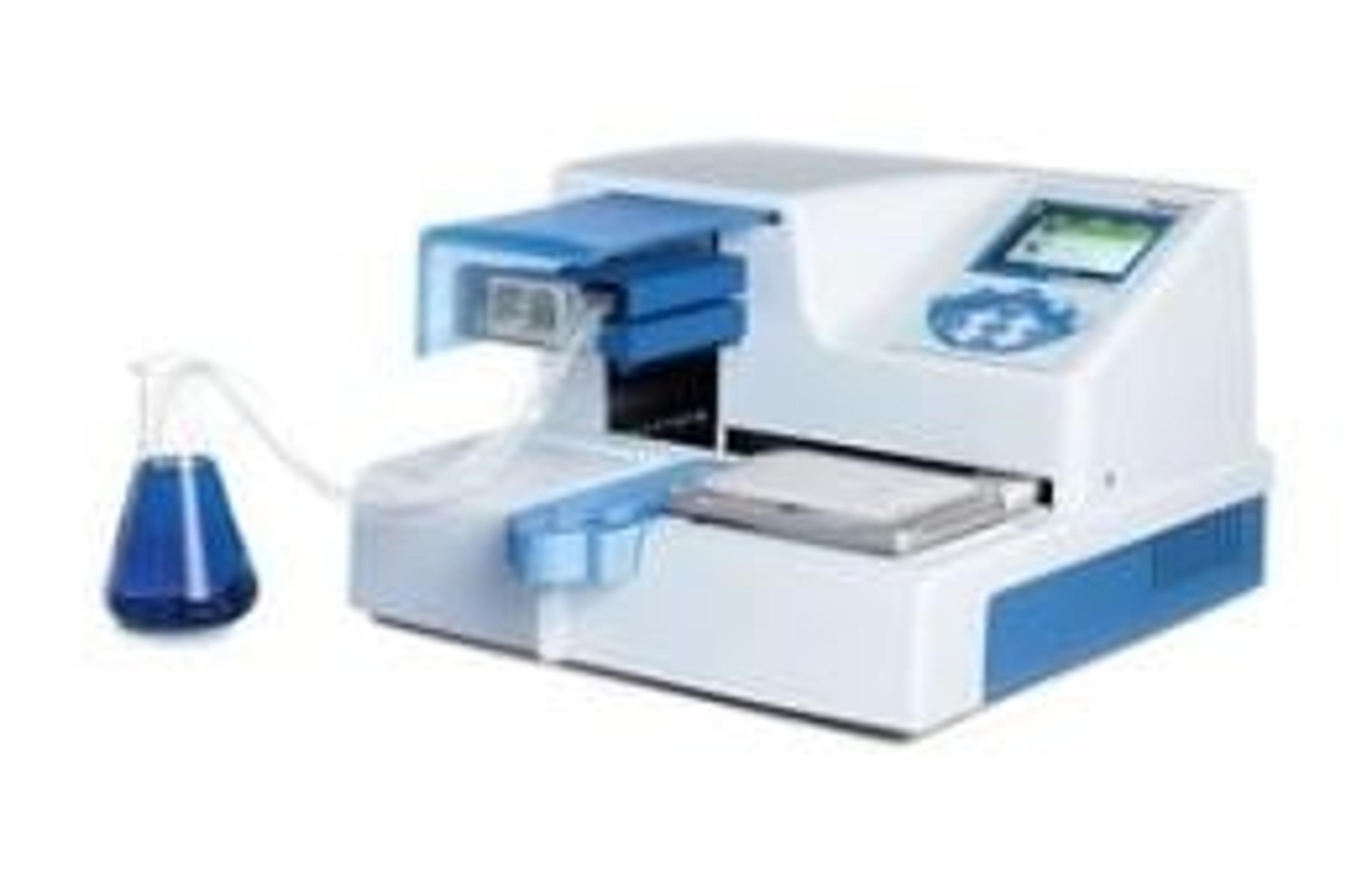
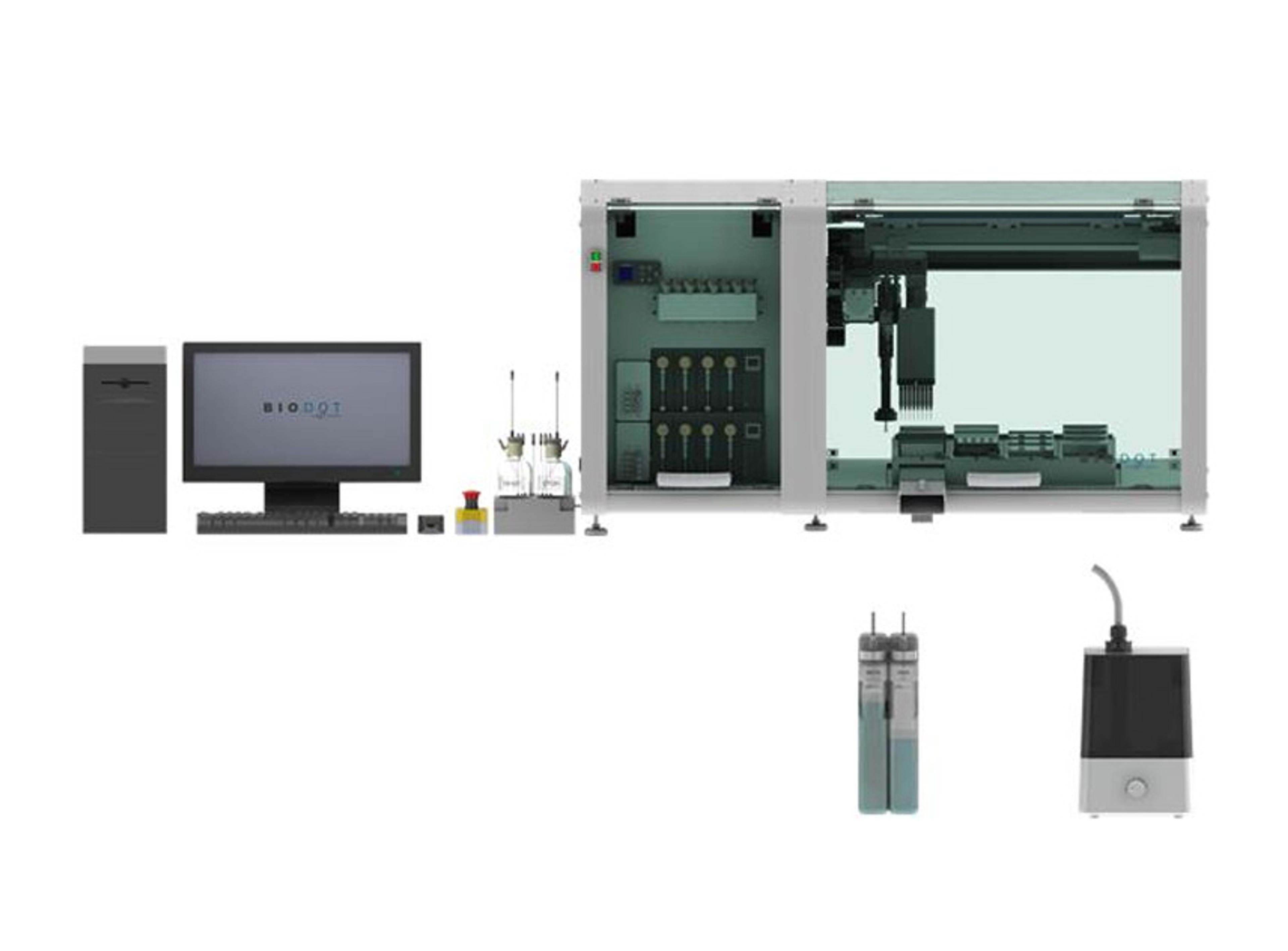
Improved efficiency and reproducibility using the automated Multidrop Combi Reagent Dispenser
Discover how Thermo Scientific Multidrop Combi Reagent Dispenser can reduce magnetic bead and reagent dispensing time by 62%–73% compared with manual pipetting, while delivering consistent DNA quality, lower variability, and reproducibility across laboratories.
Download resource
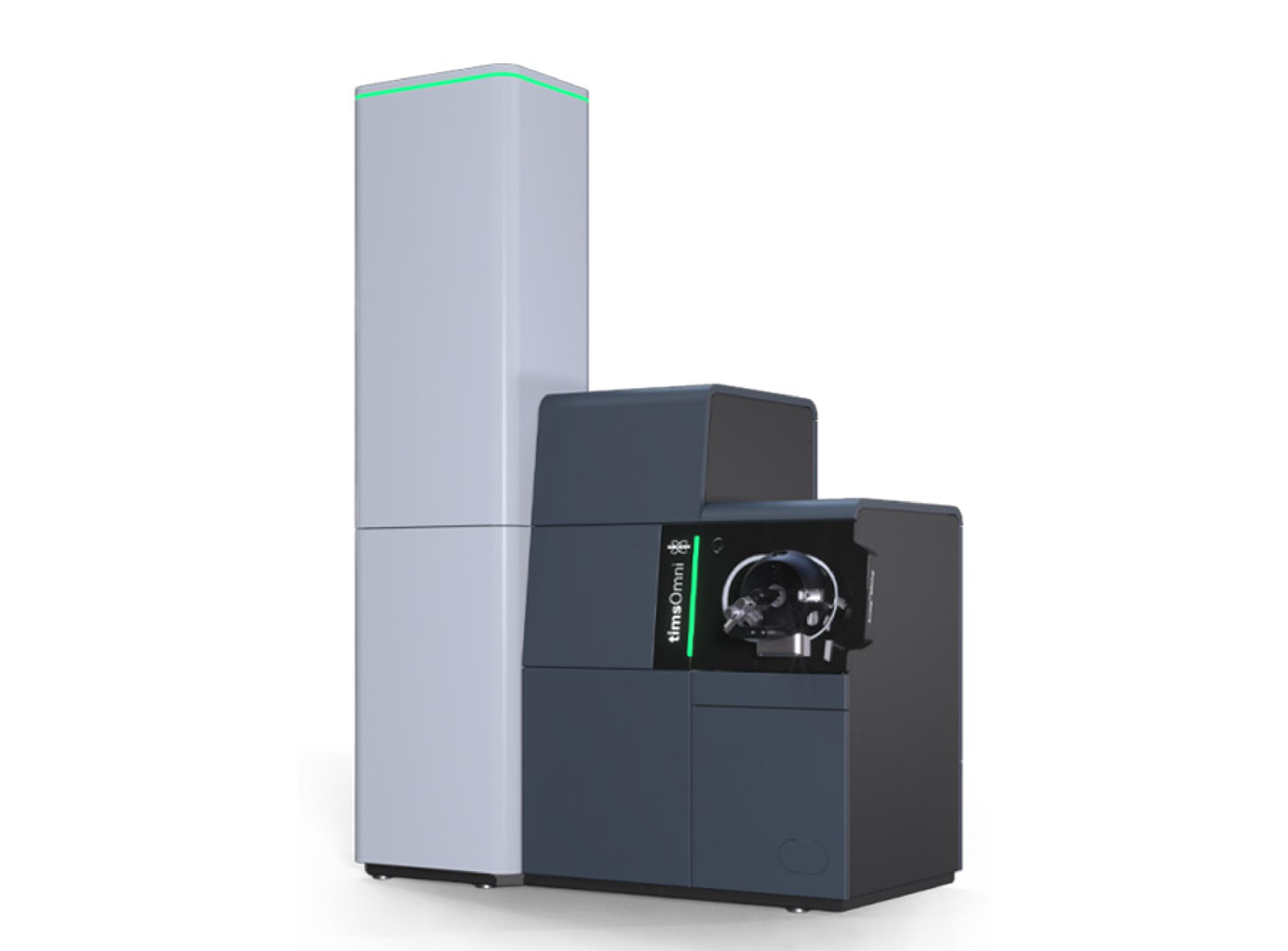
Why proteomics 2.0 could lead the next era of precision medicine
Genomics reveals biological potential, but proteomics shows what the body is doing now. In this interview, Bruker Daltonics’s Daniel Hornburg explains how greater depth, scalability, and proteoform resolution are moving proteomics closer to routine clinical use.
Read article
How single-cell metabolomics and AI could transform toxicity prediction and drug discovery
DeepCyte CEO and co-founder Theodore Alexandrov explains how single-cell metabolomics, spatial metabolomics, and artificial intelligence are enabling more predictive approaches to toxicology, drug safety, and the development of digital cell models.
Read article
Webinars & TechTalks

Technology highlights
Latest news & resources


Interested in more?
Become a SelectScience member for free and get the latest news straight to your inbox