
Functional Proteomics 2.0 to become precision medicine's most translatable technology
For decades, genomics led the journey from discovery to clinic — now, advances in proteomics are making a compelling case for a new leader
13 Aug 2026

Dr. Daniel Hornburg, Vice President Biomarkers & Precision Medicine, Bruker Daltonics
Your inherited genome is largely stable over a lifetime but it mainly describes biological potential. Proteins tell us much more about what cells are actually doing now. That gap, between a genome's fixed potential and the body's shifting reality, is where the next era of precision medicine is unfolding.
Proteomics, not genomics, is closing that gap, and the technology behind it is advancing fast. Dr. Daniel Hornburg, Vice President Biomarkers & Precision Medicine at Bruker Daltonics, has spent his career moving between academia and industry to get closer to that goal, from neuroproteomics at the Max Planck institute followed by computational multi-omics research at Stanford, to four and a half years at proteomics startup SEER. In this SelectScience® interview, Hornburg discusses depth, scalability, and the growing complexity of the proteome, and how each is reshaping precision medicine's next chapter.
For two decades, genomics has been biology's most translatable technology, the tool that carried research from bench to clinic fastest, built on the Human Genome Project and the sequencing platforms that followed. That lead, Hornburg argues, is running out.
Proteins: the molecules actually doing the work
The transcriptome gets closer to real-time biology than the genome does, but it is still one step removed. “Here biological information literally gets translated to the proteins, the actual molecular entities that do stuff,” Hornburg explains. “They include the enzymes that govern metabolism, shape cellular identity, and translate genomic information into biological function. They are also what the immune system recognizes on the surface of cells, making proteins central to how biology is executed in health and disease.”
Proteins also drive metabolism at the molecular level, processing small molecules such as metabolites and lipids in ways no genome or transcriptome measurement can capture directly. That breadth of function is what functional proteomics is built to measure: the growing ability, as Hornburg describes it, to map and count precisely which exact protein molecules, and how many, each gene actually produces, resolving that information spatially and temporally down to a single cell.
Functional proteomics 2.0: why one gene is not one protein
A single gene rarely produces a single protein. It can generate many structural variants, known as proteoforms. “Each gene may not only produce one protein, but many, from dozens, to hundreds, and perhaps sometimes thousands of molecular variants,” says Hornburg. “We call them proteoforms.”
The scale of that complexity reframes the field entirely. “We're not talking about 20,000 gene products, but probably millions of proteoforms,” Hornburg says. “And they are ultimately the driver of health and disease.”
For resolving individual proteoforms rather than reporting an averaged signal across all of the many gene products, Bruker introduced the timsOmni™ platform.
Depth: seeing what was invisible
To resolve biology we often need to look behind the curtain of bulk, meaning averaged, proteome signatures of large tissue samples. A lot of biology happens at a much more granular level from small subsections of functional tissue clusters down to single cells. “Having the sensitivity to do single cell proteomics, detecting thousands of proteins in a single cell, opened up an entirely new view,” Hornburg says.
Depth of insights also means preserving spatial context. “We deploy technologies like deep visual proteomics or spatial proteomics where, with a laser, we cut out areas that can be as small as almost single cells,” Hornburg explains, “and map out the activity profile of these cells in relation to their surroundings.” That resolution is what makes for example the tumor microenvironment tractable: mapping activity region by region, rather than averaging across the tissue.
Scalability: making it reliable enough to trust
Depth alone is not enough if results cannot be scaled and trusted across thousands of samples. “It's not only about peak performance for a handful of samples on a Monday evening,” Hornburg says. “It is about a mass spec running consistently for months and creating data that is comparable across time and labs.” That reliability is what allows proteomics to operate at population scale, in cohorts the size of the UK Biobank, rather than in small, one-off experiments.
Bruker's TwinScape™ system is built to support that kind of long-run consistency. “TwinScape is a digital twin of your mass spec system that exists in the cloud,” Hornburg says. “We are measuring all kinds of instrument health parameters and building machine learning models that predict the health state of the system.”
As Hornburg summarizes, “Bringing all of these components together, the depth, the scalability, and then the capacity to dissect higher complexity is ultimately what will enable us to get into this proteoform space to really understand not the average of gene products, but the specific entities that do realize.”
Where proteomics is already changing outcomes
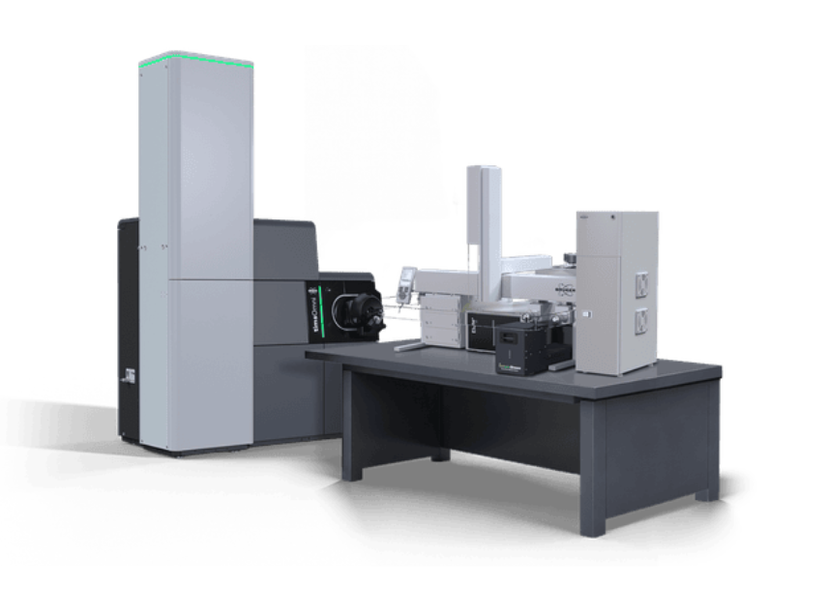
A timsTOF-based system, timsOmni™ combines multimodal fragmentation (CID, ECD, EID and combinations thereof) with high-throughput 4D-proteomics workflows, aimed at researchers in cancer biology, biologics characterization, and precision medicine.
These advances are already reshaping two fields directly. In cancer research, proteomics offers a shortcut genomics cannot. "Proteomics can take the shortcut and just directly measure what is for example presented to the immune cells by cancer cells, understanding why some of those evade our body’s defense system,” Hornburg says. “This includes tumor specific modified protein fragments that genomics cannot resolve.” A distinction with direct relevance to identifying the neoantigens that drive immunotherapy response.
In drug discovery, that same “see what is actually there” supports safety screening. Hornburg notes, “Mass spectrometry can help researchers study whether a drug engages its intended protein target and whether broader protein-level changes suggest unintended biological side effects.” That comprehensive view helps researchers flag off-target effects earlier in development.
Proteomics within the wider omics picture
None of this replaces genomics. “Genomics provides the foundation, and proteomics builds on that,” Hornburg says. In addition, mass spec can also measure other molecules like lipids and metabolites which are often processed by proteins. Intriguingly, many of those are telling us about environmental exposure and activity of proteins, a reminder that a full picture of health draws on multiple omics layers working together, not one displacing another.
Looking ahead: proteomics as a routine translational tool
Hornburg's longer-term vision is a simple one: routine, preventative testing. “As a long-term research vision, I would like to see proteomics contribute to earlier, more preventive views of health, for example by helping researchers understand molecular changes that precede disease. We are not there yet as a routine clinical tool, but that is the direction the field is moving.”
Getting there depends less on further scientific breakthroughs than on making the technology ordinary. “It needs to become simpler, more accessible,” he says, “almost like a boring commodity to some extent in order to have broad adoption.”
That, ultimately, is the shift underway: from proteomics as a specialist research tool to proteomics as everyday infrastructure. Depth, scalability, and the ability to resolve real biological complexity are what will get it there, and Bruker is building technologies to carry it.
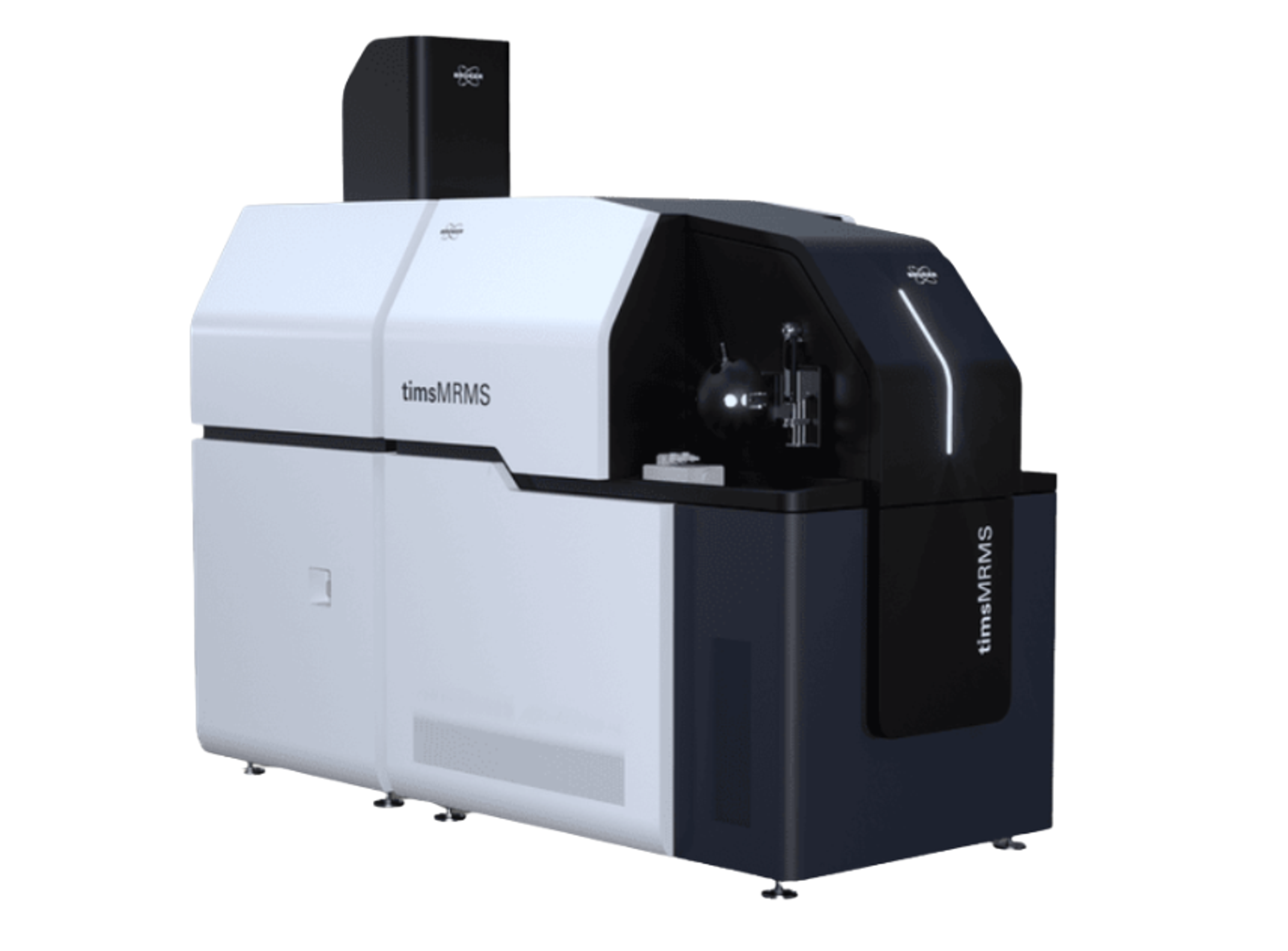
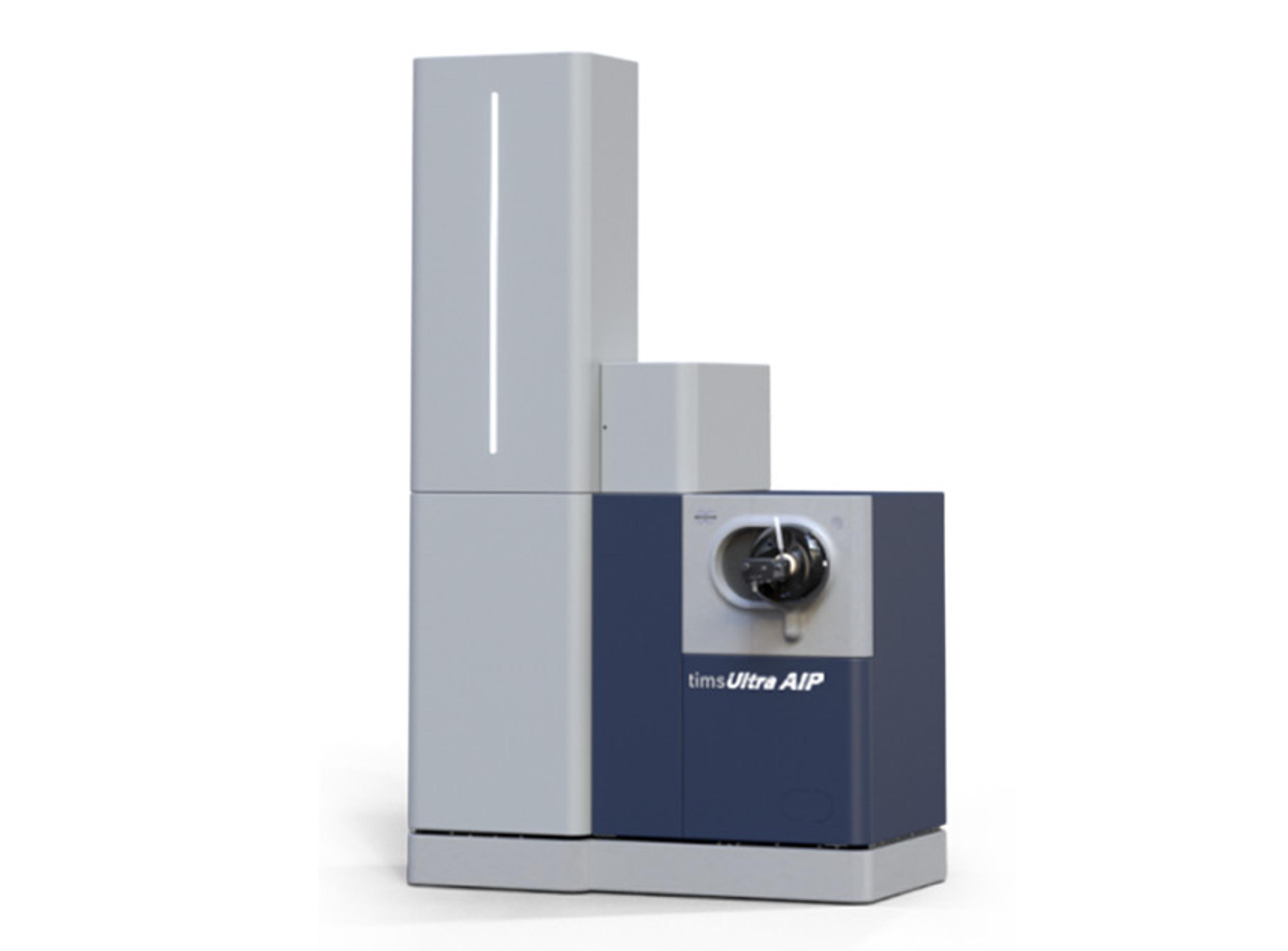
Hear more from Hornburg in this exclusive video interview, filmed at ASMS 2026, where he discusses Bruker Daltonic's timsMRMS™, timsOmni™, and timsUltra™ AIP platforms in more depth.
Related products
Request Quote for All Products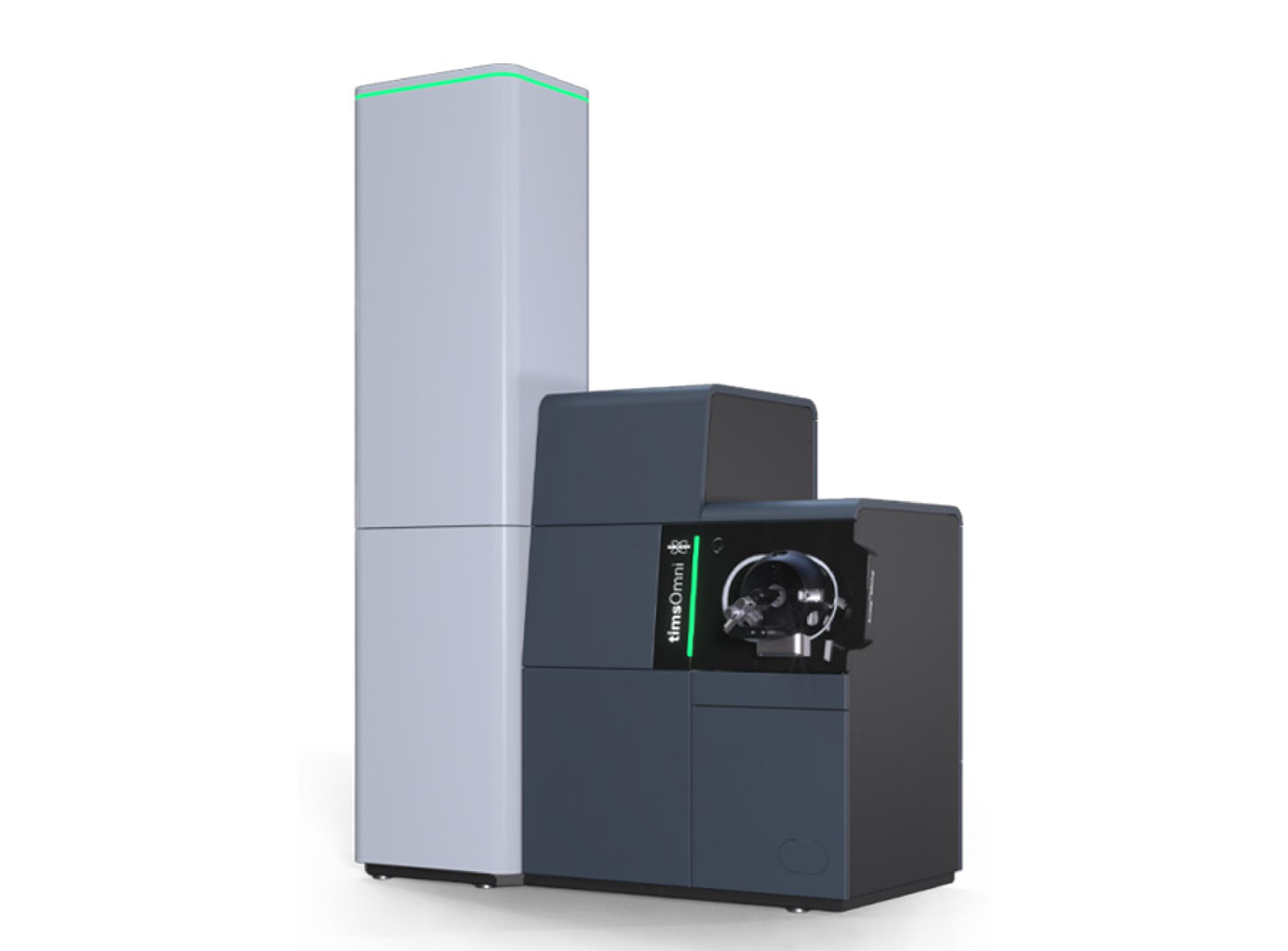
timsOmni™
Bruker DaltonicsUnlock the potential of omnidirectional MSn and trapped eXd: Elevate MS and MSn sensitivity to new heights.
Links
Tags
Frequently asked questions
Show frequently asked questions
How is Bruker Daltonics advancing precision medicine through functional proteomics?
Bruker Daltonics, led in biomarkers and precision medicine by Dr. Daniel Hornburg, advances functional proteomics by resolving millions of proteoforms rather than averaged gene products. With platforms like timsOmni™ and approaches such as deep visual and spatial proteomics, Bruker enables single-cell and region-specific protein analysis, helping translate proteomic complexity into actionable insights for cancer research, drug discovery, and future preventative healthcare.
What role do Bruker’s timsOmni™ and TwinScape™ systems play in large-scale proteomics studies?
The timsOmni™ platform enables high-throughput 4D-proteomics and multimodal fragmentation to resolve individual proteoforms in cancer biology, biologics characterization, and precision medicine. Bruker’s TwinScape™ system acts as a cloud-based digital twin of the mass spectrometer, monitoring instrument health and using machine learning to predict performance, ensuring long-term consistency and scalability across large cohorts such as UK Biobank–scale studies.
How does proteomics complement genomics in Bruker’s vision for future clinical and translational research?
In Bruker’s vision, genomics provides the foundational blueprint, while proteomics measures the actual protein molecules driving health and disease, including proteoforms, metabolites, and lipids. This multi-omics view captures environmental exposure and real-time biology. Dr. Hornburg foresees proteomics becoming a simpler, widely accessible, almost commodity technology that supports routine, preventative testing and earlier detection of molecular changes preceding disease.