How proteomics and multiomics are revealing autoimmune disease mechanisms with new clarity
Combining proteomics with multiomics workflows is helping researchers move beyond single markers and toward a more connected view of immune dysregulation, patient subtypes, and disease activity
10 Jul 2026
Autoimmune disease presents researchers and clinicians with a difficult contradiction. The immune system is built to detect danger with extraordinary sensitivity, but in conditions such as systemic lupus erythematosus, rheumatoid arthritis, and other immune-mediated disorders, that same protective machinery can misidentify the body’s own molecules as targets. The result is a shifting network of autoantibodies, inflammatory proteins, modified peptides, cellular signals, complement activity, and tissue-specific damage. For laboratories supporting clinical research, this creates a practical problem: A single analyte may be useful, but it rarely explains the full biology of a flare, remission, treatment response or future risk.

Dr. Allan Stensballe, Honorary Adjunct Associate Professor, Australian National Phenome Centre
That was the central premise of the SelectScience® webinar, ‘The proteomic LC-MS strategy, revealing autoimmune mechanisms with new clarity for clinical research,’ hosted in collaboration with SCIEX. The session features Dr. Allan Stensballe, Honorary Adjunct Associate Professor, Australian National Phenome Centre. Stensballe’s work focuses on mass spectrometry-based multiomics and the molecular mechanisms underlying human disease, including biomarker discovery, patient stratification, and treatment prediction.
Why autoimmune diseases require a broader view
Stensballe opens the webinar by discussing inflammation, a process that sits at the center of many autoimmune disorders. While inflammation is an essential part of the body's defense against infection, it is also a key driver of tissue damage and disease progression in autoimmune conditions.
Inflammation requires more than measuring a handful of molecules. Researchers increasingly need to understand the pathways, networks, and biological interactions that influence disease progression.
"The ability to profile inflammation, but also detect and characterize the underlying mechanisms is important for us to understand the diseases," Stensballe says.
That challenge is particularly important because autoimmune diseases are rarely uniform. Patients carrying the same diagnosis may experience dramatically different symptoms and outcomes.
"Many disorders, for example, lupus, different types of allergy, rheumatoid arthritis, are not just one specific disease, but it's actually many, sometimes, with different degrees of severity depending on what molecular mechanisms are present in the individual patients," shares Stensballe.
This variability is one reason why patient stratification has become such an important goal in autoimmune research. According to Stensballe, a key question is, "How can we differentiate and how can we focus our treatment of the individual patient?"
From proteomics to systems biology
Answering that question requires researchers to look beyond a single biological layer.
Throughout the webinar, Stensballe emphasizes the value of combining multiple omics technologies to create a more complete picture of disease. Modern researchers can now investigate DNA, RNA, proteins, metabolites, lipids, and other biomolecules from the same patient samples.
"We want to address what mutations are present in the DNA," he says. "We would also like to describe which genes are actually transcribed at a certain time point, and which proteins are expressed at a given time point."
The integration of these approaches has given rise to systems biology, a field focused on understanding how different biological components interact rather than studying them in isolation.
Proteomics plays a particularly important role because proteins often provide the most direct insight into disease activity. However, Stensballe stresses that the greatest value comes from combining proteomics with complementary datasets, "It's really crucial for us as scientists to be able to profile, detect, monitor, and quantify these different molecules or different layers from patient material."
Detecting autoimmune disease before symptoms appear
One of the most intriguing aspects of autoimmune disease research is the realization that disease processes often begin years before patients become symptomatic.
Using systemic lupus erythematosus (SLE) as an example, Stensballe explains that molecular changes can be present long before diagnosis, "In many cases here with SLE as one disorder, but also in many other autoimmune disorders, these disorders can evolve and be present in your body years in advance before you actually have a disease outbreak."
This creates a significant opportunity for researchers seeking earlier indicators of disease activity. If those molecular signals can be detected and understood, they may eventually support earlier diagnosis or intervention.
A major focus of this work is the study of autoantibodies. These molecules are among the defining features of many autoimmune diseases and can emerge years before symptoms become apparent.
"Autoantibodies are a very crucial, very complex group of biomolecules," Stensballe says.
Under normal circumstances, antibodies help protect the body against infection. In autoimmune disease, however, that protective system becomes misdirected.
"So, this is a part of our normal, very efficient immune system. You can almost say gone rogue," Stensballe explains.
The complexity of lupus illustrates why autoimmune diseases remain so difficult to study and manage. "In the case of SLE, more than 100 different proteins can be attacked by our immune system," Stensballe shares. "This is one of the reasons why, for example, SLE is a very challenging disorder to live with."
Importantly, these immune reactions may be detectable long before disease becomes clinically obvious.
"The autoantigen-autoantibody reaction can occur very early, years in advance before you actually, as a patient, feels sick," he says.
Using protein arrays to map immune responses
To better understand those immune reactions, Stensballe's team uses protein array technologies capable of profiling large numbers of autoantibody-antigen interactions simultaneously.
These platforms allow researchers to investigate which proteins are being targeted by the immune system and how those responses differ between patients.
Stensballe describes earlier work in rheumatoid arthritis where his team developed approaches to profile autoantibodies in both healthy individuals and patients with disease. The group was one of the first groups in the world to apply these approaches in this way.
The research has helped uncover important differences between patient subgroups and provided insight into the mechanisms driving disease progression.
One area of particular interest is protein citrullination, a modification strongly associated with rheumatoid arthritis.
Such modifications can alter protein behavior and create new immune targets. By combining protein array data with statistical analysis, researchers can begin identifying patterns associated with disease severity and clinical outcomes.
The long-term goal is to move from broad discovery studies toward smaller, disease-specific panels that could eventually support clinical applications.
Accelerating discovery with high-throughput LC-MS
Alongside protein arrays, mass spectrometry remains a cornerstone of Stensballe's research program.
One challenge facing proteomics researchers has been the need to balance analytical depth with throughput. Comprehensive analyses provide rich biological information, but large clinical studies require hundreds of samples to be processed efficiently.
To address this challenge, Stensballe's group investigated high-throughput LC-MS workflows in a large lupus study involving hundreds of Danish patients.
The team compared traditional approaches with much faster analytical methods.
"In this case here, we compare the analytical output of sample preparation and also analysis where we can analyze 40 samples per day compared to 500 samples per day," he shares.
The results suggested that faster workflows could still generate highly informative datasets.
"With a very fast and comprehensive analysis, we can get just as much information for our bioinformatics profiling after using the fast instruments," continues Stensballe.
This ability to combine speed with analytical depth is particularly important for translational research, where large patient cohorts are often required to identify meaningful biological patterns.
According to Stensballe, the workflow enabled researchers to generate substantial molecular information in remarkably short analysis times. "Within a couple of minutes of analysis time, we can actually profile many hundreds of proteins and also more than 50 known FDA biomarkers in this research setup."
The resulting data allowed researchers to investigate disease activity, complement activation, and molecular differences between patient groups, helping improve understanding of the biological processes involved in lupus.
Moving toward clinically useful biomarkers
While proteomics has already transformed autoimmune disease research, significant challenges remain before these discoveries become routine clinical tools.
One of the major priorities is translating large-scale discovery data into validated biomarkers that can support patient care.
During the webinar's Q&A session, Stensballe was asked what is needed to transform LC-MS-derived inflammatory signatures into clinically useful tools for SLE monitoring. His response was concise, "We need good and validated biomarkers done by proteomics."
Achieving that goal will require robust workflows, standardized methodologies, and extensive clinical validation. Yet the progress described throughout the webinar suggests that the field is moving steadily in that direction.
As Stensballe concludes, "proteomics, protein arrays, LC-MS, all aspects are definitely a good and very thorough research-based approach to profile the patient material."
Combined with advances in bioinformatics, systems biology, and multiomics integration, these technologies are providing researchers with a clearer view of autoimmune disease than ever before. By revealing the molecular networks that drive immune dysfunction, they are helping move the field closer to more precise diagnostics, better patient stratification, and ultimately more personalized approaches to treatment.
Webinar Q&A highlights
What are the main advantages of LC-MS for studying complex inflammatory pathways and biomarker networks in SLE?
Reproducible sample handling, stable reference standards, multi-center longitudinal cohorts, clear cut-offs for flare, remission, organ involvement, and comparison against SLE, DAI, anti-DS DNA, C3, C4, urine protein, and treatment response. The key gap is moving from discovery proteomics to standardized, clinically interpretable panels.
Which inflammatory protein signatures in SLE are best captured by LC-MS, and how do they compare with conventional biomarkers?
LC-MS can measure many proteins at once, quantify pathway-level changes, and detect networks missed by single-analyte tests. It is especially useful because SLE is heterogeneous. LC-MS can separate molecular endotypes, organ-specific inflammation, and overlapping pathways such as complement, interferon, neutrophil activation, coagulation, acute-phase response, and tissue remodeling.
Watch the webinar on demand to learn more about Dr. Allan Stensballe's research and discover how integrated proteomics and multiomics workflows are advancing autoimmune disease research.
Related products
Request Quote for All Products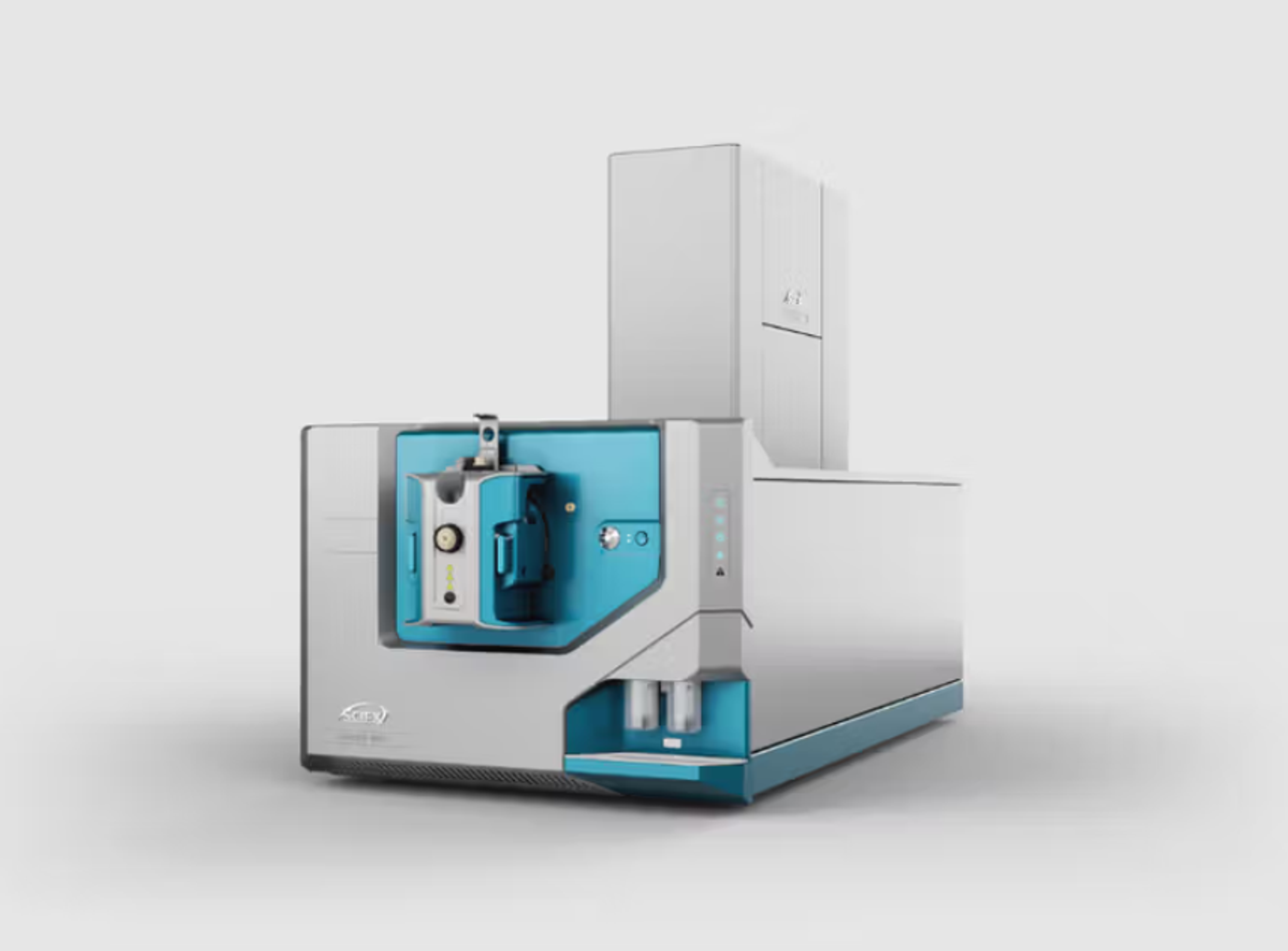
ZenoTOF 8600 system
SCIEXDelivers new levels of sensitivity, combined with the versatility of EAD and Zeno-trap enabled workflows.
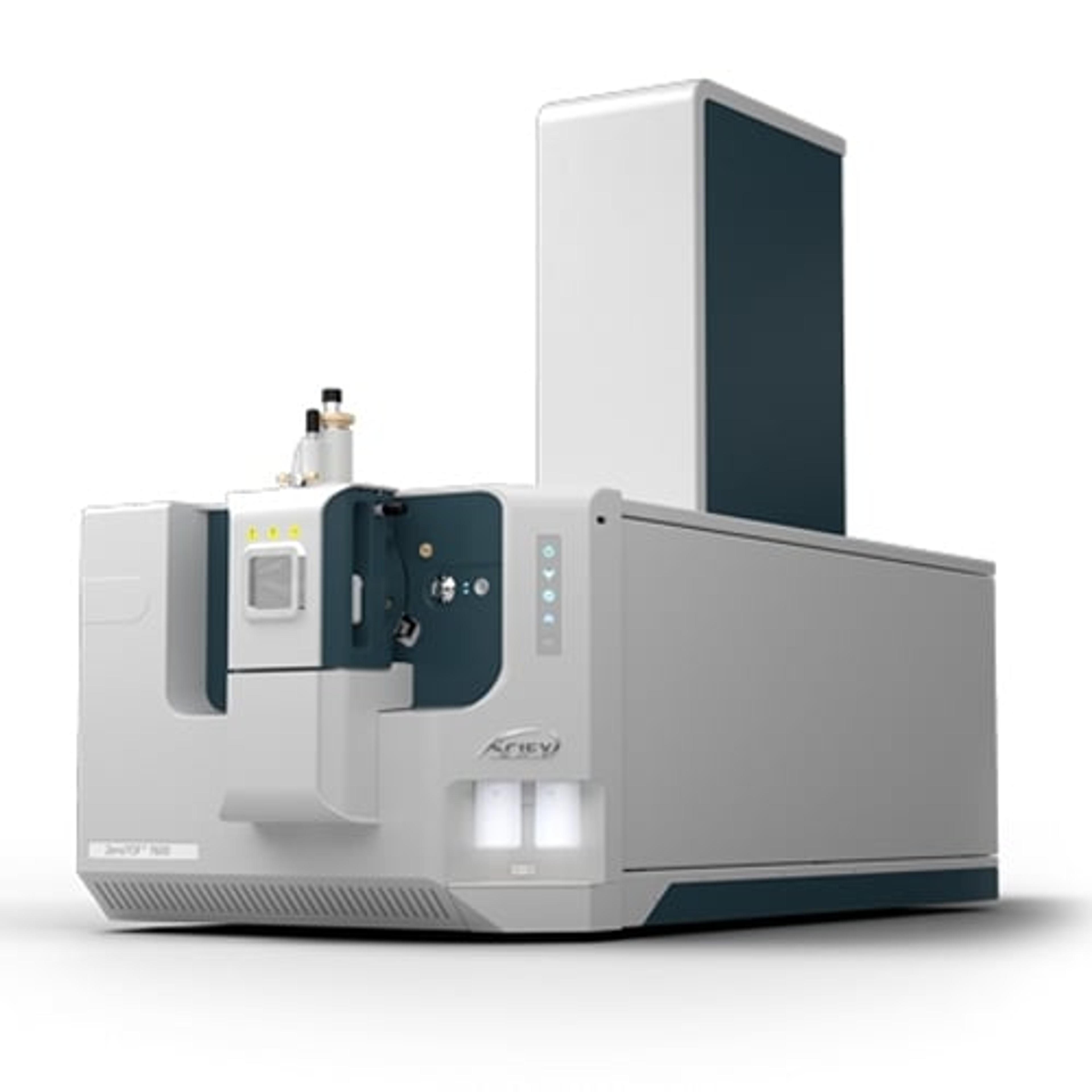
ZenoTOF 7600 system
SCIEXBe extraordinary - welcome to the Zeno revolution, driven by the combined power of the Zeno trap and EAD