How to achieve mechanistic clarity through accessible single-molecule proteomics
Thursday, July 9 at 16:00 BST | 17:00 CEST | 11:00 EDT | 08:00 PDT
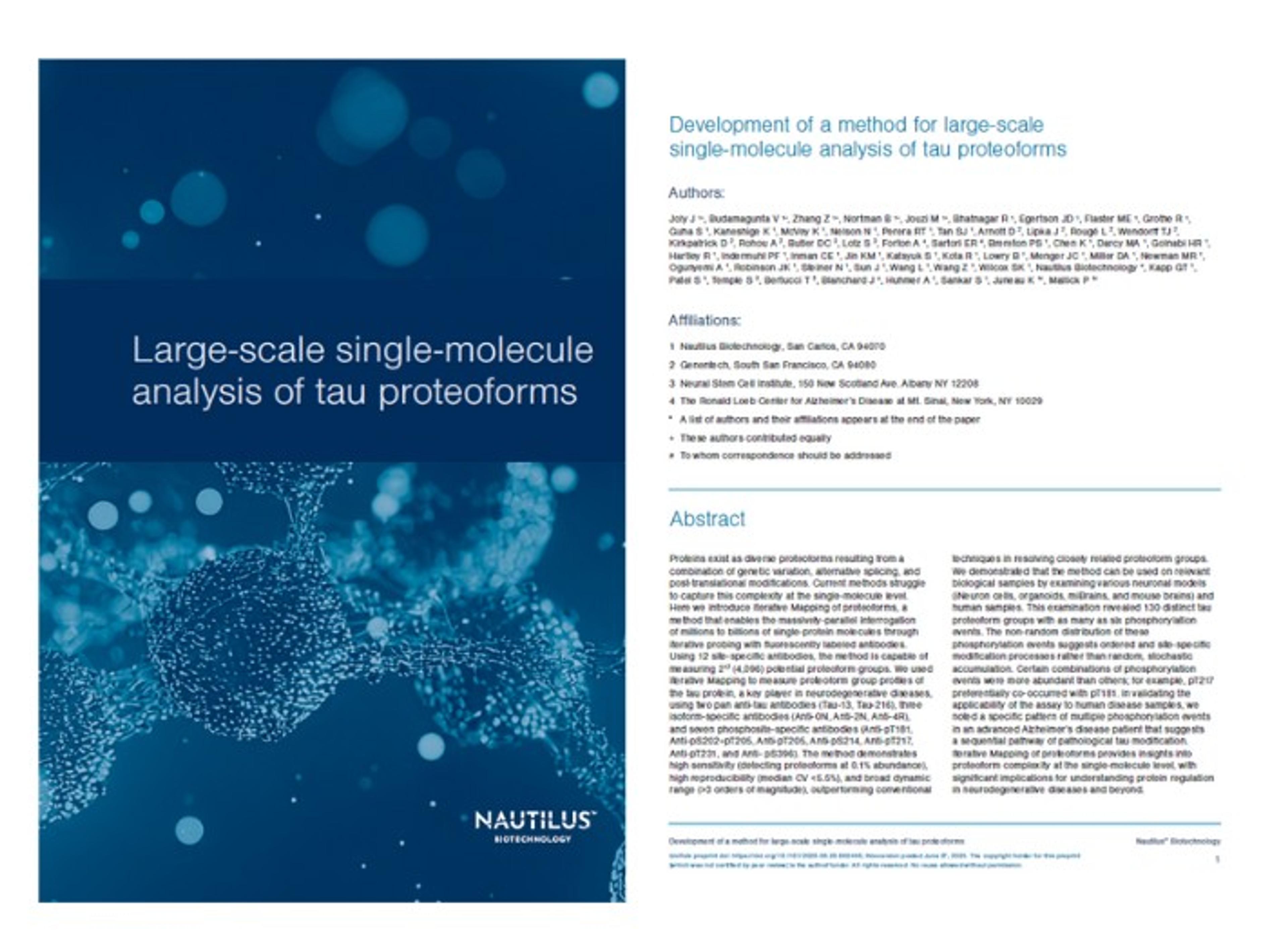
Discover how next-generation proteomics can deliver deeper insight into protein function at the single-molecule level in this SelectScience webinar. Designed to be highly accessible while delivering exceptional sensitivity, accuracy, and reproducibility, Nautilus’ innovative Iterative Mapping method empowers researchers to generate rich functional insights that were previously out of reach with conventional methods.
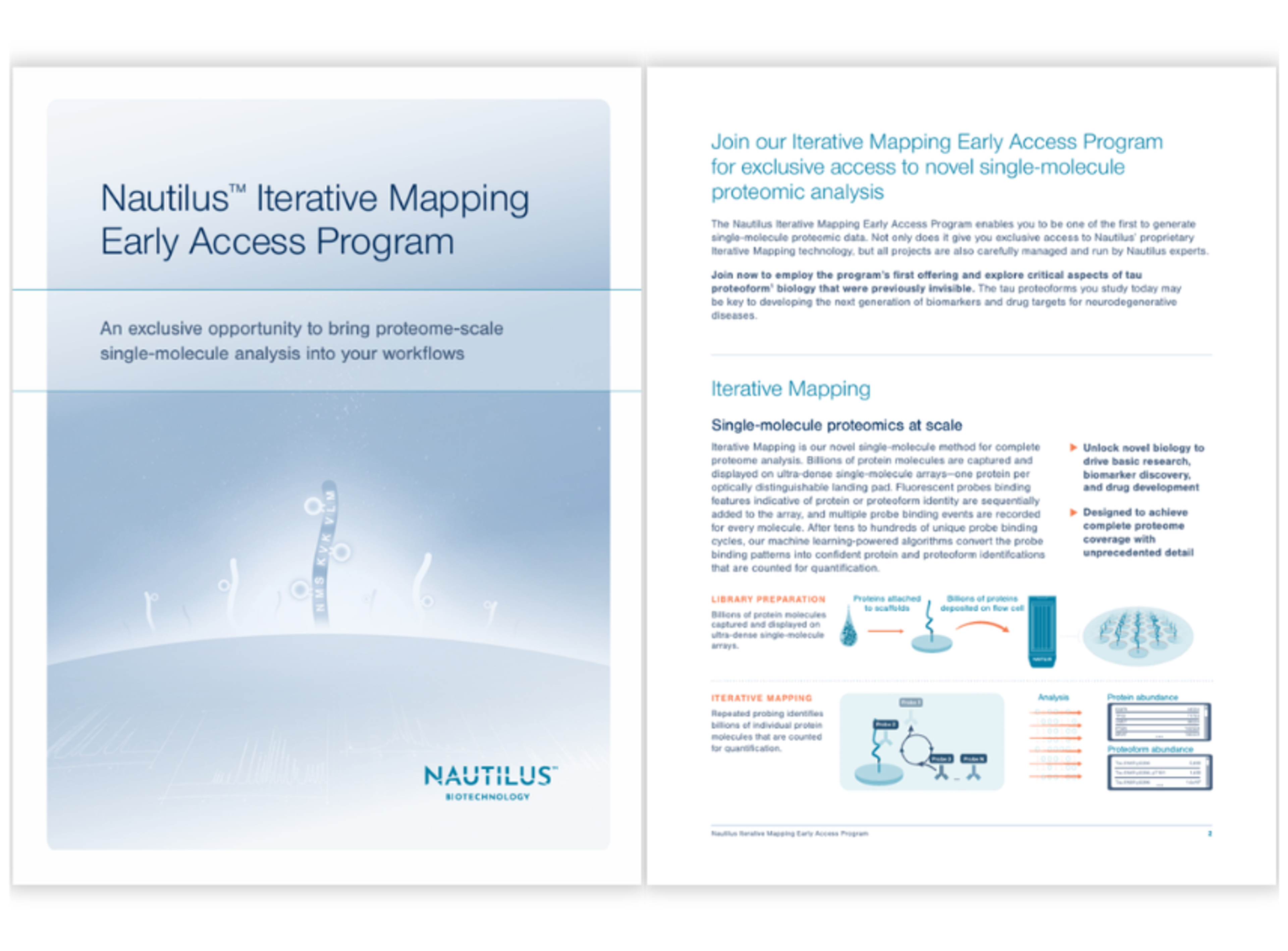
This session will introduce the principles behind Iterative Mapping and highlight early insights already achieved using this novel approach. You will learn how the technology enables detailed exploration of protein mechanisms and supports a wide range of applications across biology and disease research. The webinar will also outline how you can join the Iterative Mapping Early Access Program, offering a unique opportunity to be among the first to apply single-molecule proteomics in your own work.
Ideal for researchers seeking an advanced, user-friendly proteomics solution, this webinar is particularly relevant for those studying complex biological systems and the roles of proteins and proteoforms in those systems. This may include neuroscientists working on Alzheimer’s disease, researchers studying tau’s role in neurodegeneration, and researchers investigating how proteoforms impact cancer. Register now to explore how Iterative Mapping can transform your research and deliver unprecedented clarity into protein-driven biology.
Certificate of attendance
If you attend the live webinar, you will automatically receive a certificate of attendance, including a learning outcomes summary, for continuing education purposes. If you view the on-demand webinar, you can request a certificate of attendance by emailing editor@selectscience.net.
Webinar details
- Cost: Free to attend
- Location: Online
- Duration: 60 minutes
Registration is required to secure your place. If you register but can’t attend live, you will receive a link to the on‑demand recording once it becomes available.
Speakers



Who should attend?
- Researchers looking to understand the mechanisms by which proteins control their biology of interest
- Researchers who need an accessible proteomics solution
- Researchers who need a proteomics solution with more quantitative accuracy, sensitivity, and reproducibility
- Neuroscientists interested in understanding the mechanisms through which proteins contribute to neurodegenerative disease
- Pre-clinical and clinical researchers studying Alzheimer’s disease and related dementias
What will this webinar cover?
- How Iterative Mapping works
- Functional insights achievable with Iterative Mapping
- The limitless applications of Iterative Mapping
- How you can be one of the first to use Iterative Mapping in your work