

How to select the right custom chemistry supplier to unlock tomorrow’s discoveries
Explore customized solutions for therapeutic and diagnostic development
The pace of life sciences research depends not only on new ideas, but on access to the right tools to support them. Across biopharma and diagnostics research, innovations in areas such as biomarker discovery, assay development, and antibody-based therapeutics often require reagents that are not available off the shelf. Developing these in-house can be time-consuming and technically demanding, particularly when it comes to optimization, validation, and scale-up.
Many of the challenges encountered in these projects are not new – they have already been addressed by specialist partners with established expertise. For 50 years, Vector Laboratories has supported researchers in overcoming these barriers, offering a broad range of custom reagent development capabilities that span recombinant antibody engineering, tailored immunofluorescence and immunohistochemistry reagents, bioconjugation services, and custom product formulation. With the below resource hub, explore how these services are applied in practice, from accelerating antibody development for diagnostics and therapeutics to enabling multiplex spatial biology workflows.

Custom antibody services
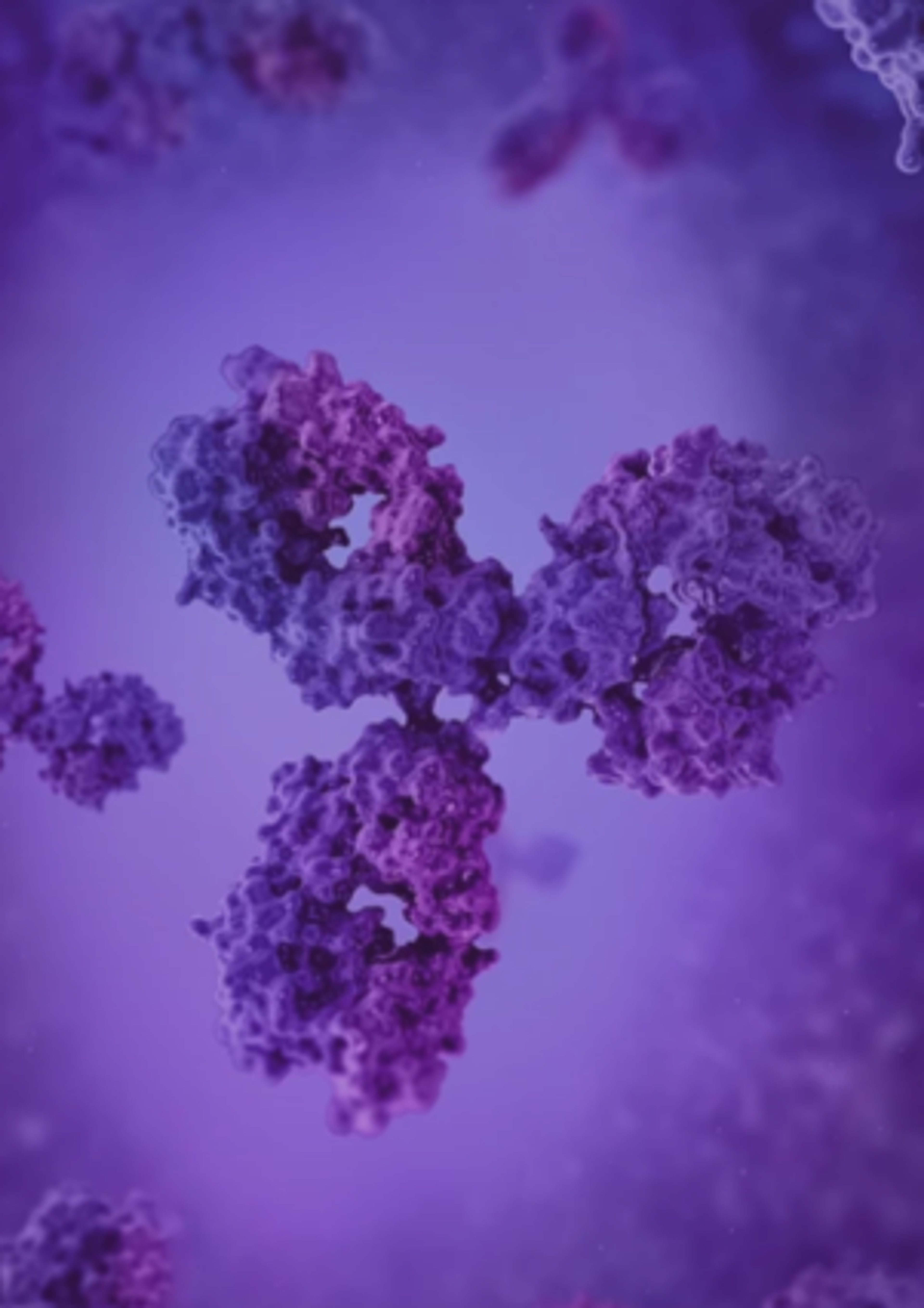
Antibody engineering underpins a wide range of applications across research, diagnostics, and therapeutic development. Increasingly sophisticated approaches now allow scientists to precisely tune antibody specificity, affinity, and function, delivering a level of control rarely achievable with off-the-shelf reagents. For those working with novel biomarkers, rare proteins, or proprietary drug targets, custom antibodies are often not just advantageous but essential, providing a direct route from concept to functional product.
Custom recombinant antibody guide
Regardless of whether antibodies are generated using hybridoma technology, phage display, or recombinant expression systems, there are many ways to tailor their function and improve their performance. From humanization and Fc engineering to antibody fragments and multispecific formats, this guide outlines the key strategies for optimizing antibodies. Learn about the recombinant antibody workflow and how advanced engineering strategies are not only improving therapeutics but also driving the development of new tools for diagnostic and research applications.
Download resourcePeriodic table of antibodies
As antibody engineering moves beyond traditional IgGs, this resource highlights the breadth of formats now available. This periodic table style poster visually maps over 180 real engineered antibody formats (including fragments, Fc based constructs, fusion proteins, and alternative scaffolds) grouped by structure and function. Based on Absolute Antibody’s custom recombinant engineering work, all formats shown have been manufactured using its proprietary cloning and expression platform, from simple fragments to complex bi and multispecific designs such as BiTEs.
Download resource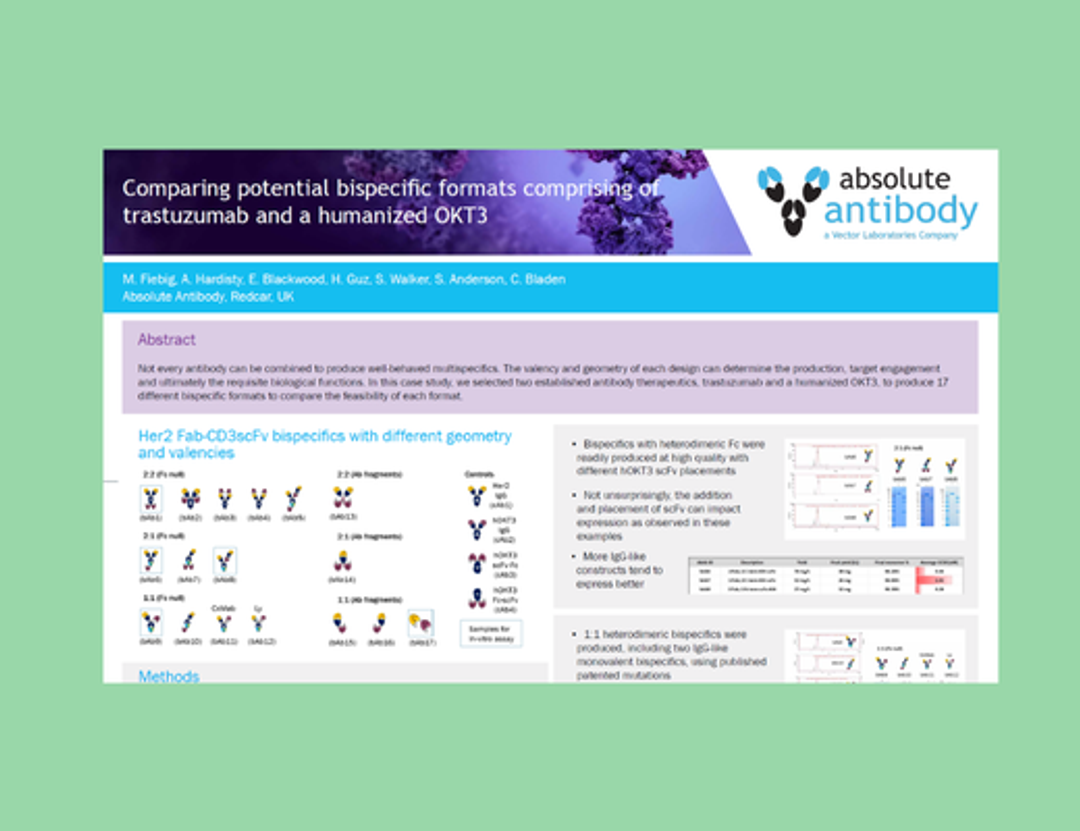
Spotlight on bispecific antibodies
Bispecific antibodies can engage two targets at once, opening up new ways to drive efficacy, redirect immune cells, or overcome resistance mechanisms. However, with dozens of designs now in clinical development, format choice has become just as important as target selection. Expression, stability, geometry, and Fc architecture can all vary dramatically between designs, directly affecting developability and function. This challenge is what makes bispecifics so compelling, and so complex. This case study compares 17 bispecific formats derived from the same parental antibodies, and reveals how design decisions impact expression and performance, providing practical insights for smarter bispecific antibody design.
Download resourceVector Laboratories offers end-to-end antibody engineering services, spanning sequencing and optimization through recombinant expression and purification. Their sequencing capabilities include NGS of hybridoma cells and de novo sequencing of purified antibody proteins. Once sequenced, antibodies can be reformatted using a proprietary cloning platform into virtually any format. This includes species and isotype switching, bispecific and trispecific designs, and antibody fragments such as scFv, Fab, and Fab2. They also offer chimerization services to generate antibodies with cross-species constant regions, humanization to reduce immunogenicity, Fc engineering to modulate effector function and half-life, and codon optimization to enhance expression yields.
Finally, Vector Laboratories offers royalty-free expression and purification services, producing high quality, animal-free recombinant antibodies at milligram-to-gram scale in HEK or CHO cells. Having produced more than 23,000 recombinant antibodies for pharmaceutical and biotechnology companies, diagnostic assay developers, and academic researchers worldwide, Vector Laboratories is well-positioned to support a wide range of antibody development projects. Learn how their team can support yours:
Learn moreCustom chemistry synthesis
Custom chemical synthesis, like antibody engineering, enables researchers to access purpose-built reagents tailored to specific applications. Off-the-shelf products can often only take projects so far before modifications to concentration, formulation, volume, conjugate, or quality control specifications are required. In many cases, entirely new reagents are needed, such as bespoke bioconjugates that are not commercially available. Whether adapting an existing product or starting from scratch, working with an experienced provider reduces the burden of in-house synthesis. Expertise in synthetic route design, compound optimization, and validation helps projects progress much more efficiently, while certified manufacturing and quality systems ensure high purity, sterility, and consistent lot-to-lot performance.
As projects advance and processes scale, volume requirements often change, and standard catalogue sizes can become limiting. Established suppliers such as Vector Laboratories enable production to be aligned with application needs, from small-scale research quantities through to larger batch manufacture. Vector provides custom organic synthesis services spanning the design and manufacture of complex molecules, intermediates, and building blocks. Whether it’s linker design and synthesis, visualization and detection solutions, or recombinant antibody engineering, their team brings decades of expertise in route design, optimization, method development, scale-up, and quality control. All manufacturing is carried out within an ISO 9001:2015-certified facility, with flexible production volumes and the capacity to scale alongside demand.

Comprehensive guide to IHC staining
Understand the foundational principles of IHC, from workflow setup to selecting the right detection systems, and discover how optimized reagents can reduce variability, strengthen signal clarity, and improve the interpretation of IHC results.
Download eBook
Guide to multicolor IHC staining
Explore the steps and considerations for creating stunning multicolor immunochemistry images. Topics covered include reagent selection, double staining protocols, multiplexing using polymer detection systems, and strategies for mouse-on-mouse double labelling.
Download eBookImmunohistochemistry reagents
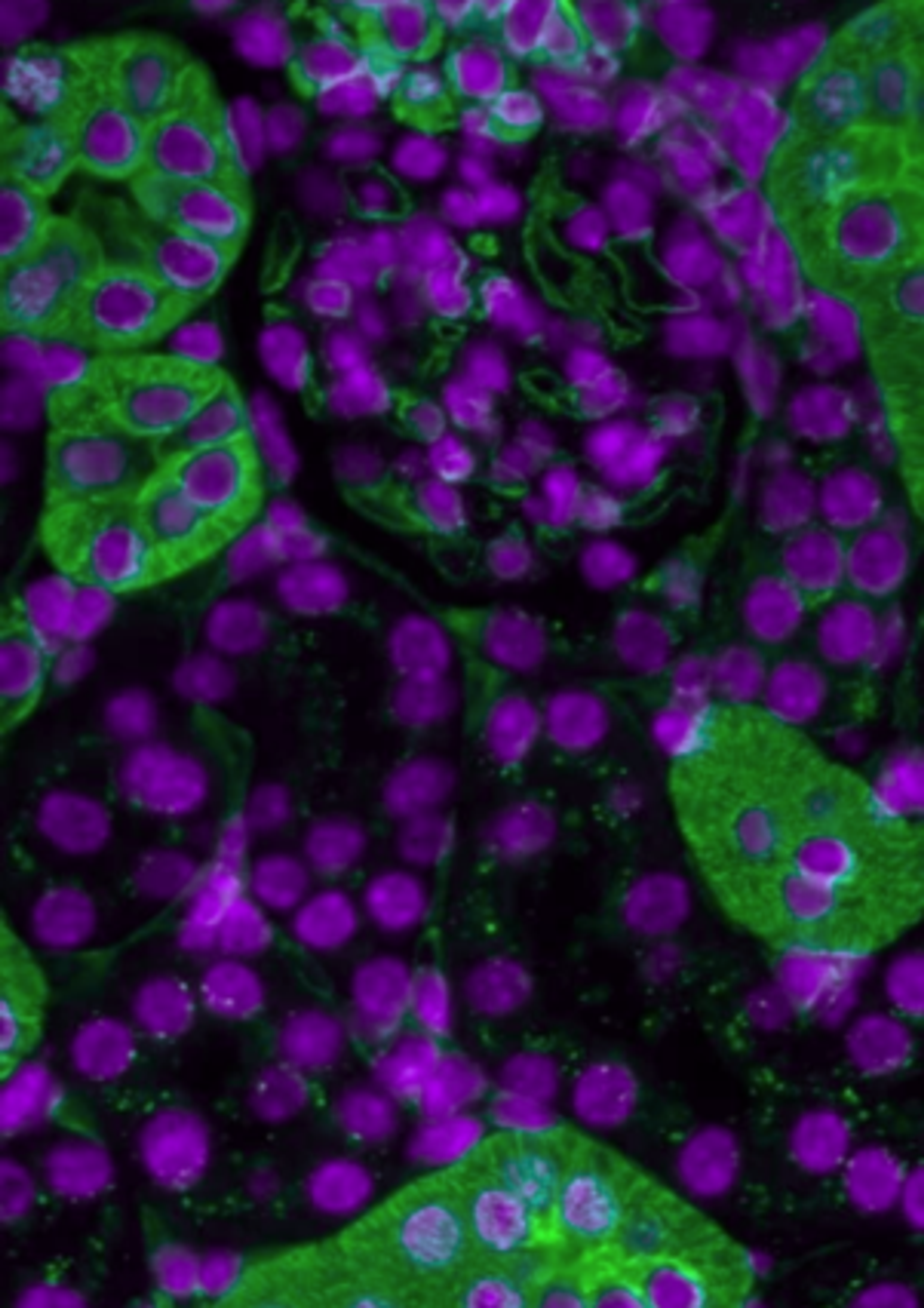
Immunohistochemistry (IHC) is a powerful technique used to visualize the localization, distribution, and abundance of biomolecules within complex tissues. Some IHC workflows can present unique challenges, such as working with primary antibody species that are closely related to tissue species or detecting multiple biomarkers within a single sample.
Vector Laboratories offers a range of IHC solutions designed to address these demands, including application-specific kits in prediluted, ready-to-use formats, numerous enzyme substrate systems with distinct color profiles for multiplex staining, and optimized protocols to achieve high-quality results in even the most challenging workflows.
Learn more
Comprehensive guide to IF
This IF guide supports researchers at all stages of workflow development, from selecting detection systems and fluorophore-conjugated reagents to choosing appropriate mounting media. It also covers species-on-species approaches and practical strategies for enhancing staining quality across a wide range of samples.
Download eBook
Guide to IF mounting
Mounting is a critical final step in IF, directly influencing signal intensity, image clarity, and long-term sample stability. This guide outlines the principles of fluorescence, causes of photobleaching, and how mounting media selection, including antifade formulations and refractive index matching, can improve image consistency.
Download eBookImmunofluorescence reagents
Immunofluorescence (IF) combines antibodies with fluorescent dyes to localize proteins and other antigens within cells and tissues. Achieving clear, reproducible results requires careful optimization, particularly when addressing challenges such as autofluorescence, low signal-to-noise ratios, and multiplex staining.
Vector Laboratories provides a range of solutions spanning the full IF workflow. This includes antifade mounting media with strong resistance to photobleaching and minimal background, as well as a broad range of fluorescent dyes spanning the UV to near-infrared spectrum, with flexible chemistries for labelling. Together, these tools support consistent, high-quality results across applications spanning drug discovery, translational medicine, and biomarker validation.
Learn moreBioconjugation reagents and services
Bioconjugation is the process of chemically linking two molecules through a stable covalent bond to create a single, functional entity. Typically, at least one component is a biomolecule, such as a protein, carbohydrate, lipid, or nucleic acid, combined with another biomolecule or a small molecule. The resulting conjugate retains the activity of each part while gaining new functionality that neither could achieve alone. A range of well-established chemistries is used to form these linkages, including amide bond formation between amines and carboxylic acids, thiol–maleimide reactions, and click chemistry approaches such as copper-catalyzed azide–alkyne cycloaddition. Bioconjugates are used in a wide range of applications across life sciences, from diagnostic tools such as ELISA-based assays to nanotechnology-enabled delivery systems.
While many standard conjugates are available, complex projects often require more tailored approaches. Custom bioconjugation allows precise control over factors such as conjugation chemistry, stoichiometry, linker design, and functional performance, ensuring the final product is optimized for its intended application. For those working with proprietary biomolecules, custom services can also streamline the design, optimization, and synthesis of unique conjugates, reducing time to translation.
The definitive bioconjugation toolbox
The BioDesign toolbox from Vector Laboratories brings together a modular set of validated bioconjugation reagents, linker technologies, and conjugation strategies to support the efficient synthesis and optimization of bioconjugate therapeutics, diagnostics, and research tools. The platform combines ready-to-use linkers with custom synthesis capabilities, allowing linker design to be tuned for specific applications. This includes improving hydrophilicity, increasing hydrodynamic volume, controlling spatial orientation, masking undesirable properties of payloads, and enabling multi-payload conjugation.
What is Click Chemistry?
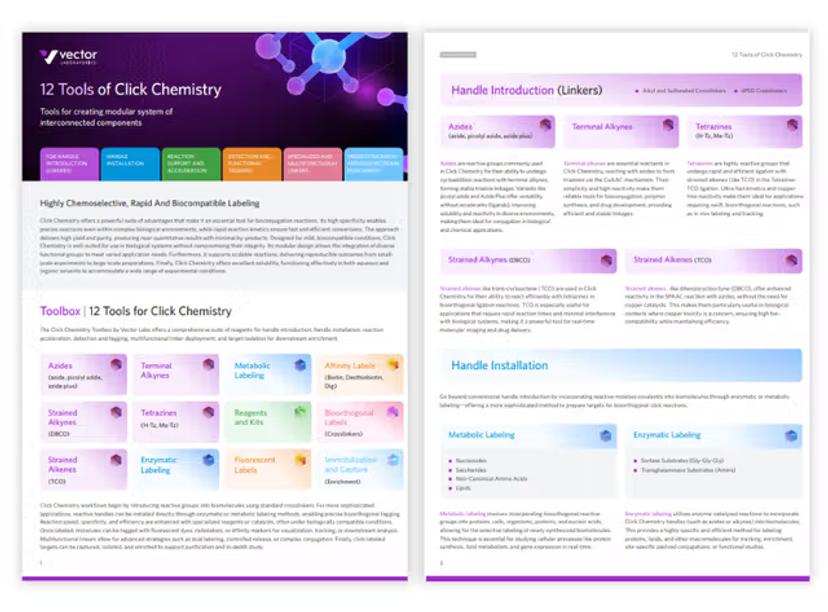
Click chemistry is a widely used bioconjugation approach that enables the fast, selective, and efficient coupling of two molecules under mild conditions. These reactions are highly specific, high yielding, and directional, allowing modification at defined sites while preserving molecular structure and function. A common example is azide–alkyne coupling, achieved through copper-catalysed azide–alkyne cycloaddition (CuAAC) or strain-promoted azide–alkyne cycloaddition (SPAAC). Their reliability and compatibility with biological systems make click reactions well suited to applications ranging from drug development and biological research to materials science.
Vector Laboratories provides a comprehensive portfolio of click chemistry tools and reagents to support these workflows. The Click Chemistry Toolbox includes reagents for handle introduction and installation, reaction acceleration, detection and tagging, multifunctional linker design, and target isolation for downstream enrichment, supporting applications in biorthogonal labelling, imaging, proteomics, and assay development.
The portfolio also includes a broad range of reagents such as azide and terminal alkyne compounds, biotin azides, sortagging substrates, DBCO and TCO reagents, tetrazines, bis-sulfone conjugation reagents, accelerating ligands, and labelling kits, enabling efficient and flexible conjugation across diverse applications.
Spotlight on ADCs
Antibody–drug conjugates (ADCs) combine the specificity of an antibody with the potency of a cytotoxic drug. By delivering the drug directly to target cells or tissues, ADCs can improve therapeutic efficacy while reducing systemic toxicity. Addressing these issues relies on advances in linker–payload design as linker architecture plays a critical role in determining ADC performance, influencing properties such as hydrophilicity, stability, drug-to-antibody ratio (DAR), biodistribution, and clearance. Among available approaches, polyethylene glycol (PEG)-based strategies have emerged as an effective way to improve physicochemical and pharmacokinetic profiles. Learn more with this free resource.
Download resource
Advances for next-gen therapeutics
Matthew Giese, Bioconjugate Field Application Scientist at Vector Laboratories, discusses the latest innovations shaping the field and explains how they are enabling greater precision and control over conjugate structure and function. Through customer examples spanning cancer vaccines, siRNA delivery, radiopharmaceuticals, cell therapy workflows, and multiplexed immunofluorescence, Matthew highlights the value of end-to-end bioconjugation solutions in streamlining development and optimization.
Watch interviewVector Laboratories supports ADC development through its BioDesign™ offering, which combines 20+ years of linker expertise with a broad portfolio of discrete PEG linkers and modifiers. These include a range of reactive groups, linker architectures, end-capping options, ethylene oxide lengths, and cleavable formats, enabling fine control over conjugate design. By optimizing key parameters such as solubility, stability, and aggregation, these tools are helping researchers generate more effective ADC candidates. From understanding your bioconjugates’ unique challenges to selecting linker strategy and manufacturing materials at scale, learn how the BioDesign™ process can accelerate your development journey:
Learn moreProtein and glycan detection
Glycosylation is the process by which small carbohydrate chains (glycans) are attached to proteins and lipids. It is one of the most common post-translational modifications and plays key roles in cell communication, immune recognition, and disease progression. The structural diversity of glycosylated molecules, including glycoproteins, glycolipids, and proteoglycans, and the functions they perform are therefore an increasing focus of life sciences research, with relevance in areas such as vaccine development, cancer biology, and biopharmaceutical development.
Advances in analytical technologies, including mass spectrometry and high-throughput screening and imaging, have significantly improved the ability to study glycan structure and function. Modern lectin-based tools, including Vector Laboratories’ purified lectins, lectin conjugates, and screening kits, now enable researchers to sensitively detect and characterize complex glycans across biological systems. More recently, Vector Laboratories has expanded these capabilities with the launch of its Glysite™ Explorer in situ PLA Glycan Detection Kit, the first commercially available product for the spatial visualization of protein glycosylation across a range of tissues and cell types.

Harvard researchers leverage spatial glycobiology for cancer research
Research has shown that cancer cells leverage cell-surface glycans to shape interactions within the tumor microenvironment, enabling cancer cells to evade the host immune system, grow, and spread throughout the body. In this article, explore how researchers at Harvard University are decoding the “glyco-code” on the surface of cancer cells to identify potential diagnostic biomarkers and therapeutic targets.
Read interview
Spatial glycomics meets proteomics in a new multiplex tissue assay
Analyzing proteins and glycans together within the same tissue section has long been a challenge in spatial biology. Vector Laboratories partnered with researchers at Spatomics to develop a first-of-its-kind assay that enables simultaneous mapping of both. See how this approach is being applied in disease research and what it could mean for the future of spatial multiomics.
Read interview
How to achieve cutting-edge glycan analysis
Advances in glycan profiling are improving our understanding of both health and disease states. Download your free copy of this eBook to learn about the role of glycosylation and lectins, hear guidance from experts in glycan analysis, and gain information on how to select appropriate lectins and profiling kits for your application.
Download eBook
The missing piece in cancer research
Discover how glycobiology is transforming cancer research by revealing critical glycosylation patterns invisible to traditional proteomics. In this SelectScience interview, Erika Leonard, Director of R&D at Vector Laboratories , explains how validated lectins and advanced glycan‑binding tools bring spatial insight, reproducibility, and confidence to multiomic workflows, helping researchers better understand the tumor microenvironment and advance therapeutic discovery.
Watch interviewVector Laboratories brings more than five decades of glycobiology expertise, supported by a broad portfolio of glycan-binding lectins and analysis reagents for detecting glycans, profiling glycosylation, and visualizing glycan interactions in situ. Its lectins are rigorously validated for specificity and reproducibility, and are cited in more than 25,000 peer-reviewed publications. Explore the glycobiology portfolio to find reagents suited to your workflow requirements:
Learn moreCelebrating 50 years of scientific excellence
What does it mean to have multiple trusted brands under one umbrella for accelerating science?
This year marks the 50th anniversary of Vector Laboratories. Over that time, much has changed. From its origins in IHC, the company has significantly expanded its capabilities through strategic acquisitions, including Click Chemistry Tools, Fluoroprobes, Quanta Biodesign, and its merger with Absolute Biotech. The result? A broad, integrated portfolio spanning antibody-based detection, spatial biology and IHC workflows, bioconjugation technologies, and custom development and manufacturing services – all in one place.
Today, these tools are enabling new insights into disease biology, driving biomarker discovery, and advancing therapeutics from early design through to application. Beyond supplying reagents, Vector Laboratories works as a scientific partner, collaborating with researchers to address complex challenges across fields such as oncology, neuroscience, and infectious disease. Get in touch to see how their team can support your next breakthrough.