Analytical Science Highlights of 2018: From Hurricane Heroics to Cars of the Future

We look back at the biggest stories and the best content from our analytical chemistry communities

26 Dec 2018

Finn Price
Administrator / Office Personnel

Editorial article

The past 12 months have been an exciting time for the SelectScience analytical chemistry communities. Our editors have had the opportunity to speak with leading scientists, host fascinating and informative webinars and travel to international conferences, all with a view to bringing you the latest techniques and technology trends from across the field. In this end-of-year round-up, we look again at the most compelling news and content of 2018, reflect on the new technologies which have made the greatest impact in the field, and offer a glimpse of what’s to come in 2019.
January: A month for materials & automation

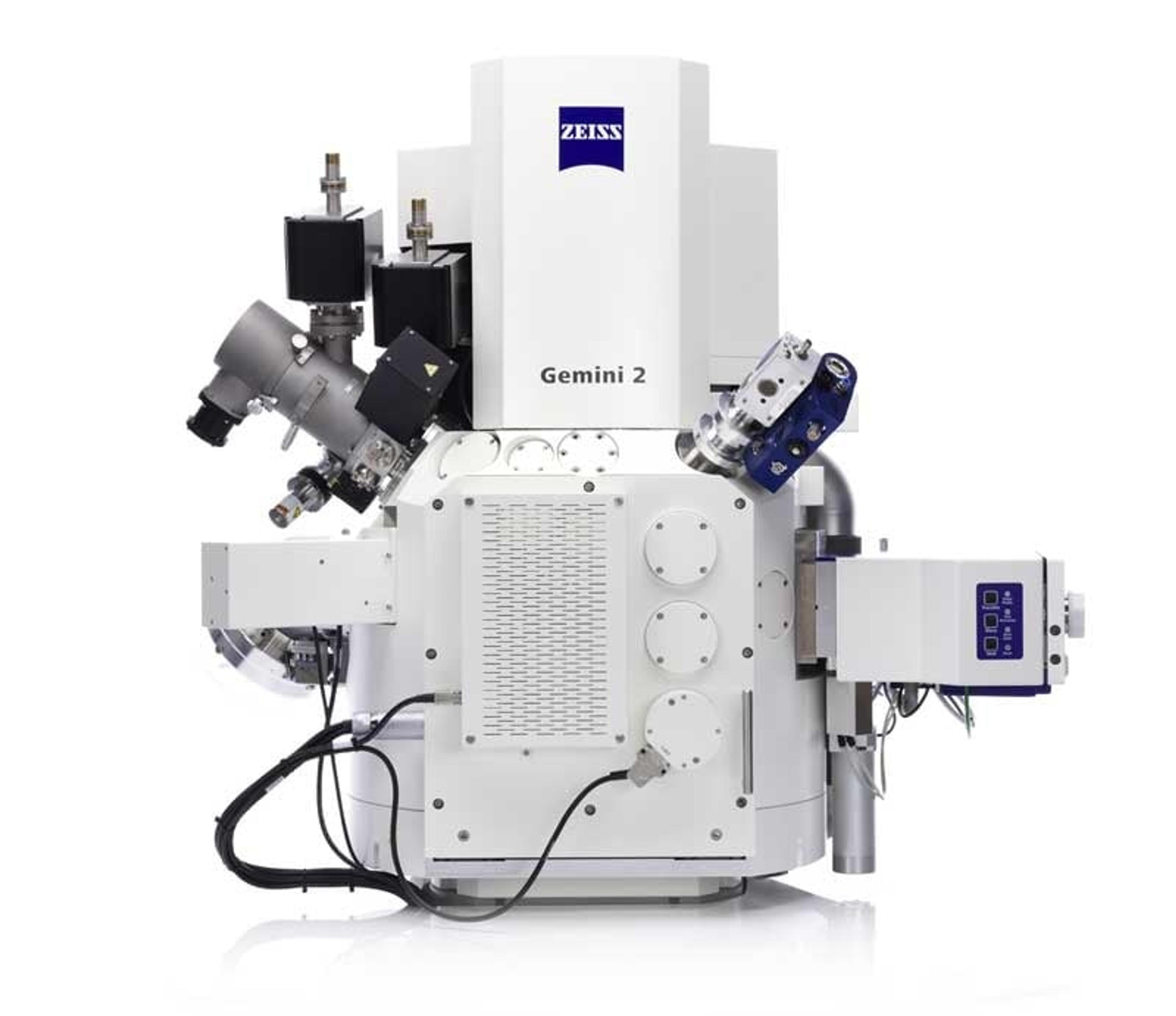
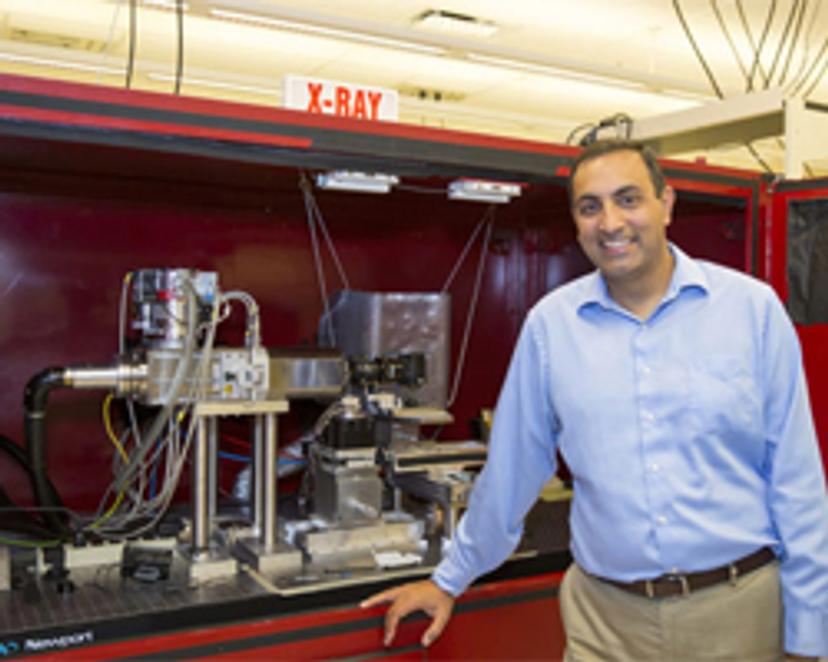
The month started strongly with a great interview with Nikhilesh Chawla, Fulton Professor of Materials Science and Engineering at Arizona State University, Tempe, who told us about his work studying the mechanical behavior and modeling of advanced materials using ZEISS’s Crossbeam FIB-SEM Microscopes. January was also an important month for laboratory automation, thanks to our successful webinar on intact protein analysis in a multi-user/multi-project walk-up environment.
February: Mass spectrometry takes center stage

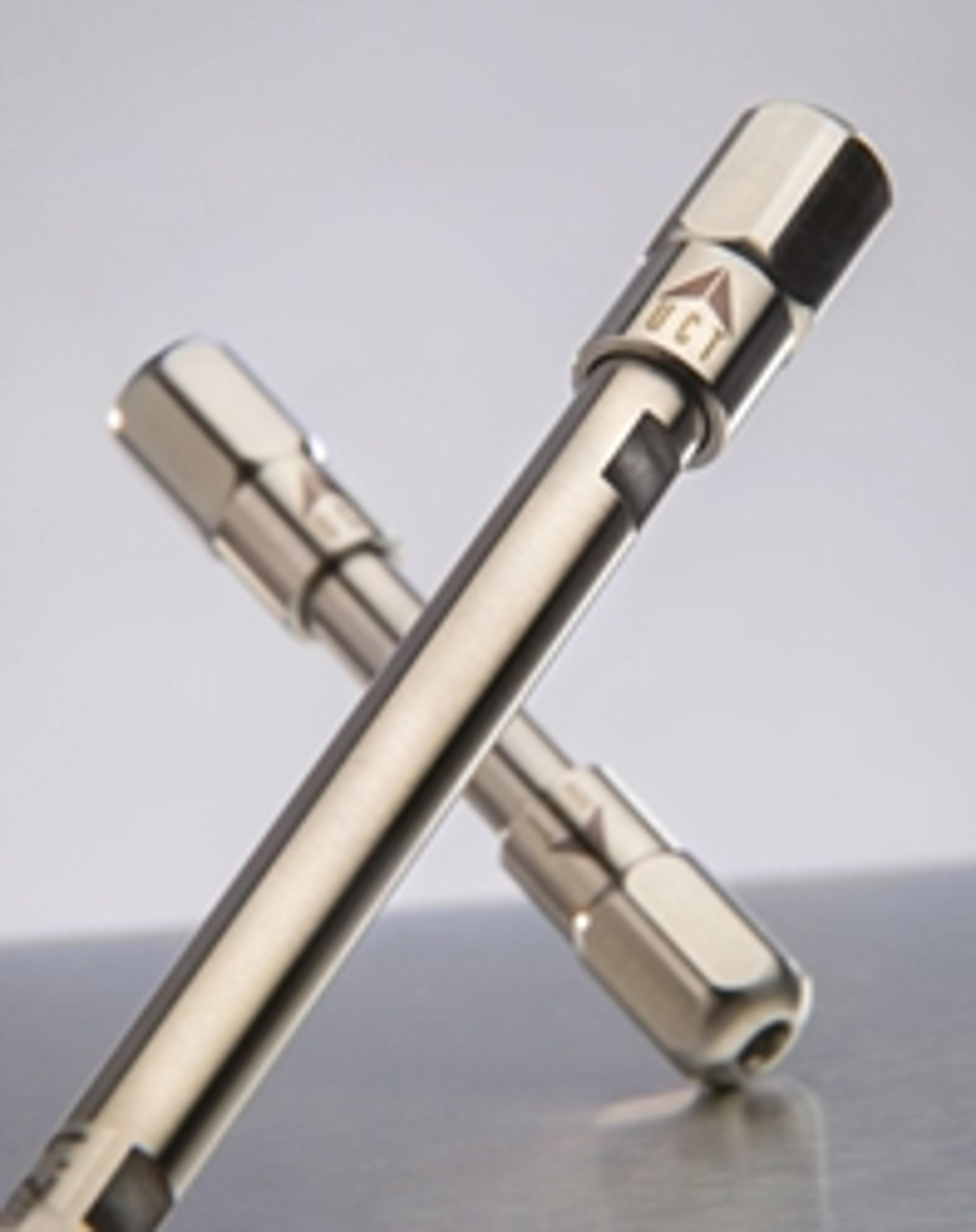
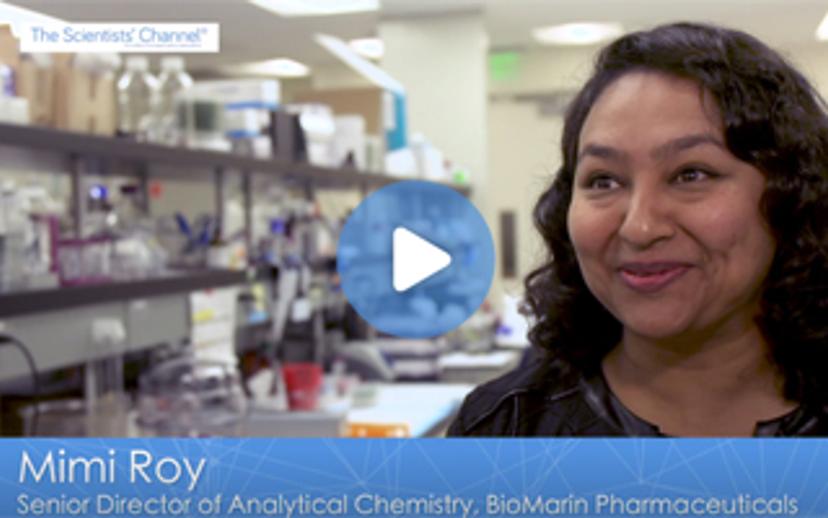
In February we published one of The Scientists’ Channel’s most watched videos – our interview with Mimi Roy, Senior Director of Analytical Chemistry, BioMarin Pharmaceutical Inc. about impact of mass spectrometry on medical research. In line with the medical application of mass spectrometry, the most popular application note from the month presented a method for separating designer drugs in urine via LC-MS/MS using UCT’s SELECTRA columns. To finish off the month with a bang, SelectScience pulled out all the stops at Pittcon with the DeLorean car from Back to the Future and our glitzy Scientists’ Choice Awards ceremony, recognizing the best new general lab, separations and spectroscopy products.
March: Hurricane heroics & forensics special

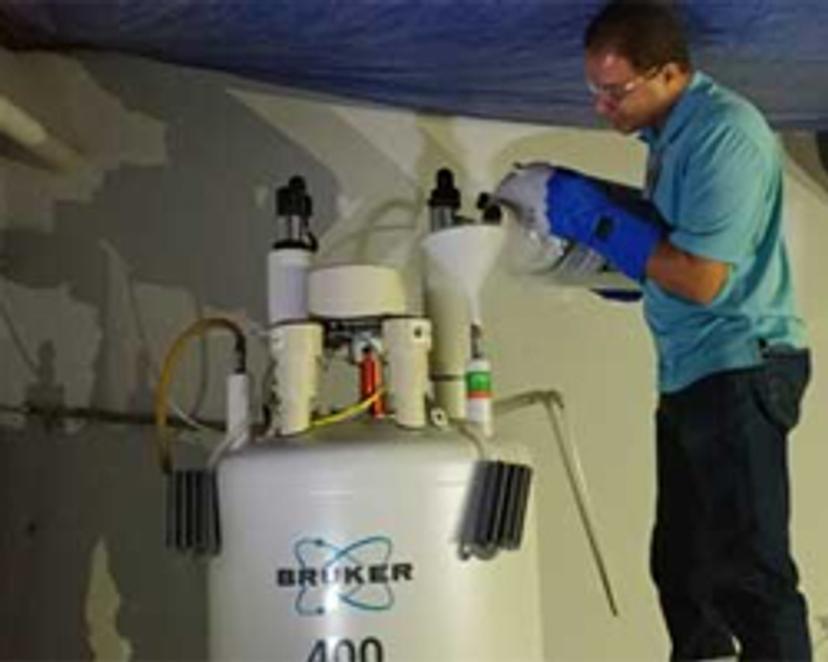
March saw the release of our Forensics & Toxicology Editorial Feature which showcased a diverse range of the latest articles and resources for our forensics and toxicology community. We also published an extraordinary article about how Melvin De Jesus Flores from the University of Puerto Rico in Humacao saved his research group’s Bruker AVANCE NMR from the devastation of Hurricane María.

April: An army marches on its stomach

From water analysis through to food quality and the world’s growing appetite, we covered the latest challenges and developments in food science in our Pesticides and Contaminants Special Feature this month. Following on from this feature, April was a notable month for food and beverage webinars too, hosting an especially interesting presentation on screening for unwanted and unexpected compounds in foods using Thermo Fisher Scientific’s Compound Discoverer software. We were also excited to launch our How to Buy Liquid Chromatography Systems eBook.
May: Putting the spotlight on molecular spectroscopy

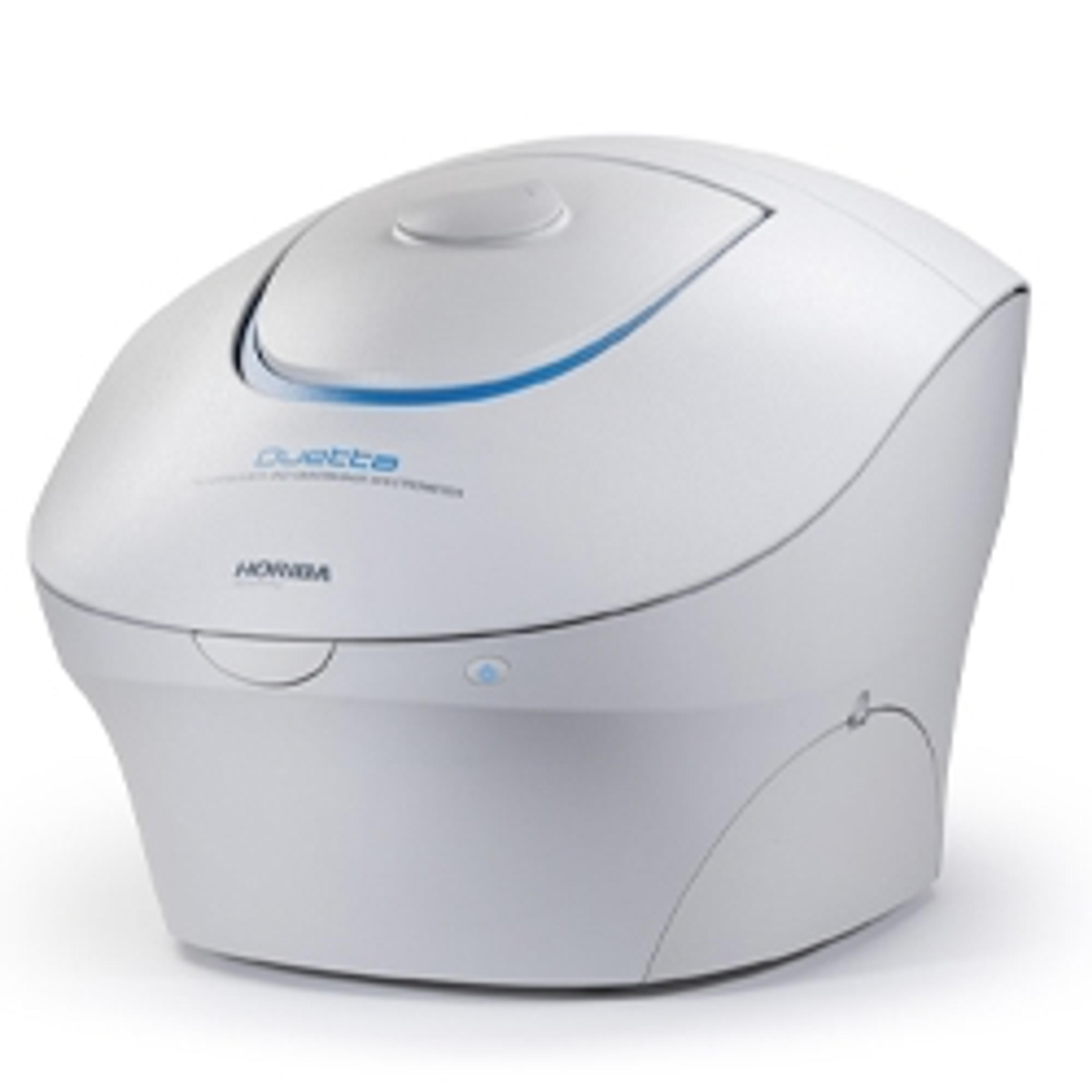
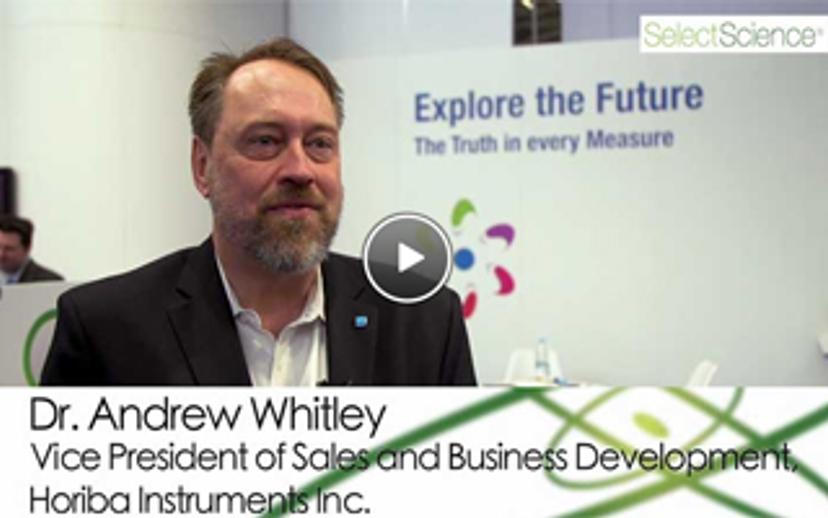
In May, we released our video highlights from analytica conference. A particular technology that caught attention at the conference was HORIBA’s new Duetta spectrophotometer – a new concept for analytical molecular spectroscopy. Amongst all the articles published this month, a particular highlight was our interview with Dr. Rafael Cueto, a polymer analysis specialist from Louisiana State University, talking about how his relationship with Wyatt Technology Corp. helped to advance his research.
June: The rise of medicinal cannabis

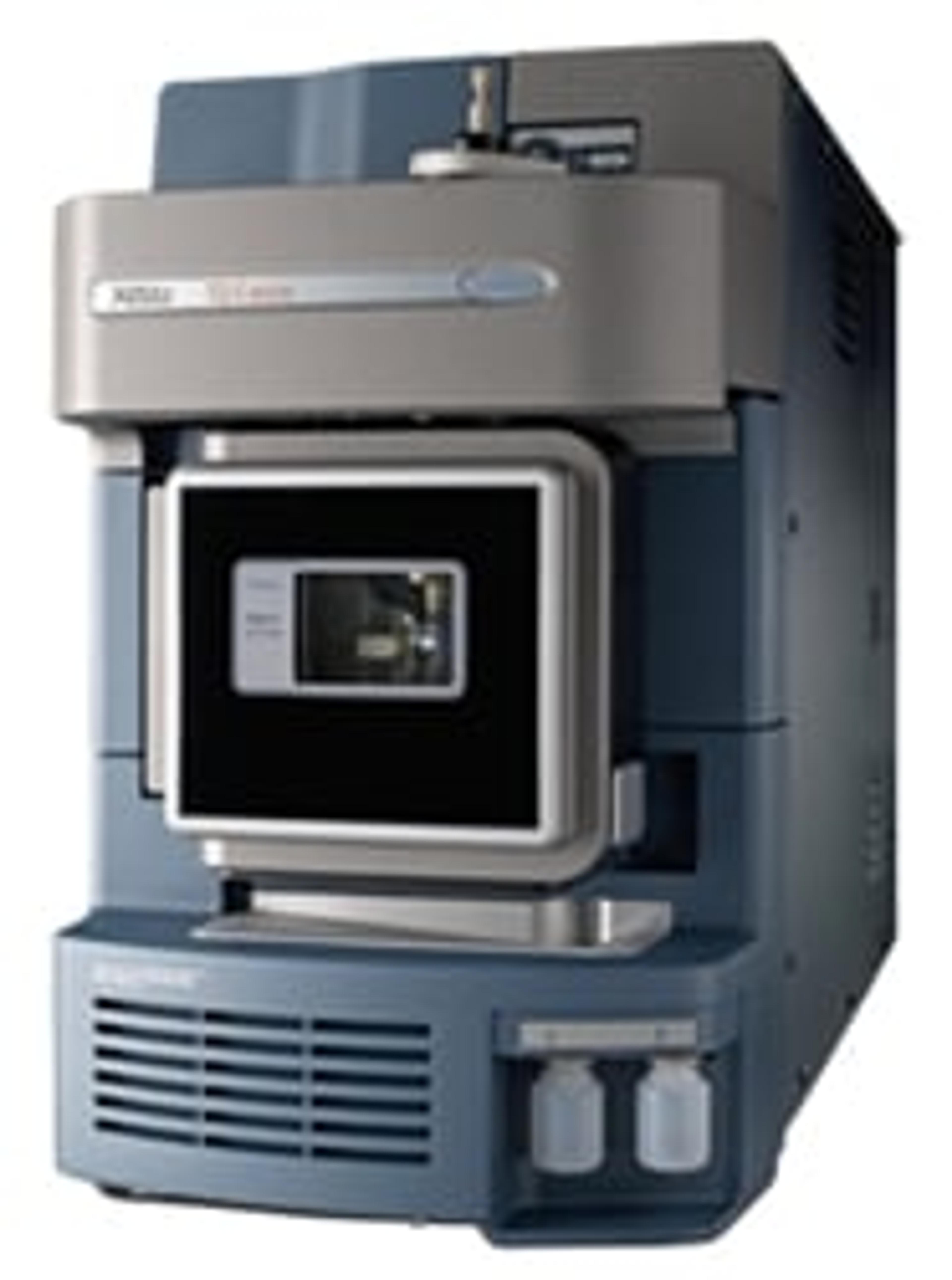
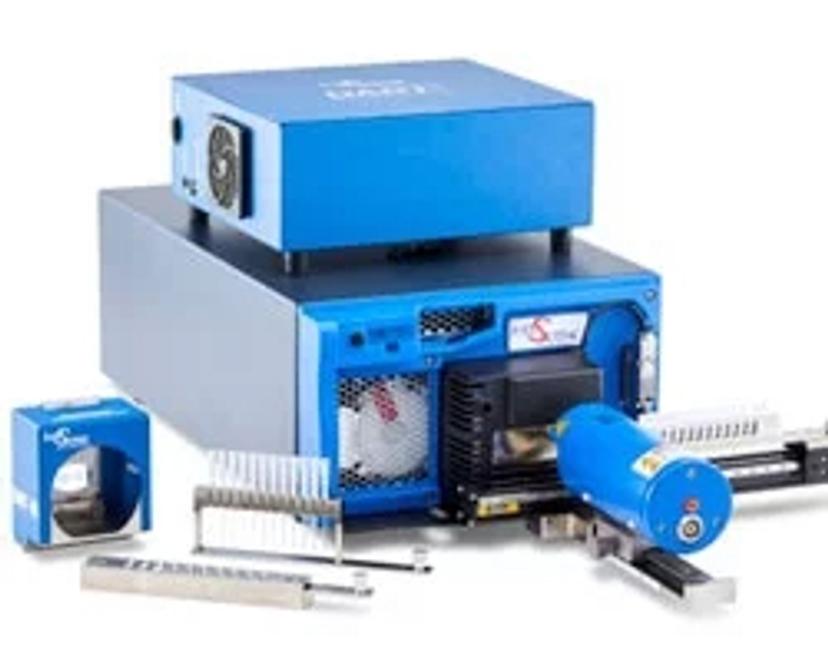
This was another month packed with compelling content. We released video highlights from ASMS and exclusive interviews from Asset too! As well as these insightful videos, we also ran a Food Fraud Special Featurehighlighting new methods and technologies such as Waters’ DART QDa. With the rise of medicinal cannabis in the USA, our webinar on the chromatography foundations for cannabis labs was also received with great enthusiasm.
July: The future of electric cars

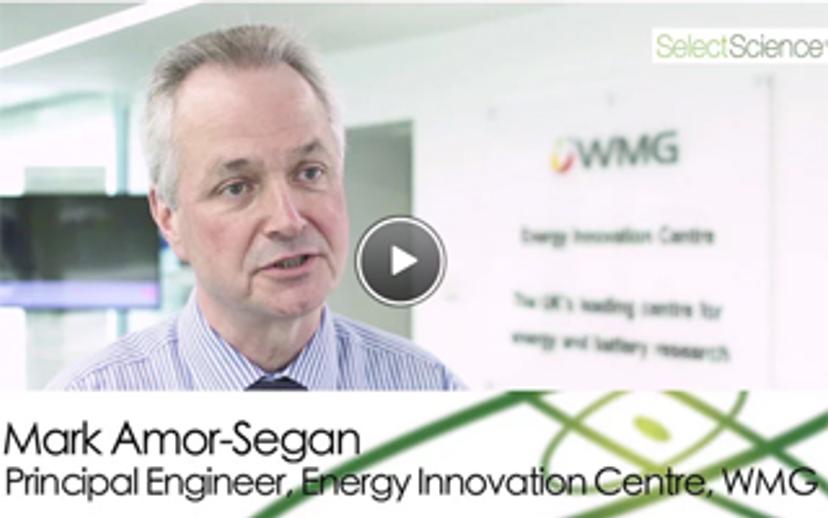
SelectScience was excited to launch two brand new how-to-buy eBooks in July, one for UV/ Vis Spectrophotometers and another on GC columns. We were also proud to release a fascinating video interview with Mark Amor-Segan from WMG’s Energy Innovation Centre about the future of electric cars and how environmental chambers from UNITEMP had been instrumental in developing new energy storage solutions. This month, our Materials Editor published a popular article collating the latest news application notes and videos on next-generation 2D materials.
August: Automation masterclass

IIn the analytical community, August brought an insightful webinar on laboratory automation, looking at how to make the most of your investments and how to choose the best solution for your needs. This application note about fast analysis of cannabinoids also proved popular with readers, along with our new how-to-buy HPLC columns eBook.
September: Troublesome separations

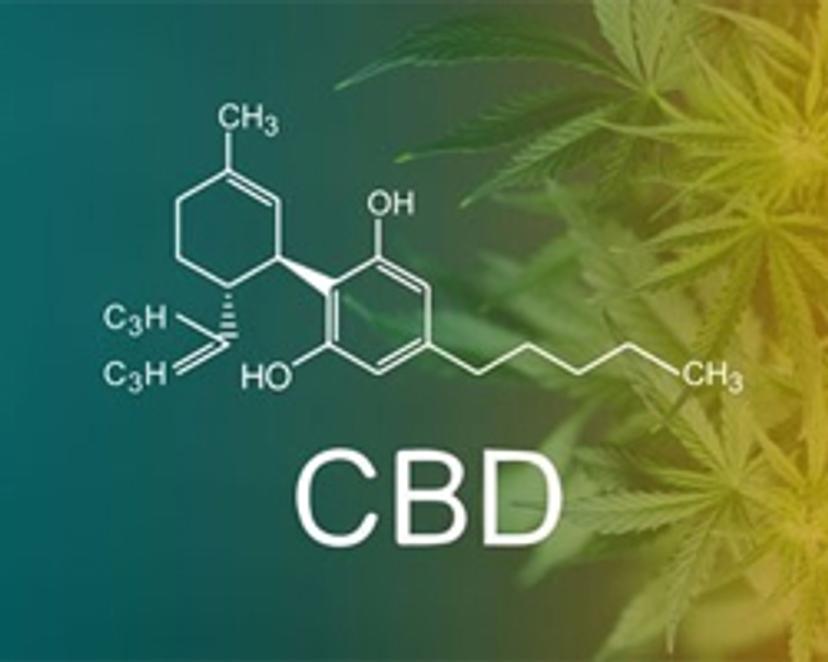
In September, we released our Cannabis Testing Special Feature and an enlightening article on how difficulties with cannabinoid purification can be avoided by carrying out countercurrent separation using Gilson’s CPC System. In the vein of tricky separations, readers welcomed an instructional video published at the end of the month which explains solid phase extraction and how the technique compares to liquid-liquid extractions. We also released an article on preventing lithium ion battery failure that left a lasting impression.

October: Unprecedented LC-MS resolution

Our Water Analysis Special Feature Water Analysis Special Feature was launched during October, including a wealth of application notes, articles and videos on the latest techniques, methods and technologies for water analysis. Meanwhile, in an exciting interview with Paul Jacobs, COO and Co-Founder of PharmaFluidics we discovered how engineers developed a disruptive technology giving unprecedented LC-MS resolutionand Ronan Herry, from Gilson, presented an informative presentation on how to switch from manual to automated solid phase extraction in the lab – like all our webinars, you can still catch it on demand.
November: Experts insights galore

November was packed with a veritable treasure trove of webinars for analytical chemists. At the beginning of the month SelectScience hosted a popular string of the online events, starting with a presentation on chemical and microbiological monitoring for breweries, quickly followed by a Karl Fischer titration masterclass and a presentation on a new approach to evaluating the performance of a lab balances. This month we also launched our how-to-buy water purification technology eBook!
December: Food quality & festive cheer

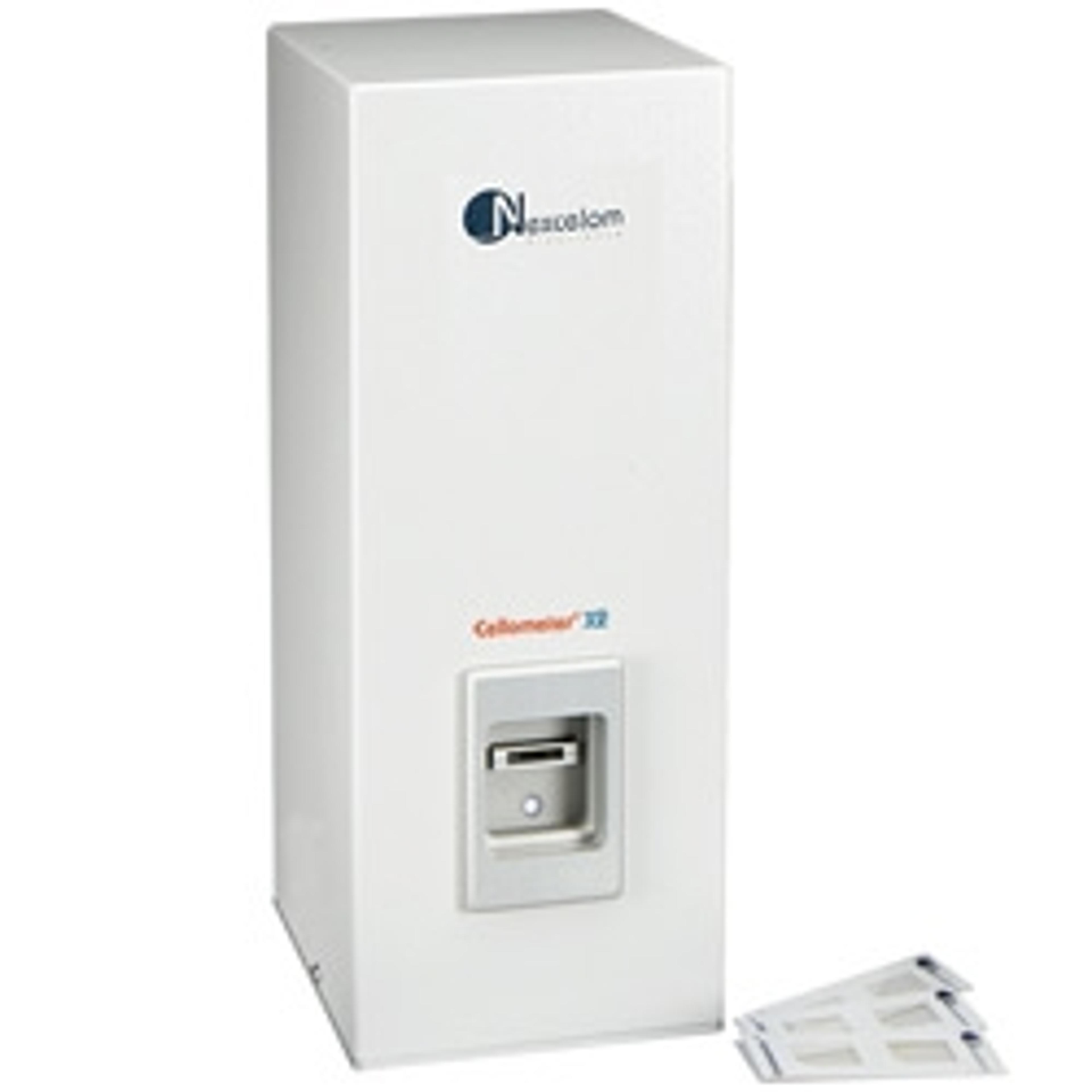
With the festive season on the horizon, December was the perfect time for the launch of our Food Quality Special Feature. Tying in with this feature, we also published a fascinating article on how scientists have cracked the ginger analysis challenge and a piecee on essential lab products for detecting food contamination – featuring instruments such as Water’s Xevo TQ-S micro and Nexcelom’s Cellometer X2. To round off a fantastic year at SelectScience and to get in the festive spirit, we held our 12 Reviews of Christmas competition. Our lucky winners received gifts such as Netflix, Amazon and Starbucks gift cards by leaving product reviews for laboratory products, providing vital feedback and enabling scientists to make informed decisions when purchasing new technologies.

We hope you enjoyed 2018 as much as we did — we have even more planned for the SelectScience Analytical Chemistry Community in 2019, so look out for even more interviews, top technology tips and expert webinars and don’t forget to follow our social channels to stay up to date.

Happy Holidays from all at SelectScience — here’s to a great 2019!

What products do you use in your work? Write a review for your chance to win a $400 Amazon.com Gift Card >>
Links

Tags

Gas ChromatographyGas chromatography (GC) is an analytical technique used to separate and quantitate mixtures of small and volatile compounds. Gas chromatographs or GC systems include components such as GC columns, detectors, pumps and autosamplers. Choose from packed or capillary GC columns, flame ionization (FID), photoionization (PID) electron capture detectors and selective or non-selective detectors. Find the best gas chromatographs in our peer-reviewed product directory: compare products, check customer reviews and receive pricing direct from manufacturers.UHPLC and HPLCHigh performance liquid chromatography (HPLC) and ultra high performance liquid chromatography (UHPLC), also known as UPLC, are analytical techniques used to separate, identify and quantitate components of complex mixtures including biological samples such as proteins and lipids as well as chemical mixtures of pesticides, drugs and oils. Both techniques are liquid chromatographic methods but differ by operating pressures (HPLC < 6000 psi < UHPLC ). Components of HPLC and UHPLC systems include columns, detectors, pumps, autosamplers and column heaters. Explore a range of UHPLC and HPLC columns for your specific sample needs including reverse phase, normal phase, ion exchange, HILIC, ion exclusion and size exclusion columns. For more specialized HPLC, explore FPLC, countercurrent LC and simulated moving bed systems. Find the best UHPLC and HPLC equipment in our peer reviewed product directory: compare products, check customer reviews and receive pricing direct from manufacturers.LC-MSLC-MS (liquid chromatography-mass spectrometry) systems and equipment are used for separation and quantitative analysis of complex mixtures, combining liquid chromatography and mass spectrometry. Quantify proteins, contaminants, pesticides or screen for drug metabolites with a high level of sensitivity. LC-MS systems and equipment include reverse phase, normal phase and specialized columns integrated with various MS detectors such as time-of-flight (TOF), quadrupole, orbitrap or ion trap mass analyzers. LC-MS/MS instruments equipped with a qTOF or triple quadrupole analyzer give greater sensitivity and resolving power to your analysis. Find the best LC-MS equipment in our peer-reviewed product directory: compare products, check customer reviews and receive pricing direct from manufacturers.Mass SpectrometryMass spectrometry (MS) is a powerful analytical technique used to identify and quantify molecules based on the mass-to-charge ratio of gas-phase ions. It provides detailed information about the structure, composition, and properties of compounds and is widely used across fields such as environmental monitoring, materials science, drug discovery and development, food and beverage testing, and wider chemical research. Key MS techniques include tandem mass spectrometry (MS/MS), liquid chromatography–mass spectrometry (LS-MS) and inductively coupled plasma (ICP-MS). Choosing from these wide range of techniques and technologies can be a daunting task, so keep up to date with scientific applications, performance expectations, and customer reviews here all in one place. Visit our product directory to receive quotes direct from the manufacturer. NMR and EPR SpectroscopyNuclear magnetic resonance (NMR) spectroscopy is used to resolve the local chemical environment of atomic nuclei with spin, revealing information on molecular structure, dynamic processes and chemical reactions of organic molecules, from proteins to synthetics. Electron paramagnetic resonance (EPR) also known as electron spin resonance (ESR) spectroscopy is used to detect and quantify paramagnetic species in a sample, including free radicals as transition metal ions. By immersing the sample in a strong magnetic field, both NMR and EPR spectrometers probe the sample with either radio waves or microwaves respectively. A range of benchtop, solid-state and time domain NMR spectrometers & EPR spectrometers are available, as well as NMR tubes, NMR solvents, software, coils, and magnets. Find the best NMR & EPR equipment in our peer-reviewed product directory: compare products, check customer reviews and receive pricing direct from manufacturers.Data AnalysisData analysis hardware and software is available to make data processing straight-forward yet powerful. Data software can be used for math and stats, technical graphing and image analysis. In addition, software is available for specific data analysis of electrophoresis, densitometry, ELISA and DNA sequencing.Chem / BioinformaticsCheminformatics and bioinformatics are computational techniques used in chemistry and biology, respectively, for data acquisition, processing and storage. Cheminformatics focuses on compound information, whereas bioinformatics is mainly applied to analysis and modeling of genomics, genetic and sequencing information. Hardware and software is available for data acquisition, analysis, management and storage.Environmental Monitoring and TestingEnvironmental monitoring and testing uses handheld portable analyzers, kits, spectrometers or chromatography systems for air, water, soil, food and other sample testing. Useful features of analyzers such as BOD and COD include portability, easy calibration, automation and sensitivity.  Environmental test kits for pH, water, moisture, etc, should be accurate, sensitive, reliable, fast and easy to use.Solid-Phase ExtractionSolid-phase extraction (SPE) is used for clean-up, extraction and concentration of semi-volatile or non-volatile analytes from complex mixtures including blood, urine and food samples. Multiple formats are available for conducting SPE, including prepacked SPE cartridges, disks and microplates, as well as SPE sorbent powders for manual packing. SPE systems can be used to automate the process and extract multiple samples at once. Solid-phase microextraction (SPME) and supported liquid extraction (SLE) products are also available in the same formats. Find the best SPE, SLE and SPME equipment in our peer-reviewed product directory: compare products, check customer reviews and receive pricing direct from manufacturers.Software PlatformsSoftware platforms are useful for various stages of laboratory experiments from data collection to data storage and processing. For instance lab software is available for system control, data management, data analysis and qualification / validation.Automated Liquid HandlingAutomated liquid handling equipment is used to mix, dilute and dispense allotted volumes of liquid into microplates and other vessels automatically. The robotic, liquid handling arms can dispense from single channel to 3456 multichannel as well as operate nanoliter dispensing, enabling high throughput of samples. Find the best automated liquid handlers in our peer-reviewed product directory: compare products, check customer reviews and receive pricing direct from manufacturers.Evidence Collection and AnalysisEvidence Collection and Analysis is the retrieval and subsequent investigation into criminal evidence obtained from a crime scene. Forensic genetic instruments, kits and reagents enable the analysis of evidence collected  at the crime scene. Reagents and kits for presumptive analysis for body fluids such as blood, saliva and semen in addition to drugs and narcotics test kits are used for CSI. Fingerprinting equipment, forensic light sources, casting kits and equipment for collecting recoverable materials can be found in the directory.Food and Beverage AnalyzersFood and Beverage Analyzers are commonly used to provide information about the chemical composition, structure and physical properties of food materials.Food and Beverage ProcessingFood and Beverage Processing involves the preparation of food products for further analysis. Typical instrumentation includes blanchers, color sorters, cookers, grinders, and refrigeration. These are used to replicate the processes commonly used in the commercial preparation of food and beverages.GC-MS GC-MS (gas chromatography-mass spectrometry) instruments and equipment are used to separate, quantify and identify mixtures of small and volatile compounds, such as polycyclic aromatics, fatty acids and alcohols. Often used in drug detection, forensic investigation and environmental analysis for pesticides and contaminants, GC-MS is a powerful addition to your lab’s analytical capabilities. GC-MS/MS instruments equipped with a qTOF or triple quadrupole analyzers can give greater sensitivity and resolution to your analysis. Find the best GC-MS instruments and equipment in our peer-reviewed product directory: compare products, check customer reviews and receive pricing direct from manufacturers.