What's Hot in Forensics and Toxicology - Special Feature

From rhinos to chemical warfare agents, we bring you the latest in forensics and toxicology

8 Mar 2018


Lui Terry
Administrator / Office Personnel

Editorial article

Forensics and Toxicology special feature
In the fields of forensics and toxicology, correct identification of a substance and its origin is of great importance. Whether it be determining drugs of abuse, who was at the crime scene, where a poacher's rhino horn came from or what chemical warfare agent was administered, these are all challenging tasks for the scientist. In this special feature, SelectScience® brings together useful resources from across the fields of forensics and toxicology to help your lab workflow, minimize errors, and to give an insight into how the fields have developed and where they might be heading.

1. Rapid Identification & Quantification of Designer Opioids: Fentanyl & its Analogs
The list of drugs of abuse that forensic toxicologists need to be able to identify is constantly on the rise; in particular, fentanyl and fentanyl derivatives have seen an increased usage over the past decade. It is therefore critical that forensic laboratories have an accurate and rapid method for the identification of these designer opioids. While immune assays are typically employed as a first step screening tool, they have been proven inaccurate in the initial detection of these novel synthetic drugs.
This application note not only reveals a method with absolute recoveries in the range of 75-100% of 13 example synthetic opioids and metabolites, but supplies a simple, universal method that could be translated to drugs with similar structures.

Download Method

2. Eliminating False Positives & Negatives in Your Drug Screening
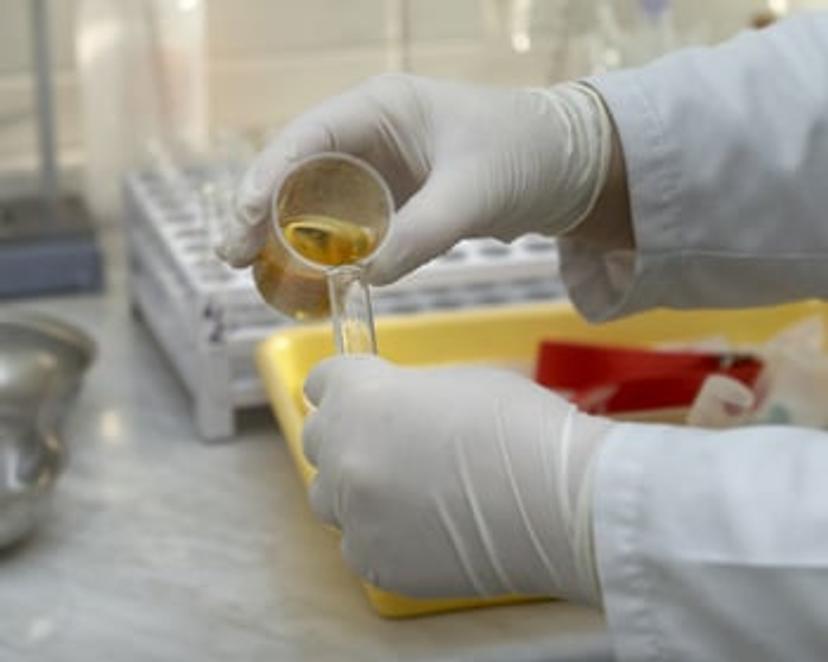
False positives and negatives are a pain in all fields of science but can lead to more severe consequences in the field of forensics and toxicology, such as wrongful prosecutions. However, with the increasing use of high-resolution mass spectrometry in drug screening, the ability to reduce the amount of false leads is increasing. In this free webinar, Dr. Carsten Baessmann discusses how the application of QToF MS for multi-target screening can effectively reduce the false positive and negative rates in analysis. Baessmann explores how the high specificity of accurate mass, fragment and isotope information, and high full-scan sensitivity of QToF instruments combined with a highly curated database like TargetScreener HR 3.0 software can provide this.

Watch the Webinar

3. The 15-Year False Positive that Changed the DNA Analysis Industry
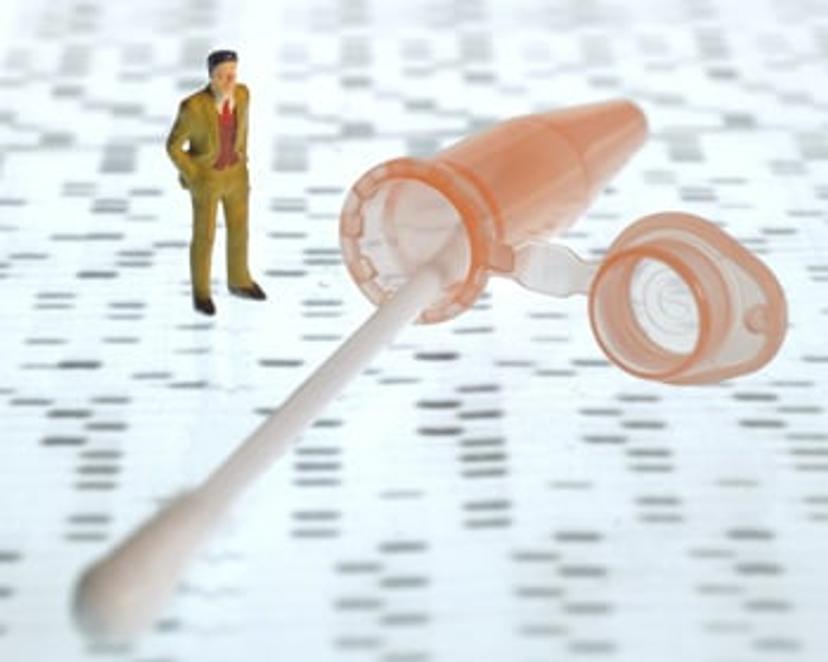
From 1993 to 2009, 40 crimes across Europe, six of which were murders, were all linked to one person, the mysterious ‘Phantom of Heilbronn’. From brutal murders to petty thefts, the DNA of the supposed female serial killer was found at all the crime scenes. Did the serial killer really exist? Or was this truly a phantom?
Read this article to find out how this investigation has changed the DNA analysis industry as SelectScience speaks to Kayla Hager and Dr. Nils Gerke, of Eppendorf, about the creation of ISO 18385 and its implications for forensic science.

Read the Article

4. How DNA Analysis is Helping Rhinos

Over the past decade, rhino poaching in Africa has increased from a few incidents to more than 1,000 per year. Successful prosecution however has not yet matched this number.
Now, scientists from Nova Southeastern University have made a comprehensive effort to create a large database of individual rhinos' composite short-term repeat-STR genotypes so they could match confiscated tissue-DNA to real-time crime scenes, thus increasing the chances of successful prosecution. Read the article to discover more about RhODIS®, the Rhino DNA Index System.

Find Out More

5. A Potential New Criminal Profiling Tool: The Microbiome
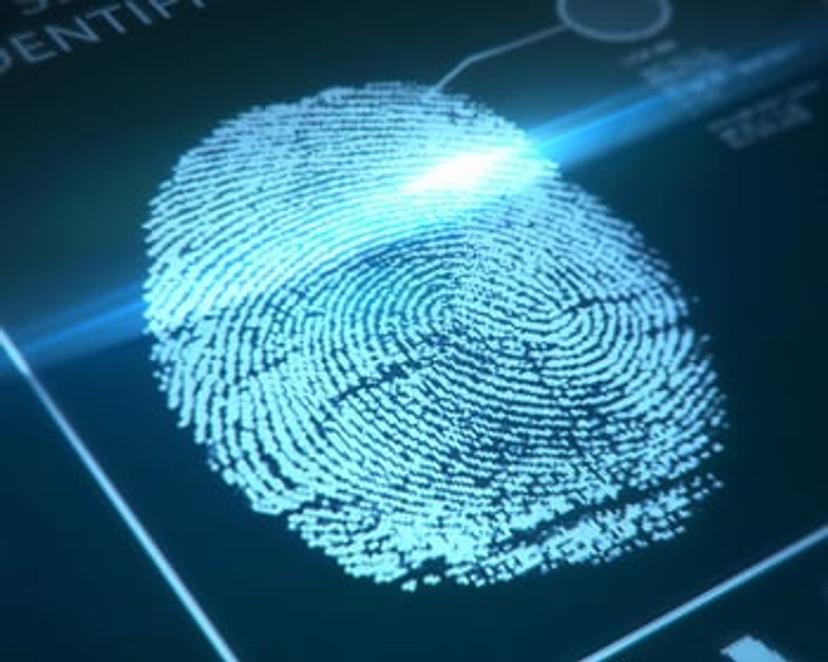
Collecting evidence at crime scenes has classically involved collecting items such as fingerprints, DNA, drug or firearm evidence. Could a ‘microbial fingerprint’ be the next tool to link culprits to a crime scene?
In this article, Professor Jack Gilbert and his team at the University of Chicago’s Microbiome Center discuss their pioneering microbiome research and explore the value of exploiting personal microbiomes to solve crime.

Read the Article

6. Chemical Warfare Agents and their Detection
The need for detection and measurement of chemical warfare agents (CWA) has increased in recent years, with targeted attacks across the globe such as those on Sergei Skripal and Kim Jong-nam bringing the into public light. For their part, scientists not only need to rapidly detect CWAs on the most heinous occasions, but also be able to monitor stockpiles containing CWAs for safe containment. This paper gives a technical overview of systems available to scientists to meet these needs.

Find Out More

7. Free Technical Handbook for Forensics Methods
This is an invaluable laboratory guide for anyone working in the fields of forensics, drugs monitoring and anti-doping science. This free 880-page compendium collates multiple standard procedures, technical application notes, scientific posters, publications videos and webinars relevant to the field.

Download Handbook

Useful SelectScience® Resources:

Stay up-to-date. Receive interviews, videos and articles directly into your inbox. Sign up for SelectScience today.

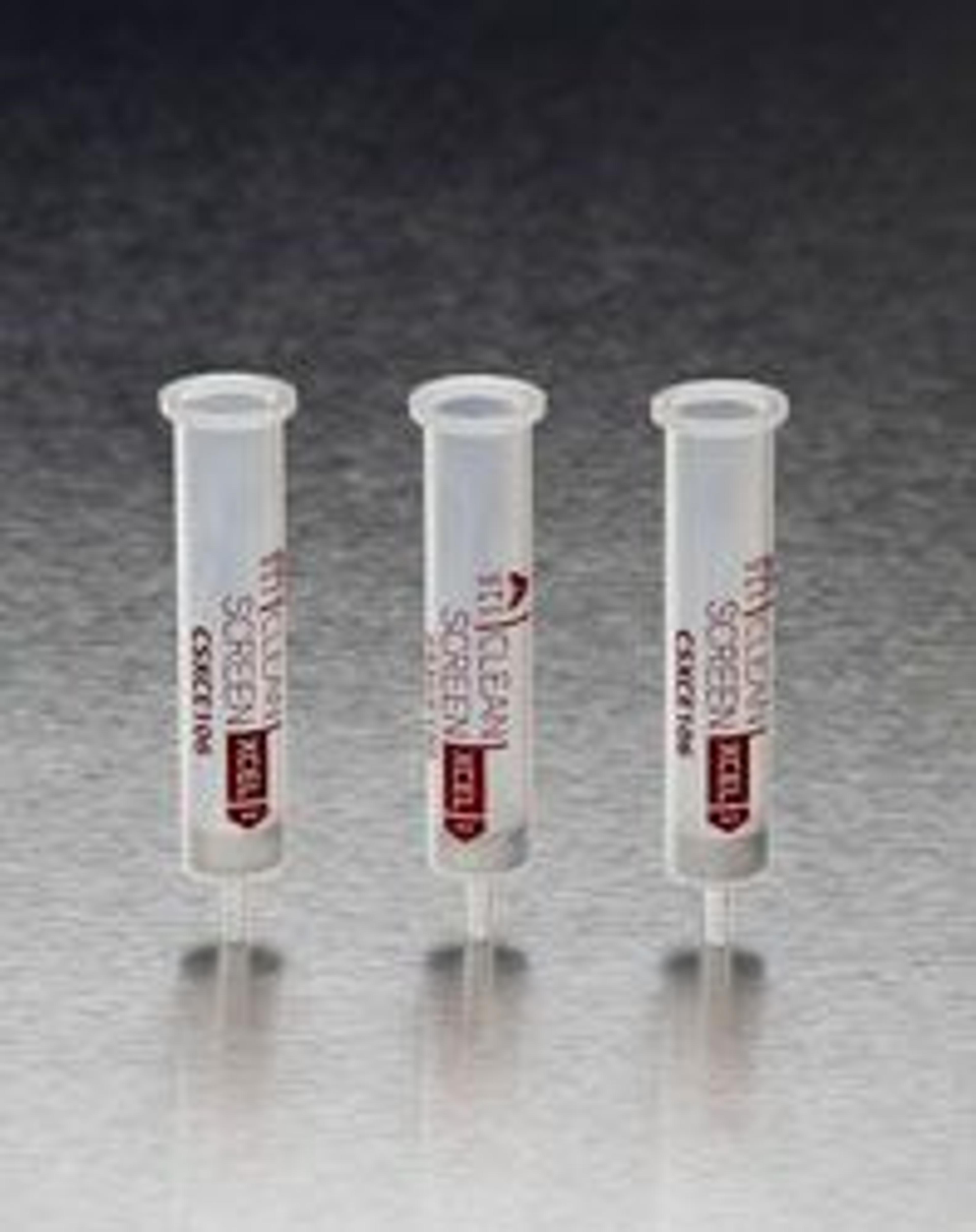
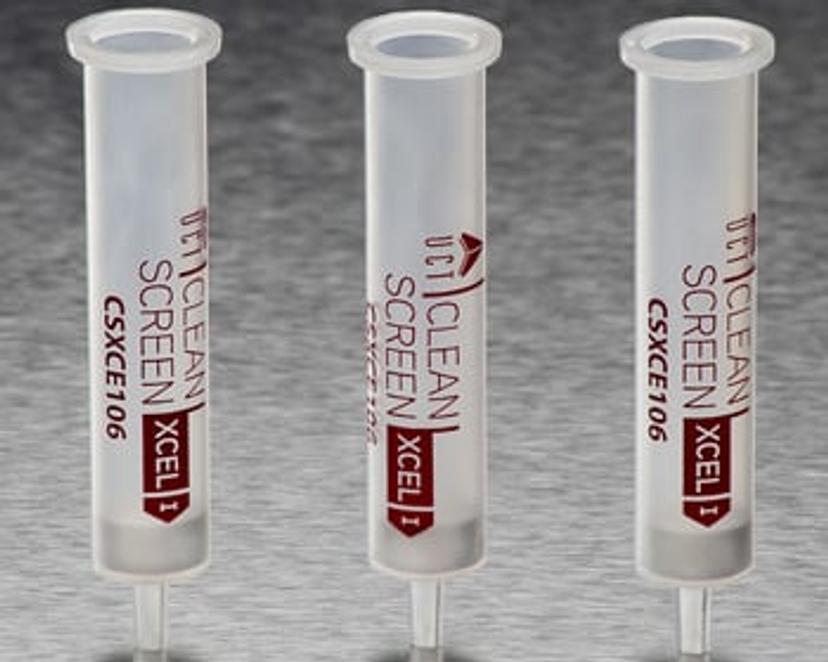
Clean Screen® XCEL Solid Phase Extraction Columns

UCT, Inc.

The Clean Screen® XCEL Solid Phase Extraction Columns are a line of sample prep phases designed to reduce the number of steps in the extraction, and therefore the amount of time and solvent necessary to complete the sample cleanup. Further advantages include reduced sample size and improved cleanliness and recovery. The Xcel I column will extract a wide array of basic drugs including benzodiazepines and opiates. The Xcel II column is designed solely for the extraction of the THC metabolite.

(1)

Links

Tags

Capillary ElectrophoresisCapillary electrophoresis (CE) is used to separate molecules based on charge, size and hydrophobicity. Pressure, voltage or a vacuum is used to introduce the sample to fused silica capillaries. Fluorescence, UV/Vis, UV or diode array detectors are used to visualize components. Types of CE systems include capillary electrochromatography (CEC), capillary zone electrophoresis and capillary gel electrophoresis. Find the best capillary electrophoresis equipment in our peer-reviewed product directory: compare products, check customer reviews and receive pricing direct from manufacturers.ElectrophoresisElectrophoresis equipment is used to separate mixtures of protein, DNA or RNA, based on their electric charge, size and other physical characteristics, by passing them through a medium such as a polyacrylamide gel, an agarose gel or a capillary tube. Electrophoresis equipment includes horizontal and vertical gel electrophoresis chambers, isoelectric focusing systems, 2D electrophoresis and capillary electrophoresis instruments. Precast gels with a gradient can be used or gels can be hand cast. Samples are run alongside ladders or markers to identify the approximate size of a molecule. Separated proteins and nucleic acids in the gel can be stained or probed with fluorescent markers and then imaged and detected using gel documentation instruments, transilluminators, densitometers and scanners. Find the best electrophoresis equipment in our peer-reviewed product directory: compare products, check customer reviews and receive pricing direct from manufacturers.Gas ChromatographyGas chromatography (GC) is an analytical technique used to separate and quantitate mixtures of small and volatile compounds. Gas chromatographs or GC systems include components such as GC columns, detectors, pumps and autosamplers. Choose from packed or capillary GC columns, flame ionization (FID), photoionization (PID) electron capture detectors and selective or non-selective detectors. Find the best gas chromatographs in our peer-reviewed product directory: compare products, check customer reviews and receive pricing direct from manufacturers.UHPLC and HPLCHigh performance liquid chromatography (HPLC) and ultra high performance liquid chromatography (UHPLC), also known as UPLC, are analytical techniques used to separate, identify and quantitate components of complex mixtures including biological samples such as proteins and lipids as well as chemical mixtures of pesticides, drugs and oils. Both techniques are liquid chromatographic methods but differ by operating pressures (HPLC < 6000 psi < UHPLC ). Components of HPLC and UHPLC systems include columns, detectors, pumps, autosamplers and column heaters. Explore a range of UHPLC and HPLC columns for your specific sample needs including reverse phase, normal phase, ion exchange, HILIC, ion exclusion and size exclusion columns. For more specialized HPLC, explore FPLC, countercurrent LC and simulated moving bed systems. Find the best UHPLC and HPLC equipment in our peer reviewed product directory: compare products, check customer reviews and receive pricing direct from manufacturers.Infrared / IR SpectroscopyInfrared (IR) spectroscopy measures the interaction of infrared light with a sample, including transmission, reflectance & absorbance, facilitating the identification of analytes. Equipment used for quantitative analysis includes Fourier-transform infrared (FTIR) spectrometers, infrared cameras, FTIR gas analyzers, as well as attenuated total reflectance (ATR) accessories and pellet or film presses. Find the best IR spectroscopy products in our peer-reviewed product directory: compare products, check customer reviews and receive pricing direct from manufacturers.Mass SpectrometryMass spectrometry (MS) is a powerful analytical technique used to identify and quantify molecules based on the mass-to-charge ratio of gas-phase ions. It provides detailed information about the structure, composition, and properties of compounds and is widely used across fields such as environmental monitoring, materials science, drug discovery and development, food and beverage testing, and wider chemical research. Key MS techniques include tandem mass spectrometry (MS/MS), liquid chromatography–mass spectrometry (LS-MS) and inductively coupled plasma (ICP-MS). Choosing from these wide range of techniques and technologies can be a daunting task, so keep up to date with scientific applications, performance expectations, and customer reviews here all in one place. Visit our product directory to receive quotes direct from the manufacturer. Near Infrared SpectroscopyNear-infrared (NIR) spectroscopy measures the interaction of near-infrared light with a sample, including transmission, reflectance and absorbance, facilitating the identification of analytes. Measurements can be conducted using a Fourier-transform near infrared (FT-NIR) spectrometer, while there are also UV-Vis- NIR spectrophotometers that measure a broader spectrum of wavelengths. Find the best NIR spectroscopy products in our peer-reviewed product directory: compare products, check customer reviews and receive pricing direct from manufacturers.NMR and EPR SpectroscopyNuclear magnetic resonance (NMR) spectroscopy is used to resolve the local chemical environment of atomic nuclei with spin, revealing information on molecular structure, dynamic processes and chemical reactions of organic molecules, from proteins to synthetics. Electron paramagnetic resonance (EPR) also known as electron spin resonance (ESR) spectroscopy is used to detect and quantify paramagnetic species in a sample, including free radicals as transition metal ions. By immersing the sample in a strong magnetic field, both NMR and EPR spectrometers probe the sample with either radio waves or microwaves respectively. A range of benchtop, solid-state and time domain NMR spectrometers & EPR spectrometers are available, as well as NMR tubes, NMR solvents, software, coils, and magnets. Find the best NMR & EPR equipment in our peer-reviewed product directory: compare products, check customer reviews and receive pricing direct from manufacturers.UV-Visible SpectroscopyUltraviolet-visible (UV-Vis) spectrophotometers are used to measure the interaction of UV and visible light with a sample, including transmission, reflectance & absorbance. The two major instrument classes are single-beam or double-beam spectrophotometers. More specialized equipment includes colorimeters, spectroradiometers and refractometers. Portable and microvolume spectrophotometers are also available. For the modular spectroscopy lab, explore a range of light sources for combination with a spectrograph/spectrometer and optics. Find the best UV-Vis spectroscopy products in our peer-reviewed product directory: compare products, check customer reviews and receive pricing direct from manufacturers.OligonucleotidesOligonucleotides are small nucleic acid polymers, usually less than 20 bases in length. Oligonucleotides can be made via enzymatic cleavage or more commonly by chemical synthesis with polymerases. Their use includes FISH, southern blots, microarrays and as primers in PCR. High fidelity synthesis kits and detection systems are available for easy production and detection, respectively.PCR and Thermal CyclingPolymerase chain reaction (PCR) kits and thermal cyclers are used for the in vitro amplification of DNA permitting subsequent analysis and experimental procedures. Explore a range of high-quality polymerase, primers and nucleotides or simplify your workflow with a PCR mastermix. Find reverse transcription PCR (RT-PCR) and cDNA synthesis kits for RNA products and libraries. Quantitatively measure the amplification of DNA with real-time PCR (qPCR) and droplet digital PCR (ddPCR) kits and systems, and discover automated PCR setup solutions to increase throughput. Alternative DNA amplification methods also include recombinase polymerase amplification (RPA) kits. Find the best PCR kits and thermal cyclers and purification equipment in our peer-reviewed product directory: compare products, check customer reviews and receive pricing direct from manufacturers.SNPs TechnologySingle nucleotide polymorphisms (SNPs) are individual base variations in a DNA sequence. SNPs are used in research to study predispositions to disease and drug discovery. Products for studying single nucleotide polymorphisms include SNP arrays and detection systems to detect polymorphisms, SNP typing systems for genotyping DNA, and PCR to amplify specific SNPs.HematologyIn Haematology / Hematology, complete blood cell counts (or full blood counts) are obtained using automated blood count analyzers to enumerate blood cell types.  Hematology also encompasses haemostasis and coagulation, thrombophilia and hemophilia, plasma viscosity and ESR analysis, hemoglobinopathies, cell morphology and haematinic measurement.DNA / RNA Extraction and PurificationPurified DNA and RNA are required for numerous downstream molecular biology applications. Consequently, the importance of high-quality DNA/RNA extraction and purification equipment cannot be underestimated. Many purification kits are available and are typically optimized for nucleic acid type and source, including plasmid DNA, genomic DNA, mRNA, RNA and viral nucleic acid purification kits. Automated extraction and purification of nucleic acids can be implemented with magnetic bead separator instruments or high-throughput purification workstations. Find the best DNA/RNA extraction and purification equipment in our peer-reviewed product directory: compare products, check customer reviews and receive pricing direct from manufacturers.MALDI-TOF MSMALDI-TOF mass spectrometers (matrix-assisted laser desorption/ionization time-of-flight) are used for the mass analysis of large molecules, including proteins, DNA, polymers and other macromolecules due to its relatively soft ionization, reducing fragmentation whilst allowing fast data acquisition. Tandem mass analyzers such as TOF/TOF systems can be used to increase resolution and sensitivity of your analysis. Find the best MALDI-TOF products in our peer-reviewed product directory: compare products, check customer reviews and receive pricing direct from manufacturers.