📍#CLINICAL24 Feature
Unlocking the potential of genomics in research and medicine
Genomic technologies are transforming how diseases are detected, understood, and managed, creating unprecedented opportunities to bridge the gap between scientific discovery and clinical care. As part of #CLINICAL24, SelectScience brings together leading clinicians, researchers, laboratory professionals, industry innovators, and patient advocates from across the healthcare continuum to explore the latest advances in genomic testing, next-generation sequencing (NGS), multi-omics, liquid biopsy, and precision medicine.
From rare disease diagnosis and oncology to infectious disease surveillance and population health initiatives, genomics is reshaping the way healthcare decisions are made. Through expert interviews, educational content, webinars, and real-world case studies, we examine how laboratories are integrating genomic technologies into routine practice, overcoming implementation challenges, and generating actionable insights.
MRD in liquid biopsy: Tackling validation challenges and defining best practice
Sponsored by LGC Diagnostics & Genomics
As minimal residual disease (MRD) testing gains momentum in oncology, laboratories and industry leaders face critical questions around assay validation, standardization, and clinical implementation. Register today for this exclusive roundtable that will bring together experts from across the liquid biopsy ecosystem to explore current challenges and share practical strategies for establishing robust, reproducible, and clinically meaningful MRD testing workflows.
The event is perfect for molecular biologists, geneticists, laboratory managers, clinical laboratory professionals, pathologists, researchers, and healthcare leaders interested in translating genomic discoveries into real-world clinical impact.
Register now
What's standing between tumor-agnostic MRD and clinical adoption?
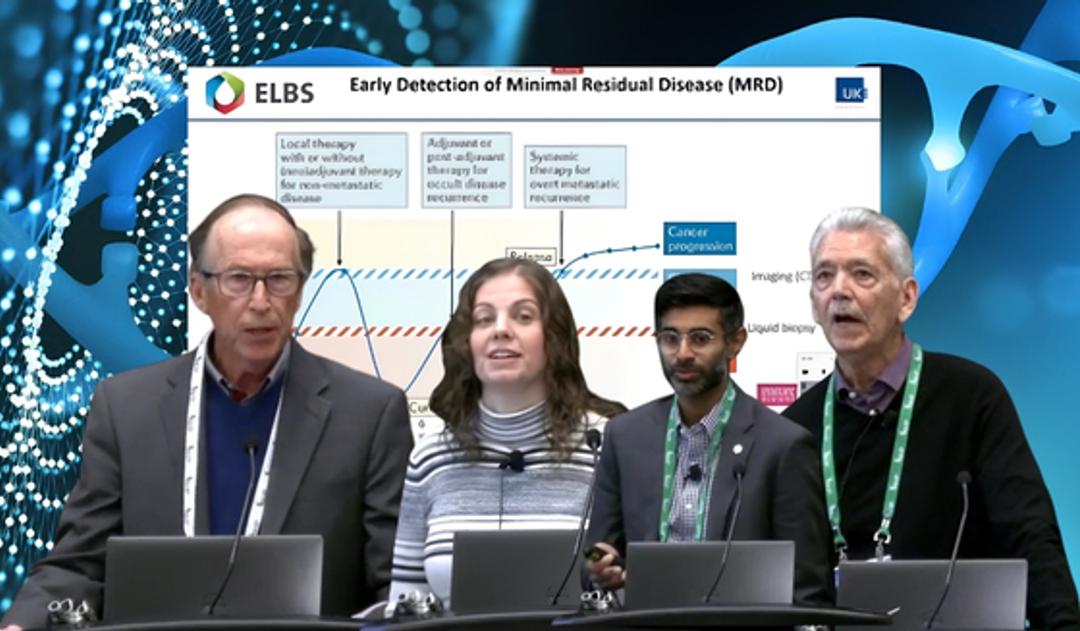
Struggling to get tumor-informed sensitivity without tumor tissue in hand? Discover where the field stands on tumor-naive MRD in this session recorded at the Association for Molecular Pathology Annual Meeting (AMP 2025). Titled ‘MRD's Next Decade: Improving Accuracy and Precision of Tumor-Informed MRD to Standardizing Epigenetics and Fragmentomics for Tumor Agnostic MRD’, hear from experts from BloodPAC, University of Washington, GUIDE.MRD, and Foundation Medicine as they break down what's standing between tumor-agnostic MRD and clinical adoption, from CHIP interference to regulatory hurdles.
Watch video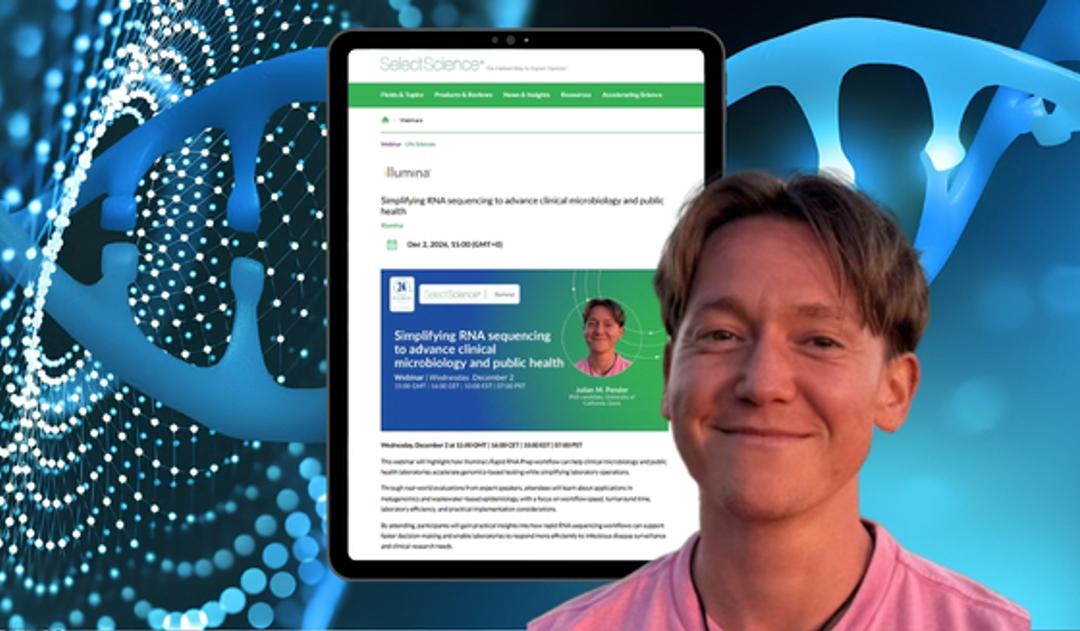
Simplifying RNA sequencing to advance clinical microbiology and public health
This webinar will highlight how Illumina’s Rapid RNA Prep workflow can help clinical microbiology and public health laboratories accelerate genomics-based testing while simplifying laboratory operations. Through real-world evaluations from expert speakers, attendees will learn about applications in metagenomics and wastewater-based epidemiology, with a focus on workflow speed, turnaround time, laboratory efficiency, and practical implementation considerations.
Register for webinarThe genomics and precision medicine community
Genomic technologies are playing an increasingly important role in modern healthcare, helping clinicians and researchers better understand disease, personalize treatment strategies, and improve patient outcomes. From next-generation sequencing and multi-omics approaches to advances in clinical implementation, the field continues to evolve rapidly.
Stay connected with the latest expert insights, scientific developments, and educational content from across the genomics and precision medicine community.
Want the latest news, interviews, webinars, and resources delivered straight to your inbox? Become a member for free here.
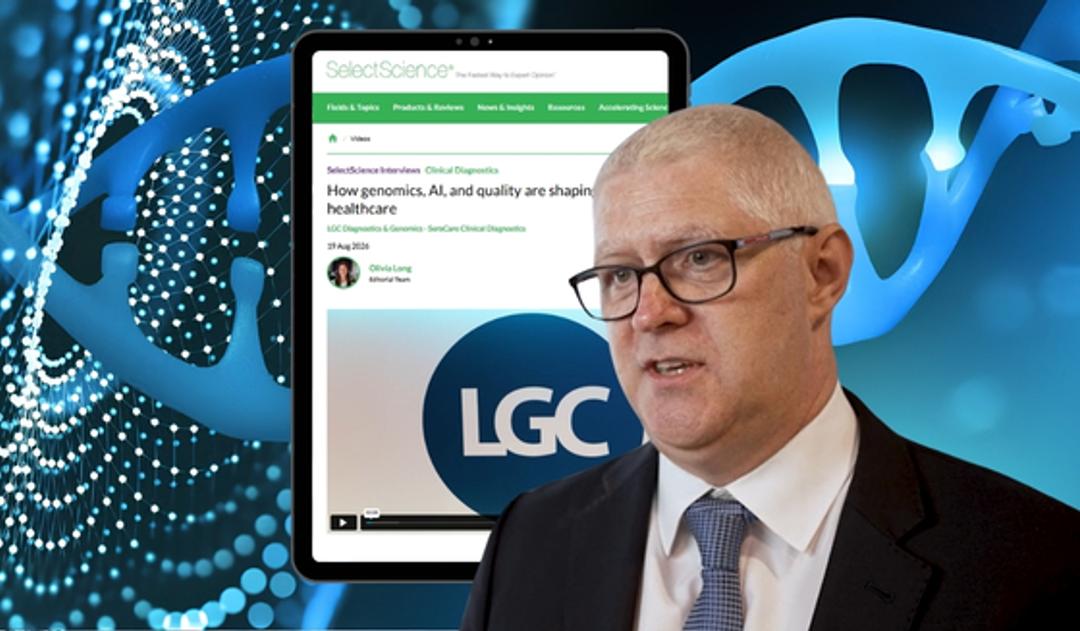
How genomics, AI, and quality are shaping the future of healthcare
Precision medicine is opening new possibilities for how disease is detected, monitored, and treated, bringing healthcare closer to truly personalized patient care. In this SelectScience interview, Colin Hill, Chief Commercial Officer for the Diagnostics and Genomics division at LGC, discusses the trends shaping healthcare, from genomic testing and minimal residual disease (MRD) monitoring in oncology, to the growing role of AI in clinical decision support.
Watch video
Gain greater insights into microbial mysteries
Discover how Illumina’s next-generation sequencing (NGS) solutions are advancing microbiology and infectious disease research. This informative resource explores workflows for microbial discovery, pathogen surveillance, antimicrobial resistance monitoring, and data analysis, highlighting integrated sequencing technologies that help researchers gain deeper insights into microbial communities and emerging public health threats.
Download resource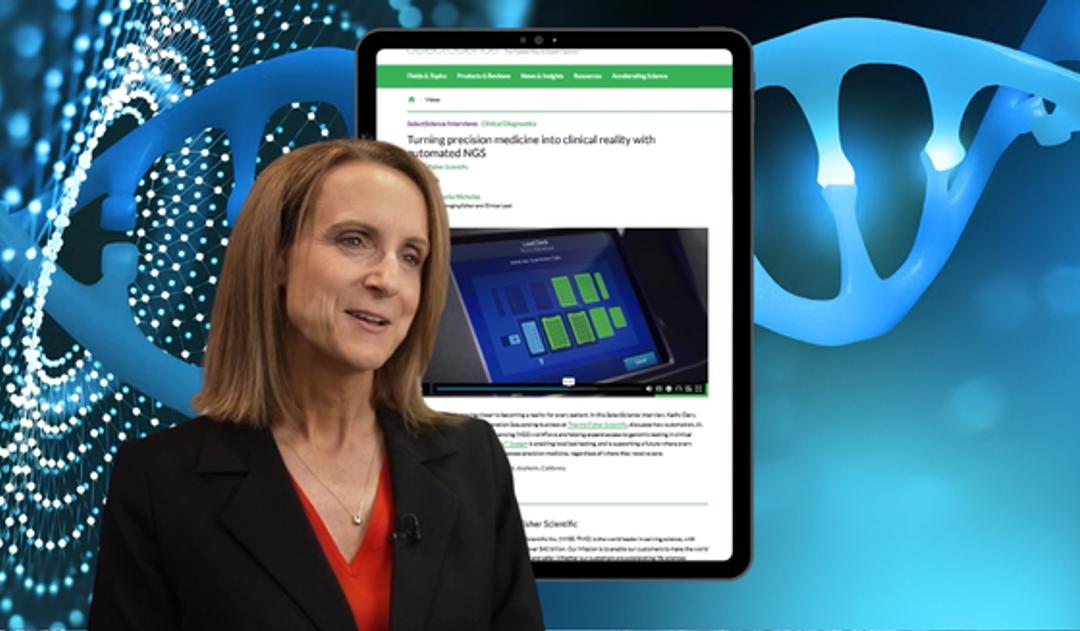
Turning precision medicine into clinical reality with automated NGS
Precision medicine is moving closer to becoming a reality for every patient. In this SelectScience interview, Kathy Davy, President of the Clinical Next-Generation Sequencing business at Thermo Fisher Scientific, discusses how automation, AI, and end-to-end next-generation sequencing (NGS) workflows are helping expand access to genomic testing in clinical laboratories.
Watch video
Molecular diagnostics at a crossroads with future insights from the experts
Molecular diagnostics is reshaping how we detect and manage infectious diseases, with far-reaching implications for both patient care and translational research. In this expert roundtable, leaders from the clinical and research community came together to share their experiences.
Watch roundtable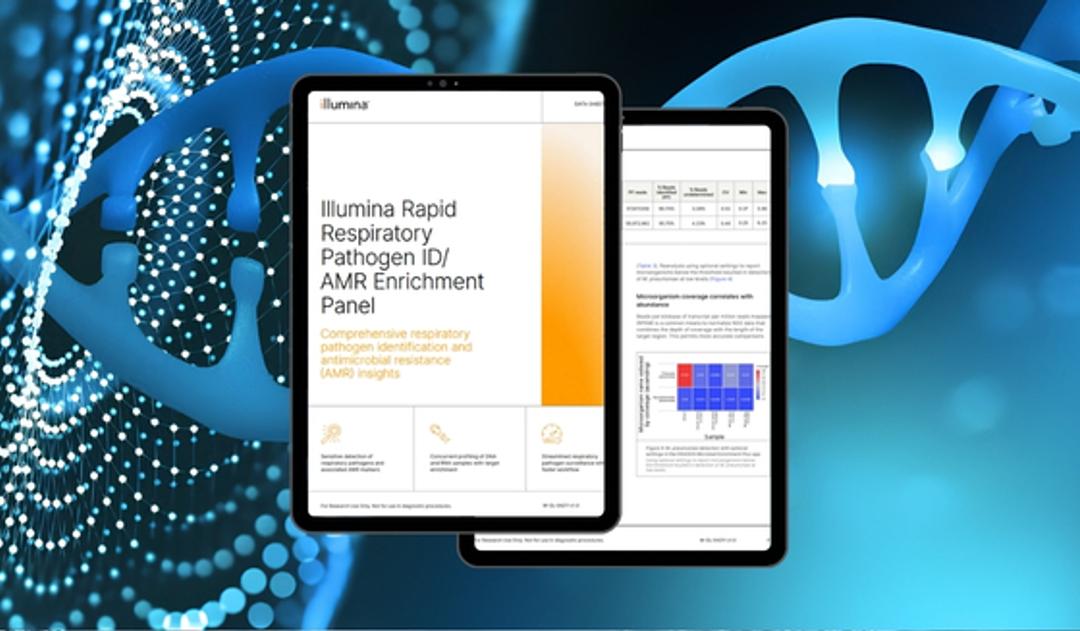
Illumina Rapid Respiratory Pathogen ID/AMR Enrichment Panel
This application note describes a streamlined next-generation sequencing workflow for the detection of respiratory pathogens and associated antimicrobial resistance (AMR) markers using the Illumina Rapid Respiratory Pathogen ID/AMR Panel.
Download resource
Liquid biopsies for early cancer detection: Current and future trends
Discover how liquid biopsies are advancing the early detection and monitoring of cancer. In this session, experts discuss the latest developments in multi-cancer early detection and the opportunities and challenges of bringing these innovative approaches into clinical practice.
Watch roundtable