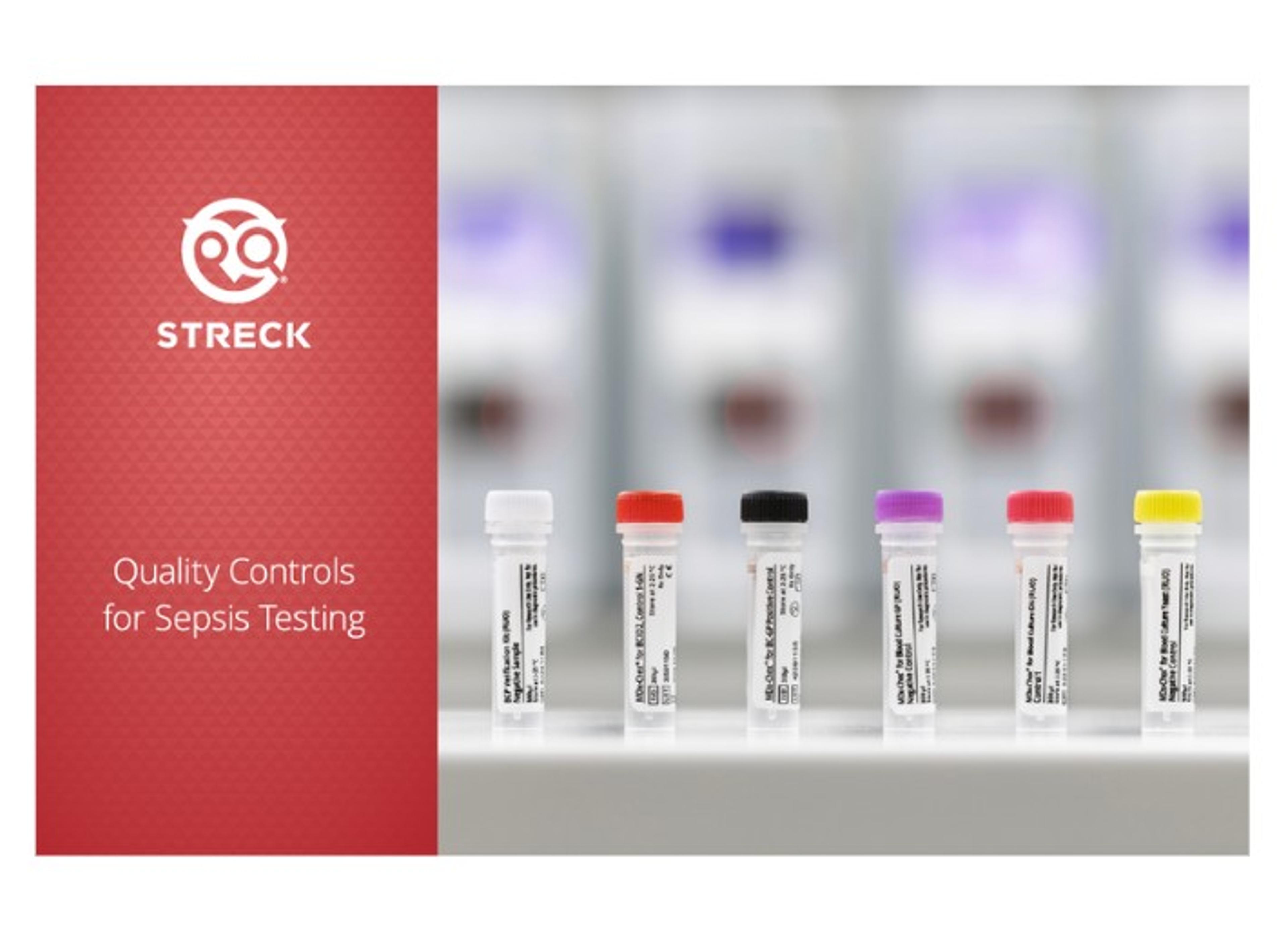
Molecular diagnostics at a crossroads with future insights from the experts
Molecular diagnostics is reshaping how we detect and manage infectious diseases, with far-reaching implications for both patient care and translational research. In clinical settings, rapid molecular testing enables faster, more targeted treatment decisions that can significantly improve outcomes. In research laboratories, the same technologies are unlocking deeper insights into pathogen behavior, resistance mechanisms and emerging threats.
But with every advancement comes a set of challenges. Laboratories must weigh the benefits of adopting new technologies, like improved sensitivity, multiplexing and automation, against practical considerations such as validation complexity, workflow disruption and cost. The need for reliable, adaptable quality controls becomes even more critical as assays grow more sophisticated and regulatory demands increase.
In this expert roundtable—presented in partnership with Streck—leaders from the clinical and research community come together to share their experiences navigating this evolving landscape. They’ll discuss how molecular diagnostics is driving real-world impact, how their labs are adapting to new pressures, and how thoughtful implementation of innovation can yield both scientific and operational rewards.
Whether you're optimizing workflows, evaluating new platforms or rethinking your QC approach, this session delivers expert perspectives to help you navigate the future of molecular diagnostics.
Certificate of attendance
If you attend the live forum, you will automatically receive a certificate of attendance, including a learning outcomes summary, for continuing education purposes. If you view the on-demand forum, you can request a certificate of attendance by emailing editor@selectscience.net.
Webinar details
- Cost: Free to attend
- Location: Online
- Duration: 60 minutes
Registration is required to secure your place. If you register but can’t attend live, you will receive a link to the on‑demand recording once it becomes available.
Speakers




Featured products
Request Quote for All Products
MDx-Chex® for Blood Culture Yeast (RUO), MDx-Chex® for Blood Culture GP (RUO) and MDx-Chex® for Blood Culture GN (RUO)
StreckMDx-Chex for Blood Culture Yeast (RUO), MDx-Chex for Blood Culture GP (RUO) and MDx-Chex for Blood Culture GN (RUO) are full-process molecular quality controls designed for comprehensive molecular assay workflow validation.
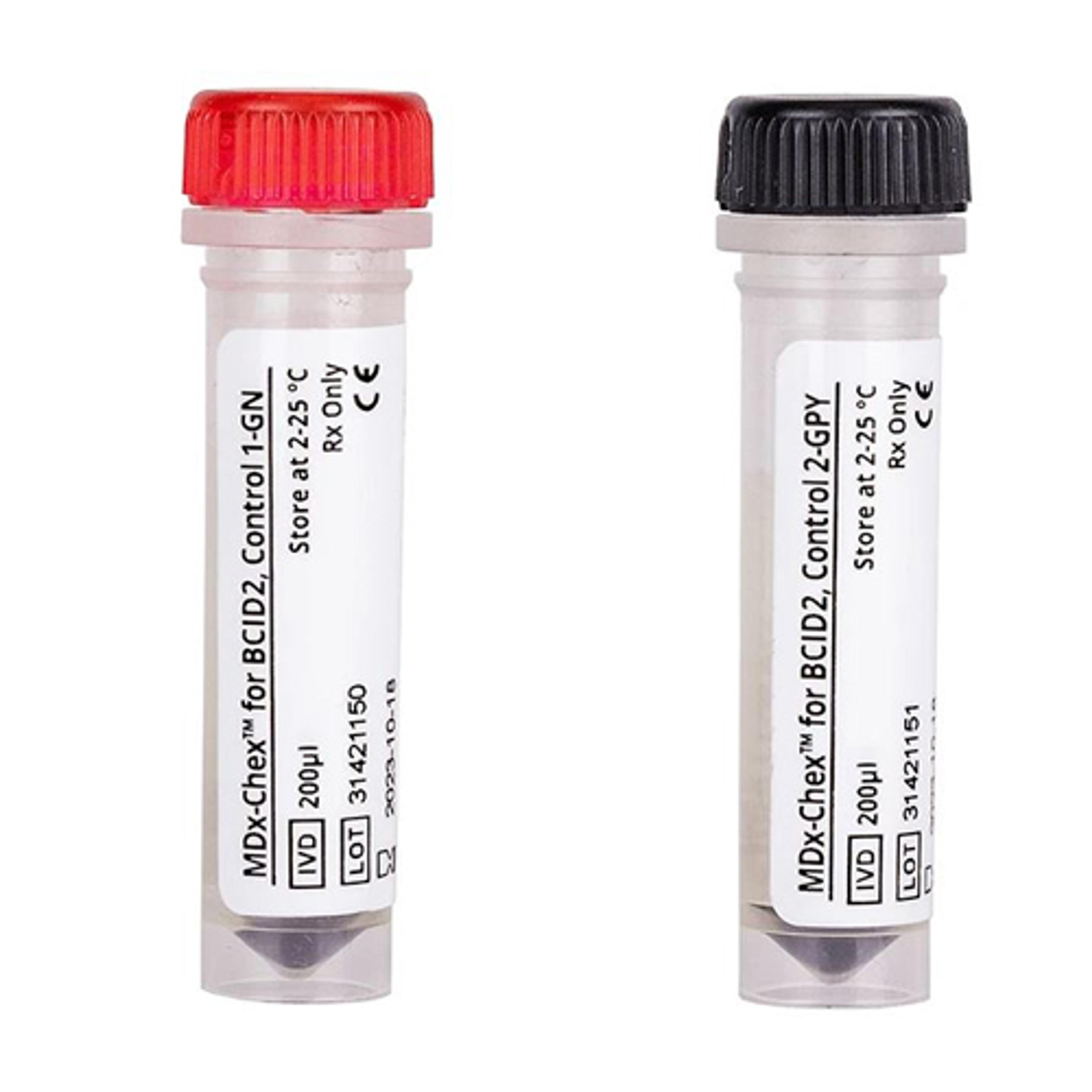
MDx-Chex® for BCID2
StreckMDx-Chex for BCID2 is a first-of-its-kind quality control designed to evaluate the entire analytical process of the BIOFIRE ® Blood Culture Identification 2 (BCID2) Panel for sepsis. With MDx-Chex for BCID2, you can track lot-to-lot performance of the BCID2 assay and reduce the occurrence of incorrect results due to instrument or assay failures.
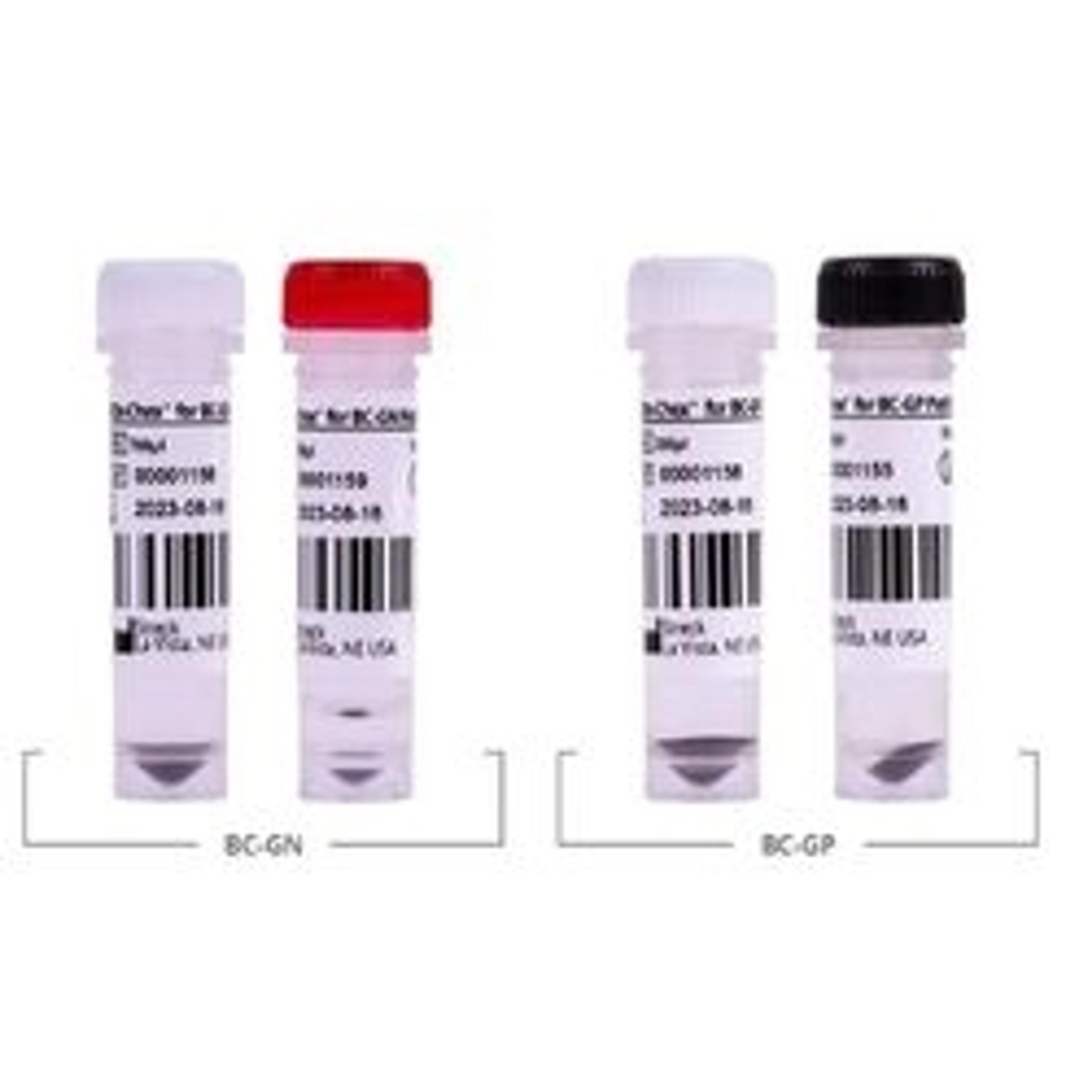
MDx-Chex® for BC-GP and MDx-Chex® BC-GN
StreckMDx-Chex for BC-GP and MDx-Chex for BC-GN are controls designed to evaluate the entire analytical process of the Luminex VERIGENE ® BC-GP and BC-GN Panels for sepsis. With MDx-Chex for BC-GP and MDx-Chex for BC-GN, you can track lot-to-lot performance of the BC-GP and BC-GN assays and reduce the occurrence of incorrect results due to instrument or assay failures.
What will this webinar cover?
Key learning objectives:
- How molecular diagnostics is transforming treatment strategies for serious infections
- Risks and rewards of adopting new molecular technologies
- How quality controls are adapting to support complex, multiplexed assays and evolving regulatory demands
- Practical steps laboratories are taking to improve efficiency, ensure reliability and prepare for what’s next
Join the webinar to get answers to these questions:
- How is molecular diagnostics reshaping treatment strategies for serious infectious diseases?
- What are the key risks and rewards of adopting new molecular technologies in the lab?
- How are quality controls evolving to support complex, multiplexed molecular assays?
- What practical steps can laboratories take to boost efficiency and reliability?
- How can labs prepare their workflows and QC strategies for future molecular innovations?