
ResourceClinical Diagnostics
Characterization of NGS reference standards for genetic and epigenetic content
18 Aug 2026Blends of tumor and donor-matched normal cell lines can be used to create reference standards for the development and analytical validation of diagnostics in oncology. In this scientific poster, LGC Diagnostics & Genomics - SeraCare Clinical Diagnostics provides a deeper genetic and epigenetic analysis of cell lines used in reference standards.
Resource details:
Resource type: Scientific poster
Page count: 1
Read time: 5 mins
Related products
Request Quote for All Products
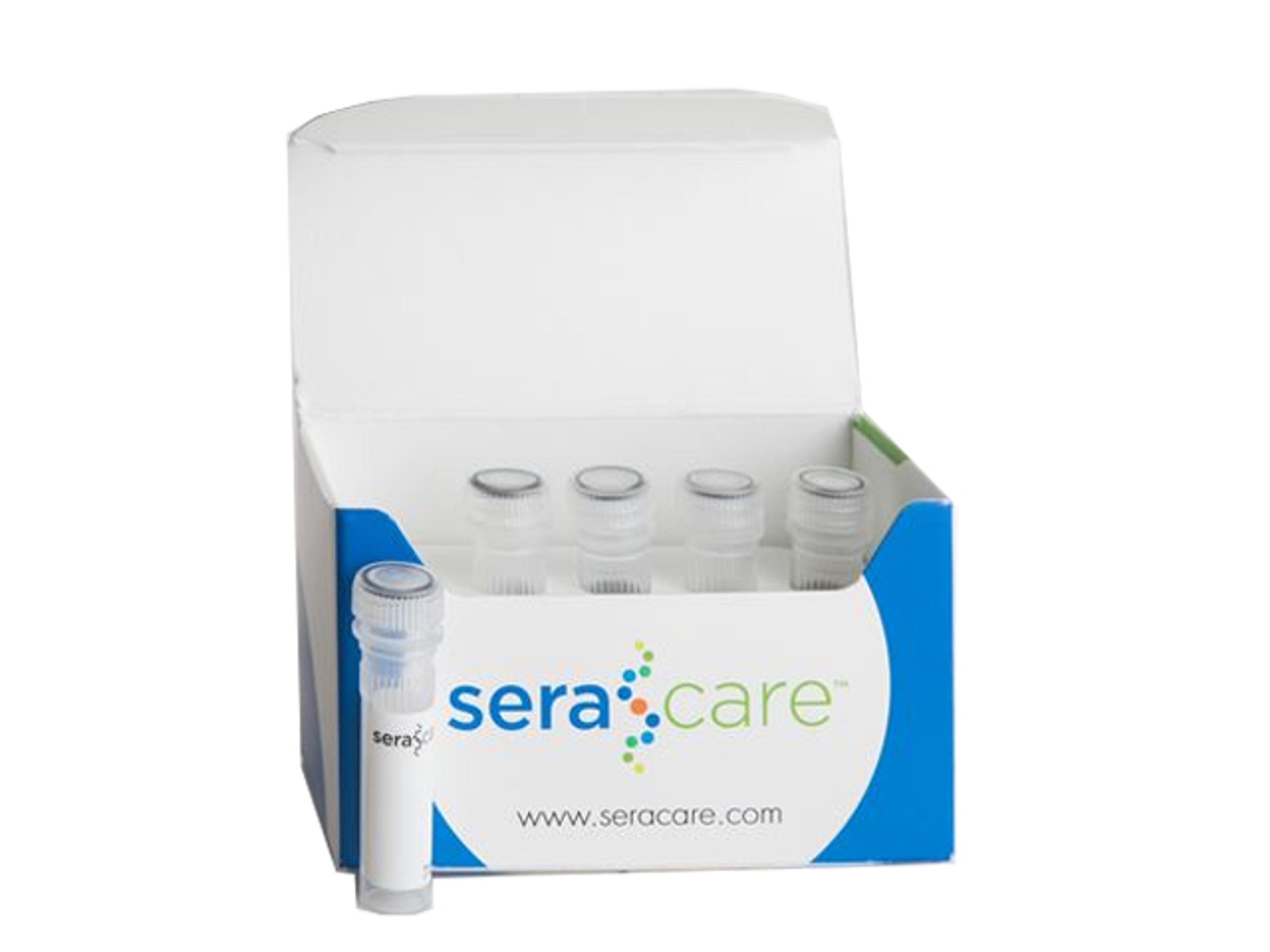
Seraseq® NGS Reference Materials
LGC Diagnostics & Genomics - SeraCare Clinical DiagnosticsHelps expedite development and better characterize NGS-based assays
Links
Tags
Clinical ChemistryBiochemistry (or clinical chemistry) involves the analysis of bodily fluids using chemical tests. Techniques used include HPLC, chromatography, spectroscopy, mass spectrometry, immunochemical, electrophoresis, turbidometric / spectrophotometric assay, MRI and ISE analysis. Tests are often carried out on plasma or serum but urine (urinalysis) and fecal specimens are also processed.Next-Generation SequencingNext-generation sequencing (NGS), also known as whole-genome sequencing, high-throughput sequencing and massive parallel sequencing, produces and analyses thousands to millions of nucleotide sequences at once. Sequencing systems operate via varying technologies depending on the manufacturer, including sequencing by synthesis, ligation, pyrosequencing, ion semiconductor and single-molecule real-time sequencing. For NGS, library preparation is paramount to successful sequencing. In this section, explore a range of library preparation kits, from targeted, amplicon-based or hybridization-based kits including epigenomic, transcriptomic and genomic workflows to fragmentation kits. Find the best next-generation sequencing products in our peer-reviewed product directory: compare products, check customer reviews and receive pricing direct from manufacturers.Molecular DiagnosticsMolecular diagnostics use an individual’s genetic code and gene expression to diagnose and monitor diseases. The technique is used increasingly in the field of infectious diseases and oncology, as well as areas such as coagulation, HLA typing and pharmacogenomics. Molecular diagnostics plays a pivotal role in personalized medicine.