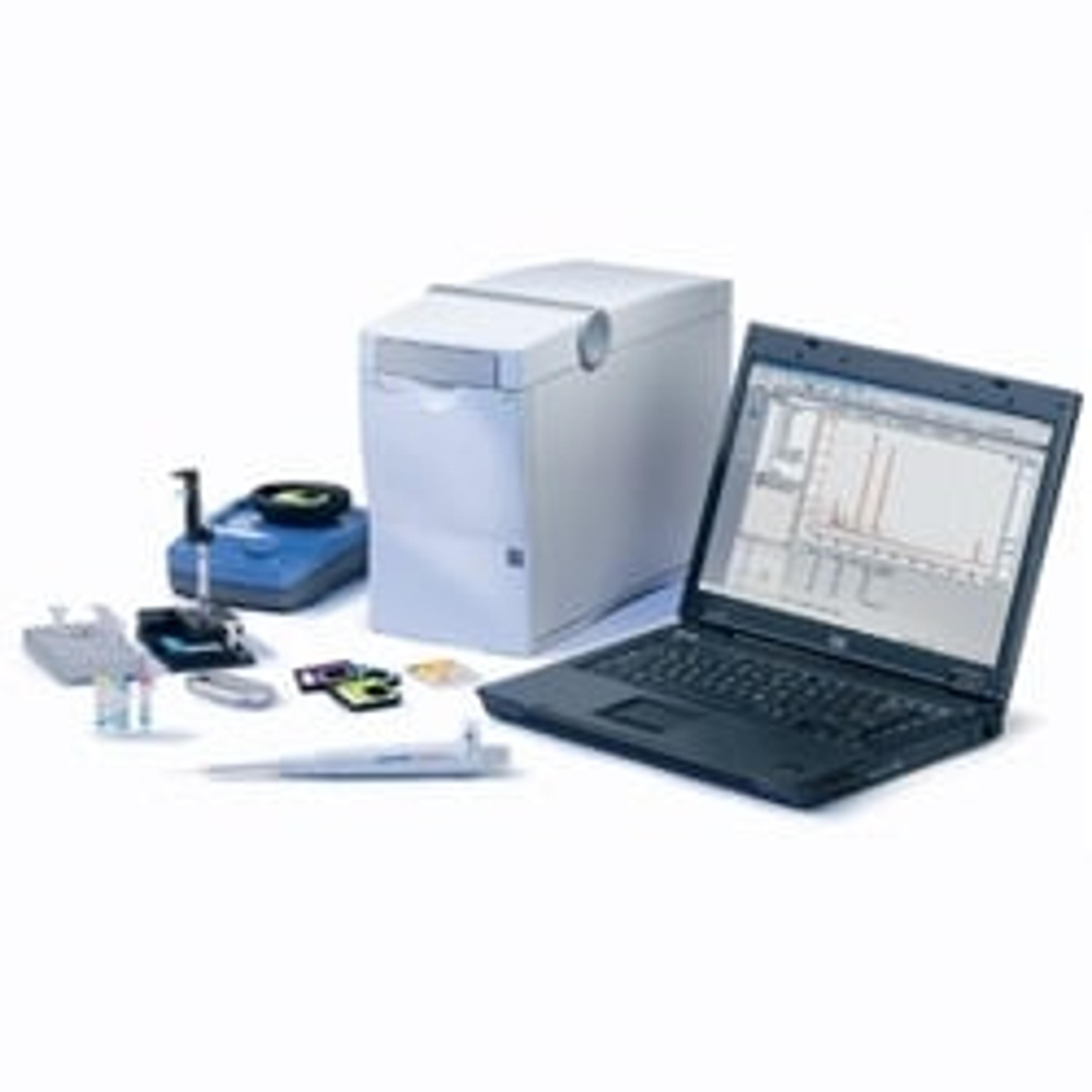
xCELLigence RTCA CardioECR
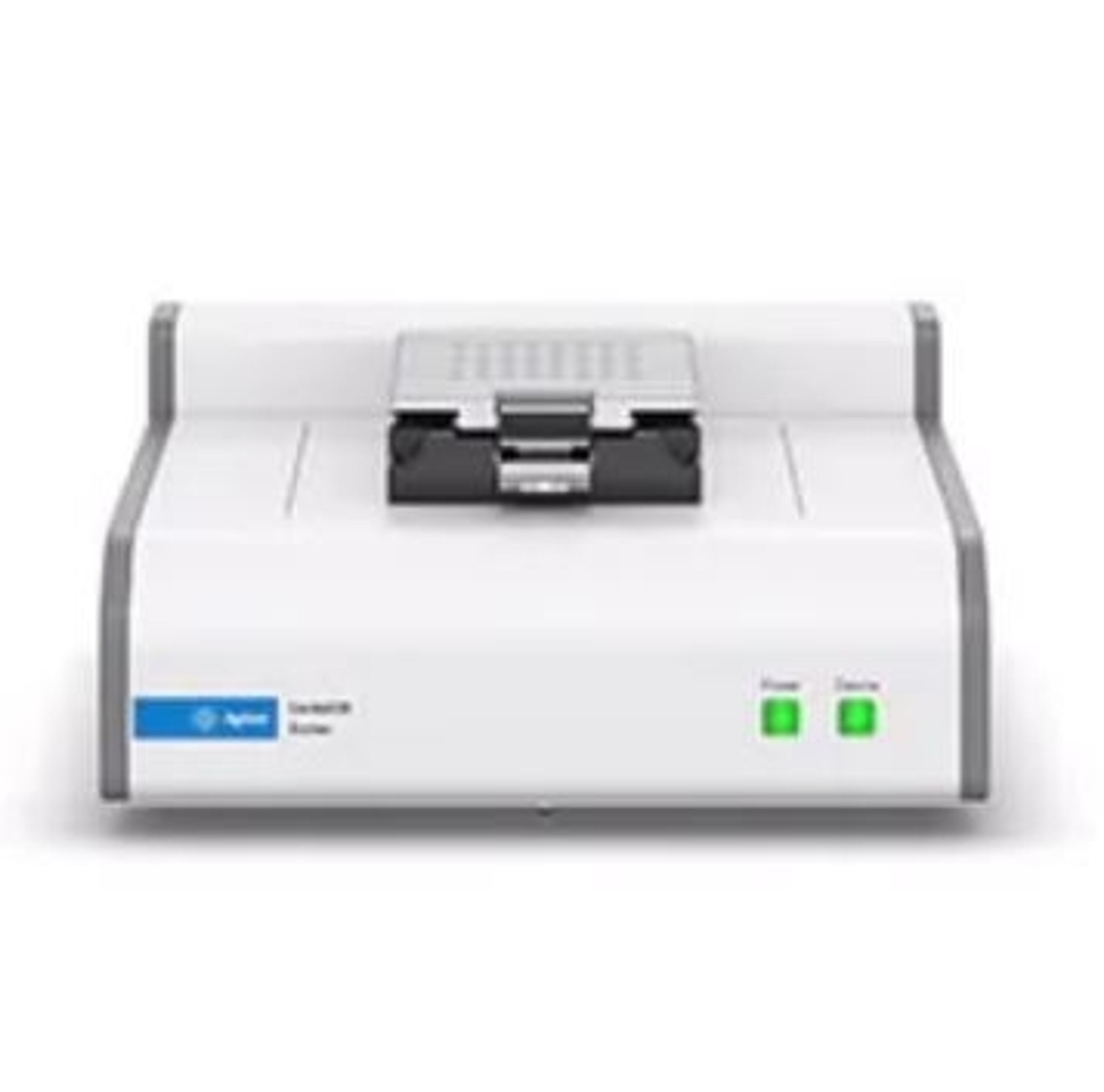
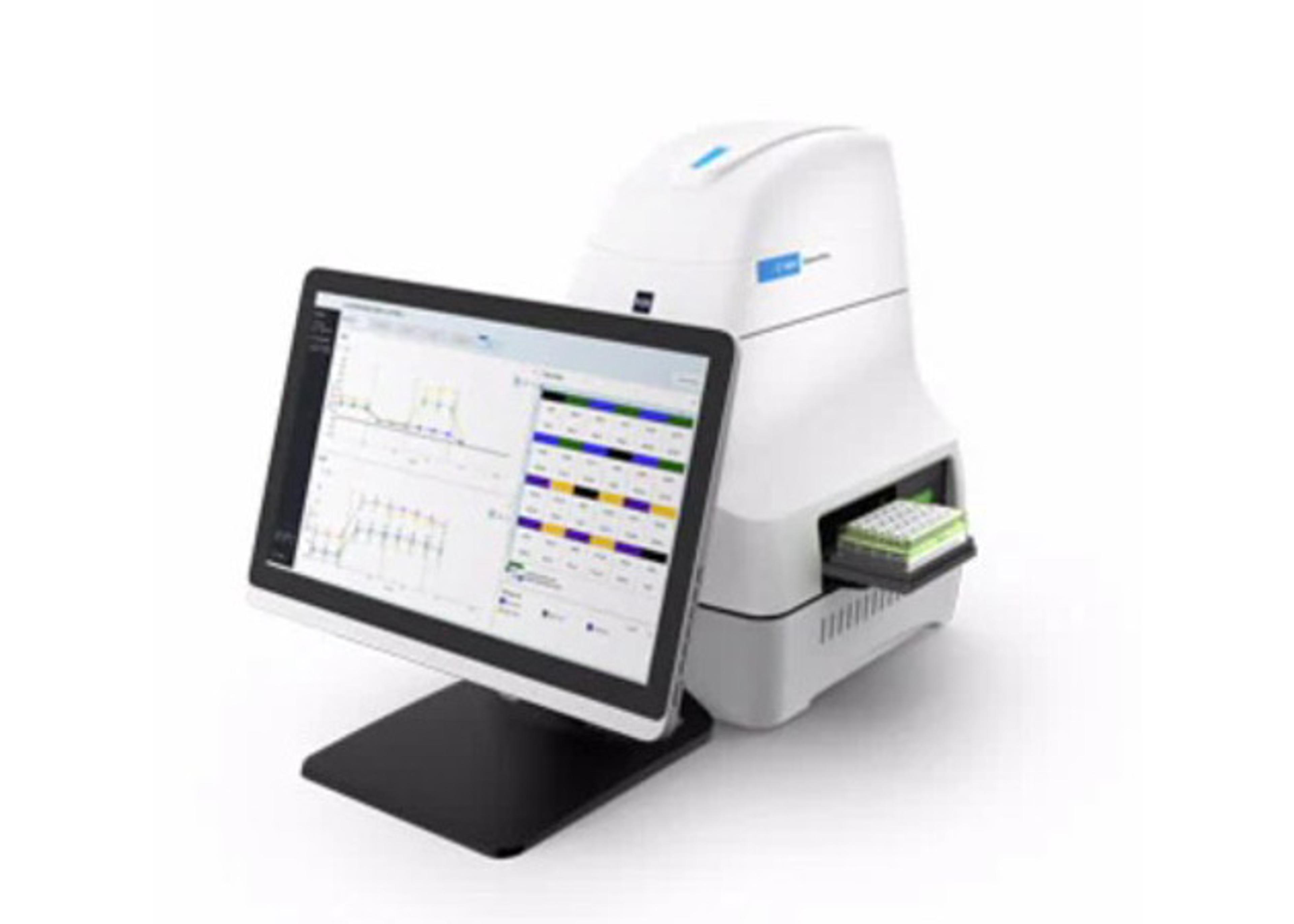
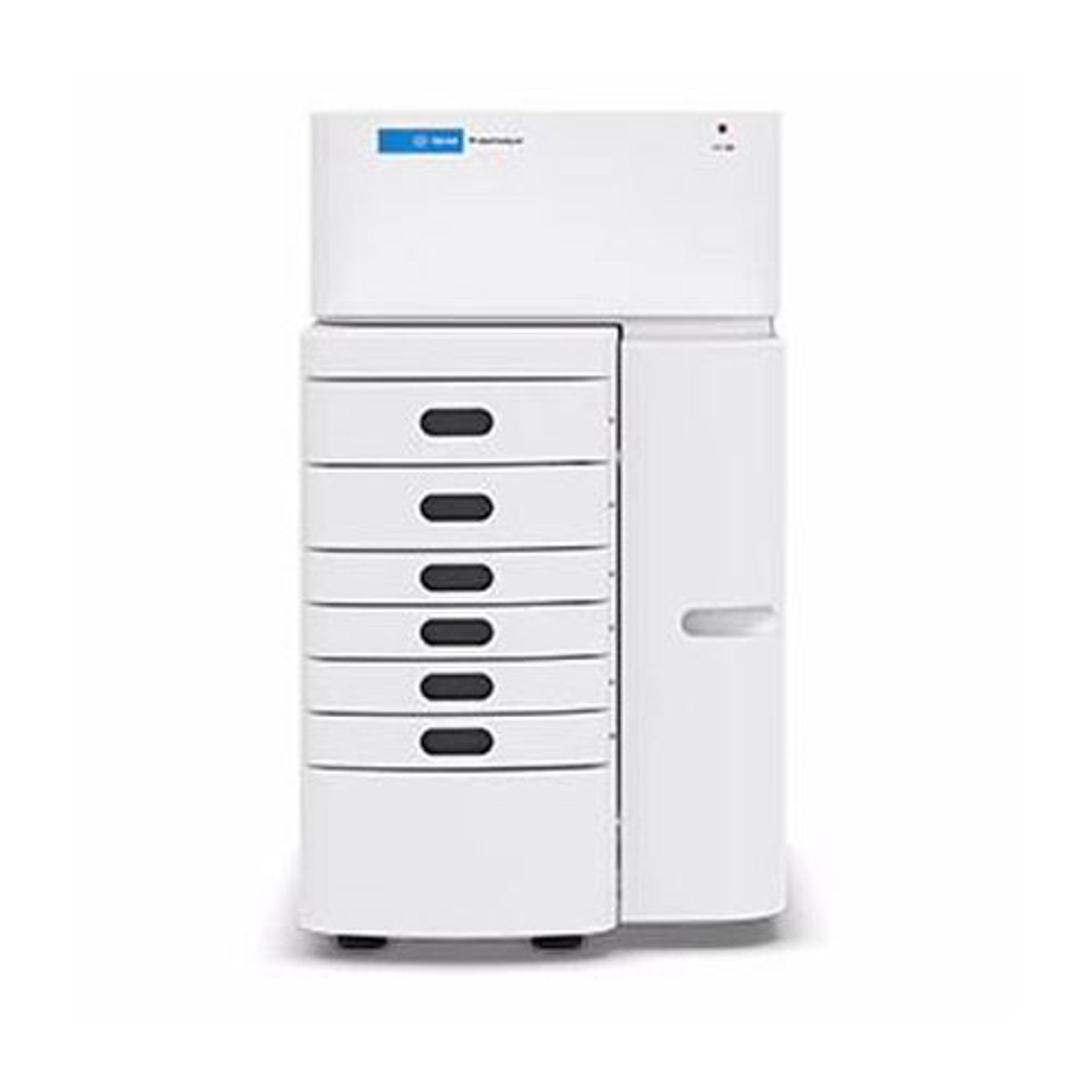
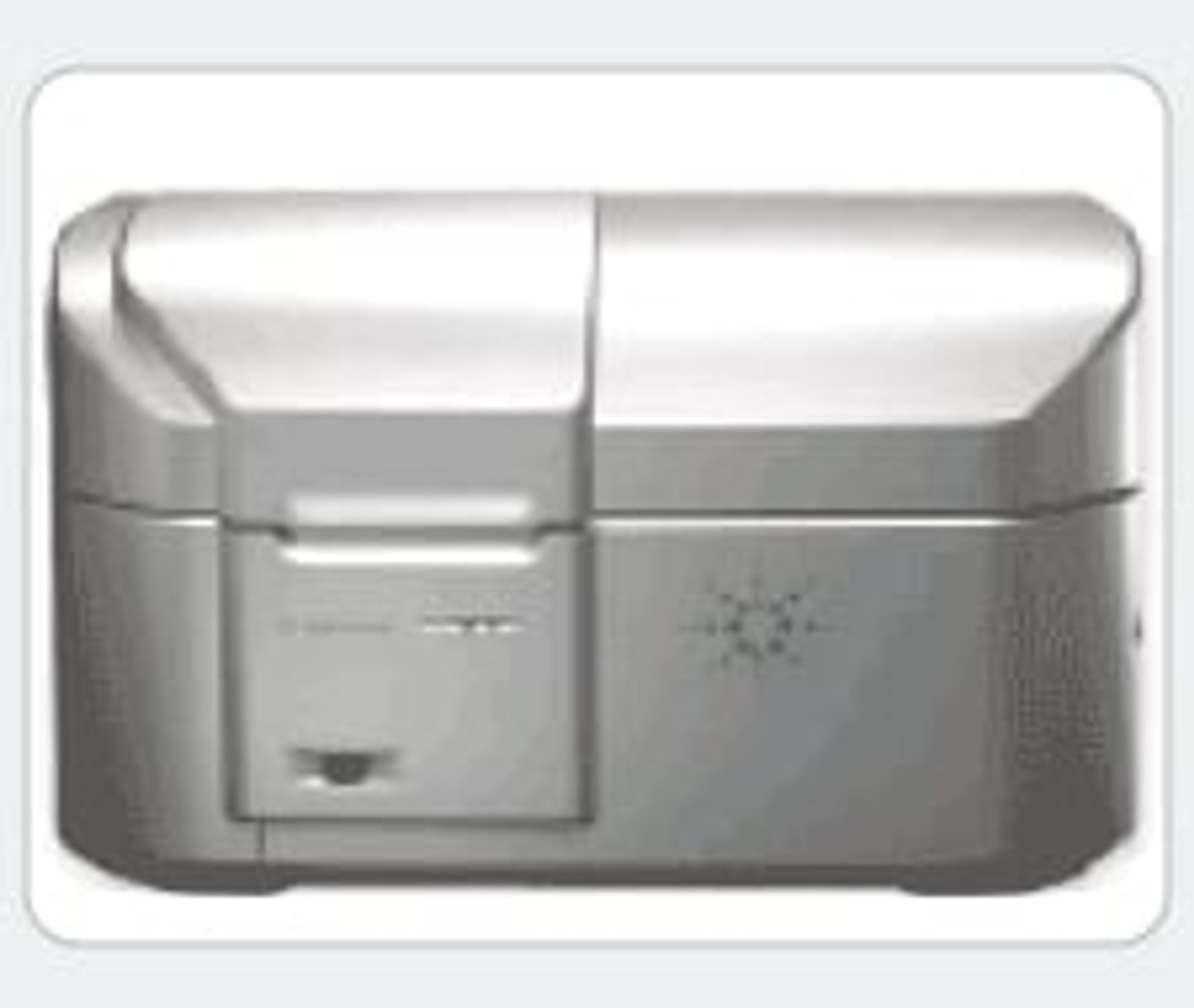
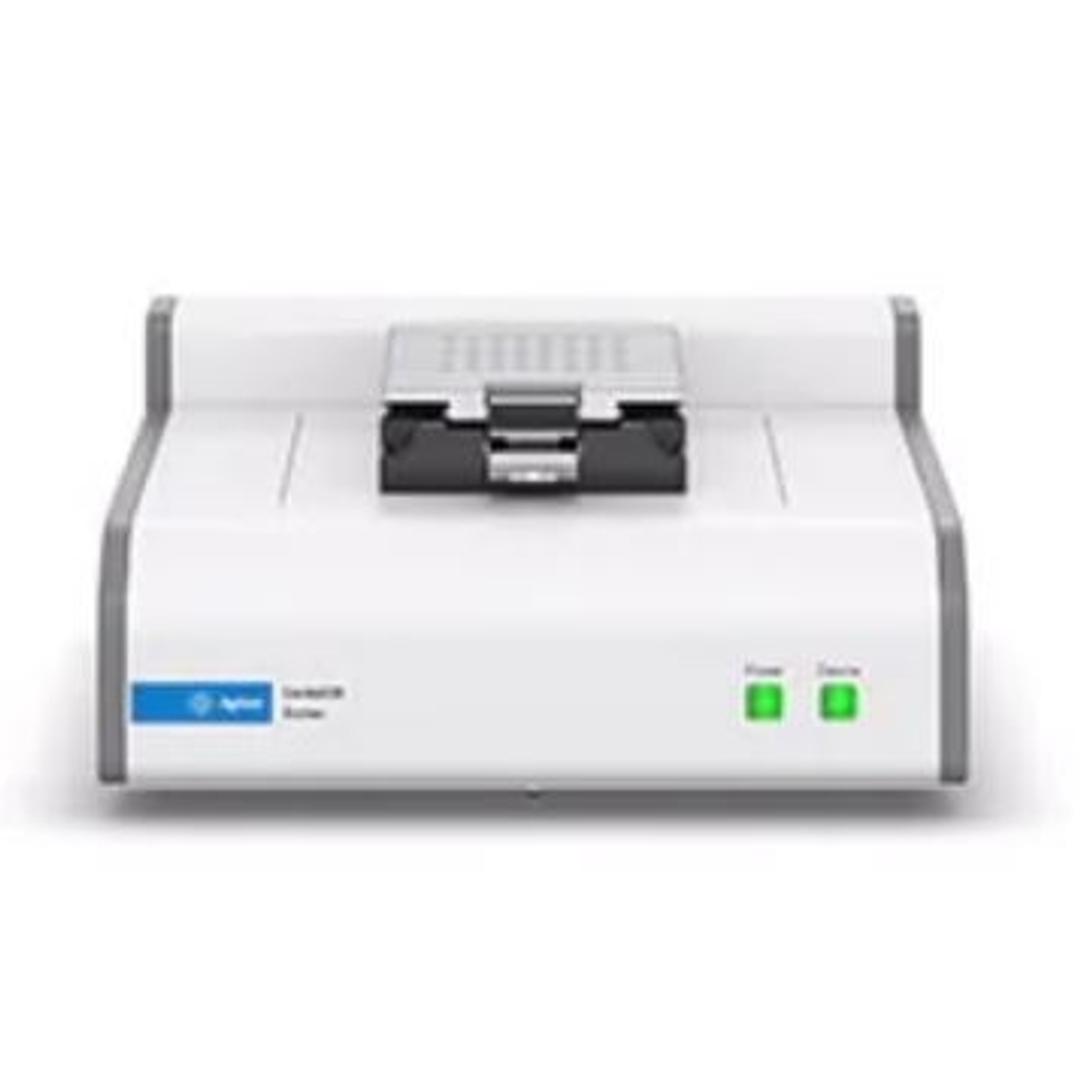
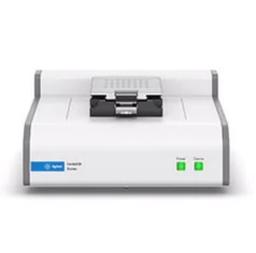
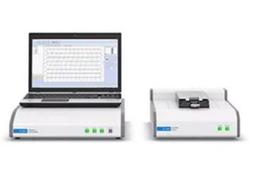
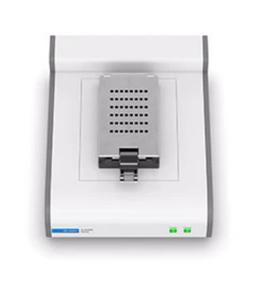
The xCELLigence RTCA CardioECR instrument combines high-frequency measurement of cell-induced electrical impedance with multi-electrode array technology to simultaneously assess cardiomyocyte contractility, viability, and electrophysiology. The simultaneous recording of impedance and field potential by the xCELLigence RTCA CardioECR instrument provides a view of cardiomyocyte health at an unprecedented level of detail, enablin…

Receive your quote directly from the manufacturer.
Satisfying equipment, but much better if more people use it.
Drug toxicity screening
The equipment is very easy to use for data acquisition. The staff are kind and supportive so I'm satisfied with after sales-care. However, I feel that the machine and E-plate are a little bit expensive for everyone to routinely use. I'm basically satisfied with data quality and reproducibility, but maybe related with cell quality, in some cases we cannot obtain the same results as those in other types of equipment (like microelectrode array).
Review Date: 23 Jul 2018 | Agilent Technologies
Novel method of analysis
cardiac functional testing
Easiest and most reproducible instrument for this experiment type.
Review Date: 18 Jul 2018 | Agilent Technologies
This system possesses some useful properties such as noninvasive, continuous monitoring of changes in beating activities during compound exposure, which are unique to its design. Therefore, can be easily applied to screen for potential problems with promising drug candidates at an early stage of their development.
Electrophysiology, Toxicity
xCELLigence provide an exceptionally diverse pattern of functional endpoints, each with the robustness characteristics required to support drug development process and screening. It is a sophisticated platform with sufficient and accurate recording capacity for key physiological and biochemical changes in the cells. It also allows for functional monitoring of the manufacturing process and label-free assessment of the physiological status of beating cells as well as the detection of both short- and long-term responses to compound exposure.
Review Date: 25 Jan 2016 | Agilent Technologies
analysing heart specific toxins
I was surprised at how easy it was to use considering the incredible amount of data that the xCELLigence CadioECR obtains. The after analysis was all contained within the software and I was fairly fluent after very minimal training. I guess the only difficulty is that the cells need to grow for several weeks before use and so it is not ideal for infrequent use. Value for money is hard to measure as it is very expensive set up and high cost cells and consumables for a research lab but amazing at what it does and nothing else compares. So, expensive but worth it.
Review Date: 5 Aug 2015 | Agilent Technologies
Simultaneous measurement of contractility and field potentials in iPS-derived cardiomyocytes
The ACEA Cardio ECR system is very easy and convenient to use, and allows for very informative readouts in a high throughput fashion. The system has good sensibility and is adequate for a quick and dual evaluation of small molecules that cause changes in beating rhythm and induce arrhythmogenic behaviour and/or cardiotoxicity. The ACEA support team has been stellar in their help setting up the system, training personnel and assisting with data analysis and interpretation.
Review Date: 7 Jul 2015 | Agilent Technologies
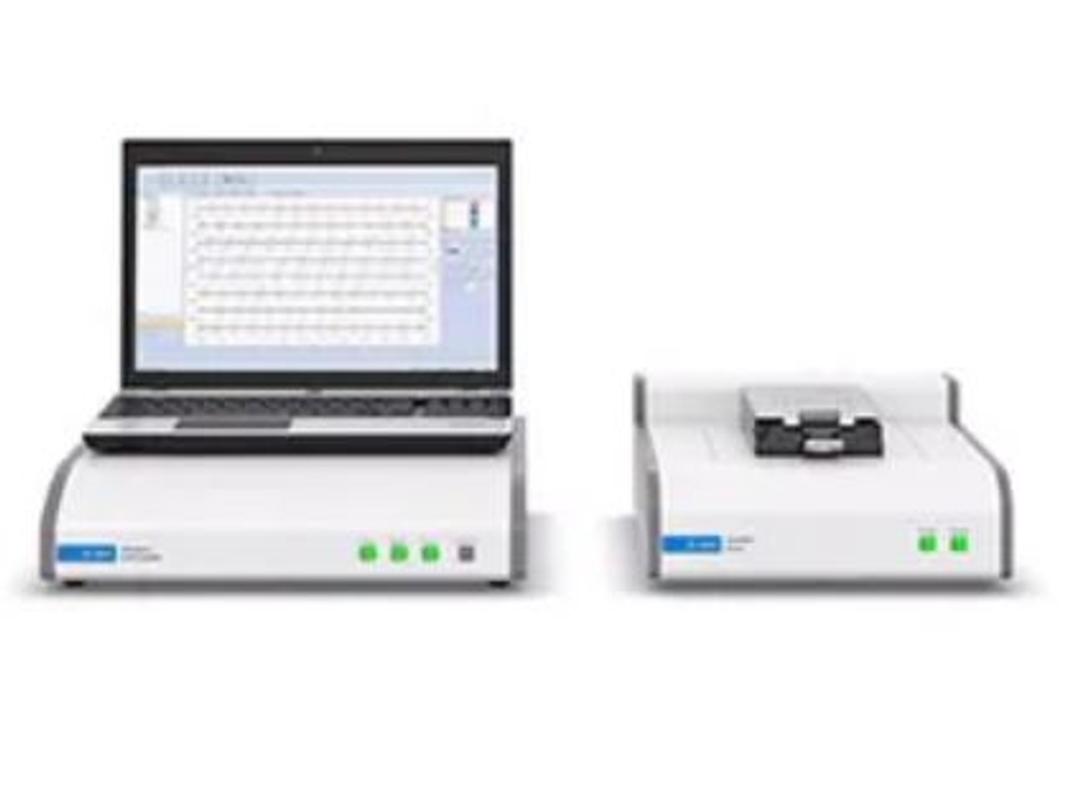
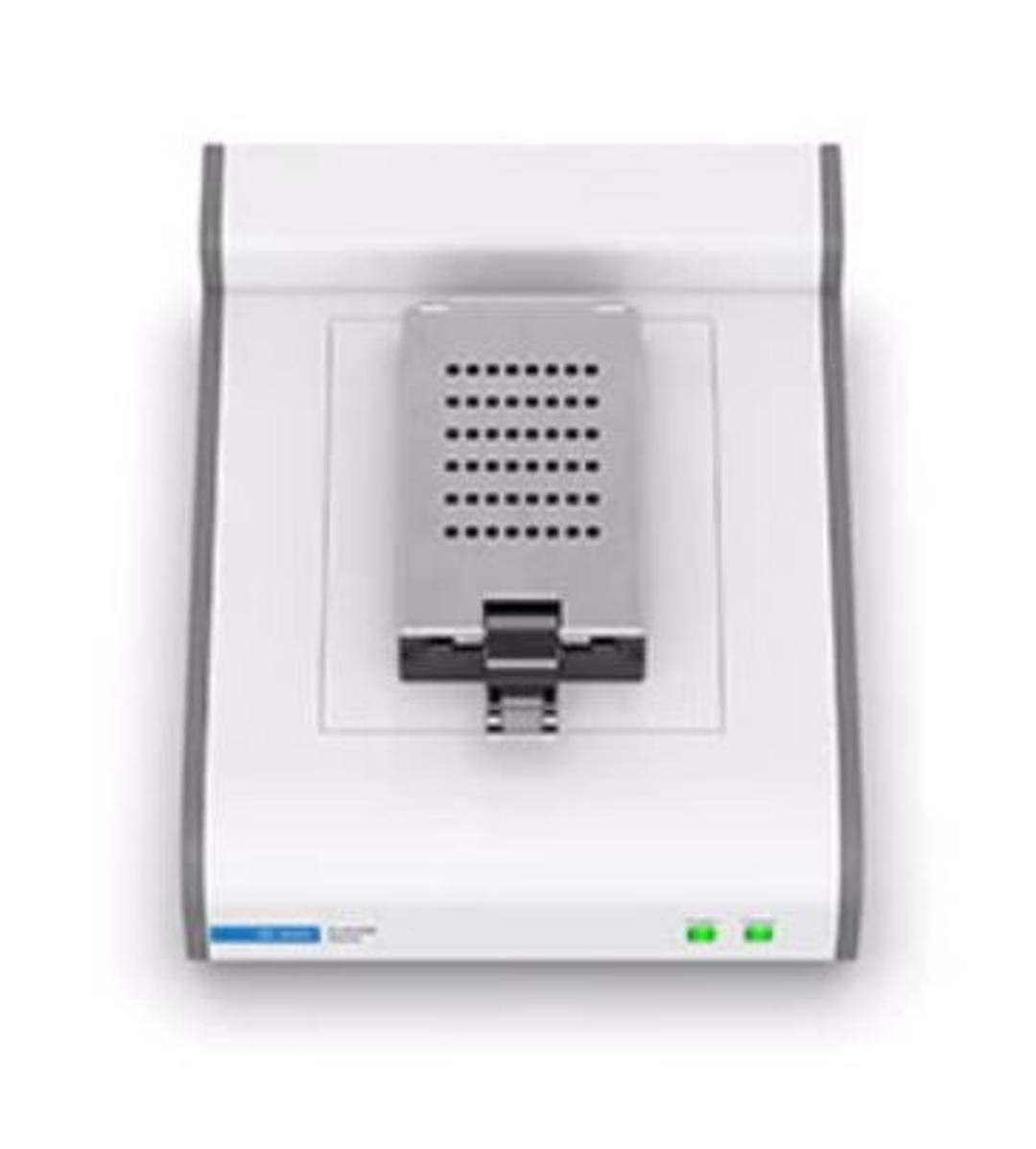
The xCELLigence RTCA CardioECR instrument combines high-frequency measurement of cell-induced electrical impedance with multi-electrode array technology to simultaneously assess cardiomyocyte contractility, viability, and electrophysiology. The simultaneous recording of impedance and field potential by the xCELLigence RTCA CardioECR instrument provides a view of cardiomyocyte health at an unprecedented level of detail, enabling a deeper understanding of the mechanisms underlying drug-induced cardiac liability.
The CardioECR can also be used to functionally mature hiPSC cardiomyocytes with its electronic pacing function. Paced hiPSC cardiomyocytes provide a significantly improved cell model used in various applications including safety/tox assessment, drug discovery, and cardiac disease research.
For Research Use Only. Not for use in diagnostic procedures.

The Agilent xCELLigence RTCA CardioECR System
In this application note, Agilent introduces the xCELLigence RTCA CardioECR system, a dual-mode instrument that includes directed electrical pacing of hiPSC-CMs as well as simultaneous monitoring of hiPSC-CM viability, contraction, and FP in real-time. The multiplexed evaluation of human induced pluripotent stem cell-derived cardiomyocytes (hiPSC-CM) using the CardioECR system allows for a suitable assay platform to predict drug-induced proarrhythmia, contractile liability, and chronic toxicity of drugs under development.
New developments in live-cell analysis: The Agilent xCELLigence RTCA eSight System
As cell analysis in basic research, translational medicine, and cell therapies becomes ever more sophisticated, it is imperative that solutions provide multiparametric and data-rich information. In this application note, Agilent Technologies introduces its xCELLigence RTCA eSight for real-time cell analysis, featuring non-invasive impedance-based monitoring together with live-cell imaging, all inside your incubator. One experiment provides two simultaneous methods with 5 different readouts. Cellular impedance first provides sensitive and rapid information about cell viability, growth, morphology, and barrier function. Brightfield and three fluorescent channels monitor and quantify viability, toxicity, and apoptosis- validating cellular impedance readouts and further boosting confidence in your results. This combination of information enables for much wider sampling and the assessment of cellular processes and biology – all within a single experiment.
xCELLigence real-time cell analysis
Explore functional potency assays for cancer immunotherapy research. This handbook includes topics such as antibody-dependent cell-mediated cytoxicity (ADCC), BiTEs, bispecific antibodies, checkpoint inhibitors, CAR-T cells and more.
Disease-in-a-dish approach to treating pediatric hypertrophic cardiomyopathy
Pathogenic variants in MYH7 and MYBPC3 account for the majority of hypertrophic cardiomyopathy (HCM). However, targeted drugs like myosin ATPase inhibitors have not been evaluated in children.
Caroline Kinnear from Dr. Seema Mital’s group at the Hospital for Sick Children, Toronto, will describe how the team generated patient and variant-corrected iPSC-cardiomyocytes (CMs) from pediatric HCM patients harboring single variants in MYH7 (V606M; R453C) and MYBPC3 (G148R) or digenic variants (MYBPC3 P955fs, TNNI3 A157V). Compared with isogenic and healthy controls, variant-positive CMs showed hypertrophy, sarcomere disorganization, higher contractility, calcium transients, and ATPase activity.
Kinnear will also highlight how targeted myosin ATPase inhibitors showed complete rescue of the phenotype in variant-positive CMs and in cardiac biowires to mirror isogenic controls. The response was superior to verapamil or metoprolol. The findings indicate myosin inhibitors can be effective in genotypically diverse HCM highlighting the need for myosin inhibitor drug trials in pediatric HCM.
Key learning objectives
- Learn how a “disease-in-a-dish” approach can potentially improve the treatment of disease
- Gain insights into genotype-phenotype association using patient-derived iPSCs
- Explore how analytical tools, such as the xCELLigence RTCA CardioECR instrument, are used to elucidate the mechanisms of diseases and evaluate the effects of pharmacological and genetic interventions
- Understand the translational importance of targeted myosin inhibitor therapies for future clinical trials
Who should attend?
- Researchers and scientists in industry and academia, basic and translational cardio disease researchers, and cardio drug discovery enthusiasts.
Certificate of attendance
All webinar participants can request a certificate of attendance, including a learning outcomes summary, for continuing education purposes.