

Disease-in-a-dish approach to treating pediatric hypertrophic cardiomyopathy
Pathogenic variants in MYH7 and MYBPC3 account for the majority of hypertrophic cardiomyopathy (HCM). However, targeted drugs like myosin ATPase inhibitors have not been evaluated in children.
Caroline Kinnear from Dr. Seema Mital’s group at the Hospital for Sick Children, Toronto, will describe how the team generated patient and variant-corrected iPSC-cardiomyocytes (CMs) from pediatric HCM patients harboring single variants in MYH7 (V606M; R453C) and MYBPC3 (G148R) or digenic variants (MYBPC3 P955fs, TNNI3 A157V). Compared with isogenic and healthy controls, variant-positive CMs showed hypertrophy, sarcomere disorganization, higher contractility, calcium transients, and ATPase activity.
Kinnear will also highlight how targeted myosin ATPase inhibitors showed complete rescue of the phenotype in variant-positive CMs and in cardiac biowires to mirror isogenic controls. The response was superior to verapamil or metoprolol. The findings indicate myosin inhibitors can be effective in genotypically diverse HCM highlighting the need for myosin inhibitor drug trials in pediatric HCM.
Key learning objectives
- Learn how a “disease-in-a-dish” approach can potentially improve the treatment of disease
- Gain insights into genotype-phenotype association using patient-derived iPSCs
- Explore how analytical tools, such as the xCELLigence RTCA CardioECR instrument, are used to elucidate the mechanisms of diseases and evaluate the effects of pharmacological and genetic interventions
- Understand the translational importance of targeted myosin inhibitor therapies for future clinical trials
Who should attend?
- Researchers and scientists in industry and academia, basic and translational cardio disease researchers, and cardio drug discovery enthusiasts.
Certificate of attendance
All webinar participants can request a certificate of attendance, including a learning outcomes summary, for continuing education purposes.
Speakers



Featured products
Request Quote for All Products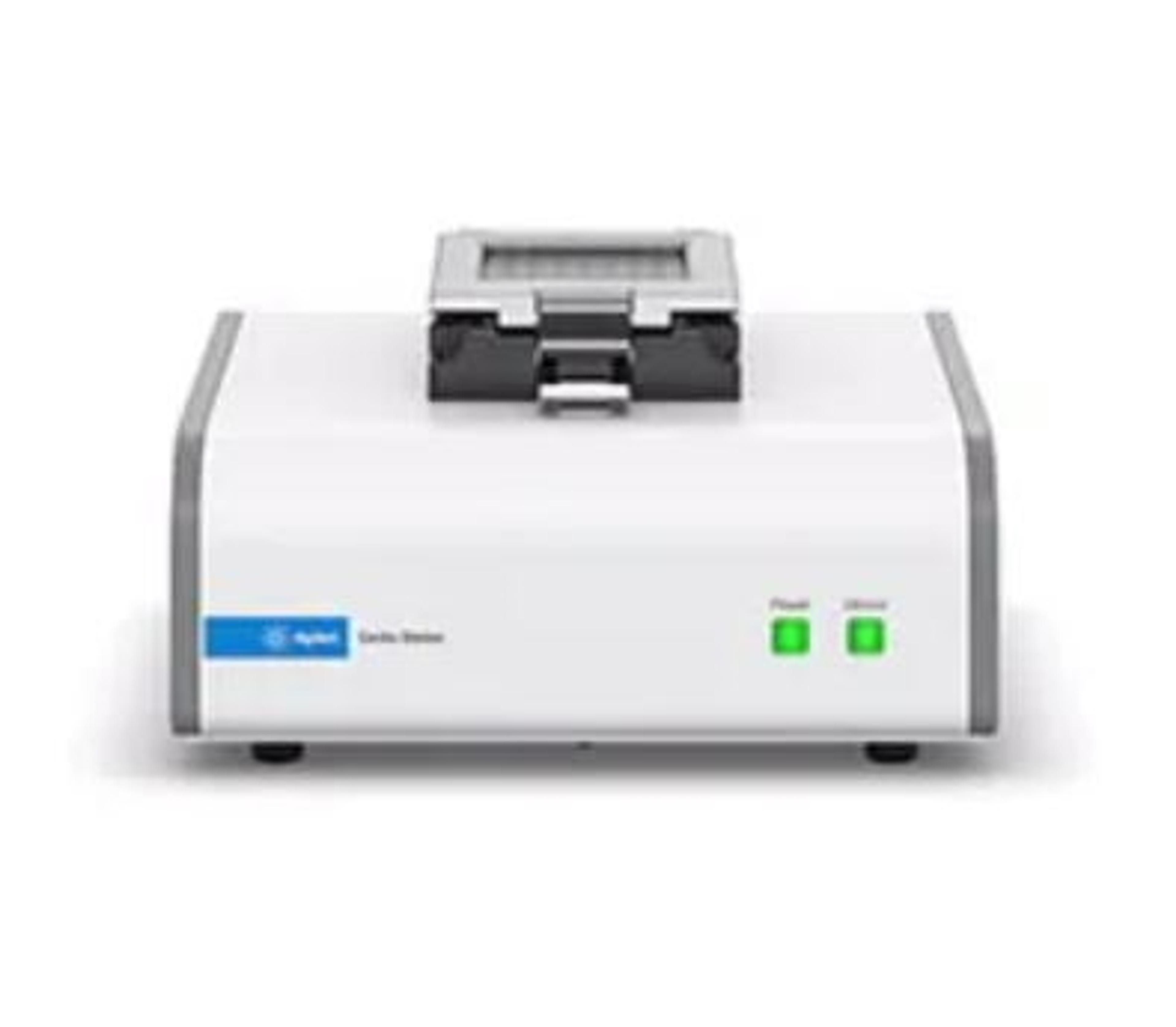
xCELLigence RTCA Cardio
Agilent TechnologiesThe xCELLigence RTCA Cardio instrument monitors cardiomyocyte activity for cardiotoxicity assessment. The contraction-relaxation cycle of cardiomyocytes gives rise to a distinct, rhythmic fluctuation in impedance that is readily captured on the millisecond time scale. Changes in the intensity and periodicity in impedance are monitored in seconds or in days to assess cardiomyocyte contractility and viability in the presence of various drugs. The xCELLigence RTCA Cardio instrument, which analyzes cells in an electronic 96-well microtiter plate format (E-Plate Cardio 96), is placed in a standard CO2 cell culture incubator and interfaces via a cable with analysis and control units that are housed outside the incubator. User friendly software allows for real-time control and monitoring of the instrument. For Research Use Only. Not for use in diagnostic procedures.
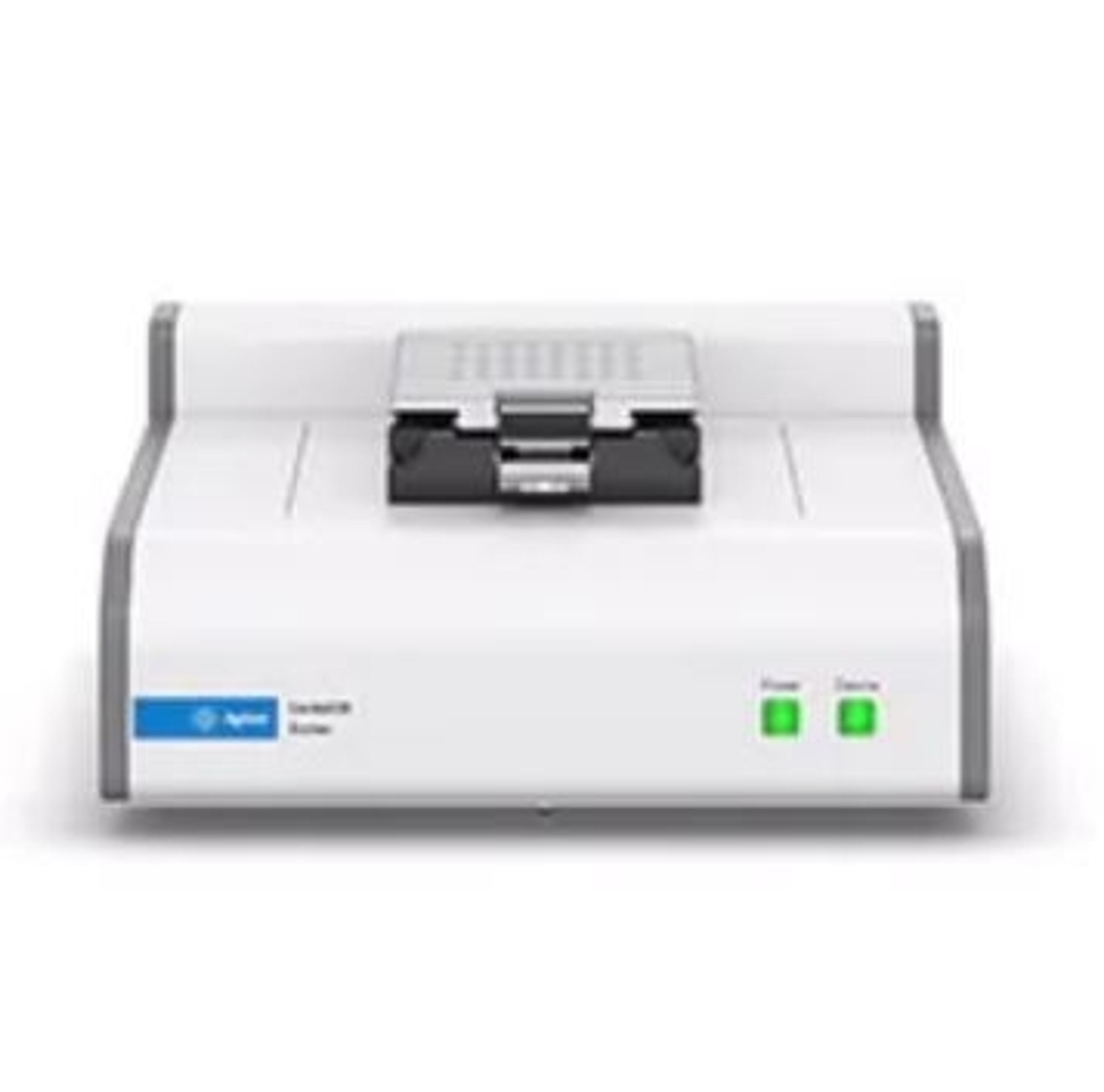
xCELLigence RTCA CardioECR
Agilent TechnologiesThe xCELLigence RTCA CardioECR instrument combines high-frequency measurement of cell-induced electrical impedance with multi-electrode array technology to simultaneously assess cardiomyocyte contractility, viability, and electrophysiology. The simultaneous recording of impedance and field potential by the xCELLigence RTCA CardioECR instrument provides a view of cardiomyocyte health at an unprecedented level of detail, enabling a deeper understanding of the mechanisms underlying drug-induced cardiac liability. The CardioECR can also be used to functionally mature hiPSC cardiomyocytes with its electronic pacing function. Paced hiPSC cardiomyocytes provide a significantly improved cell model used in various applications including safety/tox assessment, drug discovery, and cardiac disease research. For Research Use Only. Not for use in diagnostic procedures.
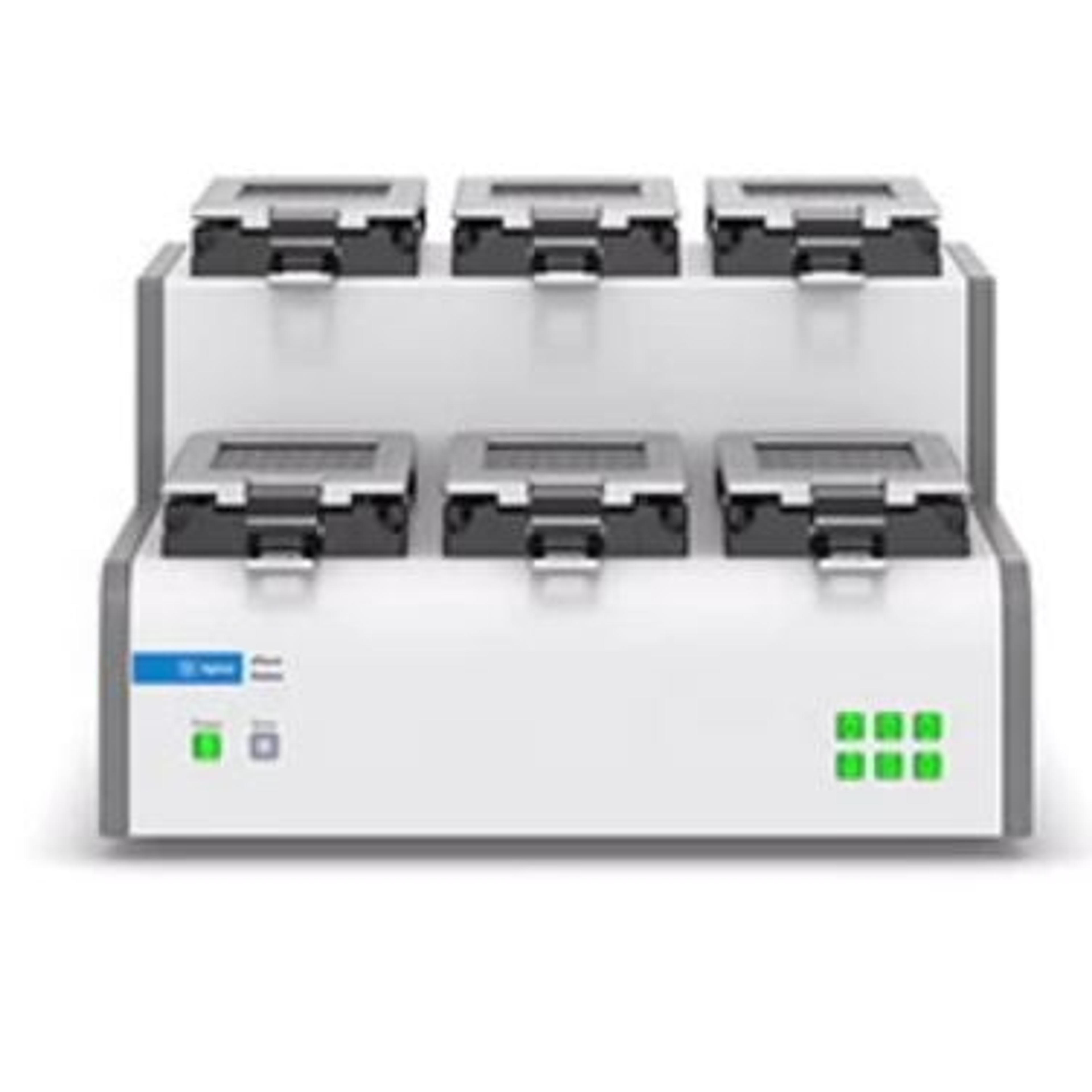
xCELLigence RTCA EPACER
Agilent TechnologiesThe xCELLigence RTCA ePacer provides an easy and effective way to produce functionally mature hiPSC cardiomyocytes. The ePacer improves the maturation status of the cardiomyocytes in 2-3 weeks using precise and electrical pacing conditions over different time durations. The simple pacing protocol, using precise and consistent electrical pacing conditions, improves the functionality of hiPSC cardiomyocytes and their response to inotropic compounds. For Research Use Only. Not for use in diagnostic procedures.