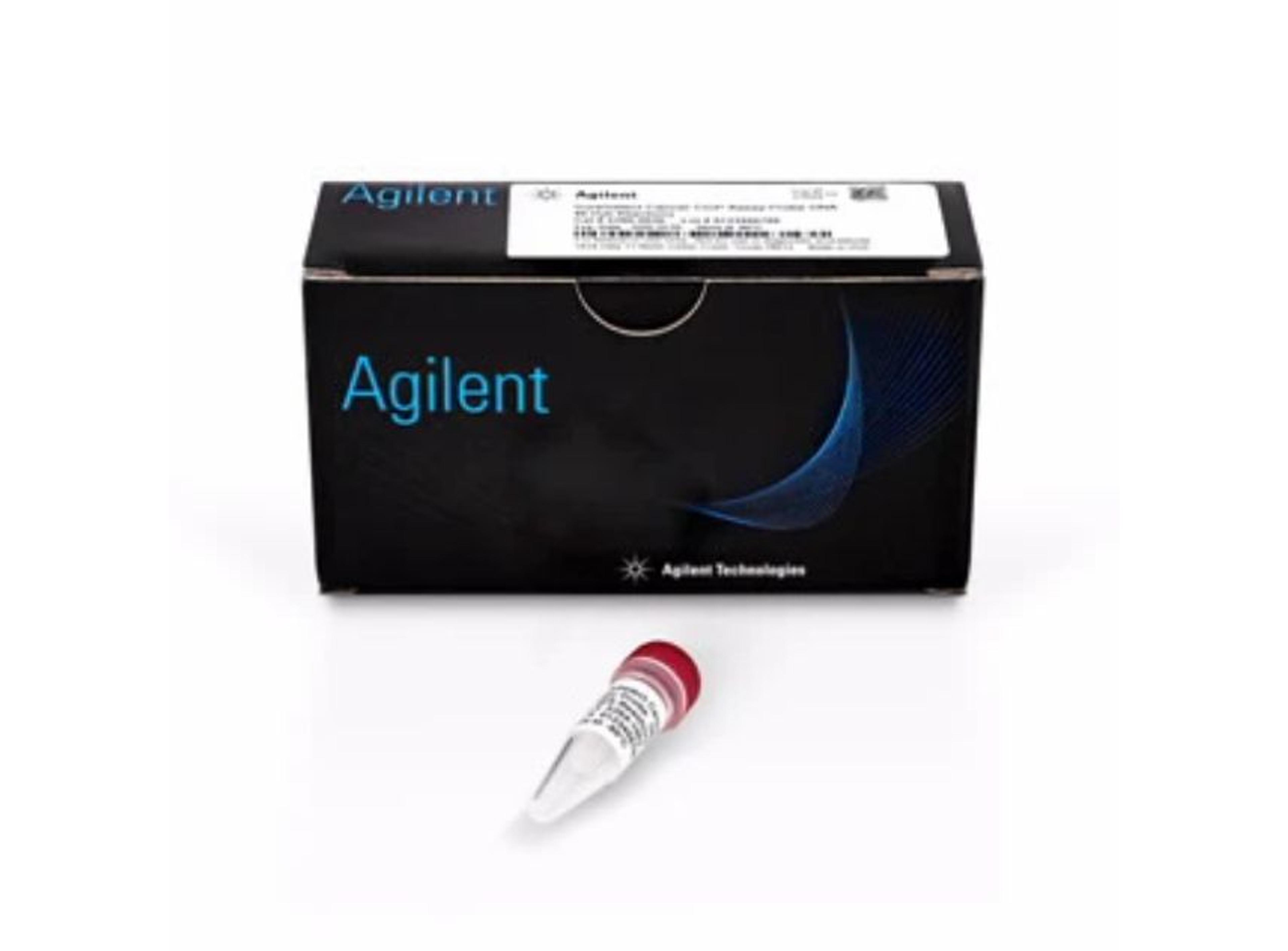
xCELLigence RTCA Cardio
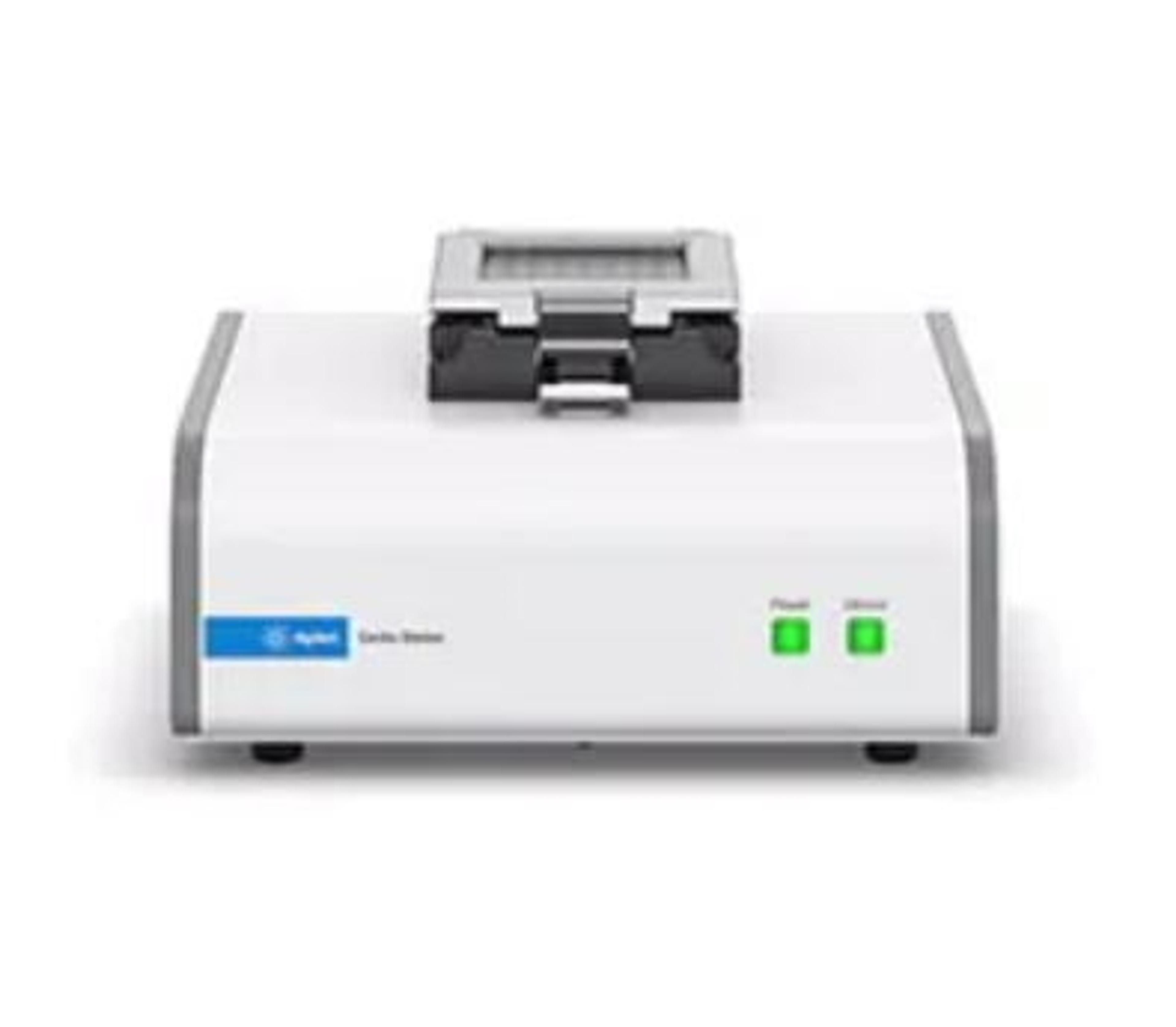
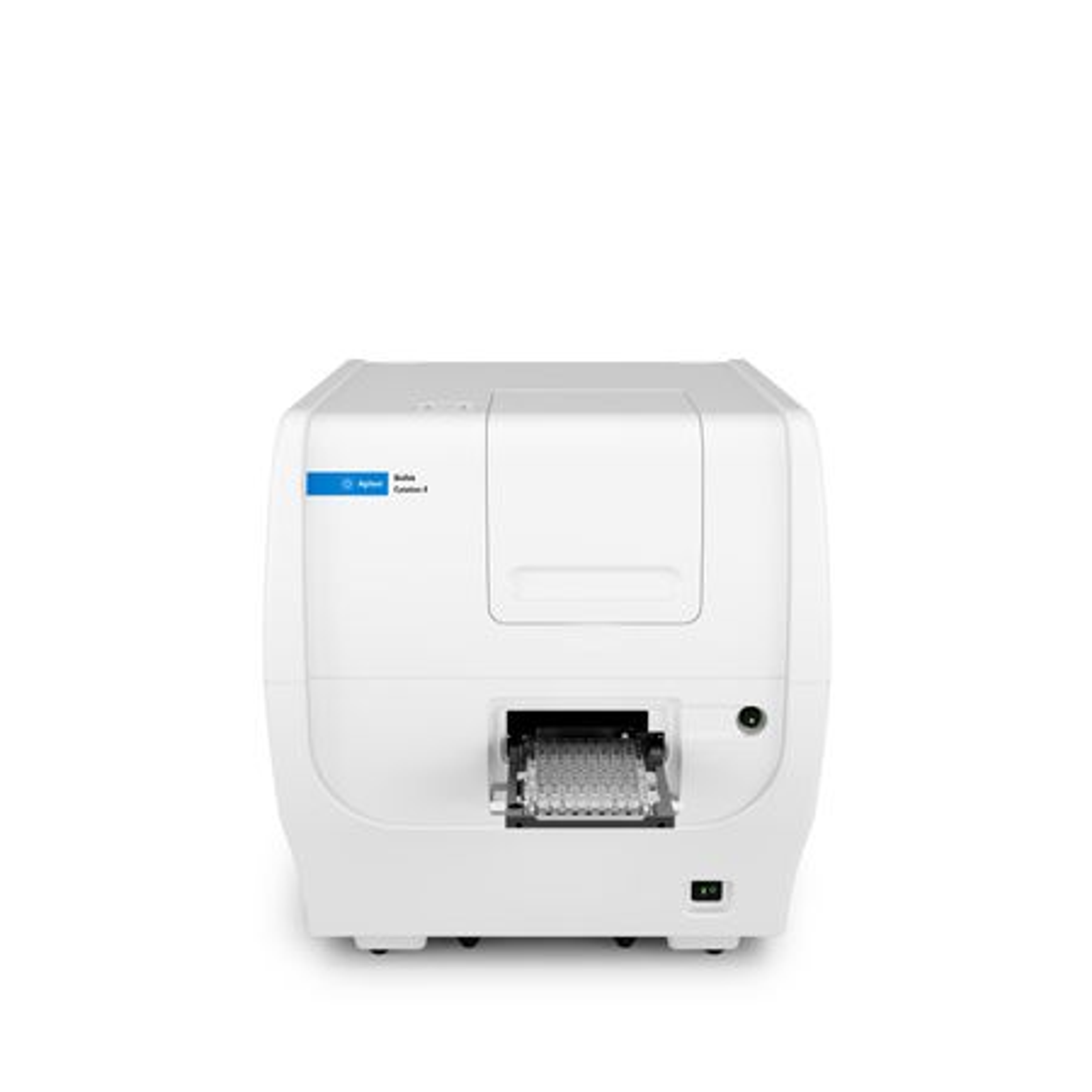
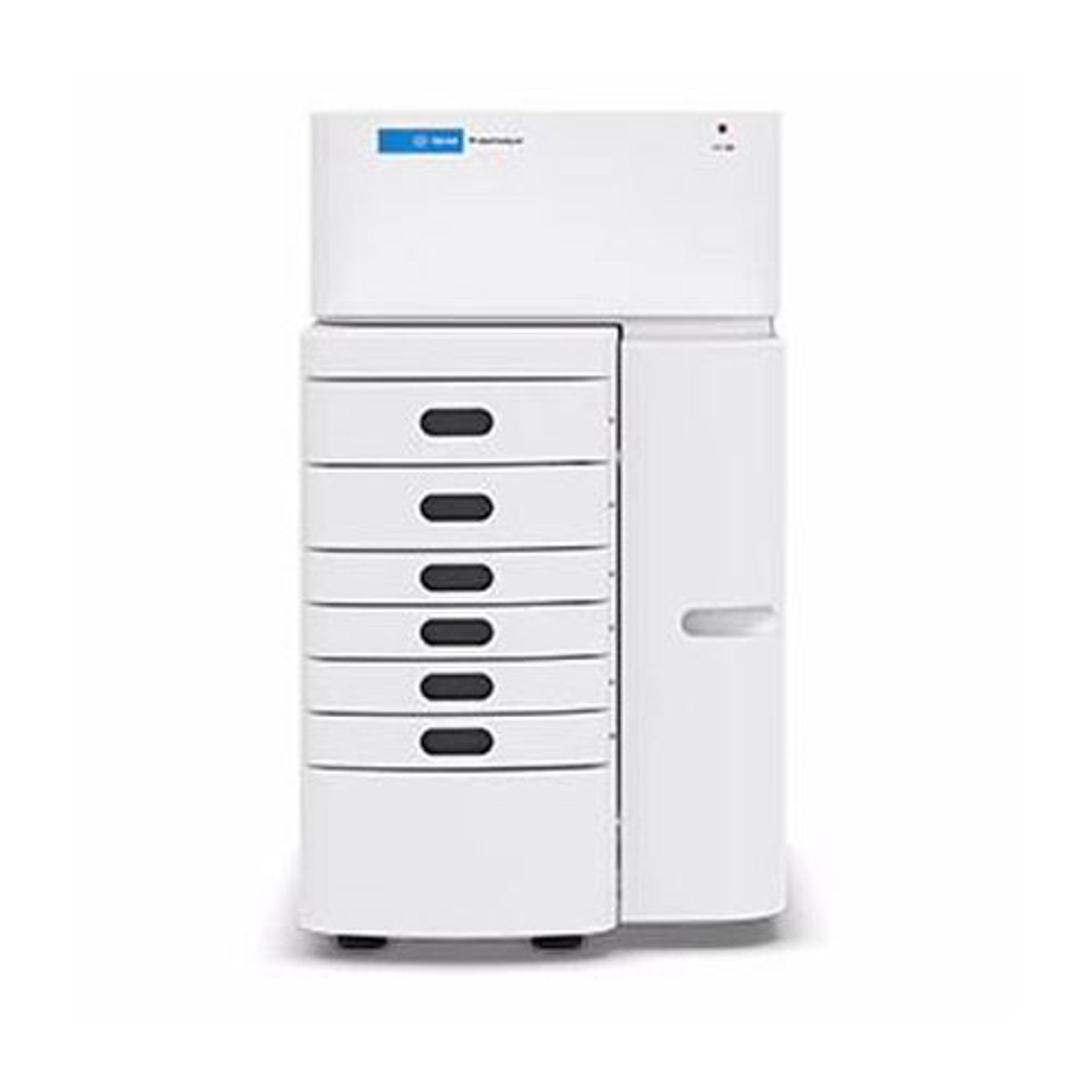
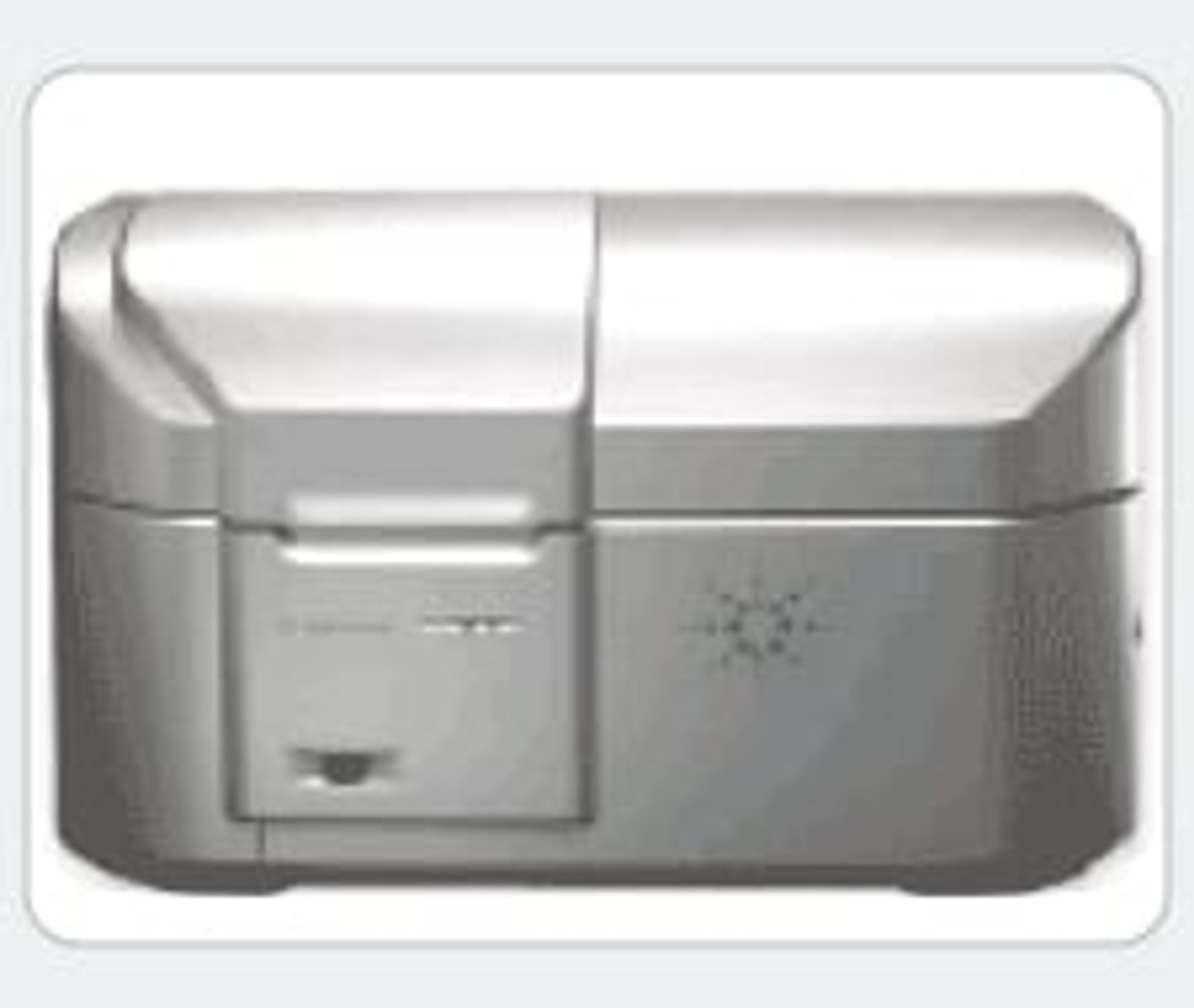
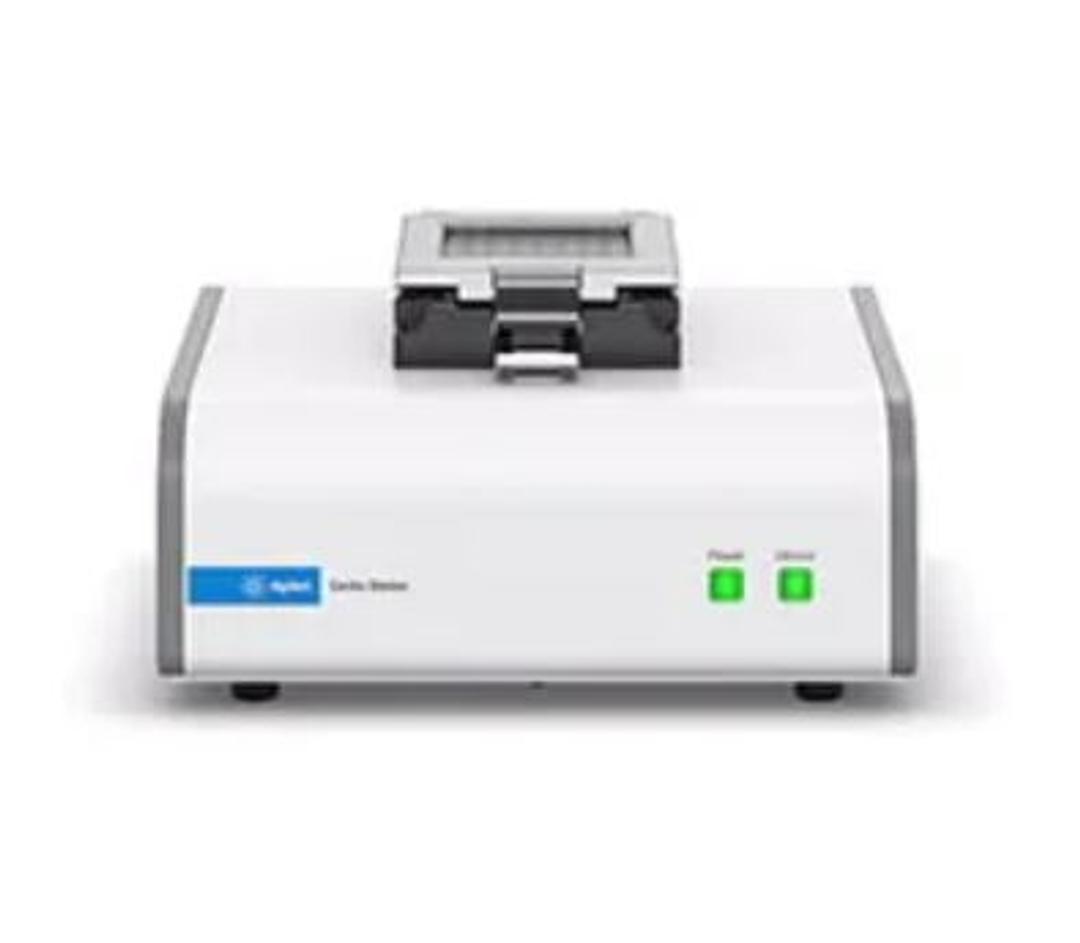
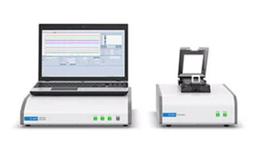
The xCELLigence RTCA Cardio instrument monitors cardiomyocyte activity for cardiotoxicity assessment. The contraction-relaxation cycle of cardiomyocytes gives rise to a distinct, rhythmic fluctuation in impedance that is readily captured on the millisecond time scale. Changes in the intensity and periodicity in impedance are monitored in seconds or in days to assess cardiomyocyte contractility and viability in the presence of…

Receive your quote directly from the manufacturer.
This instrument is very useful
Analyzed cardiomyocytes beating rhythm
I used this instrument to analyze human iPS cell derived cardiomyocytes beating rhythm. This instrument can give you reproducible results if you seed a certain number of cardiomyocytes every time, and the cardiomyocytes quality is stable. The advantage of this instrument is that it can collect real-time data for hours and days, especially if you need to perform drug treatment, it's easy to compare before and after drug treatment. Besides, the software is easy to use.
Review Date: 11 Jul 2016 | Agilent Technologies
Cardiac function and Assessment of drug effects on cardiac cells activities
Ease of Use because it is Label-free, real-time assessment platform, short and long term observations, precise system with ~1 ms resolution. Ease export and data analysis After Sales Care: Easy to manage Value for Money: Expensive for developing country researchers
Review Date: 2 Jul 2015 | Agilent Technologies
kinase inhibitor cardiotoxicity
The xCELLigence has provided extremely robust data with experiments I have conducted looking at effects of compounds as well as effect of gene knockdown on CM beating. Technical support staff have always been extremely quick to answer and helpful with any questions I have had.
Review Date: 30 Jun 2015 | Agilent Technologies
The xCELLigence RTCA Cardio instrument monitors cardiomyocyte activity for cardiotoxicity assessment. The contraction-relaxation cycle of cardiomyocytes gives rise to a distinct, rhythmic fluctuation in impedance that is readily captured on the millisecond time scale. Changes in the intensity and periodicity in impedance are monitored in seconds or in days to assess cardiomyocyte contractility and viability in the presence of various drugs.
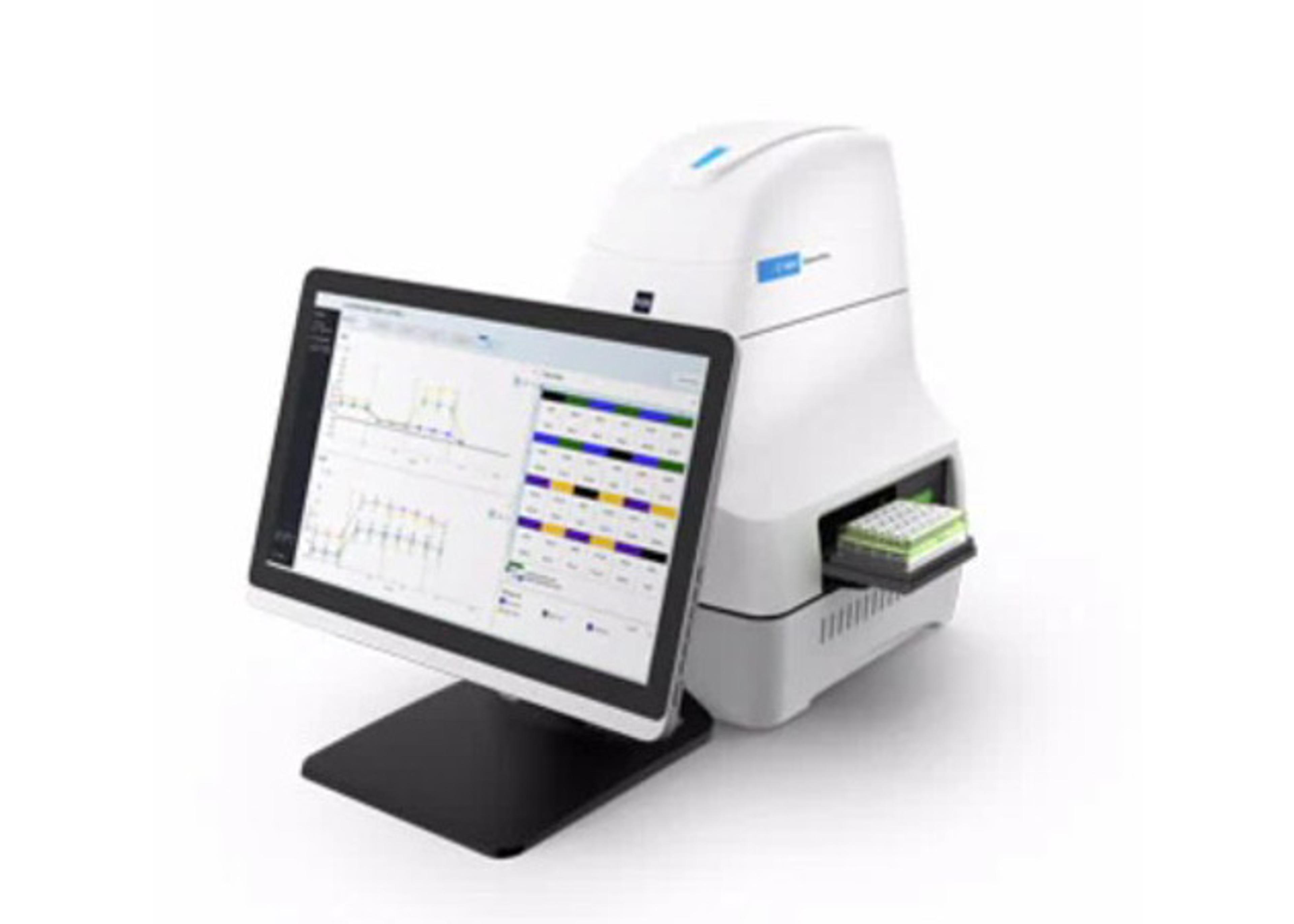
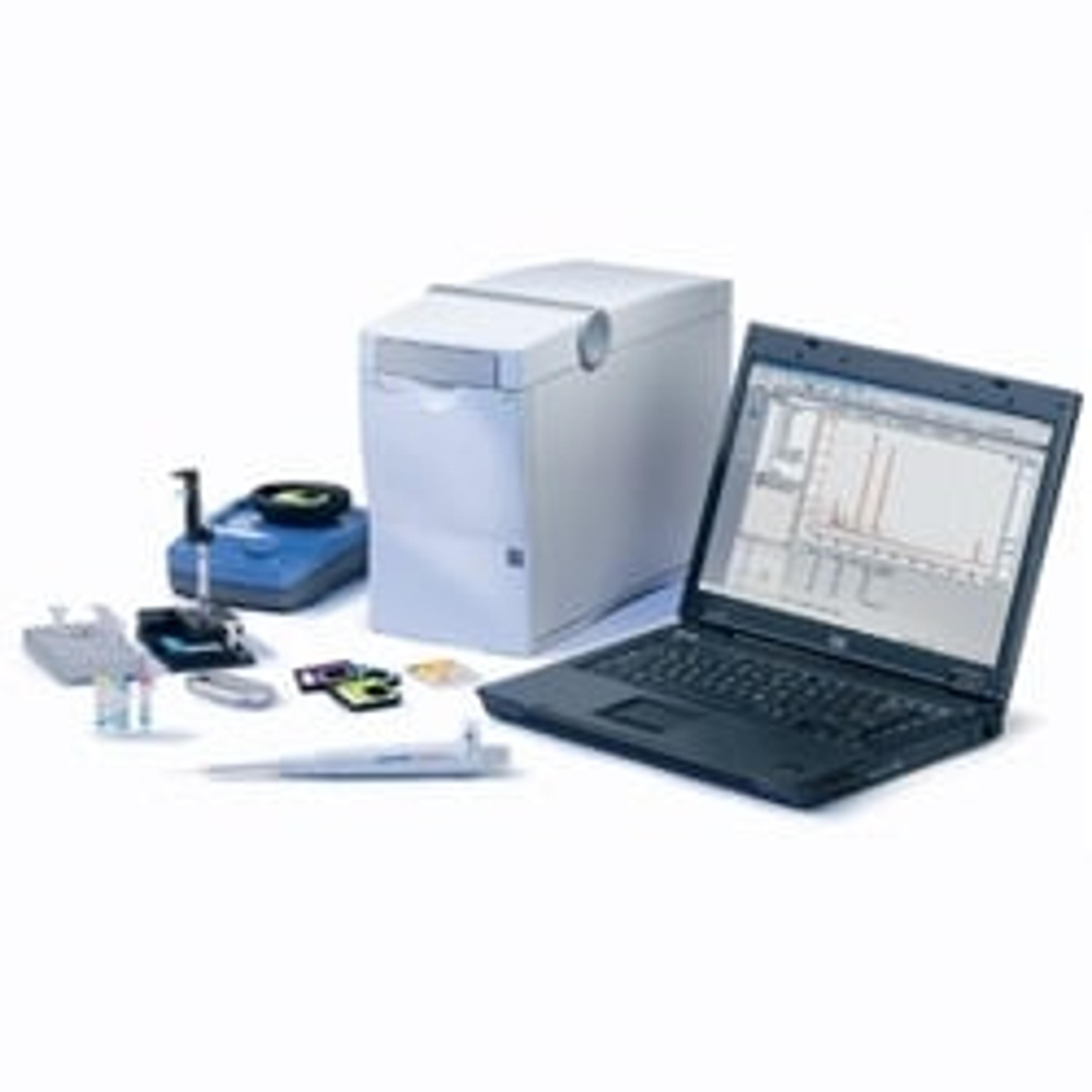
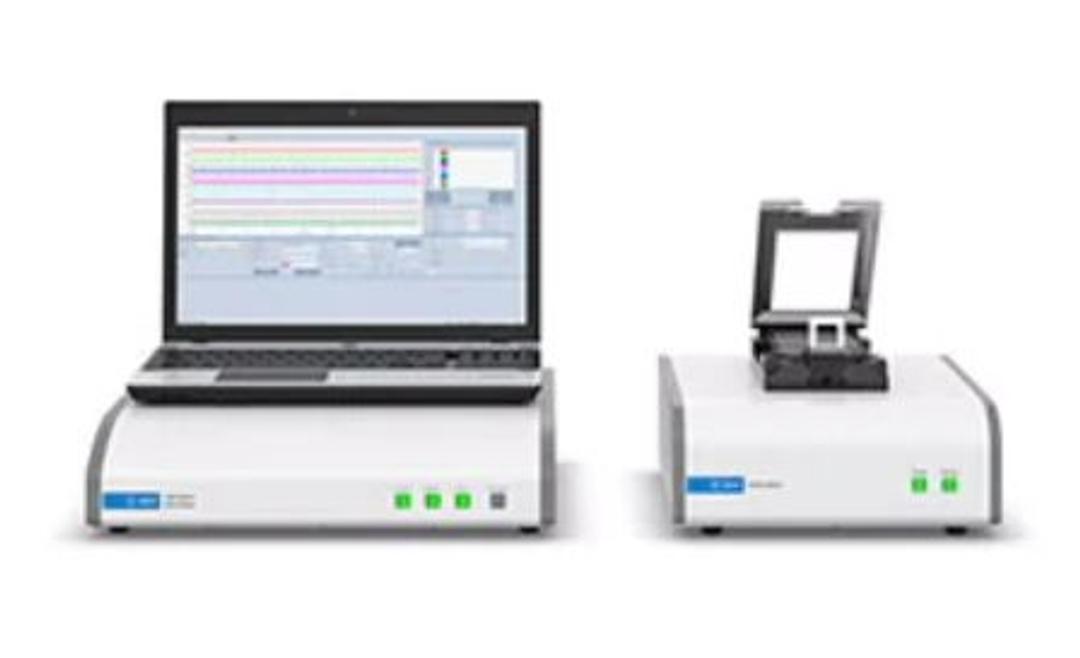
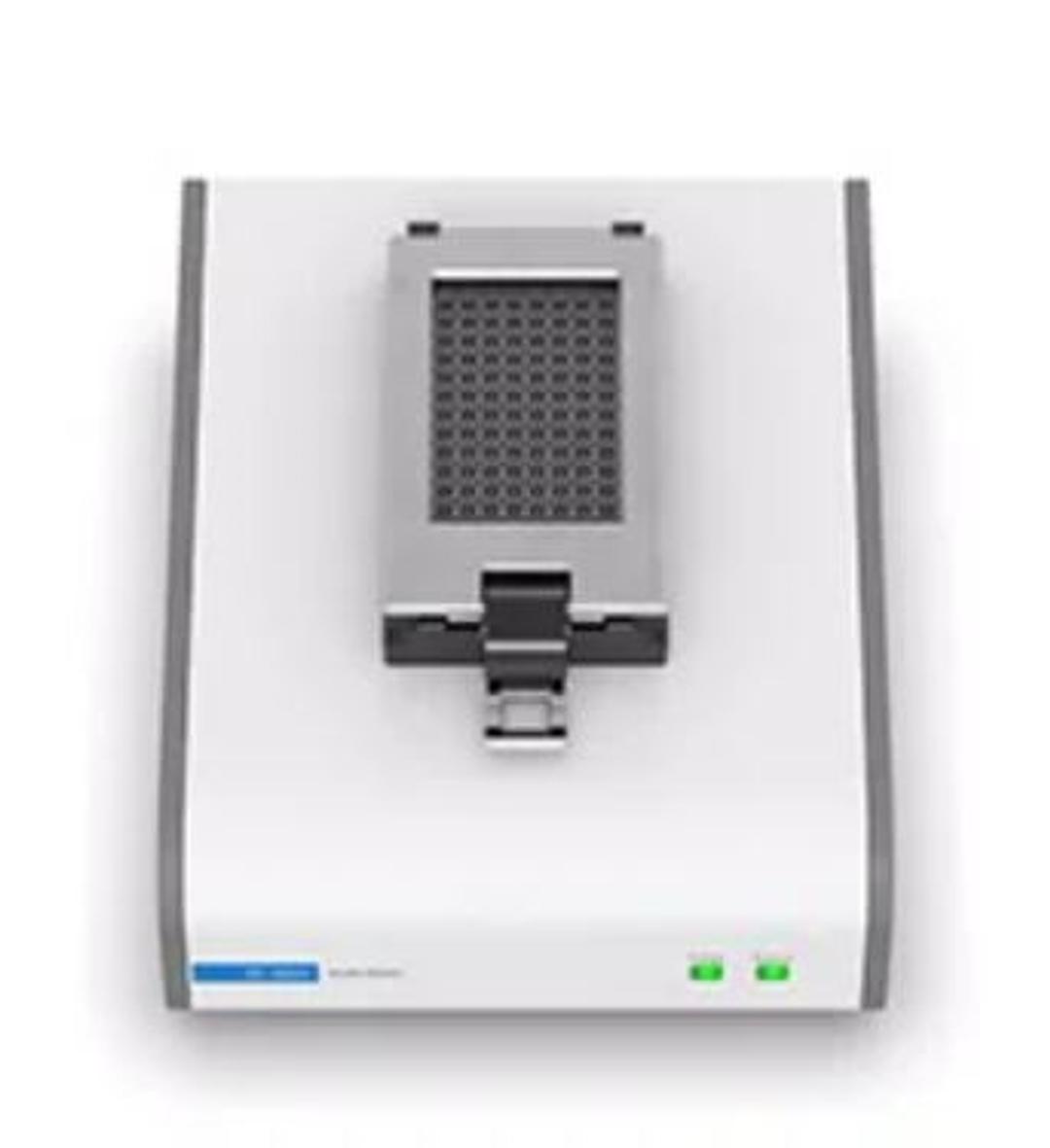
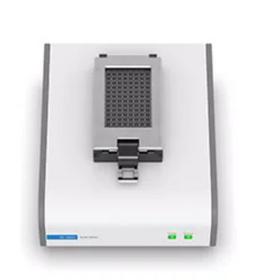
The xCELLigence RTCA Cardio instrument, which analyzes cells in an electronic 96-well microtiter plate format (E-Plate Cardio 96), is placed in a standard CO2 cell culture incubator and interfaces via a cable with analysis and control units that are housed outside the incubator. User friendly software allows for real-time control and monitoring of the instrument.
For Research Use Only. Not for use in diagnostic procedures.

Virology & vaccine handbook
Current methods to measure virus and neutralizing antibody titers include plaque assays, plaque reduction neutralization tests (PRNT), or immuno-focus assays. These methods are labor intensive and have inconsistent results due to the variable rate of plaque formation and optimal time points to count plaques for each infection.
In this handbook, Agilent describes how you can use the xCELLigence Real Time Cell Analysis instruments to track viral cytopathic effects continuously without the use of agar, dye, or fixative over minutes to days. These automated assays greatly reduce workload and provide quantitative kinetics for the entire virus life cycle.
New developments in live-cell analysis: The Agilent xCELLigence RTCA eSight System
As cell analysis in basic research, translational medicine, and cell therapies becomes ever more sophisticated, it is imperative that solutions provide multiparametric and data-rich information. In this application note, Agilent Technologies introduces its xCELLigence RTCA eSight for real-time cell analysis, featuring non-invasive impedance-based monitoring together with live-cell imaging, all inside your incubator. One experiment provides two simultaneous methods with 5 different readouts. Cellular impedance first provides sensitive and rapid information about cell viability, growth, morphology, and barrier function. Brightfield and three fluorescent channels monitor and quantify viability, toxicity, and apoptosis- validating cellular impedance readouts and further boosting confidence in your results. This combination of information enables for much wider sampling and the assessment of cellular processes and biology – all within a single experiment.
xCELLigence real-time cell analysis
Explore functional potency assays for cancer immunotherapy research. This handbook includes topics such as antibody-dependent cell-mediated cytoxicity (ADCC), BiTEs, bispecific antibodies, checkpoint inhibitors, CAR-T cells and more.
Disease-in-a-dish approach to treating pediatric hypertrophic cardiomyopathy
Pathogenic variants in MYH7 and MYBPC3 account for the majority of hypertrophic cardiomyopathy (HCM). However, targeted drugs like myosin ATPase inhibitors have not been evaluated in children.
Caroline Kinnear from Dr. Seema Mital’s group at the Hospital for Sick Children, Toronto, will describe how the team generated patient and variant-corrected iPSC-cardiomyocytes (CMs) from pediatric HCM patients harboring single variants in MYH7 (V606M; R453C) and MYBPC3 (G148R) or digenic variants (MYBPC3 P955fs, TNNI3 A157V). Compared with isogenic and healthy controls, variant-positive CMs showed hypertrophy, sarcomere disorganization, higher contractility, calcium transients, and ATPase activity.
Kinnear will also highlight how targeted myosin ATPase inhibitors showed complete rescue of the phenotype in variant-positive CMs and in cardiac biowires to mirror isogenic controls. The response was superior to verapamil or metoprolol. The findings indicate myosin inhibitors can be effective in genotypically diverse HCM highlighting the need for myosin inhibitor drug trials in pediatric HCM.
Key learning objectives
- Learn how a “disease-in-a-dish” approach can potentially improve the treatment of disease
- Gain insights into genotype-phenotype association using patient-derived iPSCs
- Explore how analytical tools, such as the xCELLigence RTCA CardioECR instrument, are used to elucidate the mechanisms of diseases and evaluate the effects of pharmacological and genetic interventions
- Understand the translational importance of targeted myosin inhibitor therapies for future clinical trials
Who should attend?
- Researchers and scientists in industry and academia, basic and translational cardio disease researchers, and cardio drug discovery enthusiasts.
Certificate of attendance
All webinar participants can request a certificate of attendance, including a learning outcomes summary, for continuing education purposes.