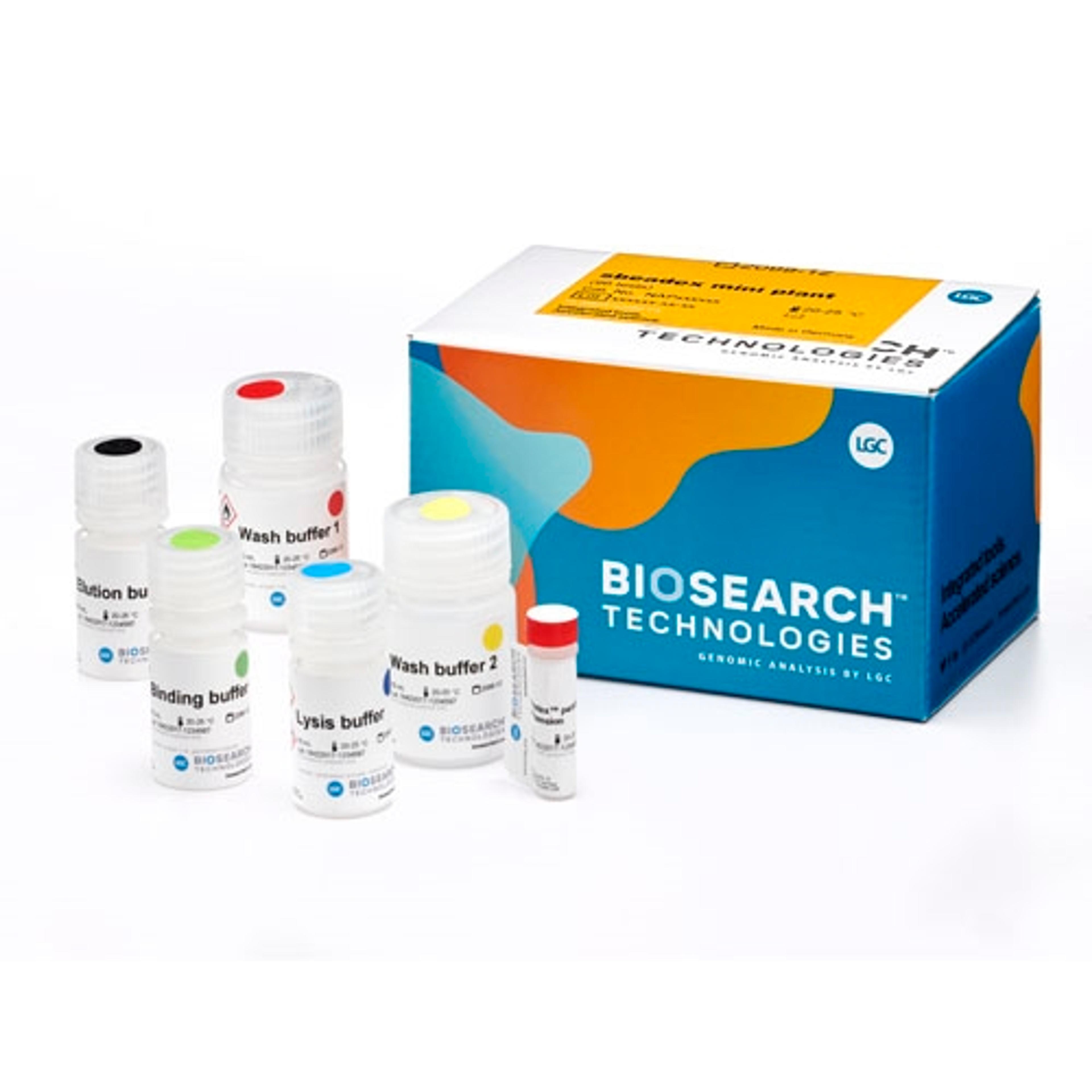
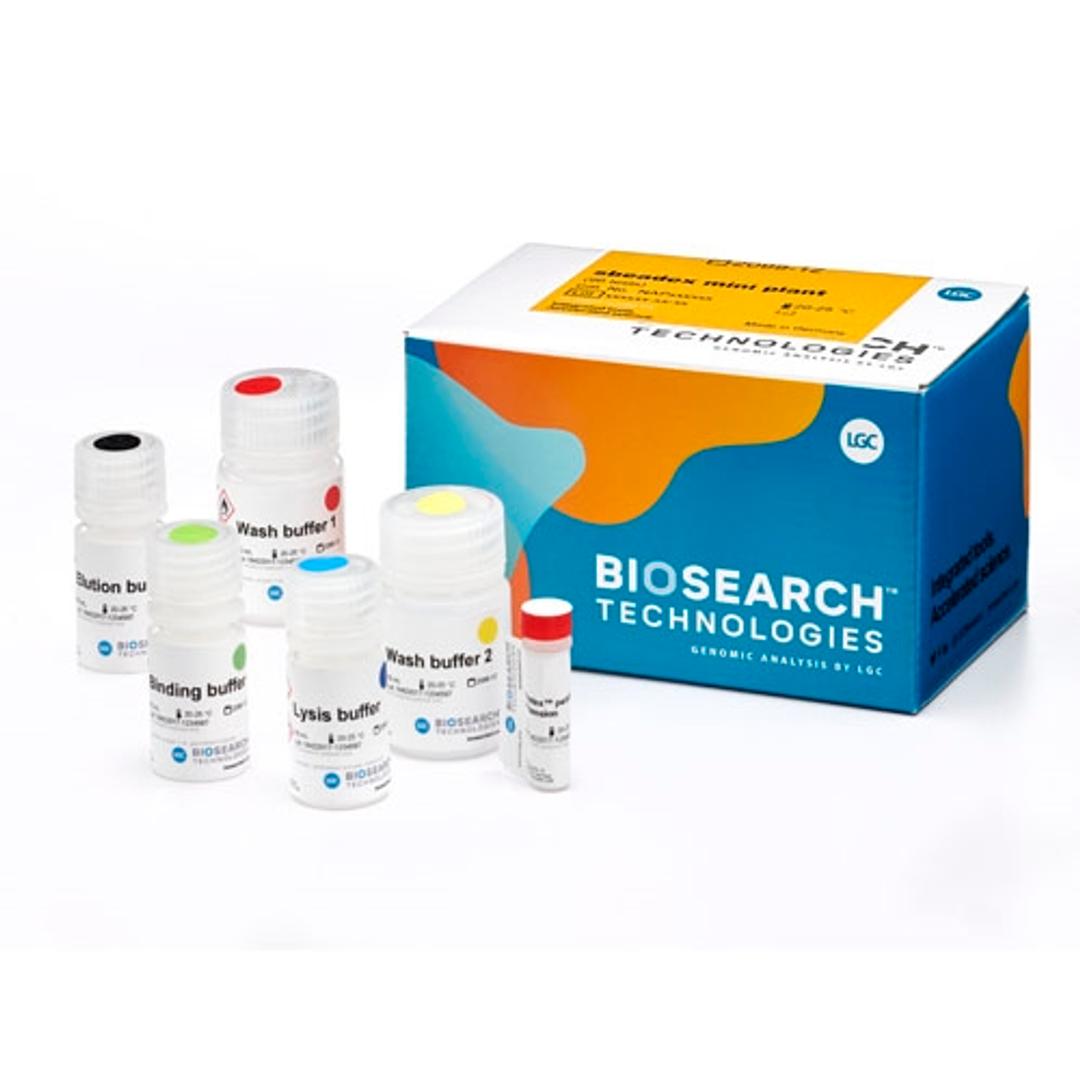
sbeadex Nucleic Acid Extraction Kits
Our proprietary sbeadex magnetic microparticles are designed to deliver high yields of high quality DNA, and have long enabled high throughput automated processing. sbeadex™ magnetic microparticles offer two key features which enable the extraction and purification of high quality DNA preparations: A novel two step binding mechanism via a patented adapter enables binding of nucleic acids more specifically. Final washe…

Receive your quote directly from the manufacturer.
Our proprietary sbeadex magnetic microparticles are designed to deliver high yields of high quality DNA, and have long enabled high throughput automated processing.
sbeadex™ magnetic microparticles offer two key features which enable the extraction and purification of high quality DNA preparations: A novel two step binding mechanism via a patented adapter enables binding of nucleic acids more specifically. Final washes with pure water to deliver nucleic acids in high yield, purity and quality.
Features:
- Development of customised protocols to your requirements
- Tailor-made extractions like modified lysis or eluation steps according to user requirements
- Extraction speed optimisation - quicker results
- Highly flexible batch sizes
Technical advantages:
- Final washes with pure water to deliver nucleic acids in high yield, purity and quality
- No potential PCR inhibitors in wash buffers - e.g. organic solvents, salts, polyethyleneglycol
- Applicable for most popular robotic platforms (f.e. Hamilton, TECAN or KingFisher)
Available sbeadex kits:
- sbeadex plant kit
- sbeadex blood kit
- sbeadex plasmid kit
- sbeadex forensic kit
- sbeadex tissue kit
- sbeadex livestock kit
- sbeadex pathogen kit
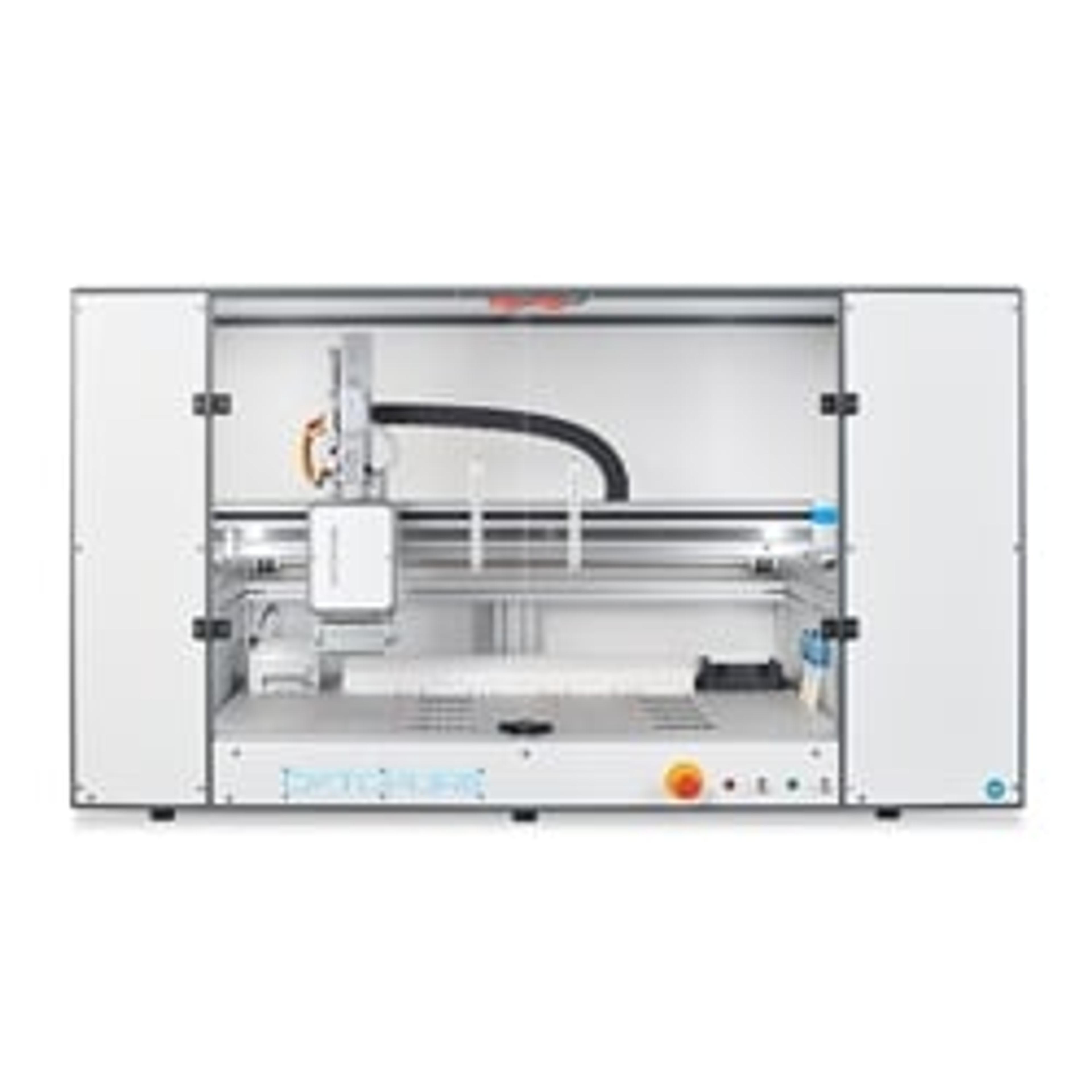
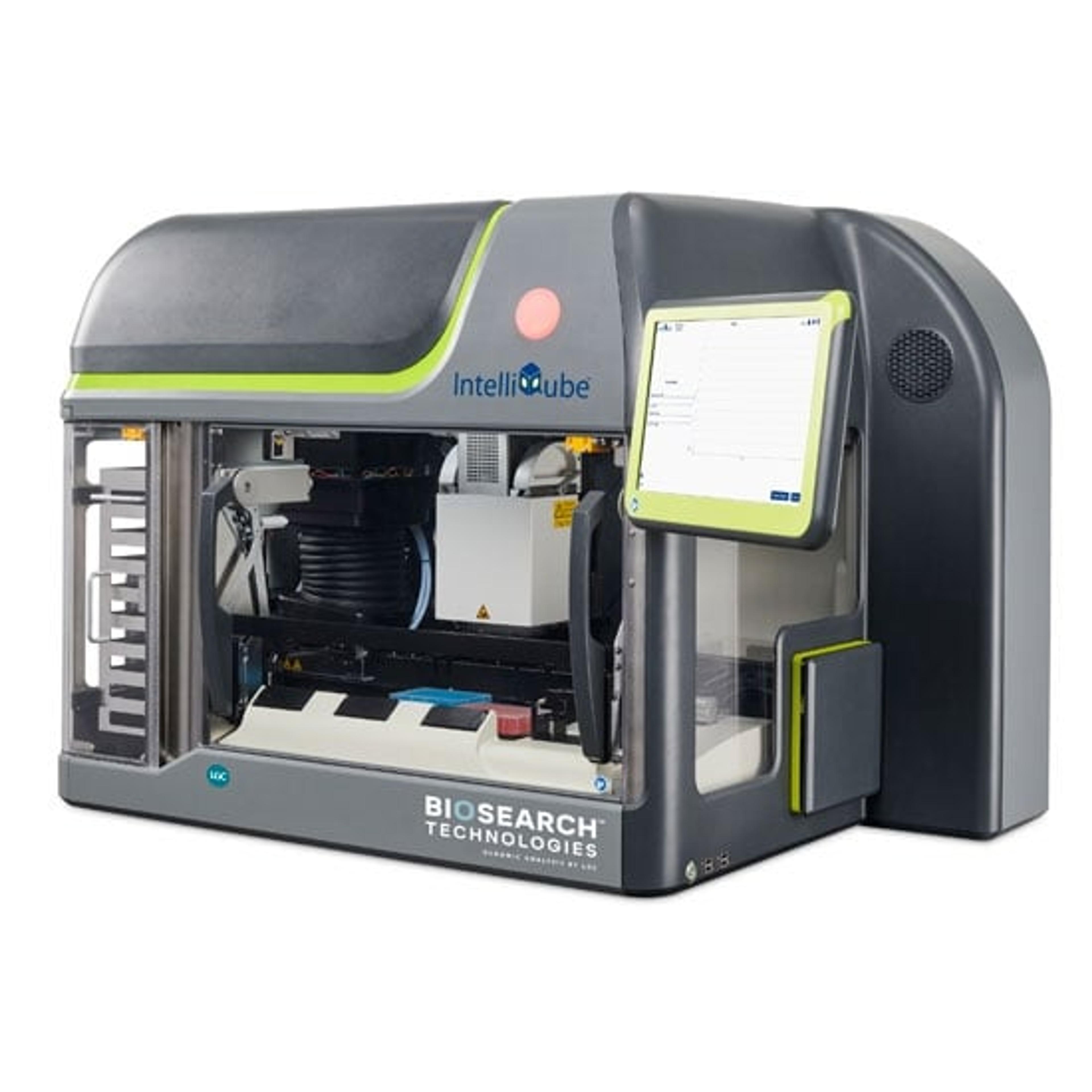
The sbeadex technologies are suitable for high throughput automation and we have substantial experience developing sbeadex kits and protocols for use with a wide range of automation systems.

Nucleic acid extraction and purification for molecular diagnostics
Molecular testing protocols require reliable and high-quality isolation of genetic material from diverse sample types. In this infographic, LGC Biosearch Technologies explores how its portfolio of products and services can support your molecular testing workflows and shares how to select the best kits for your sample type and downstream requirements.
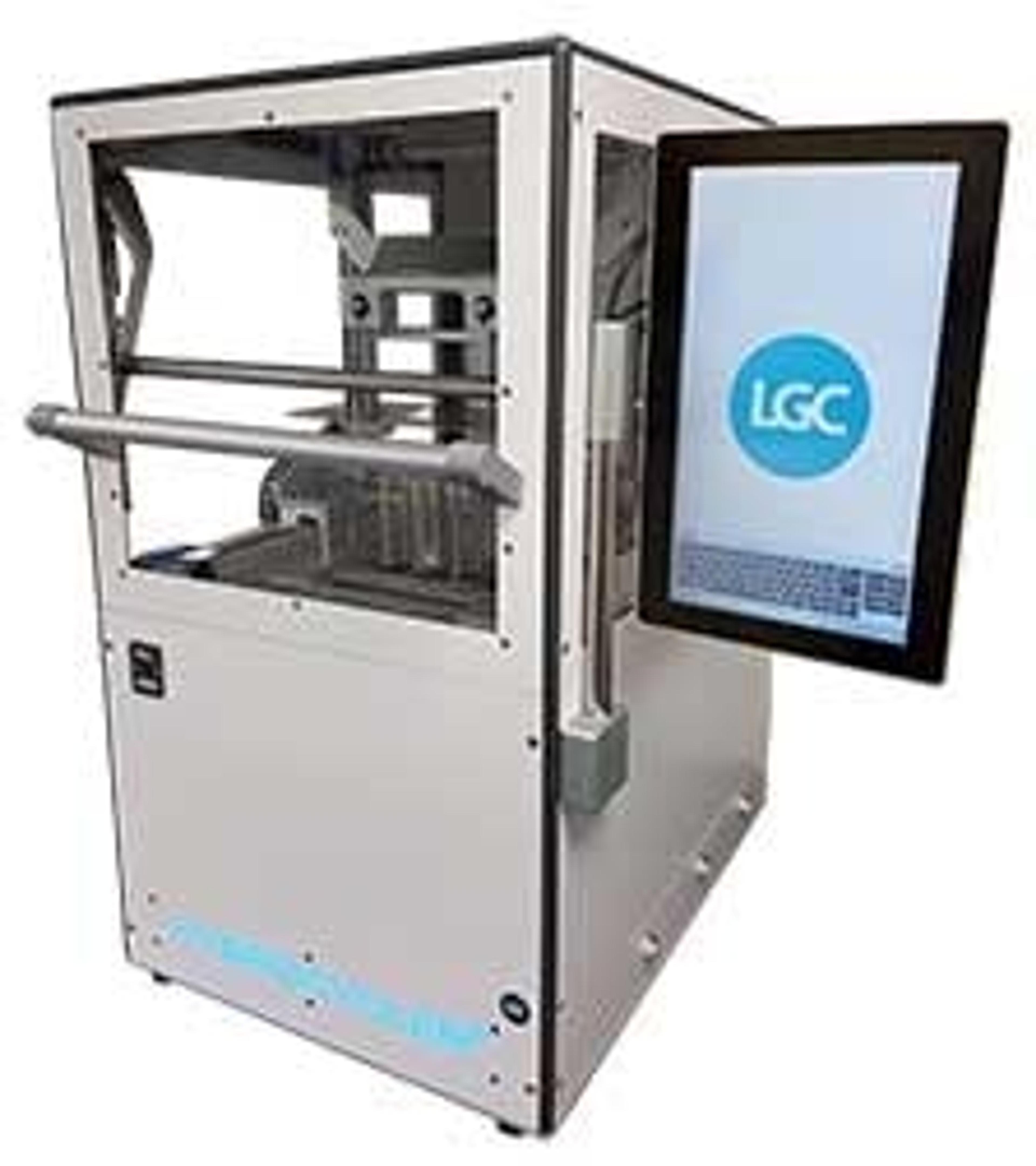
Automated extraction of high-quality DNA from tissue samples using sbeadex and oKtopure
In this application note, discover how the sbeadexTM tissue kit has been developed to extract high-quality genomic DNA from a wide variety of human and animal tissue materials. Learn how the sbeadex magnetic bead-based extraction technology is adapted for use with the oKtopureTM automated, high-throughput extraction system.
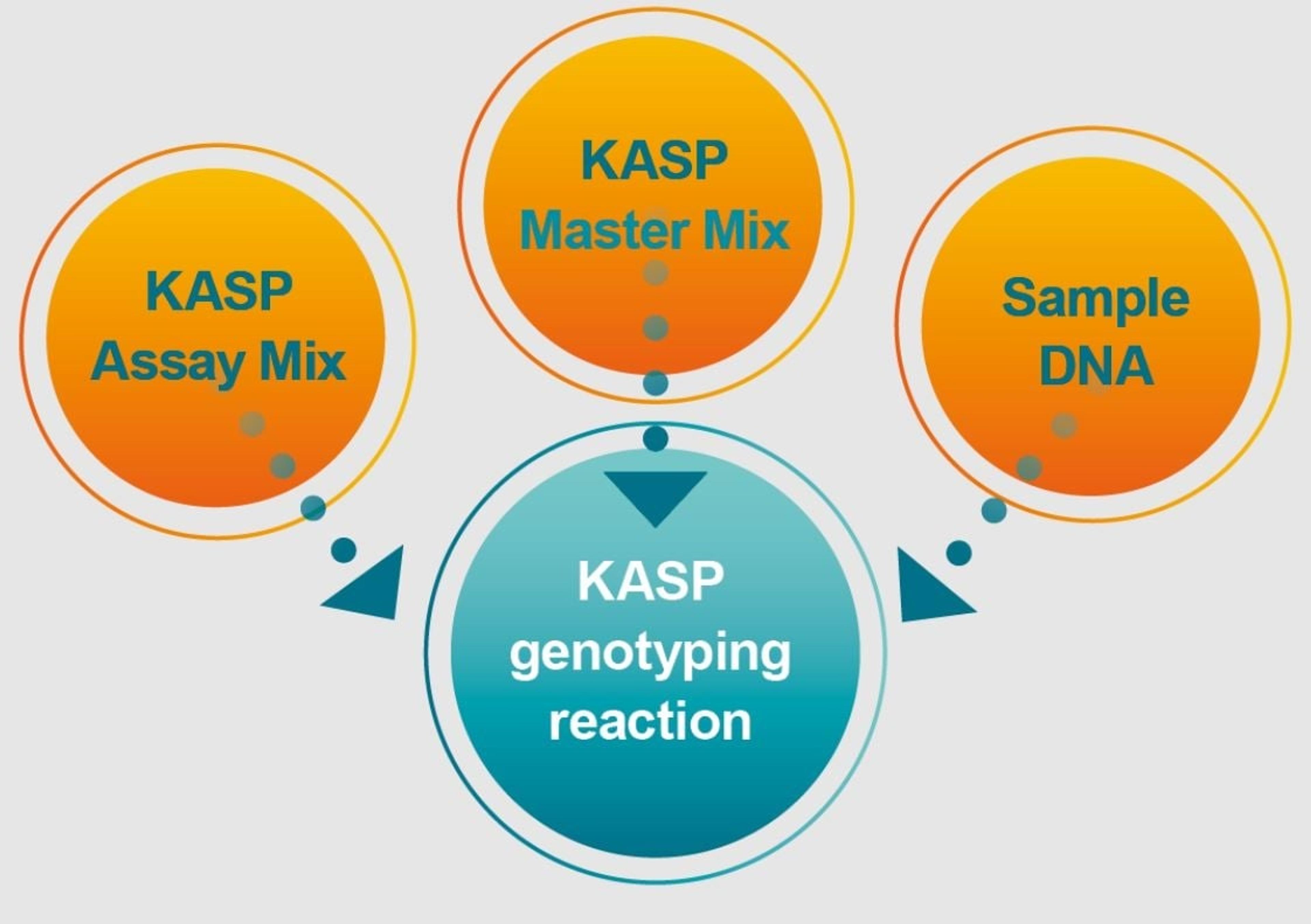
Key Trait Screening on Global Wheat Accessions using KASP Genotyping Markers
This application note offers an example of how KASP genotyping assays for QTL can be used to survey potential breed-lines for crop development using these publicly available markers. Greater availability of high-throughput genotyping methods has lead to an explosion of single nucleotide polymorphism (SNP) sequence data from plant genomes. This has enabled the discovery of large numbers of potential SNP markers for varietal improvement. The use of KASP genotyping as a cost-effective, efficient tool for introgression of important traits has now been widely published.
sbeadex® Tissue Kit and KingFisher 96 Instrument
The sbeadex® tissue kit has been developed for extraction of genomic DNA from tissue material (muscle, liver, pig ear punch, etc.). The magnetic particle based DNA extraction protocol can be easily automated using a KingFisher 96 (Thermo Fisher Scientific) magnetic particle manipulator. The method described here is a universal tissue protocol which can be used for a wide range of tissue types without adaptation.
sbeadex® Blood Kit and KingFisher 96 Instrument
The sbeadex® blood kit has been developed for high throughput extraction of genomic DNA from whole blood and buffy coats. The method described here is a blood protocol which can be used for blood samples containing standard anticoagulants (citrate, EDTA, heparin) without adaptation.
Automated Extraction of High-Quality DNA from Tissue Samples Using sbeadex and oKtopure
Discover an optimized method for the automated extraction of high-quality DNA from bovine tissue samples using the sbeadex™ tissue kit, incorporating a novel two-step binding mechanism, and the oKtopure™ high-throughput extraction platform.
DNA Extraction from Forensics Crime Stains using the sbeadex® Forensic Kit from LGC Genomics
This application note presents a study to evaluate the suitability of the sbeadex® forensic kit for use in extracting DNA from forensic crime stains. The first stage of the evaluation was to test the sensitivity of the sbeadex® forensic kit at recovering DNA from blood and saliva dilution series’ processed on a liquid handling robotic workstation. It is demonstrated that the sbeadex® forensic kit is suitable for use on forensic crime stain samples where there is only a low level of DNA deposited.
Validation of Custom sbeadex® Forensic Kit
In this application note the performance of the sbeadex® PACE kit is demonstrated. The protocol for recovering DNA from buccal swabs is shown to be in line with the PACE DNA team’s technical standards for loading DNA profiles to the UK National DNA Database is acceptable. The Tecan Freedom Evo extraction system within the PACE laboratory can be used to run the sbeadex® PACE protocol without any hardware modifications.
High Throughput Extraction of Plasmid DNA Using the sbeadex® Plasmid Kit and KingFisher 96 Instrument
This application note describes a method for the high throughput extraction of plasmid DNA from bacterial cultures using the sbeadex® plasmid kit from LGC Genomics. The given protocol can be used for a wide range of plasmids/bacterial strains without adaptation, or can be customized using the KingFisher Software.
Comparison of sbeadex®Technology in Forensic PCR Clean Up
New approaches in forensic DNA typing technology mostly deal with the analysis of degraded and low copy number DNA with improvements being achieved by modifying PCR processes e.g. increase in the number of PCR cycles, reduction in reaction volume or the use of mini-STRs. In this application note low level DNA samples (artificial and routine casework) were amplified and subjected to two different PCR purification methods and the results compared.

A whole HIVE in your hand: How a standalone device can change how we utilize single-cell sequencing
The HIVE system is changing how samples can be stored for single-cell sequencing, opening up its potential as a technique to many more research studies