Q-sep QuEChERS Extraction Salts
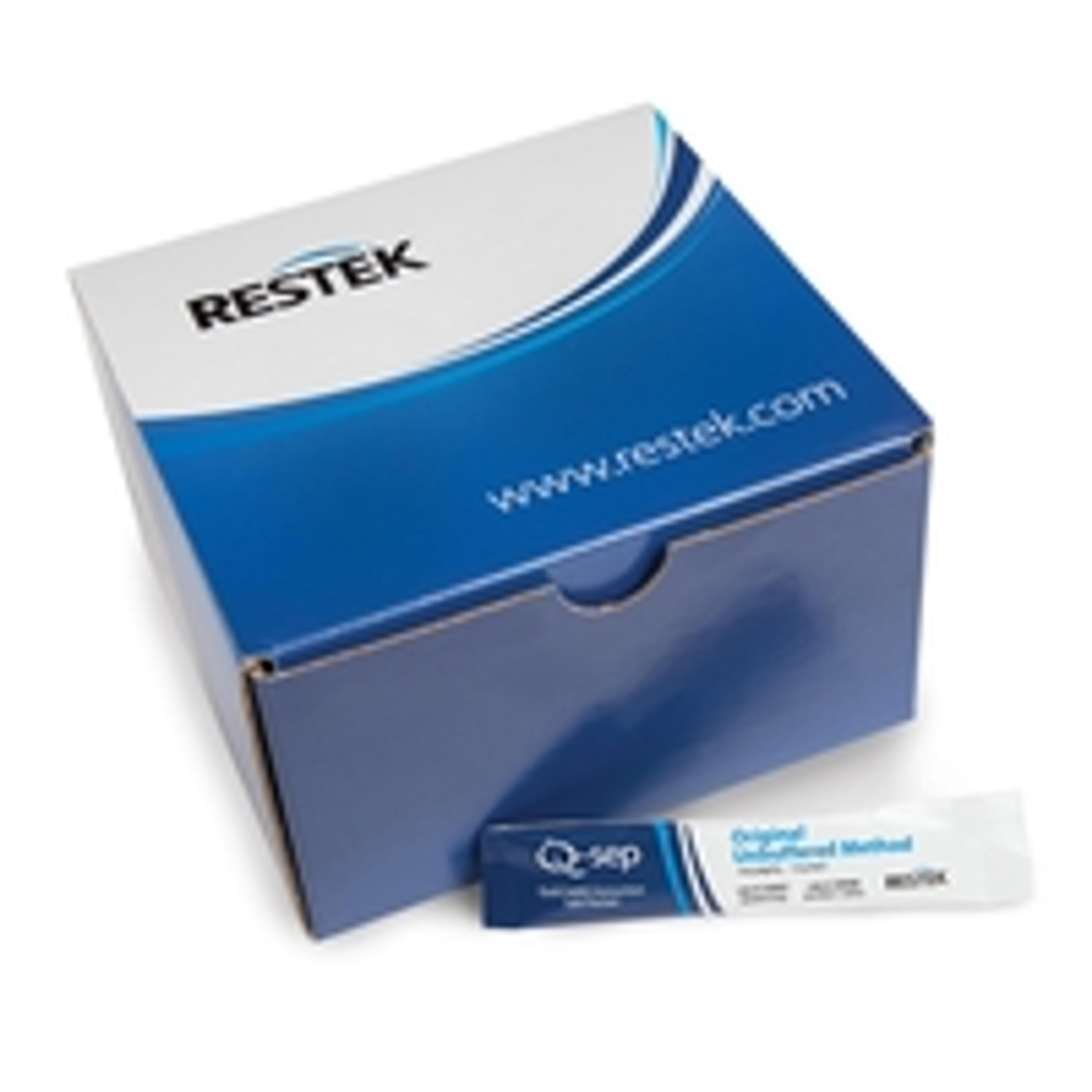
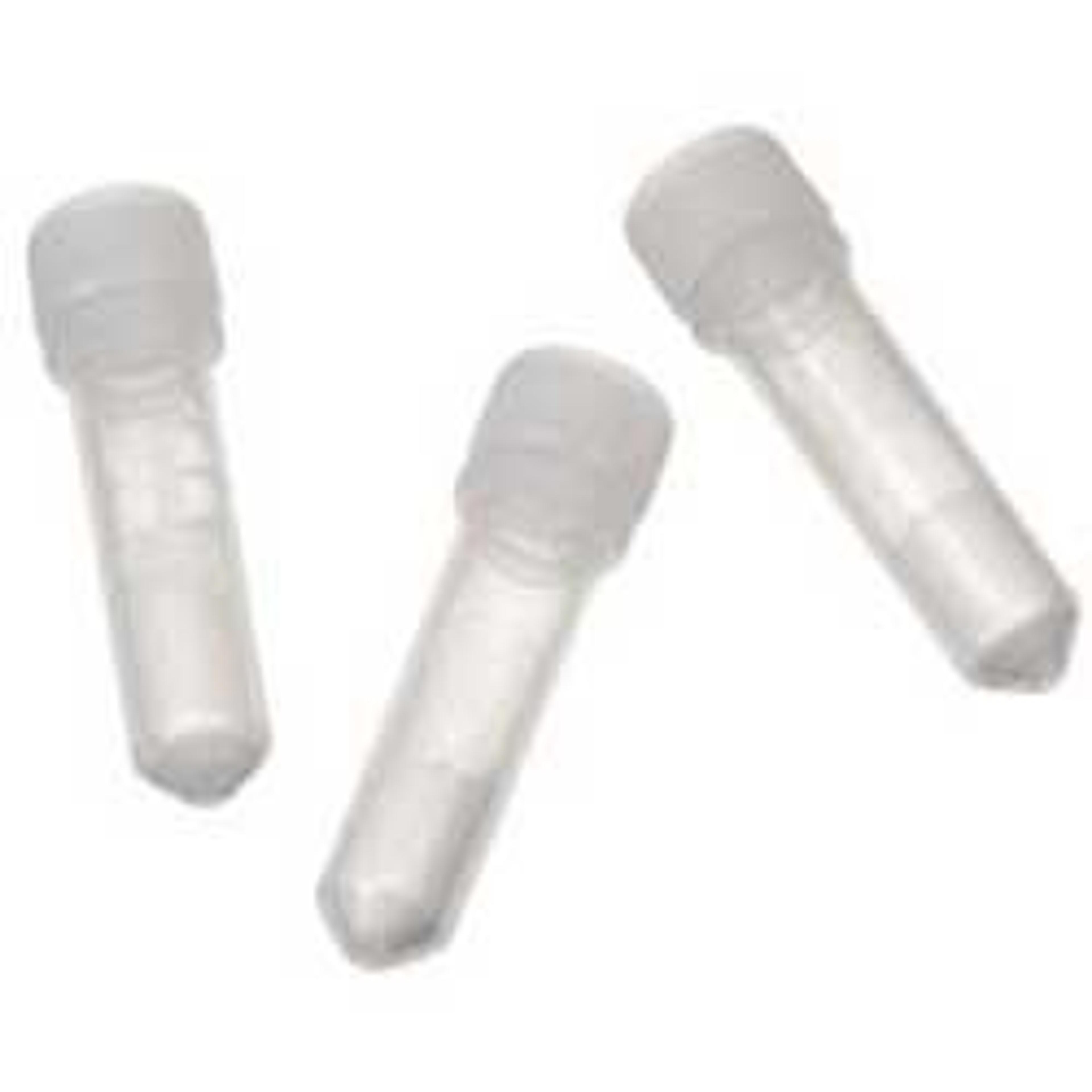
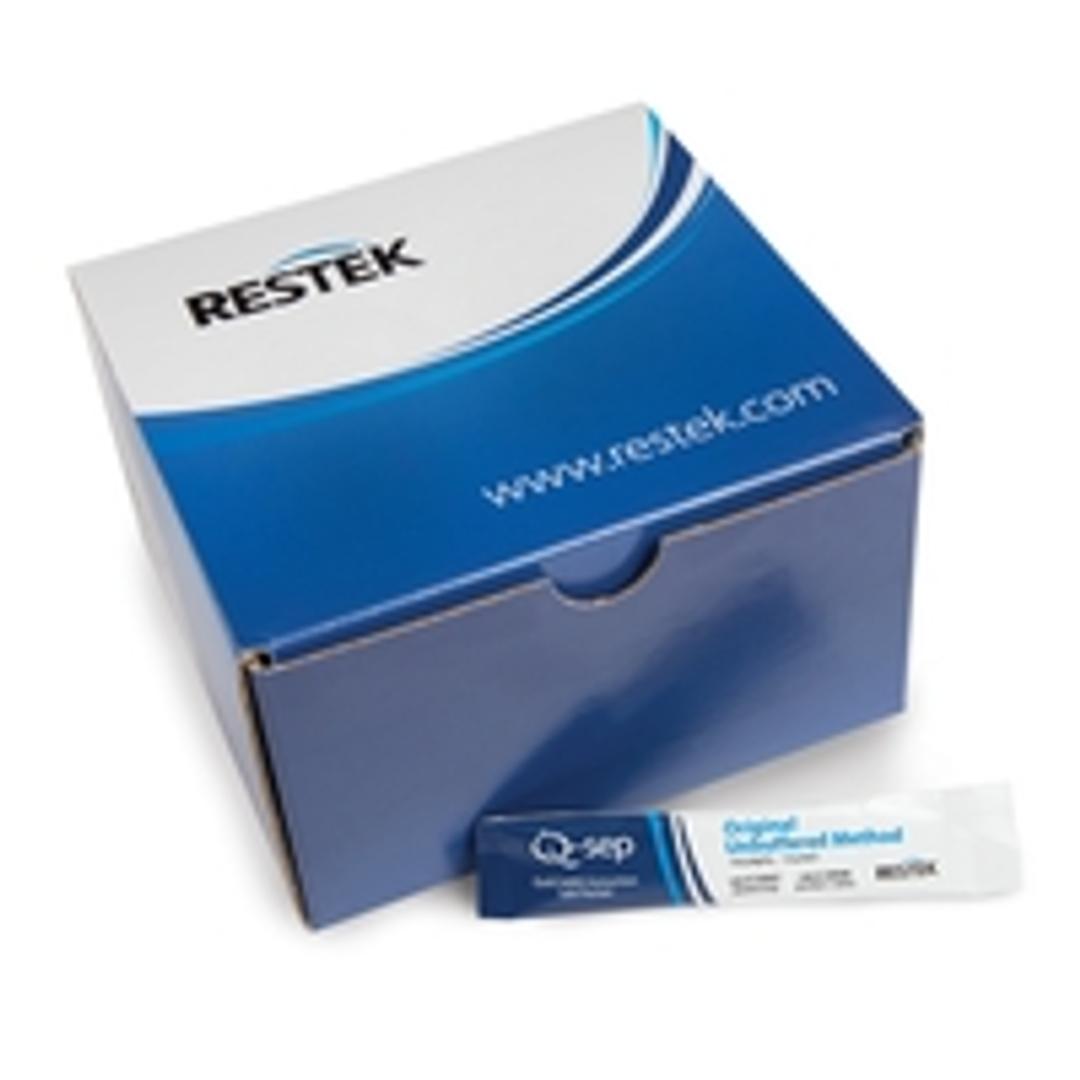
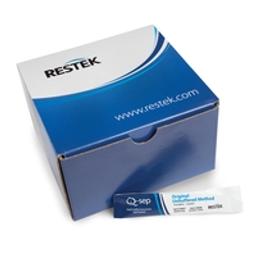
QuEChERS methods are fast, easy, and cost-effective, and Restek Q-sep products make QuEChERS procedures even easier. No specialized glassware is required when you’re using Q-sep extraction packets and tubes. Free-flowing extraction salts and salt packets that fit easily into the extraction tubes make transferring the salts to your sample mess-free and easy.


Receive your quote directly from the manufacturer.
Great Results and reduced so many extraction steps
Extraction
very pleased of using QuECHERS Extraction salts EN method. Ii is reducing so much solvents and extraction time. very impressive technique.
Review Date: 29 Jun 2018 | Restek Corp.
QuEChERS methods are fast, easy, and cost-effective, and Restek Q-sep products make QuEChERS procedures even easier. No specialized glassware is required when you’re using Q-sep extraction packets and tubes. Free-flowing extraction salts and salt packets that fit easily into the extraction tubes make transferring the salts to your sample mess-free and easy.
- TSCD – trisodium citrate dihydrate
- DHS – disodium hydrogen citrate sesquihydrate
- NaOAc – sodium acetate

Analysis of PFAS in milk by LC-MS/MS
The ubiquitous use of per-and polyfluoroalkyl substances (PFAS) in everyday products has resulted in the accumulation of these compounds in the environment. Due to the prevalence of these compounds in environmental sources, such as water and soil, they are finding avenues into food commodities meant for human consumption. Discover how to implement extensive, robust and accurate testing of 28 PFAS in dairy milk using LC-MS/MS, detecting levels as low as 0.01 µg/kg. With a fast, simple sample preparation using QuEChERS extraction and dSPE cleanup, this workflow is ideal for high-throughput PFAS testing labs.
An introduction to low-pressure GC-MS (LPGC-MS)
Low-pressure GC-MS (LPGC-MS) is a technique that uses the MS vacuum system, along with a specially designed column setup, to lower pressure inside the entire column, thereby significantly speeding up analysis. In addition to the speed benefit, LPGC-MS can also provide a cost saving by dramatically reducing helium consumption. Explore how to utilize LPGC-MS and specially designed, pre-connected LPGC column kits from Restek to speed up gas chromatographic analyses. Discover how the LPGC column kit can be used for vacuum-outlet GC-MS, easily increasing your instrument's productivity.
Residual pesticides analysis of botanical ingredients using gas chromatography triple quadrupole mass spectrometry
The use of dietary supplements is increasing in the United States. These dietary supplements are made from various dried botanicals, which may contain residual pesticides from agricultural practices, and because of that, they have to be monitored to ensure their quality and prevent exposure. The ingredients are dried which requires the standard QuEChERS methods to be modified to overcome this difficulty.
Did you know QuEChERS was made to be modified?
The QuEChERS sample extraction and cleanup approach has been successfully applied to a wide variety of analytes and sample matrices that extend far beyond the pesticides in high water content fruits and vegetables that were first used to demonstrate the technique. In this video, discover ways to make QuEChERS work for your workflow, from detecting pharmaceuticals in fresh fish to monitoring mycotoxins in beer and more.
Choosing the right QuEChERS extraction salt
QuEChERS sample preparation has grown rapidly in popularity. Originally used for pesticide residue analysis in food commodities, this technique has expanded into many other matrices. But, that can lead to tough questions, such as how to select the right salt mixture for extraction. Here, Restek shares some information on how to make the best choice.