Maestro Pro
High-throughput MEA and live-cell analysis system

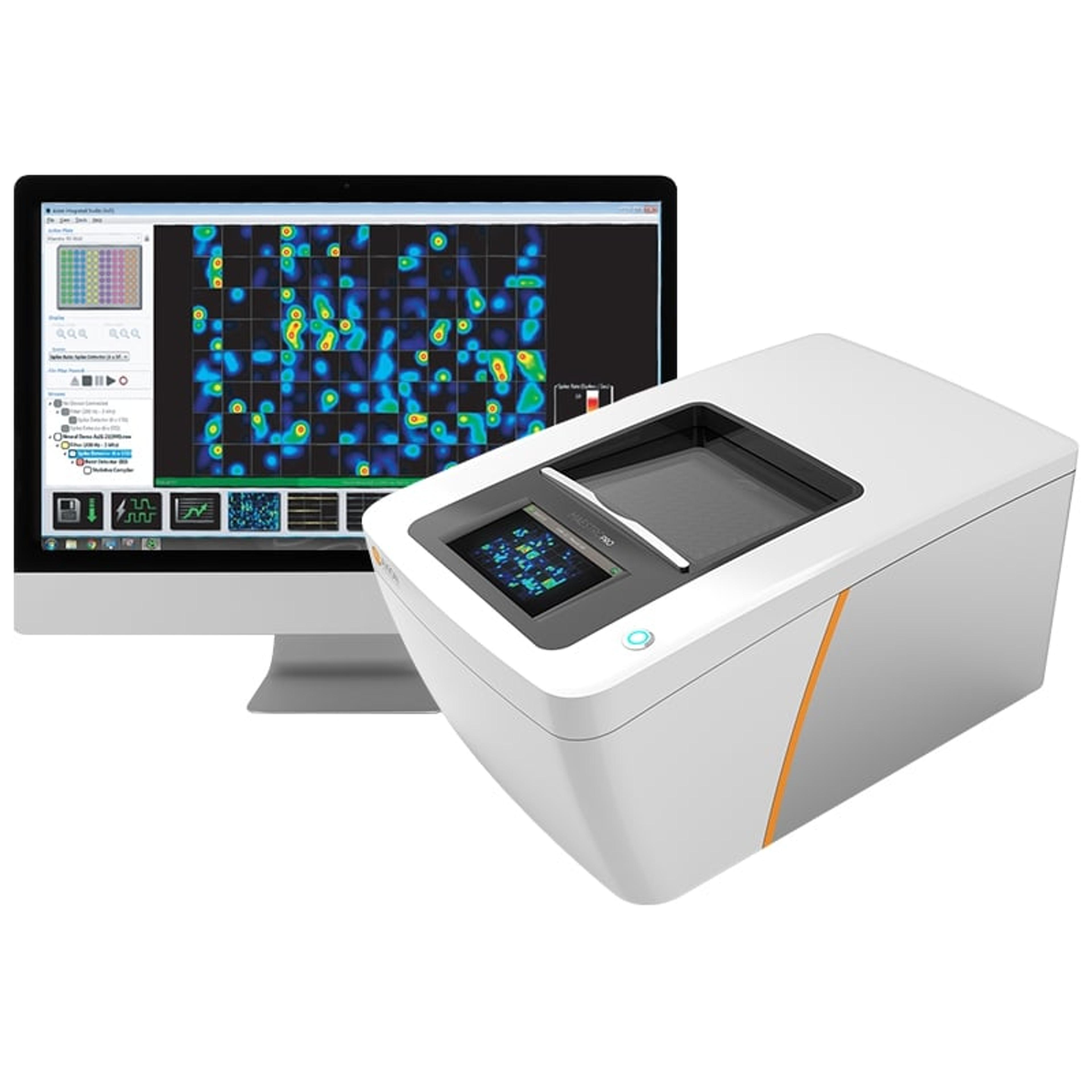
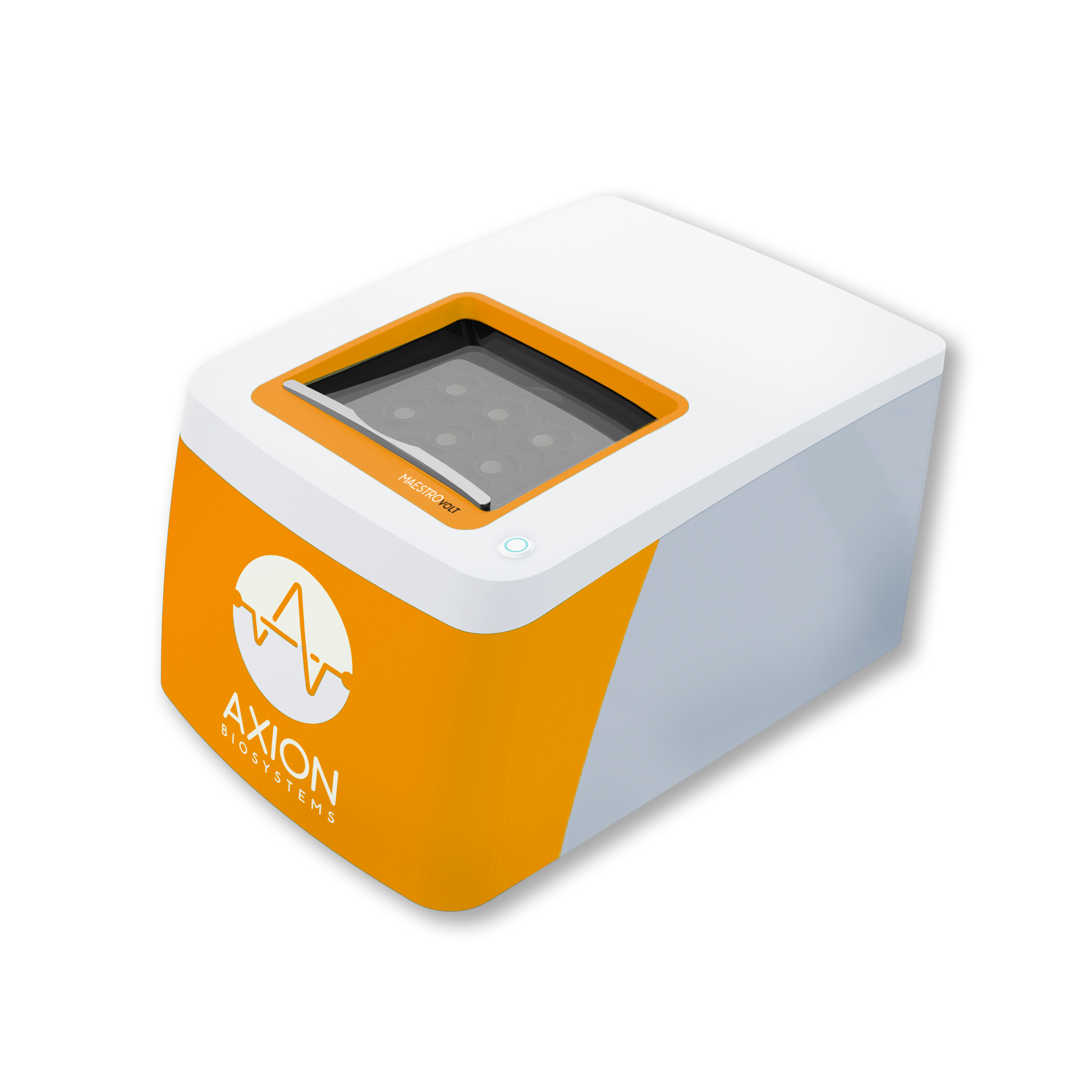
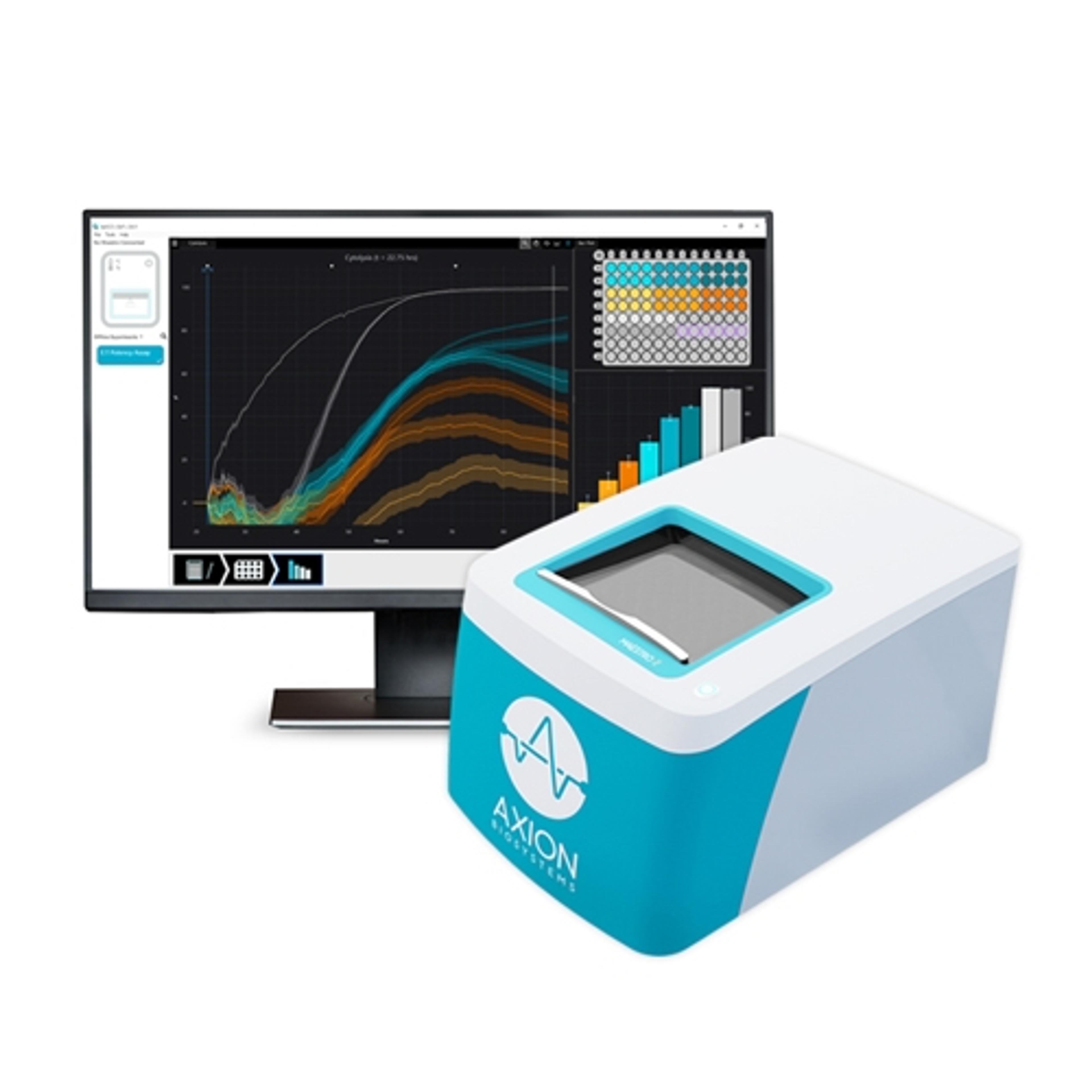
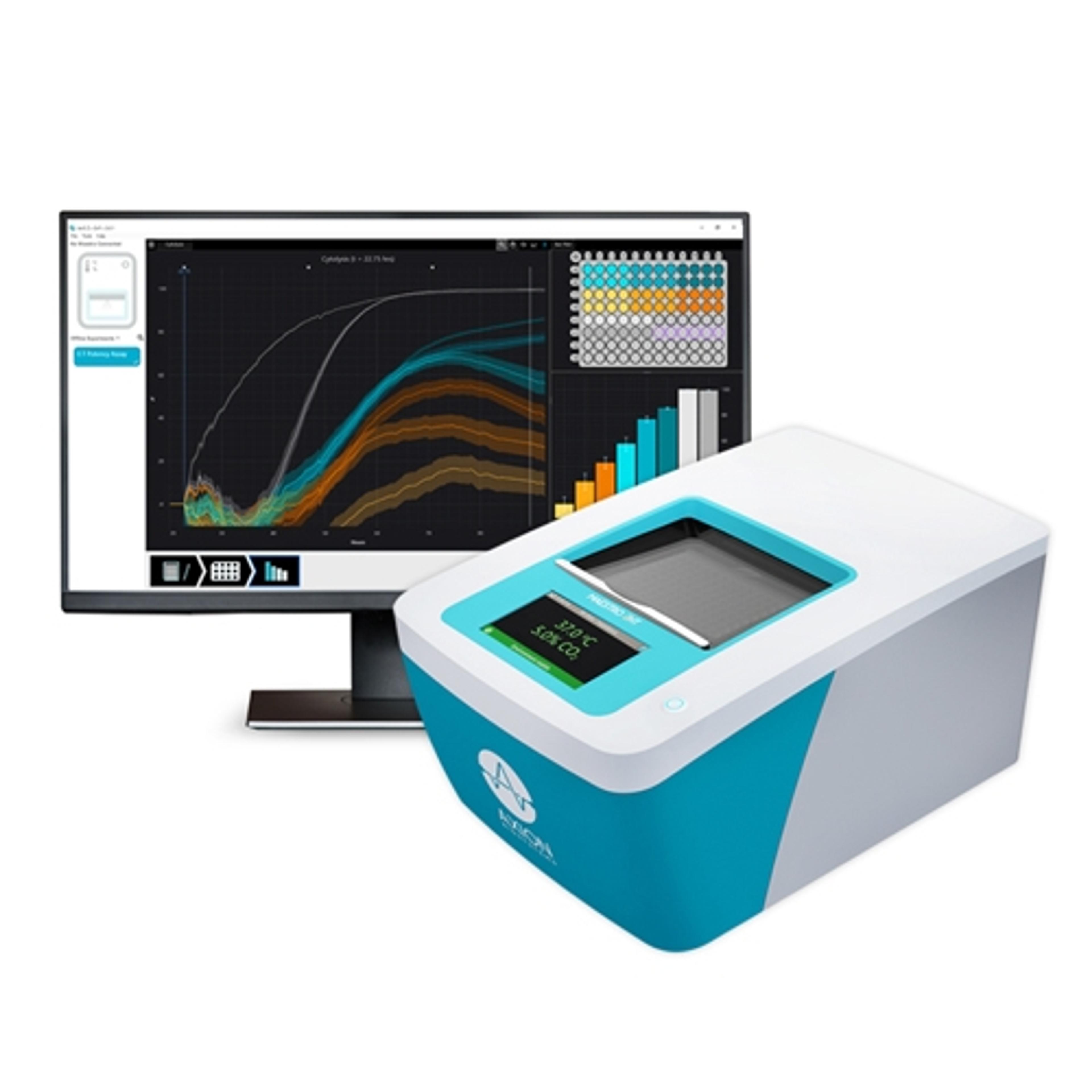
Maestro Pro MEA system

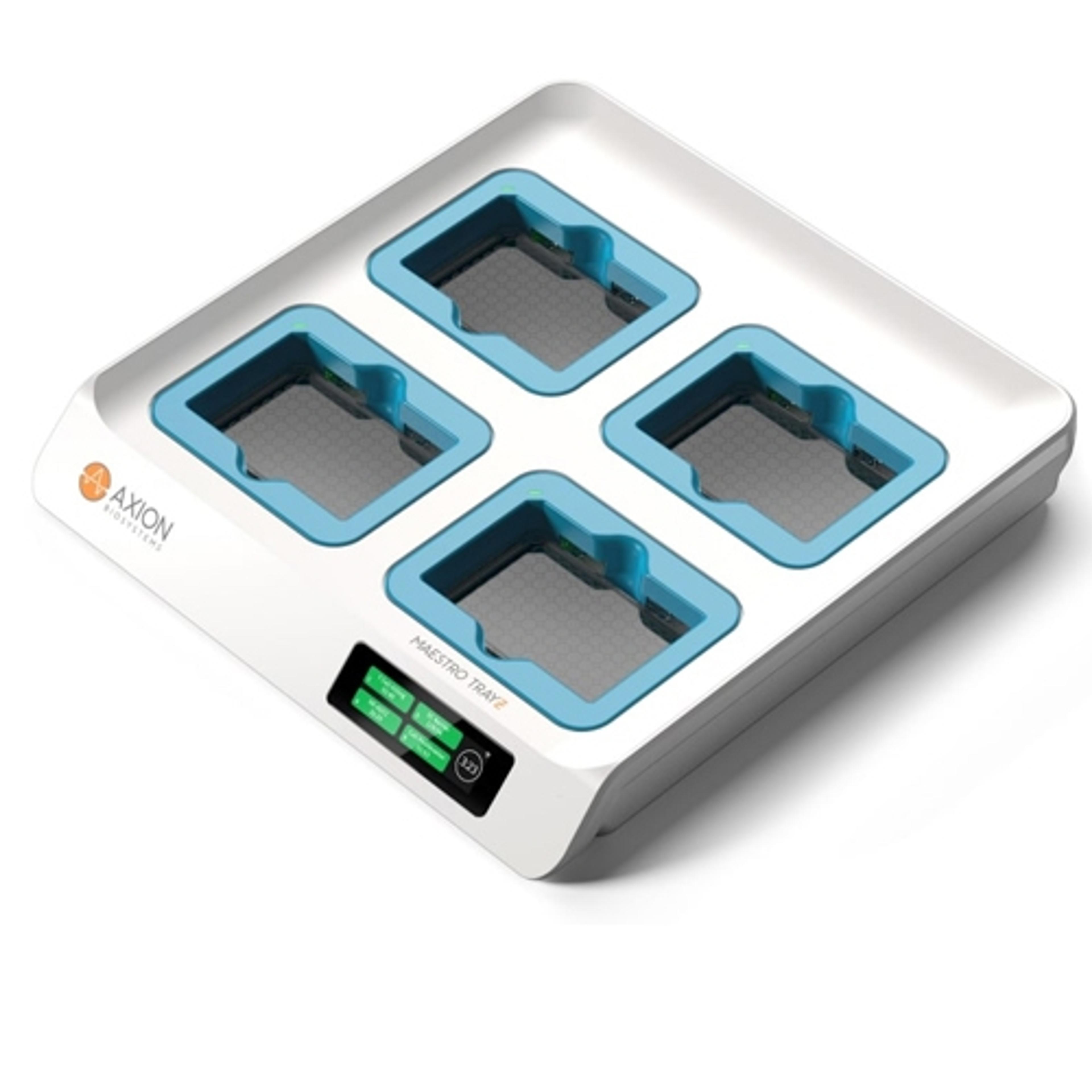
Maestro Pro MEA plates

Environmental chamber in Maestro Pro







Receive your quote directly from the manufacturer.
The Maestro Pro works great for our neural culture needs!
Neural Electrical Signaling
The Axion BioSystems Maestro Pro has been an exceptional tool for studying electrical signaling data on neurons. Its high-throughput capabilities and user-friendly interface make it ideal for capturing detailed electrophysiological activity. The platform provides reliable, real-time data, which has been invaluable for understanding neural network behavior and assessing drug responses. The system’s sensitivity to subtle changes in electrical activity is particularly impressive, allowing for precise analysis and reproducibility across experiments. Additionally, its integrated software streamlines data processing and visualization, saving time and ensuring clarity in results. Overall, the Maestro Pro has significantly enhanced the efficiency and quality of our neural research workflows. It’s a must-have for anyone working in neuroscience or pharmacological studies involving electrophysiology. Highly recommended!
Review Date: 22 Nov 2024 | Axion BioSystems
Attachment of organoids
Brain organoid electrophysiology
The instrument is relatively simple to use. However, during the detection of brain organoids, the attachment of organoids is still a problem, and it is easy for organoids to float or shift and not be on the electrodes.
Review Date: 18 Nov 2024 | Axion BioSystems
Very intuitive and easy to use. I am very satisfied.
Cellular Electrophysiology
・Very intuitive and easy to use. ・The reproducibility of the test was high, and it was confirmed that there was no difference between facilities. ・The price was a little high due to the exchange rate, but I am very satisfied with the quality of the product.
Review Date: 8 Jun 2023 | Axion BioSystems
Overall enjoy the data that comes from the axion
Analyze electrical activity of primary neurons in disordered states
Overall enjoy the axion maestro system, obtained the plexon spike sorting software to also extract the spike waveforms. Some of the protocols lack description and would benefit to be more descriptive. Neural metric analysis tool a little limited in terms of information output.
Review Date: 6 Jun 2023 | Axion BioSystems
Has its strengths and weaknesses, use with caution
Organoid research
Mostly a very useful device for 2D electrophysiology, and has some uses for 3D cultures. It’s biggest strength is that it will automatically pump out more metrics than you can use, which can be great for an in-depth look at bigger networks. Unfortunately, there can often be noisy electrodes out of the box, and electrodes can grow more noisy over longer term cultures. Additionally, neurons will continuously grow and migrate away from the electrode grid if the whole well is coated with a positively charged amino acid, which will undoubtedly muddy results. Be careful to only coat the electrode grid and seed appropriately. Overall, it provides a means to look at network physiology without the need for patching, viral transduction, or dyes.
Review Date: 6 Jun 2023 | Axion BioSystems
Analysis needs tweaking
Motor neuron signaling
I think the software for analysis is quite confusing and could use a more user friendly interface because it isn't obvious where to click for what analysis.
Review Date: 10 Feb 2022 | Axion BioSystems
Intuitive and easy to use
In vitro electrical activity of neural culture
The product is very easy and intuitive to use and the application is versatile. The operating software provides a visual real-time assessment of the measurement, which aids with evaluating the experiments.
Review Date: 10 Feb 2022 | Axion BioSystems
Professional knowledge and drug development knowledge to simulate the human immune system and generate predictive models to identify and develop new immunotherapies to treat various human cancers, bacterial diseases and viral infections.
Biological functions of cells
With professional technical level, and better after-sales service, rich professional experience and advanced equipment.
Review Date: 14 Jul 2021 | Axion BioSystems
Sturdy
Analysis of sample makes easy
Effective along with good reproducibility
Review Date: 25 Jun 2021 | Axion BioSystems
Positive impact to our lab
MEA
User-friendly software
Review Date: 17 Dec 2020 | Axion BioSystems
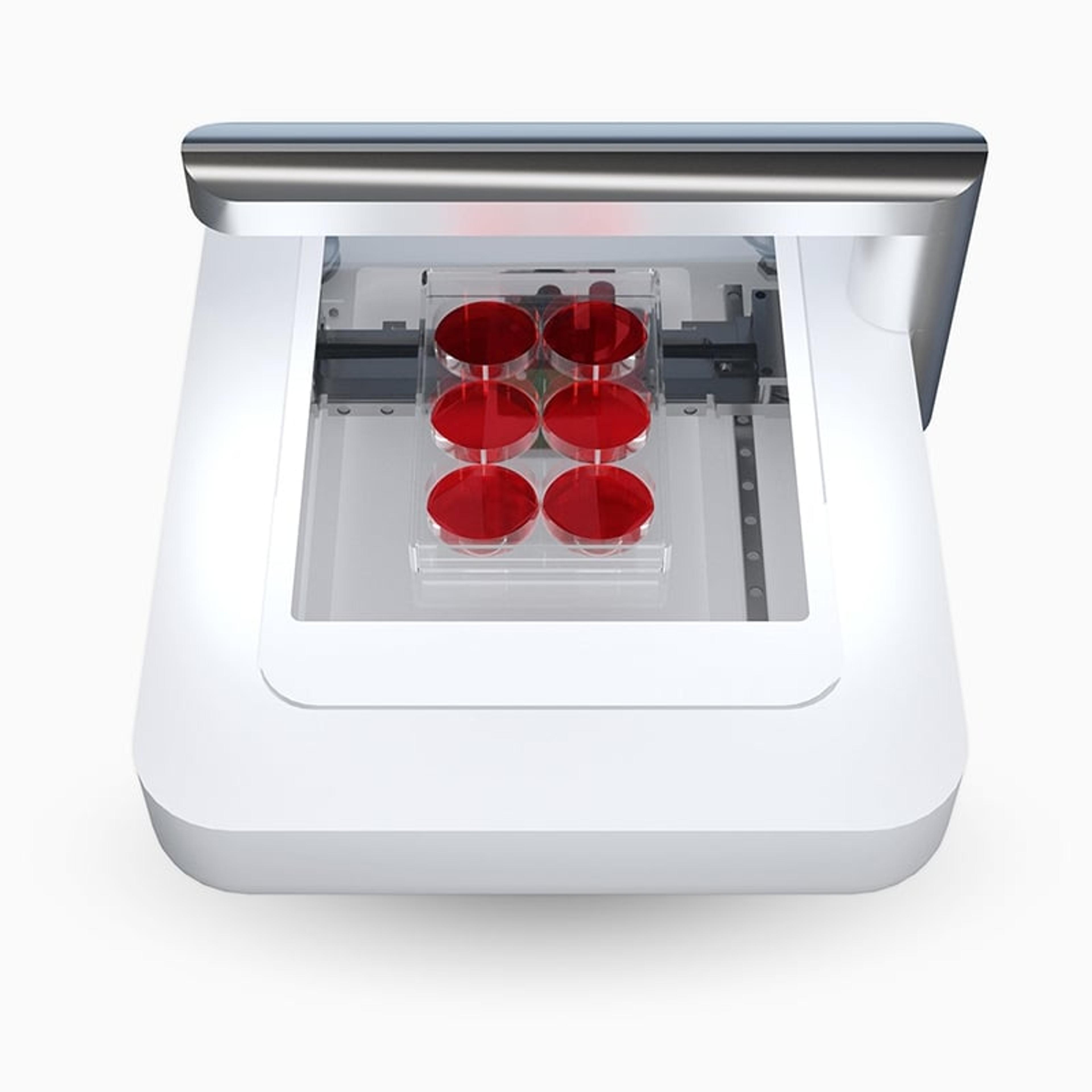
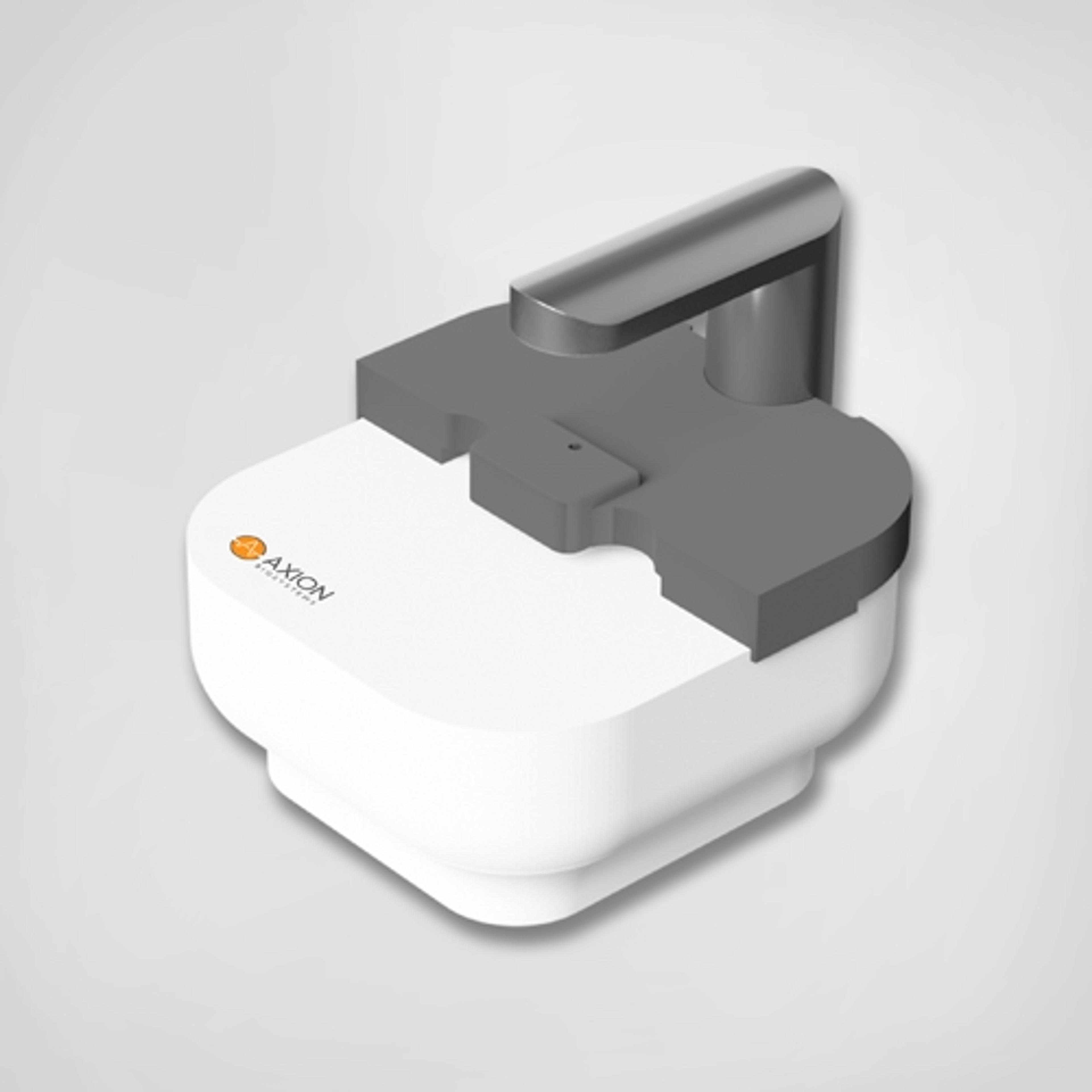
The Maestro Pro™ multiwell microelectrode array (MEA) and impedance system is our most advanced offering, designed for the workload of larger labs. Record from our 6-, 24-, 48-, and 96-well MEA plates, and 96- and 384-well impedance plates.
Maestro Pro allows for non-invasive evaluation of your cells in an easy-to-use in vitro assay. Whether monitoring the intricate, electrical activity of excitable cells (e.g. neurons and cardiomyocytes), or tracking the growth and death of cancer cells, Maestro Pro allows you to investigate the functionality of your cells in a multiwell plate.
KEY FEATURES
- Measure cellular activity label-free and real-time - The Maestro Pro detects key parameters of neural network activity, cardiac functionality, and cell growth, death, and attachment.
- Precisely control the cell's environment - Cells are a product of their environment. Maestro Pro has a smart environmental chamber that finely controls temperature and CO₂ while rejecting electrical noise and mechanical vibrations.
- Connect to your network - 768 electrodes simultaneously record from your cells with the Neural, Cardiac, and MEA Viability modules. Now you can understand life’s circuitry label-free and in real time in 6-, 24-, 48- or 96-well plates.
- Continuous cell monitoring - 384 simultaneous live recordings from your cells with the Impedance module. Track cell proliferation, morphology, and viability in real-time in 96- or 384-well plates.
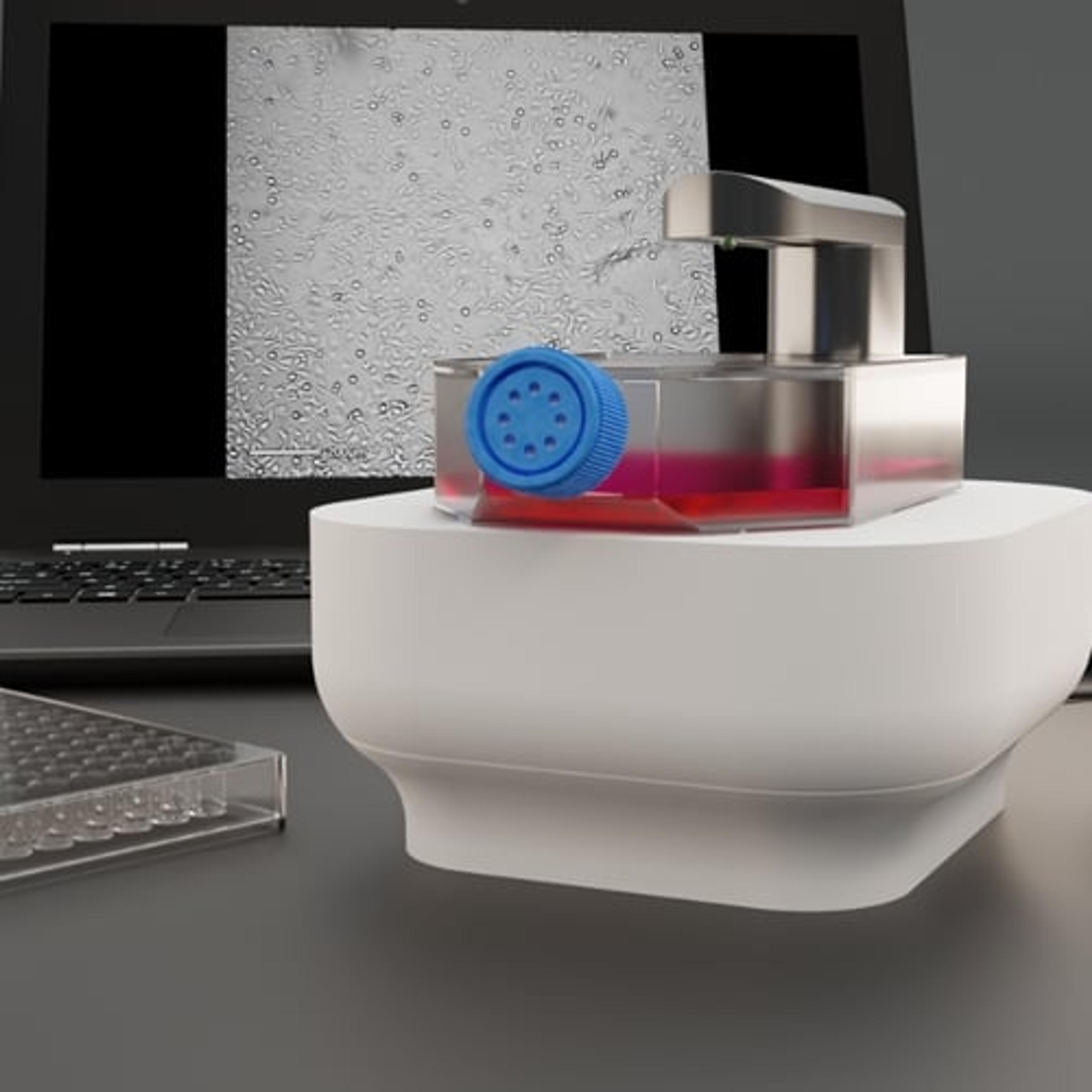
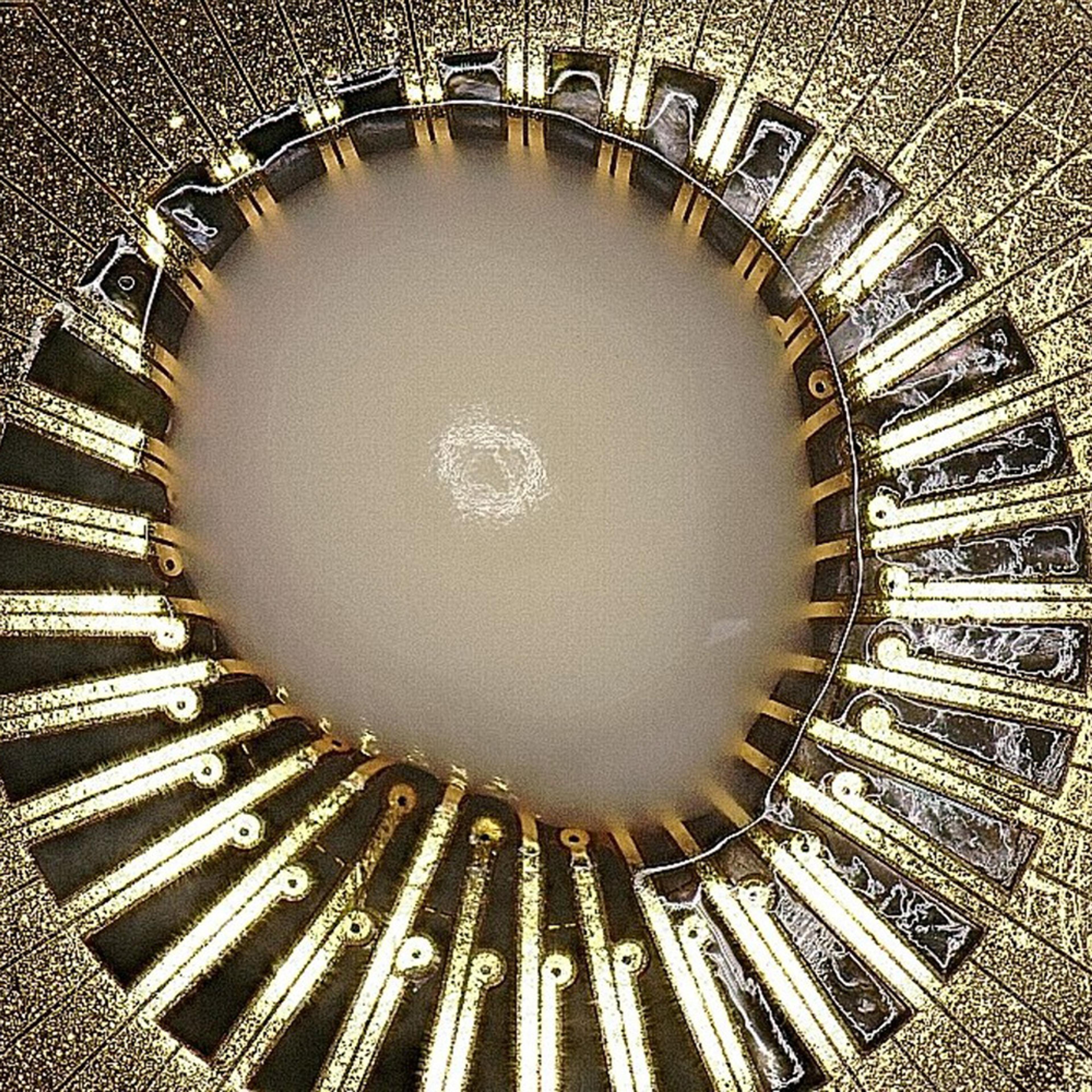
- See your cells - Sometimes you just want to look at your cells under a microscope. Maestro’s CytoView™ patented transparent circuit technology allows cell visualization and assay multiplexing.
- Control cellular activity - Recreate specific patterns of cellular activity using electrical stimulation or light pulses (with the Lumos optical stimulation system).
- Start your assay with the push of a button - “One button setup” means temperature and CO₂ levels automatically adjust on plate docking. Plate usage is logged via an integrated plate barcode scanner for convenient experiment tracking.
- Monitor the kinetics of your biology on your smartphone - No need to be in lab. With the Impedance module, track changes in cell proliferation, viability, and cell killing over minutes or weeks.
The complete multiwell MEA system
The evaluation of electrically-active cells has historically been tedious, requiring months of training to painstakingly study single cells in low throughputs. By culturing a network of cells over the high electrode count arrays available in each well of our MEA plates, Axion BioSystems’ Maestro Pro multiwell MEA system captures activity across an entire population of cells, with far greater data points per well, detecting activity patterns that would otherwise elude traditional assays. Axion’s contribution to establishing microelectrode array (MEA) technology as an accessible, versatile research tool cannot be defined by a single advantage. It’s the cumulative effect of our commitment to growing our multiwell MEA system to include instruments, accessories and software working in unison.
...and impedance system, all in one platform
Cell-based assays enable rapid evaluation of human biology in vitro, with substantial advantages in throughput and cost over tissue or animal models. However, many cell-based assays are endpoint assays, limited to a single snapshot in time. Axion BioSystems’ Maestro Pro platform also offers impedance-based cell analysis for real-time, continuous, label-free monitoring of your cells. Continuous data reveals the kinetics of cell-cell interactions and cell-drug responses for better mechanistic understanding without the time- and cost-intensive process of repeating multiple endpoint assays.
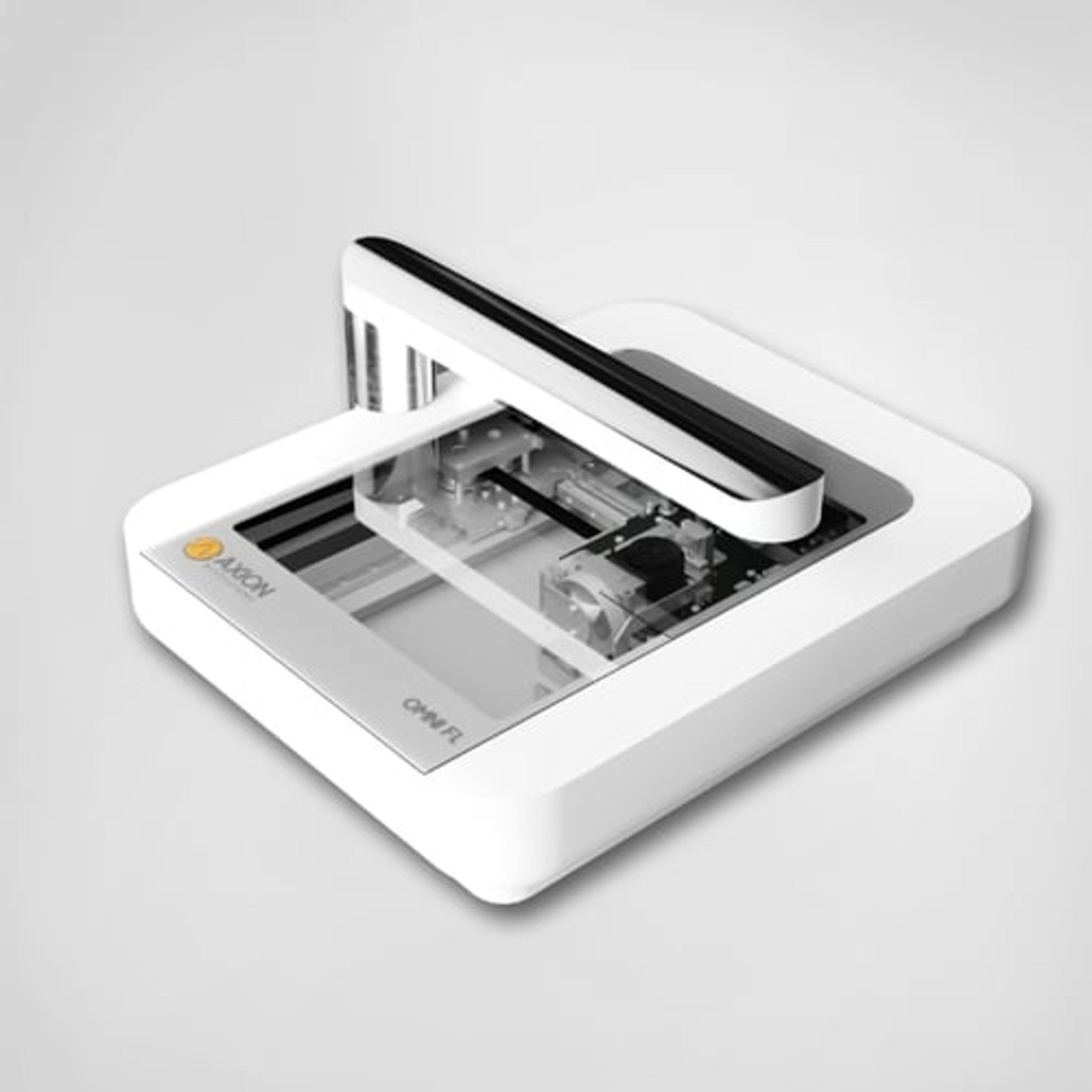
Multiplex your assay: Maestro + Omni™
- Platform cross-compatibility lets you view live-cell imaging alongside real-time, functional data to enhance your analysis
- Monitor electrode coverage and cell morphology to ensure consistent, quality results
- Experience no-hassle tracking—the Axion Portal automatically links data via barcode
SOFTWARE
The Maestro Pro platform is available with seven software modules: Neural, Cardiac, MEA Automation, Impedance, GxP Impedance, and Impedance Automation. Select the software modules to match your assay needs:
- Neural – Measure the key parameters of neural network function, including activity (are the neurons functional?), synchrony (are the synapses functional?), and oscillation (is the network functional?).
- Cardiac – Record the four key measures of functional cardiac performance, label free and in real time in every well of the multiwell plate: action potential (a.k.a. LEAP assay); field potential; propagation; and contractility.
- MEA Viability – Measure cell viability and coverage on MEA plates for a complete structure-function assay.
- MEA Automation – Automate Cardiac and Neural MEA assays with this API for interfacing with liquid handling platforms.
- Impedance – Track cell proliferation, morphology, and viability label-free and in real-time. Ideal for immuno-oncology, cytotoxicity, virology, cell migration, cell proliferation, GPCR assays, and many more.
- GxP Impedance – Achieve FDA 21 CFR Part 11 compliance in GMP/GLP labs with this version of the Impedance Software Module.
- Impedance Automation – Automate impedance assays with this API for interfacing with liquid handling platforms.
CONSUMABLES
All of Axion’s MEA and impedance assay multiwell plates can be used with the Maestro Pro system. Select the multiwell plates to match your assay needs:
- CytoView MEA – The premium Maestro MEA plate with a transparent well bottom for cell visualization and assay multiplexing. Available in 96-, 48-, 24-, and 6-well plate formats.
- SpheroGuide MEA Plate™ – The SpheroGuide MEA plate adds an integrated placement funnel – enabling users to easily plate organoids and spheroids over the electrode area. Available in a 48-well format.
- BioCircuit MEA™ – Maestro MEA plates with an opaque well bottom delivering high-quality results at the lowest cost per well. Available in 96-, 48-, 24-well plate formats.
- Lumos MEA™ – Maestro MEA plates designed for use with the Lumos system, featuring a transparent well bottom and light-focusing lid. Available in 96-, 48-, 24-well plate formats.
- CytoView-Z™ – The Maestro impedance plate with a transparent well bottom for cell visualization and assay multiplexing. Available in 384- and 96-well plate formats.
PERIPHERALS
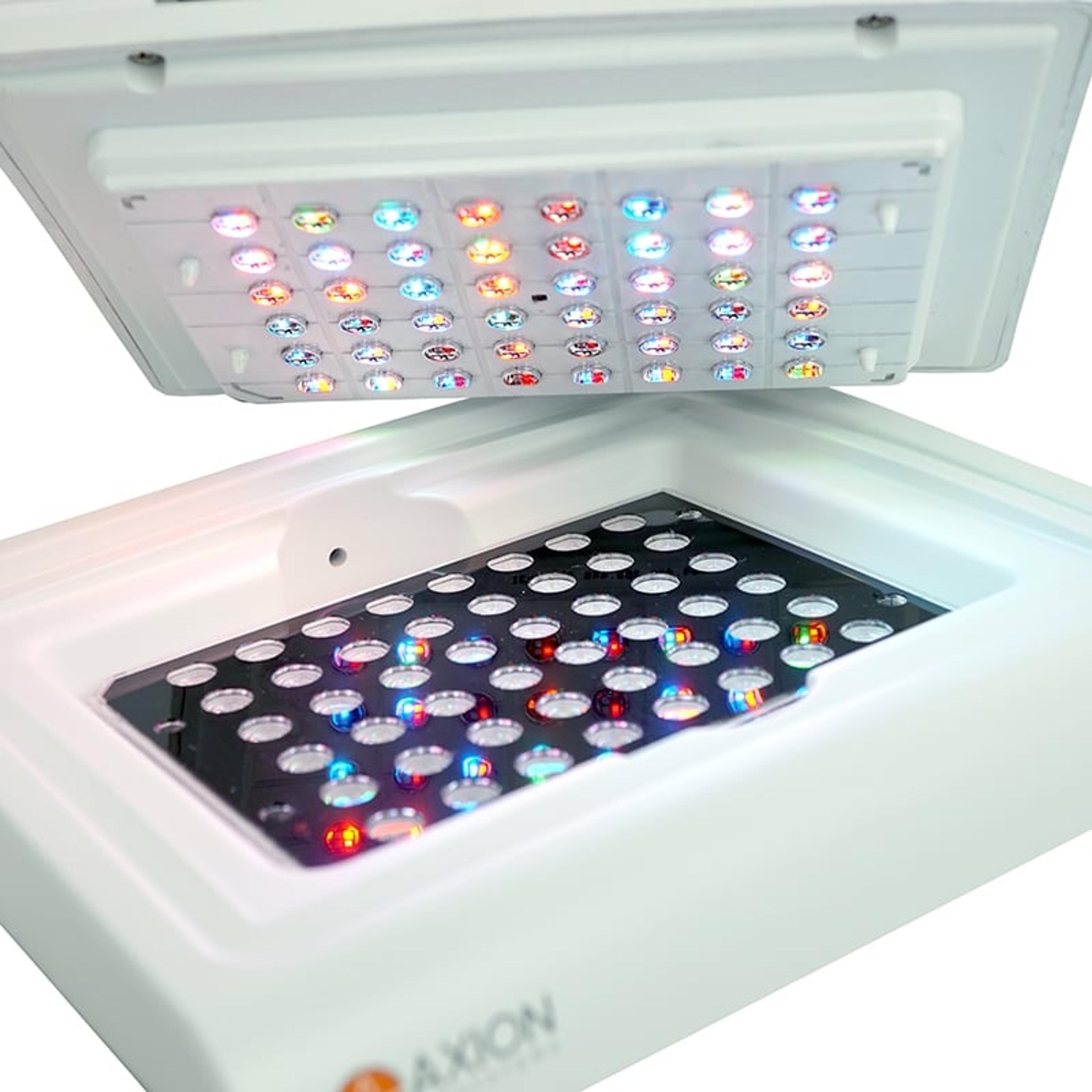
Lumos™ is a multiwell light stimulation system for optogenetic assays, that pairs with the Maestro Pro. The Maestro Pro platform is compatible with all three formats of the Lumos optical stimulation system. Select the Lumos system to match your assay needs:
- Lumos 96™ – For use with Lumos MEA 96 plates. The Lumos 96 system has two LEDs per well (green and blue).
- Lumos 48™ – For use with Lumos MEA 48 plates. The Lumos 48 system has four LEDs per well (red, orange, green and blue).
- Lumos 24™ – For use with Lumos MEA 24 plates. The Lumos 24 system has four LEDs per well (red, orange, green and blue).
CROSS-COMPATIBLE PLATFORMS
The Maestro Pro system has cross-compatibility with:
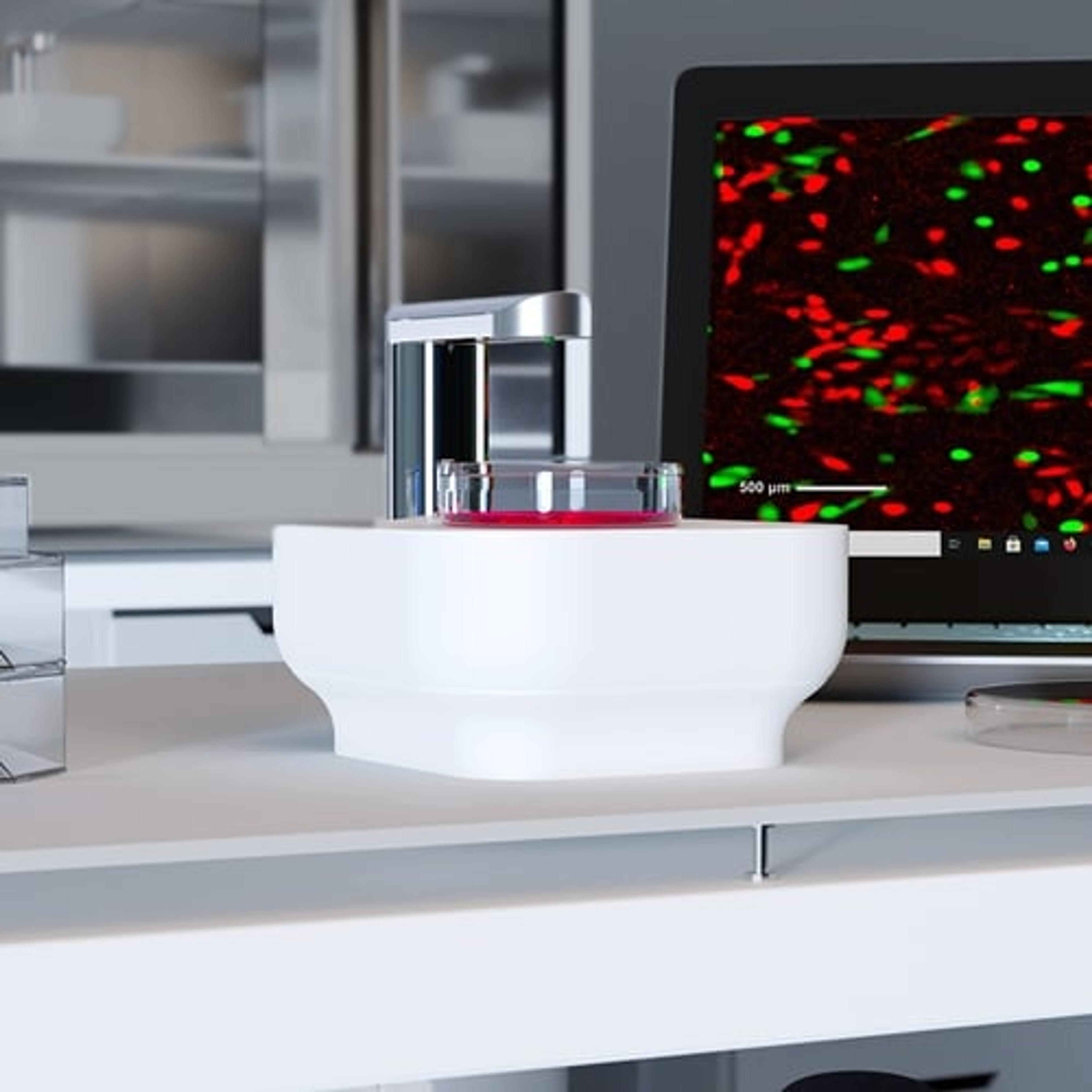
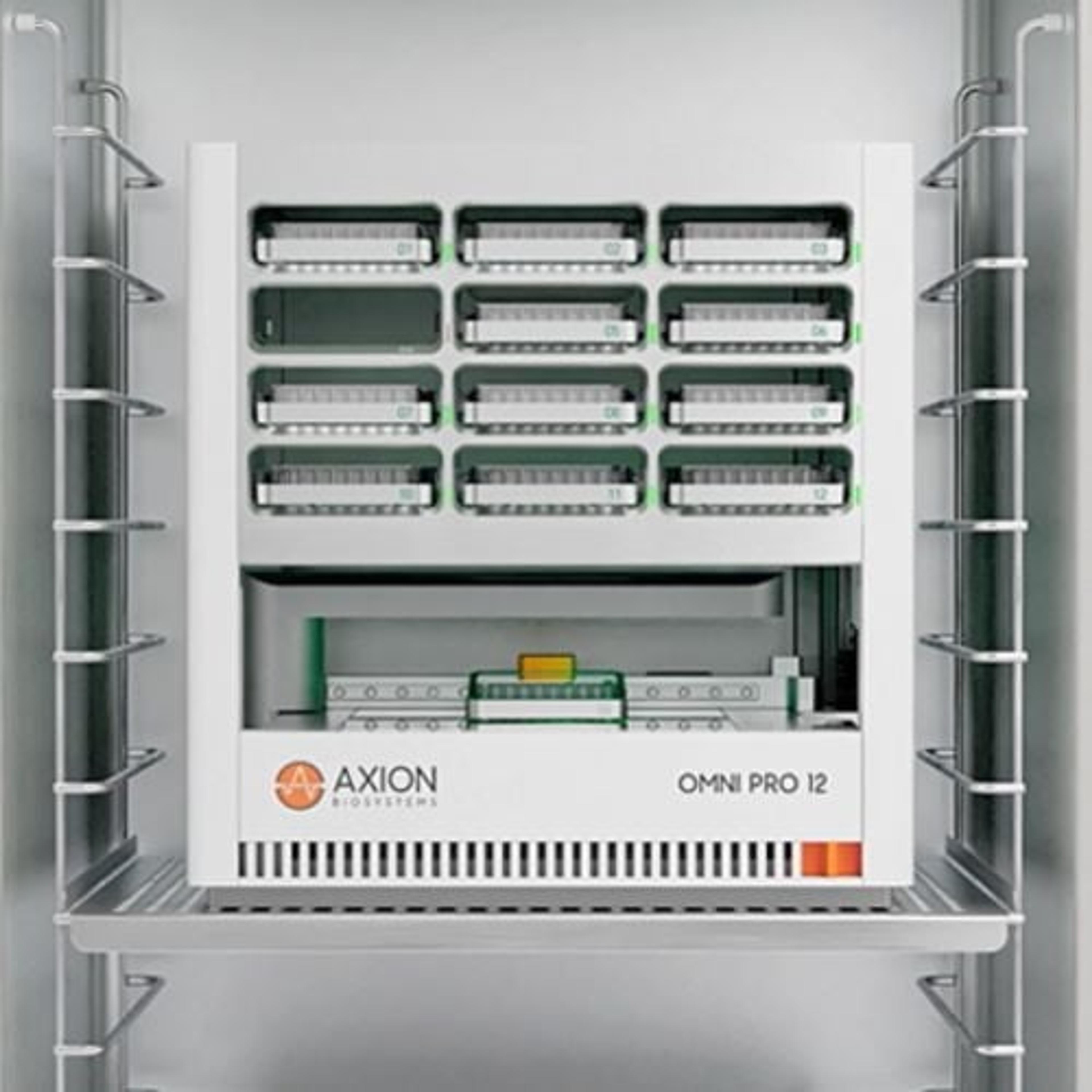
- Omni – See whole-plate images of your cultures next to real-time activity measurements. Confirm electrode coverage and culture health with just a few clicks from AxIS Navigator™. Compatible with Omni and Omni Pro 12™ systems.
Brochures

Accelerate your research with functional neural data
Understanding neuronal activity is the first step in understanding the mechanisms of disease. Axion BioSystems offers your lab the tools to get the most out of your neural cultures. The Maestro microelectrode array (MEA) platform gives you a simple, non-invasive method to gain deep insights into in vitro neural models. Here, discover why the Maestro MEA has become a staple in many neurobiology labs.
Maestro MEA brochure from Axion BioSystems
The Maestro MEA platform from Axion BioSystems makes it easy to perform complex electrophysiological experiments and gain deep insights into the function of cells. Discover how it is compatible with most electrically active cell types and can be used to examine neural activity, cardiac activity, and cellular kinetics. Key features include: multimodal configurations, simultaneous full-plate recording, built-in environmental controls, intuitive software, automation compatibility, and barcode plate tracking. Axion BioSystems offers three variations of the Maestro MEA: Maestro Pro, Maestro Edge, and Maestro Volt.
Maestro Pro: The premier bioelectronic assay system
This product brochure describes the Maestro Pro, a bioelectronic assay system for monitoring in vitro cell health and behavior. Discover the latest features of the Maestro Pro which include dynamic responses, an integrated environment, and more.
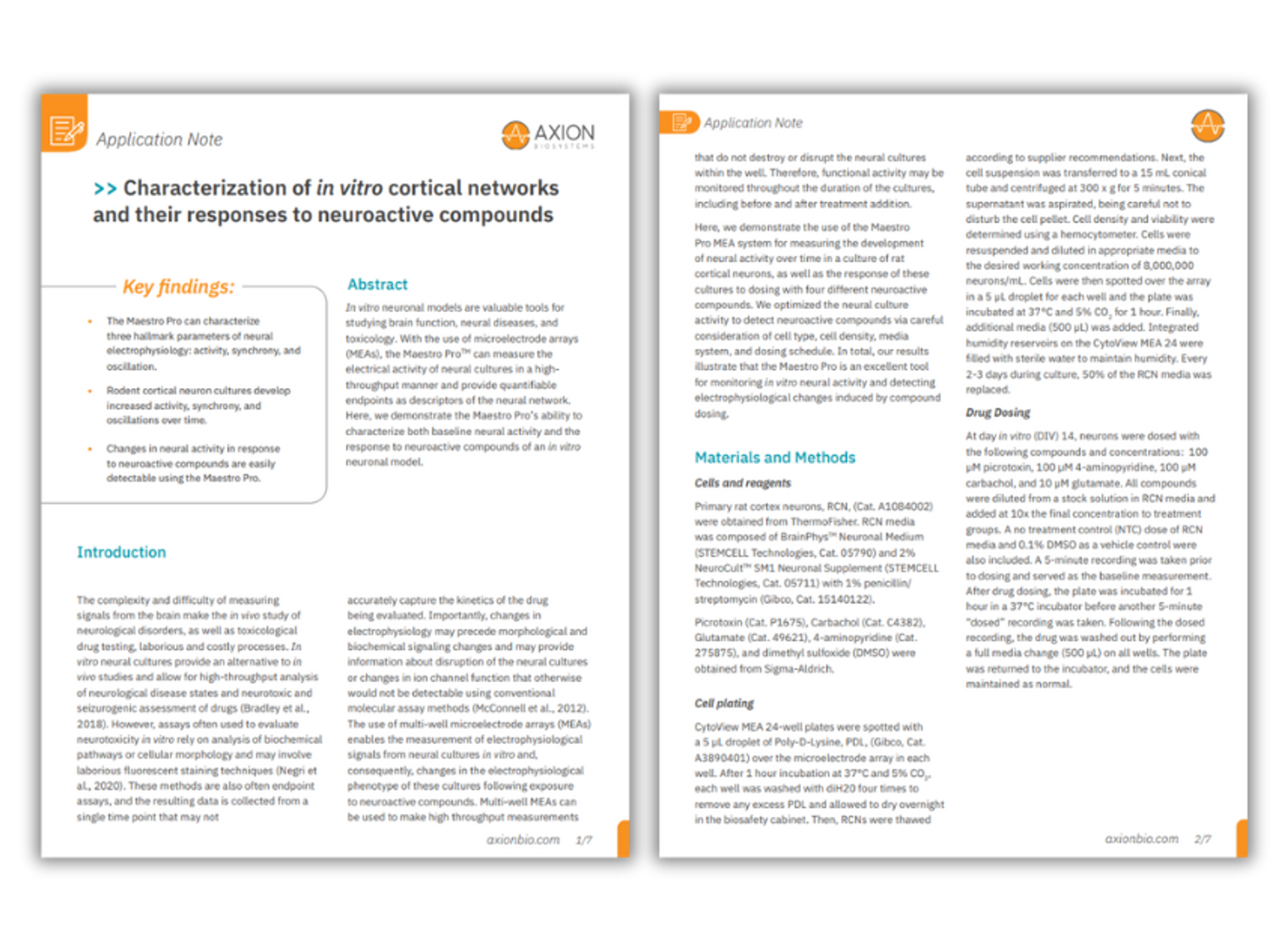
Characterization of in vitro cortical networks and their responses to neuroactive compounds
In vitro neuronal models are valuable tools for studying brain function, neural diseases, and toxicology. With the use of microelectrode arrays (MEAs), the Maestro ProTM can measure the electrical activity of neural cultures in a high-throughput manner and provide quantifiable endpoints as descriptors of the neural network.
Here, we demonstrate the Maestro Pro’s ability to characterize both baseline neural activity and the response to neuroactive compounds of an in vitro neuronal model.
Neural organoids: Learn more from in vitro tissue models
This application note demonstrates how Axion BioSystems’ Maestro Pro and Maestro Edge are designed to provide a flexible, yet intuitive, assay of functional electrophysiology for neural 3D constructs.
Quickly and easily measure electrical network behaviours in live cells at high throughput
In vitro neural models are a proven powerful strategy for the study of neural function and complex disorders of the human nervous system. Can the complexity of your neural cell models be revealed with only cell imaging, gene expression analysis, or Western blots? The neurons may have the proper characteristics, but how do they function in a network? Using Maestro microelectrode array (MEA) technology, scientists can now quickly and easily measure electrical network behavior in live cells at high throughput.
Real-time live cell activity of cardiomyocytes
In vitro models are a proven powerful strategy for studying disorders of the human heart. Many of these disorders are the result of subtle changes to cardiomyocyte excitability, contractility, or both. The Maestro platform captures live-cell activity from cardiomyocytes in real-time, providing you the functional cell information you have been missing.
How human cerebral organoids are transforming epilepsy modeling and drug discovery
Explore the innovative use of human cerebral organoids to model epilepsy and discover novel anti-seizure medications. Dr. Robert Halliwell, University of the Pacific, details how these 3D neural circuits, derived from stem cells, exhibit functional activity and can be used to test drug efficacy. He also highlights the potential of organoids to overcome limitations of traditional models in developing treatments for neurological disorders.
Enhance neural organoid research with MEA innovation
When it comes to 3D cell models, one size doesn't fit all. From small spheroids to complex organoids, see how Axion BioSystems' new Organoid MEA plates for Maestro enable high-resolution, non-invasive functional analysis of 3D neural organoids, supporting disease modeling, drug discovery, and developmental neuroscience.
What is MEA?
In this video, discover how multielectrode array (MEA) can be used to comprehensively measure electrical signals from many cells.
Measuring oscillatory waves in cortical organoids
In this video, Axion Biosystems presents a short webinar on measuring oscillatory waves in cortical organoids. The webinar discusses research on the development of neural networks using neural organoids and how these lab-grown networks resemble early brain network formations, as well as how these organoid models could be used in the research of neurological disorders such as autism and schizophrenia.
The need to explore cellular circuitry
In this video, Axion Biosystems discusses the need for advancements in cell analysis technology and investigating cell circuitry alongside to help provide previously missing information.

Brain organoids and MEA tech reveal new epilepsy mechanisms
Neurological disorder research is evolving from single cells to complex networks thanks to 3D brain cultures and multielectrode arrays