Maestro Edge
MEA and live-cell analysis system
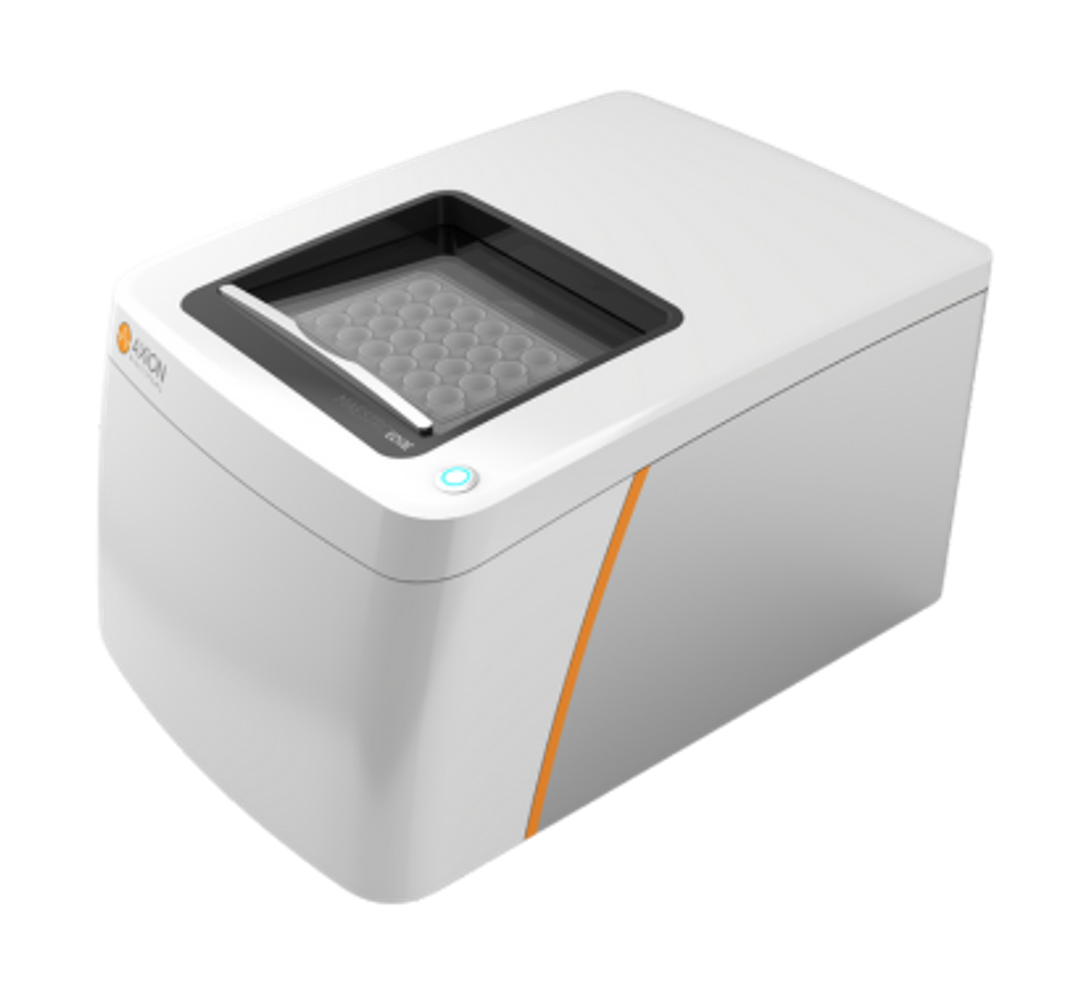
Maestro Edge





Receive your quote directly from the manufacturer.
User-friendly
Neuroscience
Easy to use and very suitable to measure several parameters at different time points!
Review Date: 16 Nov 2024 | Axion BioSystems
Recommended
Medical Laboratory
Excellent and good quality and highly recommended for use.
Review Date: 16 Nov 2024 | Axion BioSystems
Recommend the system
MEA recording of neurons deroved from IPSCs, with and without the lumid system
Device very easy to use. Adding the LUMOS device really provides more insights to your research.
Review Date: 15 Nov 2024 | Axion BioSystems
The MEA system is a great addition to our lab and has expanded our studies.
Record from Human Stem Cell Derived Neurons
Our lab has benefitted significantly by combining the power of the Maestro MEA system and AxIS software, with our human stem cell-derived neuron-glial cell cultures. We are now able to follow, in real time, the development and functional maturation of neurons, glia, and neural circuits, not only over weeks but over years. We can ask new scientific questions that, previously, were difficult or impossible to answer. In some of our most recent experiments, we were using the MEA system to record from human neurons maintained in culture for almost 2 years. We believe this may be a record for 2D human neuroglial cell cultures.
Review Date: 18 May 2024 | Axion BioSystems
The Teer assay is a game-changer in cell barrier research.
To evaluate barrier function of epithelial cells exposed to compounds or microbes
The Teer assay is a vital tool for unraveling the mysteries of cellular barriers and advancing our understanding of health and disease in the easiest way possible. We utilize the Maestro Edge system with the Impedance Module to measure TEER in colonic epithelial cells cultured with various bacteria in vitro. Recently, we demonstrated that B. adolescentis bacteria impair epithelial barrier integrity in patients with irritable bowel syndrome (IBS).
Review Date: 9 May 2024 | Axion BioSystems
Easy to use and reliable
Analyze neural activity in long term cultures
MEA systems are becoming a gold standard tool for functional assays especially in the field of using stem cells for disease modeling and potentially drug screening and discovery. During my PhD and now at industrial level, we get very high quality data with MEA systems which is reproducible and consistent with the literature. Unlike patch clamping, it is very useful in studying network functions of the cultures. In addition, it is very user friendly, the sales support is great.
Review Date: 8 May 2024 | Axion BioSystems
Great results! Very excited to do more with my cancer model with the Maestro Edge
Analyze sensory neurons from tumor bearing mice vs control mice
Very easy to use and gives you TONS of data rather quickly. Easily able to monitor spontaneous activity and evoked activity from sensory neurons. Very cool that we can do this in our cancer model so easily. Can't wait to investigate these sensory neurons after we treat mice with different chemotherapeutics!
Review Date: 8 May 2024 | Axion BioSystems
It is easy equipment with quality results.
analyze of electrophysiological properties of iPSC derived cardiomyocytes
We can obtain data regarding cardiomyocyte electrophysiological properties relatively easily, though optimization is required for cell replate to MEA plates.
Review Date: 7 Jun 2023 | Axion BioSystems
It looks smart, and we want to use right away.
Analyze iPSC crdiomyocytes
W just bought the instrument.
Review Date: 31 Mar 2022 | Axion BioSystems
Great, can't live without this instrument soon.
Analyze network burst of iPS-Neuron
We got the instrument just 2 weeks ago. So, no results. However, MEA-plate is good for culture of iPS-Neuron at this moment. We will try using Maestro Edge to analyze network burst of iPS-Neuron in the next week.
Review Date: 31 Mar 2022 | Axion BioSystems
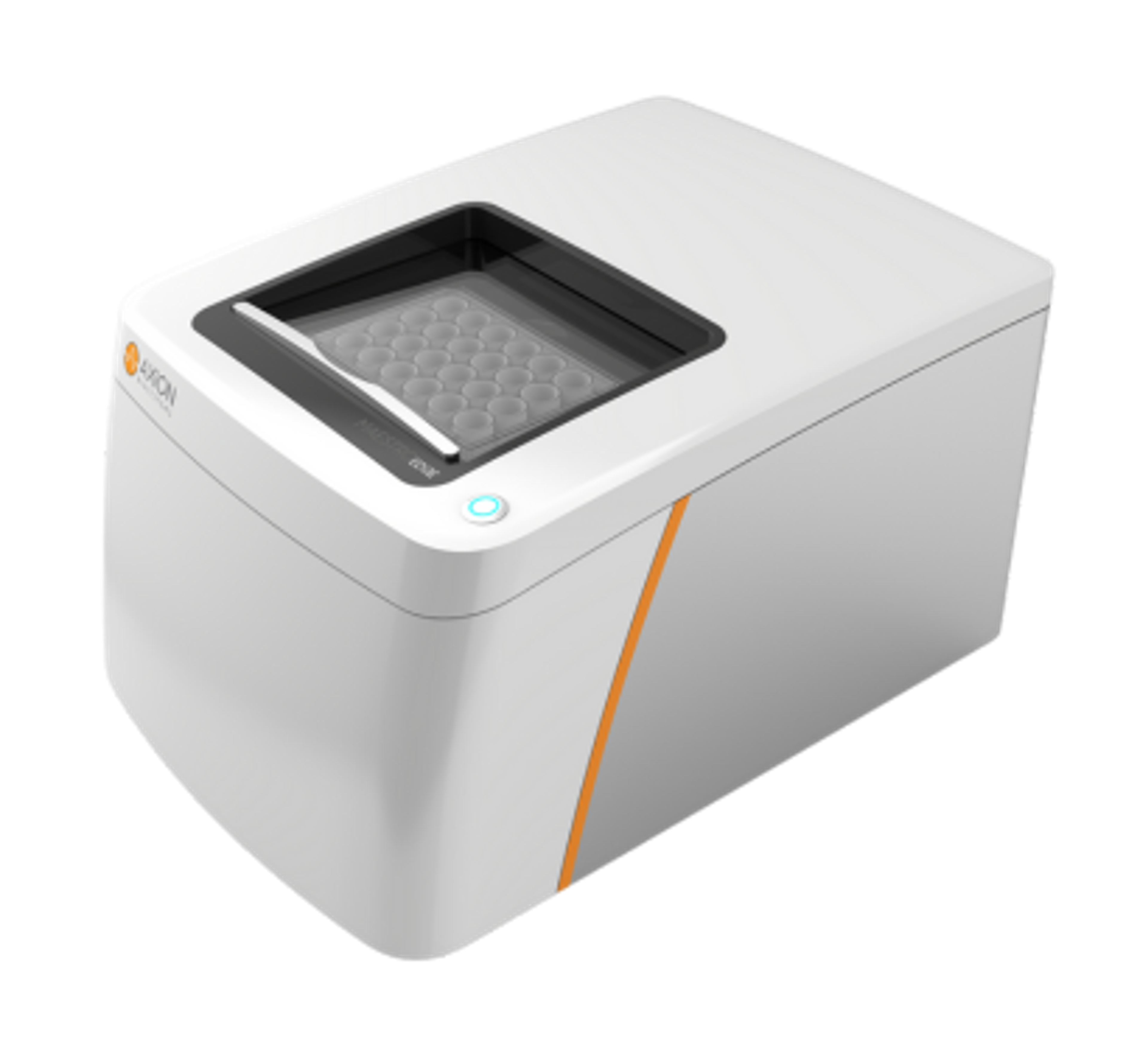
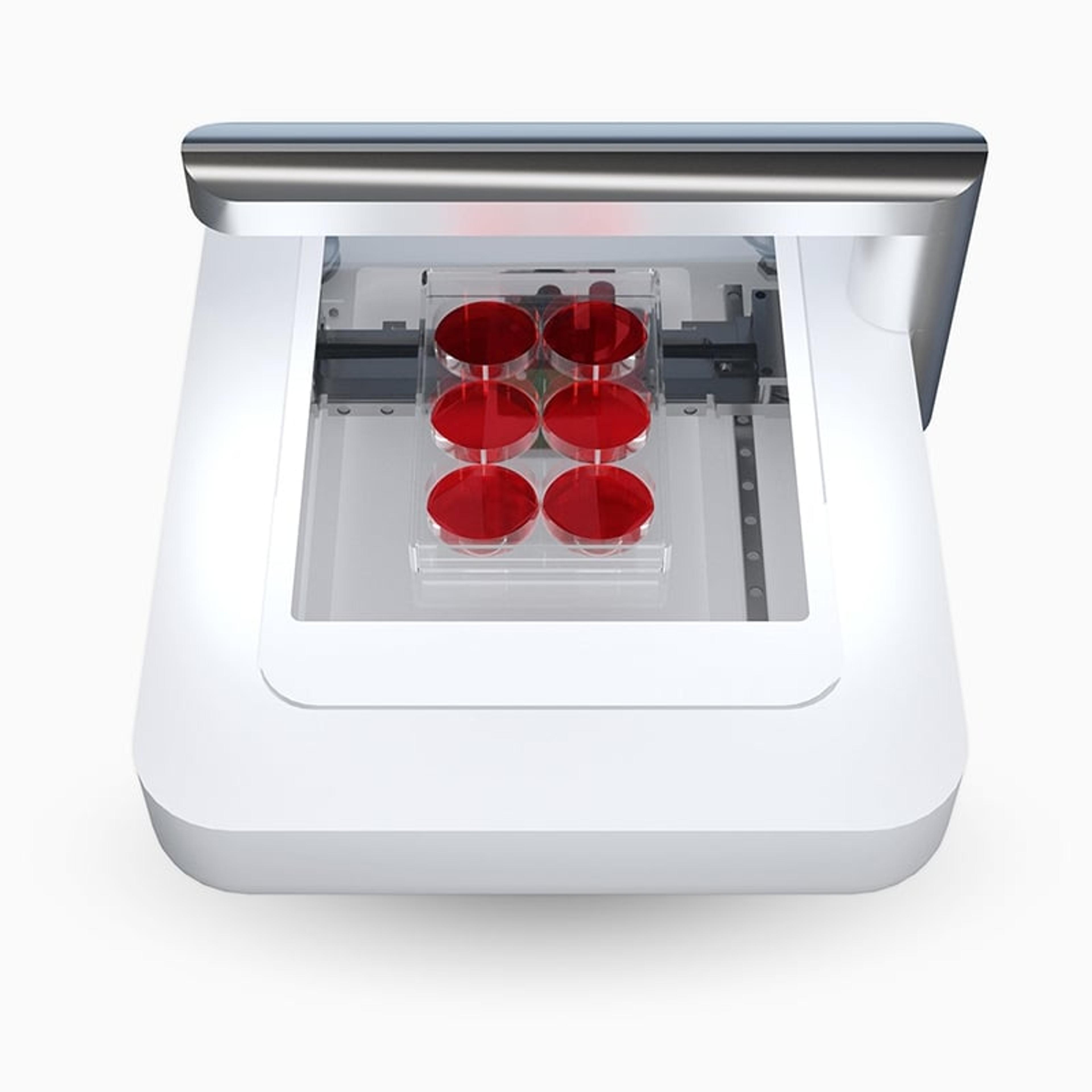
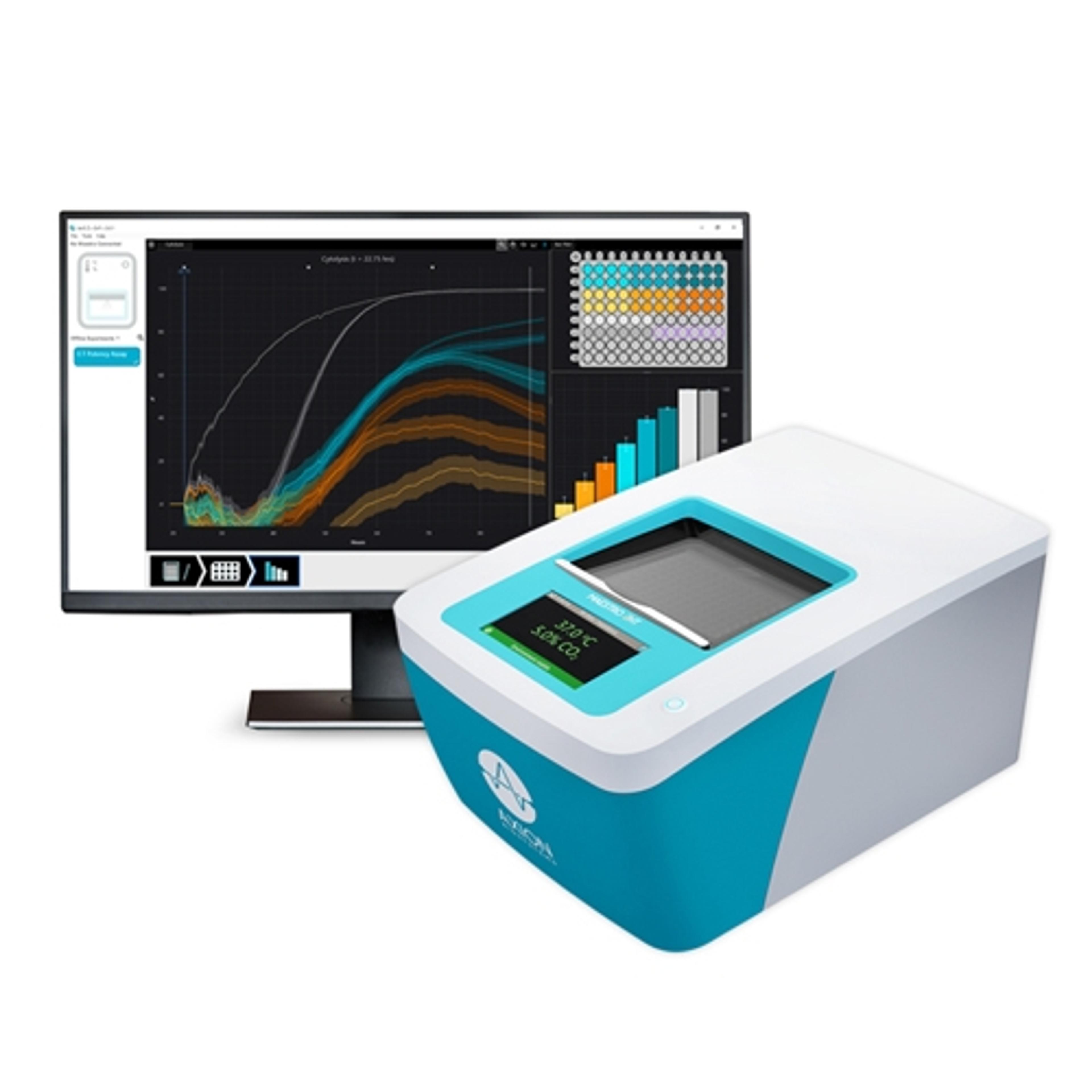
Maestro Edge™ multiwell microelectrode array (MEA) system is a versatile multimodal MEA and impedance system with 6-, 24-, and 96-well* throughput.
The Maestro Edge noninvasively evaluates cellular function in an easy-to-use in vitro assay. Whether monitoring the intricate, electrical activity of excitable cells (e.g., neurons and cardiomyocytes), or tracking the growth and death of cancer cells, Maestro Edge provides high quality, functional data to accelerate your research.
*96-well only available for impedance.
KEY FEATURES
- Measure cellular activity label-free and real-time — The Maestro Edge detects key parameters of neural network activity, cardiac functionality, and cell growth, death and attachment.
- Precisely control the cells environment — Cells are a product of their environment. Maestro Edge has a smart environmental chamber that finely controls temperature and CO₂ while rejecting electrical noise and mechanical vibrations.
- Connect to your network — 384 simultaneous live recordings from your cells with the Neural and Cardiac modules. Now you can understand life’s circuitry label free in real time in 6- or 24-well plates.
- Continuous cell monitoring — 96 simultaneous live recordings from your cells with the Impedance module. Track cell proliferation, morphology, and viability in real time.
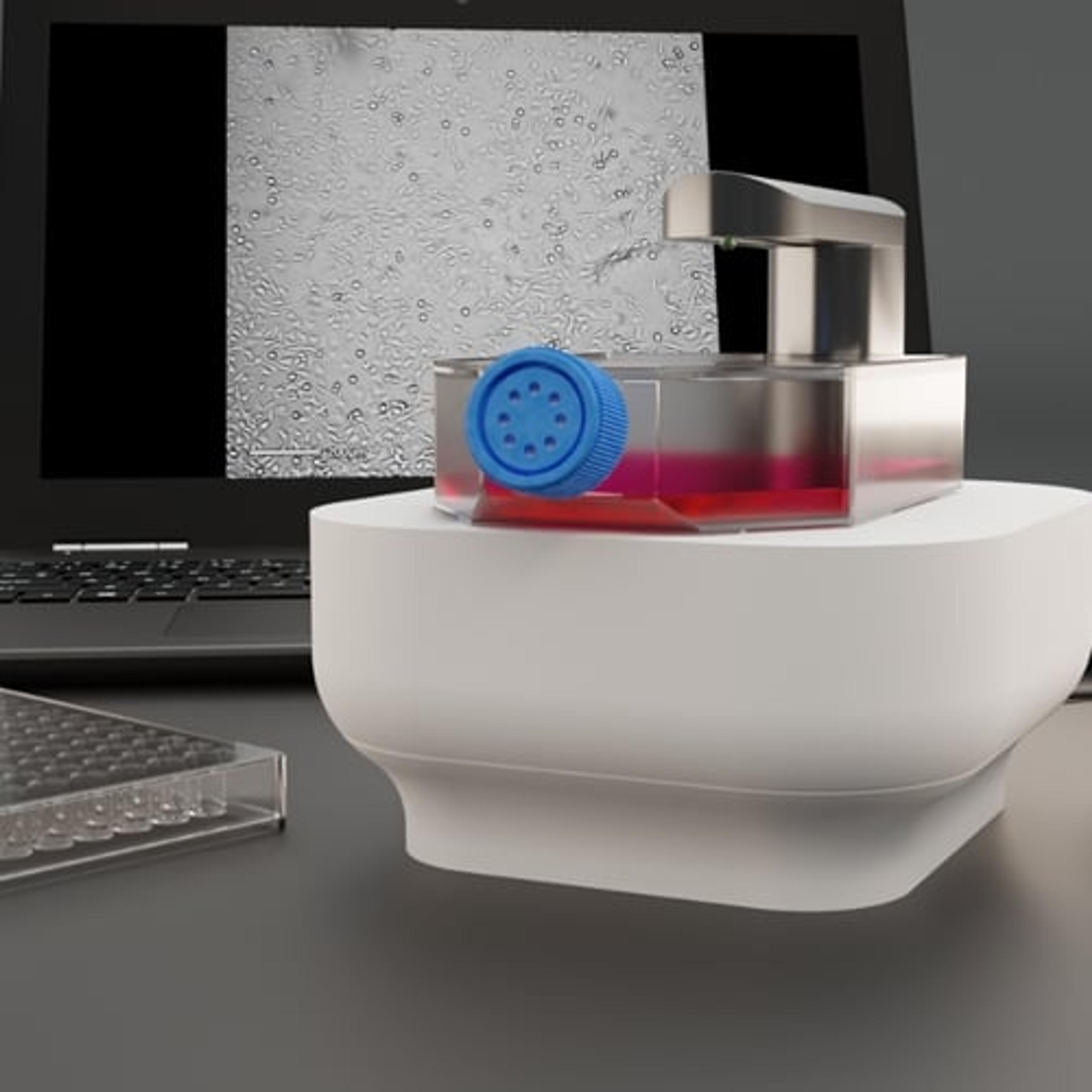
- See your cells — Sometimes you just want to look at your cells under a microscope. Maestro’s CytoView™ patented transparent circuit technology allows cell visualization and assay multiplexing.
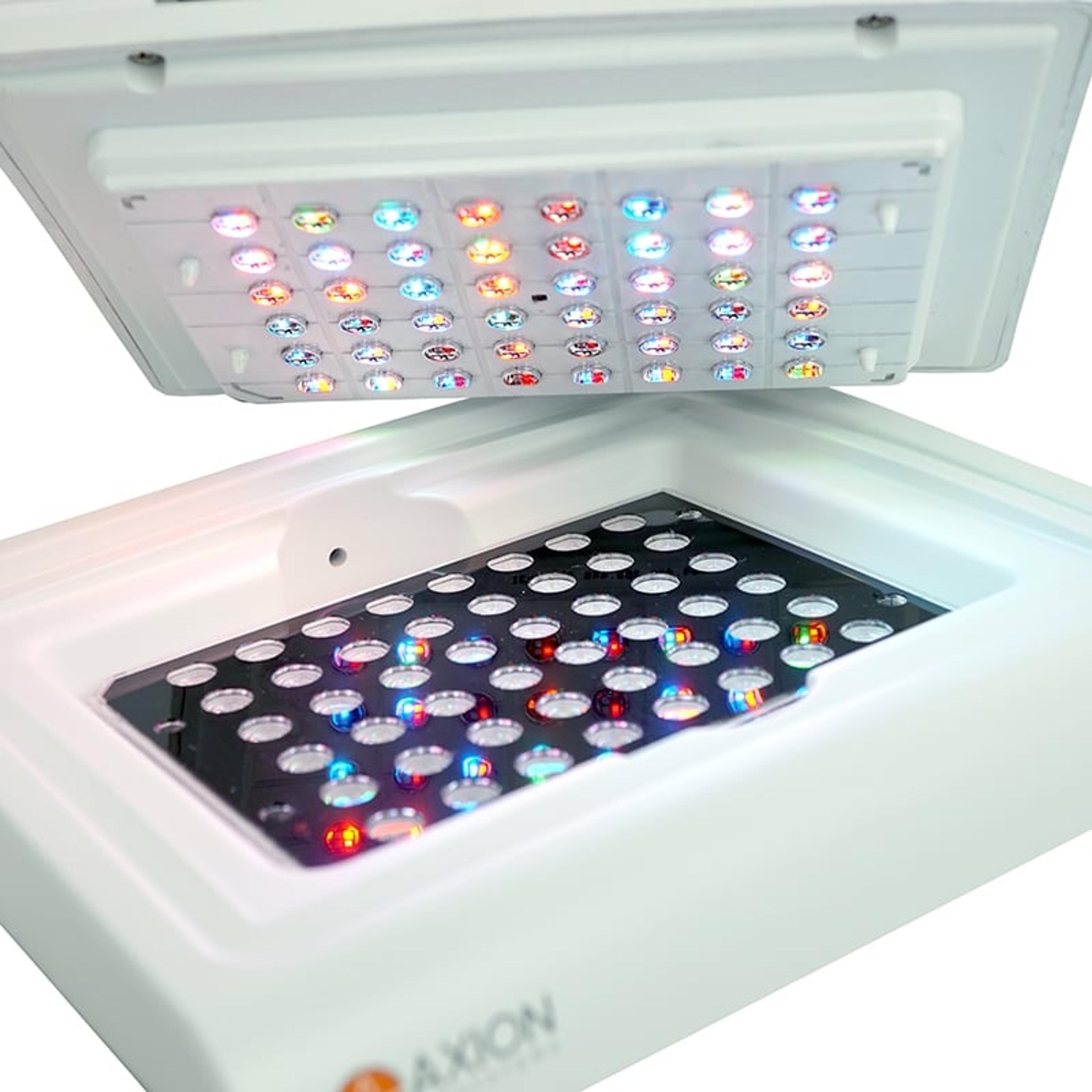
- Control cellular activity — Recreate specific patterns of cellular activity using electrical stimulation or light pulses (with the Lumos optical stimulation system).
- Start your assay with the push of a button — “One button setup,” means temperature and CO₂ levels automatically adjust on plate docking. Plate usage is logged via an integrated plate barcode scanner for convenient experiment tracking.
- Monitor the kinetics of your biology on your smartphone — No need to be in the lab. With the Impedance module, track changes in cell proliferation, viability, and cell killing over minutes or weeks.
Multiplex your assay: Maestro + Omni™
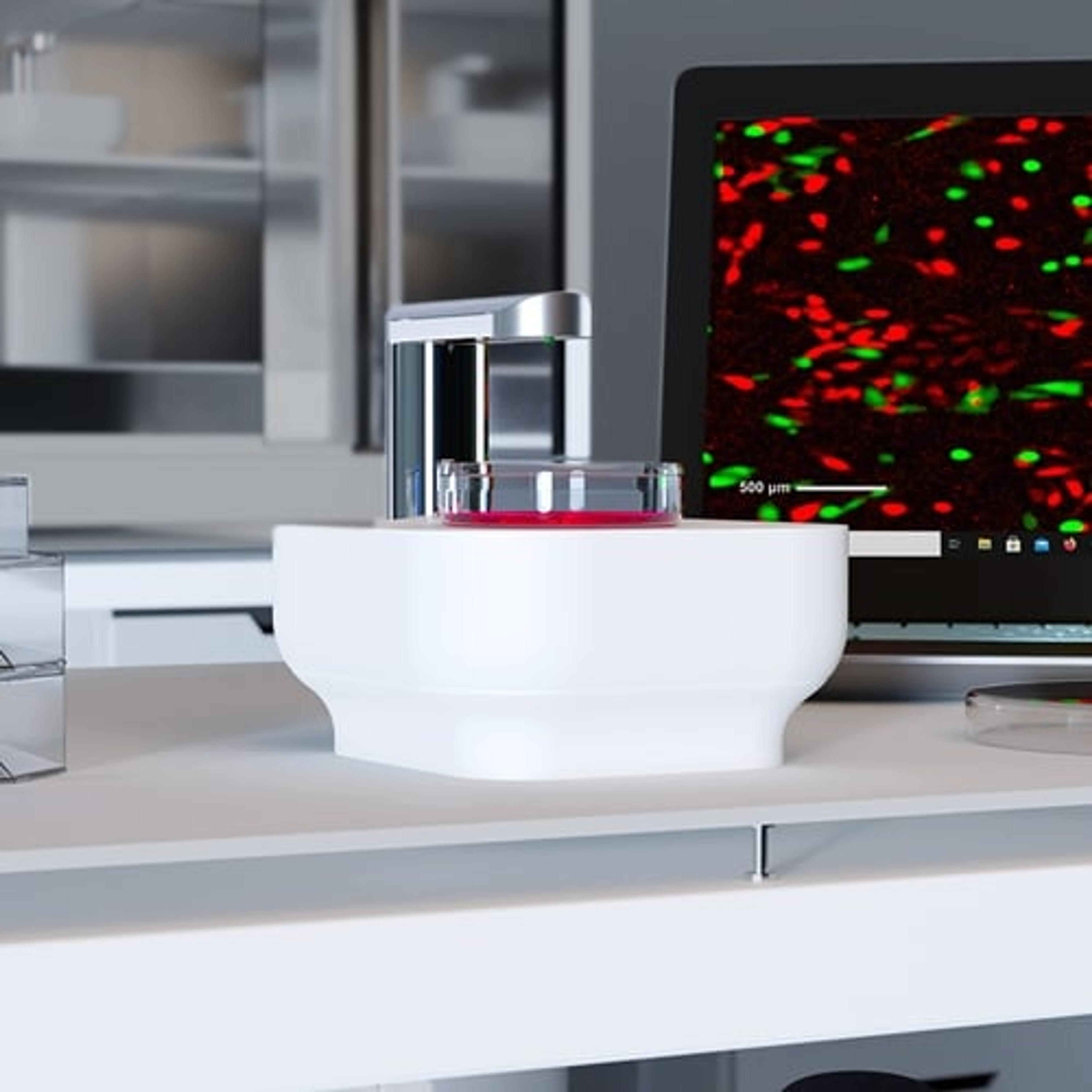
- Platform cross-compatibility lets you view live-cell imaging alongside real-time, functional data to enhance your analysis.
- Monitor electrode coverage and cell morphology to ensure consistent, quality results.
- Experience no-hassle tracking — the Axion Portal automatically links data via barcode.
SOFTWARE
The Maestro Edge platform is available with six software modules: Neural, Cardiac, MEA Viability, MEA Automation, Impedance, and GxP Impedance. Select the software modules to match your assay needs:
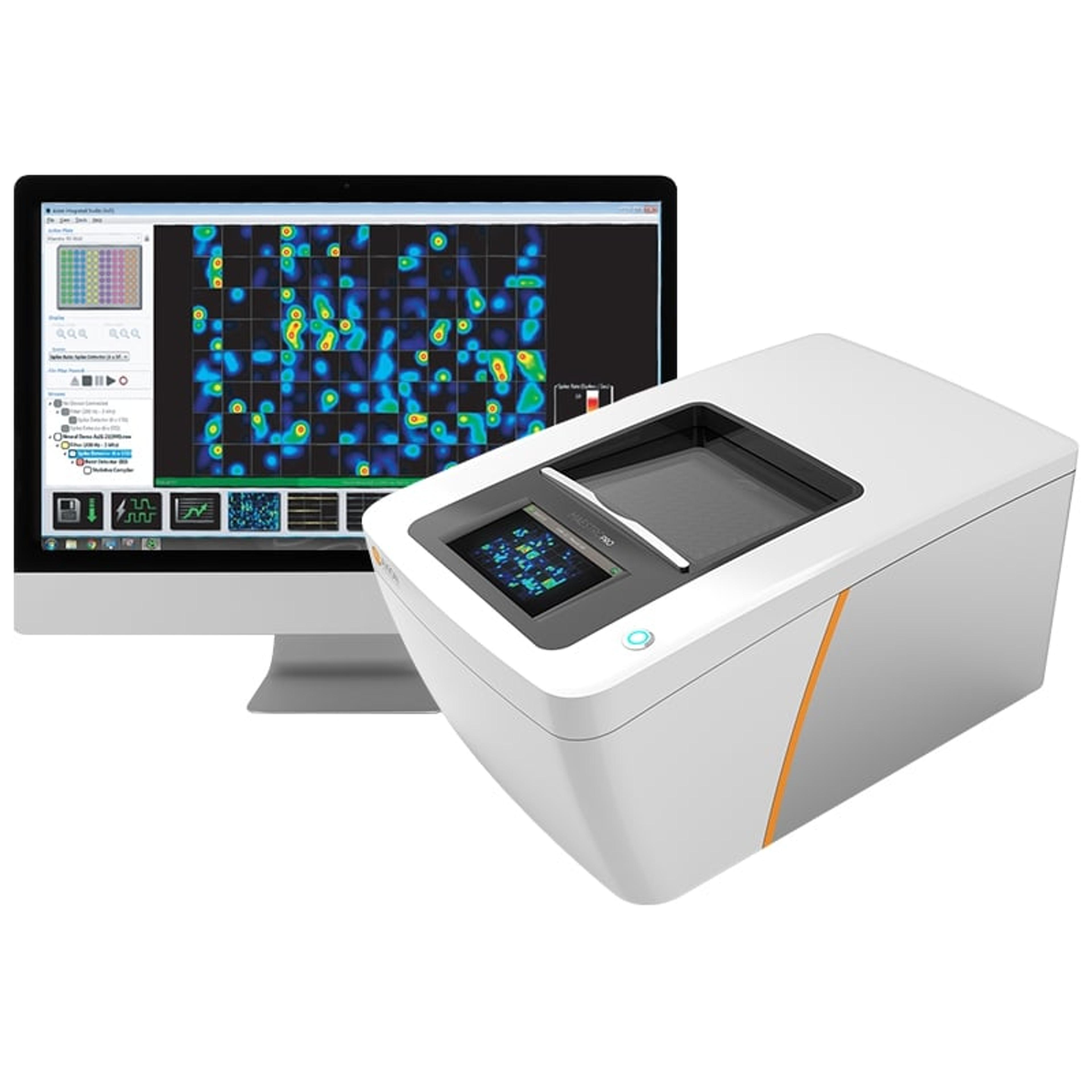
- Neural – Measure the key parameters of neural network function, including activity (are the neurons functional?), synchrony (are the synapses functional?), and oscillation (is the network functional?).
- Cardiac – Record the four key measures of functional cardiac performance, label free and in real time in every well of the multiwell plate: action potential (a.k.a. LEAP assay); field potential; propagation; and contractility.
- MEA Viability – Measure cell viability and coverage on MEA plates for a complete structure-function assay.
- MEA Automation – Automate Cardiac and Neural MEA assays with this API for interfacing with liquid handling platforms.
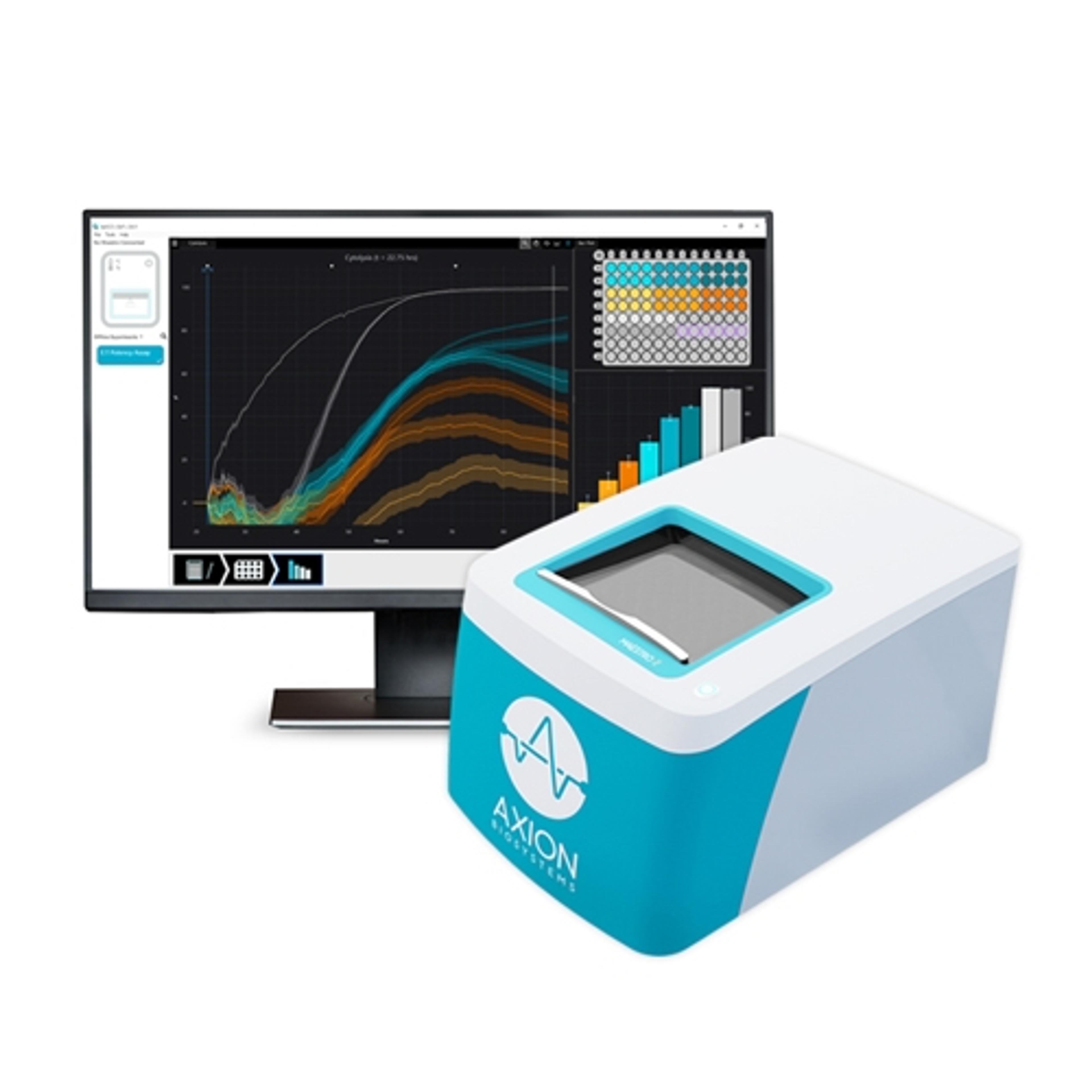
- Impedance – Track cell proliferation, morphology, and viability label-free and in real-time. Ideal for immuno-oncology, cytotoxicity, virology, cell migration, cell proliferation, GPCR assays, and many more.
- GxP Impedance – Achieve FDA 21 CFR Part 11 compliance in GMP/GLP labs with this version of the Impedance Software Module.
CONSUMABLES
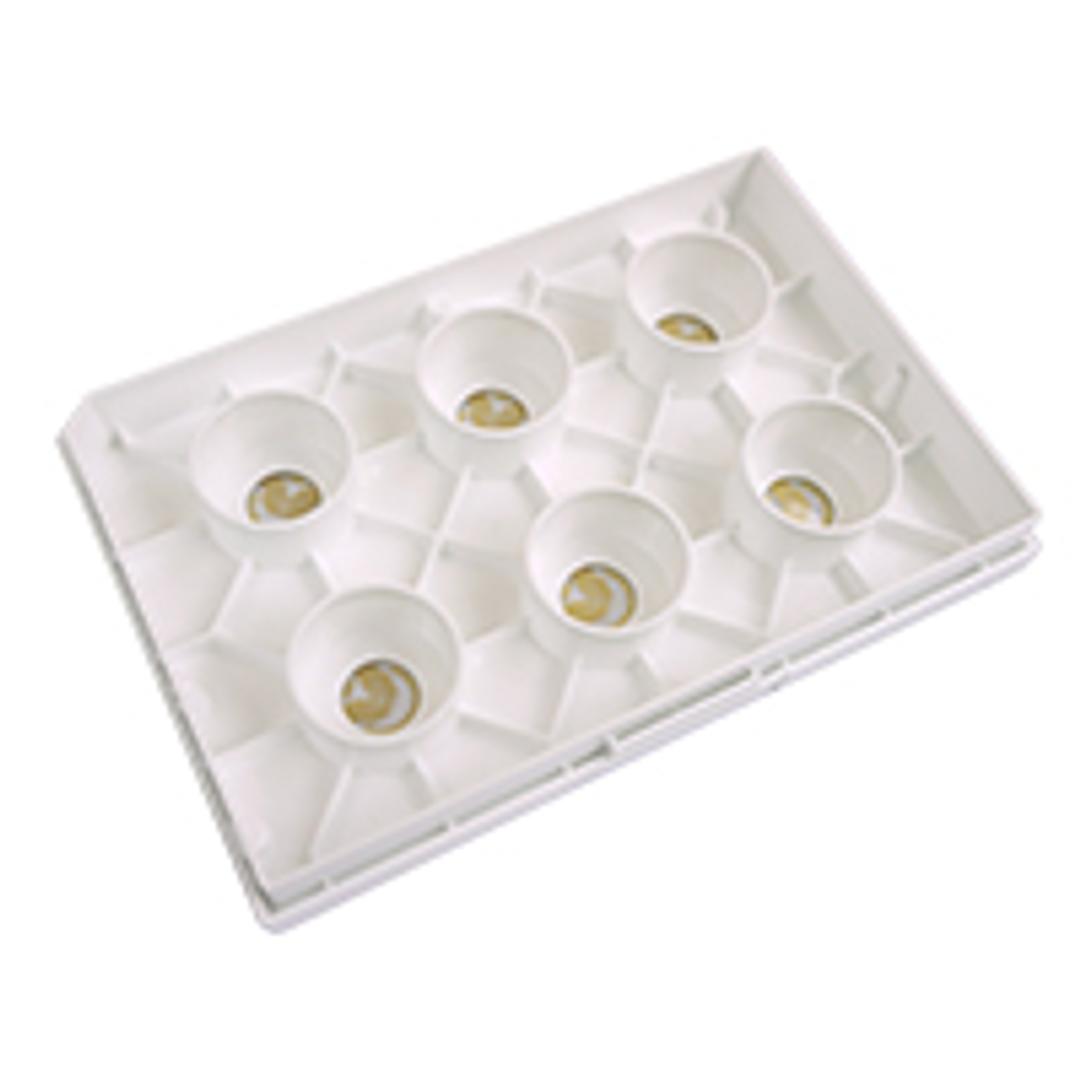
The Maestro Edge system is compatible with the 24- and 6-well versions of Axion’s MEA plates, and the 96-well impedance assay plate. Select the multiwell plates to match your assay needs:
- CytoView MEA – The premium Maestro multiwell MEA plate with a transparent well bottom for cell visualization and assay multiplexing. The 24-, and 6-well plate formats are compatible with the Maestro Edge.
- BioCircuit MEA™ – Maestro MEA plates with an opaque well bottom delivering high-quality results at the lowest cost per well. The 24-well plate format is compatible with the Maestro Edge.
- Lumos MEA™ – Maestro MEA plates designed for use with the Lumos system, featuring a transparent well bottom and light-focusing lid. The 24-well plate format is compatible with the Maestro Edge.
- CytoView-Z™ – The Maestro impedance plate with a transparent well bottom for cell visualization and assay multiplexing. Available in a 96-well plate format.
PERIPHERALS
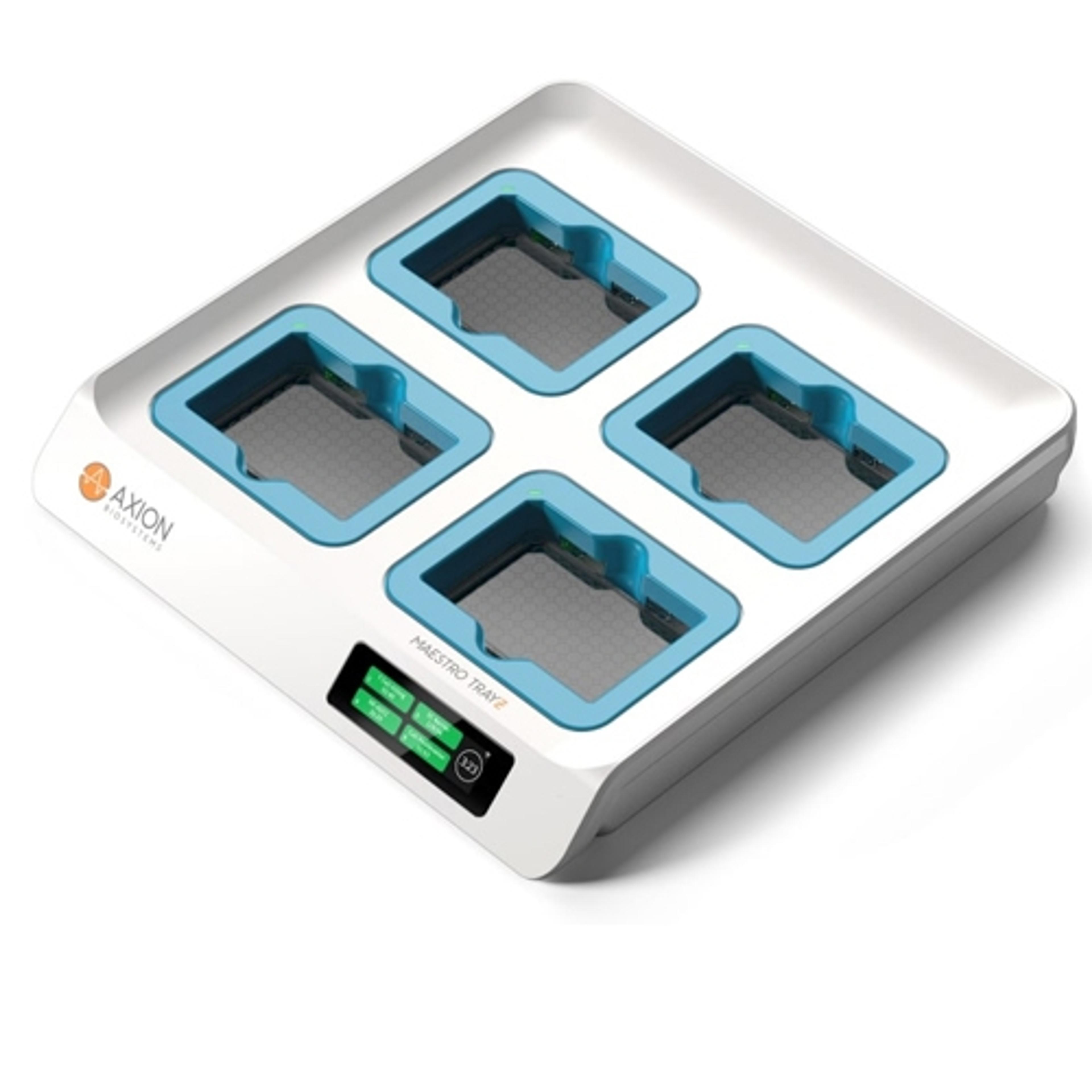
Lumos is a multiwell light stimulation system for optogenetic assays that pairs with the Maestro Edge. The Maestro Edge platform is compatible with the Lumos 24 optical stimulation system:
- Lumos 24™ – For use with Lumos MEA 24 plates. The Lumos 24 system has four LEDs per well (red, orange, green, and blue).
CROSS-COMPATIBLE PLATFORMS
The Maestro Edge system has cross-compatibility with:
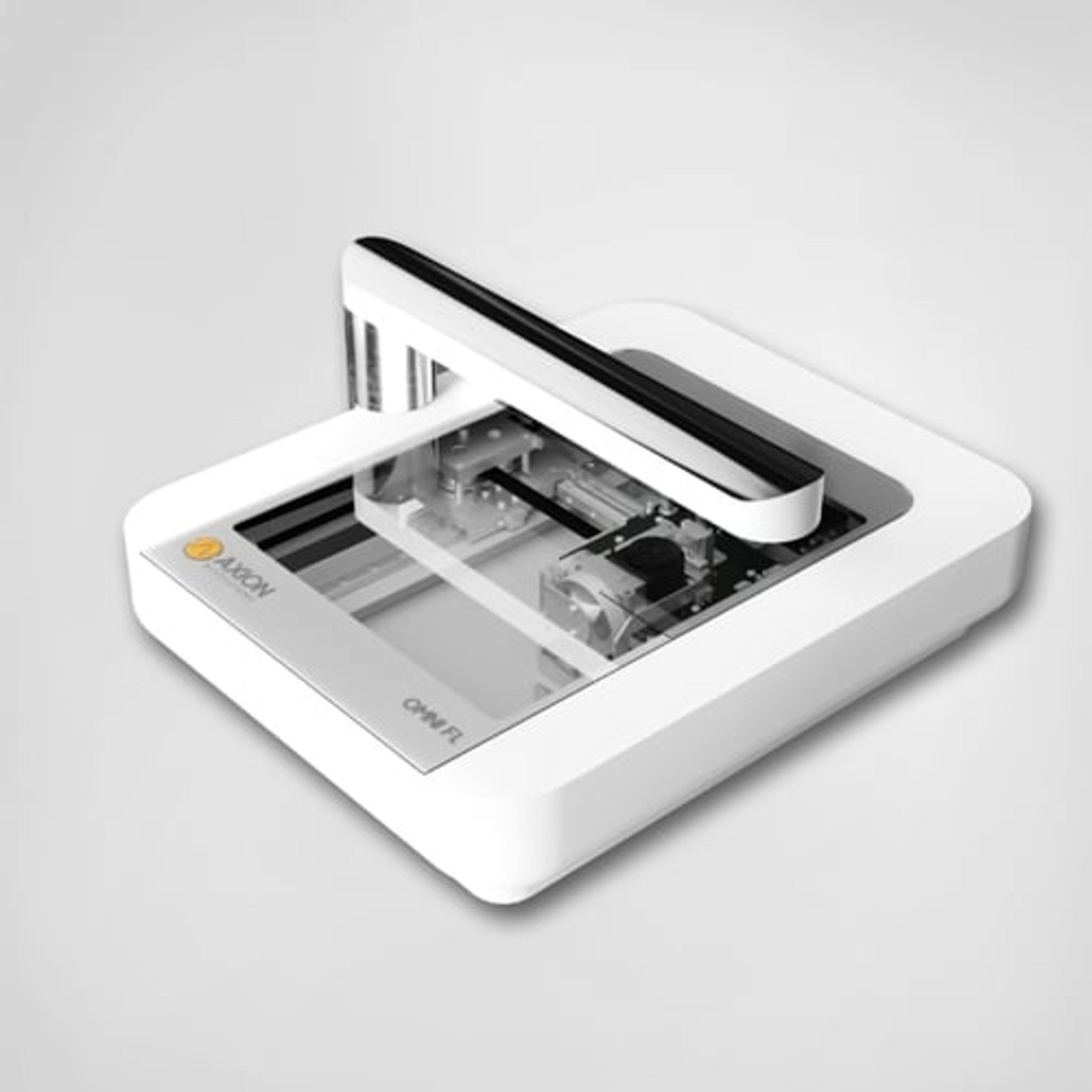
- Omni – See whole-plate images of your cultures next to real-time activity measurements. Confirm electrode coverage and culture health with just a few clicks from AxIS Navigator™. Compatible with Omni and Omni Pro 12™ systems.
Brochures

Accelerate your research with functional neural data
Understanding neuronal activity is the first step in understanding the mechanisms of disease. Axion BioSystems offers your lab the tools to get the most out of your neural cultures. The Maestro microelectrode array (MEA) platform gives you a simple, non-invasive method to gain deep insights into in vitro neural models. Here, discover why the Maestro MEA has become a staple in many neurobiology labs.
Maestro MEA brochure from Axion BioSystems
The Maestro MEA platform from Axion BioSystems makes it easy to perform complex electrophysiological experiments and gain deep insights into the function of cells. Discover how it is compatible with most electrically active cell types and can be used to examine neural activity, cardiac activity, and cellular kinetics. Key features include: multimodal configurations, simultaneous full-plate recording, built-in environmental controls, intuitive software, automation compatibility, and barcode plate tracking. Axion BioSystems offers three variations of the Maestro MEA: Maestro Pro, Maestro Edge, and Maestro Volt.
Maestro Edge: A versatile bioelectronic assay system
This product brochure describes the Maestro Edge, a bioelectronic assay system for monitoring in vitro cell health and behavior. Discover how the Maestro Edge uses sensitive electrodes to track cellular activity, while the culture remains undisturbed.
Neural organoids: Learn more from in vitro tissue models
This application note demonstrates how Axion BioSystems’ Maestro Pro and Maestro Edge are designed to provide a flexible, yet intuitive, assay of functional electrophysiology for neural 3D constructs.
Quickly and easily measure electrical network behaviours in live cells at high throughput
In vitro neural models are a proven powerful strategy for the study of neural function and complex disorders of the human nervous system. Can the complexity of your neural cell models be revealed with only cell imaging, gene expression analysis, or Western blots? The neurons may have the proper characteristics, but how do they function in a network? Using Maestro microelectrode array (MEA) technology, scientists can now quickly and easily measure electrical network behavior in live cells at high throughput.
Real-time live cell activity of cardiomyocytes
In vitro models are a proven powerful strategy for studying disorders of the human heart. Many of these disorders are the result of subtle changes to cardiomyocyte excitability, contractility, or both. The Maestro platform captures live-cell activity from cardiomyocytes in real-time, providing you the functional cell information you have been missing.
How human cerebral organoids are transforming epilepsy modeling and drug discovery
Explore the innovative use of human cerebral organoids to model epilepsy and discover novel anti-seizure medications. Dr. Robert Halliwell, University of the Pacific, details how these 3D neural circuits, derived from stem cells, exhibit functional activity and can be used to test drug efficacy. He also highlights the potential of organoids to overcome limitations of traditional models in developing treatments for neurological disorders.
Measuring oscillatory waves in cortical organoids
In this video, Axion Biosystems presents a short webinar on measuring oscillatory waves in cortical organoids. The webinar discusses research on the development of neural networks using neural organoids and how these lab-grown networks resemble early brain network formations, as well as how these organoid models could be used in the research of neurological disorders such as autism and schizophrenia.

Brain organoids and MEA tech reveal new epilepsy mechanisms
Neurological disorder research is evolving from single cells to complex networks thanks to 3D brain cultures and multielectrode arrays