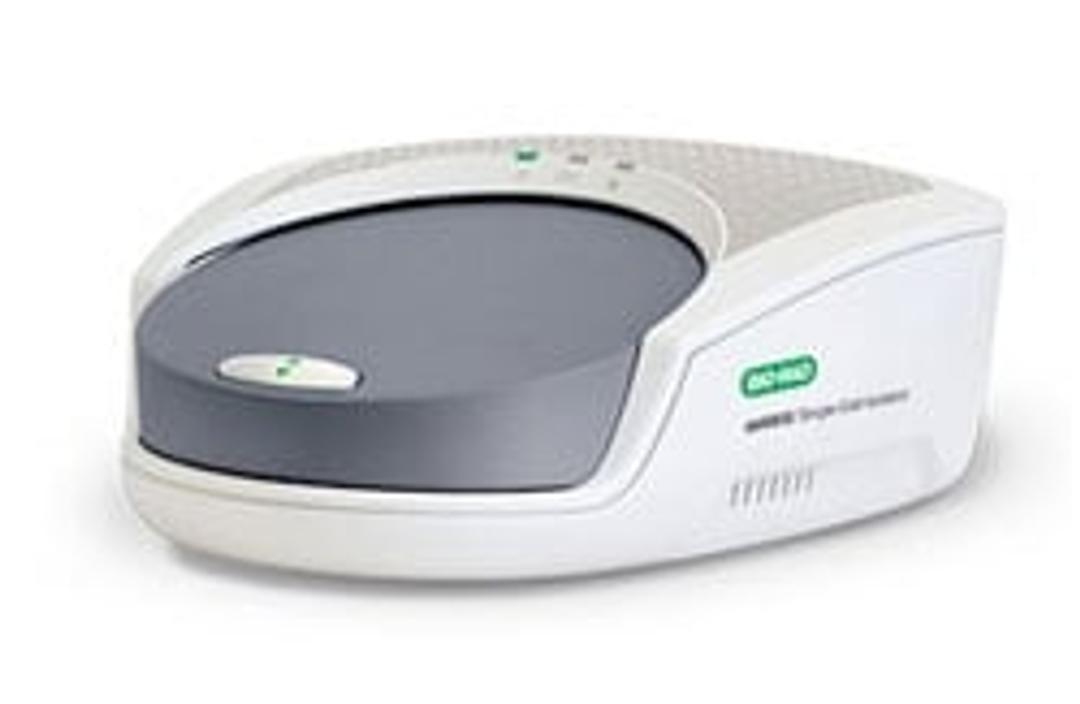
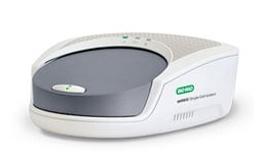
ddSEQ™ Single-Cell Isolator
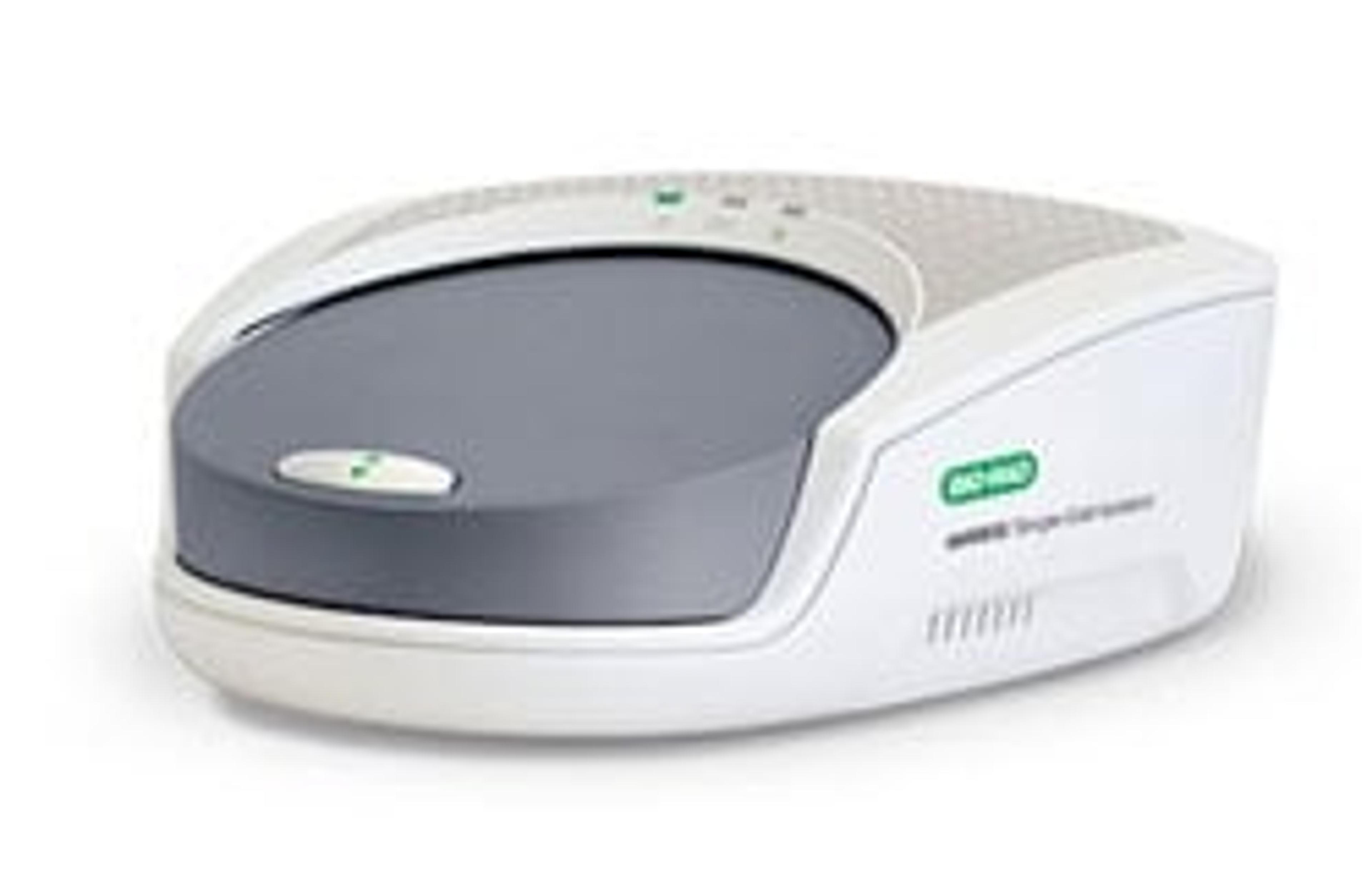
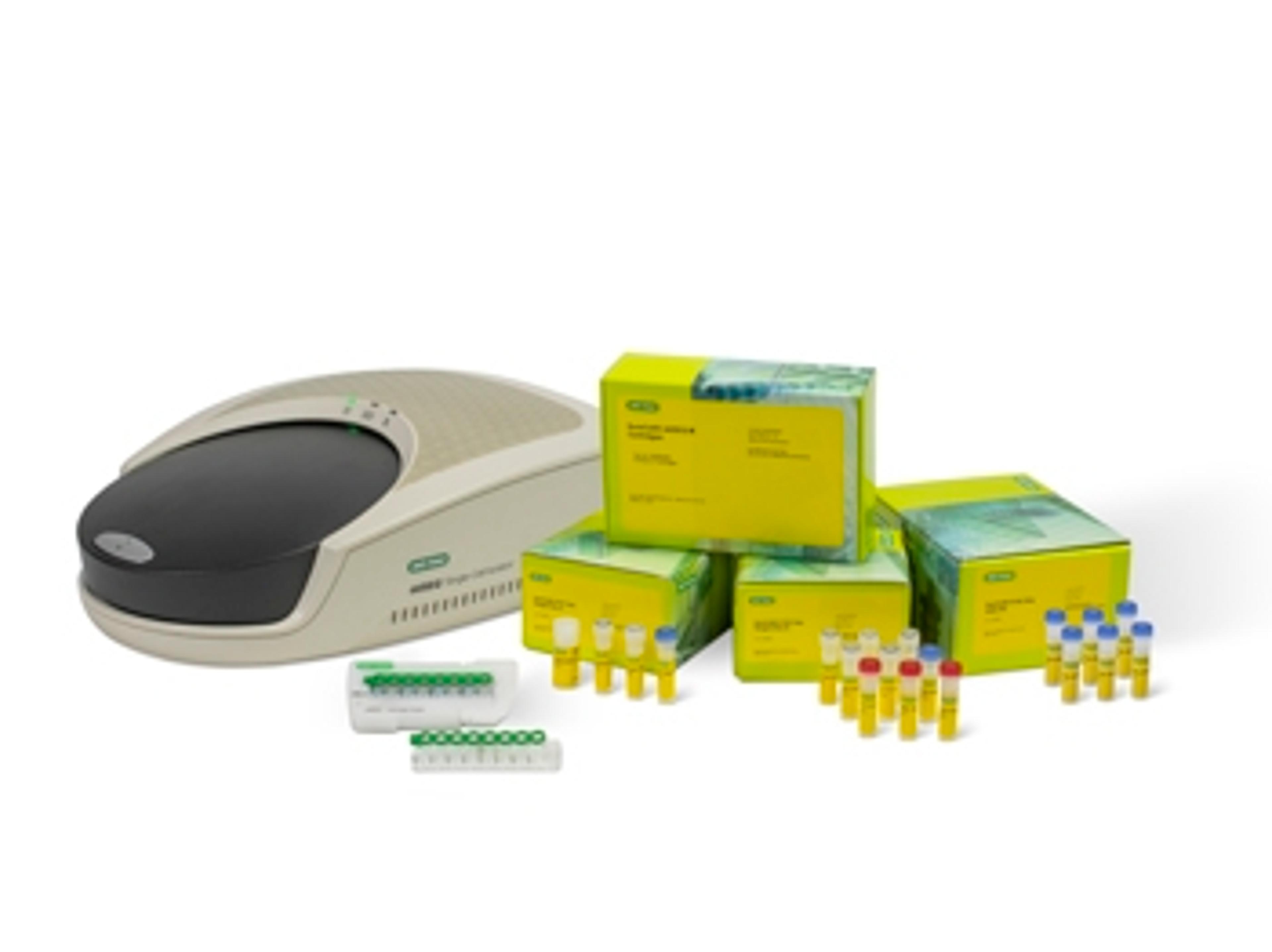
The ddSEQ Single-Cell Isolator is part of the Illumina® Bio-Rad® Single-Cell Sequencing Solution, a platform that brings Bio-Rad's Droplet Digital™ technology and Illumina's market-leading sequencing expertise to single-cell gene expression studies. The ddSEQ Single-Cell Isolator works with the Illumina® Bio-Rad® SureCell™ WTA 3' Library Prep Kit for the ddSEQ™ System. This technology utilizes disposable microfluidic cartri…


The supplier does not provide quotations for this product through SelectScience. You can search for similar products in our Product Directory.
One must opt for the identification of secondary metabolites in biological smaples
Secondary metabolites
Quite easy to handle and very impressive to detect compounds
Review Date: 2 Apr 2022 | Bio-Rad
Great instrument
Immunology research — B Cell and T Cell subunit functional analyses
Easy to use and simple handling of samples with a user-friendly software.
Review Date: 18 Apr 2018 | Bio-Rad
Worth it if you can afford it.
RNA seq of single cell libraries
Great for making RNA seq libraries from specific cells
Review Date: 18 Apr 2018 | Bio-Rad
it is ok for DNA test
Stem cell isolated and DNA RNA purification for identification and also do ing the cloning cells t
It is easy to use, cells are not very healthy and it seems not single cells
Review Date: 12 Dec 2017 | Bio-Rad
Great result and easy to use
Stem cell biology and neurolobiology
It is easy to use and very nice apparatus, the service is good and price is reasonable.
Review Date: 3 Nov 2017 | Bio-Rad
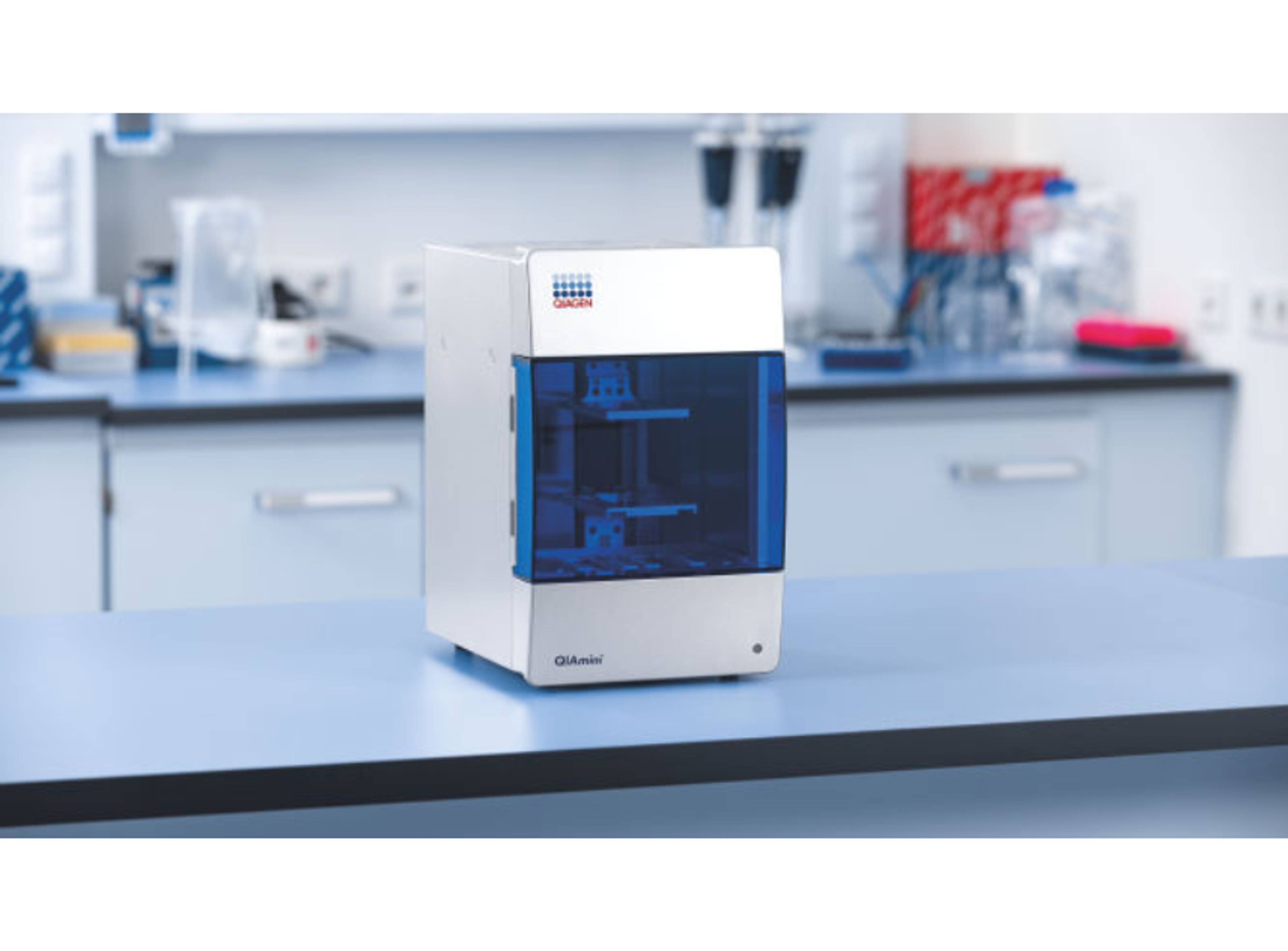
The ddSEQ Single-Cell Isolator is part of the Illumina® Bio-Rad® Single-Cell Sequencing Solution, a platform that brings Bio-Rad's Droplet Digital™ technology and Illumina's market-leading sequencing expertise to single-cell gene expression studies.
The ddSEQ Single-Cell Isolator works with the Illumina® Bio-Rad® SureCell™ WTA 3' Library Prep Kit for the ddSEQ™ System. This technology utilizes disposable microfluidic cartridges to coencapsulate single cells and barcodes into subnanoliter droplets, where cell lysis and barcoding occur. RNA-Seq libraries are subsequently prepared and sequenced. Analysis is conducted via BaseSpace.
Features and Benefits
- Process hundreds to tens of thousands of cells per day
- Sensitive and unbiased characterization of transcriptional signatures
- Scalable solution to accommodate a wide range of experimental designs
- Agnostic to mammalian cell size, enabling unbiased profiling of diverse cell populations
- End-to-end single-cell sequencing solution with simple, powerful data analysis
Applications and Uses
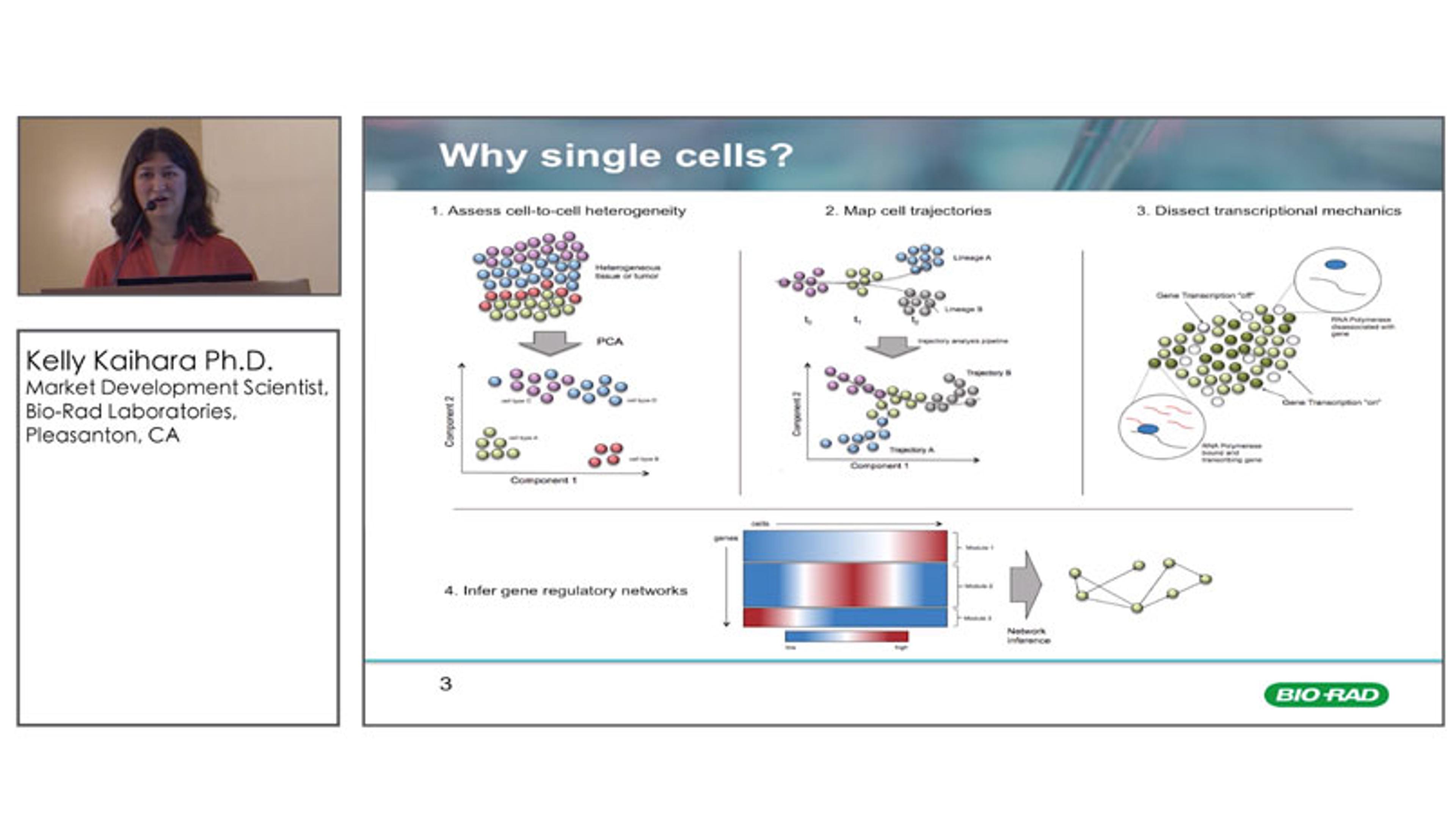
- Assess cell-to-cell heterogeneity and identify new sub-populations
- Map cell trajectories
- Dissect transcriptional mechanics
- Infer gene regulatory networks
- Neurology research — normal brain function, neurological disease and psychological disorders
- Immunology research — B Cell and T Cell subunit functional analyses
- Cancer research — studies of cellular expansion of clonal cells in tumors and mutations that lead to differences in gene expression and drug response
- Stem cell research — studies to better understand development and differentiation, including reverse engineering tissues
Included Components
- ddSEQ Test Cartridges
- ddSEQ Cartridge Holder
- ddSEQ Single-Cell Isolator
- Power supply and power cord
- User manual and product documentation

Stem Cell Analysis: Characterization of Stem Cell Culture Heterogeneity
This case study highlights the research carried out by Dr. Maroof Adil from the University of California Berkeley, aiming to understand how cell culture affects stem cell biology in order to apply this knowledge to create culture platforms that meet the demands of research, as well as clinical needs.
Validation of Gene Expression Markers in scRNA-Seq Using scATAC-Seq
Studying gene expression at a single-cell level can provide crucial insight into how individual cells contribute to biology and disease. Single-cell assay for transposase-accessible chromatin using sequencing (scATAC-Seq) is a powerful tool to examine gene expression regulation. Here, scATAC-Seq is used as an orthogonal approach to validate scRNA-Seq data to detect cell type population in adult mouse brain tissue.
Identifying Heterogeneity within Rare Cell Populations by Pairing Single-Cell RNA-Seq with Cell Sorting
Studying biology at a single-cell level can provide crucial insights into how individual cells contribute to human biology and disease. In this application note, it is demonstrated that the resolution of single-cell RNA sequencing (RNA-Seq) can be greatly enhanced by adding a cell sorting step prior to RNA-Seq analysis. By pairing the S3e Cell Sorter with the illumina® Bio-Rad Single-Cell Sequencing Solution, the isolation of an extremely rare peripheral blood mononuclear cell population was achieved and unexpected heterogeneity within this population was characterized.
The Illumina Bio-Rad Single-Cell Sequencing Solution
Single-cell RNA sequencing provides deep insight into cell function, disease progression and therapeutic efficacy by allowing researchers to differentiate individual cells in heterogeneous populations. This application note presents the Illumina Bio-Rad single-cell sequencing solution as a robust, scalable and user-friendly workflow. It was developed by the industry leaders in sequencing and Droplet Digital™ technologies, enabling transcriptome profiling of hundreds to tens of thousands of single cells in a single experiment.
Examine the Transcriptome at a Single-Cell Level
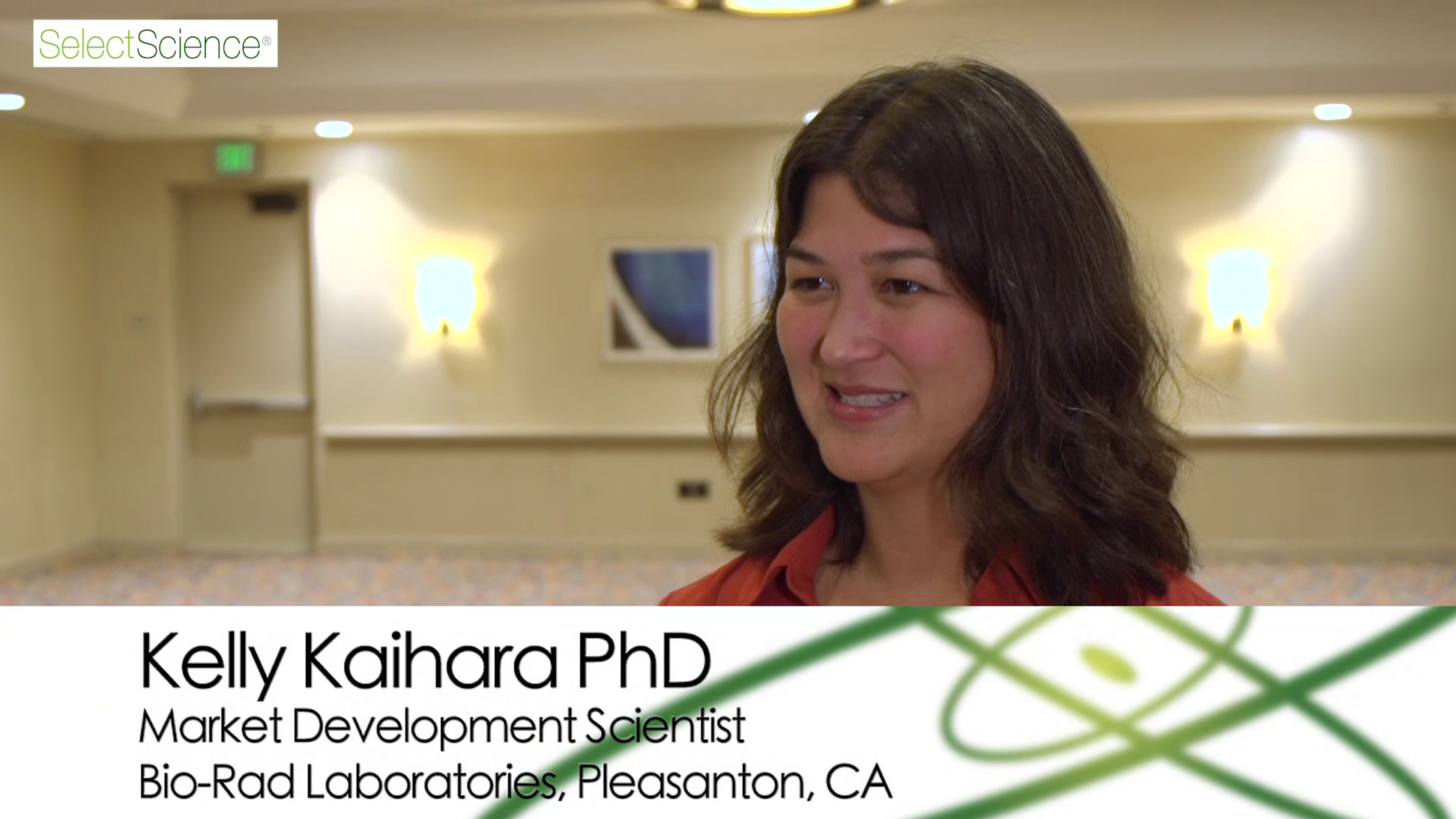
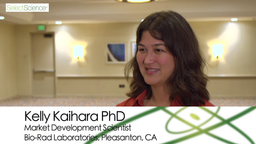
The ddSEQ platform by Bio-Rad enables a high-throughput method to interrogate the transcriptome at a single-cell level. In a population of cells, studying RNA expression in single cells can help map the trajectory of cell fates or establish the expression patterns of genes in a subset of cells, explains Dr. Kelly Kaihara, Market Development Scientist at Bio-Rad.
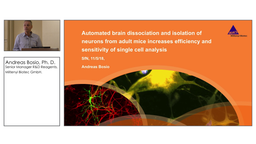
Automated Brain Dissociation and Isolation of Neurons for Efficient Single Cell Analysis
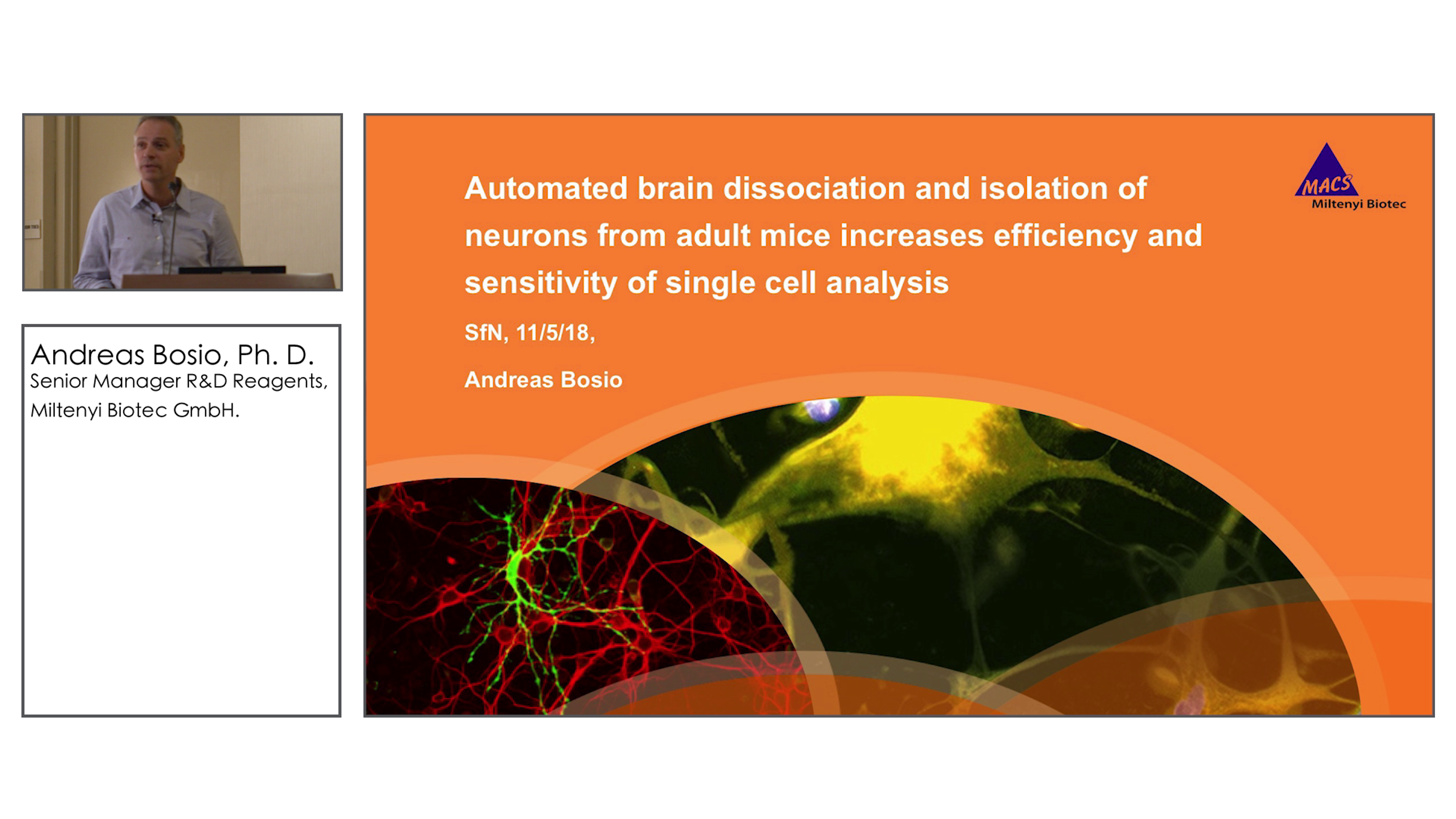
To mediate single cell analysis in a complex tissue such as the brain, each step of the process needs to be optimized. In this presentation, Andreas Bosio, Ph.D., Senior Global Product Manager, Miltenyi Biotech GmbH, presents how the MACS technology by Miltenyi offers isolation of primary neurons from the brain. Further demonstrating the downstream single cell analyses, he compares its efficiency against other manual dissociation methods.
Single-Cell Analysis of Adult Neurons Using ddSEQ for Characterization of Neuronal Subtype
Performing single cell analysis offers numerous benefits, says Kelly Kaihara, Ph.D. Market Development Scientist, Bio-Rad, such as assessing cell-to-cell heterogeneity, mapping cell trajectories, dissecting transcriptional mechanics and inferring related gene networks. Here, she presents how the ddSEQ is used to characterize neuronal subtypes and diversity in adult rodent brain cells.

Bio-Rad Launches its scATAC-Seq Solution
High capture efficiency and sensitivity of scATAC-Seq assay demonstrated in Nature Biotechnology study

Bio-Rad to Unveil New Solutions for Streamlined Long Noncoding RNA (lncRNA) Research at AACR 2019
Innovative workflow promises highly sensitive detection of lncRNAs by qPCR and ddPCR to help researchers “overcome challenges associated with lncRNA expression analysis”
Your Neuroscience Playlist: 9 Essential Video Interviews
Watch video highlights from the Neuroscience 2018 annual meeting in San Diego, from the latest research presented, to the new technologies innovating neurobiology research

Free Webinar: ddSEQ Single-Cell Sequencing Technology and Applications
Registration is now open for our interactive webinar which will present the key benefits and applications of single-cell sequencing