ACQUITY UPLC FLR Detector
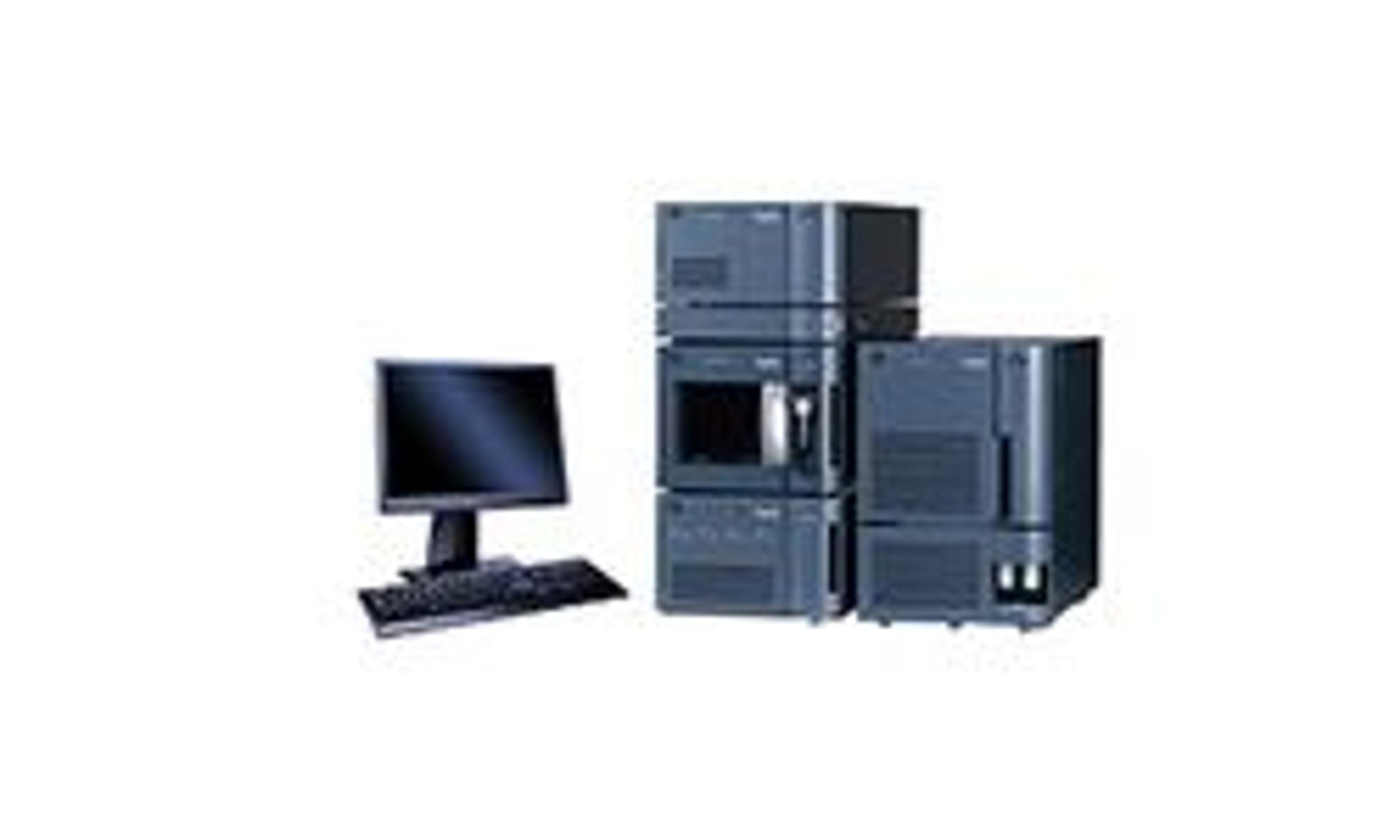
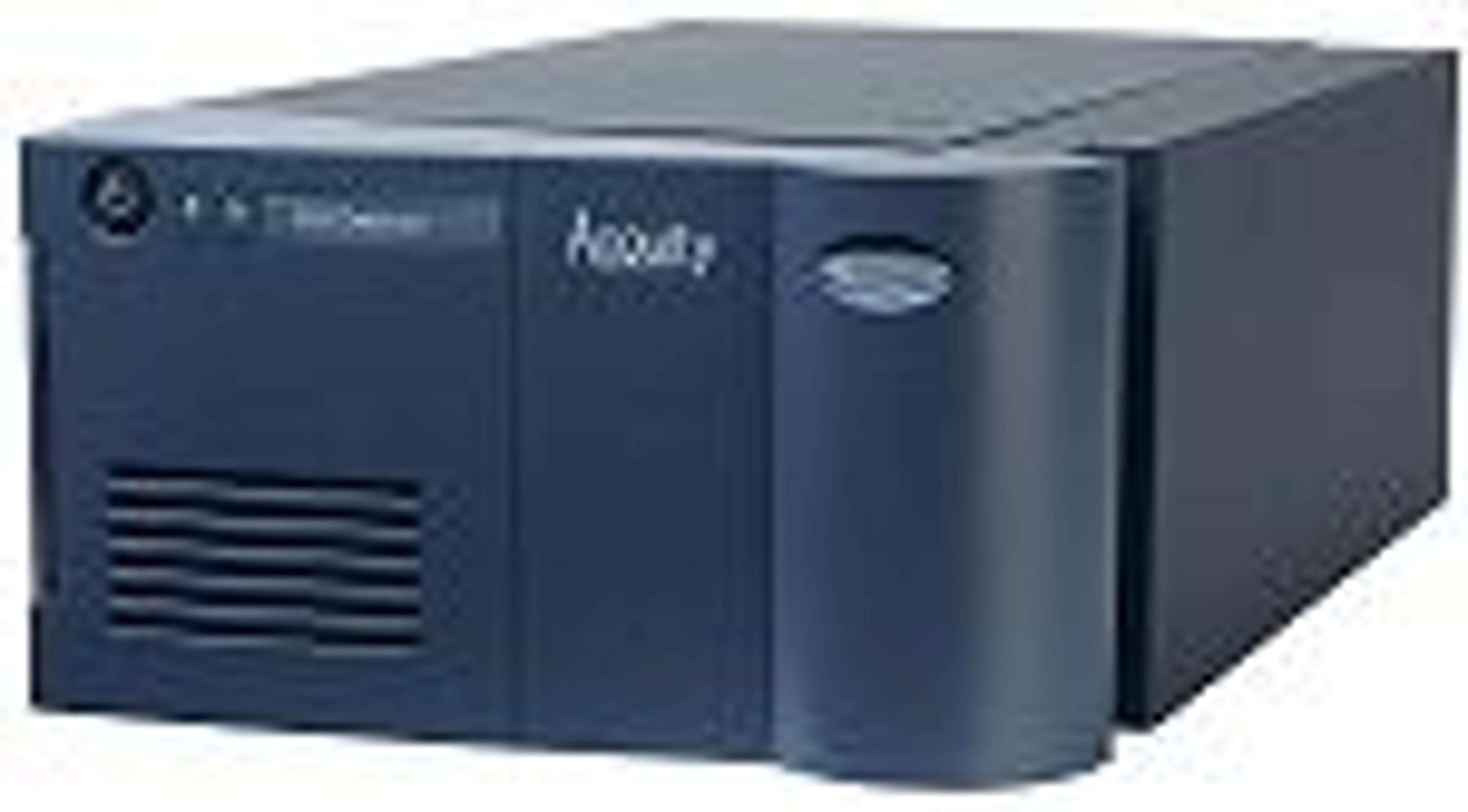
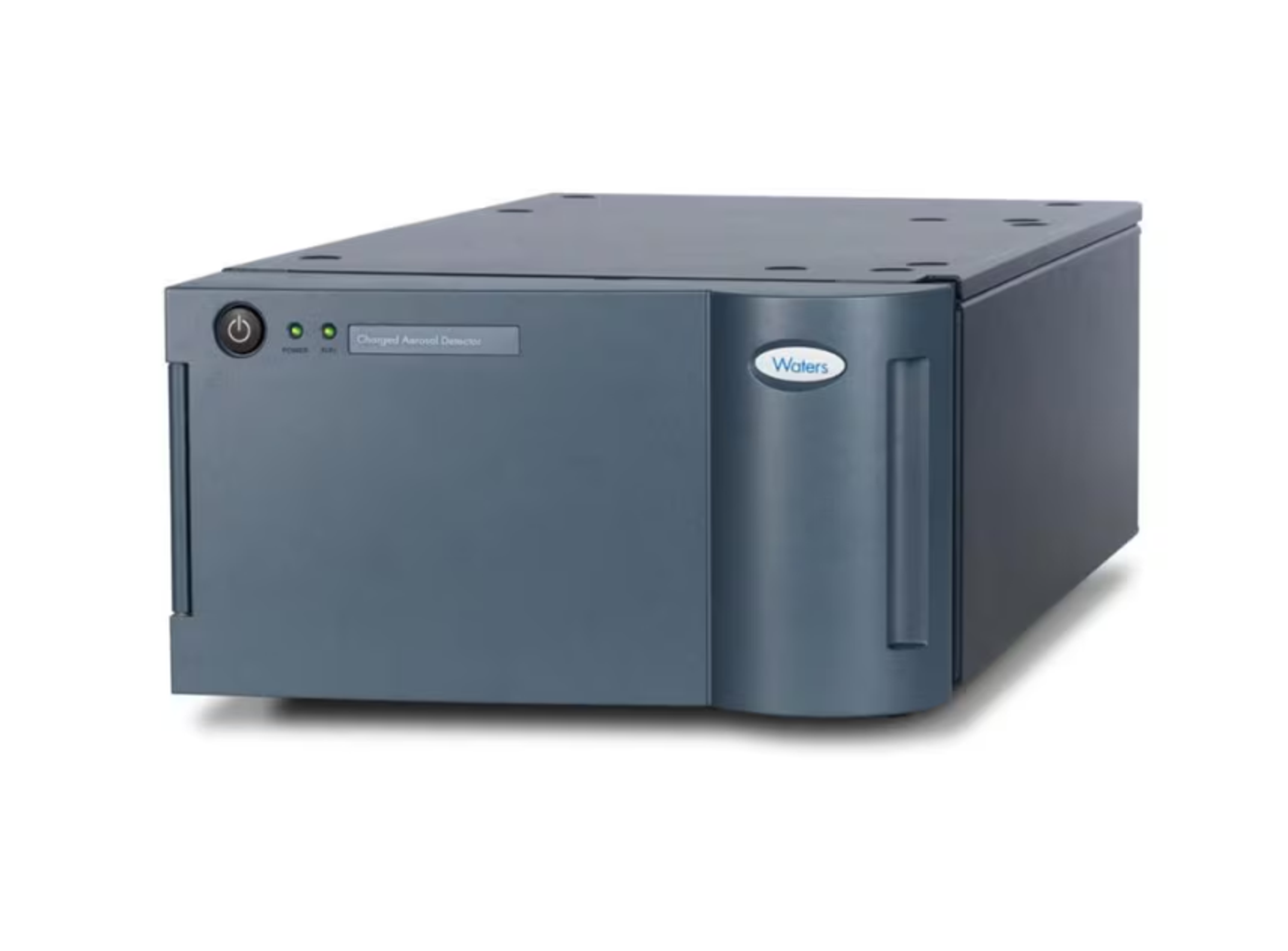
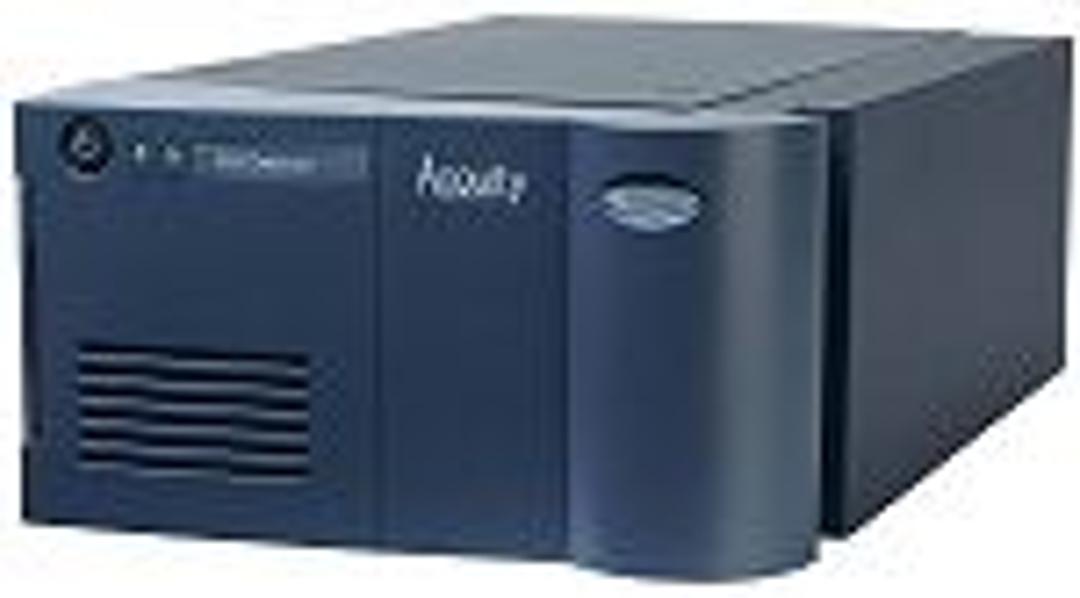
The ACQUITY UPLC® Fluorescence (FLR) Detector brings unrivaled sensitivity and selectivity to UPLC®. The detector’s innovative flow-cell design, low-noise electronics and support for high-speed data rates are perfectly suited to the efficient separations of the ACQUITY UPLC's advanced fluidics technology. Target applications include PAHs, environmental contaminants, vitamins, aflatoxins and pharmaceuticals. Ultra Performance i…



Place your order directly with the manufacturer.
The ACQUITY UPLC® Fluorescence (FLR) Detector brings unrivaled sensitivity and selectivity to UPLC®. The detector’s innovative flow-cell design, low-noise electronics and support for high-speed data rates are perfectly suited to the efficient separations of the ACQUITY UPLC's advanced fluidics technology. Target applications include PAHs, environmental contaminants, vitamins, aflatoxins and pharmaceuticals.
Ultra Performance in Fluorescence Detection:
Low volume flow cell design (<2μL) – The axially illuminated design of this flow cell enables greater light absorption, thereby enhancing sensitivity, despite it’s reduced cell volume.
High-intensity light source, low-noise electronics and low dispersion optics – maximizes light throughput ensuring optimal signal-to-noise performance as compared to conventional fluorescence detectors for LC
Support for data rates up to 80HZ – fit the requirements of any ultra fast, ultra performance application allowing for the full characterization of the narrow, sharp peaks typical of UPLC type separations
3D scanning capability – allows for the fast determination of wavelength maxima enabling efficient methods development

Why Choose the Acquity UPLC Plus Series: An Infographic
Since its introduction in 2004, each addition to the Acquity family has continuously pushed forward to enable you to find faster, simpler and better ways to support the work that you do.
The History of Waters Detectors Infographic
This infographic presents the timeline of Waters liquid chromatography (LC) technology. Waters defined the GPC/HPLC market in 1963 with the release of the GPC 100. Since then Waters have advanced their detectors technology, pushing LC separations to the next level and continuing in the future to create innovative detectors that meet the ever changing needs of scientists.
Rapidly Monitor Released N-Glycan Profiles During Process Development
This application note describes how the RapiFluor-MS and the ACQUITY QDa Detector from Waters can reduce the sample preparation time for rapidly labeling released N-glycan and improve fluorescence signal. Using the combination of the RapiFluor-MS and ACQUITY QDa detector provides data rapidly and efficiently.
A Holistic Workflow for Acquisition, Processing, and Reporting Fluorescent-Labeled Glycans using the Biopharmaceutical Platform Solution with UNIFI
Learn how the Waters Biopharmaceutical Platform solution with UNIFI streamlines analytical workflows for glycans and increases productivity within the biopharmaceutical manufacturing process.
Ensuring Seafood Safety with Rapid Screening for Polyaromatic Hydrocarbons Using LC-Fluorescence
To prevent consumption of contaminated seafood and minimize the impact on the seafood industry, a fast screening method is required to analyze compounds of concern at the stated levels. This application note demonstrates that, following a simple extraction method using Waters DisQuE Dispersive Sample Preparation Kit QuEChERS, an analysis of PAHs can be achieved in less than 4 minutes using the ACQUITY UPLC H-Class System with Fluorescence Detection.
Facilitating Chiral Method Development Using UPSFC/MS
Chirality plays a critical role in drug profiles because enantiomers can have vastly different biological/pharmacological/toxicological properties. Chiral analysis is typically addressed in the early stage of drug discovery. Due to its superior resolving power and high speed, SFC has gained a strong foothold in the chiral analysis arena. Furthermore, SFC eliminates the use of toxic solvents typically associated with normal phase LC chiral analysis, such as hexane and chloroform.
The use of MS detection was demonstrated to facilitate chiral UPSFC method development. Taking advantage of the specificity of MS detection, a mixture of two enantiomers with different molecular masses was screened simultaneously. By examining the XICs combined with a prior knowledge of the compound mass, the compound identity was easily determined. The throughput for chiral method development was, therefore, improved two-fold, compared to a traditional SFC-UV approach. The ACQUITY UPSFC/MS System is ideal for laboratories pursuing high throughput enantioselective analyses, enantiomeric excess determination in a complex mixture or matrix, and impurity profiling.

Waters Unveils New Line of Calorimeters, New Solid-Core Column Chemistries and More at Pittcon 2016
Company also spotlights how its glycan analysis kit has saved biopharmaceutical industry nearly four years of lab work