Ensuring Seafood Safety with Rapid Screening for Polyaromatic Hydrocarbons Using LC-Fluorescence
21 Apr 2014To prevent consumption of contaminated seafood and minimize the impact on the seafood industry, a fast screening method is required to analyze compounds of concern at the stated levels. This application note demonstrates that, following a simple extraction method using Waters DisQuE Dispersive Sample Preparation Kit QuEChERS, an analysis of PAHs can be achieved in less than 4 minutes using the ACQUITY UPLC H-Class System with Fluorescence Detection.
Related products
Request Quote for All Products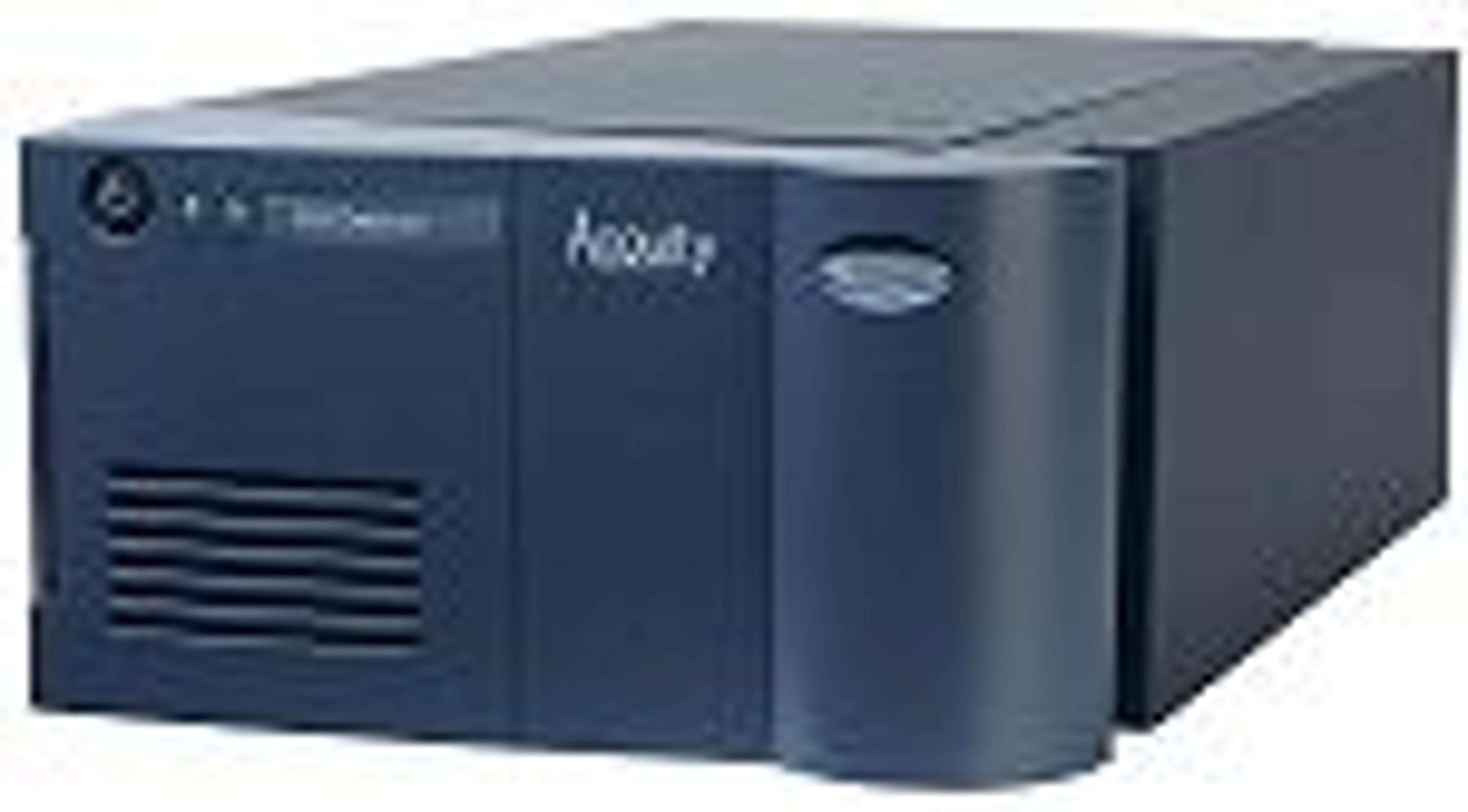
ACQUITY UPLC FLR Detector
WatersThe ACQUITY UPLC® Fluorescence (FLR) Detector brings unrivaled sensitivity and selectivity to UPLC®. The detector’s innovative flow-cell design, low-noise electronics and support for high-speed data rates are perfectly suited to the efficient separations of the ACQUITY UPLC's advanced fluidics technology. Target applications include PAHs, environmental contaminants, vitamins, aflatoxins and pharmaceuticals. Ultra Performance in Fluorescence Detection: Low volume flow cell design ( – The axially illuminated design of this flow cell enables greater light absorption, thereby enhancing sensitivity, despite it’s reduced cell volume. High-intensity light source, low-noise electronics and low dispersion optics – maximizes light throughput ensuring optimal signal-to-noise performance as compared to conventional fluorescence detectors for LC Support for data rates up to 80HZ – fit the requirements of any ultra fast, ultra performance application allowing for the full characterization of the narrow, sharp peaks typical of UPLC type separations 3D scanning capability – allows for the fast determination of wavelength maxima enabling efficient methods development