
CIMmultus Oligo dT18
CIMmultus Oligo dT monolithic columns use hybridization affinity chromatography and an immobilized oligo-deoxythymidilic acid (oligo dT) ligand
Receive your quote directly from the manufacturer.
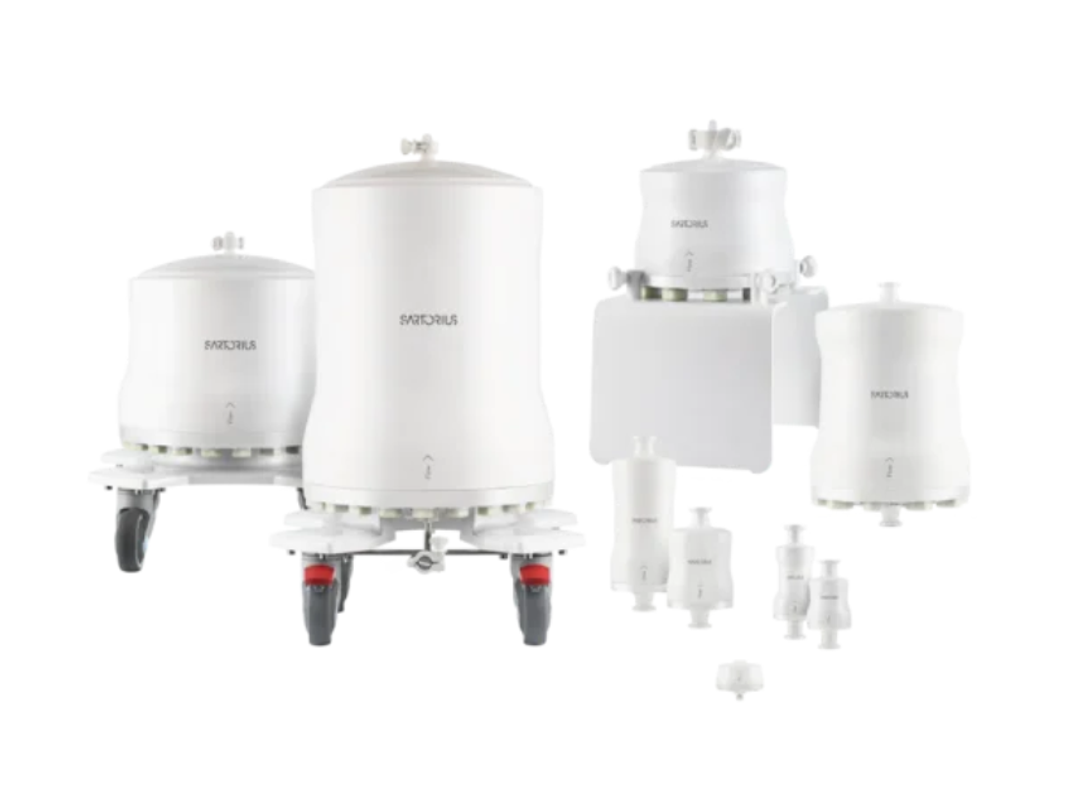
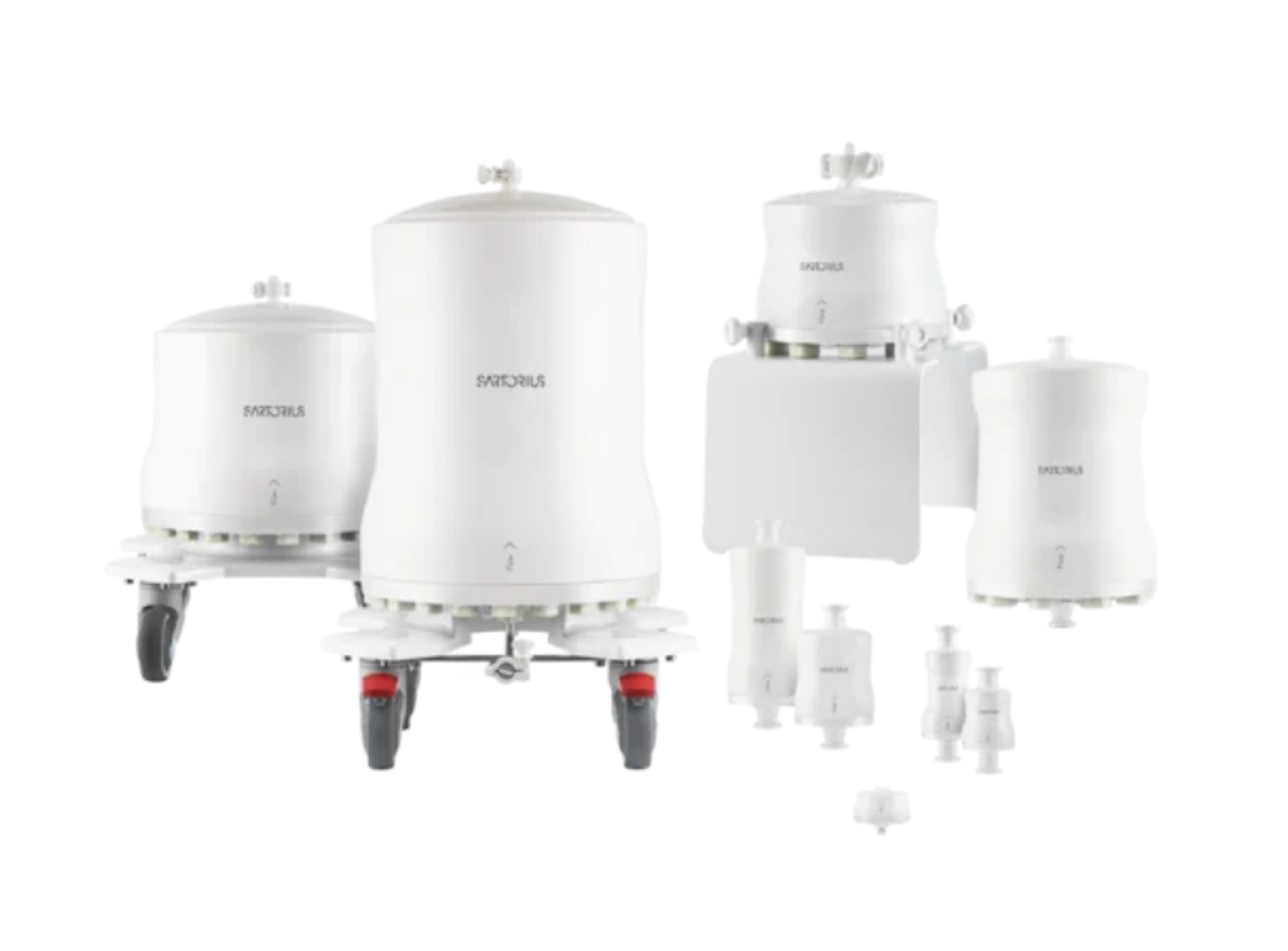
CIMmultus® Oligo dT columns are a breakthrough in mRNA purification. They use hybridization affinity chromatography to effectively capture mRNA. This method enables specific binding through complementary base pairing in a high ionic strength mobile phase. This ensures high purity and yield without denaturing conditions. Unlike traditional affinity resins, which have difficulty with mass transfer for larger mRNA molecules, CIMmultus® columns achieve residence times of less than 10 seconds. This allows operation at higher flow rates with minimal reduction in dynamic binding capacity (DBC). These columns deliver over 95% recovery and are effective at removing impurities, such as double-stranded RNA (dsRNA), which trigger immune responses and degrade mRNA. Due to their robust stability and exceptional scalability, CIMmultus® Oligo dT monoliths are ideal for industrial applications and large-scale mRNA production. They meet FDA and EMA standards and have full GMP documentation.
Key features:
→ Achieving up to 95% mRNA recovery, lowering manufacturing costs.
→ Operates at high flow rates and short residence times for rapid processing.
→ Removal of over 99% of process-related impurities, ensuring high purity.
→ Offers reliable ligand-based capture for precise mRNA purification.
→ Provides comprehensive support with full GMP documentation.
→ Ensures stability after chemical treatment and long-term storage.
→ Scales from micrograms to kilograms for various production stages.
Relevant applications:
→ Efficient purification of mRNA across multiple transcript lengths.
→ Ideal for mRNA therapeutics and vaccine production.
→ Suitable for facilities not equipped to work with organic solvents to support the removal of dsRNA
→ Enables rapid decision-making and process automation in mRNA production.

Higher‑quality mRNA starts with pH‑driven dsRNA removal
Wednesday, March 18 at 16:00 GMT | 17:00 CET | 12:00 EDT | 09:00 PDT
The rapid expansion of mRNA‑based therapeutics has intensified the need for highly reliable impurity‑control strategies. Among these impurities, double‑stranded RNA (dsRNA) poses a significant challenge, as even small amounts can trigger unwanted immune responses and compromise product efficacy.
In this SelectScience® webinar, attendees will explore how pH‑based denaturation and Oligo dT purification enable rapid dsRNA disruption, high mRNA recovery, and improved potency. Join Dr. Rok Sekirnik, head of process development of mRNA/pDNA at Sartorius BIA Separations and Evelin Nett, a PhD researcher specializing in RNA‑based technologies, as they share practical guidance on implementing this methodology in modern mRNA production to enhance mRNA integrity for personalized therapies and vaccines.
Key learning objectives:
- Learn how pH denaturation and Oligo dT purification enable selective dsRNA removal while maintaining high mRNA recovery and integrity.
- Understand how optimized dsRNA‑removal workflows can boost downstream performance, including 5-6x improved cell‑based potency.
- Gain insight how to apply this method using HPLC, FPLC, or centrifugation.
Who should attend?
- Scientists and developers working across upstream, downstream, analytical, and process development in mRNA and gene therapy workflows
- R&D leaders, CDMOs, and specialists advancing therapeutic development and manufacturing strategies
Certificate of attendance
If you attend the live webinar, you will automatically receive a certificate of attendance, including a learning outcomes summary, for continuing education purposes.
If you view the on-demand webinar, you can request a certificate of attendance by emailing editor@selectscience.net.
Webinar details
- Cost: Free to attend
- Location: Online
- Duration: 60 minutes
Registration is required to secure your place. If you register but can’t attend live, you will receive a link to the on‑demand recording once it becomes available.
Product Overview
Links
Featured products
Request Quote for All Products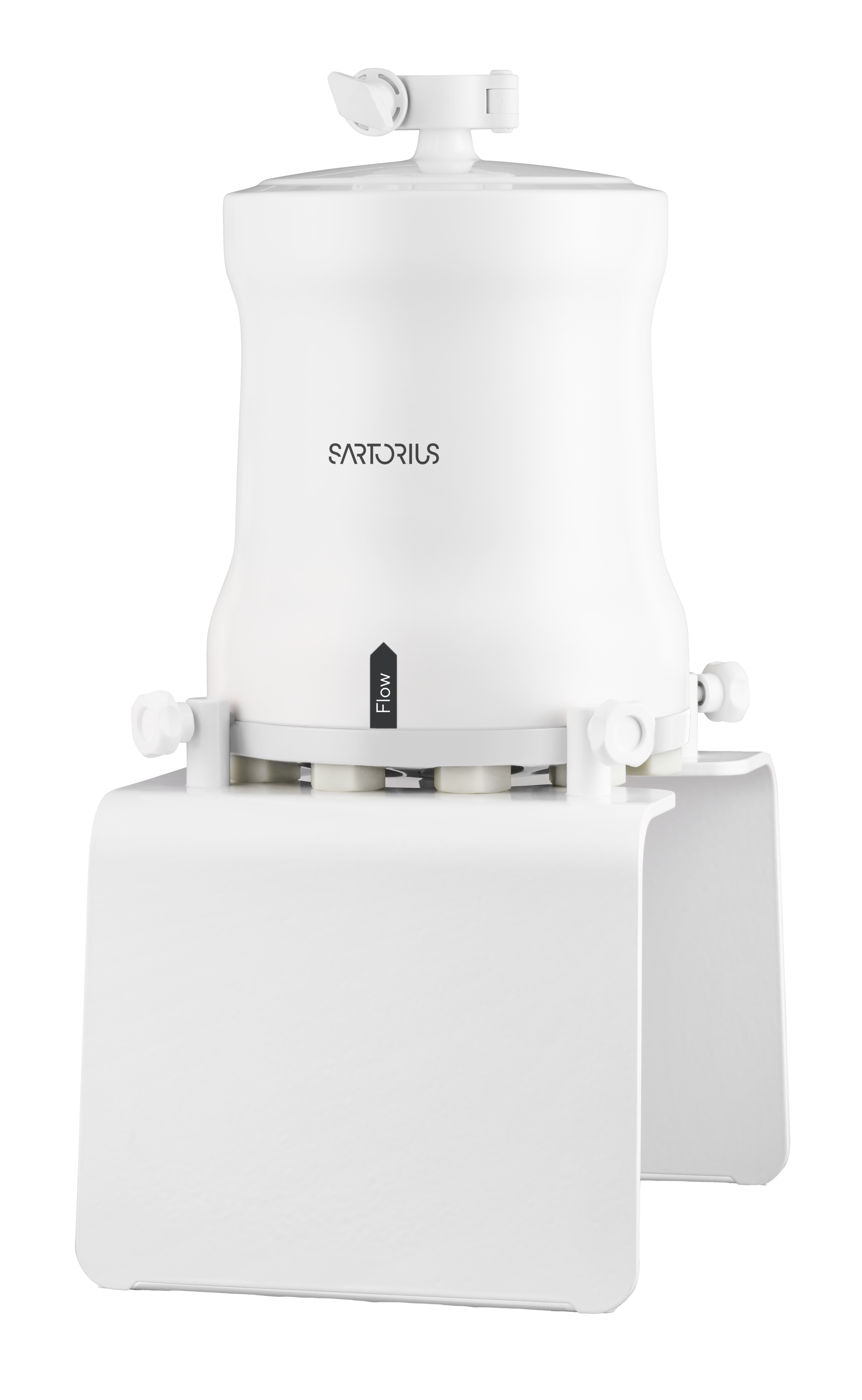
CIMmultus OH
Sartorius BIA SeparationsA tool for chromatographic purification of LNPs as an alternative to filtration methods.
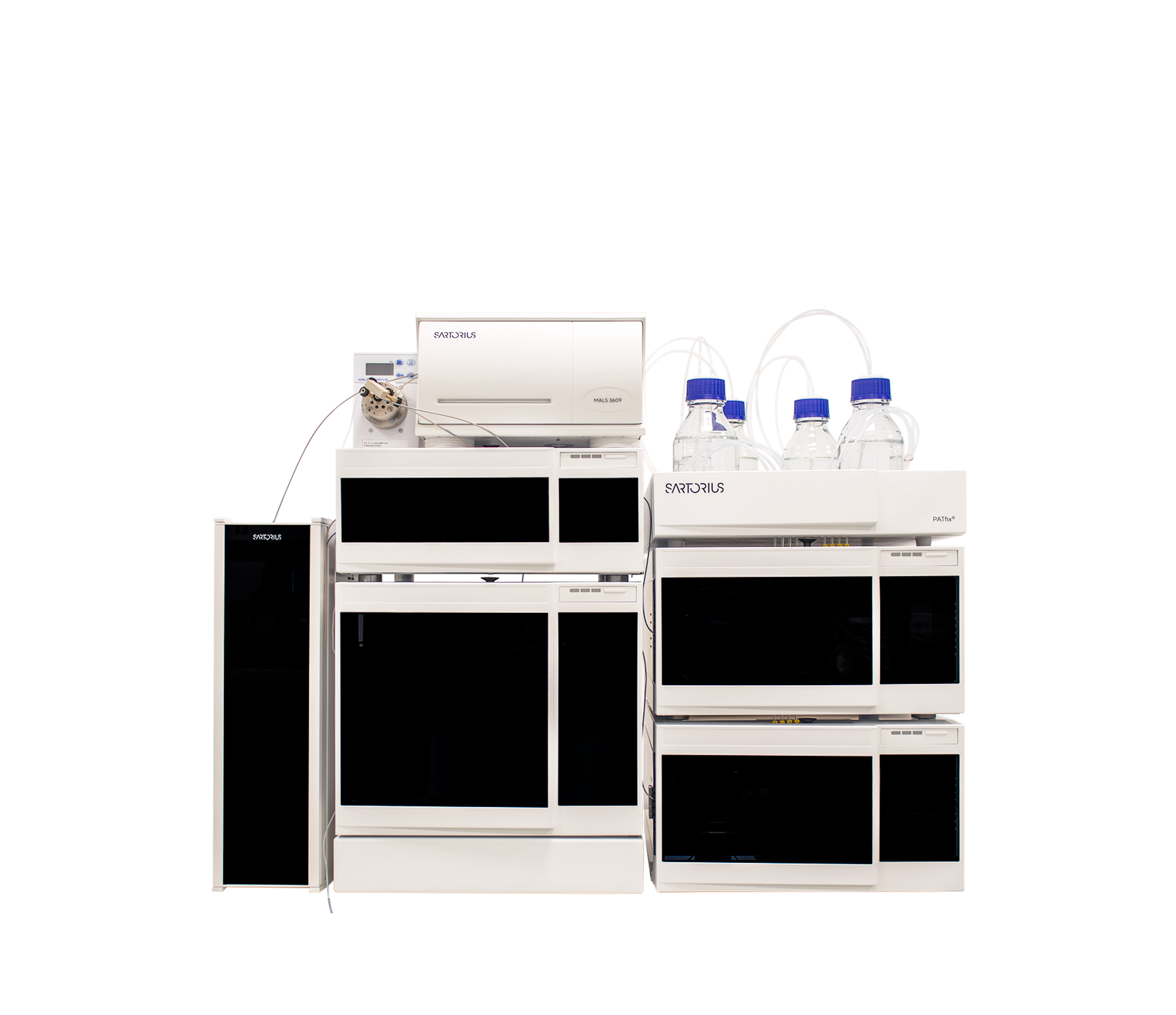
PATfix LNP Switcher Platform
Sartorius BIA SeparationsInnovative solution that enables investigation of multiple critical attributes for LNP drug products, without extensive sample preparation or dye requirements.