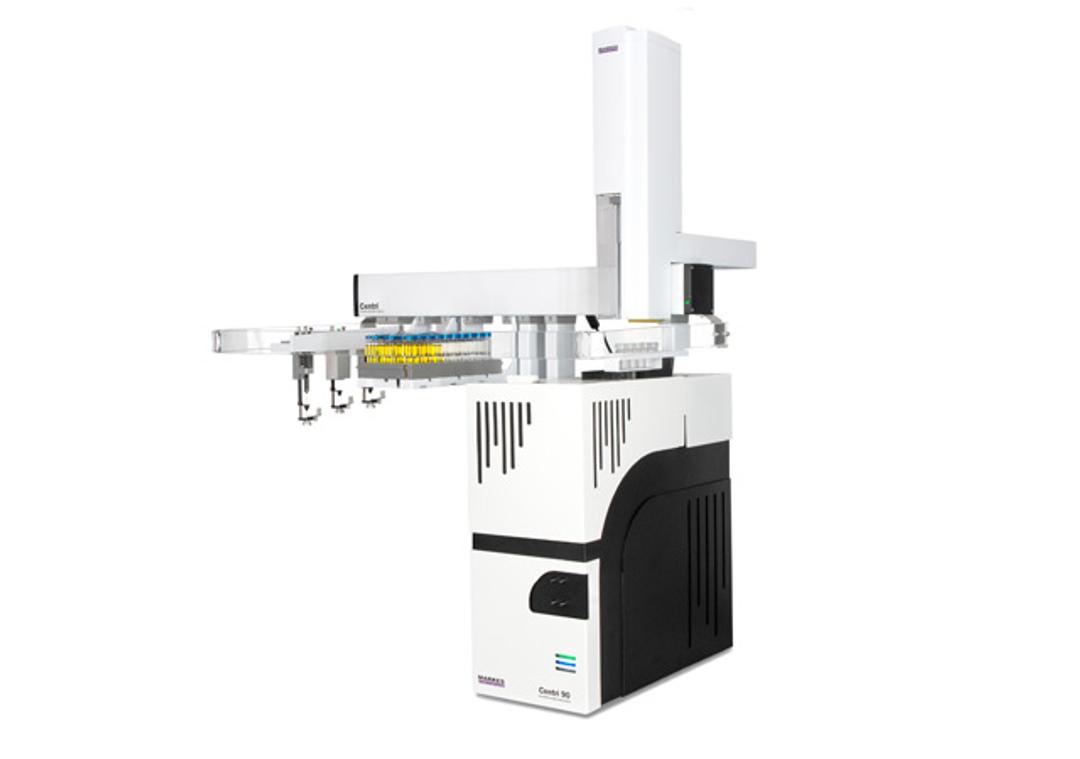
Centri 90
High-throughput platform for routine, high-sensitivity analysis using high-capacity sorptive extraction (HiSorb), headspace- and SPME-based workflows

Receive your quote directly from the manufacturer.
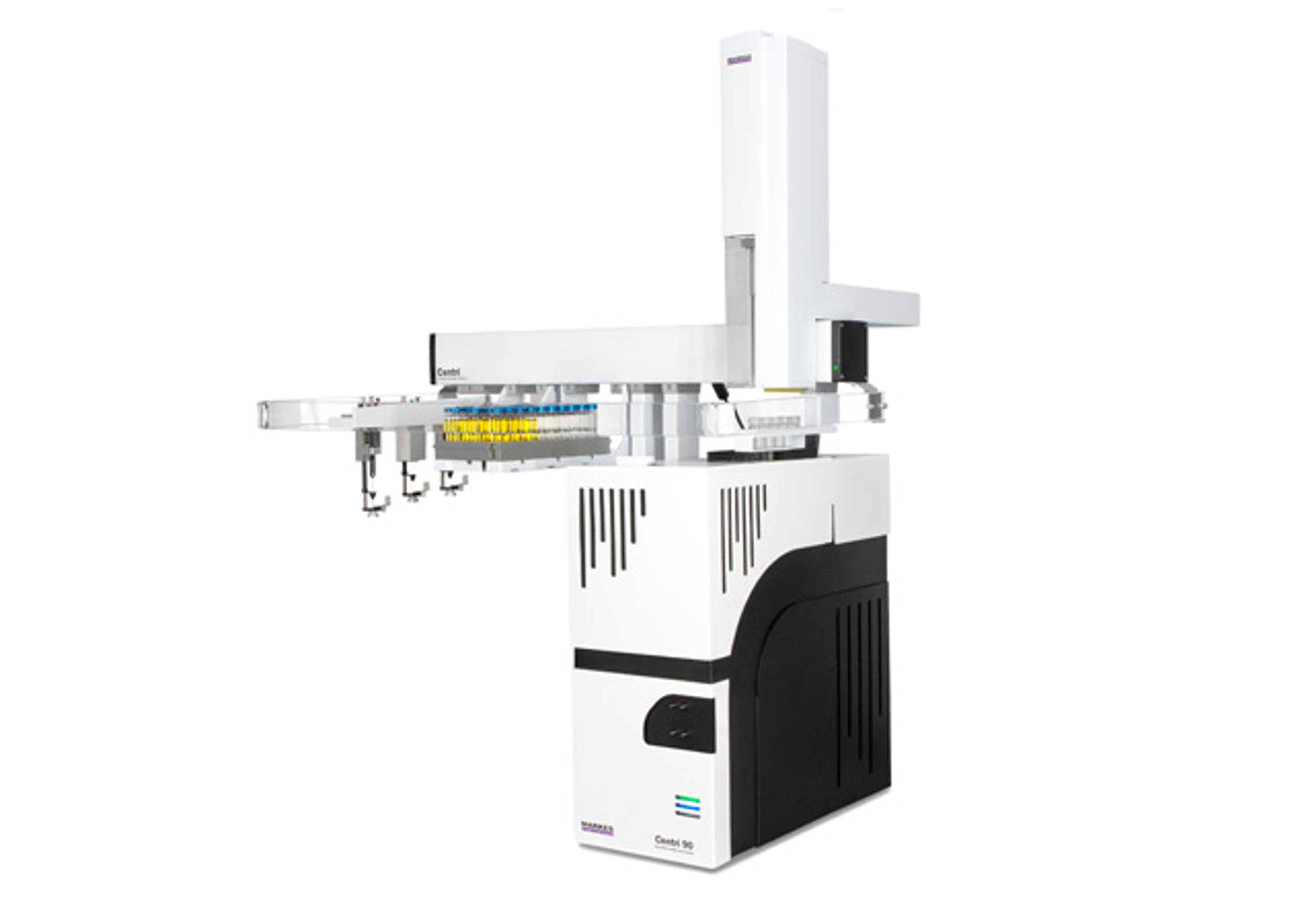
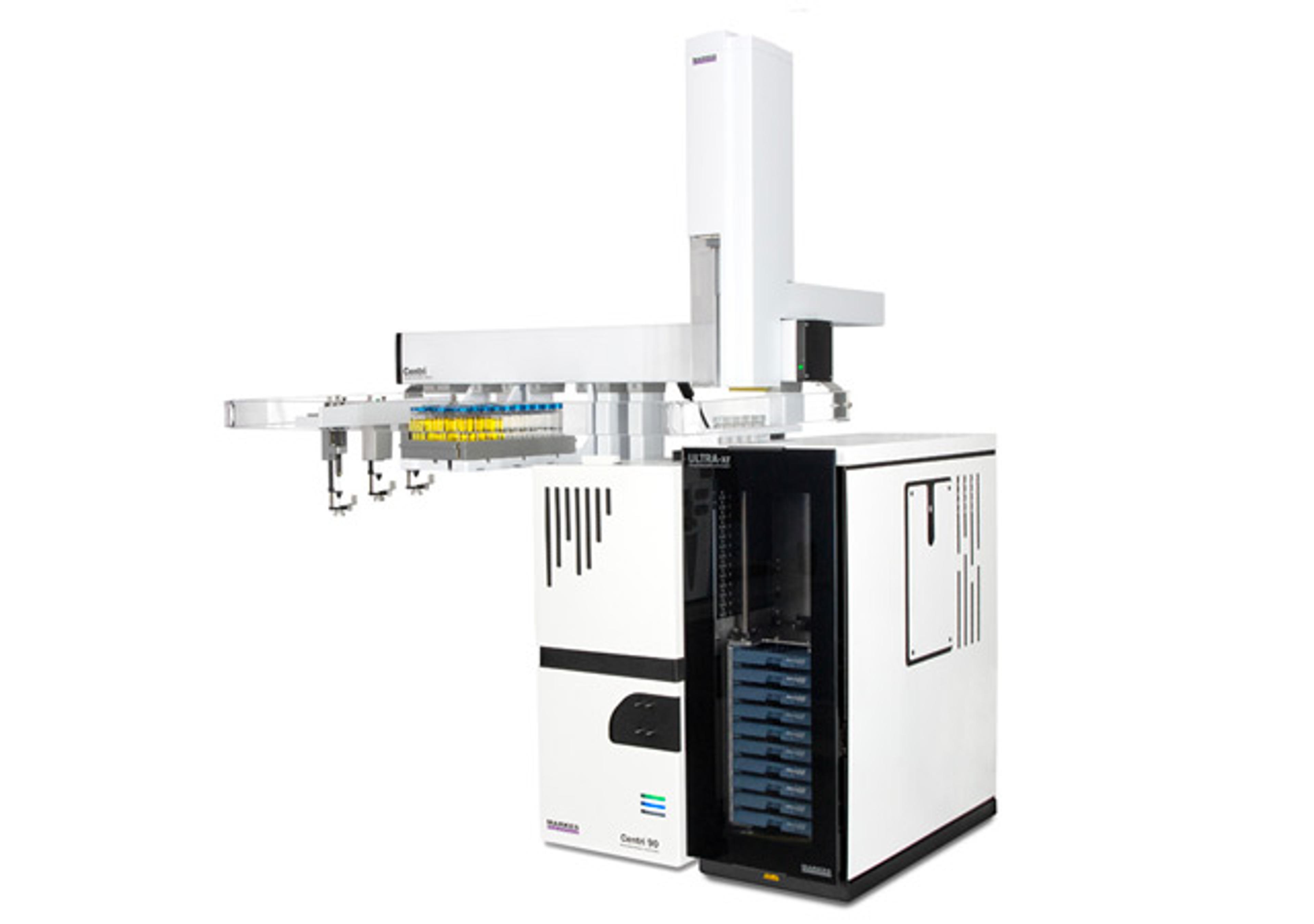
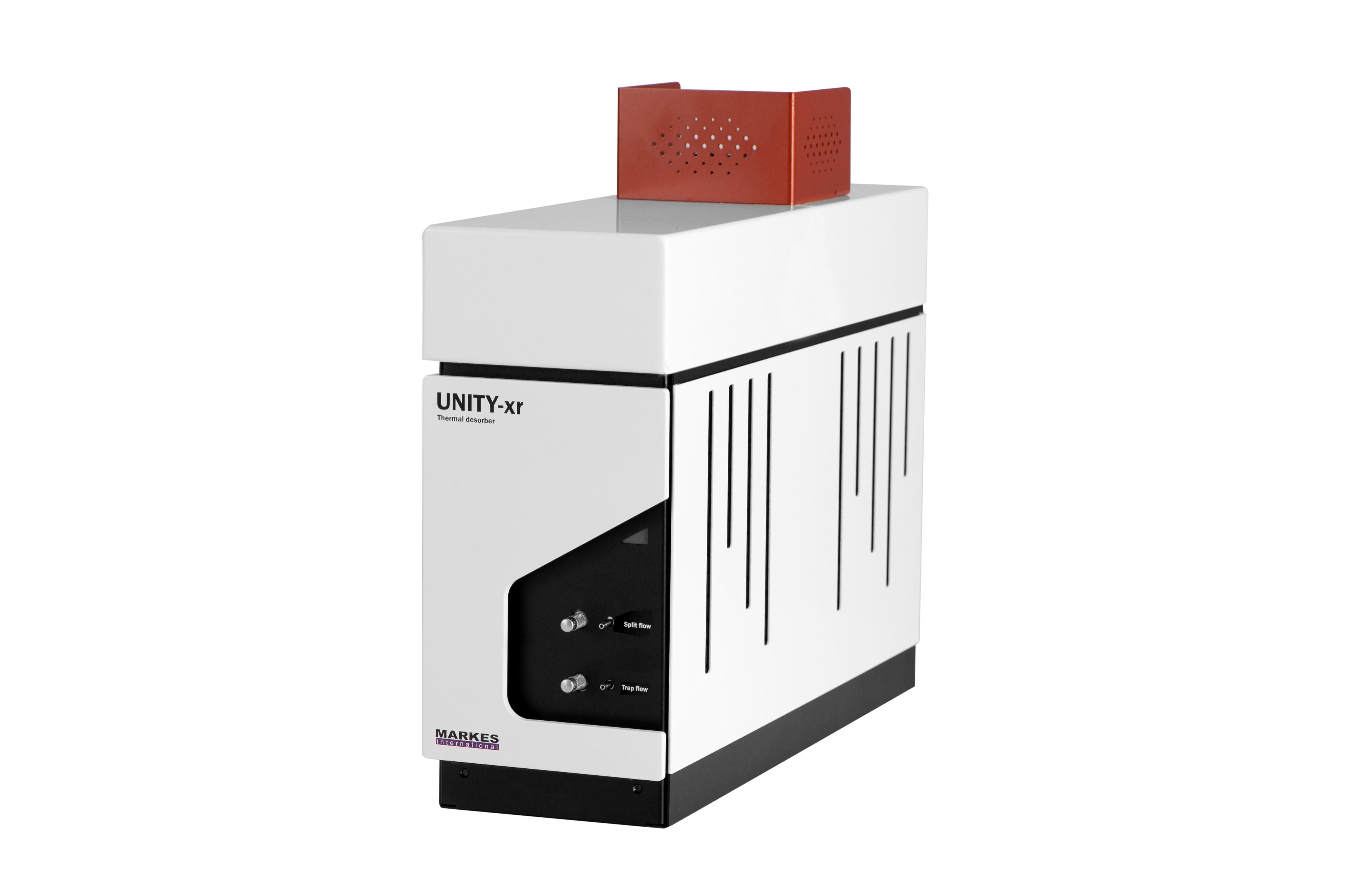
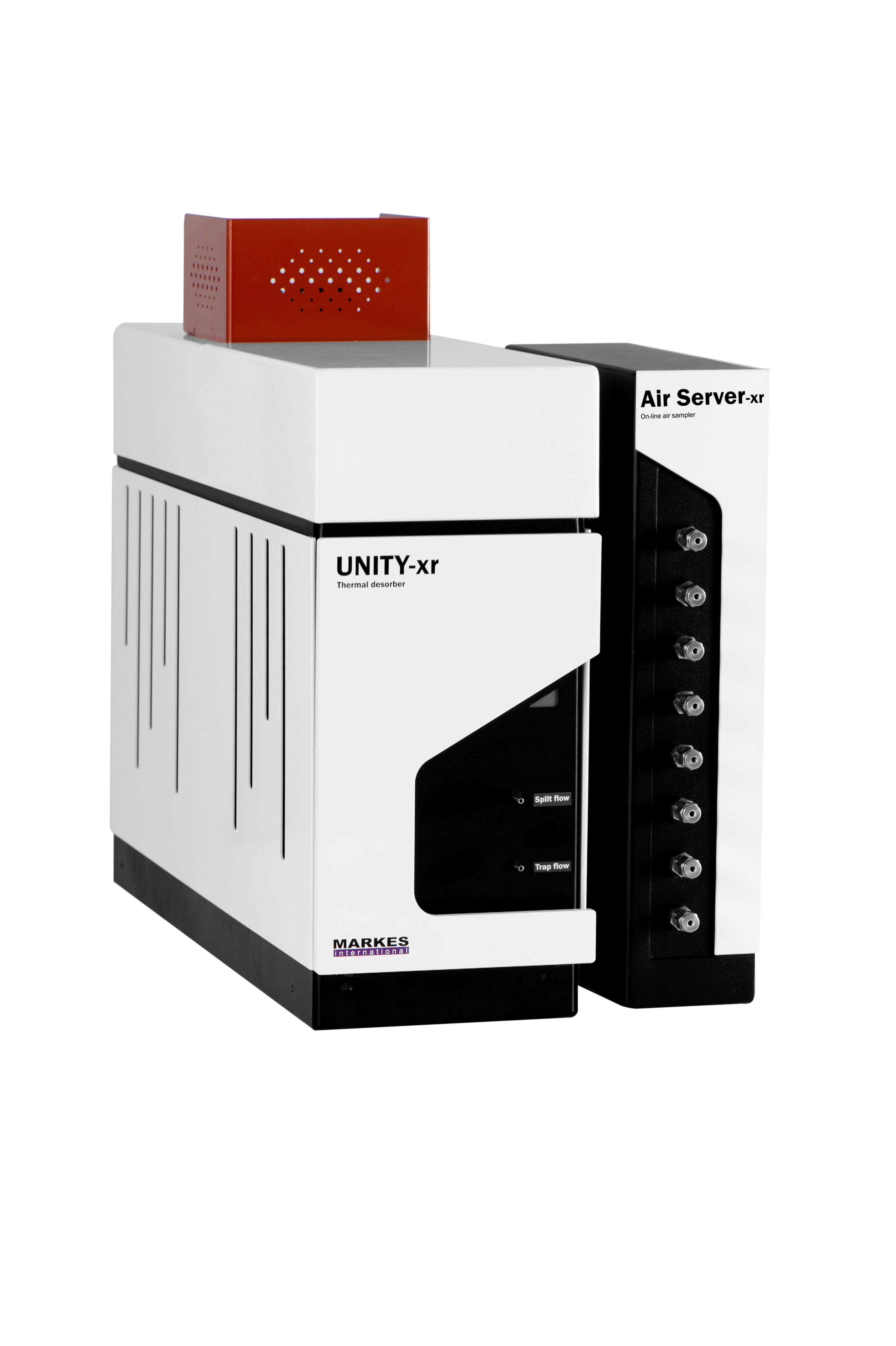
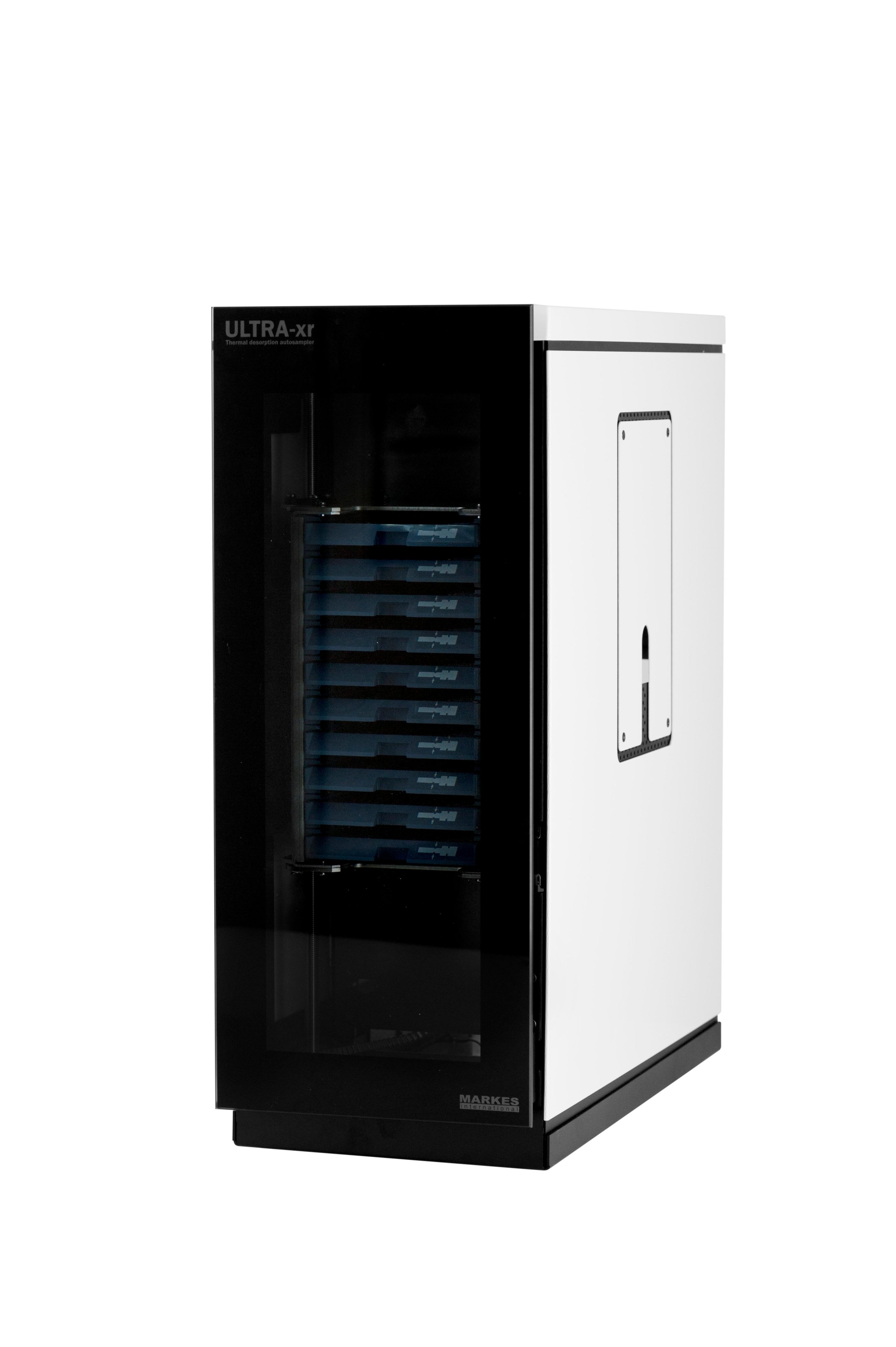
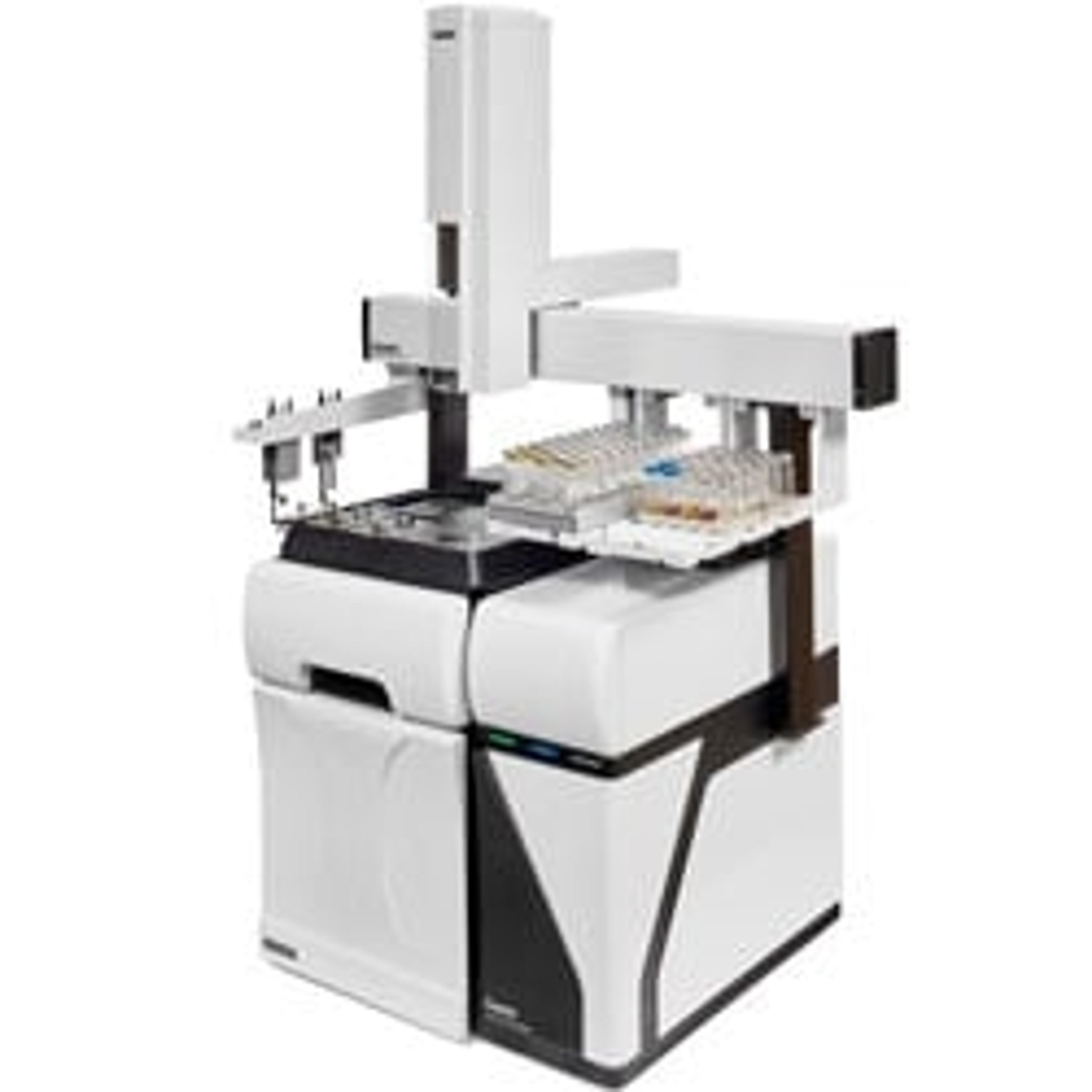
Markes’ Centri 90 is an automated sample extraction and concentration platform for GC–MS, designed for high-throughput trace analysis of VOCs and SVOCs from solids, liquids and gases. It’s ideal for routine testing labs in environmental, food and drink, materials and consumer product sectors that want better sensitivity, repeatability and unattended operation – including teams looking to reduce helium use with hydrogen-ready workflows.
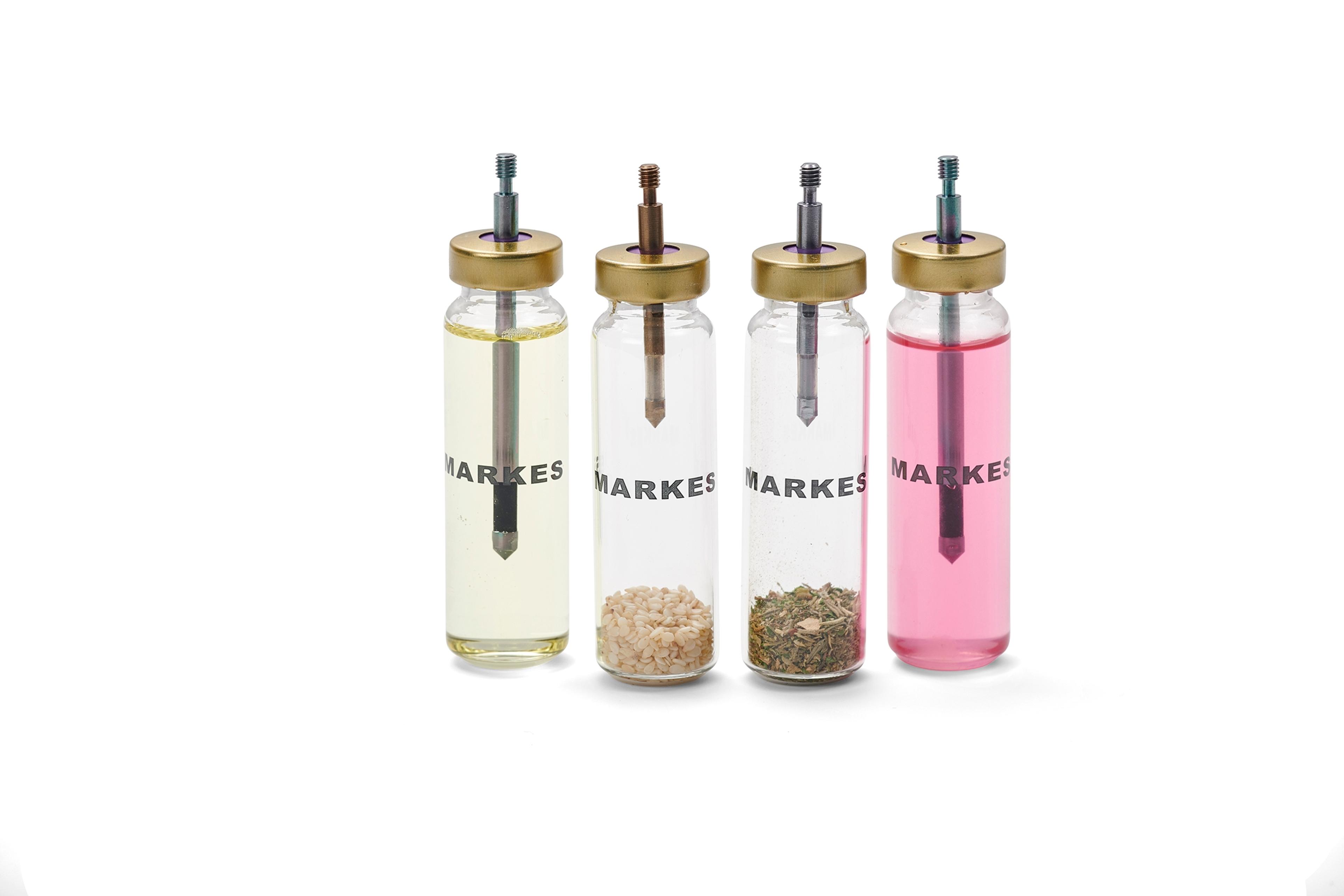
- Automates multiple extraction modes – headspace, SPME and SPME Arrow, plus fully automated HiSorb sorptive extraction
- Delivers trap-based preconcentration to boost sensitivity across a wide volatility range using an electrically cooled, cryogen-free focusing trap
- Integrates with PAL3 robotics and existing GC/GC–MS systems for seamless, walk-away operation and easy upgrading as needs grow
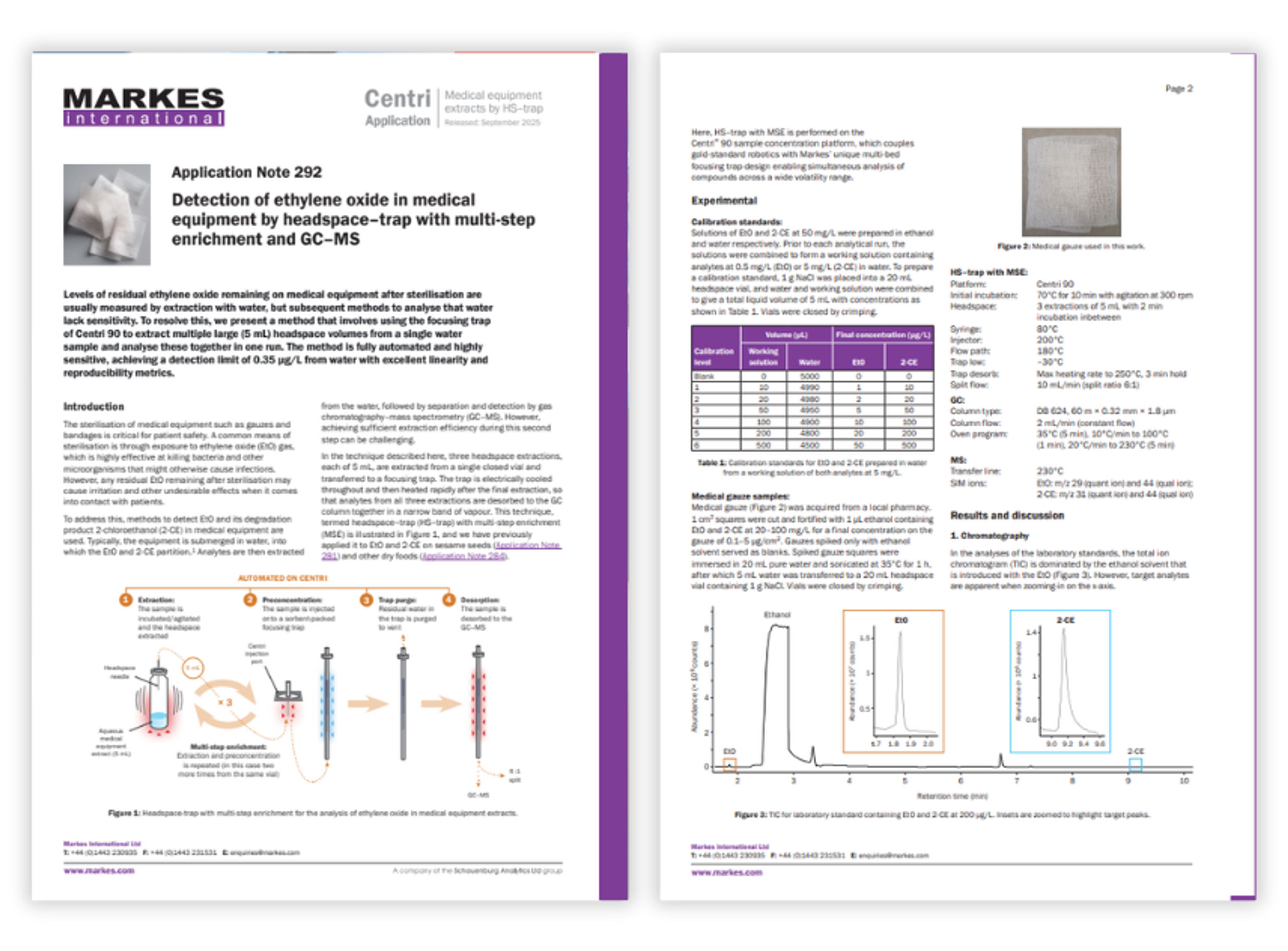
Detection of ethylene oxide in medical equipment by headspace-trap with multi-step enrichment and GC-MS
Levels of residual ethylene oxide remaining on medical equipment after sterilization are usually measured by extraction with water, but subsequent methods to analyze that water lack sensitivity.
Explore an alternative method that uses the focusing trap of Centri 90 to extract multiple large (5 mL) headspace volumes from a single water sample and analyze these together in one run. Discover how this method is fully automated and highly sensitive, to achieve a detection limit of 0.35 µg/L from water.
Resource details:
- Resource type: Application note
- Page count: 5 pages
- Read time: 8 mins
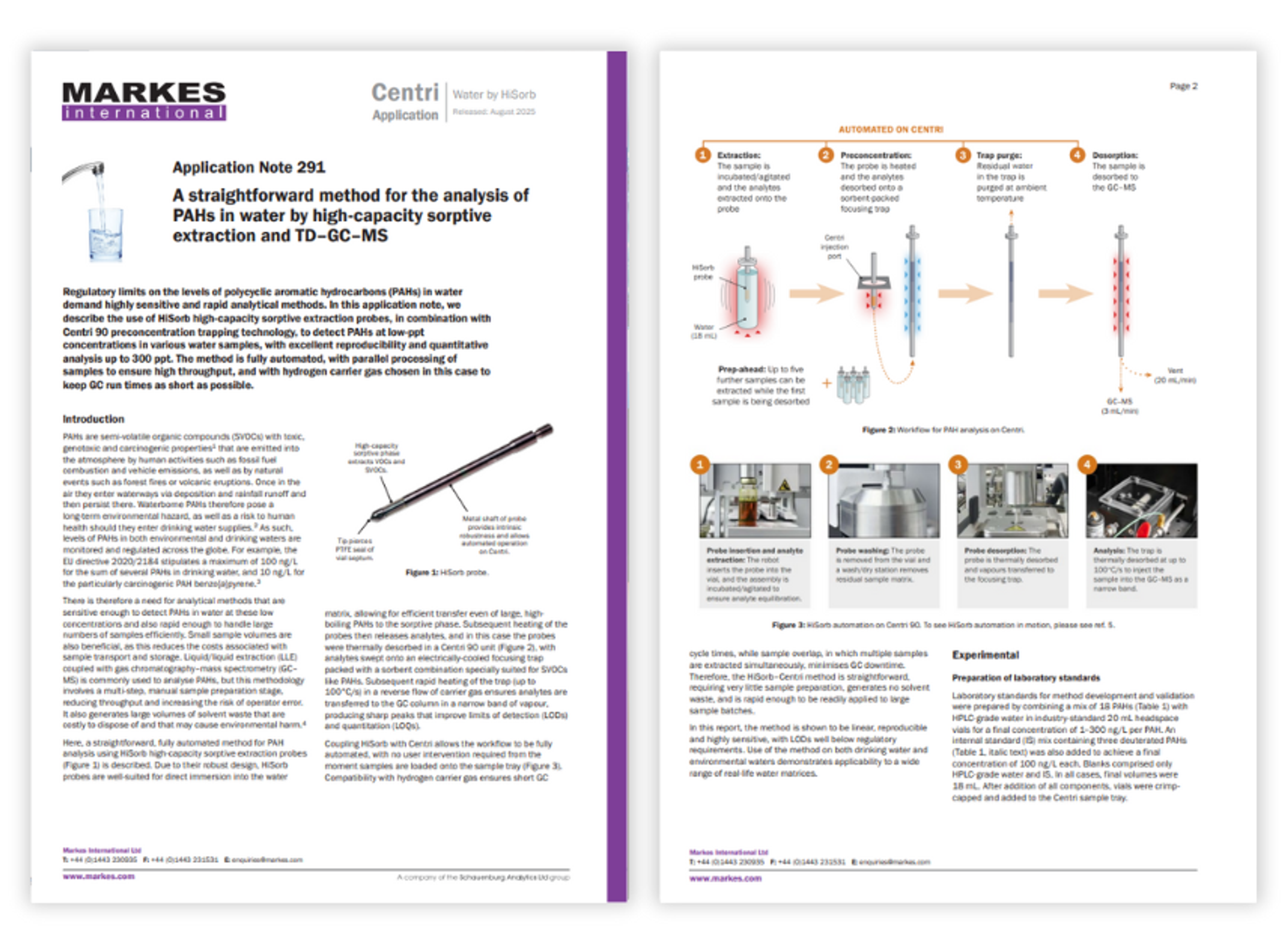
A straightforward method for the analysis of PAHs in water by high-capacity sorptive extraction and TD–GC–MS
Regulatory limits on polycyclic aromatic hydrocarbons (PAHs) in water present challenges requiring highly sensitive, rapid analysis. Explore available solutions using HiSorb sorptive extraction probes with Centri 90 preconcentration technology to detect PAHs at low‑parts‑per‑trillion (ppt) levels. The fully automated method ensures reproducibility, quantitative analysis up to 300 ppt, high throughput via parallel processing, and shorter gas chromatography (GC) run times with hydrogen carrier gas.
Resource details:
- Resource type: Application note
- Page count: 7
- Read time: 11 mins
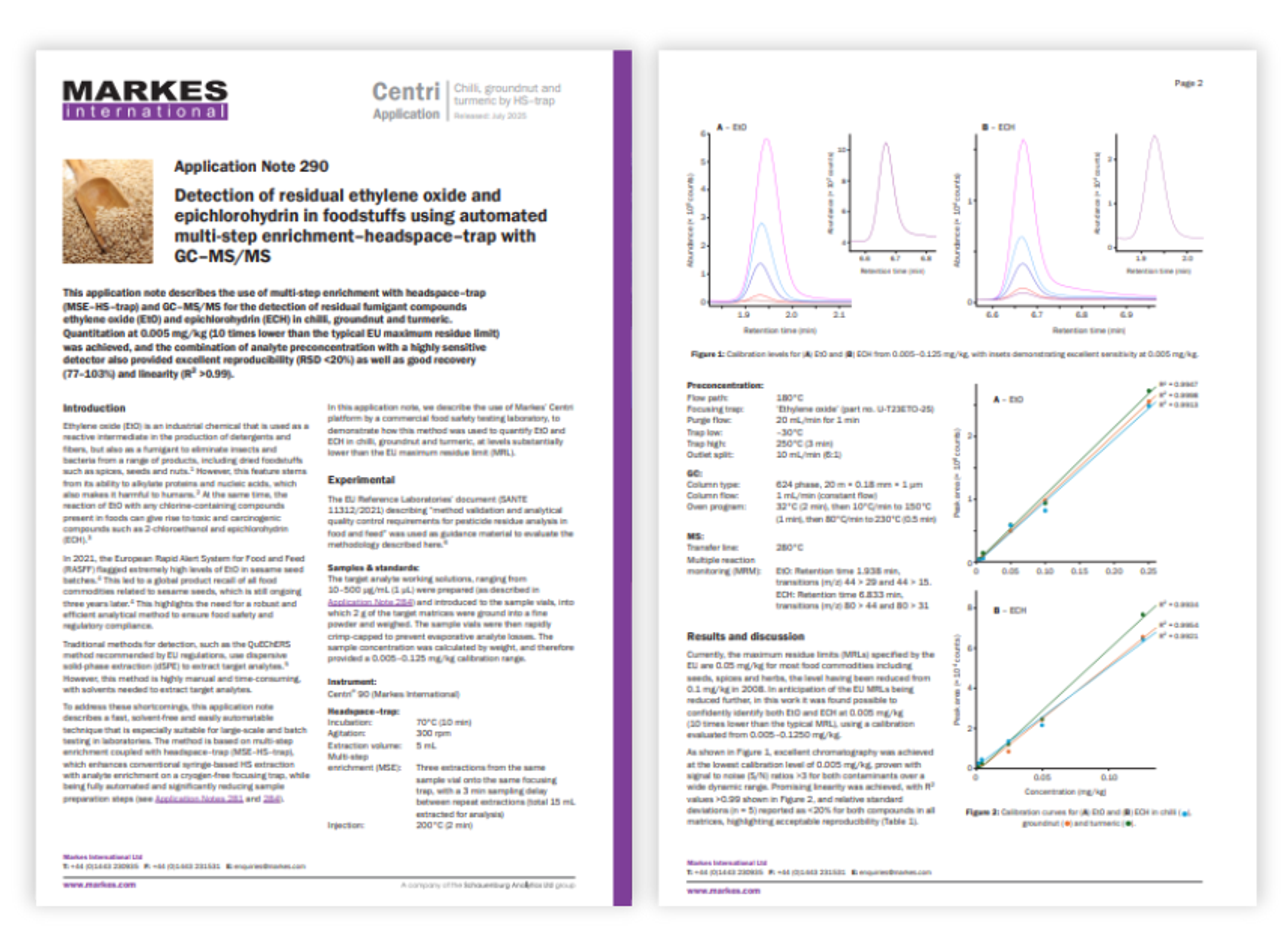
Detection of residual ethylene oxide and epichlorohydrin in foodstuffs using automated multi-step enrichment–headspace–trap with GC–MS/MS
Ethylene oxide (EtO) is an industrial chemical that is used as a reactive intermediate in the production of detergents and fibers, but also as a fumigant to eliminate insects and bacteria from a range of dried foodstuffs.
In this application note, Markes International describes the use of multi-step enrichment with headspace–trap (MSE–HS–trap) and GC–MS/MS for the detection of residual fumigant compounds ethylene oxide (EtO) and epichlorohydrin (ECH) in chilli, groundnut and turmeric.
Mastering sorptive extraction for GC–MS
Wednesday, January 21 at 16:00 GMT | 17:00 CET | 11:00 EST | 08:00 PST
For many GC–MS laboratories, sample preparation remains the biggest bottleneck. While traditional techniques like liquid–liquid extraction (LLE) and solid-phase microextraction (SPME) are well-established, they often force analysts to compromise on sensitivity, robustness, or automation capability, especially when dealing with complex matrices in food, environmental, and clinical research.
In this webinar, Rachael Szafnauer from Markes International will take a deep dive into the fundamentals and practical applications of modern sorptive extraction. She will explore how high-capacity sorptive extraction bridges the gap between exhaustive extraction and equilibrium sampling, offering a robust, complementary technique for trace-level GC–MS analysis.
You will learn how to select the right phase and extraction mechanism for your target compounds, how to optimize key parameters like temperature and agitation, and how coupling sorptive extraction with cryogen-free trap focusing can significantly boost sensitivity.
Who should attend?
- GC–MS analysts and researchers looking to improve sensitivity and workflow efficiency.
- R&D aroma and flavor scientists wanting to enhance their ability to extract and analyze complex samples.
- Current users of SPME or stir-bar techniques looking for robust, high-capacity alternatives.
- Laboratory managers and directors interested in how advanced automation can provide a competitive edge.
Certificate of attendance
If you attend the live webinar, you will automatically receive a certificate of attendance, including a learning outcomes summary, for continuing education purposes.
If you view the on-demand webinar, you can request a certificate of attendance by emailing editor@selectscience.net.
Webinar details
- Cost: Free to attend
- Location: Online
- Duration: 60 minutes
Registration is required to secure your place. If you register but can’t attend live, you will receive a link to the on‑demand recording once it becomes available.