ACTI-VOC
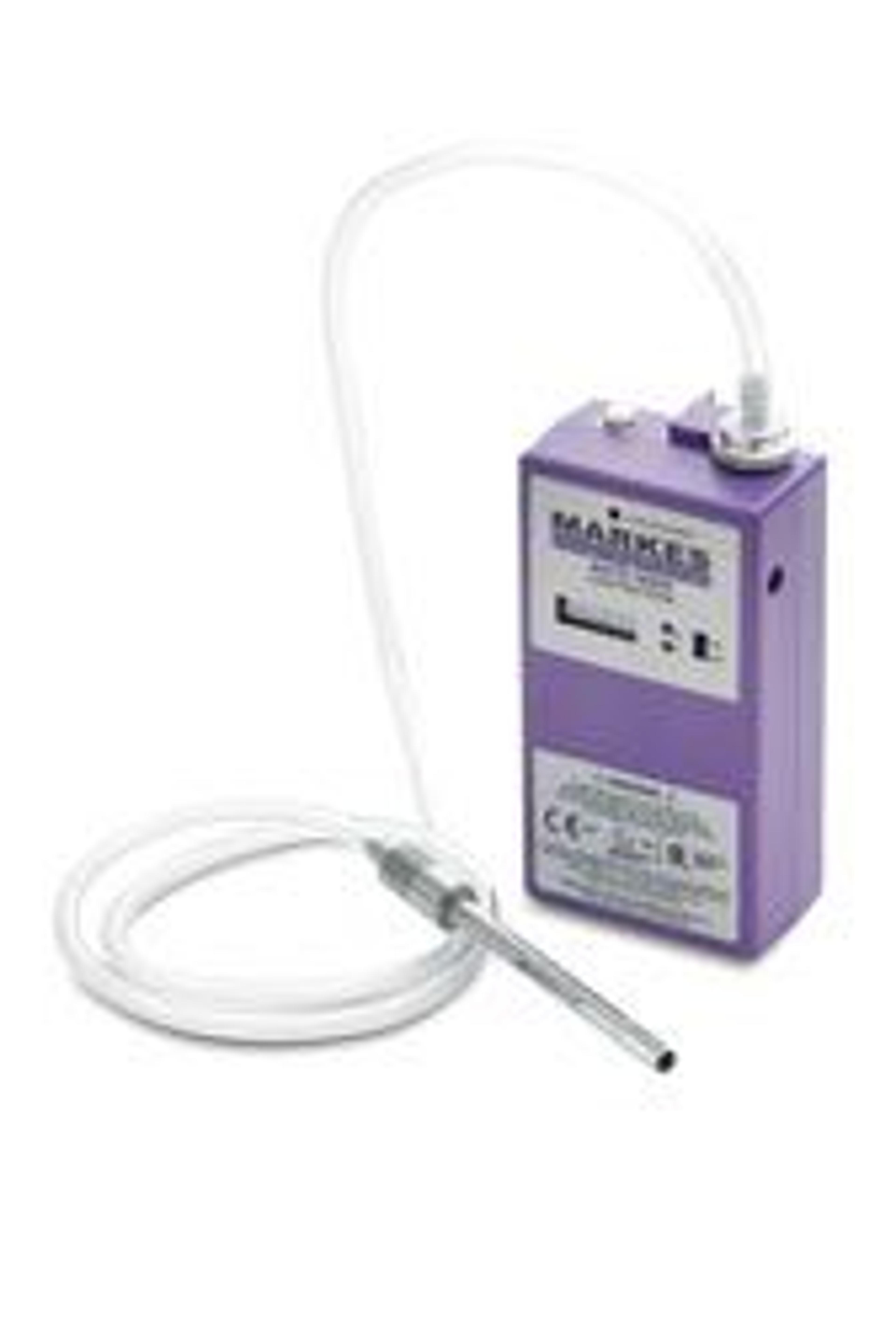
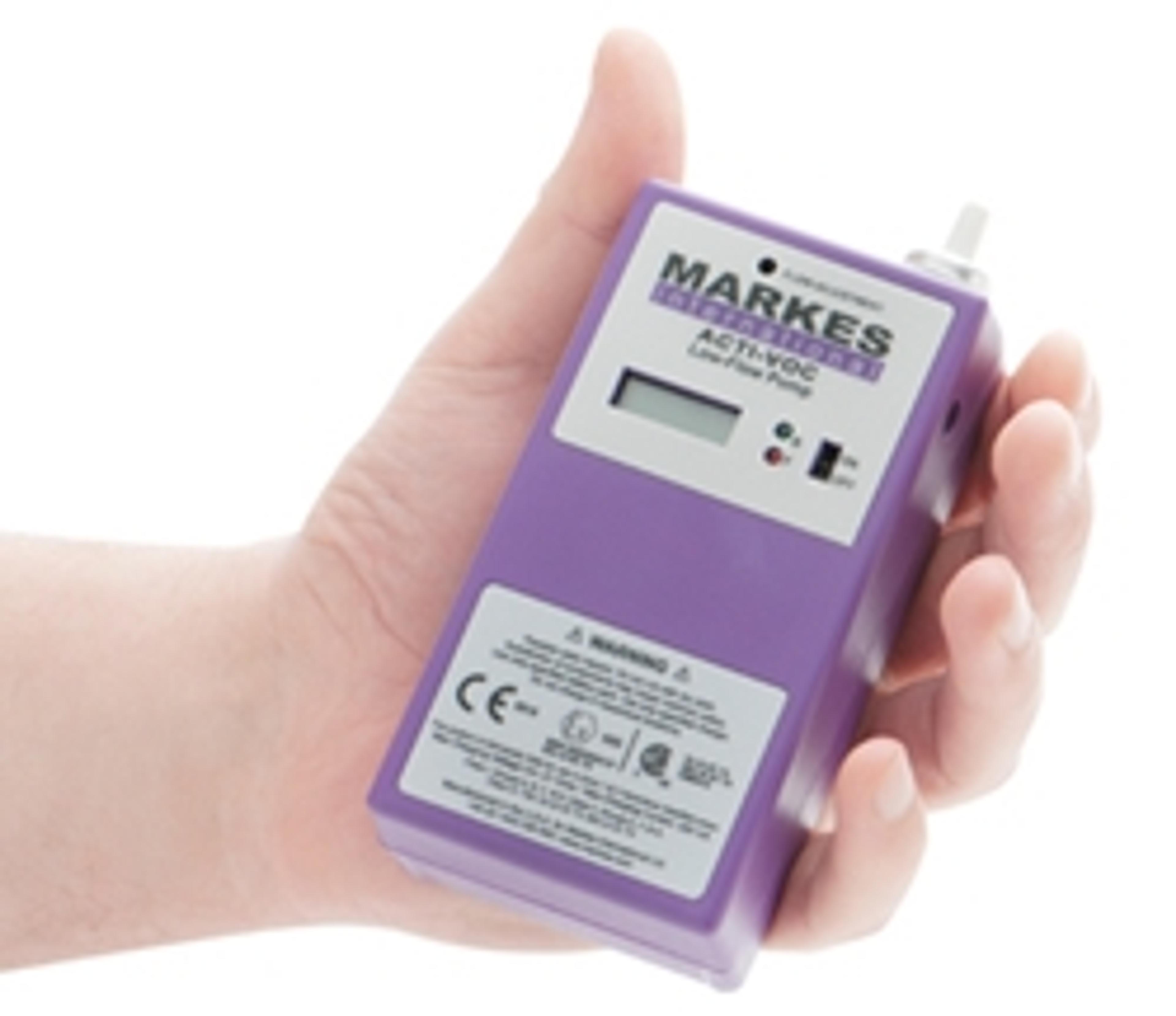
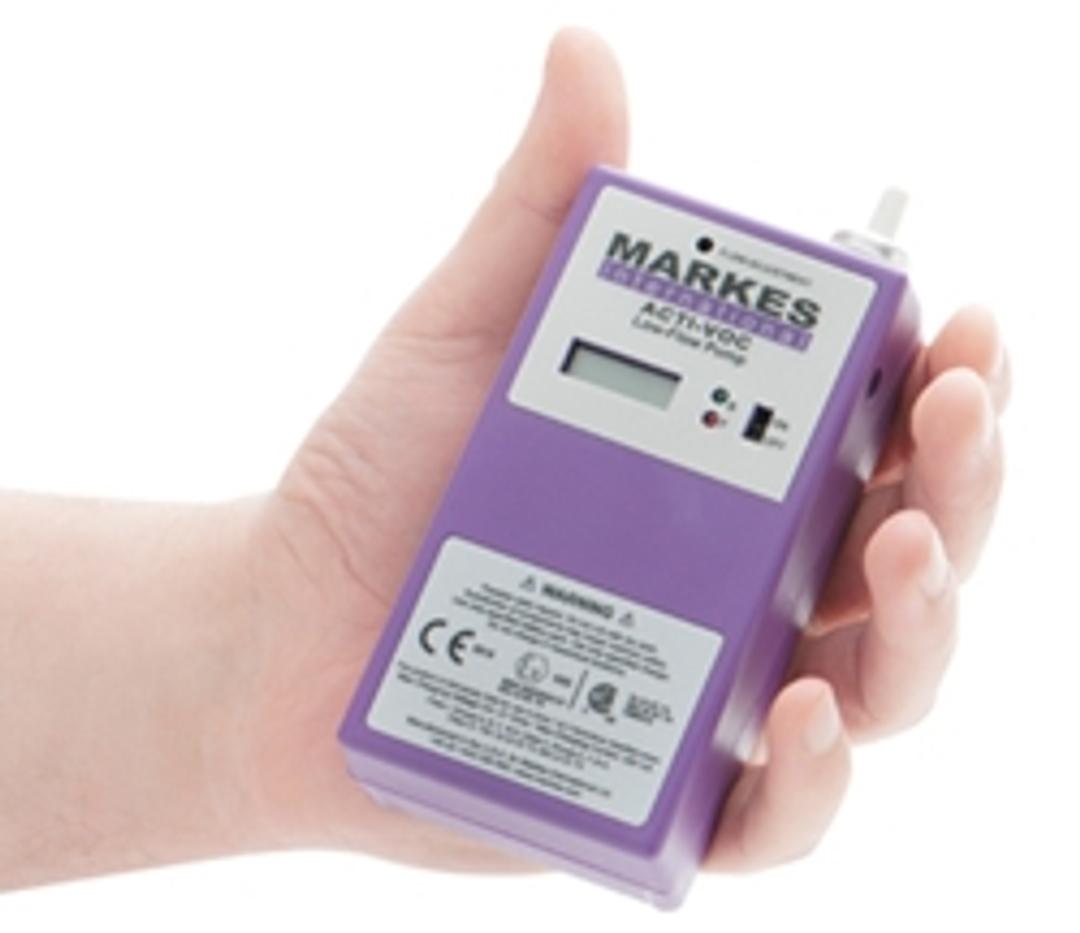
ACTI-VOC™ is a robust low-flow pump for sampling vapour-phase organic compounds (VOCs) onto sorbent tubes for subsequent analysis by thermal desorption (TD). Being lightweight, easy-to-use and intrinsically safe, ACTI-VOC is ideal for personal monitoring and a wide range of other air and gas sampling applications. Optimised for thermal desorption tubes Unlike other personal monitoring pumps on the market, ACTI-VOC is optimised…

Receive your quote directly from the manufacturer.
ACTI-VOC™ is a robust low-flow pump for sampling vapour-phase organic compounds (VOCs) onto sorbent tubes for subsequent analysis by thermal desorption (TD).
Being lightweight, easy-to-use and intrinsically safe, ACTI-VOC is ideal for personal monitoring and a wide range of other air and gas sampling applications.
Optimised for thermal desorption tubes
Unlike other personal monitoring pumps on the market, ACTI-VOC is optimised for sampling onto thermal desorption tubes, and automatically compensates for different impedances, ensuring constant flow rates whatever the sorbent packing.
Product highlights
• Optimised for sampling onto thermal desorption tubes
• Compatible with any thermal desorption tube (up to a max. flow of 350 mL/min)
• Constant-flow sampling from 20–200 mL/min
• Constant-pressure sampling from 1–350 mL/min
• Simple screw-operated flow adjustment makes ACTI-VOC easy to calibrate
• Intrinsically safe (ATEX-approved)
• Long battery life ensures stable performance for over 8 hours
• Pocket-sized, lightweight and easy to use
• Supplied in a convenient carry-case with charger and accessories

Environmental Monitoring Using Thermal Desorption
This is a comprehensive guide to monitoring chemicals in the environment and the workplace using thermal desorption. It describes how thermal desorption can be used in air and water monitoring applications including detection of ‘air toxics’, mapping of environmental pollutants and assessing underground contamination. In each case, the guide directs you towards relevant application notes which describe the methods mentioned in detail. The guide also describes relevant analytical and sampling techniques and outlines the advantages of using thermal desorption for environmental monitoring.
Sampling and Analysis of Combustible Air Fresheners
Combustible air fresheners are known to release numerous volatile organic compounds (VOCs) including both pleasant aromas and toxic components into the indoor environment. The EN 16738 is a test method for prepared by the European Committee for Emission Safety of Combustible Air Fresheners to ensure that air fresheners meet safety requirements. This application note describes how the EN 16738 test method can be carried out using Markes International ACTI-VOCTM and Markes International TD100-xrTM.
Fragrance and Odor Profiling using Thermal Desorption
This is a comprehensive guide to assessing the odor profiles of products and materials using thermal desorption. It details the many different products that can be profiled using thermal desorption such as tobacco, shampoo, and air fresheners and directs you to the relevant application notes which detail the methods used. The guide also describes relevant analytical and sampling techniques and outlines the advantages of using thermal desorption for fragrance and odor profiling.
Automotive Studies using Thermal Desorption
This is a comprehensive guide to using thermal desorption in the vehicle-manufacturing industry. The guide describes how thermal desorption can be applied to various applications in the industry including vehicle interior air quality monitoring, analysis of polycyclic aromatics hydrocarbons (PAHs) and detecting volatile carbonyl compounds, and directs you towards relevant application notes which describe the methods in detail. The guide also describes relevant analytical and sampling techniques and outlines the advantages of using thermal desorption in automotive studies.
Biological Profiling using Thermal Desorption
This is a comprehensive guide to how thermal desorption is being applied to advance research into human health, atmospheric chemistry and chemical ecology. The guide details how thermal desorption is used diverse branches of biological research such as disease diagnosis, monitoring of marine halocarbons and interspecies interactions and in each case, directs you towards relevant experimental data from published research.
Assessing Consumer Environmental Health using Thermal Desorption
This is a comprehensive guide to the use of thermal desorption to assess chemical emissions from construction materials and consumer products. It describes how the standard methods developed to assess emissions from construction materials and consumer products are compatible with thermal desorption. The guide goes onto details how thermal desorption can be applied to various techniques in assessing consumer environmental health, from near-real-time-air monitoring to assessing formaldehyde emissions, and directs you towards relevant application notes which describe the methods in detail.
Defense and Forensic Applications of Thermal Desorption
This is a comprehensive guide to using thermal desorption for homeland security, military and forensic applications. It describes how thermal desorption can be used for a variety of defense and forensic applications, from detecting trace-level agents, monitoring air for explosives and drug analysis and directs you towards relevant application notes which describe the methods in detail. The guide also describes relevant analytical and sampling techniques and outlines the advantages of using thermal desorption.

Simple and Reliable Quantitation of ppt-level PAHs in Air by TD–GC–MS
This application note from Markes International showcases their new sorbent tube which can be used to analyze harmful air pollutants such as polycyclic aromatic hydrocarbons. The optimized method explained in this note has increased extraction efficiency, absence of a dilution stage and more efficient transfer of compounds leading to overall increased sensitivity.

Pittcon 2016 – Short Course On Air Monitoring, Technical Presentations and Posters from Markes
Pittcon 2016 – Short Course On Air Monitoring, Technical Presentations and Posters from Markes