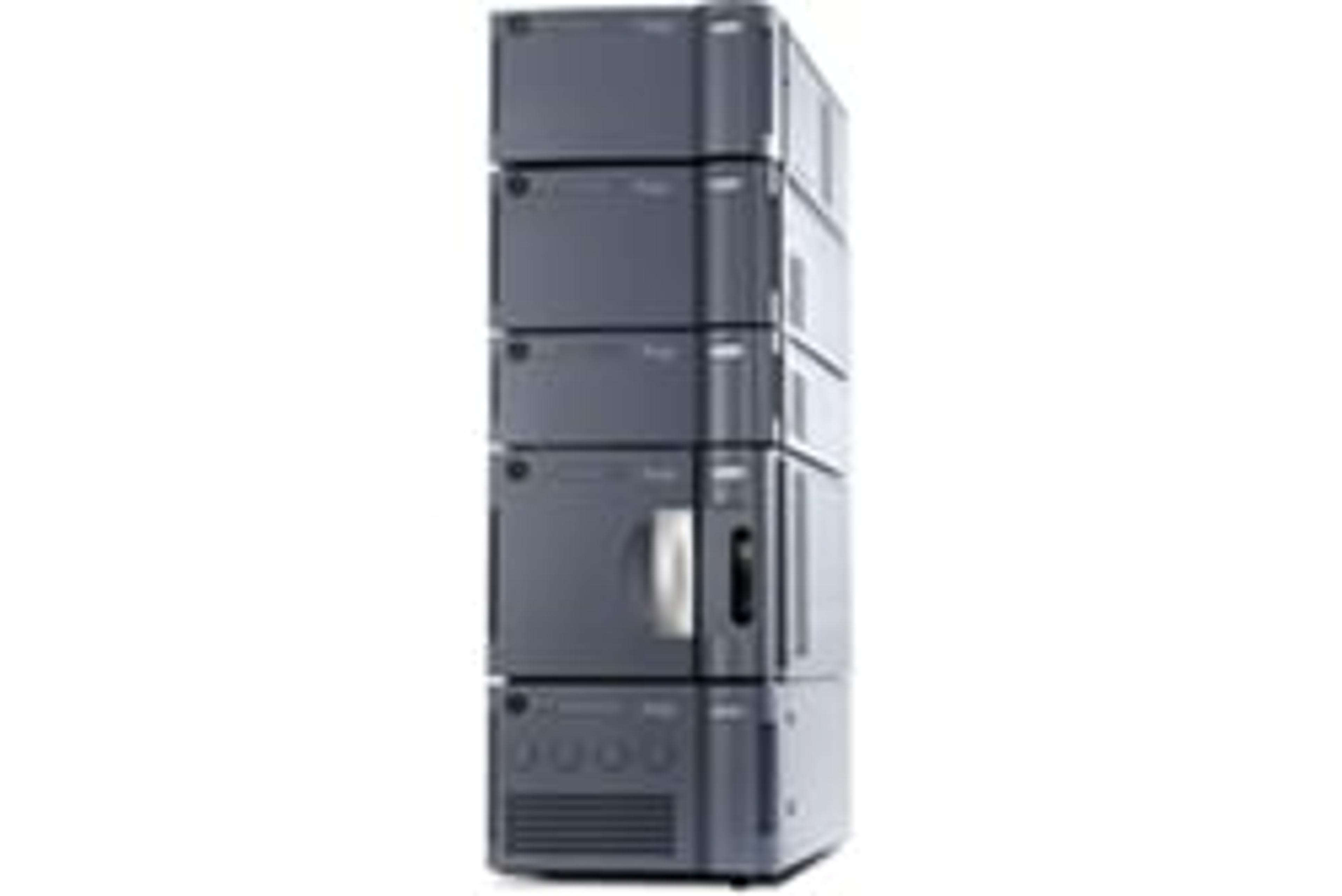
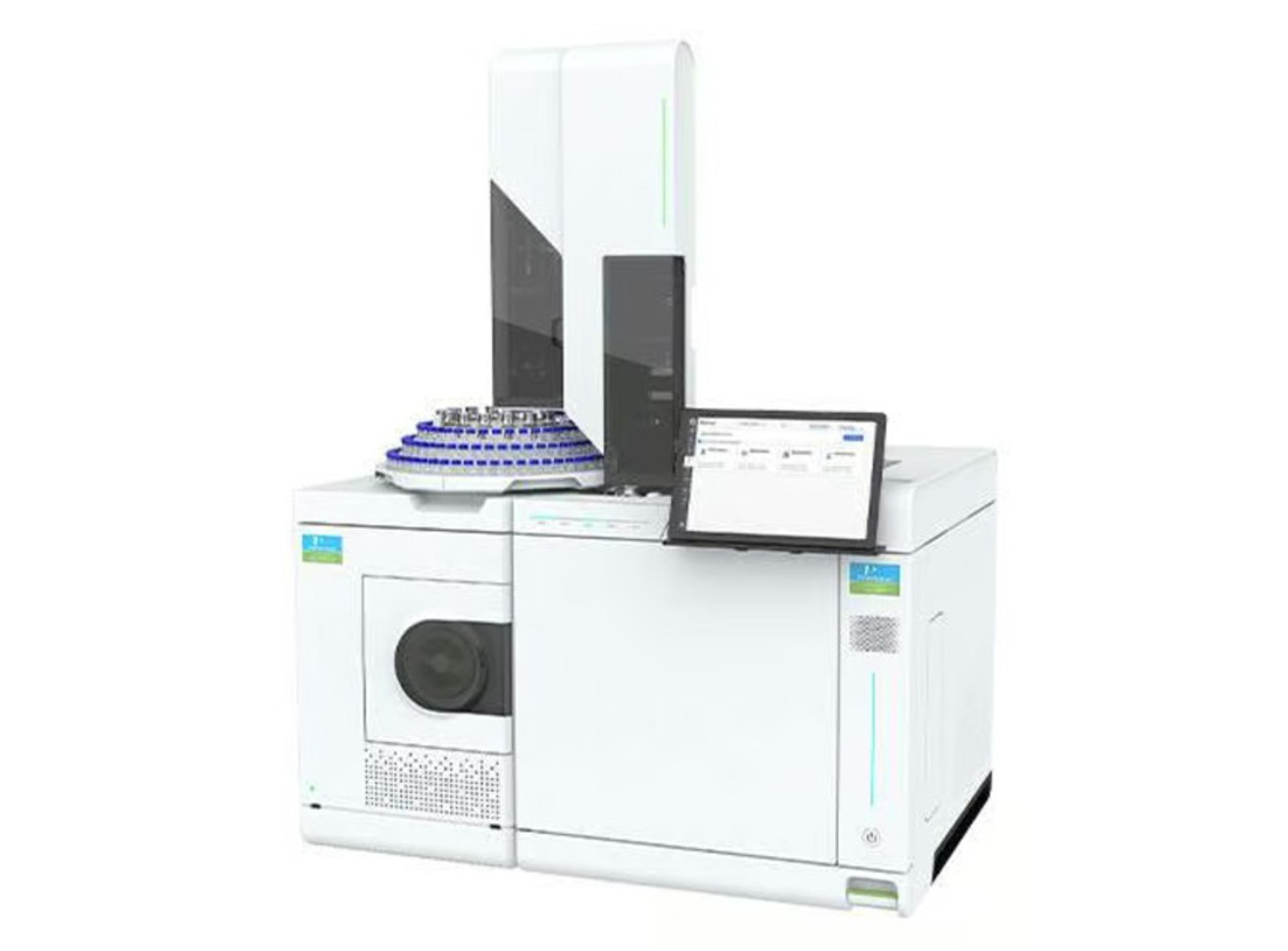
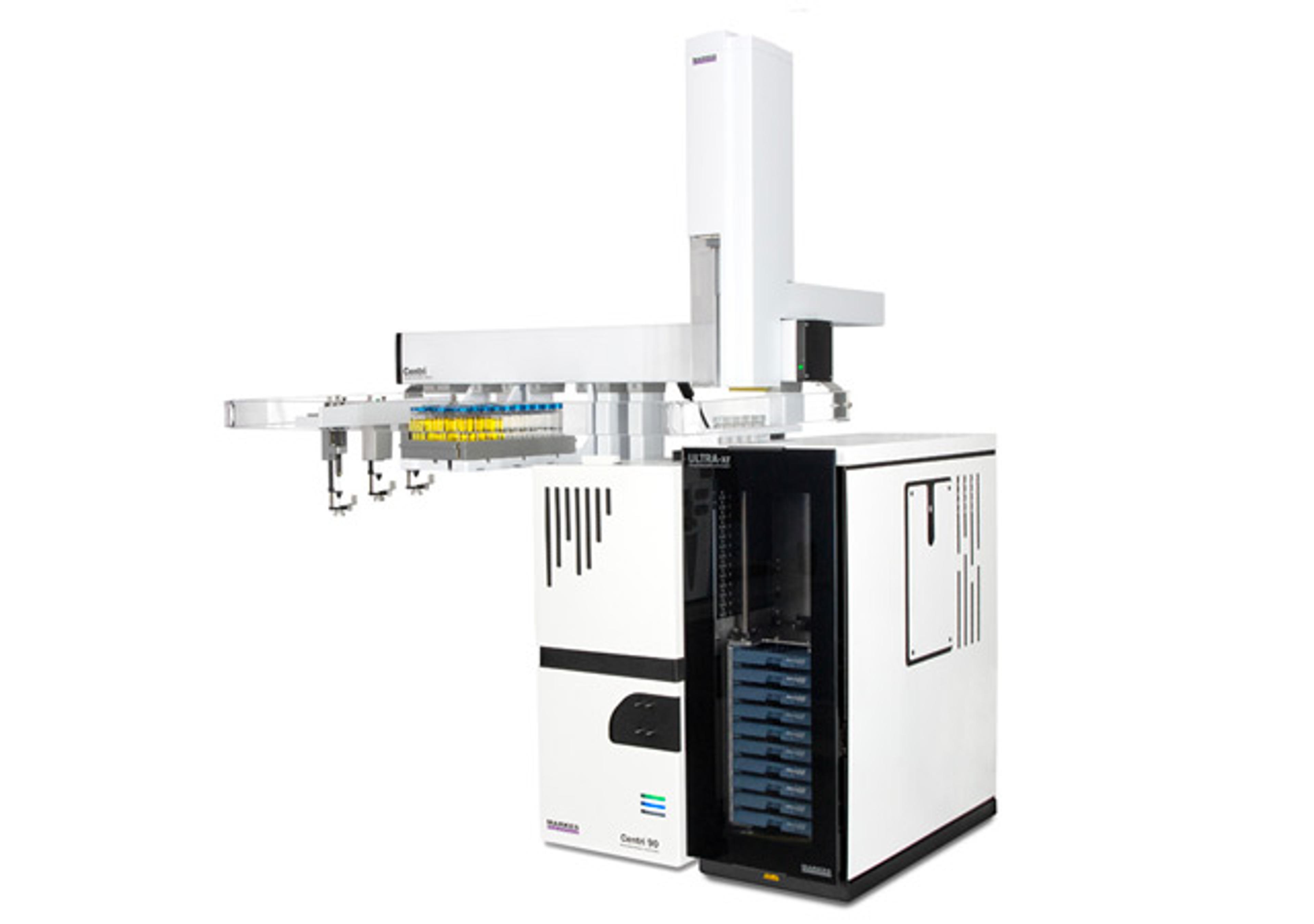
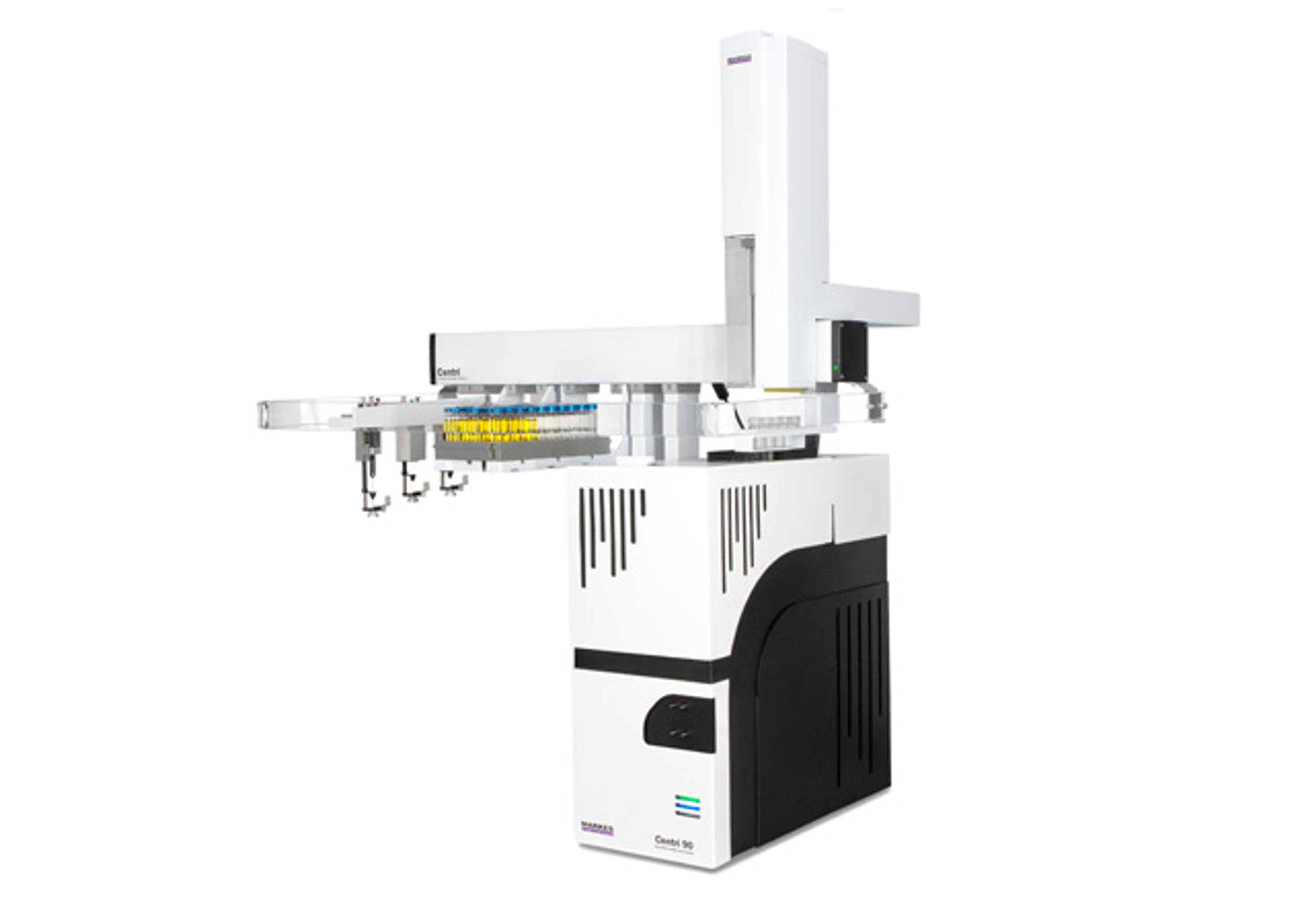
ACQUITY UPC² System
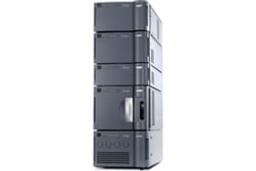
Convergence Chromatography with the ACQUITY UPC² System Bring streamlined workflow, expanded selectivity, and an orthogonal technique to your laboratory. Convergence chromatography (CC) is a broad-based, complementary analytical platform that is taking its place alongside of LC and GC as one of the three essential separation technologies for modern laboratory analysis. This technique provides another, reliable choice as…
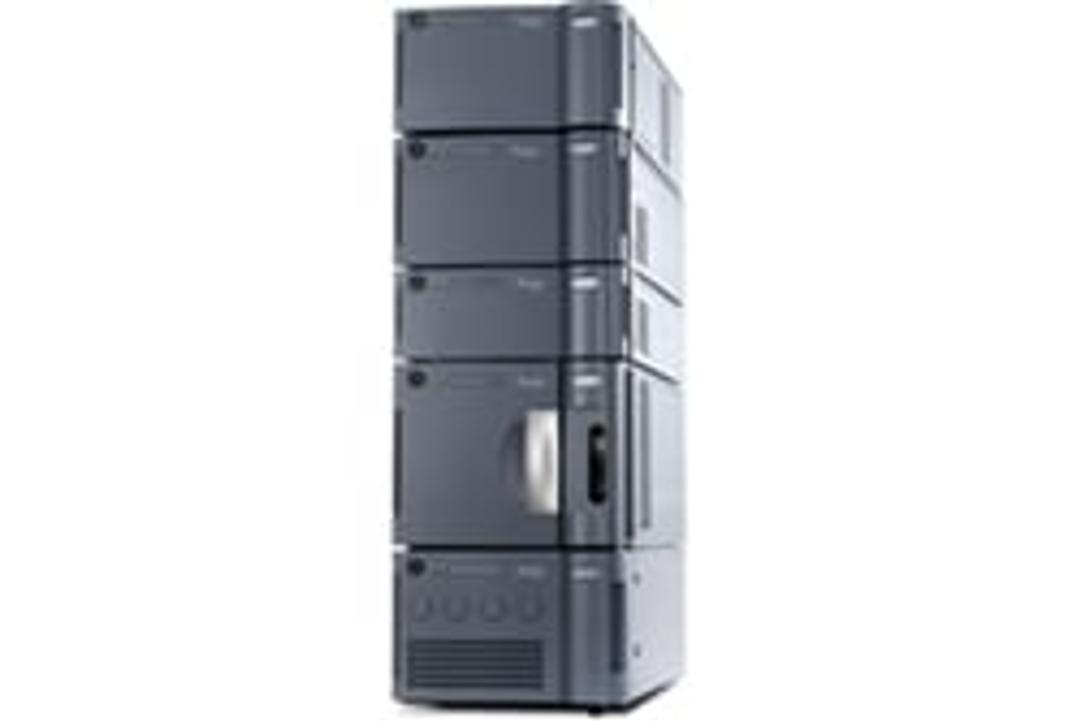





The supplier does not provide quotations for this product through SelectScience. You can search for similar products in our Product Directory.
Perfect for any lab!
Pharmaceutical polymers
The software is really straightforward and easy to use, however it could be complicated for new users. Waters have provided amazing care with emails and engineers coming when anything happens to the instrument. 100% worth the value.
Review Date: 2 Feb 2021 | Waters
Waters Acquity UPC² adds a complementary strategy to the toolbox of scientists.
Analyse Nitrosamine in valsartan, sartane and other API's
Through our study, a large class of different nitrosamines in the ppb range and sartan-related impurities could be determined simultaneously in a single analysis using WATERS Acquity UPC² in combination with Xevo TQ-S mass detector. By using a systematic Quality-by-Design approach, a highly sensitive method was developed, which can detect nitrosamines in the picogram to femtogram range on column. The sensitivity of the developed method is more unrivalled in comparison to published LC- and GC–MS/MS methods.
Review Date: 18 Nov 2019 | Waters
With an attached ESI-MS, I don't need to derivatize my products to add a chromaphore.
Separation of enantiomers
This product is the best in the business for supercritical fluid chromatography. I highly recommend it, but the software does have bugs that I deal with.
Review Date: 22 Jul 2019 | Waters
Excellent instrument
Pharmaceutical drug product analysis
I am pleased with the results as it delivered as promised. Good precision, easy sequence creation with ability to precondition the column before run and to wash after run. Delivers adequate pressure for faster runs.
Review Date: 27 Sept 2018 | Waters
Great system, a reference for supercritical fluid chromatography
pharmaceutical compounds
The system allows for high quality results. It is rather expensive, and expensive to maintain but is highly reliable.
Review Date: 24 Jul 2018 | Waters
If we removed this instrument our company would be taking a very large backward step.
Analysis of Chiral and Achiral Molecules by SFC
The Waters UPC2 produces higher quality data than any other analytical SFC on the market. Its ability to not only deliver precision down to 0.05% of the opposite isomer for chiral analysis, but the same level in achiral SFC is exceptional. It is very robust, we use our equipment 22 hours a day 5 days a week and have experienced 3 days out of action in the last 18 months. It is clear from the current market trends that the UPC2 is becoming the front line instrument for all types of areas which is only a positive for the pharma, agro and fine chemical sectors. This instrument is only a positive for the world of science.
Review Date: 29 Jul 2016 | Waters
Easy to use. Cost effective and environmentally friendly. It saves time and money.
Review Date: 30 Jun 2016 | Waters
I can´t recommend this pump since it isn´t working properly.
Analytical chemistry
I´m facing several problems with this pump. Check-valves are not working adequately and I´m not getting a constant flow, which is necessary to obtain good chromatographic performance (SFC).
Review Date: 30 Jun 2016 | Waters
Very useful equipment. Waters service is in my opinion the best from all the HPLC equipment companies.
Review Date: 8 Aug 2013 | Waters
protein analysis
This is really an excellent high throughput system. We are enjoying working on it. After sales service is good too. A rugged and robust system. The speed is matchless. However, it could be made more user friendly.
Review Date: 8 Aug 2013 | Waters
Convergence Chromatography with the ACQUITY UPC² System
Bring streamlined workflow, expanded selectivity, and an orthogonal technique to your laboratory.
Convergence chromatography (CC) is a broad-based, complementary analytical platform that is taking its place alongside of LC and GC as one of the three essential separation technologies for modern laboratory analysis. This technique provides another, reliable choice as an analytical platform that is orthogonal to reversed-phase LC (RPLC), while significantly streamlining the entire analytical workflow.
In convergence chromatography, the separation is achieved by manipulating the density and composition of a supercritical fluid-based mobile phase. Because of the very high diffusivity of the mobile phase, can be achieved. Additionally, the diversity of stationary phase and mobile phase (co-solvent) options provides access to the largest selectivity space available to any separation technique.
The ACQUITY UPC² System is a holistically designed UltraPerformance Convergence Chromatography (UPC²) system that utilizes liquid CO2 as the primary mobile phase. The system leverages the chromatographic principles and selectivity of normal-phase chromatography while providing the ease-of-use of RPLC, enabling you to address routine and complex separations challenges.
ACQUITY UPC² System: Discover what's been missing from your analytical toolbox
With the ACQUITY UPC² System, scientists can now separate, analyze, and understand compounds that have challenged all other LC and GC technologies including:
- Hydrophobic and chiral compounds
- Lipids
- Thermally-labile samples
- Polymers
It's also the perfect complement to MS due to its low solvent load and high resolution, narrow peaks and fast separations.
ACQUITY UPC² System Features:
- Compressed carbon dioxide (CO2), the primary mobile phase, is less costly and less toxic than liquid mobile phases or carrier gases.
- Variable volume injection delivers 0.5 µL to 10 µL as well as the ability to match column and injection volume with minimal sample loss and need to change loops.
- Higher throughput and productivity allows you to analyze more samples per day with faster re-equilibration of columns and shorter cycle times, increasing laboratory productivity.
- Co-solvent and column switching provides flexibility in method development for faster solvent screening and faster column screening.
Brochures

Ultra-Performance Convergence Chromatography Infographic
This infographic presents the ACQUITY UPC2 , the world’s first convergence chromatography system and compares it to normal-phase methods. The ACQUITY UPC2 System can carry out both chiral and achiral separations quickly and accurately.
Building laboratory capacity to ensure cannabis safety, quality, and efficacy
Waters Acquity UPLC-MS/MS and Xevo TQ-S micro systems are designed to improve pesticide detection for ProVerde laboratories, helping scientists ensure customer safety for medical marijuana products.
The Method Detectives: Building a New Business Model with Analytical Procedure (Method) Lifecycle Management
This application note details the benefits of analytical quality-by-design (AQbD) and method lifecycle management (MLCM), being offered by Chromicen. The methods were used alongside a toolbox of Waters LC systems, chemistries, and software to solve customers' challenges with method development and validation. AQbD takes a holistic approach in order to allow an overall understanding of method performance. These are based on numerous multidimensional combinations and interactions of the factors involved in a product's lifecycle – from the idea, development transfer, marketing, and sale, to its discontinuation. The adoption of Waters ACQUITY UPLC and ACQUITY QDa technology has provided Chromicen with faster information, earlier in the method development process, contributing to their business success.
Introduction to Analytical Procedure (Method) Lifecycle Management
The Method Lifecycle Management (MLCM) approach is a holistic approach encompassing all activities, from method development to validation, routine use, change control and retirement of the method. This enhanced approach improves the method understanding and performance, leads to fewer out-of-specifications results (OOS), facilitates method transfer and has the potential to lessen the regulatory burden.
These slides showcase the higlights of a webinar presented by Dr. Horacio Pappa, Director of General Chapters, United States Pharmacopeia, and Dr. Alexander Schmidt, Founder and CEO, and Mijo Stanic, Cofounder, General Manager and Technical Director, Chromicent Pharmaceutical Services, that contains the method lifecycle management key concepts, its benefits to drug manufacturers and patients, and the current thinking of the United States Pharmacopeia (USP), U.S. Food and Drug Administration (FDA) and ICH.
Why Choose the Acquity UPLC Plus Series: An Infographic
Since its introduction in 2004, each addition to the Acquity family has continuously pushed forward to enable you to find faster, simpler and better ways to support the work that you do.
Enantioseparation and Detection of Triazole Fungicides in Wheat Grain and Wheat Straw using the ACQUITY UPC2 System and Xevo TQ-S
The safe use of crop protection products is of paramount importance to the agricultural chemicals manufacturing industry. In this application note, ACQUITY UPC2 level enantioanalysis of five triazole fungicides and tandem quadrupole mass spectrometry were used for the trace in wheat grain and/or wheat straw. UltraPerformance Convergence ChromatographyTM (UPC2) applies the performance advantages of UPLC® to SFC, combining the use of supercritical CO2 with sub-2-μm particle columns.
Fast Separation of Triacylglycerols in Oils using UltraPerformance Convergence Chromatography (UPC2)
UltraPerformance Convergence Chromatography™ (UPC2®) is a novel technology that applies the performance advantages of UPLC to supercritical fluid chromatography (SFC). Combining the use of supercritical CO2 with sub-2-μm particle columns, UPC2 represents an analysis technique that is orthogonal to reversed-phase LC and can be used to solve many troublesome separations that challenge conventional LC or GC analyses. It also generates less solvent waste as compared to liquid chromatography. This application note presents studies using UPC2 coupled with ultraviolet (UV) detection, mass spectrometry (MS), and evaporative light scattering (ELS) detection for the separation of triacylglycerols in tobacco, corn, sesame, and soybean seed oils.
Qualitative and Quantitative Analysis of β-carotene Using UPC2
In this application note, fast separations of three common carotenoids by UPC2 in less than 2 minutes are describes. A quantitative analysis of β-carotene dietary supplement capsules is also demonstrated. Carotenoids are natural pigments synthesized by plants and some microorganisms. For animals and humans, carotenoids play an important role in vision. Carotenoids also act as important antioxidants with a preventative effect for various diseases. Since carotenoids cannot be synthesized de novo in the human body, humans need to acquire them through diet and supplements.
Fast and Simple Free Fatty Acids Analysis Using UPC2/MS
Fatty acids, both free and as part of complex lipids, play a number of key roles in metabolism – as major metabolic fuel (storage and transport of energy), as essential components of all membranes, and as gene regulators. In LC/MS methods, although no sample derivatization is required, the runs typically involve labor-intensive and time-consuming sample preparation, and utilize toxic organic solvents, which are expensive to purchase and dispose. As described in this application note, the analysis of fatty acids in the free form instead of FAME derivatives results in easier and faster sample preparation. The organic phase extract containing all the FFA can be injected directly into the system, which results in significant savings in sample preparation and analysis time, solvent costs, and solvent waste disposal.
Rapid Separation of Vitamin K1 Isomers and Vitamin K2 in Dietary Supplements Using UltraPerformance Convergence Chromatography with a C18 Column
This application note demonstrates a fast separation of vitamin K1 trans and cis isomers and menatetrenone (MK-4), a common form of vitamin K2, by UPC2 in less than three minutes on an ACQUITY UPC2 HSS C18 SB Column. Vitamin K1 (phylloquinone) is an essential human nutrient produced in plants, especially green leafy vegetables. The vitamin K1 in natural products exists mainly as the trans form, while the vitamin K1 used in food supplementation is often synthetic K1, which may contain appreciable amounts of the cis form. The trans-vitamin K1 is bioactive, while the cis-K1 is not. It is highly desirable to separate the trans- and the cis-vitamin K1 isomers to truly evaluate the nutritional value of the supplement ingredient.
Extraction and Isolation of a Natural Product from Schisandra Berry Extract using SFE and SFC
Berries of schisandra (Shisandra chinensis) have been widely used for medicinal purposes in traditional Chinese medicines for centuries. The berries contain a wide variety of organic compounds with dibenzo[a,c]cyclooctadiene lignans being of particular interest. This application note demonstrates the feasibility of using the Prep100q SFC System as a tool for isolating schisandrin A from dry schisandra berries extract using supercritical fluid extraction (SFE).
Developing Bioactive Molecules for Pharmaceutical and Therapeutic Applications
Watch this video to learn about research utilizing supercritical fluid chromatography (SFC) to develop application methods for cosmetic, pharmaceutical and therapeutic applications. Work being conducted at the Université d'Orléans, France, is focused on bioactive molecules, which can be applied to a range of applications so the versatility of SFC allows the team to easily research a wide range of analytes.
SYNAPT and UPC2 Separation Technology in Petroleum Analysis
Discover how SYNAPT and UPC2 separation technology from Waters is used to study the efficient use of petroleum and environmental effects of oil spills at the Kyungpook National University, South Korea. Find out how this lab analyzes the chemical structure and reactions of petroleum in the environment to help manage oil spills.
Open Access Analytical Laboratory Provides State-of-the-Art Liquid Chromatography and Mass Spectrometry Technologies for Pharmaceutical and Life Science Researchers
Chris Howson, Open Access Lab Manager, BioCity Laboratory Services, describes the analytical technologies available to scientists working in the pharmaceutical and life science industries at the BioHub, Alderley Park, UK, including Waters ACQUITY QDa® Mass Detector, ACQUITY UPLC® H-Class System and ACQUITY UPC2® System.
How Ion Mobility Mass Spectrometry is Used to Investigate Contaminants in Crude Oil
In this video, learn how ion mobility mass spectrometry can be used to investigate polyaromatic hydrocarbons, compounds found in crude oil, that can also be environmental contaminants. Discover how the resulting collision cross-section data is utilized to understand the structural chemistry of such compounds.
Organs-on-a-Chip: Bridging *in-vitro* Studies to Clinical Trials on a Synthetic Platform
Discover how the Waters Centre of Innovation at Vanderbilt University is improving the drug discovery process by reducing the need for animal testing, using organs-on-chips. Find out how this innovative laboratory is using the Waters SYNAPT G2-Si Mass Spectrometer to collect crucial data quickly and precisely.
Discover a Cutting-Edge Open Access Mass Spectrometry Core Facility
At ASMS 2015, Dr John Langley, Associate Professor in Mass Spectrometry at the University of Southampton, discussed how he keeps his lab at the cutting edge of separation science, with help from the ACQUITY UHPLC and UPC2 systems from Waters. In this video, he explains why he made the change from HPLC to UHPLC and how Open Access analysis has revolutionized his research.
Waters' ACQUITY QDa Provides Complete Solution for N-Glycan Analysis
Watch this video to hear Rohit Khanna, VP of Marketing at Waters Corporation, describe the demand for complete innovative solutions that maximize efficiency, technology and software capabilities. An example includes fast, easy analysis of N-Glycans without compromising on sensitivity using the ACQUITY QDa system. Such mass spectrometry innovations have now become available to new market areas such as food, environmental and clinical. Interview filmed by SelectScience at Pittcon 2015.
Discover the Benefits of UPC<sup>2</sup> and Convergence Chromatography
Watch this video to learn about recent advances in supercritical fluid chromatography instrumentation for the development of highly efficient analytical methods. To find out more, click on the website link below.
Increase Selectivity Resolving Power and Shorten Workflows Using UPC<sup>2</sup>
Watch this video to lean about a comprehensive investigation of the utilization of SFC/ESI positive mode MS for chiral and achiral bioanalytical studies. To find out more, click on the website link below.
State-of-the-Art Mass Spectrometry Facilities Further Synthetic Chemistry Research – Dr. John Langley, University of Southampton
Dr. John Langley, Head of Characterisation and Analytics in the Department of Chemistry at the University of Southampton, explains how the institute’s state-of-the-art mass spectrometry facilities are the first to provide Waters UPC² technology in an open access environment. Hear how UPC² super critical fluid chromatography is being used by synthetic chemists for fast analysis of new materials, and how Dr. Langley predicts a predominant role for the technology in the future, across a range of research applications including clinical lipidomics.
Your end of year playlist: 10 top videos on The Scientists’ Channel in 2019
We look back at a selection of this year’s best interviews with some of the world's leading experts

‘How Mass Spectrometry Transformed Our Clinical Pathology Lab into a Global Leader’
A mass spec scientist, from a world-renowned clinical pathology laboratory, shares the secrets to their success in this exclusive SelectScience interview

An Introduction to the Method Lifecycle Management Approach
In this Q&A from our popular webinar, learn about an analytical procedure implemented by the pharmaceutical industry and how it can benefit your lab

Waters and BioCity Debut New Open Access Analytical Laboratory in the BioHub at Alderley Park, UK
Laboratory provides access to cutting-edge analytical technologies which strengthen modern life and health sciences research
Shanghai Institute of Materia Medica Honored by Waters Centers of Innovation Program
Research center for traditional chinese medicine modernization recognized for advancing quality control authentication and profiling methods
Revolutionary Open-Access Laboratory Facilitating Innovative Research
Learn how innovations from Waters keep this lab at the cutting edge
Waters Welcomes Chang Gung University as Taiwan’s First Centers of Innovation Program Partner
CGU’s Healthy Aging Research Center focuses on degenerative diseases affecting elderly human health
GO GREEN: Reduce Solvent Consumption and Increase Productivity
How the Acquity UPLC system can save you time, money and solvent consumption