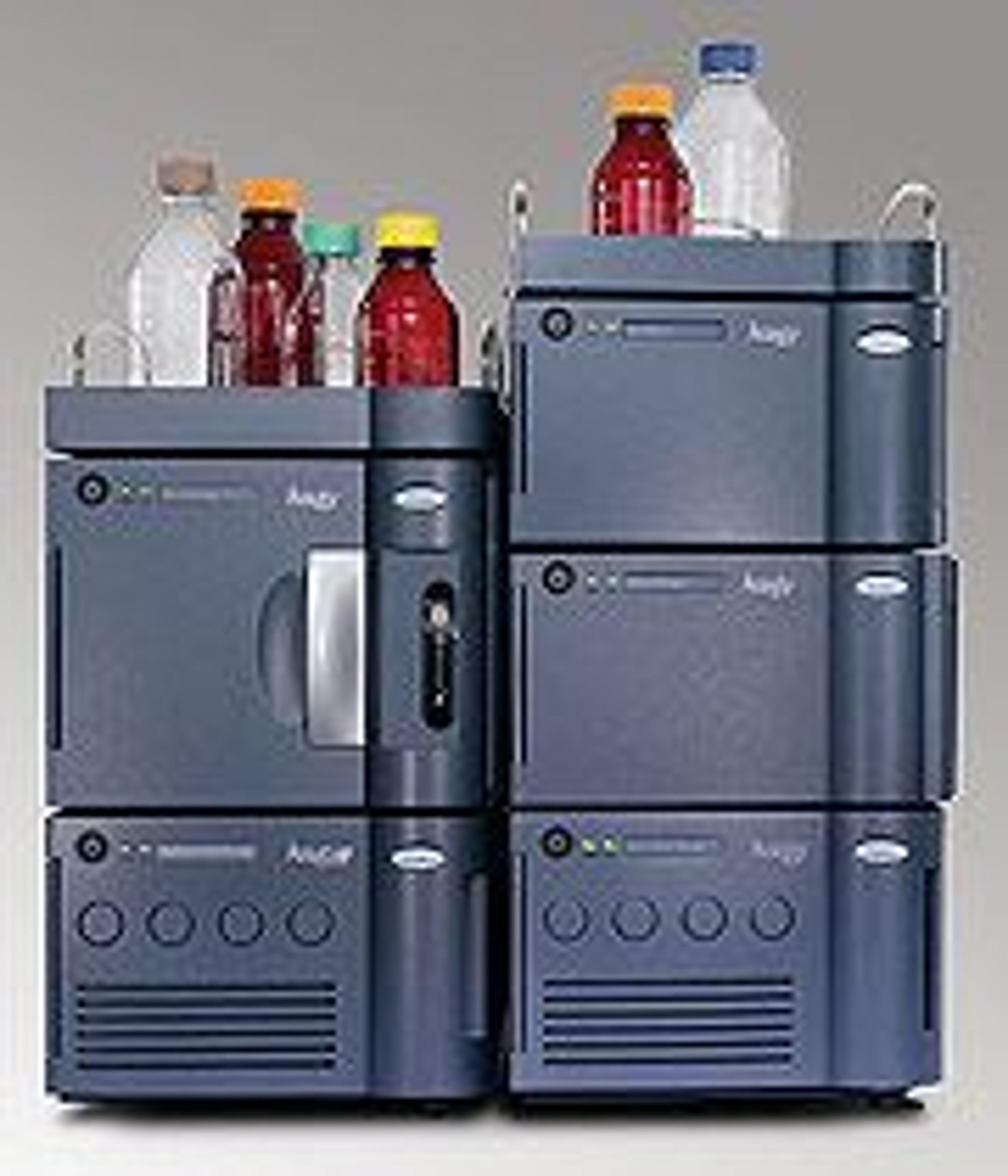
ACQUITY Systems with 2D Technology
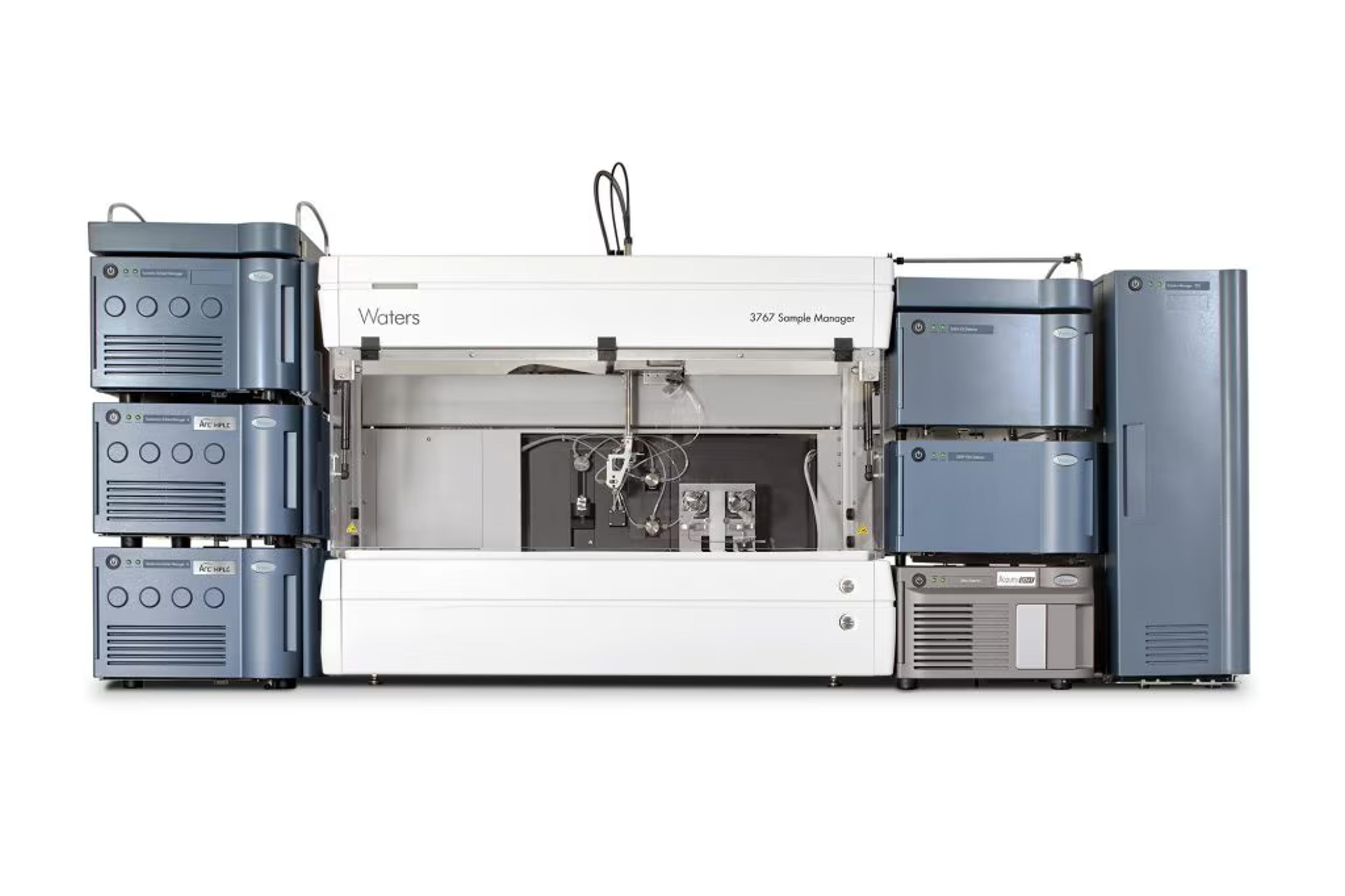
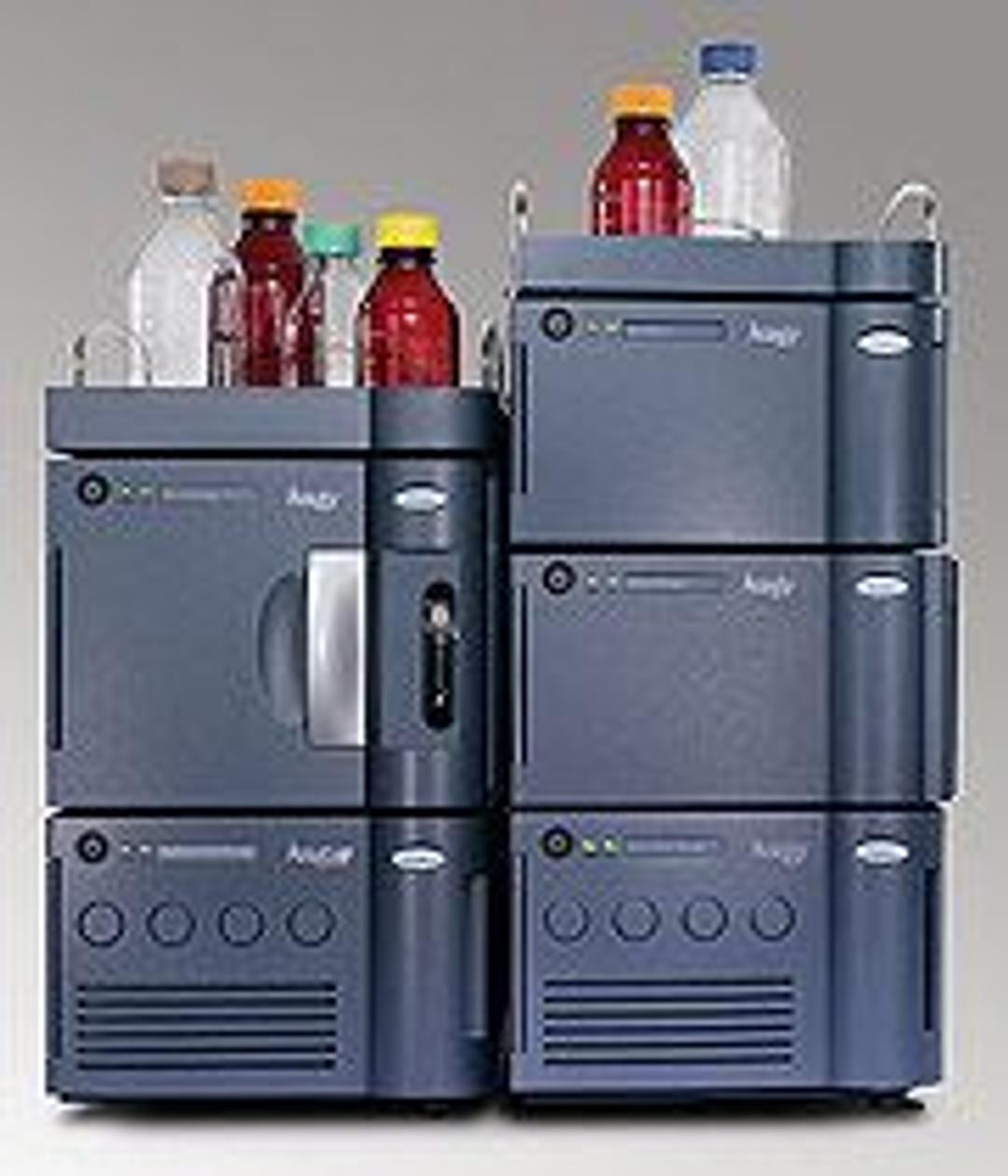
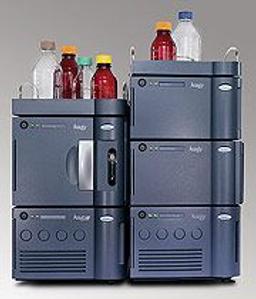
UPLC Technology Extends To Two Dimensions For chromatographers who require additional capabilities to increase their speed of analysis, gain sensitivity and selectivity, and perform orthogonal separations, ACQUITY UPLC® Systems can meet these needs by controlling multiple valves and pumps for 2D separations. The resolution, sensitivity, and throughput benefits of UPLC® Technology are even more important in 2D applications. Wat…






Place your order directly with the manufacturer.
Best in class, efficient, precise and an effective tool.
Laboratory (Pharma/Bio-pharma/Chemical etc)
Excellent tool in liquid chromatography family. Provides dual opportunity to work. Robust and user friendly technology.
Review Date: 27 Sept 2021 | Waters
Excellent product, full value for money.
Pharmaceutical testing
It is an excellent product from Waters, robust and adds value to labs doing impurity or content testing. It is supportable with various detectors to cater to different type of analyte. Waters' services are great and they track functionality of the system.
Review Date: 20 Mar 2021 | Waters
ACQUITY 2D LC gives reliable results in 1-2 days, which manually takes up to a week.
Pharmaceutical R&D
We wanted to do antibody analysis on-line. Our goals were to avoid a manual process, to improve the throughput, and improve the performance of the method used. The ACQUITY 2D LC system offers these benefits, in addition to being quite easy to use, and easy to implement in our workflow.
Review Date: 19 Nov 2018 | Waters
Great product ... lifeline of pharmaceutical industry.
Analysis of pharmaceuticals
Excellent product with excellent service, pre and post sale. Very user friendly and robust technology. It is more costly than competitors but still worth having.
Review Date: 16 Nov 2018 | Waters
Even though it is not the simplest instrument, its performance is outstanding when separation of many components is required.
Review Date: 16 Nov 2011 | Waters
High cost of ownership, especially for pm kit.
Review Date: 16 Nov 2011 | Waters
Very highly sensitive methods could be developed on this system (especially for genotoxic components).
Review Date: 20 Sept 2011 | Waters
A good, powerful UPLC system with good service support and quality.
Review Date: 19 Sept 2011 | Waters
Good performance from this instrument.
Review Date: 7 Sept 2011 | Waters
Very good instrument, but not cheap.
Review Date: 31 Aug 2011 | Waters
UPLC Technology Extends To Two Dimensions
For chromatographers who require additional capabilities to increase their speed of analysis, gain sensitivity and selectivity, and perform orthogonal separations, ACQUITY UPLC® Systems can meet these needs by controlling multiple valves and pumps for 2D separations.
The resolution, sensitivity, and throughput benefits of UPLC® Technology are even more important in 2D applications. Waters’ 2D Technology solutions for the ACQUITY UPLC, ACQUITY UPLC H-Class, and ACQUITY UPLC H-Class Bio systems are purpose-built, from plumbing to software to valve control, to provide reproducible and consistent results for specific applications.
Features:
• Ready-to-use configurations to get you to successful 2D UPLC experiments faster, with less troubleshooting and more confidence
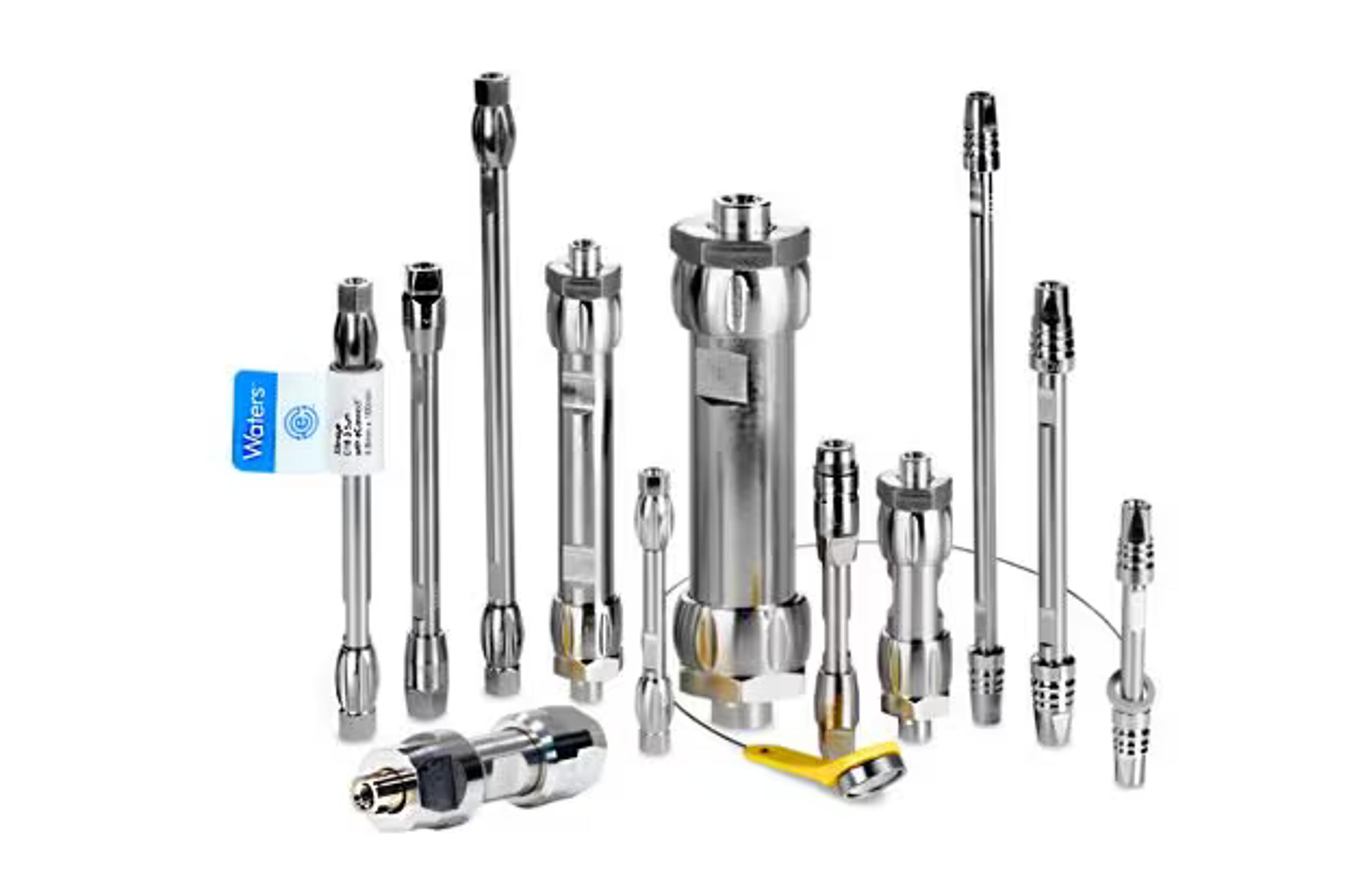
• ACQUITY UPLC systems and proven columns enable best-in-class selectivity and sensitivity

Multi-Dimensional Chromatography Compendium: Loop vs. Trap Injection
This white note compendium by Waters explores multi-dimensional chromatography, focusing on the differences between loop and trap injection. When new technology is introduced, new options and combinations of analysis become available, often enhancing complex analyses. This white paper explains the differences between the two methods and how resolution can be optimized for analyses.
Illicit Drug Analysis in Urine Using 2D LC-MS/MS for Forensic Toxicology
The use of spot testing is the most known technique in forensic analysis for rapid results. For a complete legal identification, a more robust methodology is required, often LC-MS or LC-MS/MS. However, to achieve satisfactory results most often with trace level detection requirements, extensive and time consuming sample preparation protocols and required to reach sub ppb levels. This application note demonstrates the use of multi-dimensional chromatography as a micro extraction technique and sequential 2D extraction for the analysis.
Routine MS Detection for USP Chromatographic Methods
The USP analytical methods monographs are widely used in the development and quality control of drug substances and finished drug products. This application note presents a systematic protocol for using MS detection directly with unmodified USP methods. The USP assay for Irbesartan is used as an example to illustrate the peak transfer protocol.
Analysis of Microcystins RR, LY, and YR in Bottled, Tap, and Surface Water Using ACQUITY UPLC Systems with 2D-LC Technology
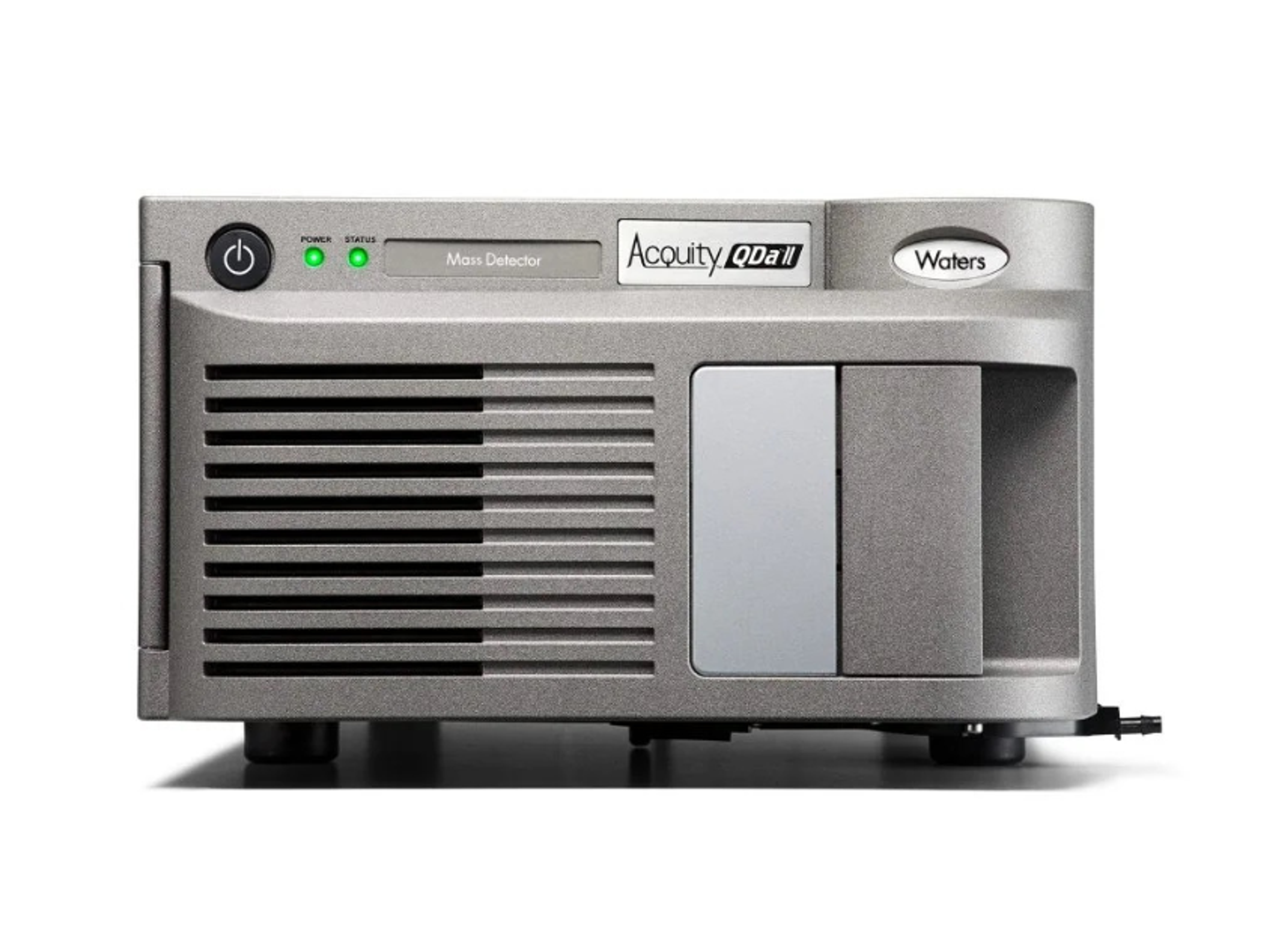
This application demonstrates the disruptive nature of the ACQUITY UPLC System with 2D-LC Technology with the Xevo TQD Mass Spectrometer. The application targeted the analysis of microcystin RR, LR, and YR in bottled, tap, and surface water. The limit of detection in this study was 50 ppt with a 10:1 enrichment from the extraction protocol (15 min total) and a 200:1 enrichment from the at-column dilution option, for a total of 2000:1.
Analysis of Glyphosate, Glufosinate, and AMPA in Tap and Surface Water Using Open-Architecture UPLC with 2D-LC Technology
This application note describes the targeted analysis of glyphosate, glufosinate, and AMPA in tap and surface water. The limit of quantification in this study was measured at 1.0 ppb. EPA regulations have an MRL in water set at 700 ppb; the 1.0 ppb quantification limit clearly meets these regulations. Since FMOC has UV absorbance properties, similar detection limits could be reached with a photodiode array detector (PDA), thus offering a cost effective solution.
Analysis of Pharmaceuticals and Pesticides in Bottled, Tap, and Surface Water Using ACQUITY UPLC Systems with 2D-LC Technology
This application demonstrated the disruptive nature of ACQUITY UPLC Systems with 2D-LC Technology with a Xevo TQD Mass Spectrometer. The application targeted the analysis of PPCP’s and pesticides in bottled, tap, and surface water. The limit of detection in this study was 1.0 ppt with a 10:1 enrichment from the extraction protocol (15 min total) and a 200:1 enrichment from the at-column dilution option, for a total of 2000:1. The recovery data for bottled, tap, and surface water samples using a micro extraction protocol shows comparable results to application with macro extraction protocols.
Developing 3D Separation Systems for Complex Analyses
In this video, Dr. Peter Schoenmakers, Professor of Analytical Chemistry at the University of Amsterdam, discusses his work on improving existing chromatographic methods and developing new multi-dimensional methods for more complex applications. Schoenmaker explains how his lab use a combination of 2D liquid chromatography systems from Waters, Shimadzu, Agient, and Thermo Fisher Scientific, but have also embraced 3D printing for cheaply and quickly producing prototypes.
Enabling 2D HT Technology at Duke University
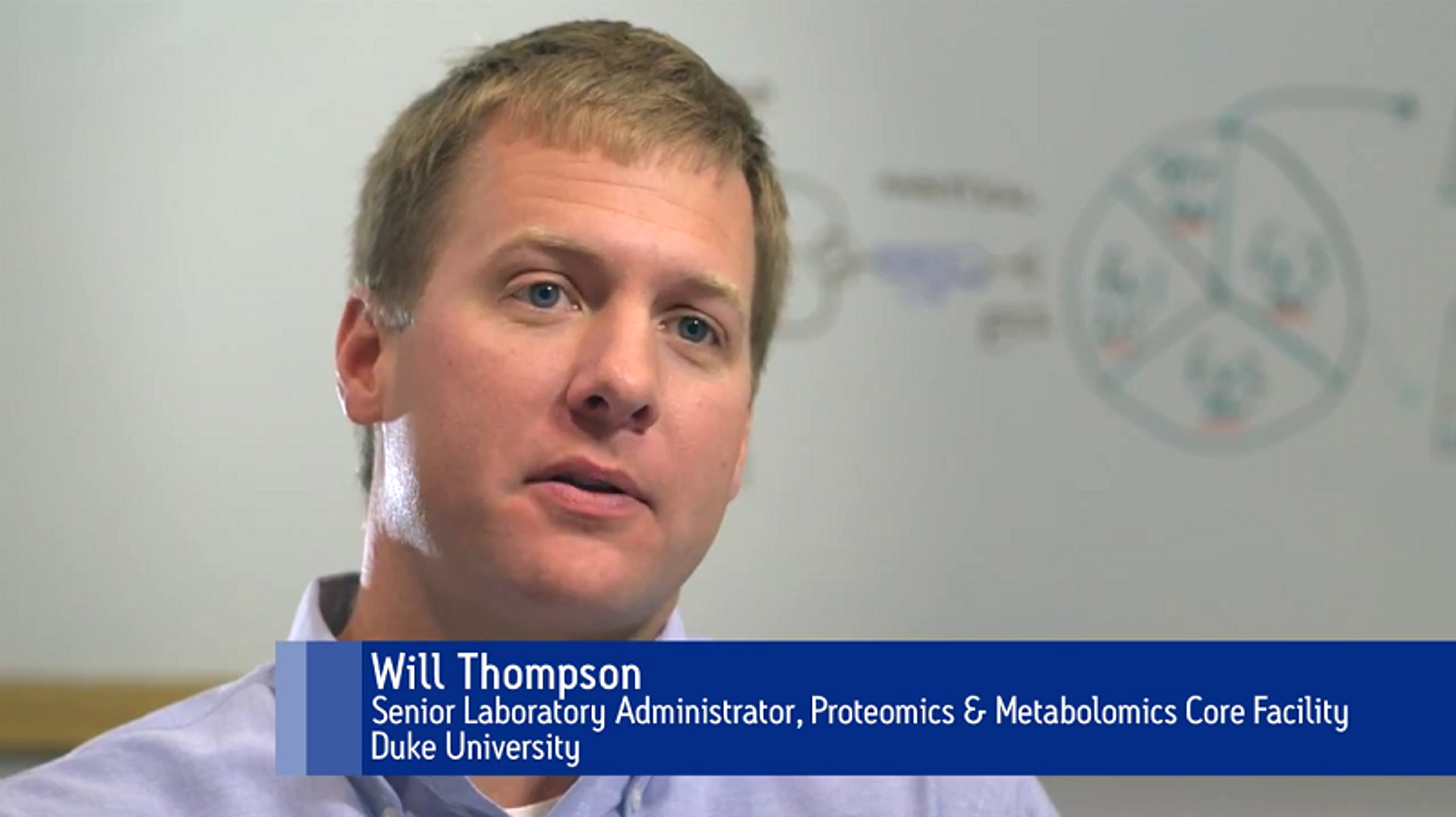
Watch this video to hear Will Thompson, Senior Laboratory Administrator at the Duke University Proteomics and Metabolomics Core Facility, discuss the facility's experimental setup for high throughput 2D LC. Parallel trapping allows separations occur simultaneously compared to traditions methods and, consequently, analysis of each fraction occurs immediately. The use of this technology has resulted in an increase in robustness with respect to retention time and reproducibility.
Determining Biological Significance in Targeted Proteomics at Duke University
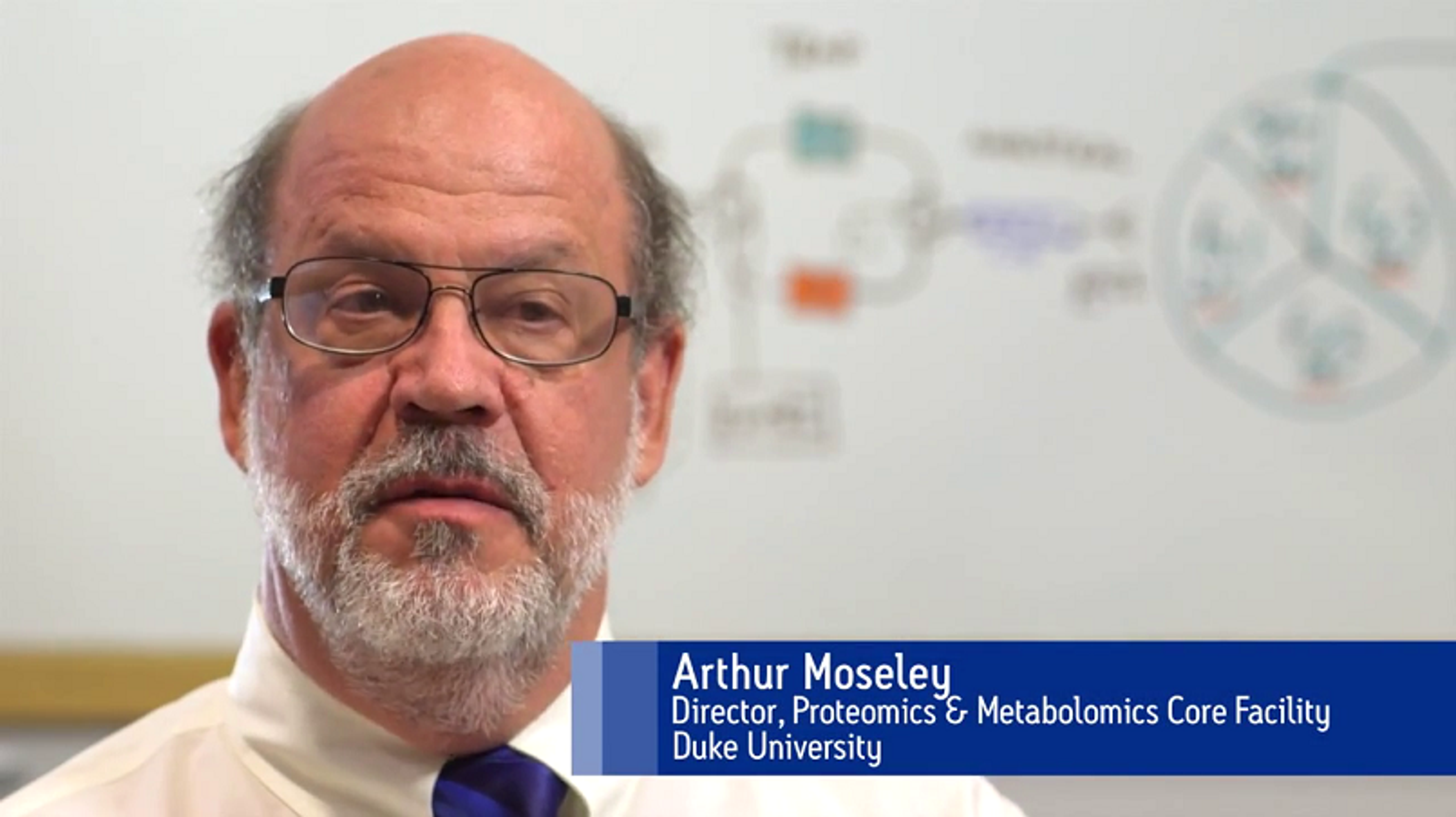
Watch this video to hear Arthur Moseley, Director of the Proteomics and Metabolomics Core Facility at Duke University, discuss their LC/MS assay for tumor associated antigens. By combining multiple modes of chromatography Arthur Moseley and his team can exploit the different mechanisms to produce as thorough a separation as possible. In doing so, they can perform LC-LC in a reproducible manner, which allows clear differentiation between any variances that are due to analytical noise versus what is to do with a biological signal.
New ACQUITY UPSFC System: A Green Alternative to Normal Phase HPLC
In this video from Pittcon 2011, Waters introduce the new ACQUITY UPSFC System for ultra performance SFC. Primary applications of the system include chiral analysis and normal phase replacement. It offers an environmentally friendly, fast and high efficiency alternative to normal phase HPLC. Also learn about Waters' Biopharmaceutical System Solution with new UNIFI software, combining UPLC with high resolution MS to streamline biopharmaceutical workflows.