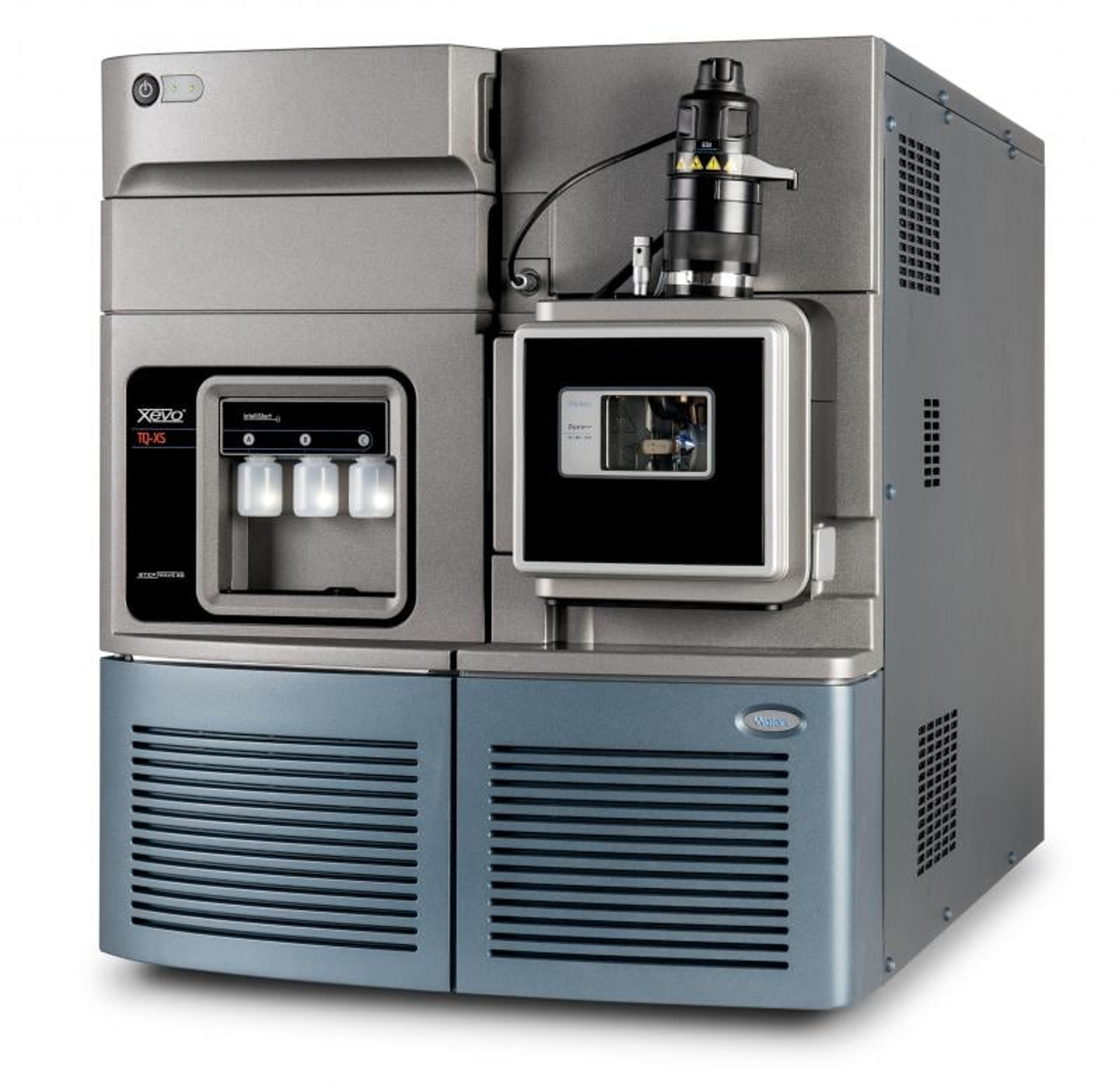
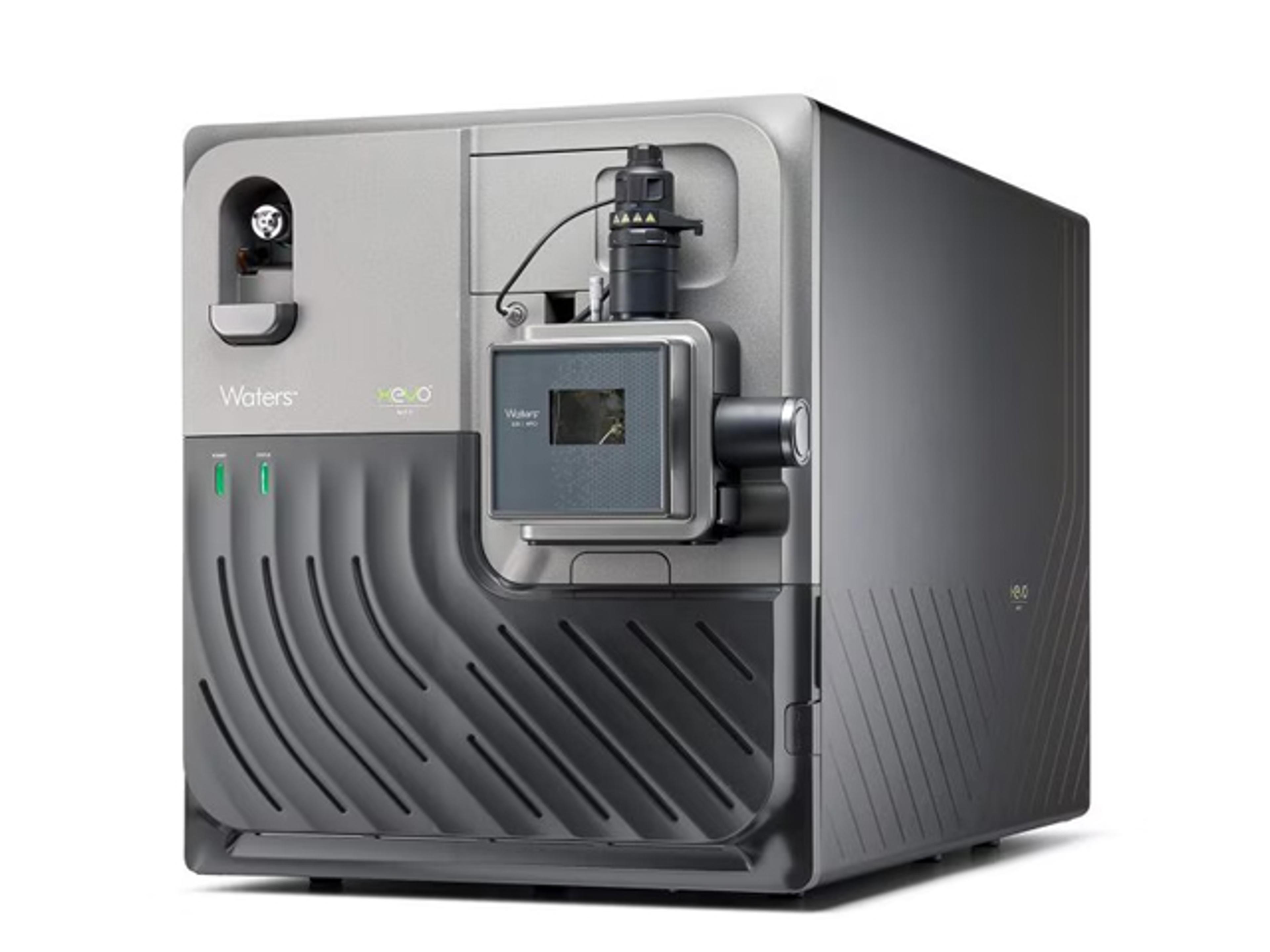
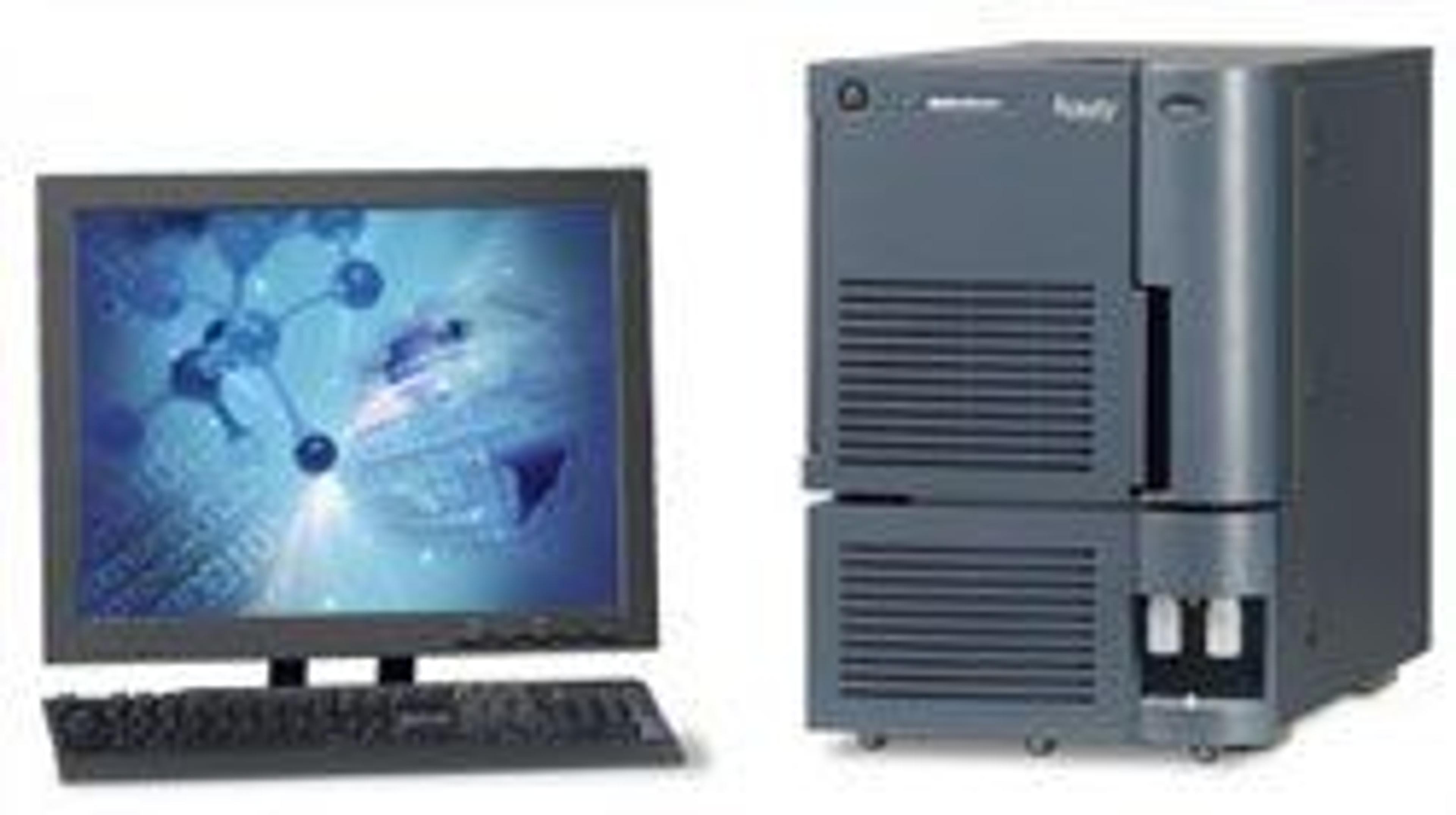
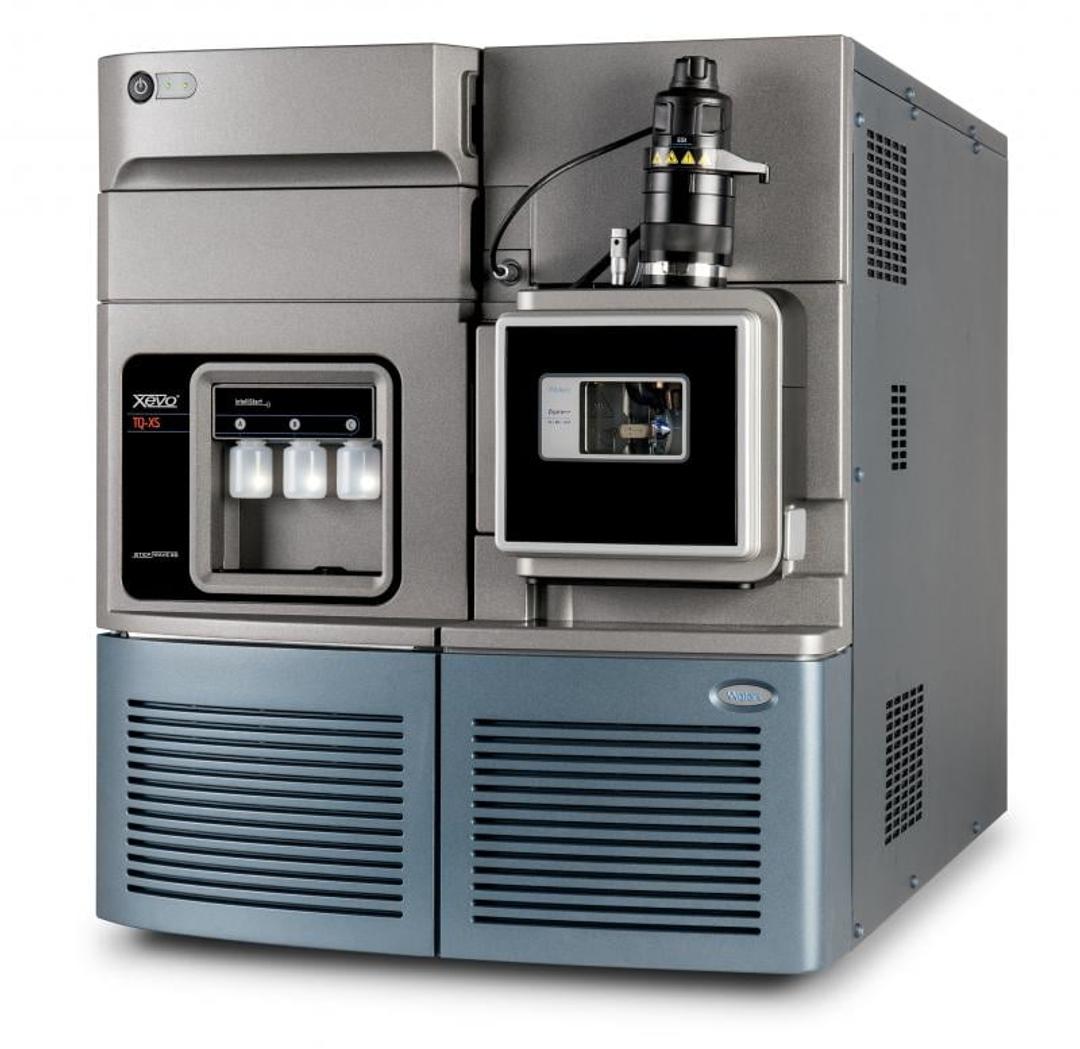
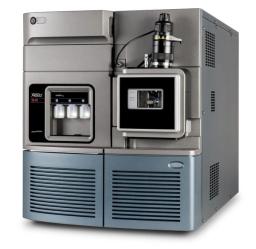
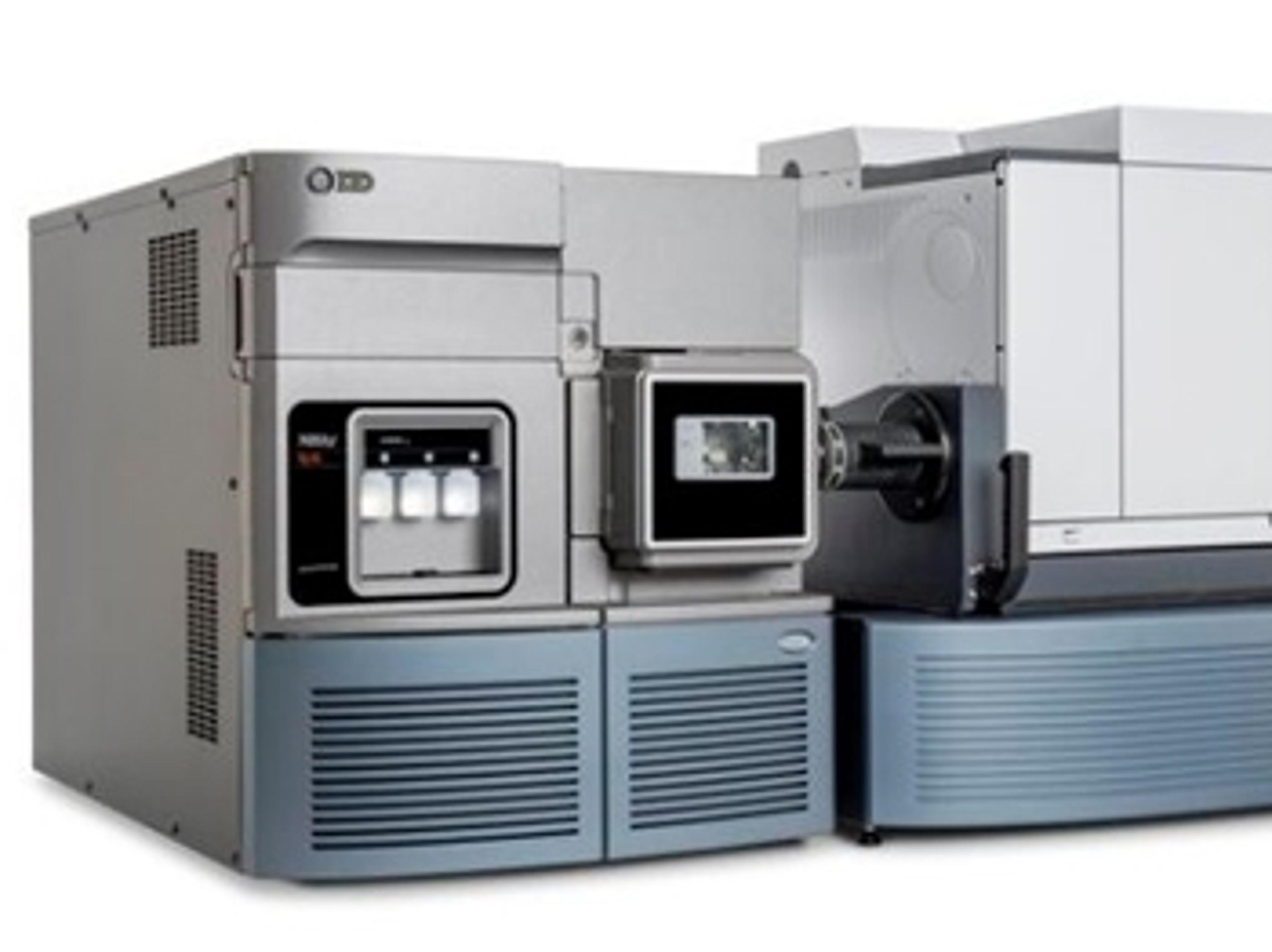
Xevo TQ-XS Triple Quadrupole Mass Spectrometer
Expanding ultimate sensitivity analysis. Maximizing your compound coverage.

Place your order directly with the manufacturer.
Great results, highly recommend it!
Health and research purposes
This is a very robust and sensitive system allowing analytical analyses in the clinical and research fields for rare diseases and high-risk screening. I highly recommend it to mass spectrometry users in biochemistry and biochemical genetics labs. The technical and maintenance support is also efficient and rapid.
Review Date: 10 Feb 2023 | Waters
Waters' instruments may not be the best, but their services are definitely the best.
Infliximab and glutathione analysis
Waters service is the best among all the other vendors including Aglent, Sciex, Thermo, Shimadzu, and PerkinElmer. Waters' technical support is easier to access and service engineers are usually very helpful. Waters' tripple quads are easy to use and sensitivity is pretty good also.
Review Date: 15 Jul 2021 | Waters
Great instrument, very robust!
Analysis of environmental samples and clinical samples for endocrine disrupting chemicals
One system. Every analyte. All the time. I really enjoy working on the system. It is one of the best TQD systems. Provides greater sensitivity. The best thing about the system is its ease of use.
Review Date: 17 May 2021 | Waters
System is robust, easy to handle, low down time and provides reproducible results.
Metabolomics
Robust and high-throughput system for targeted metabolomics. Various options for MRM transitions, multi analyte method with schedule MRM function while providing sufficient data points with fast analysis. Very reproducible results and very low down time, easy to calibrate and clean. Tuning of MS parameters for more than 100 analytes is very fast due to very good automatic tuning function.
Review Date: 5 Jan 2021 | Waters
Great instrument, every new MS gets better.
Environmental
High-quality, high-sensitivity, stable platform. Has great software and easy to use.
Review Date: 4 Mar 2020 | Waters
Best LC-MS/MS systems I have ever used & UNISPRAY! (used Thermo, Sciex, Agilent, Shimadzu).
Plant metabolome analysis, pesticide & mycotoxins, anabolic hormones&endocrine disruptors,
Very effective especially with the Acquity UHPLC I class system, I also have PDA detector for it. Mass Lynx is great software, nicely enginered and crafted, at first glance there are a lot of windows, but I could get used to it quickly. Optimization can be a bit tricky if you would like to optimize a lot of compounds from a mix, but thats usually an uncommon thing to do. For Pharma its superb. For research its also great, I just liked the Sciex way of optimizing better. Very robust machine, won't punish you for smaller mistakes, and ESI source is good, but you can also do EsCI wth it (kinda like the mix of ESI and APCI) or you can also do UniSpray. What I love is that for most molecules its even unnecesarry to optimize for cone voltage (Sciex call it declustering potential) because it will work at max sensitivity for most molecules around a certain setting, this means less in source fragmentation which is a good thing for most users (for some applications however it's a disadvantage if you want to make in source fragments by increasing the cone voltage - you will have to apply really high levels). Unispray is just great, I had several comparisons for a lot of compound classes UNISPRAY VS ESI and it will increase your sensitivity by a factor of 3-14 and S/N ratio by 3-5 times compared to ESI! It does better in positive mode, but also at least 2.5-3 times enhancements in negative mode also! I've tested this so far only for small molecules, not for proteomics. In the stepwave it's good to use, soft transmission can help you with labile compounds. Instrument uses argon as collision gas, can help with fragmenting stuff thats sometimes not fragmentable with nitrogen, however argon has the disatvantage that it can fairly easily make fragments with low collision energies. In source fragmentation can be limited, also cone gas is great. You can increase it to high levels to protect your instrument and you cannot decrease it below 150 L/H for the protection of your instrument. Source cleaning is fairly fast and easy. I managed to go down to femtogram sometimes even attogram on one column and still detect quantitatively! This can vary from compound to compund. For pesticides its very sensitive, does good for hormones. I have had the instrument for 1 year but I managed to acquire a contract form Waters for a 3 year total warranty and total service and OQ PQ at the end of the 3rd year so thats great. Of course the price was high but no price is high for a very trustworthy LC-MS. Waters has the best customer support at least in Hungary.
Review Date: 18 Jun 2019 | Waters
Required different needle wash solutions to limit carryover.
Drug residue
Required different needle wash solutions to limit carryover. Some needle washes used worked on our Acquity TQD & XEVO TQD, but it didn’t work on TQ-XS.
Review Date: 27 Mar 2019 | Waters
The best of the best.
Pesticides
We can see the peak on the spectra and the clarity Is amazing I will recommend Xevo TQ-XS
Review Date: 18 Feb 2019 | Waters
Demands on analytical laboratories are changing and every laboratory needs to ensure it can keep pace with these changes.
The Xevo™ TQ-XS offers:
- StepWave XS™ ion guide that provides increased sensitivity for challenging compounds.
- Enhanced detection system with six orders of linear dynamic range to ensure sensitivity is accessible.
- Tool-free probe design reduces the time taken for any routine maintenance and provides improved reproducibility between users.
Brochures

Dioxins and furans analysis
Download this brochure to see how Waters is revolutionizing dioxin and furan analysis using APGC-MS.
APGC-MS/MS: A new gold standard for dioxin and furan analysis
Download this white paper, which outlines a new gold standard method for dioxin and furan analysis, both of which are toxic compounds that are ubiquitous throughout the world.
SGS AXYS and Waters validate APGC as new methodology for dioxin and environmental contaminants analysis
In this application note, APGC is validated as a new methodology for dioxin and other environmental contaminants analysis.
Improved Multi-Analyte Method for the Underivatized Analysis of Anionic Pesticides in Food by LC-MS/MS
This application note describes the quantitative determination of an extended suite of eight anionic polar pesticides, which are not amenable to conventional reverse-phase chromatography by LC-MS/MS.
Determination of Vitamin D and Previtamin D in Food Products
This application note demonstrates the determination of total vitamin D by individually measuring the vitamin D and previtamin D in food products.
Generic Kit-Based Approach for LC-MS/MS Quantification of Urinary Albumin for Clinical Research
While immunoassay methods are analytically sensitive and simple to execute, poor reagent reproducibility, lack of standardization, cross-reactivity, limited linear dynamic range, and other short-comings have led to increased interest in LC-MS based methods.
How to Accurately Quantify Aclycarnitines in Urine
In this application note, discover an analytically validated bioanalytical clinical research method for the quantification of low concentration acylcarnitines in urine.
Fully Automated Tissue Classification by Imaging Mass Spectrometry
Desorption electrospray ionisation mass spectrometry is a surface analysis technique that can rapidly analyse the lipid and metabolite composition of a tissue section. By moving the tissue under the analysis probe, a chemical map of the sample can be generated in a matter of minutes. Each tissue type or disease state has its own characteristic molecular fingerprint, therefore, using histologically annotated databases of these molecular profiles, these maps can be classified using machine learning approaches. This poster investigates how this technique could potentially be used to assist in histopathology workflows.
Peptide Optimization Using Skyline and the Xevo TQ-XS
Peptide multiple reaction monitoring (MRM) transition optimization is complex and, therefore, more time-consuming than small molecule optimization. This application note shows how using Skyline visualization software with Xevo TQ-XS could streamline your optimization and acquisition workflow.
Quantification of Aflatoxins in Coix Seed by UPLC Coupled with Tandem Quadrupole MS
In this application note, quantification of alfatoxin B1, B2, G1 & G2 on a Waters Xevo TQ-XS and VICAM affinity sample prep is discussed.
Rapid, Simple and Effective Clean-up of Bovine Liver Samples Prior to UPLC-MS/MS Multiresidue Veterinary Drugs Analysis
To ensure public health and safety, reliable analytical methods are necessary to determine veterinary drug residue levels in edible tissue samples such as beef liver. In order to maximize throughput and minimize costs it is desirable to determine the widest possible range of veterinary drug residue in tissue samples with a single analytical method.

Advancing technology for dioxins analysis – adapting methodology to address current and future needs
With the decline in availability and performance limitations of magnetic-sector high-resolution mass spectrometry (HRMS), many laboratories are investigating new methodology and instrumentation to address the demanding needs of ‘“dioxin’” and dioxin-like persistent organic pollutants (POP’s) analysis. In recent years, both the European Union (EU 644-2017 and EU 771-2017) and the United States (USEPA ATP 16130) have recognized the use of tandem quadrupole mass spectrometry (MS) as an acceptable alternative to traditional high-resolution magnetic sector-based methods. Additionally, other countries have evaluated and validated this methodology as a replacement for the traditional HRMS approach, and in doing so, have realized several advantages.
This webinar will discuss:
- Selecting a new instrument to replace legacy HMRS
- How the atmospheric pressure gas chromatography (APGC) MS/MS technology that was selected compared with the previous instrument in performance and usability
- How the new method was accredited
Key learning objectives
- Assessing alternative systems for the analysis of dioxins and furans
- The advantages of tandem MS and atmospheric pressure chemical ionization (APCI) as an alternative test procedure
- Accrediting a new method
Who should attend?
Laboratory managers and senior scientists working with environmental samples for contract testing organizations, regulators, academics
Analysis of low-abundant gut hormone peptides using mass spectrometry
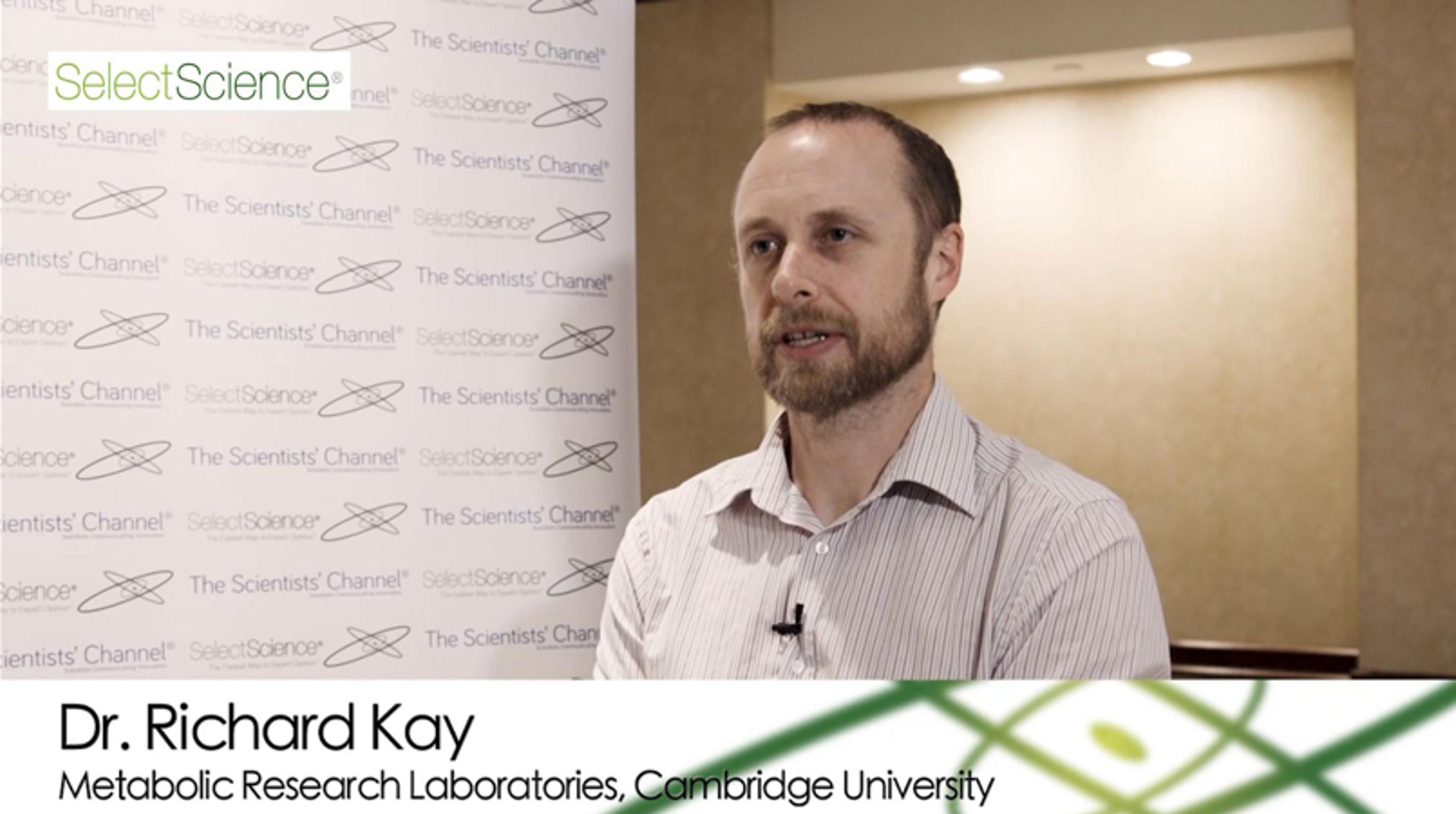
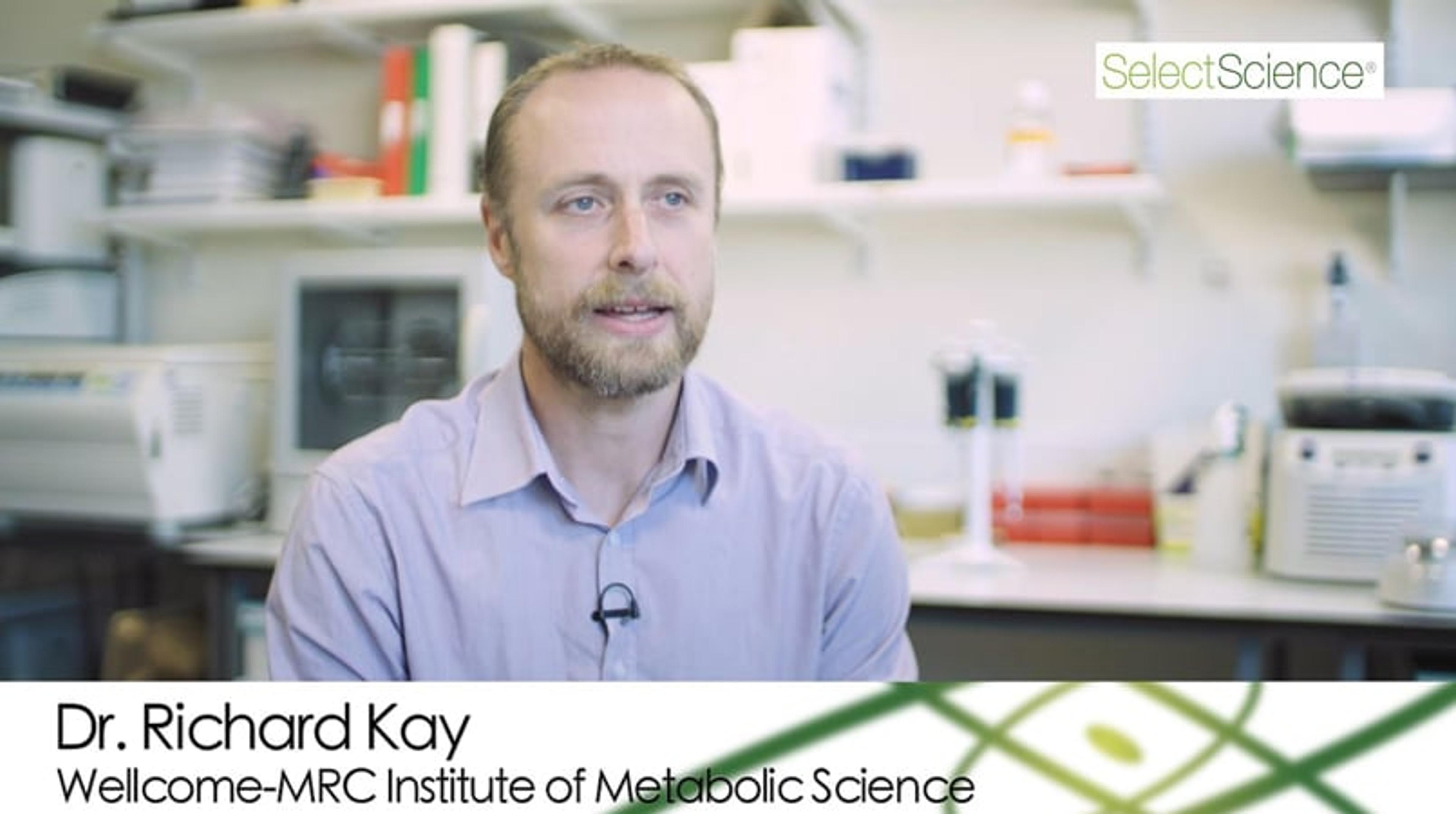
In this video, Dr. Richard Kay, Senior Research Associate at the Wellcome Trust MRC Institute of Metabolic Science at Cambridge University, talks about how he uses mass spectrometry to measure gut hormone peptides related to diabetes. Kay outlines the challenges of detecting low-abundant peptides such as insulin and explains the benefits of performing peptide mass spectrometry over immunoassays.
Analyzing Intact Peptides using LC-MS for Translational Research
In this video, Dr. Richard Kay from the Metabolic Research Laboratories at Cambridge University shares how he and his team use mass spectrometry to identify and quantify intact peptides related to diabetes. Kay explains the benefits of using mass spectrometry over immunoassays for peptide analysis, as well as addressing the current challenges of the technique.
This interview was filmed as part of our coverage of ASMS 2019 in Atlanta, U.S.A. - see other video highlights here >>
Classify Hundreds of Samples a Day with this Fully Automated Mass Spec Imaging Workflow
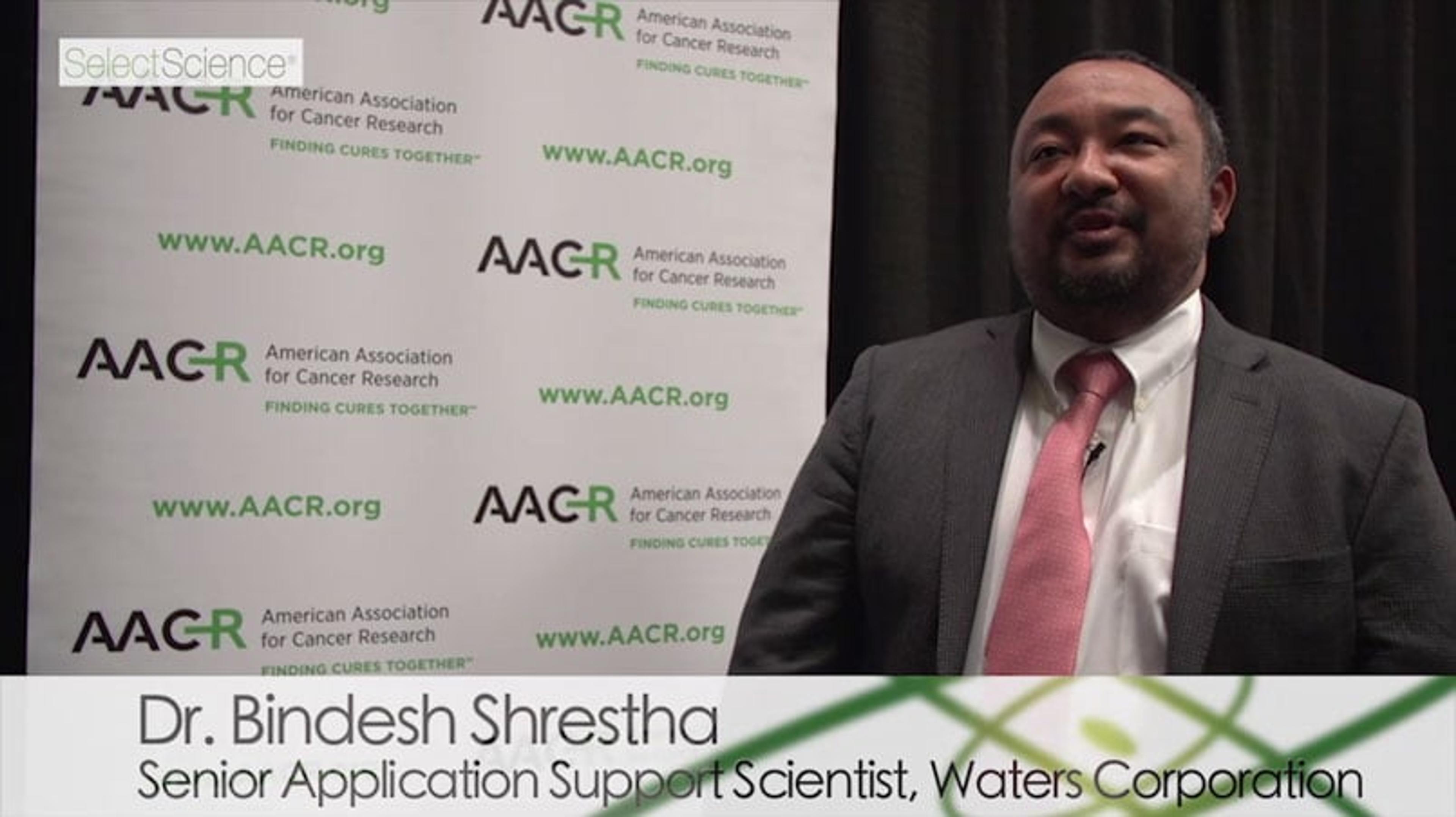
Unlike conventional mass spec, imaging mass spectrometry enables the construction of molecular images that reveal the spatial resolution of the tissue. In this video, Dr. Bindesh Shrestha, Senior Application Support Scientist at Waters Corporation, explains a fully automated workflow for mass spec imaging from Waters that can process hundreds of samples without human intervention. This high-throughput protocol, as Shrestha describes, has a variety of applications such as tumor tissue classification and 3D mapping of spheroids.
Learn more about mass spec imaging in this downloadable poster.
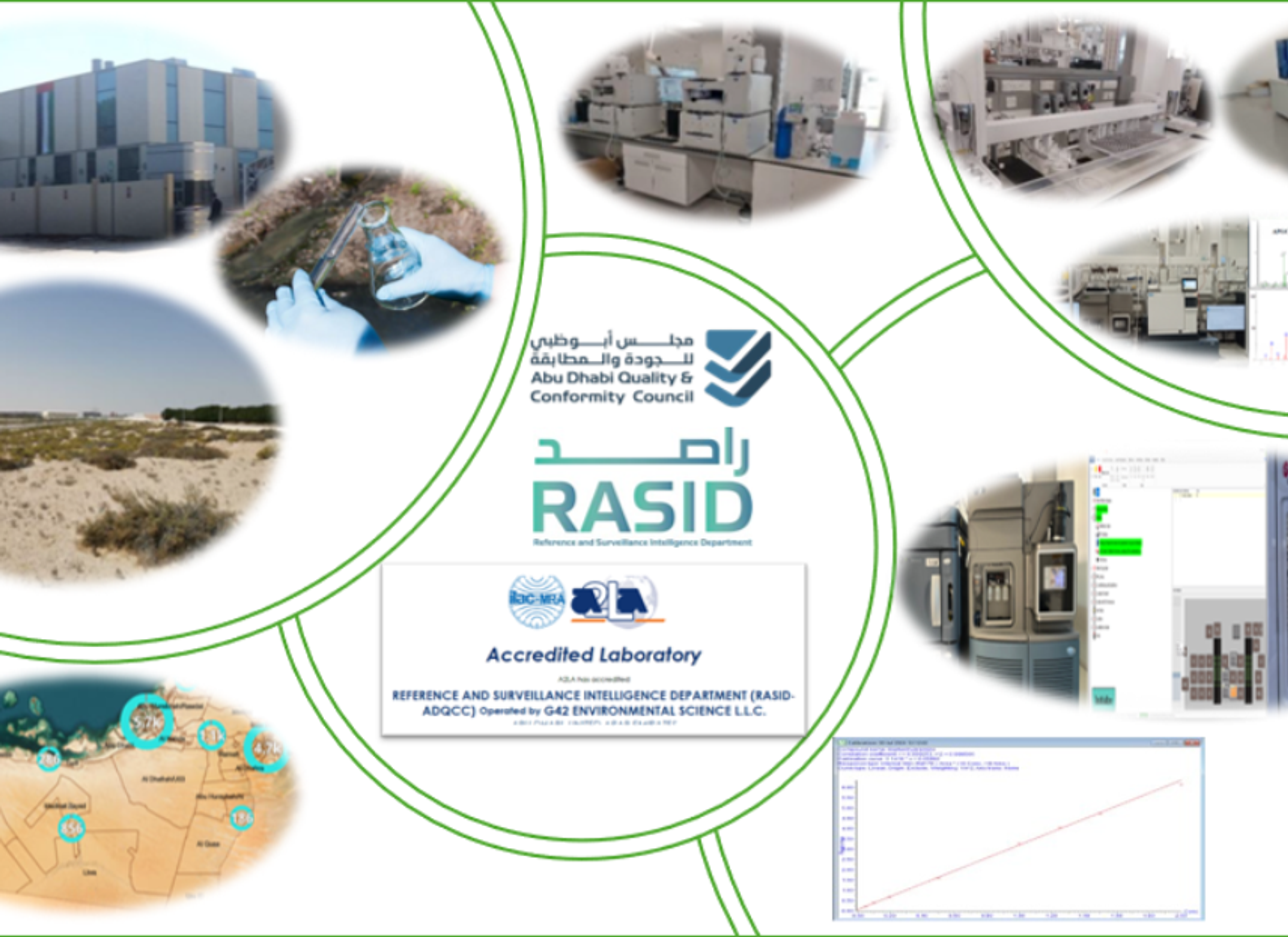
RASID lab sets new standard for wastewater-based health surveillance
Scientists from Abu Dhabi’s RASID lab provide an insider’s look at the high-throughput wastewater analysis facility

Waters APGC-MS/MS System accepted for advanced dioxin and furan analysis
Environmental labs can now use Waters Xevo TQ-XS APGC-MS/MS system for routine, highly sensitive testing with improved robustness
Take control over your chromatographic separations: It’s your loss
Discover how to minimize the loss of metal-sensitive analytes and achieve fast analysis and high recovery of oligonucleotides

The ‘One Stop Shot’ method: The key to combating drug-related crime?
Kristen Burke from the California Department of Justice explains her department's cutting-edge LC/MS method for optimized analysis of routinely encountered drugs of abuse

Waters extends the capability and power of its high-resolution mass spectrometers
Enhancements for the Waters Xevo G2-XS QTof, SYNAPT XS and SELECT SERIES Cyclic IMS instruments accelerate biomedical and pharmaceutical research
Analytical chemistry round-up for 2019
Take a look back through 2019 at the best content from our analytical community
Top 8 Mass Spectrometry Videos from ASMS 2019
Watch the latest expert interviews from this year’s American Society for Mass Spectrometry (ASMS) conference
Waters Unveils New Technologies for Food Safety, Food Authenticity and Biomedical Research at ASMS 2018
Waters demonstrates the power and potential of mass spectrometry by showcasing new technologies

How Mass Spectrometry Evolved into an Indispensable Biological Technique
Dr. Jim Langridge, Director of Scientific Operations for Waters Corporation, shares his scientific journey alongside mass spec technology and reveals what’s in store for the future