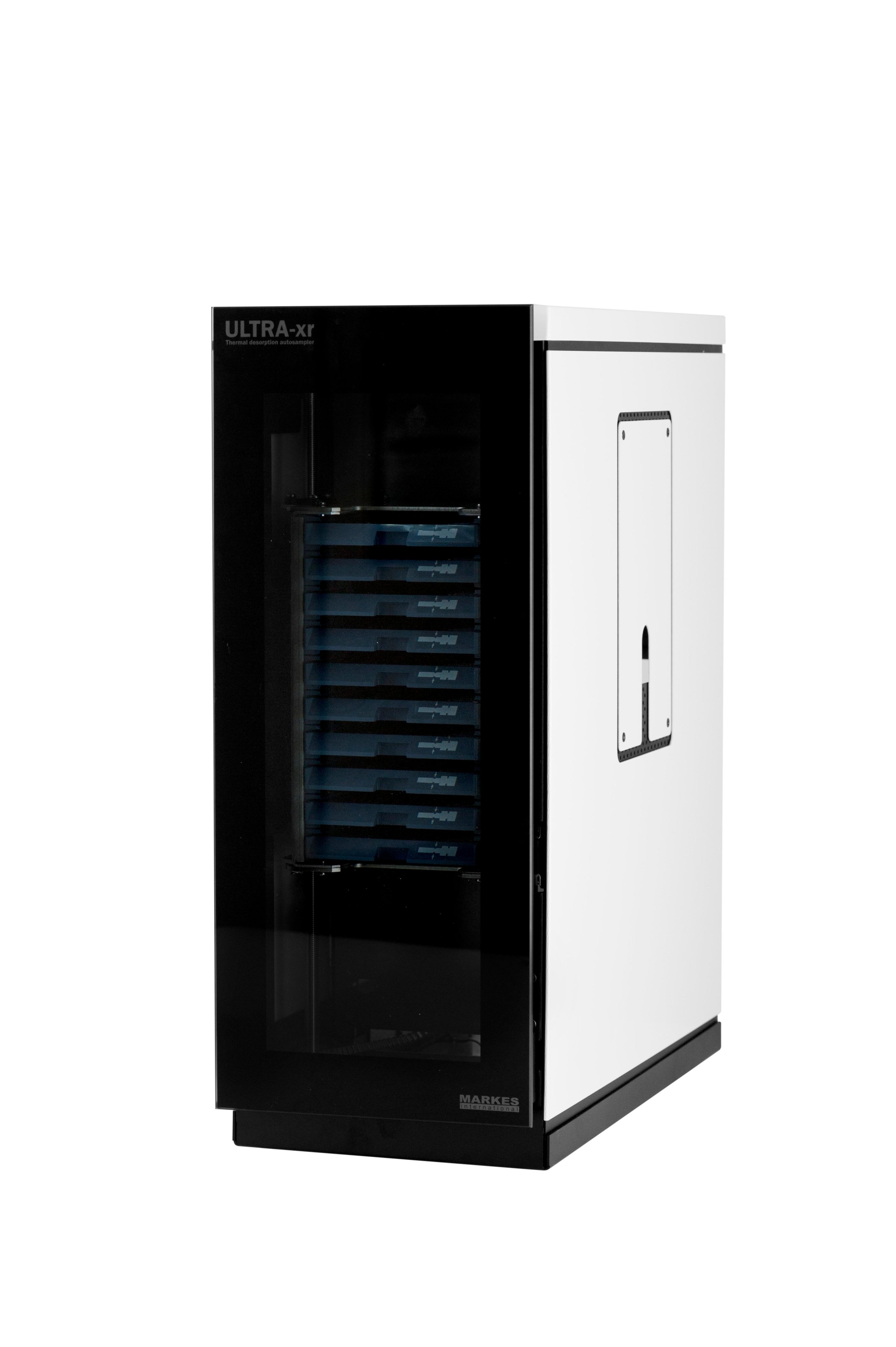
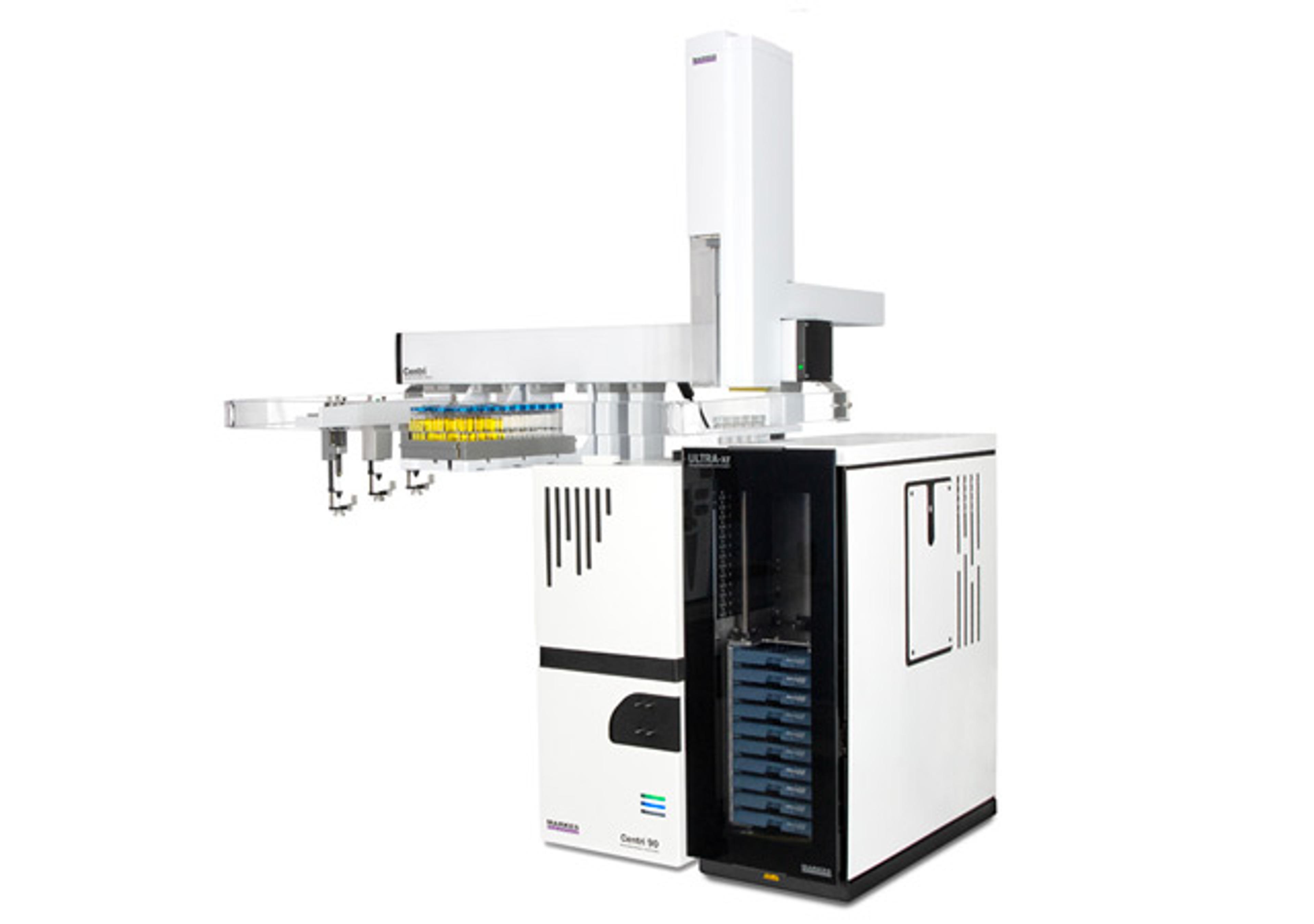
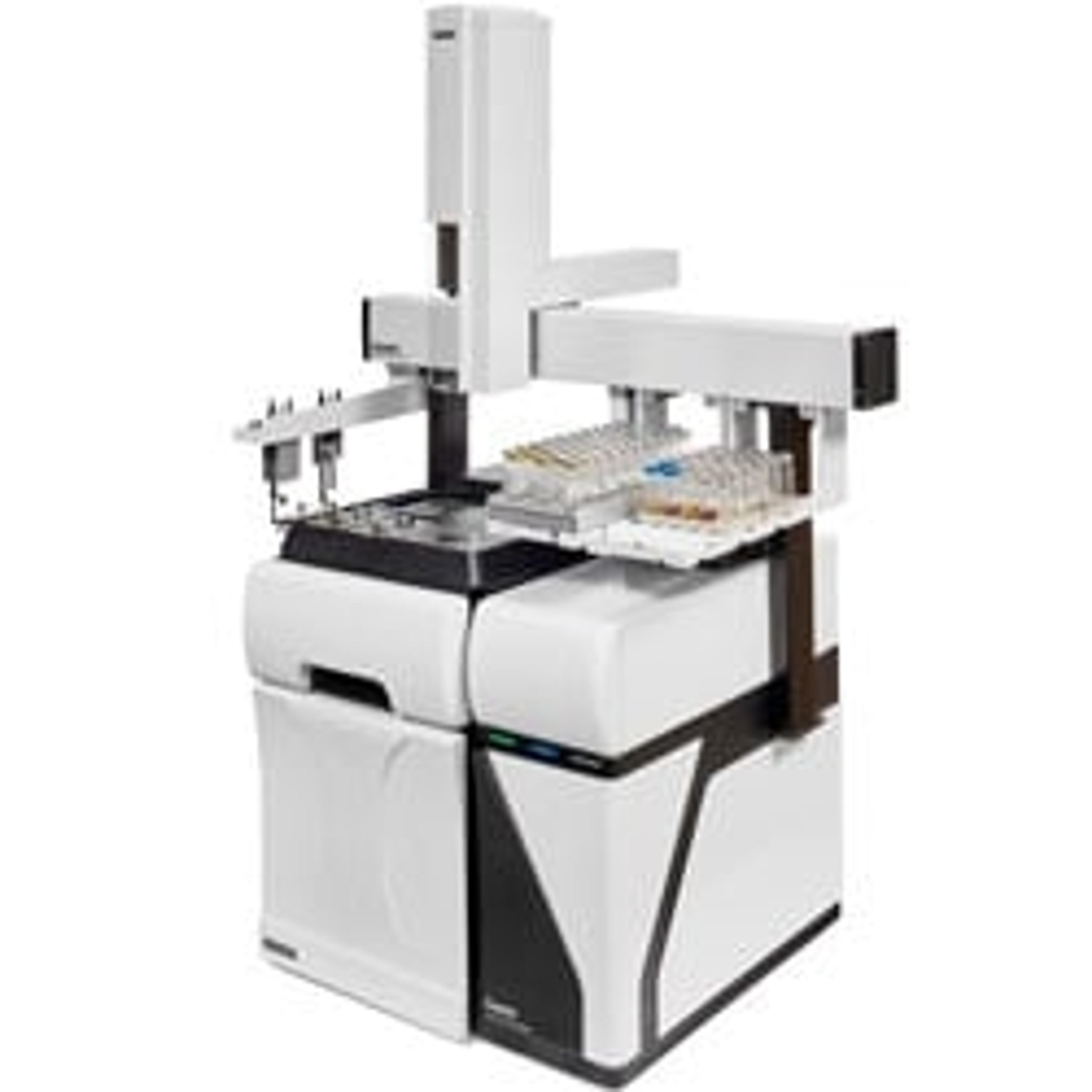
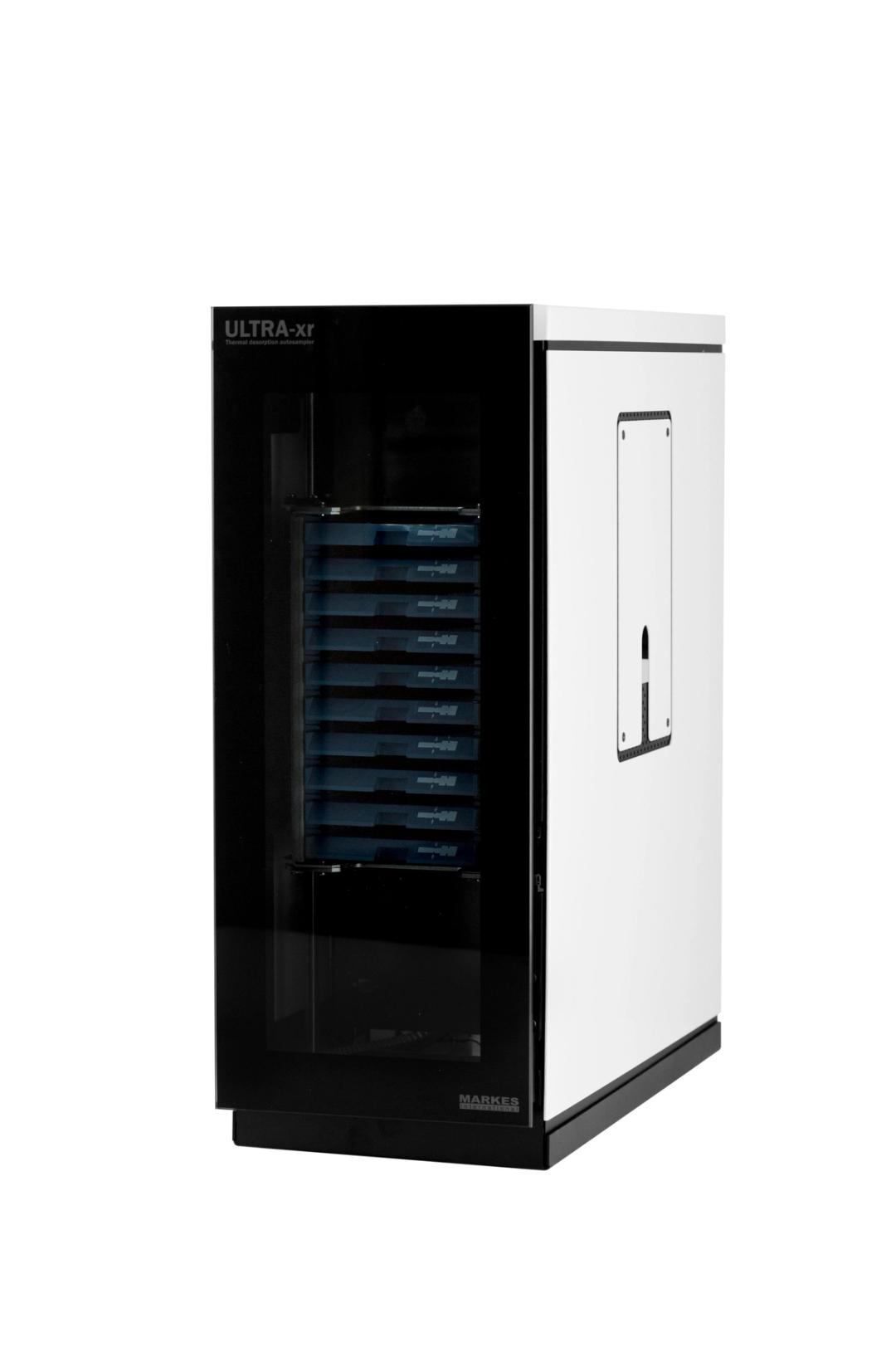
ULTRA-xr
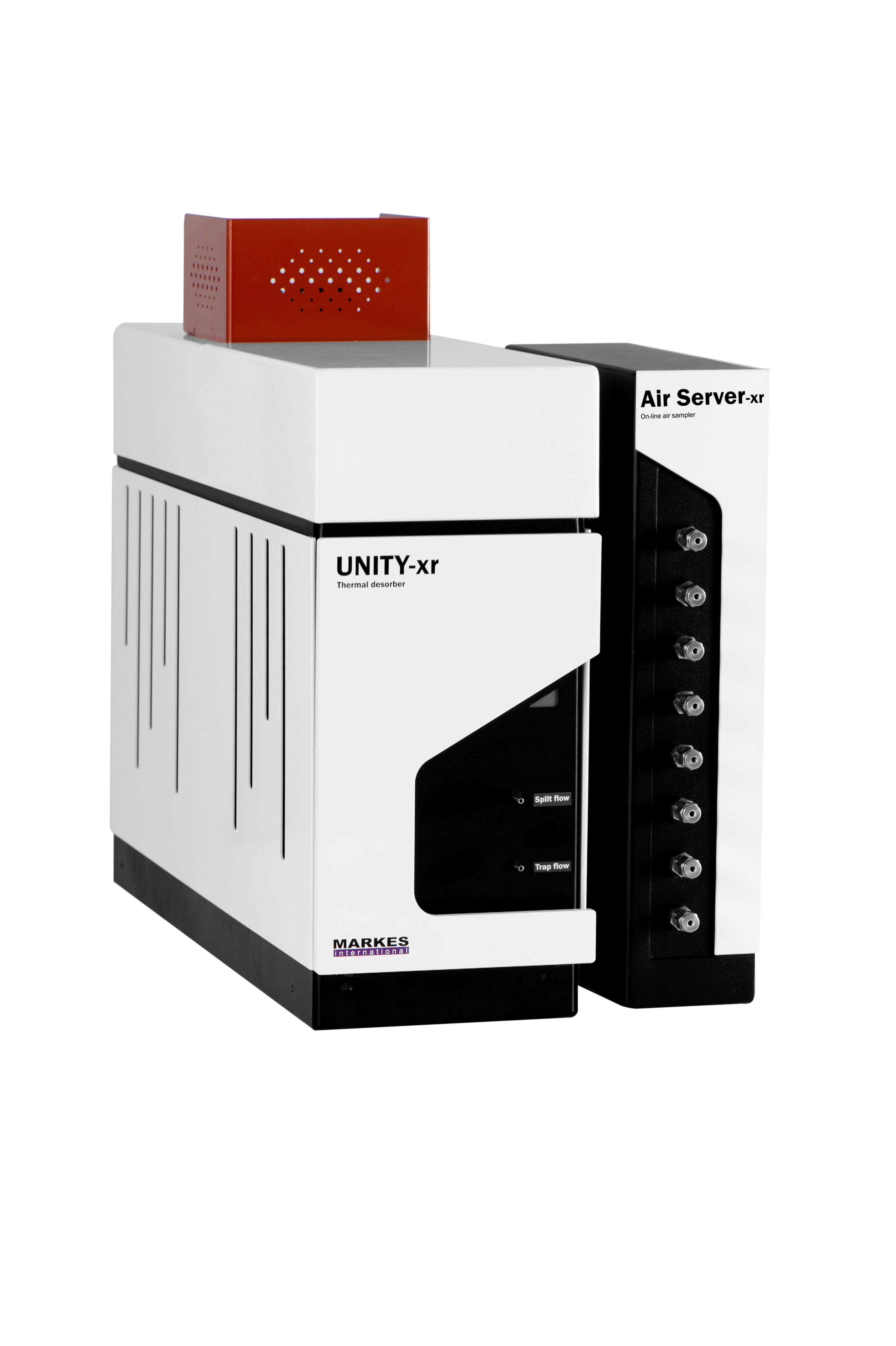
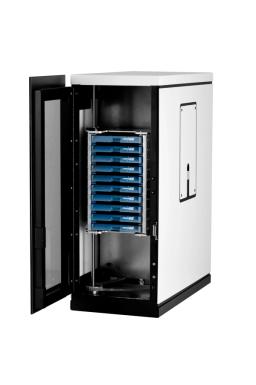
Multi-tube autosampler for the UNITY-xr™ thermal desorber
Receive your quote directly from the manufacturer.
Addition of troubleshooting interface or prompt to equipment software
Environmental
Ultra Xr has great features that make it compatible with many other GC MS. It is effective for thermal desorption. It’s not bulky. I wish the software had prompts to help users carry out troubleshooting for minor issues, or there was a structured troubleshooting layout for different frequent challenges, before reaching out to engineers.
Review Date: 5 Feb 2025 | Markes International Ltd
Very low LOD and LOQ. Great results!
Environmental
Easy to use, very reliable. The instrument is interfaced with a Thermo ISQ. We are now certified using EPA TO-15.
Review Date: 3 Dec 2018 | Markes International Ltd
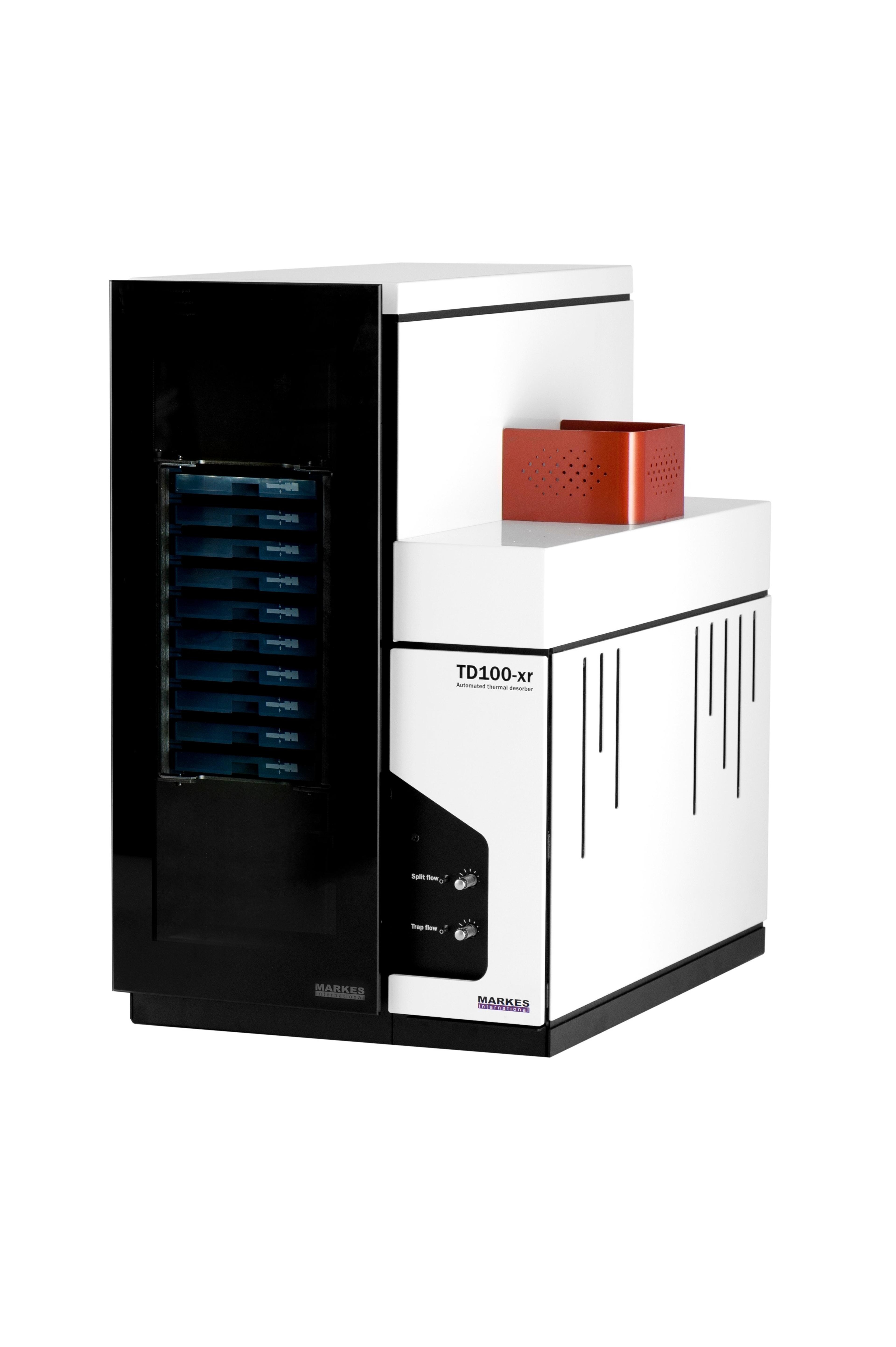
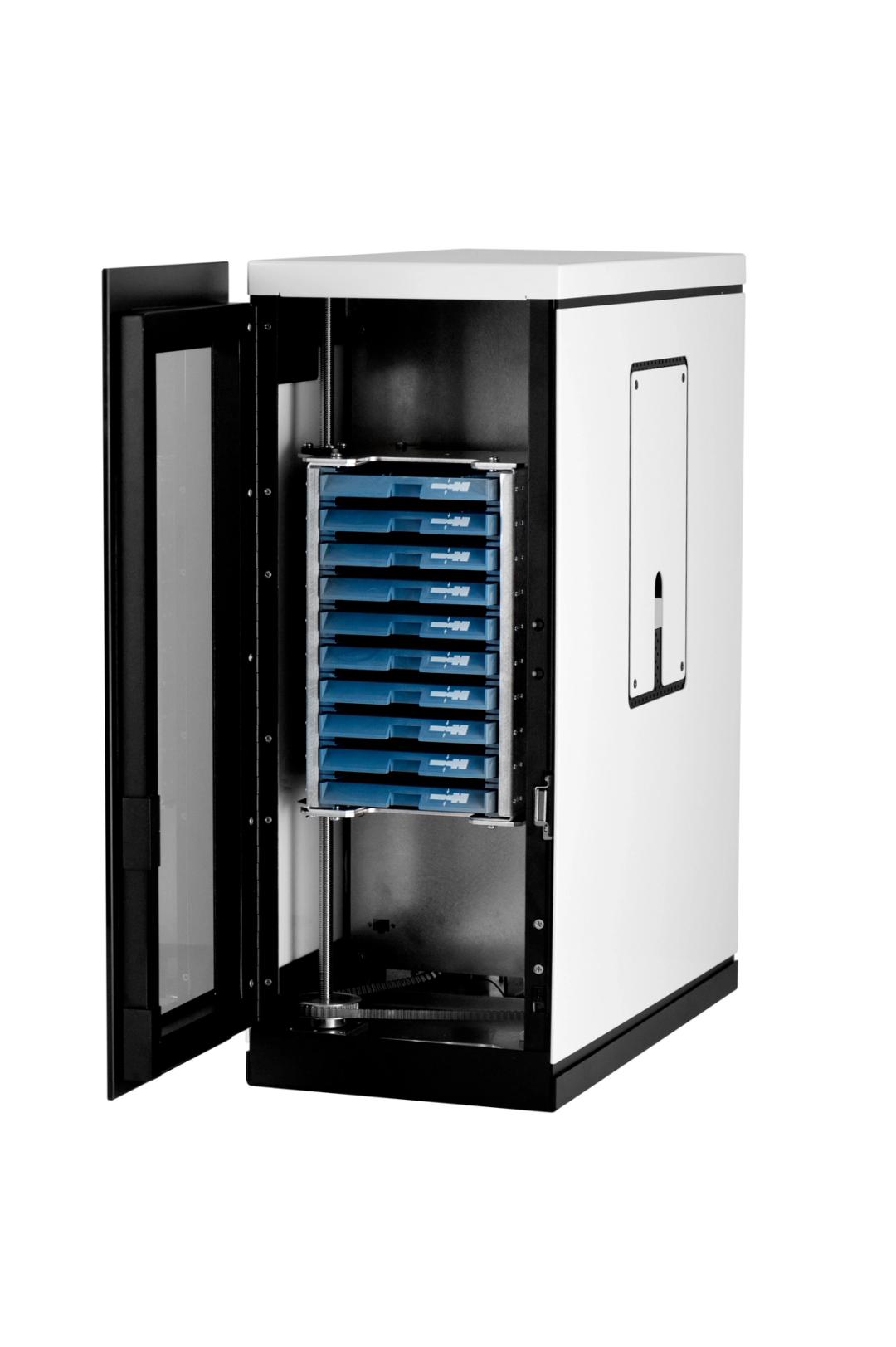
The ULTRA-xr is a 100-tube autosampler for high-productivity analysis of trace-level VOCs and SVOCs by thermal desorption with GC or GC–MS.
Features:
- Automated processing of up to 100 tubes with minimal operator intervention
- Overlap mode to minimise analytical cycle times
- Automated re-collection of outlet split flow – by adding one ULTRA-xr to a UNITY-xr
- Automated re-collection of outlet and inlet split flows – by adding two ULTRA-xr units to a UNITY-xr (a capability that is unique to Markes)
- Quantitative recovery and re-collection of C2 to C44 (including reactive and thermally labile species), from percent to sub-ppt concentrations
- Tube capping (DiffLok™ caps) preserves the integrity of every sample
- Operation fully compliant with a range of international standard methods

Measurement of ethylene oxide with other air toxins in compliance with US EPA Method 327
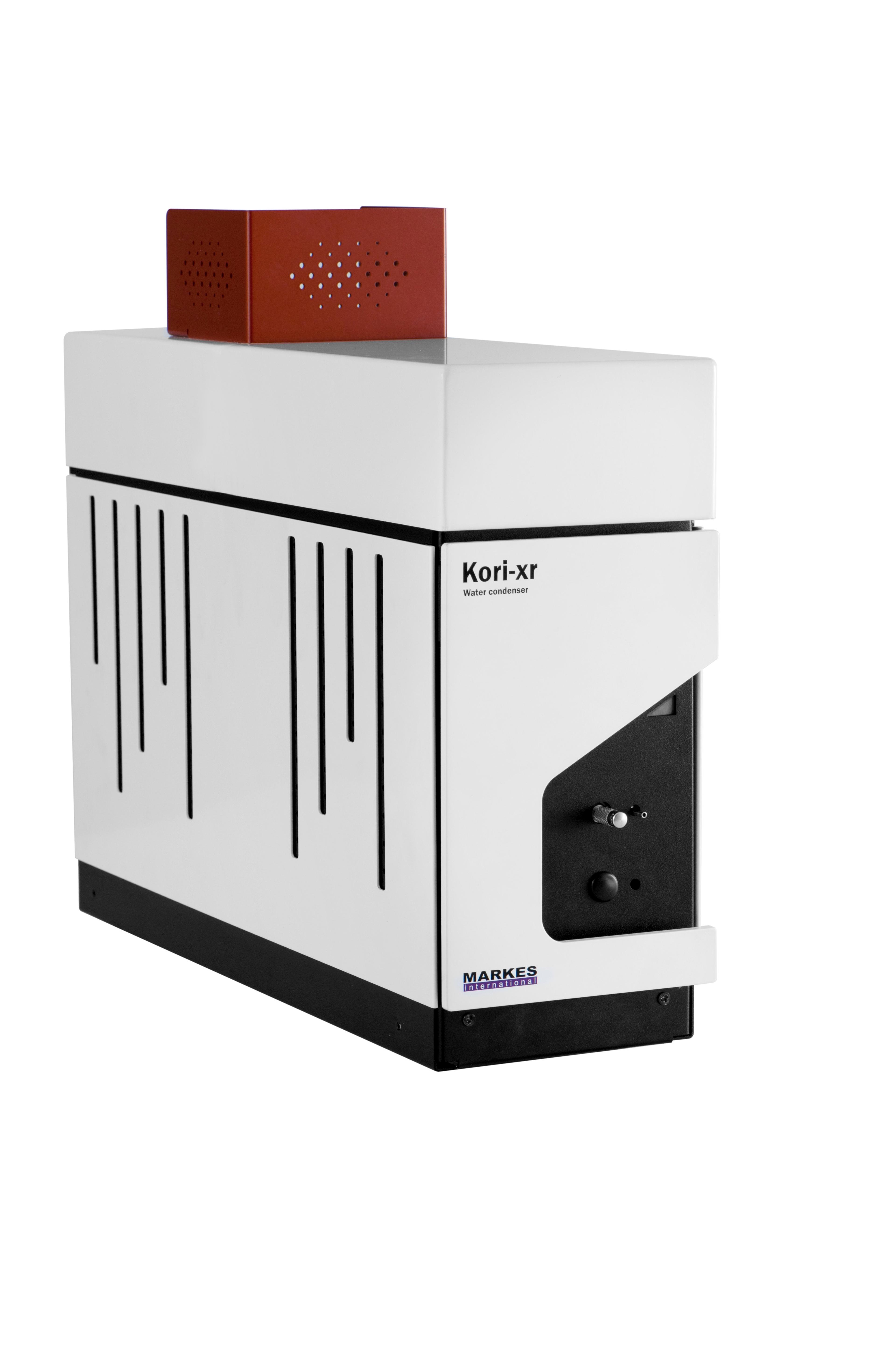
The US EPA Method 327 mandates fenceline monitoring at petroleum refineries. Markes analyzed ethylene oxide as part of an air toxics study in compliance with US EPA Method 327. Examine the steps that were taken for evaluating method performance and testing system capability, with an emphasis on eliminating the use of liquid cryogen during the analysis. Explore how Markes’ UNITY–CIA Advantage-xr™ with Kori-xr™ was used to generate data in line with the draft Method 327, demonstrating improved sensitivity, ease of method transfer between labs, and productivity without the need for cryogenic cooling.
Thermal desorption applications guide: Food and drink
In this application guide, Markes International details the utilization of thermal desorption (TD) for essential applications in food and drink volatile organic compound (VOC) profiling. The guide encompasses a range of applications, such as comparing different cheese brands and enhancing the shelf-life of ready-to-eat fresh-cut fruit. Aroma profiling is emphasized as a crucial tool for manufacturers to identify volatile components, influencing product quality positively or negatively, and enabling quality maintenance and improvement.
How thermal desorption gives research and industry the edge when analyzing emerging organic contaminants
In this poster, Markes International demonstrate that TD can be used to analyse the most challenging environmental contaminants in both discovery and routine applications.
Fenceline and Ambient Monitoring of Benzene and Other Hydrocarbons using Diffusive Sampling and TD Analysis
This application note provides an overview of options for the diffusive sampling of benzene and other hydrocarbons in air.
TD-GC/MS Analysis of Vapour-Phase Organic Compounds for Materials Emissions Testing
This application note describes a specific procedure for identifying and quantifying the masses of individual volatile organic compounds (VOCs) which are emitted into a flow of air from materials including (wood panels, paints, coatings, polyurethane foams) and collected on sorbent sampling tubes during emissions testing. It also provides a method of estimating the level of total volatile organic compounds (TVOCs) as compared to a reference compound (toluene).
Direct Desorption of Car Trim Materials for VOC and SVOC Analysis in Accordance with VDA Method 278
This Application Note demonstrates the suitability of Markes’ UltaA-UNITY automated thermal desorption system for performing the analysis of volatile and semi-volatile organic chemicals (VOCs and SVOCs) in three types of automotive trim materials (polypropylene, artificial leather and foam) in accordance with VDA Method 278.
Identification of Off-Odors in Wine using Targetview GC–MS Software
This Application Note shows how TargetView compound identification software can be used to rapidly and confidently identify volatile compounds in wine associated with the spoilage yeast Dekkera (Brettanomyces) bruxellensis (‘Brett’).
Correlation of Emission Rates Determined using the Micro-Chamber/Thermal Extractor with those for Conventional Emission-Chamber Tests
In this Application Note it is shown that there is excellent correlation between emission tests on a sample of PVC wall covering obtained with Markes’ Micro-Chamber/ Thermal Extractor™ (µ-CTE™) and those from a conventional emission chamber. This confirms the Micro-Chamber/Thermal Extractor as an ideal tool for the rapid evaluation of emissions from materials during routine quality control and as part of product development.
Monitoring ‘Air Toxics’ in Ambient Air using Sorbent Tubes by Automated, Cryogen-Free Thermal Desorption in Accordance with US EPA Method TO-17
This Application Note demonstrates the fundamental sensitivity of Markes’ ULTRA–UNITY system for the analysis of TO-17 ‘air toxics’ ranging in volatility from chloromethane to hexachlorobutadiene. Also highlighted is the ability of Markes’ ClearView background-compensation software to improve signal-to-noise ratios and enhance spectral purity for trace-level compounds.
The Analysis of Landfill Gas Compounds using Thermal Desorption GC/MS and a Retention Time Locked Database
As a consequence of their content and decomposition processes, landfill sites containing domestic and commercial waste produce a variety of odorous and toxic volatile organic compounds (VOCs). Landfill gases require monitoring, therefore a complete thermal desorption GCMS method has been successfully developed for the highly complex mixture of toxic and priority odorous VOCs found in landfill gas. This application note describes the use of the Markes ULTRA-UNITY TD system linked to the Agilent 6890 GC 5973 MS to analyze mixtures of landfill gas.
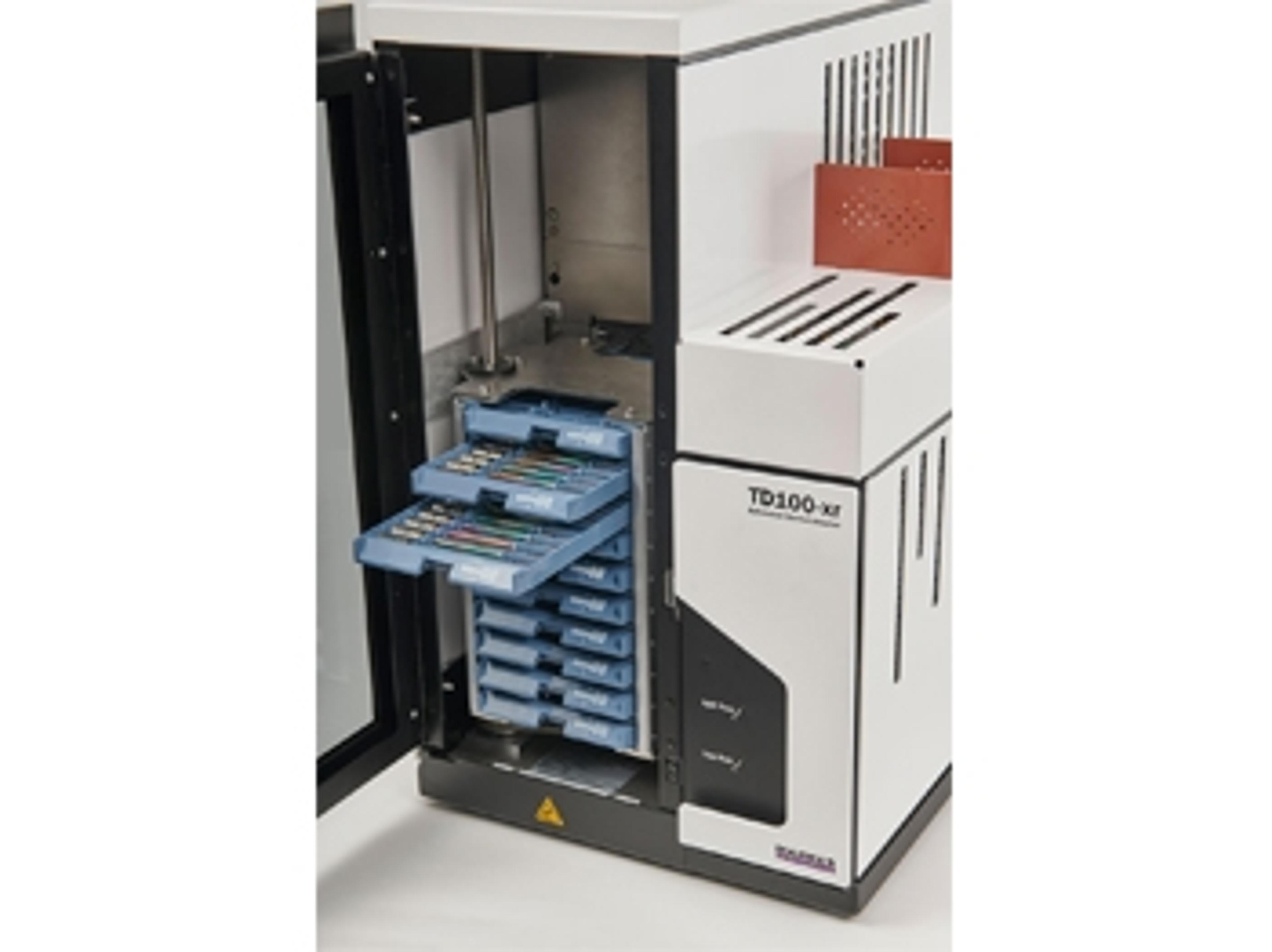
Markes International launch world’s first multi-gas enabled thermal desorption instruments
The thermal desorption (TD) instruments are safety-certified to run on three gases: helium, nitrogen and hydrogen.